Ruby Saltbush News
DIERDRE AILA & FARISHTA YOUSAFZAI
Ruby Saltbush News
DIERDRE AILA & FARISHTA YOUSAFZAI
Steiner Education is often described as an education for the whole child - the head, the heart and the hands. But what does this actually mean in a real-life preschool?
In Ruby Saltbush, all three are woven through our days:
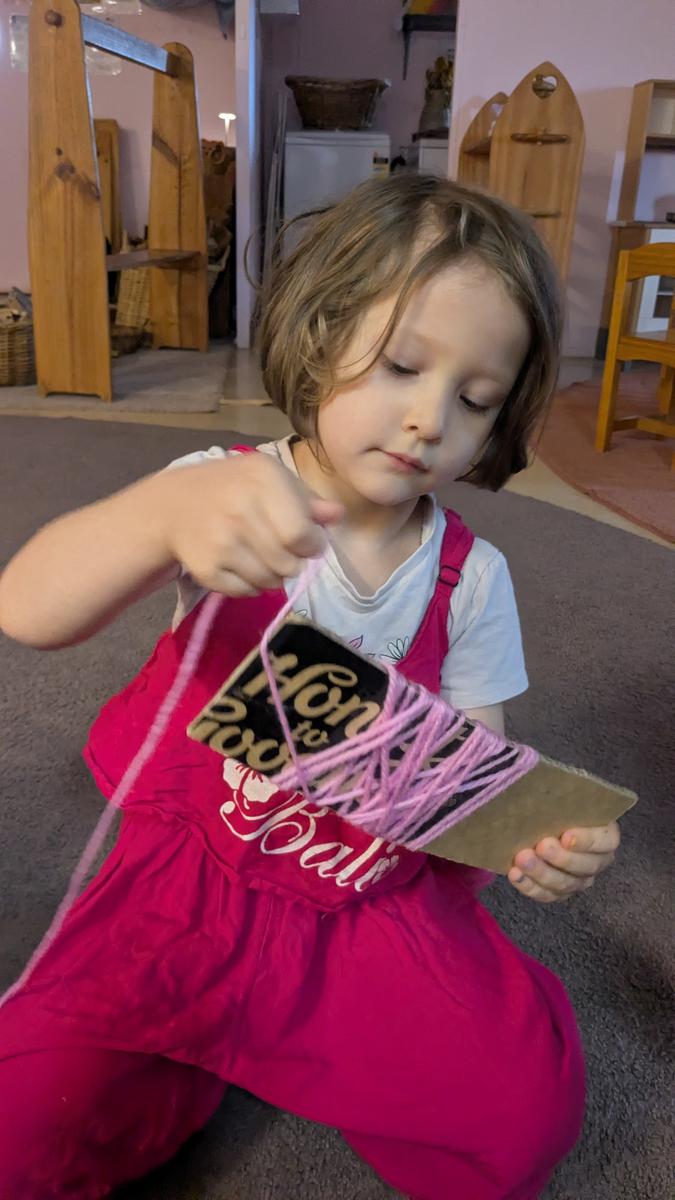
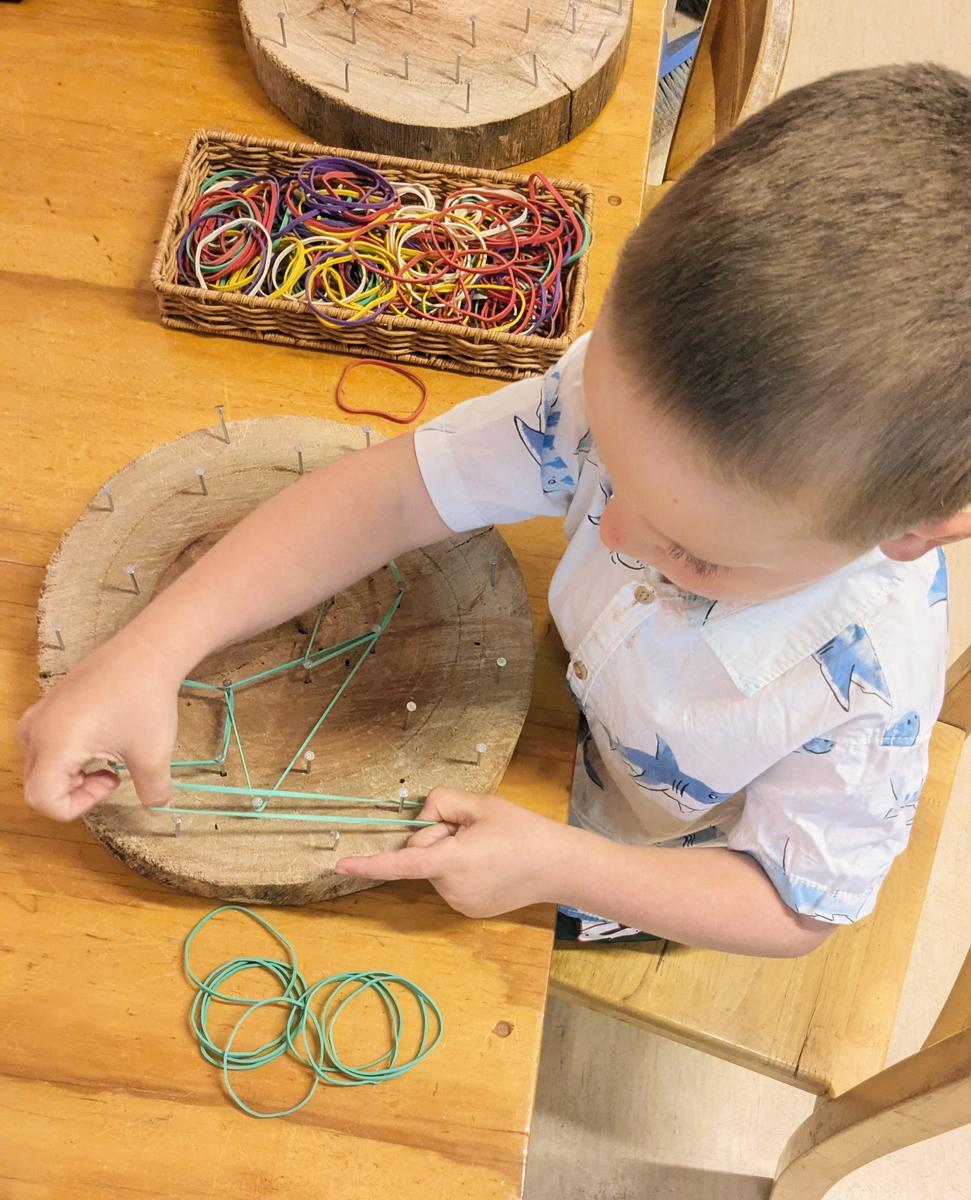
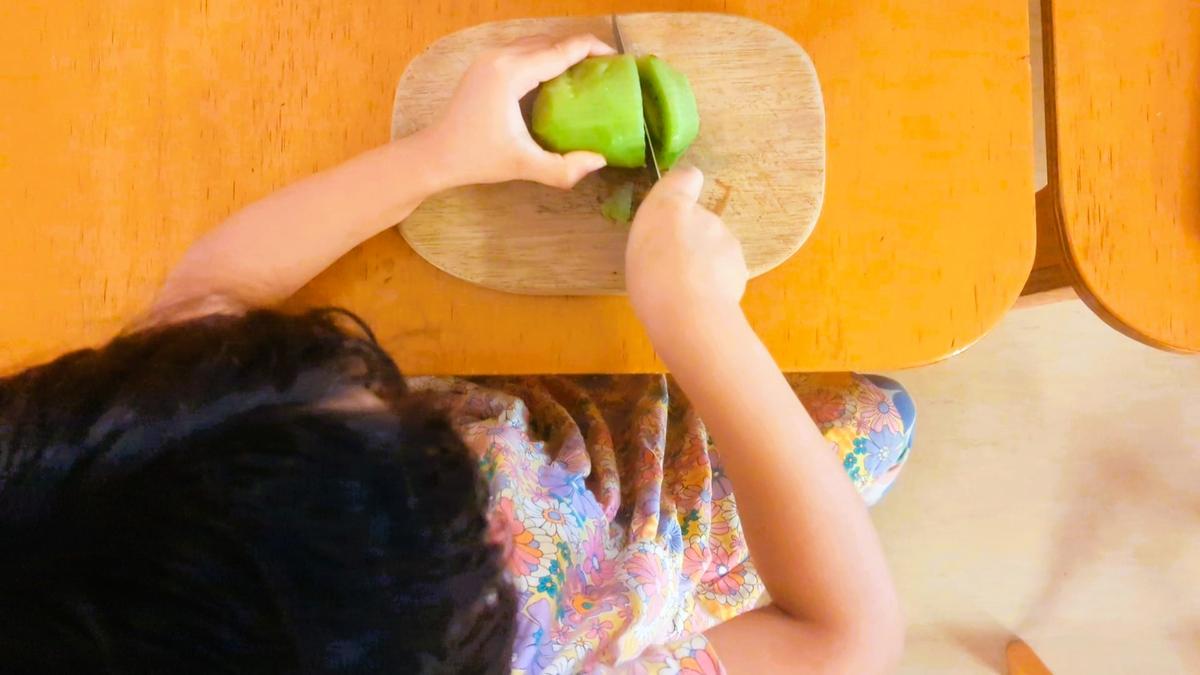
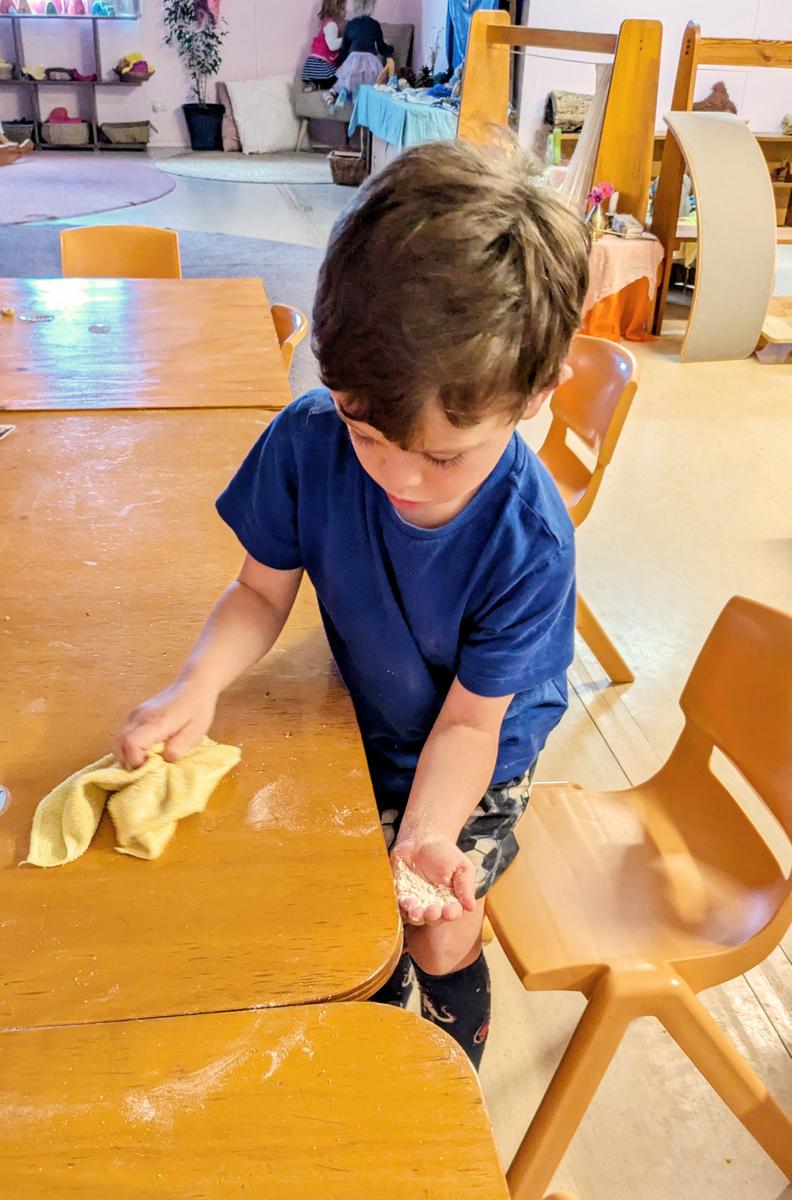
Hands (Doing): movement, practical work, sensory exploration, imitation, creating, building and learning through direct experience.
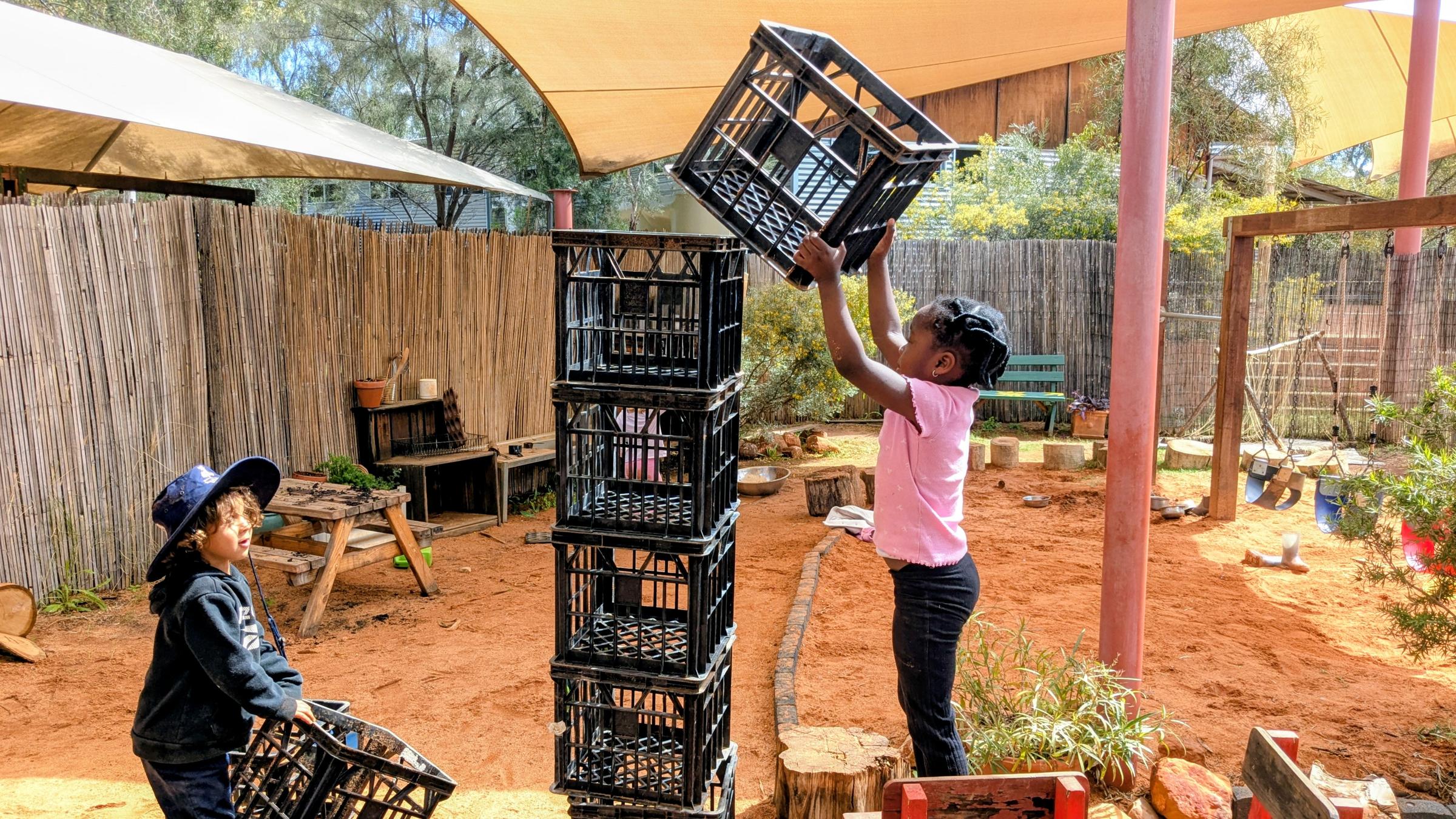
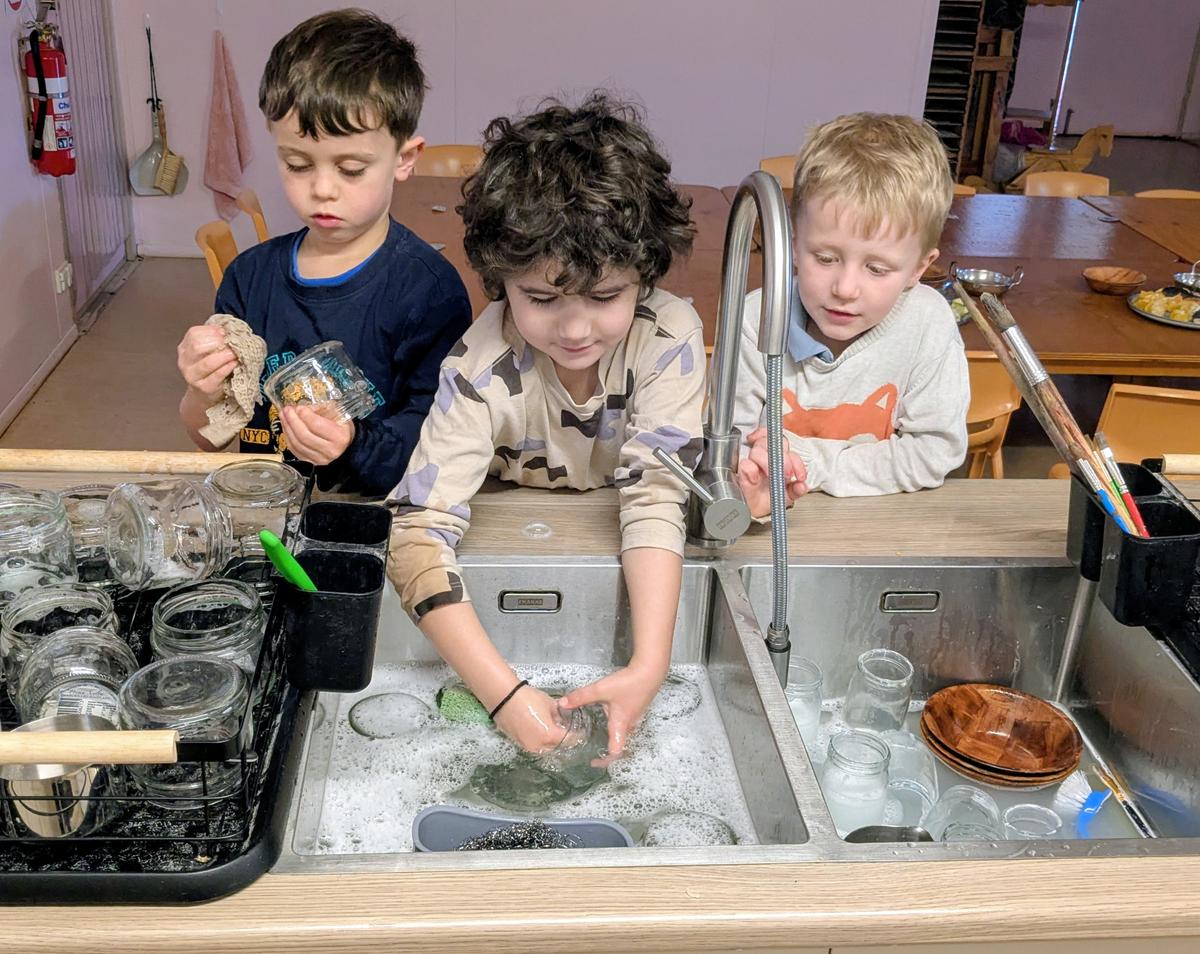
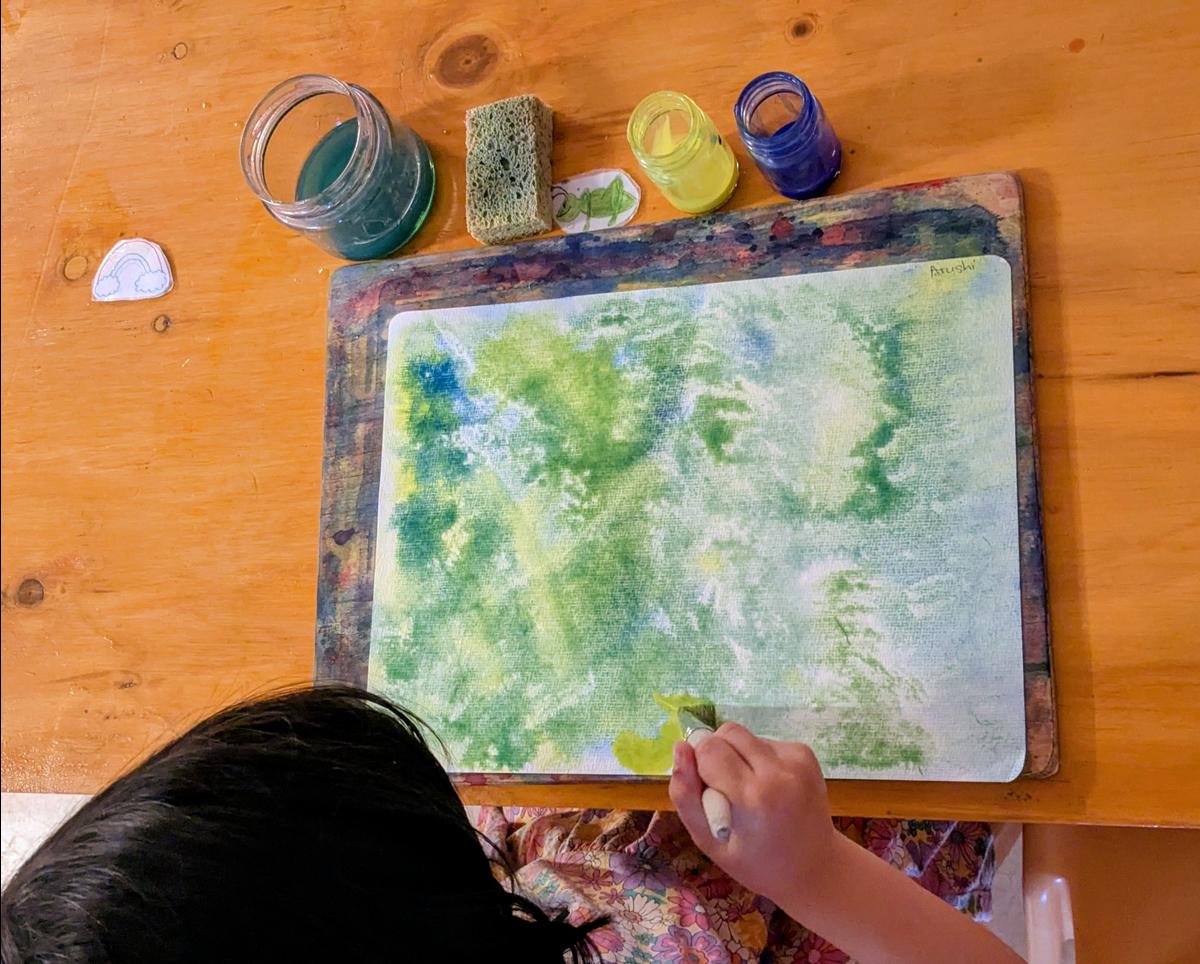
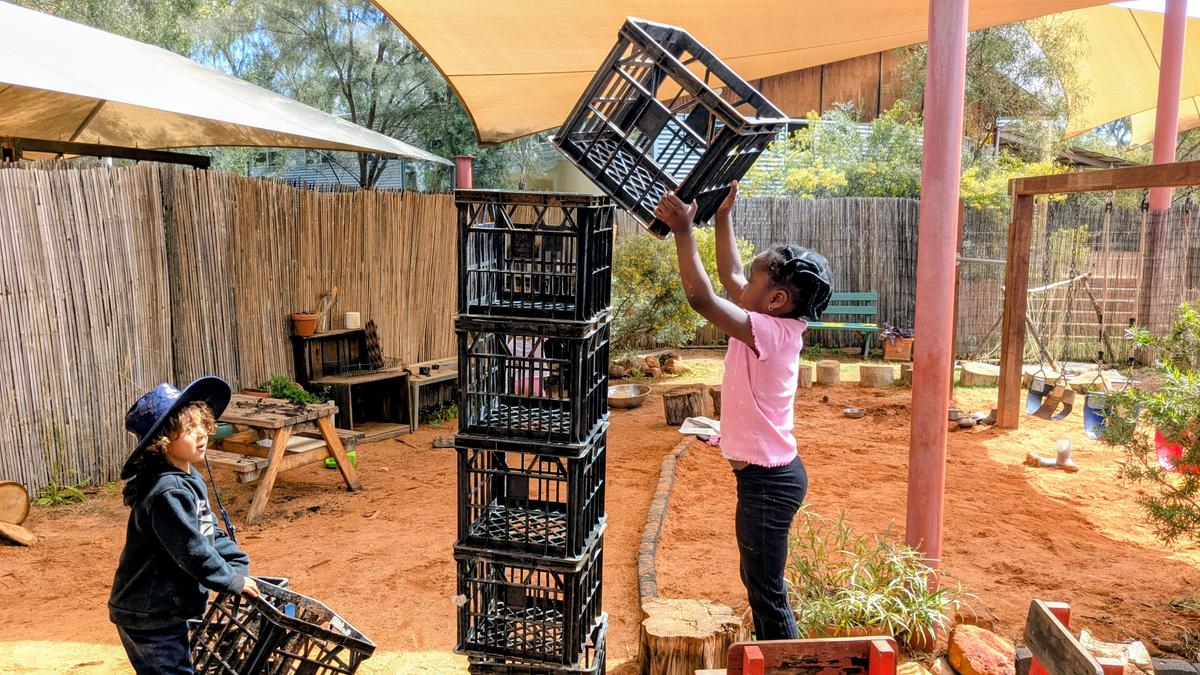
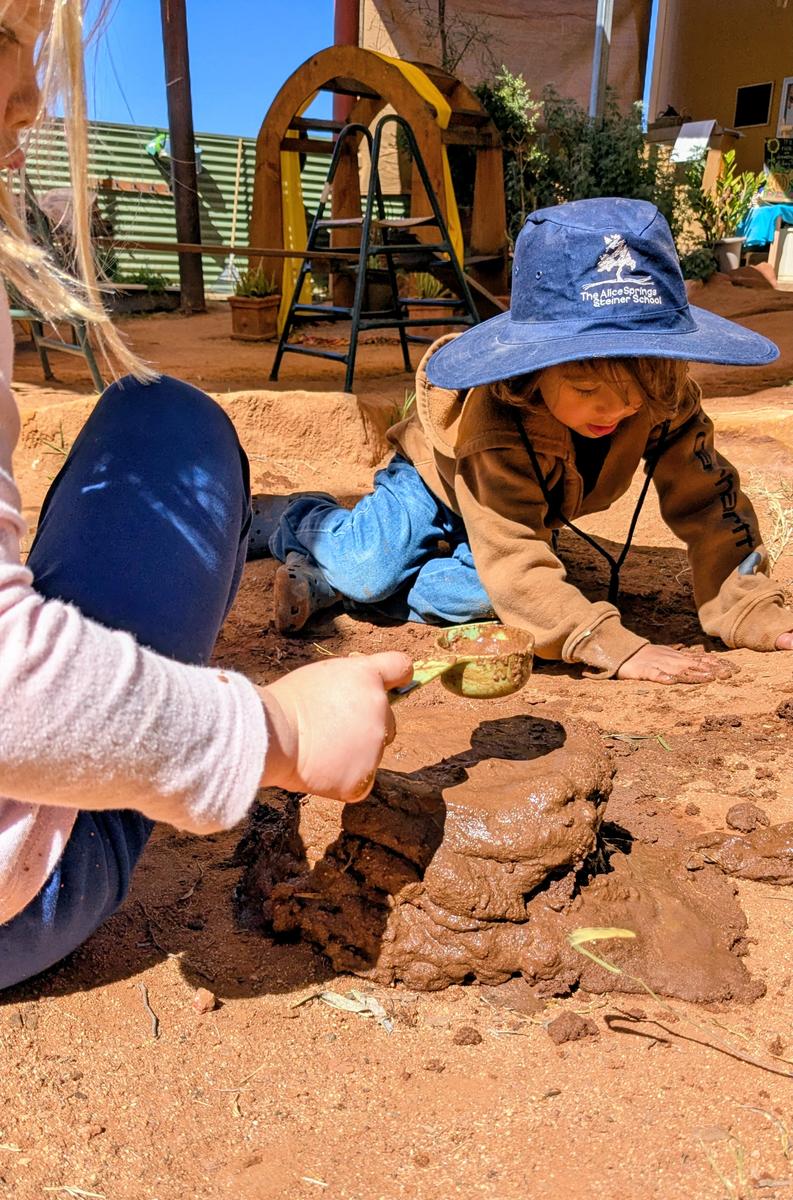
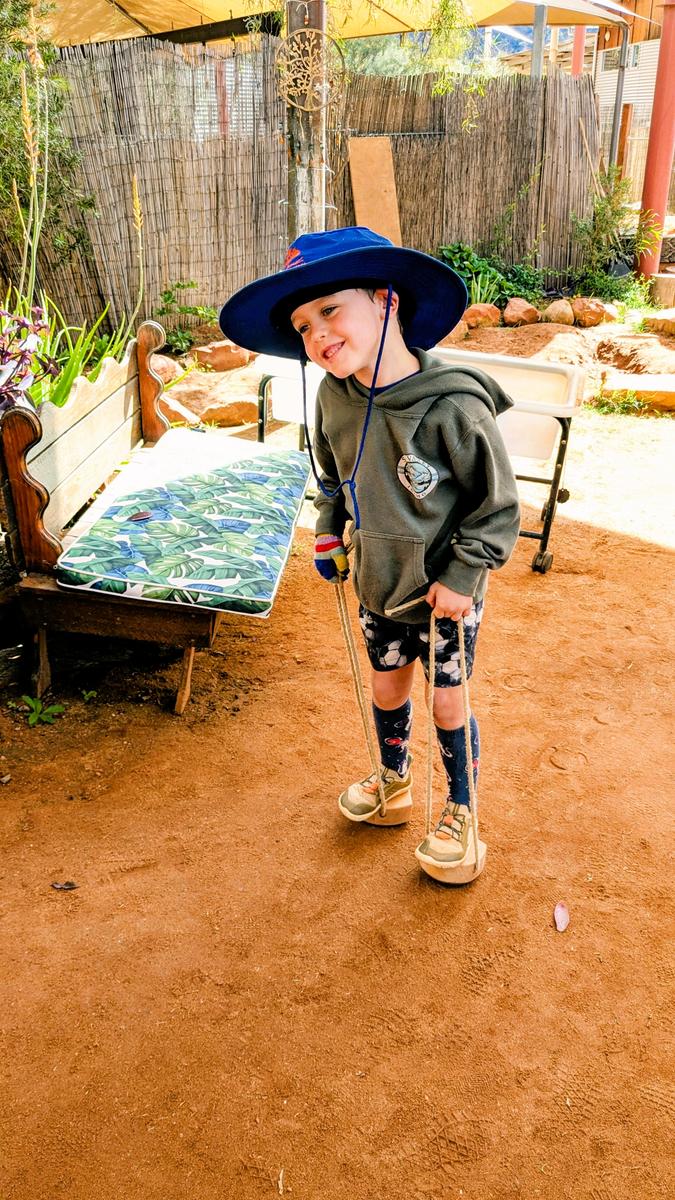
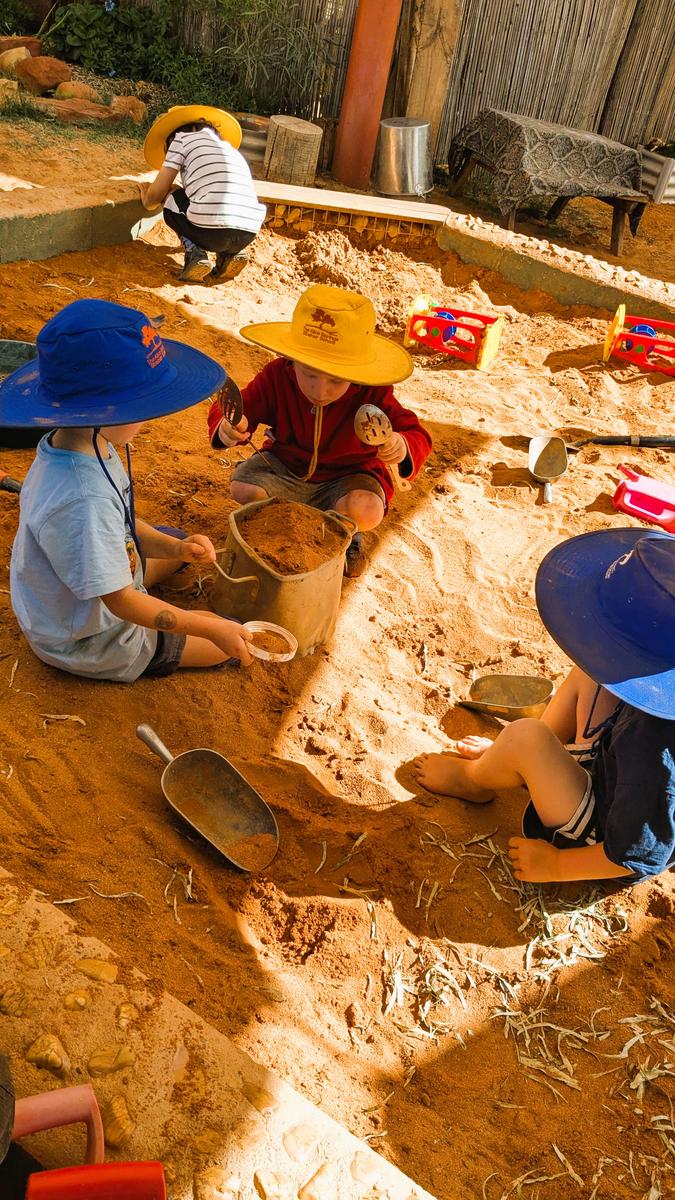
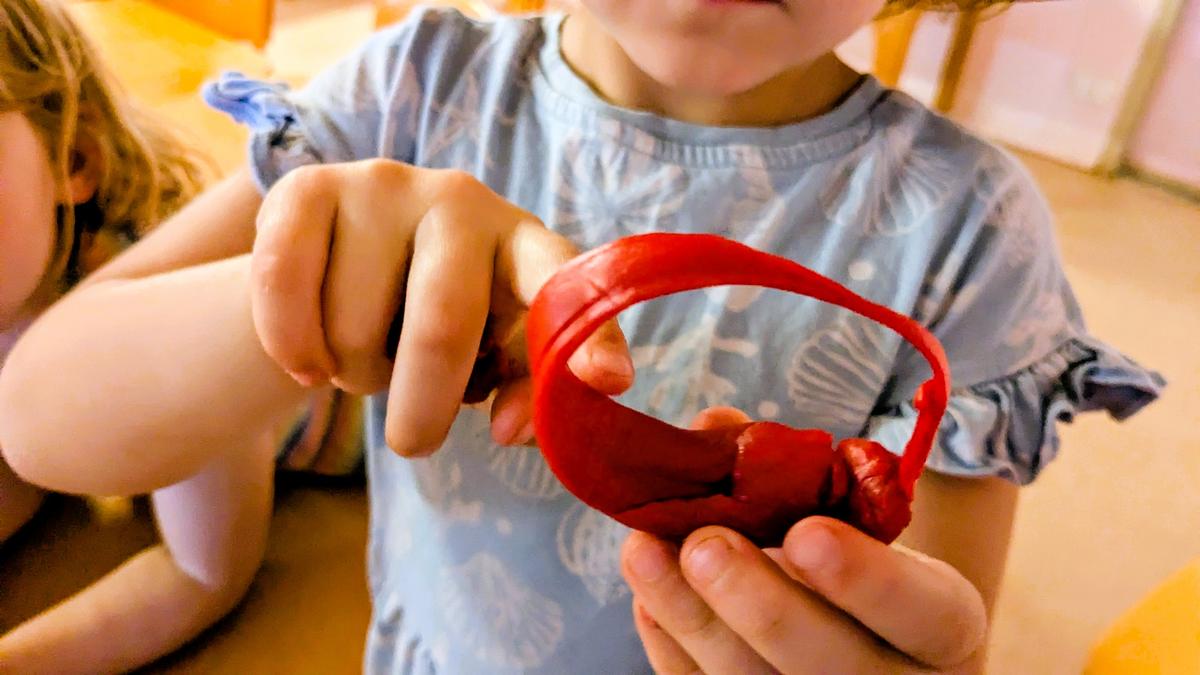
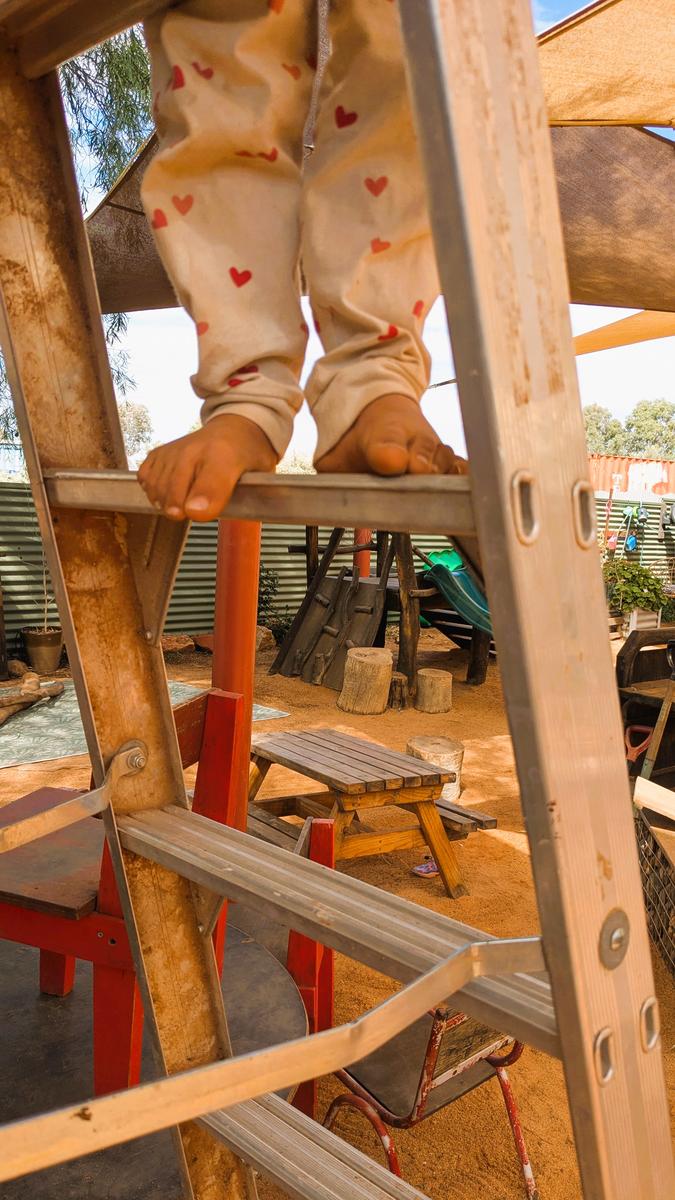
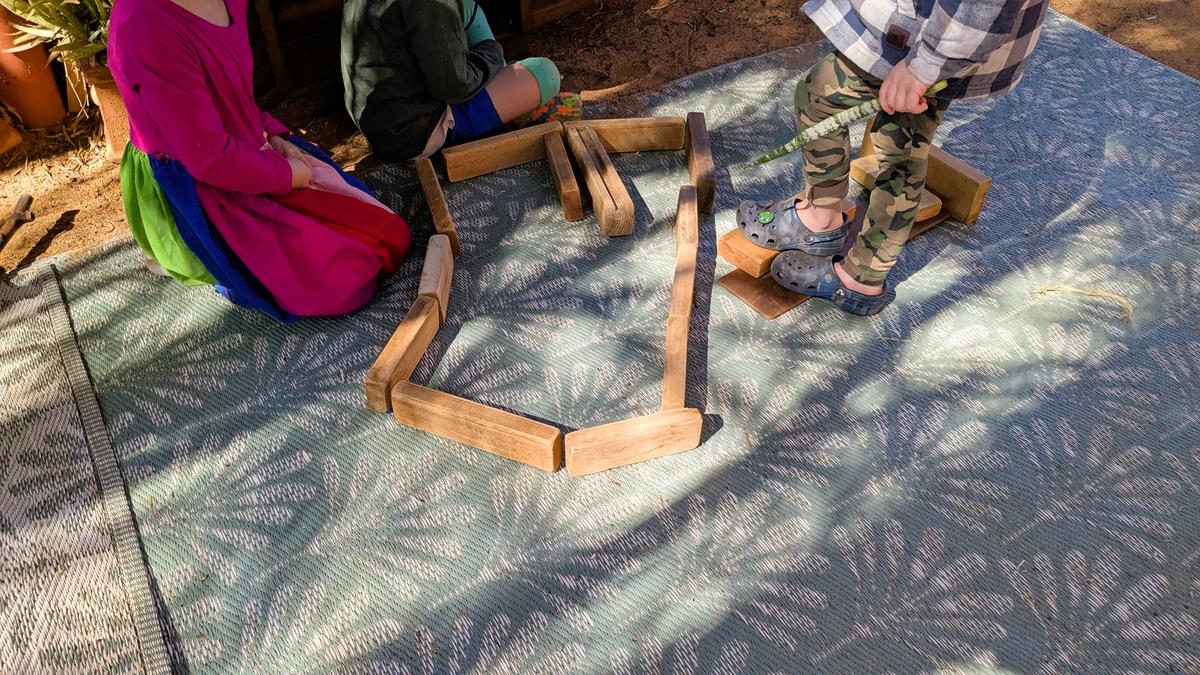
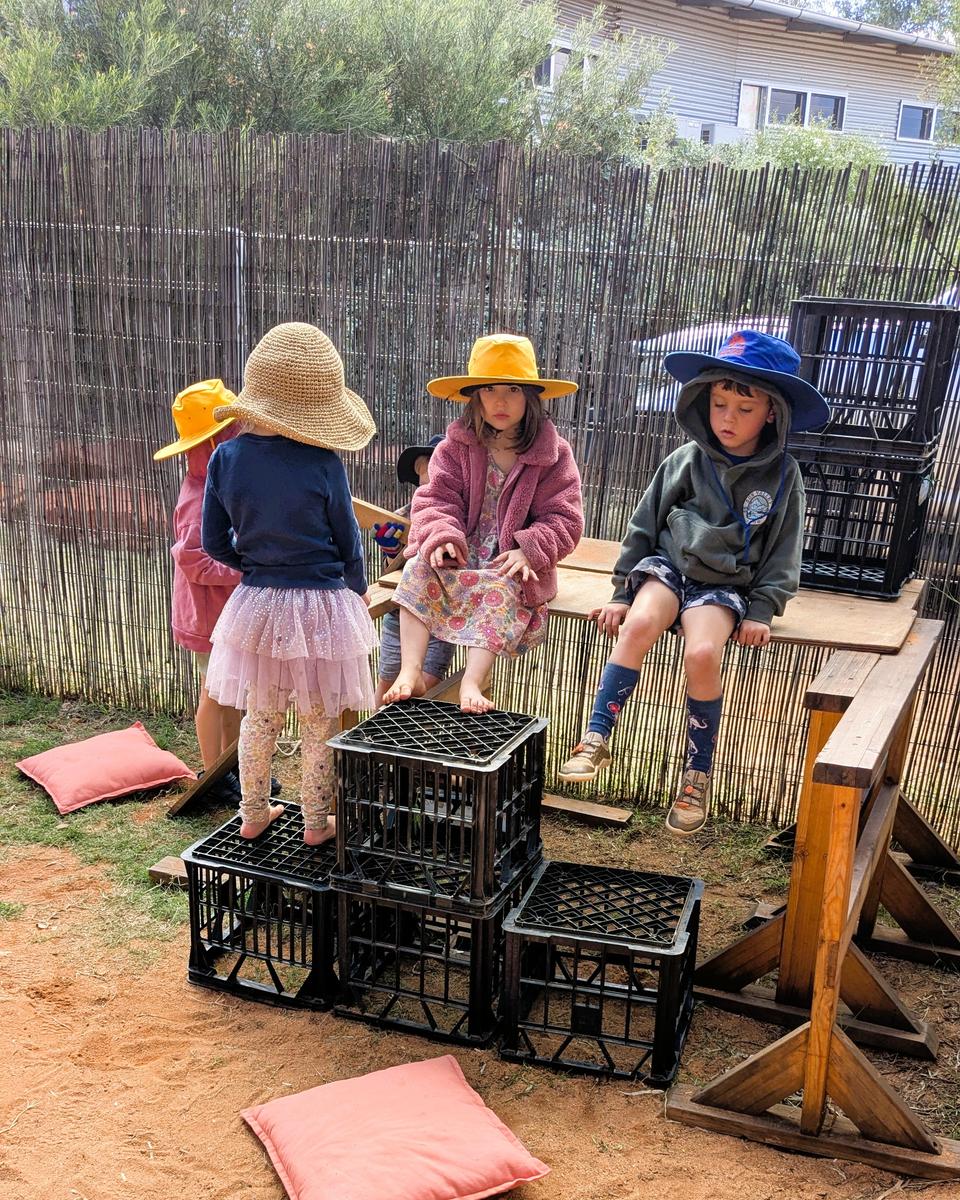
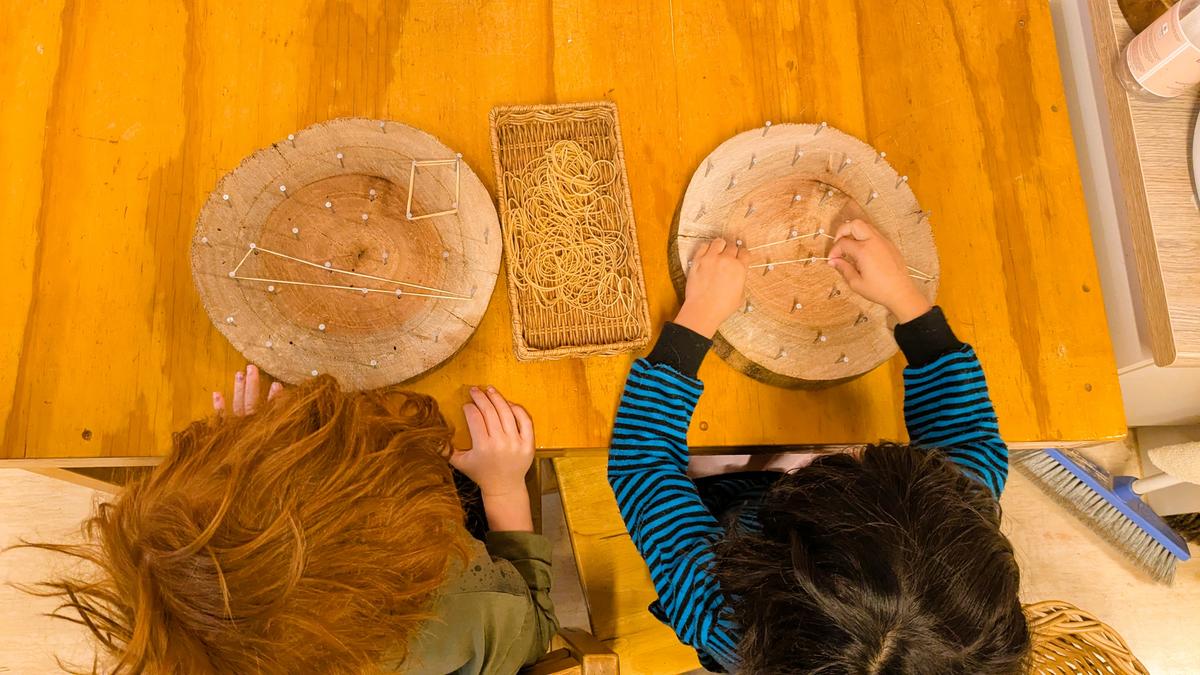
In Steiner Early Childhood Education, there is a particular emphasis on the hands, “learning through doing.” Young children learn with their whole bodies. They need to experience their world: to carry, pour, stir, dig, climb, balance, build, wash, sweep, knead, create, pretend, sing and move.
This is why rhythm, imitation, imaginative play and meaningful practical activity are such important parts of our preschool day.
What does all this “doing” actually teach?
Quite a lot!
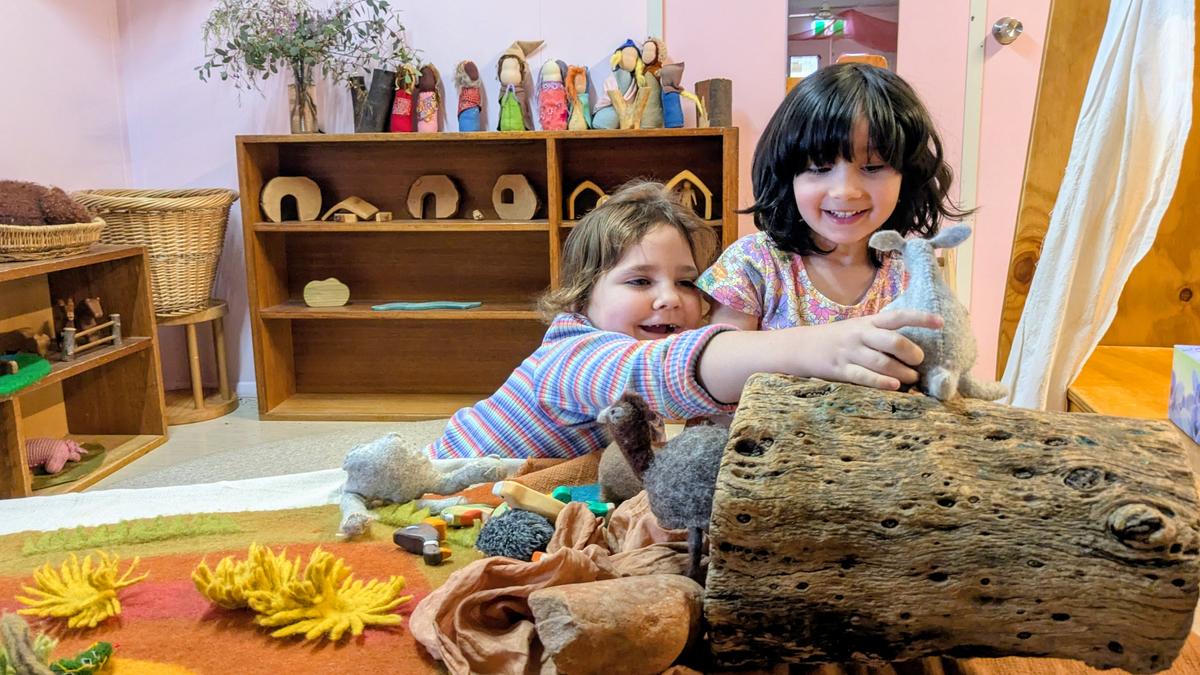
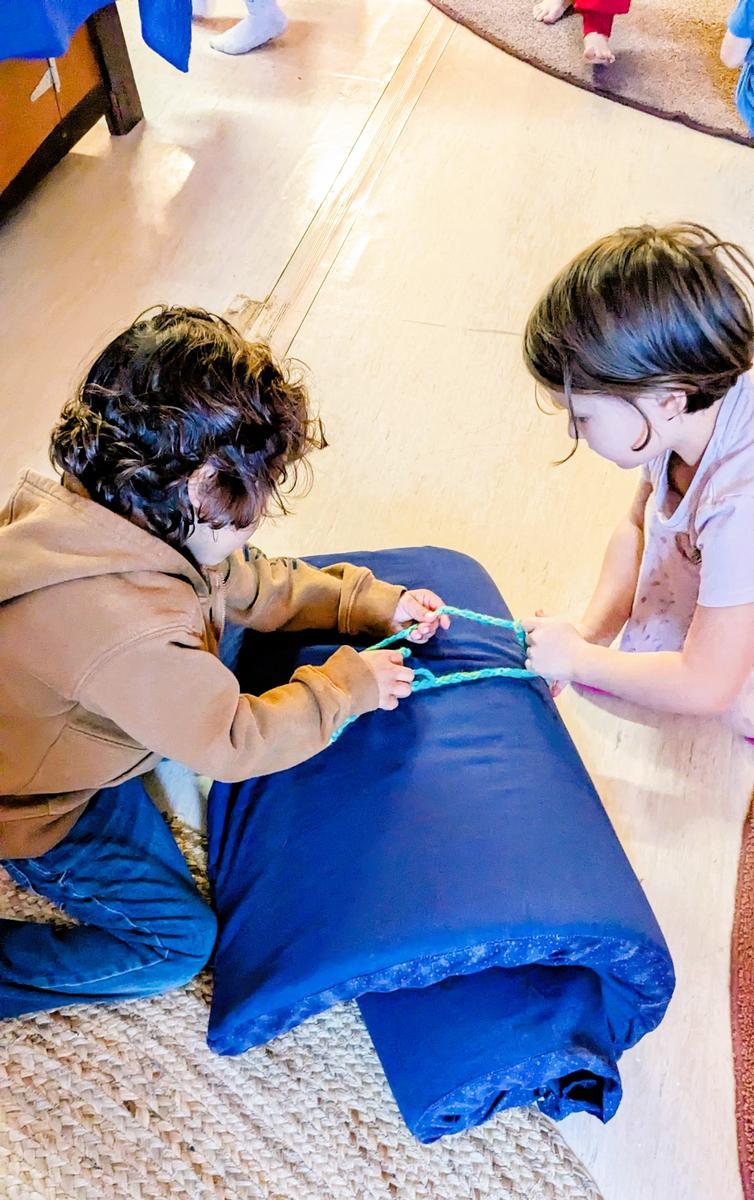
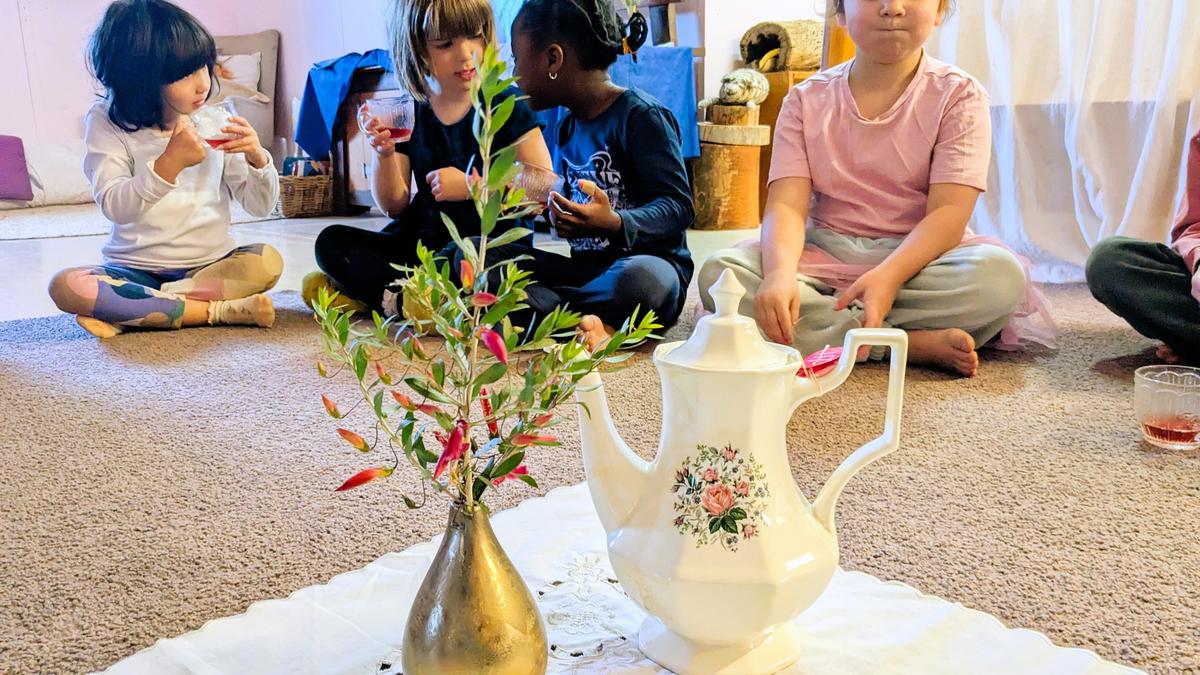
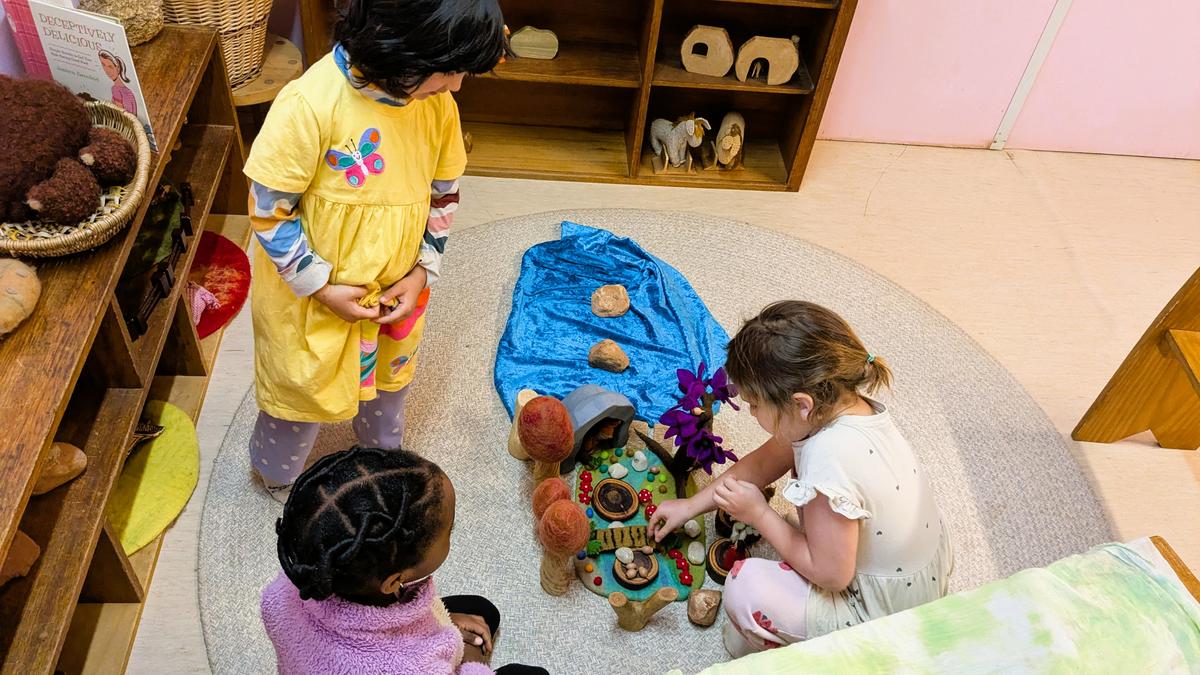
Imaginative play: A rich game might involve creating a story, building a cubby, deciding who will do what, negotiating with friends, carrying materials, solving disagreements and changing plans when something doesn't work.
That is a remarkable amount of learning happening through play.
“But they're just playing…”
One of the most important things to understand about Steiner preschool is that play is not time away from learning. Play is one of the young child's most important ways of learning.
Through these everyday experiences, children are developing:
Connection: I am part of my community, nature and the wider world.
In Steiner Education, we sometimes describe this as strengthening the child's will: the growing capacity to have an intention and carry it through, to begin, persist, problem-solve, try again and experience the satisfaction of meaningful work.
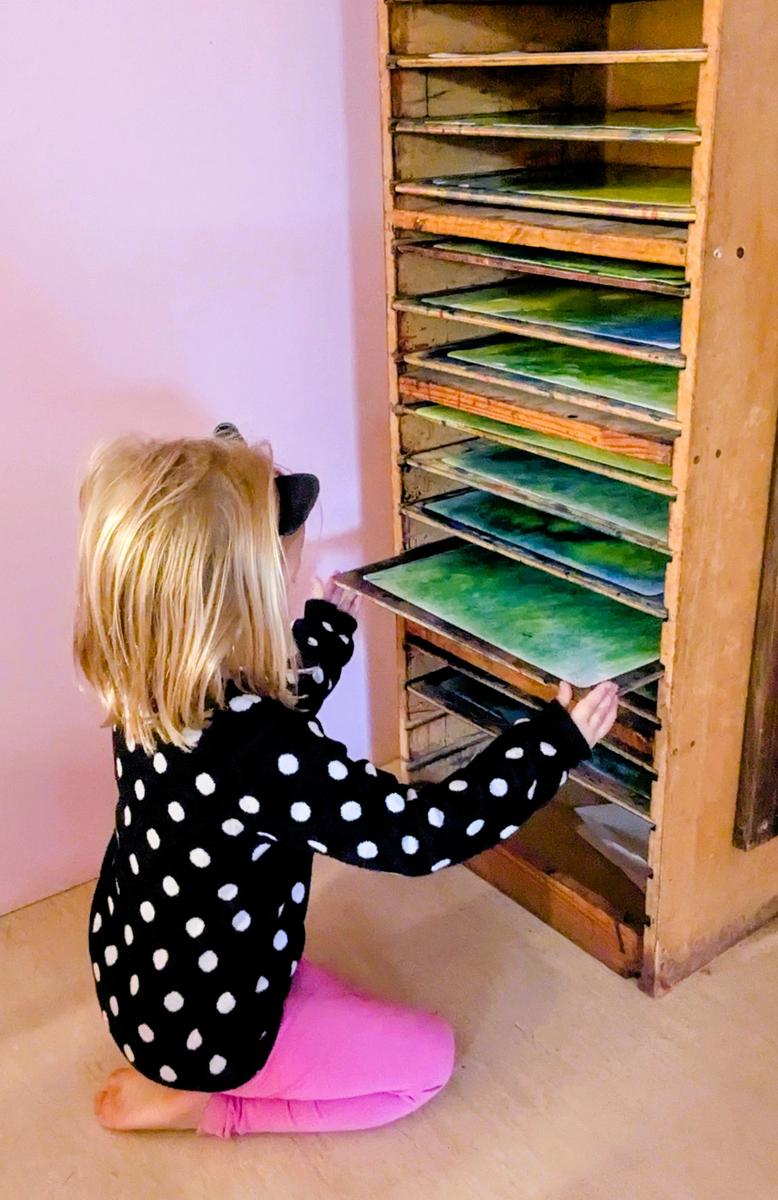
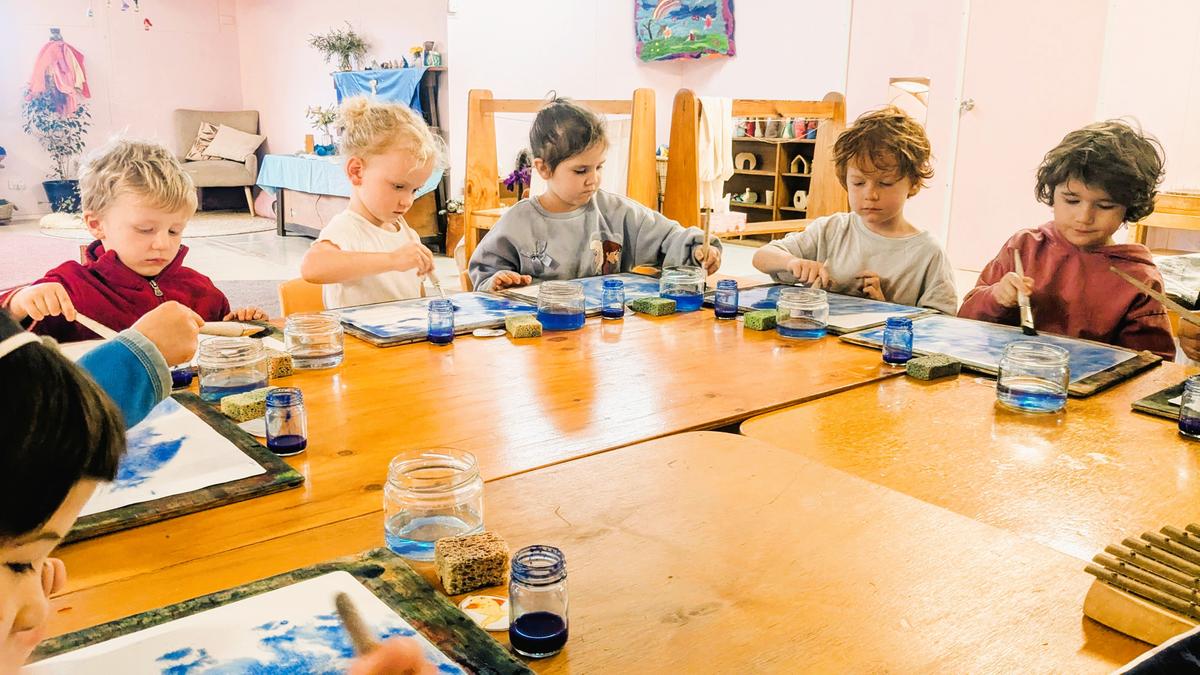
As children grow, the emphasis gradually shifts. The heart, imagination, feeling, story and artistic experience, comes particularly to the foreground through the primary years, with more abstract thinking developing as children mature. Yet head, heart and hands are never separate; all three are continually developing and working together.
The important work of childhood
The bread kneaded by small hands. The carefully poured cup of water. The tower rebuilt after it falls. The friend comforted. The garden tended. The story that becomes an elaborate game. The heavy branch that takes three children to carry.
These can look like very ordinary moments.
But they are not moments between learning.
They are the learning.
Through them, children are building capable bodies and hands, lively imaginations, language, confidence, perseverance, empathy, independence and the deep sense that they can participate meaningfully in the world around them.
Thank you to our Ruby Saltbush families for entrusting us with this precious time in your children's lives, and for supporting the wonderful gift of a rich and meaningful Steiner preschool childhood.
Warmly,
Dierdre
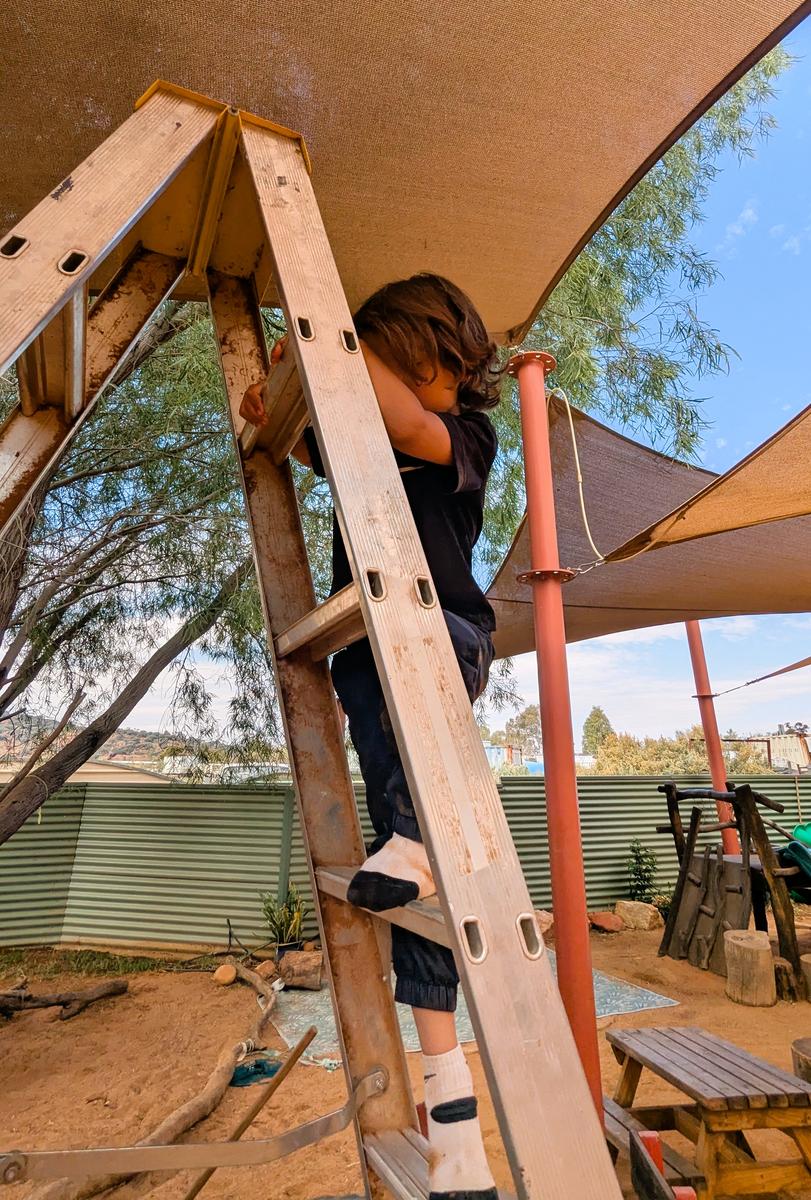
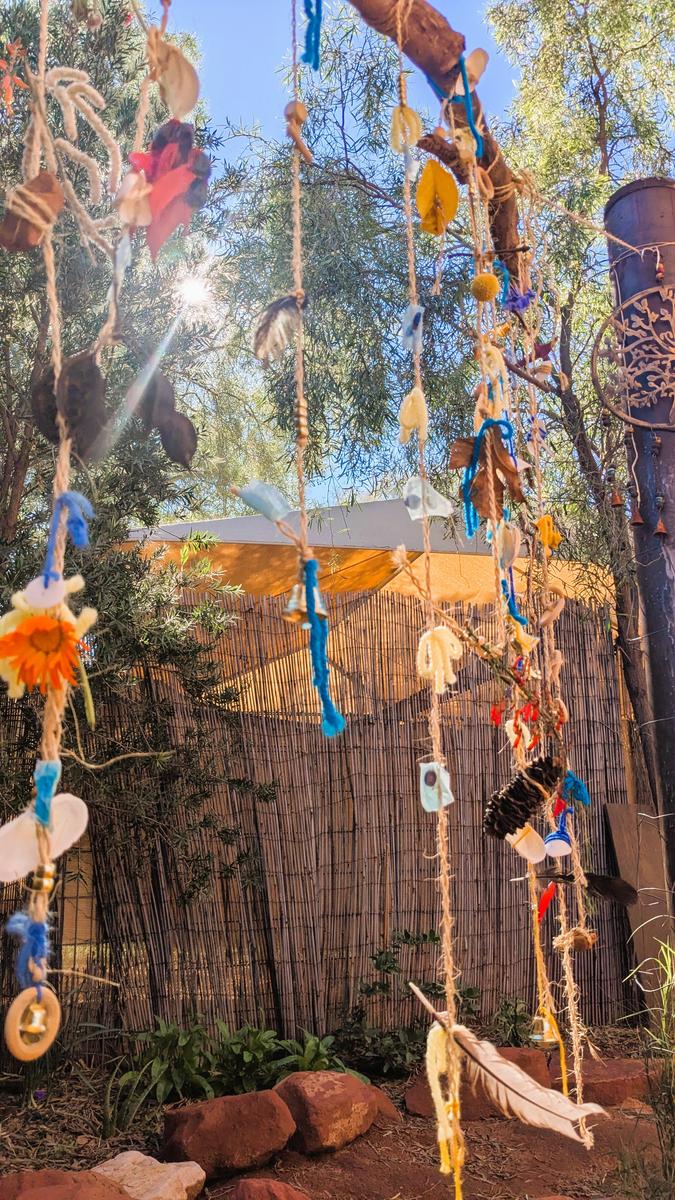
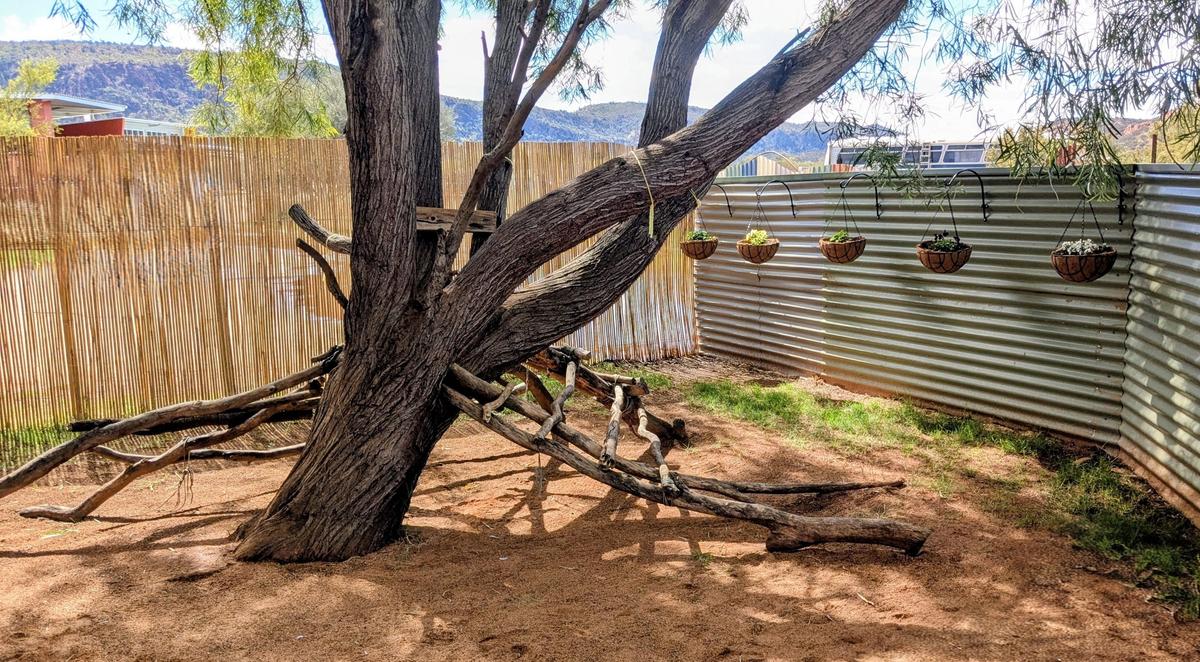
PS – A huge thank you to Jensine and Massie for the beautiful hanging plants they have brought in and installed around our garden! What a difference they have made, particularly around the climbing tree area and the cubby, which now feels so pretty, finished and inviting. Thank you for giving your time and energy so generously to make our children's garden even more beautiful.