Diverse Learning
Ms Janelle Schembri | Diverse Learning Coordinator













 Our Lady of Fatima Catholic Primary School
Diverse Learning
Ms Janelle Schembri | Diverse Learning Coordinator
When our children do something hurtful to us or to others, there is nothing growthful for them to learn if we hurt them back.
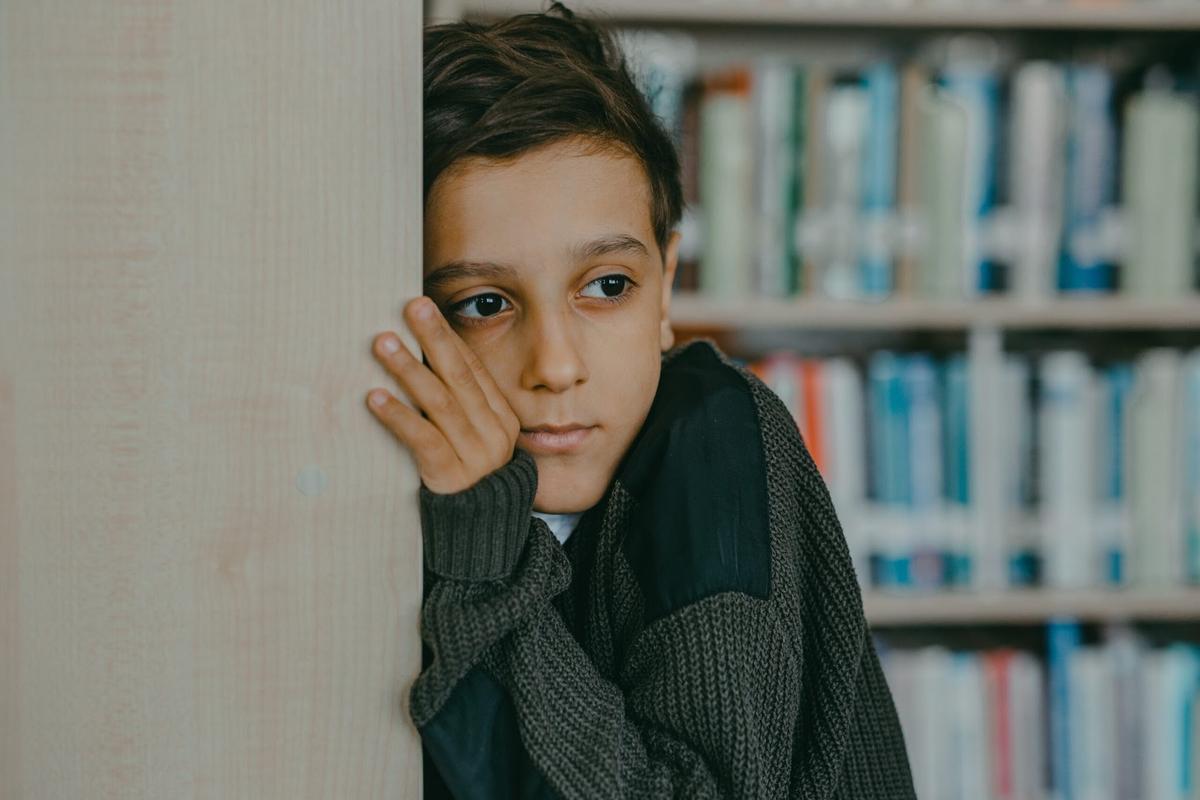
But – if we empathise, we build empathy.
If we show compassion, we build compassion.
If we stay connected, we can lead and teach.
If we stay curious, we learn.
If we stay calm, we show them we can handle all versions of them, and that we are safe to listen to and turn to, always.
Understandably, many adults might be wed to the idea that young people will only learn to do better by having consequences that hurt. This might include punishment, disconnected consequences, or anything that separates physically (time-out) or emotionally (shame, shouty voices, angry faces).
It’s what we were told to do for decades by ‘experts’ and people in the know. But now we can all know better.
It’s also a leftover from the way we were parented. Our childhood experience with these responses means they might feel familiar, but this doesn’t make them ‘right’.
We’ve also been seduced by the way they seem to work. If you punish or separate a child from you, you will get a quiet child back. But a quiet child doesn’t mean a calm child.
Unless their body and brain are truly calm, we don’t have access to the part of the brain necessary for learning.
We also risk our connection, and we can’t lead them if they aren’t connected. They’re no different to us. We’re more likely to take guidance from, and turn to, people we know will be open to us and who make us feel loved no matter what. They might tell us what we’ve done isn’t okay, but they’ll do it lovingly.
We can love and lead at the same time. In fact, it’s the only way if we want them to turn to us instead of the secretive or the forbidden.
So what does that look like?
During the storm it looks like holding the boundary AND attending to relationship. Then after the storm, separating them from their behaviour.

During: ‘It’s okay to be angry at me (relationship). It’s not okay to use those words (boundary). I want to understand what you need (r) but I won’t listen while you’re yelling (b). I’m right here (r). Do you want me to stay or do you want space?’
After: ‘You’re such a great kid (them). I know you know that wasn’t okay (their behaviour). What can you do to put things right? Do you need my help?’ Then, ‘What might you do differently next time you feel angry/ upset/ frustrated?’ (Tie the response to the feeling.) Or, ‘What might you do next time this happens? (Tie the response to the situation.)’
Separating them from their behaviour is vital to ensuring they grow to be healthy, happy, vibrant adults. Children will take their experiences and how they feel and make them part of their identity.
This is where the ideas behind traditional disciplines fall down terribly. The whole point of traditional responses such as time out, shame, or punishment has been to make children feel bad so that they would do better. We now know that it just doesn’t work that way. The more children feel bad, the more likely they are to make this part of who they are. ‘I feel bad’ becomes ‘I am bad’. The risk is that ultimately, if children feel bad enough, enough times, they will lean into the bravado of bad – the ‘badass-ness’ of being bad.
Of course as hard as we might try to stay loving and connected, some days it won’t always go this way, and that’s okay. We’re human, with human hearts that feel big and human brains that step out at inconvenient times. Repair the rupture as soon as you can, and know there is also learning for them in our humility, imperfection, and our willingness to own our behaviour.
By Karen Young

Ms Janelle Schembri | Diverse Learning Coordinator