
Health Centre
Thunderstorm asthma – be prepared this pollen season
Grass pollen season in Victoria usually runs from October to December. During this time, asthma and hay fever symptoms can get worse. There is also an increased risk of thunderstorm asthma.
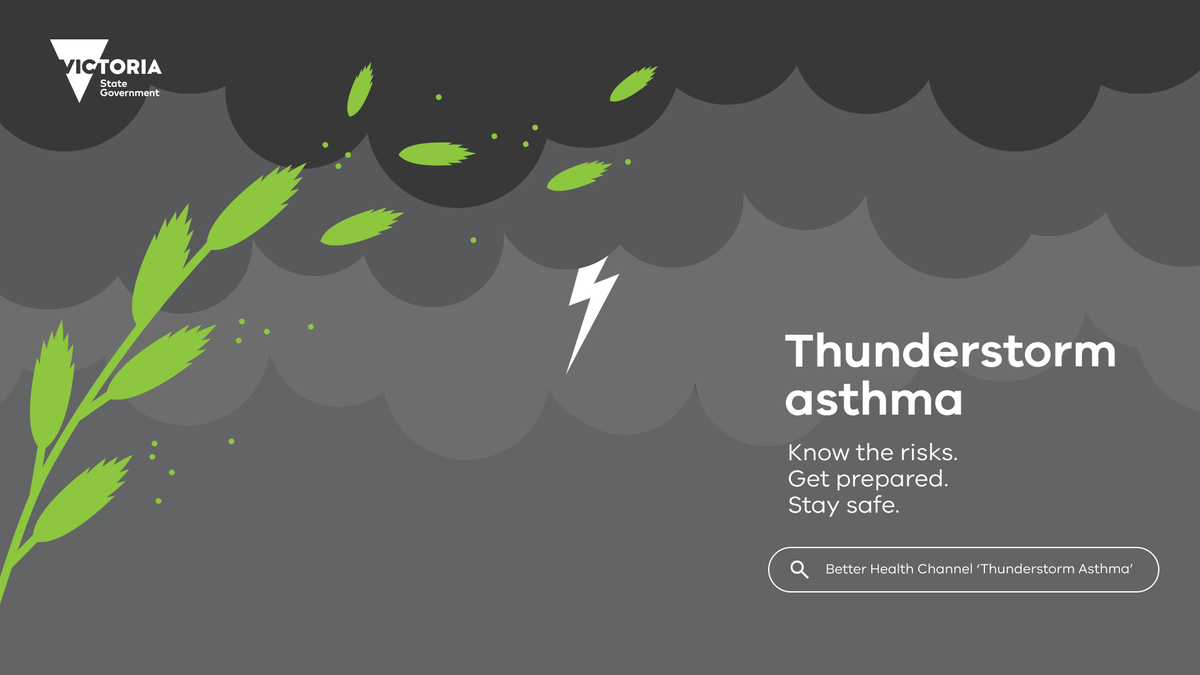
Ten years ago, Melbourne experienced the largest thunderstorm asthma event in the world. Thunderstorm asthma can be sudden and serious. It can be life-threatening, especially if a person’s asthma or hay fever is not well controlled.
EHPS will have measures to keep our school community safe.
Many of our staff are trained in asthma first aid. We will monitor VicEmergency for thunderstorm asthma warnings. When needed, we will keep students indoors if the weather forecast shows a higher risk.
Managing asthma and allergies matters. During this pollen season, there are some things you can do to protect yourself and your family:
- If your child has ever had asthma, talk to your doctor about your Asthma Action Plan and to make sure symptoms are well controlled.
- If your child has hay fever, talk to your pharmacist or doctor about a hay fever plan and check if you need an asthma reliever puffer.
- If your child has cough or wheeze with hay fever, talk to your doctor to make sure they don’t also have asthma.
- Take asthma medication as directed by your doctor, as the good control of symptoms can prevent thunderstorm asthma.
- Follow the VicEmergency website or app. Where possible, avoid being outside during thunderstorms – especially during the winds that come before the storm. Go inside and close your doors and windows. If you have your air conditioning on, turn it to ‘recirculate’.
- Know asthma first aid. If you are not sure if someone is having an asthma attack, you can still use a blue asthma reliever puffer.
Find out more
For more information, speak to your doctor. You can also:
- speak with an asthma educator on 1800 ASTHMA (1800 278 462). This is a free service from 9am to 5pm, Monday to Friday
- refer to Better Health Channel. This includes information in different languages.
Hay Fever
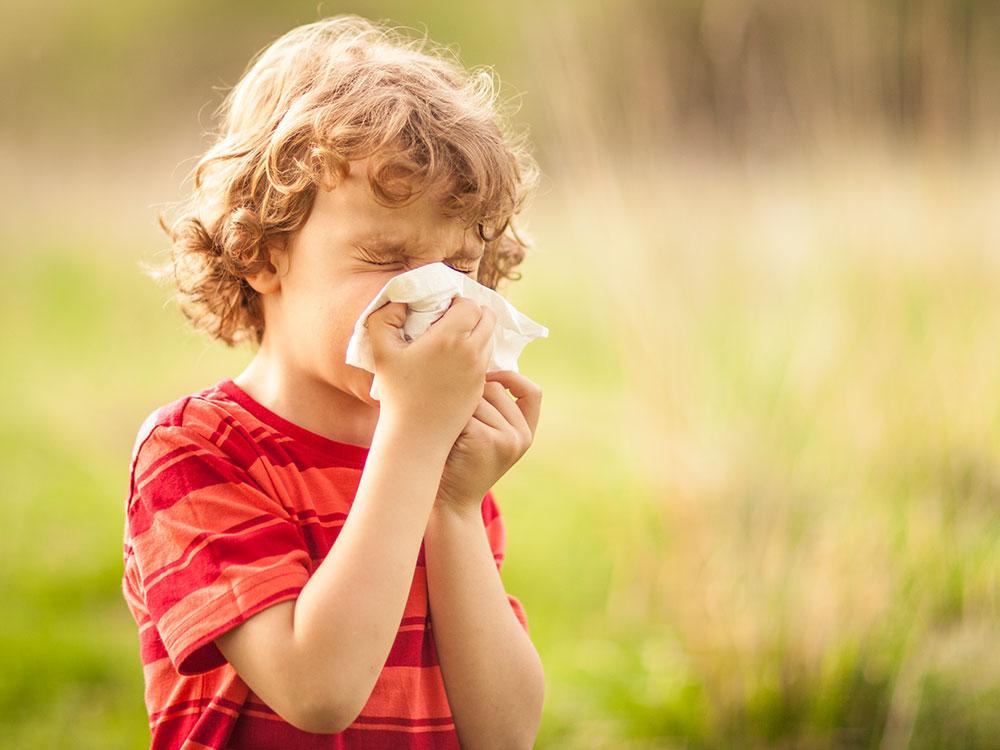
Hay fever is the common name for allergic rhinitis and is most commonly associated with Spring, when airborne grass pollens are at their peak.
Some of the immediate signs and symptoms of hay fever include:
- runny nose
- itchy nose
- sneezing
- itchy, watery eyes
In severe cases, a person can't sleep or concentrate, and may feel tired or unwell.
Children who suffer from hay fever (allergic rhinitis) are required to get an updated hay fever management plan each season from their doctor or pharmacist.
Warm, windy Spring days are most often the time of year that children who suffer with hay fever will have symptoms during the day that can significantly impact their learning.
We recommend that parents/carers of children with hay fever follow the Melbourne Pollen Count app to assist with symptom management, particularly on predicted high pollen days:
If your child's hay fever management plan advises taking an antihistamine to control symptoms, parents/carers must administer an antihistamine in the morning before school so that it can take effect and manage their symptoms throughout the day.
We will not routinely be administering antihistamines at school to children who present to the Health Centre with hay fever symptoms during the day. We will treat symptomatically, e.g. give wet cloths for itchy eyes. However, if your child is not coping with their hay fever symptoms, parents/carers will be rung and asked to collect them from school.
We recommend providing your child's current hay fever management plan to our Health Centre; hand in at the School Office or email to essex.heights.ps@education.vic.gov.au
Cass Gleglakos
First Aid Officer