Wellbeing
Breakfast Club: Every Monday, Tuesday & Friday from 8:25 am - 8:45 am
Small Acts, Big Impact – Bullying No Way
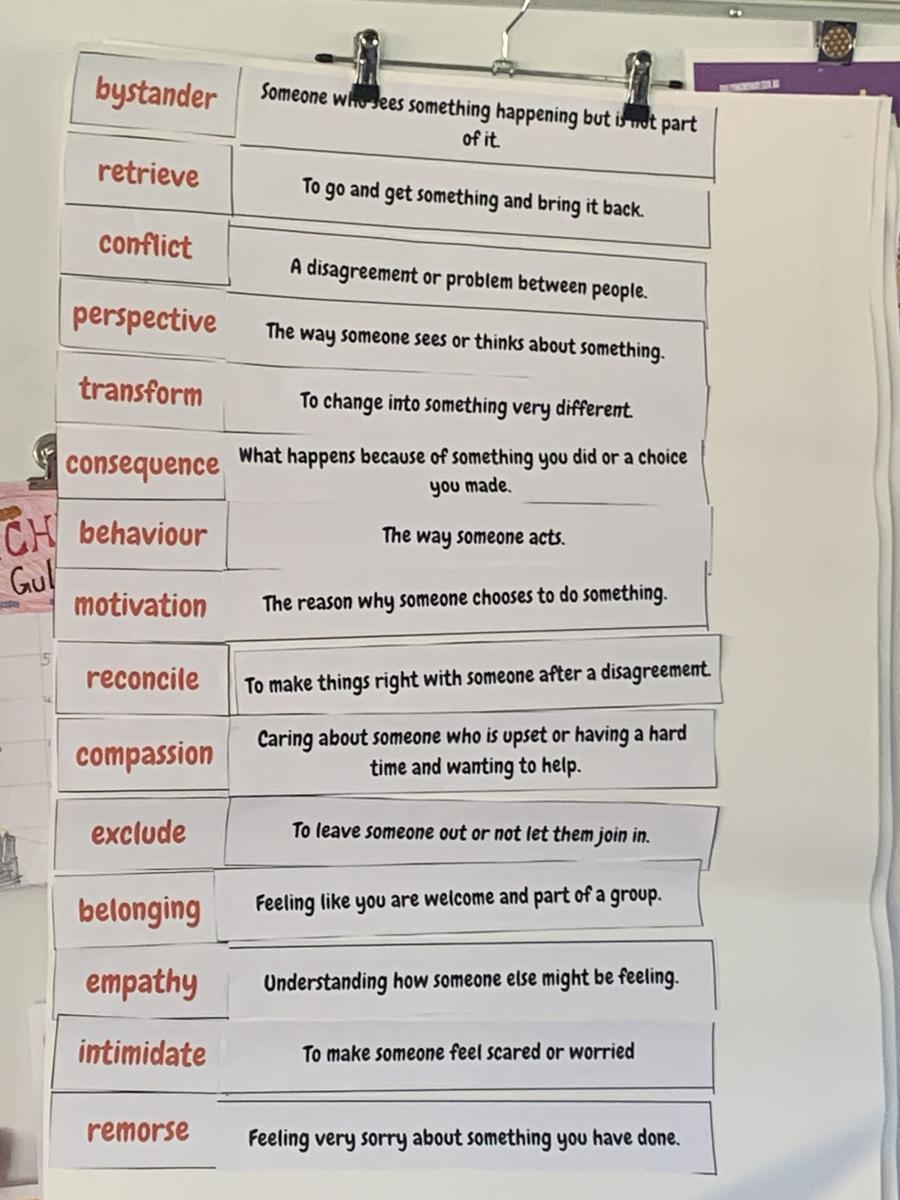
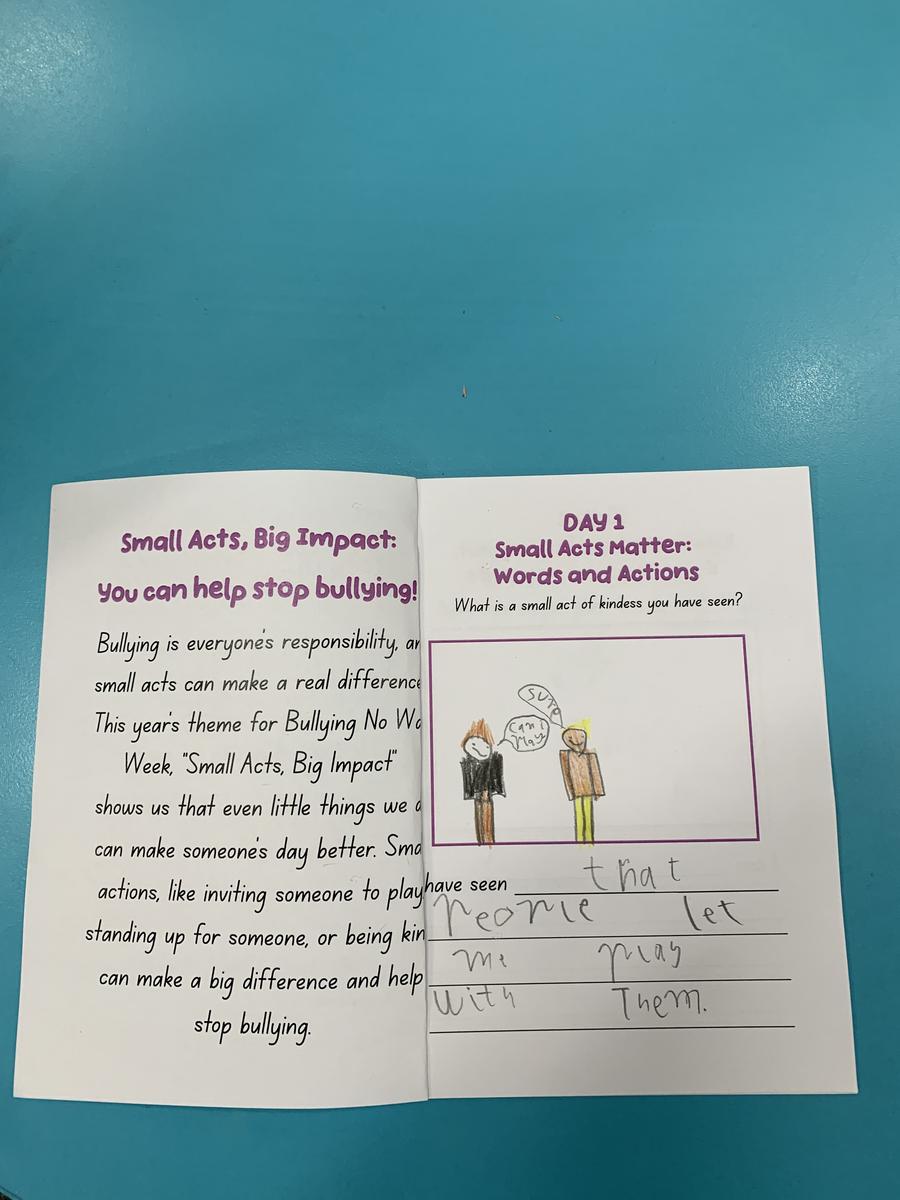
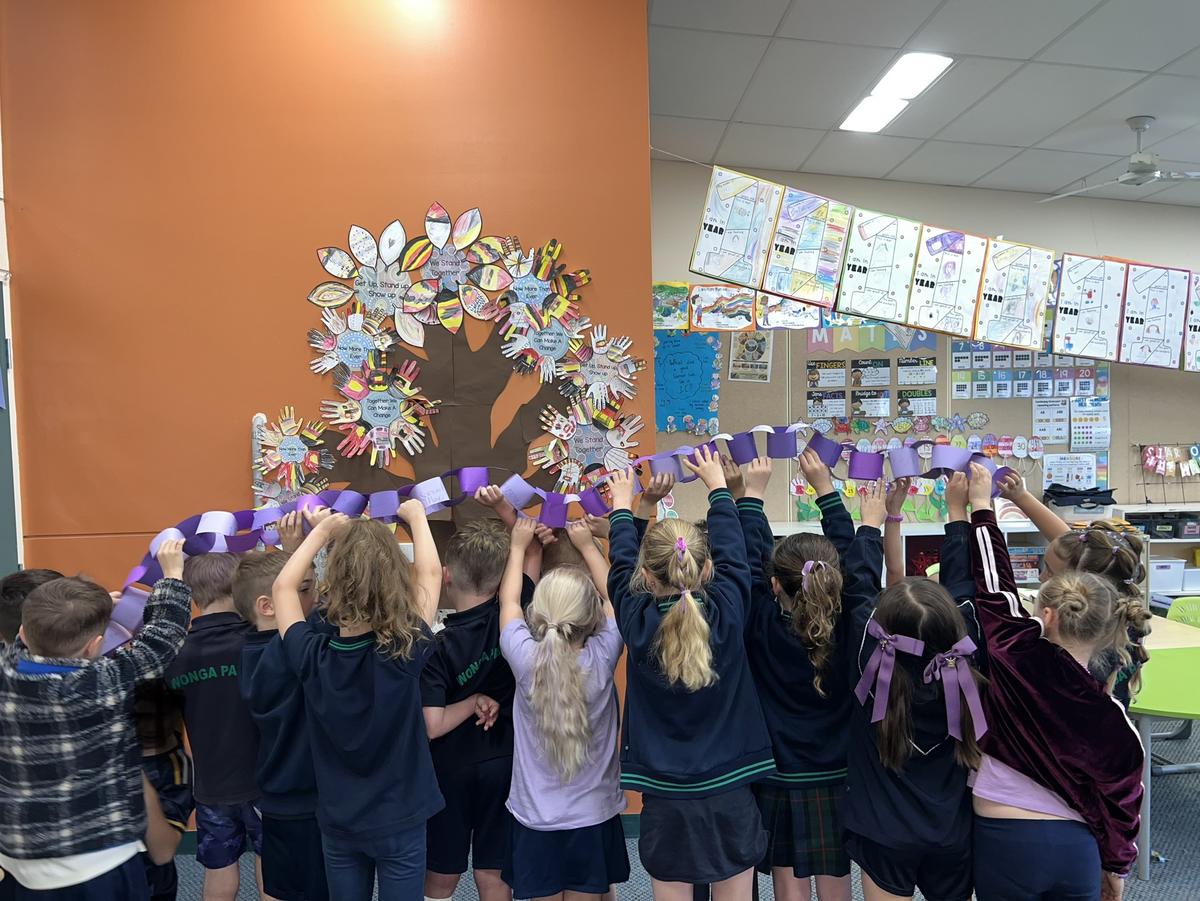
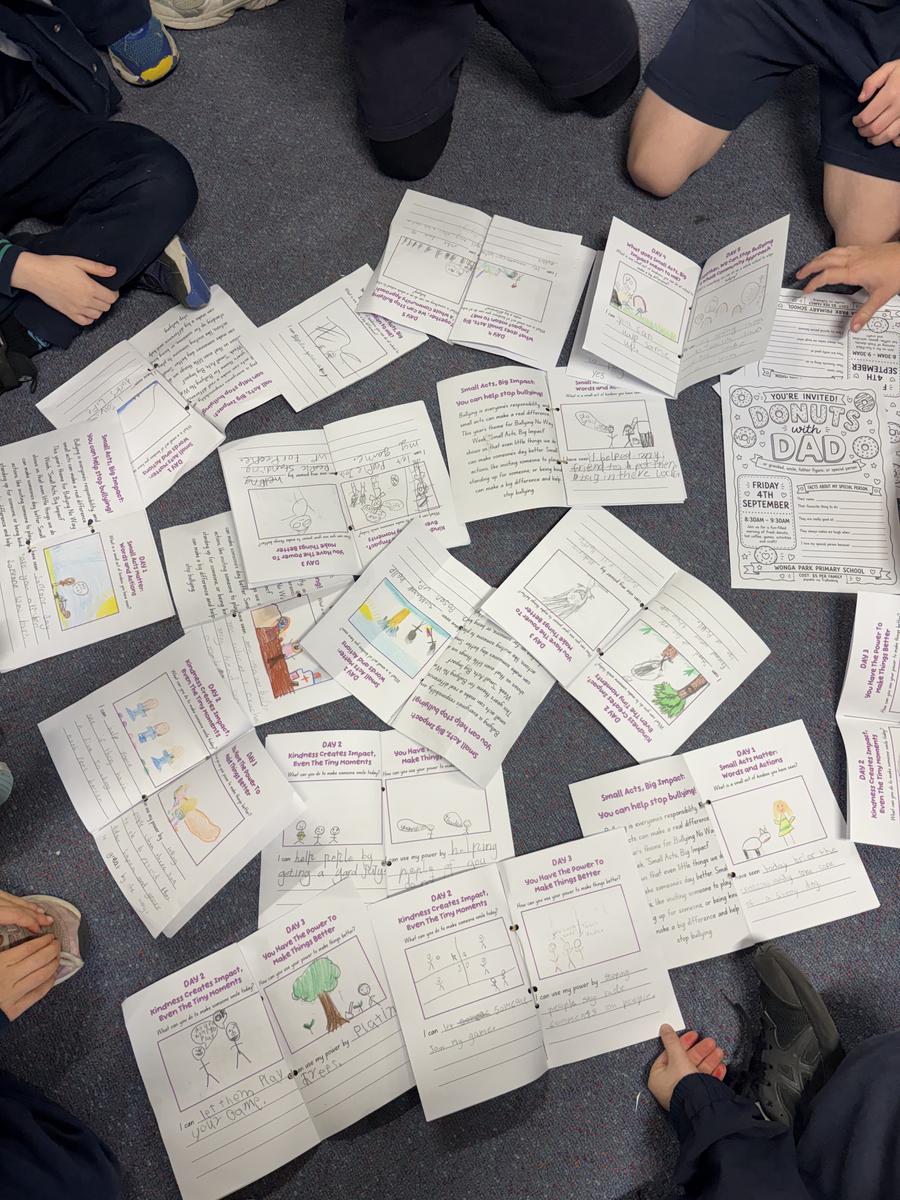
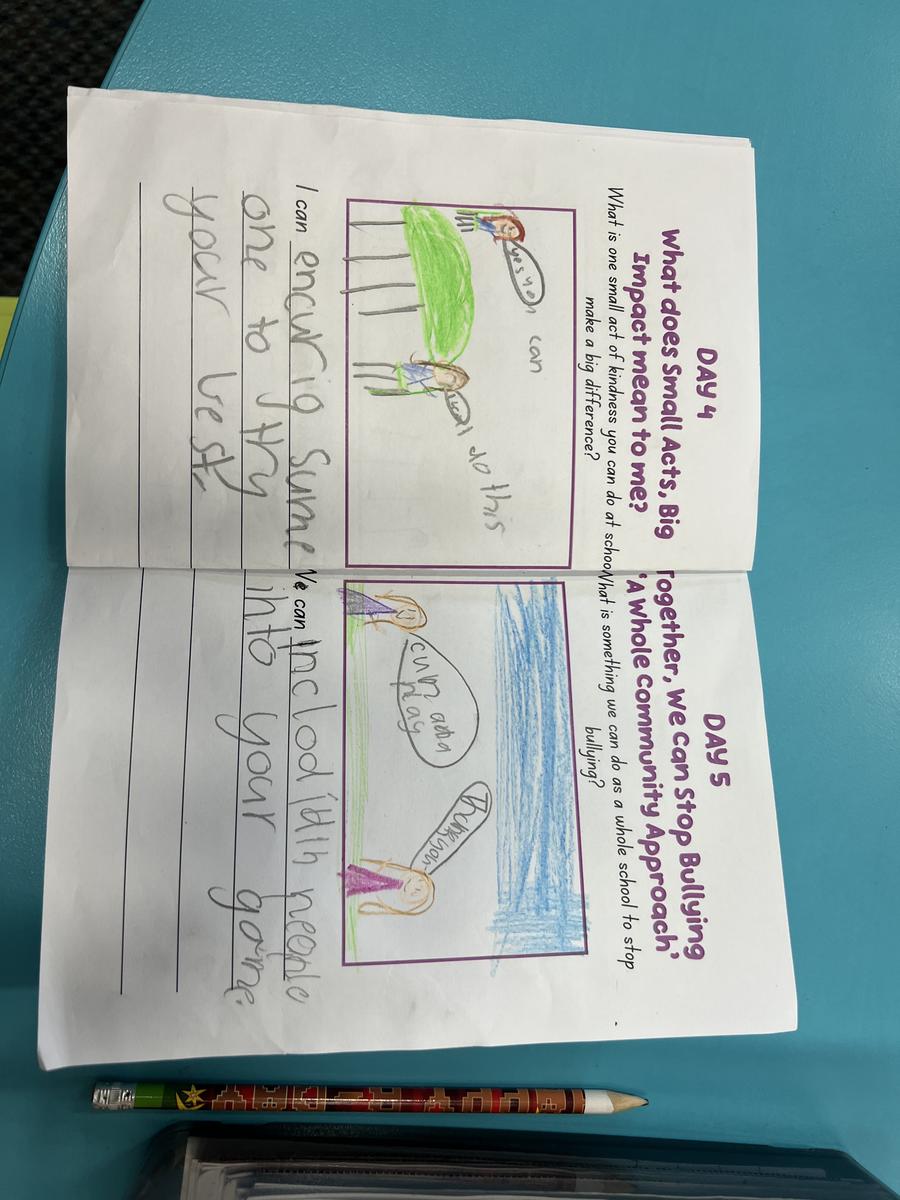
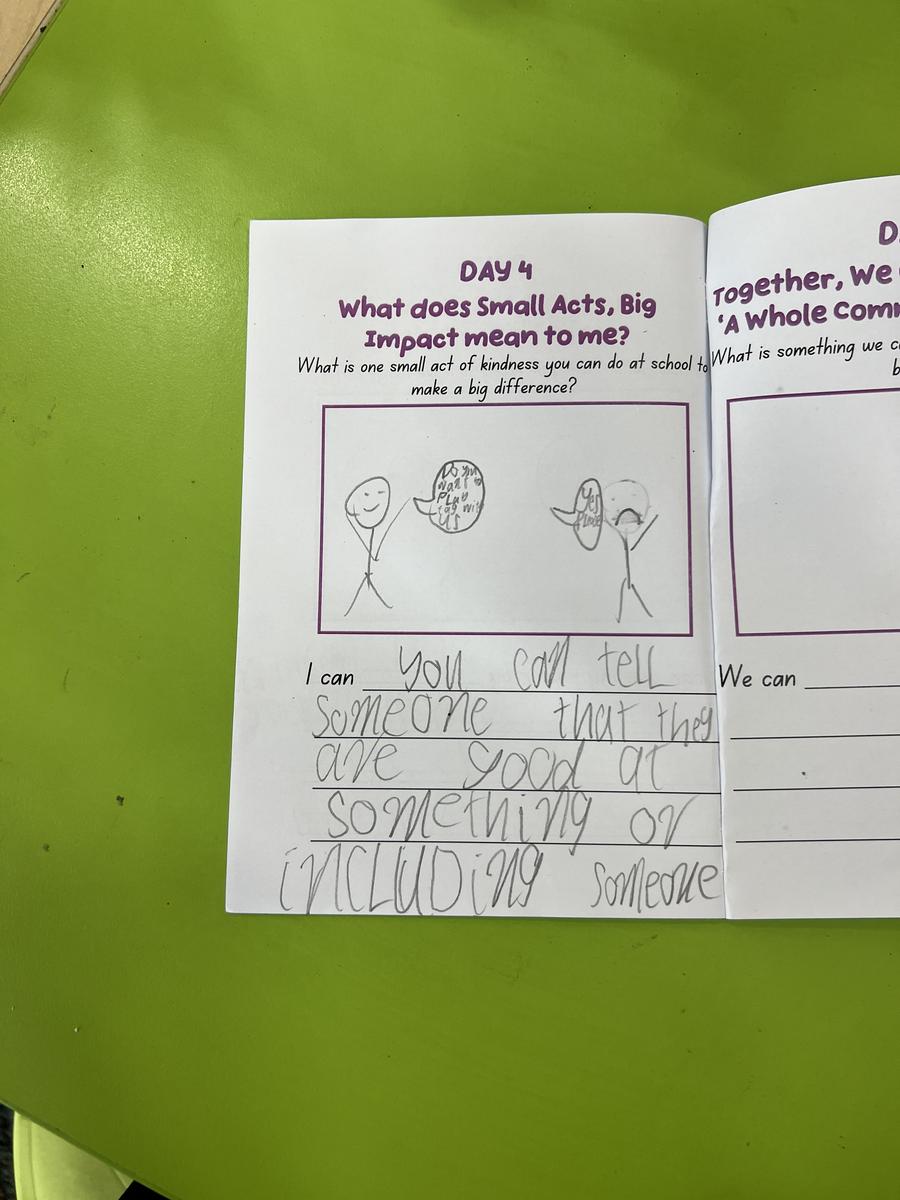
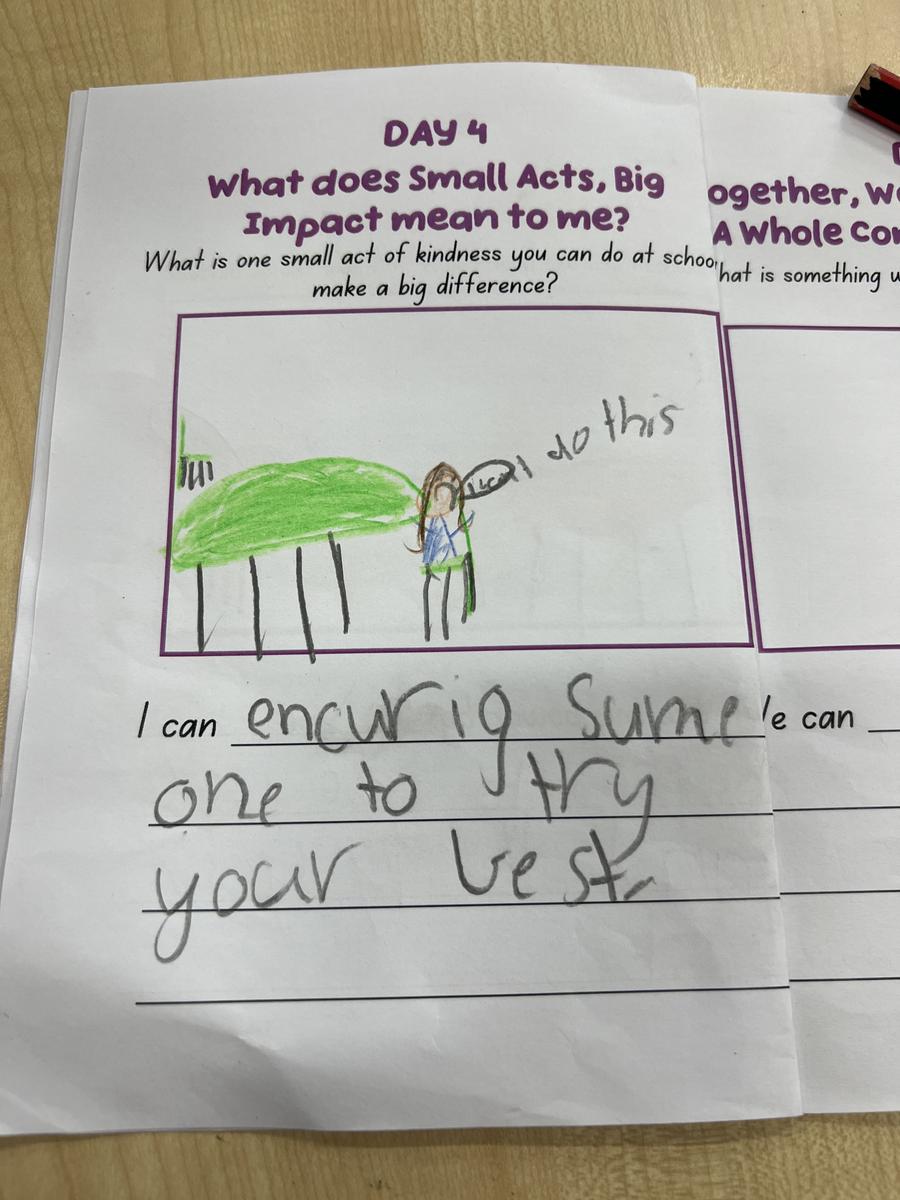
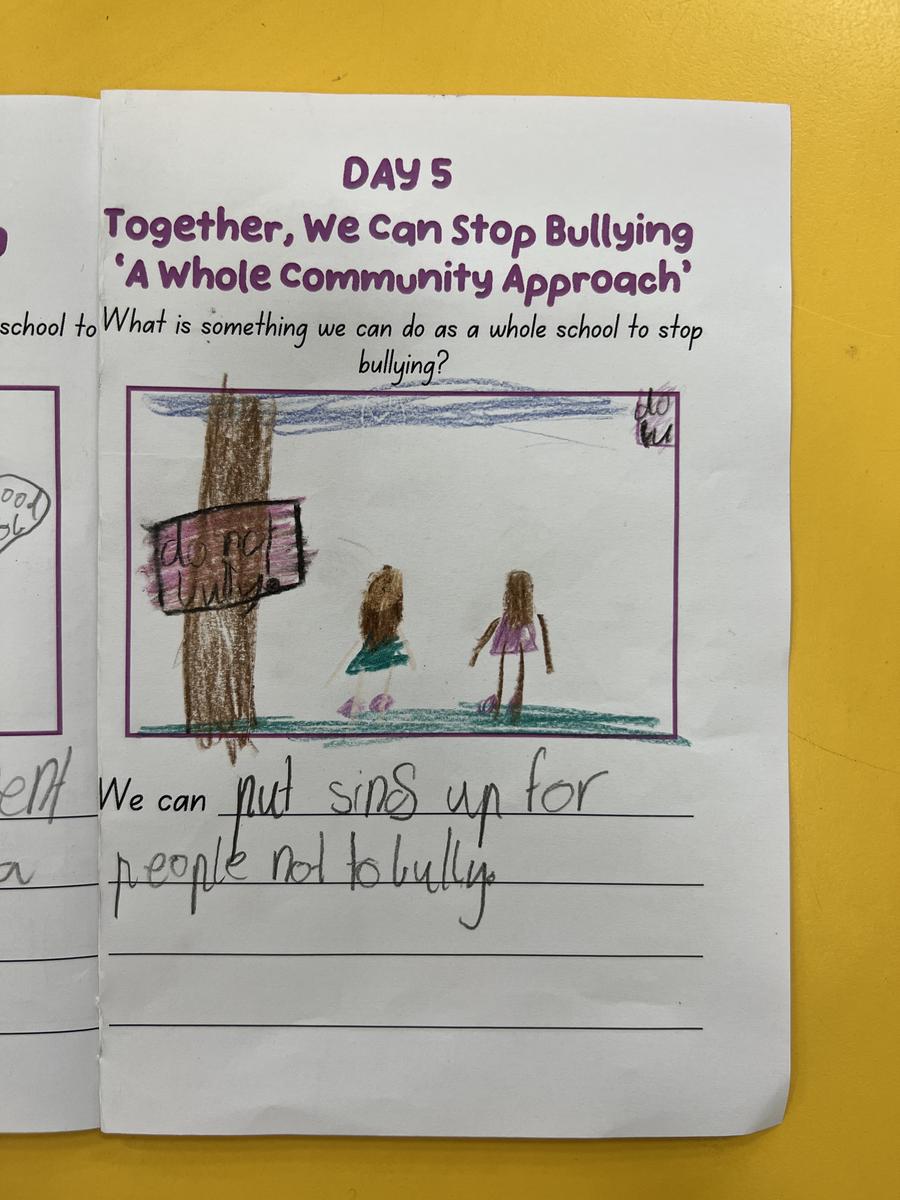
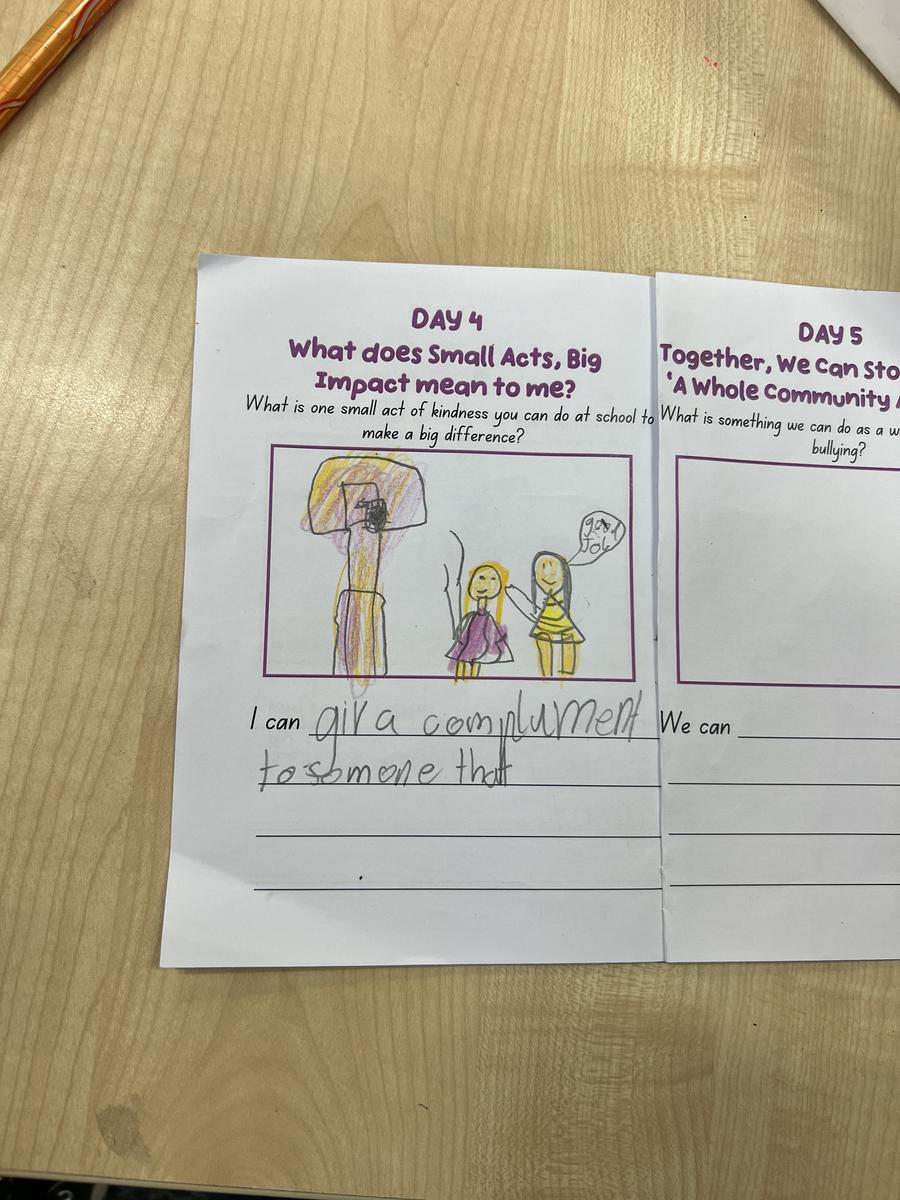
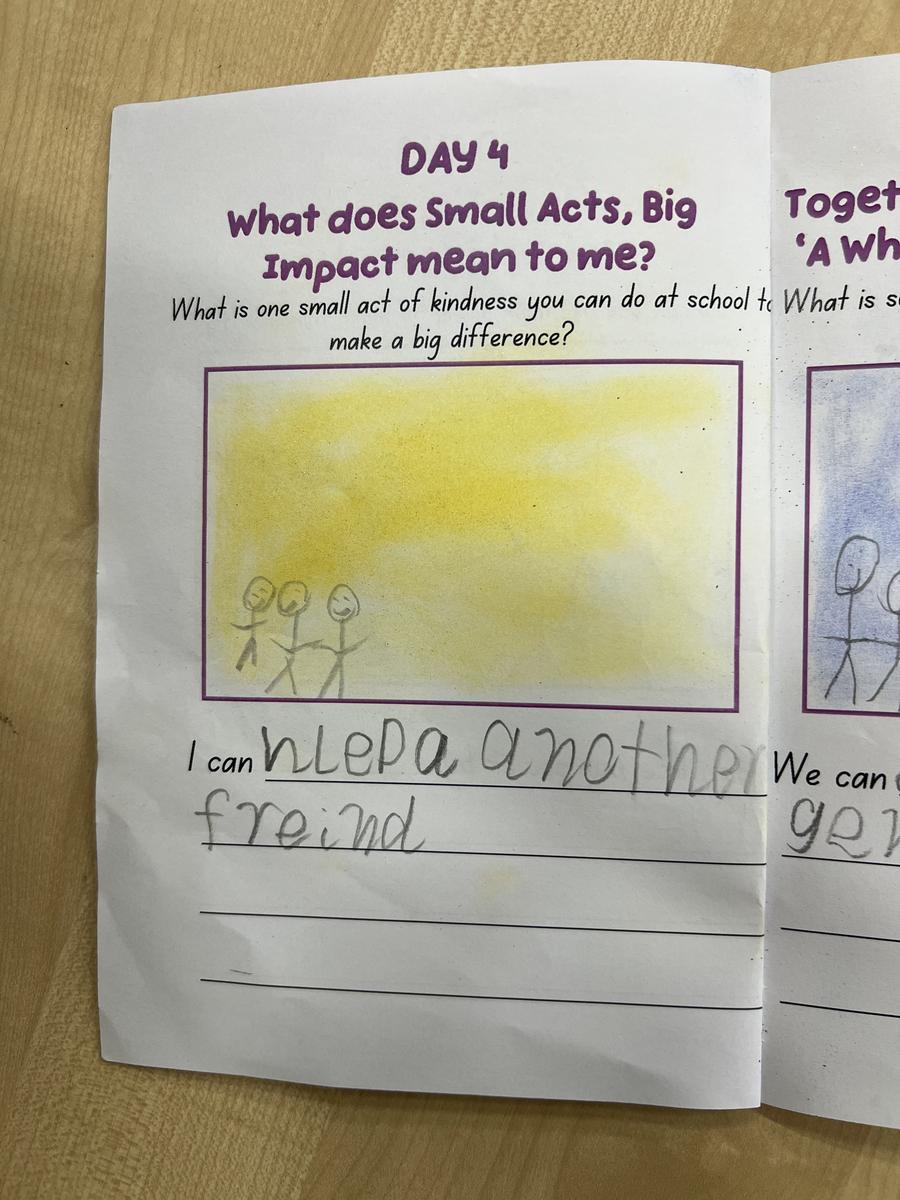
A big thank you to our staff and students for the learning and conversations that took place during Bullying No Way: National Week of Action. Across the week, students explored how small actions can make a big difference, strengthening their understanding of kindness, inclusion, speaking up and seeking help when something doesn’t feel right.
The images below capture some of the fantastic learning and activities that took place across our school. They are a great reflection of our students putting the week’s messages into action and contributing to a safe, kind and inclusive school community.
Helping Prevent Bullying: A guide for families
Why it matters
A study from 2019 showed that globally, one in three young people report being bullied frequently. In Australia, the numbers are very similar, with 29–40% of young people saying they are being bullied frequently (every few weeks or more).
Bullying can seriously affect a child’s confidence, mental health and learning. But research shows that strong, connected families can help prevent bullying. Children are less likely to be bullied—or to bully others—when they feel safe, supported and know what respectful behaviour looks like.
A 2025 study found 49% of parents/carers have suspected, confirmed or been informed their child has been bullied, so you’re not alone.
What is bullying?
Bullying is when someone repeatedly and intentionally uses their power or status to harm, upset or intimidate someone else. It can cause physical, social or psychological harm.
Bullying can happen anywhere – at home, online, at work or at school. It can involve individuals or groups, and it can happen to anyone.
Bullying can include:
- verbal (e.g. name-calling, teasing, threats).
- physical (e.g. hitting, pushing, damaging property).
- social (e.g. excluding others, spreading rumours).
- online (e.g. hurtful messages, posting private images).
Elements of bullying
It’s important to know that bullying is not just a one-off disagreement or occasional teasing. Those situations can still cause harm, but there are three main elements that separate bullying from one-off incidents or other types of conflict.
- Involves a real or perceived (felt) imbalance of power between the person being bullied and the person bullying them.
- Happens repeatedly or could potentially be repeated (like with online behaviour).
- Consists of intentional acts that are aggressive, negative or harmful towards another.
Signs of bullying
A child or young person who is being bullied might not tell an adult about it. It can be hard to ask for help, and sometimes children might feel fear or shame about telling someone.
There are physical, social and emotional signs that can indicate bullying. Being aware of these potential signs can help those who bully or are bullied get support as early as possible.
- Changes in school engagement (e.g. not wanting to go to school, becoming upset or anxious before or after school, showing a drop in grades).
- Unexpected changes to friendship groups (e.g. changing friendships or breakups, being excluded).
- Physical and behavioural changes (e.g. changing sleep or eating patterns, feeling sick, mood swings, acting aggressively, not wanting to discuss what’s wrong, withdrawing, negative self-talk).
- Physical signs (e.g. unexplained bruises or cuts, missing or damaged clothes or belongings, arriving home hungry).
- Changes in daily routines (e.g. change in routine or travel to school, spending more time in their room or alone, withdrawing from previously enjoyed activities).
- Changes in digital technology use (e.g. appearing upset or nervous after using technology, nervousness when receiving notifications, messages or calls, hesitancy about going online, spending long hours online, secretive about online activity, suspicious package delivery).
If your child is being bullied
Telling someone about bullying is not easy. If your child tells you they’re being bullied, this is a great first step to getting the help they need. There are several ways to help. The most important thing is to listen without judgement. Let your child or young person tell you what’s happened and wait to ask any questions you may have until they have finished.
The recent Australian Anti‑Bullying Rapid Review confirms that around 1 in 4 students in Years 4–9 experience bullying every few weeks or more, highlighting the ongoing importance of prevention and early support. The Review reinforces that families play a critical role in creating safe, supportive environments that reduce bullying.
Ways to strengthen family connections
- Spend one-on-one time – even 10 minutes of child-led time a day strengthens trust.
- Eat meals together – regular shared meals are linked to better behaviour and communication.
- Listen without judging – ask open questions and let your child express themselves fully.
- Be a role model – show kindness and respect in your own relationships, online and offline.
- Be consistent – clear routines and boundaries help children feel secure and respected.
How to respond
Your child may be less likely to raise concerns when they are uncertain what will happen after they speak up, so it’s important to respond with consideration and understanding.
How to respond:
- Listen – find a quiet space, give them your full attention, and let them share their experience without interruptions.
- Calmly ask questions – wait until they have finished talking and gently try to get a full picture of the situation.
- Acknowledge their experiences and the impacts – ‘I can see this is very upsetting and I can understand why you’re worried about going to school ...’
- Help them to feel safe – let them know you will work with them to try to make things better.
- Involve them in the response plan – being bullied can feel like a huge loss of control and can impact self-esteem and confidence. Help them regain control by including them in decisions about how to address the issue.
- Support them to recover – this includes offering emotional support, focusing on their wellbeing and supporting them to develop positive coping strategies.
Ask your child about:
- The bullying – when, where, who, how.
- How they feel about it, what they think about it and why they think it might be happening – this can help you get a better understanding of what’s going on from their perspective. Children and young people can sometimes blame themselves for the behaviour of others, and if this is the case, it’s important to know early so you can help them to understand that it is not their fault.
- How they responded – how did they react? This can help you to understand what they might be doing to cope and what they might have tried already to fix the problem.
Conversation starters
Keeping the conversation open can help your child feel safe to talk about problems. Try:
- ‘Who did you spend time with today?’
- ‘What was something that made you smile?’
- ‘Who did you sit with at lunch?’
- ‘Was there anything that made you feel uncomfortable or upset?’
- ‘Do you know what to do if someone sends you messages that are hurtful?’
- ‘Was there anything today that was tricky or frustrating?’
- ‘Who do you feel safe talking to at school?’
- ‘What could you do if someone was being mean to you or someone else?’
- ‘What could you do to help someone who is being treated unfairly?’
Tell someone
The best advice for dealing with bullying is to tell someone.
Children and young people who bully others gain power if no one speaks up because it allows the bullying to stay hidden. But when their behaviour is challenged by people with authority, such as teachers or other adults, they lose that sense of power. This is why it’s important to tell someone what is happening.
Reporting the behaviour to the school is a good early step. All schools are required to have policies and procedures in place to address bullying because every child has the right to be safe at school.
If your child may be bullying others
Hearing that your child may be bullying others can be challenging but remember that children are still learning and growing. Bullying is a behaviour that can be changed with guidance and support.
If your child is bullying others, it may indicate they need help building social and emotional skills, such as managing emotions, empathy and forming positive relationships. Bullying can stem from a desire to belong or be accepted, and without guidance, these behaviours may impact their wellbeing and future. Supporting them to treat others respectfully is key to their development.
According to the Australian Anti‑Bullying Rapid Review, children who engage in bullying benefit most from guidance combined with consistent whole‑school approaches that teach empathy, respect and positive behaviour.
How to respond:
- Stay curious, not angry – “Can you help me understand what’s been going on?”
- Talk about empathy – “What do you think the other person felt?”
- Set clear expectations – “In our family, we treat others with fairness and respect.”
- Guide them to repair harm – talk about apologies, making amends, or writing a note.
- Work with the school/community group – ask about positive behaviour support or mentoring programs.
Getting help
Families supporting children and young people who are experiencing bullying in any form do not need to deal with it alone. There are support organisations available to help and support.
- If it happens at school or in the community – talk to your child’s teacher, principal, coach or other person in charge. Ask about their anti-bullying plan.
- If it’s online – save messages, block the person, report the content and visit esafety.gov.au.
- If someone is in danger – call 000 straight away.
Information and support for families
| Service | What they offer | Contact |
| Kids Helpline | Free 24/7 counselling for children and young people aged 5–25 | 1800 55 1800kidshelpline.com.au
|
| Headspace | Mental health support for 12–25-year-olds
| headspace.org.au |
| Parentline | Confidential support for parents and carers
| Parentline in your state or territory |
| Raising Children Network | Trusted parenting advice, videos and tools
| raisingchildren.net.au |
| Bullying No Way | National resource on bullying prevention in schools
| bullyingnoway.gov.au |
| eSafety Commissioner | Cyberbullying info and reporting platform
| esafety.gov.au |
| Student Wellbeing Hub | Australian Government initiative to support physical, mental and emotional wellbeing in schools.
| studentwellbeinghub.edu.au |
| Emerging minds | Useful information and advice for families caring for a child or young person affected by bullying
| emergingminds.com.au |
Final tips
Bullying can be incredibly distressing to experience and can have a lasting impact on children and young people’s wellbeing – affecting their confidence, academic performance and mental health.
Bullying is about power imbalances, and children and young people often feel powerless when faced with it. But they are not powerless. They can take action to deal with the bullying, such as telling a trusted adult, trying some techniques to stop the bullying themselves and using positive coping strategies to get back a sense of agency.
Remember to:
- Act early – if something feels wrong, talk to your child and involve the school or community organisation.
- Keep notes – writing down incidents helps everyone respond clearly and quickly.
- Work as a team – consistency between home and school makes a big difference.
- Take care of yourself – supporting a child through bullying can be emotional. It’s okay to ask for help too.
Small Acts, Big Impact.
Every small action helps create a safer and more respectful community for all young people.
(Bullying No Way! 2026)