Level 1 & 2
REMINDERS & UPDATES
Gymnastics - Thank you for your support during our weekly gymnastic sessions at Eclipse. We are sure our students will enjoy their final session on Thursday.
iPad Reminders
- Our iPad program works best when all students who have their own iPad bring it to school each day. Please remind your child to pack their iPad in their school bag every morning.
Holidays
If you are intending on taking a holiday during the school term, please make sure you inform your classroom teacher and discuss an absence plan.
Term Three Dates
August 26th - 9am (Book Week Parade) and Author Visit- We look forward to seeing your child/ren's costume and book tomorrow :). We will also have a visit from Nicky Johnston, an author of forty children's books.
CURRICULUM
Literacy
Thank you for your continued support with home reading. Reading together each night, even for just 10–15 minutes, is one of the most valuable ways you can support your child's learning. Regular reading helps build confidence, fluency, vocabulary and comprehension, while also fostering a lifelong love of books. We encourage students to continue recording their reading in their log books each evening, as this helps us celebrate their efforts and monitor their progress. Thank you for partnering with us to make reading a positive and enjoyable part of your child's daily routine.

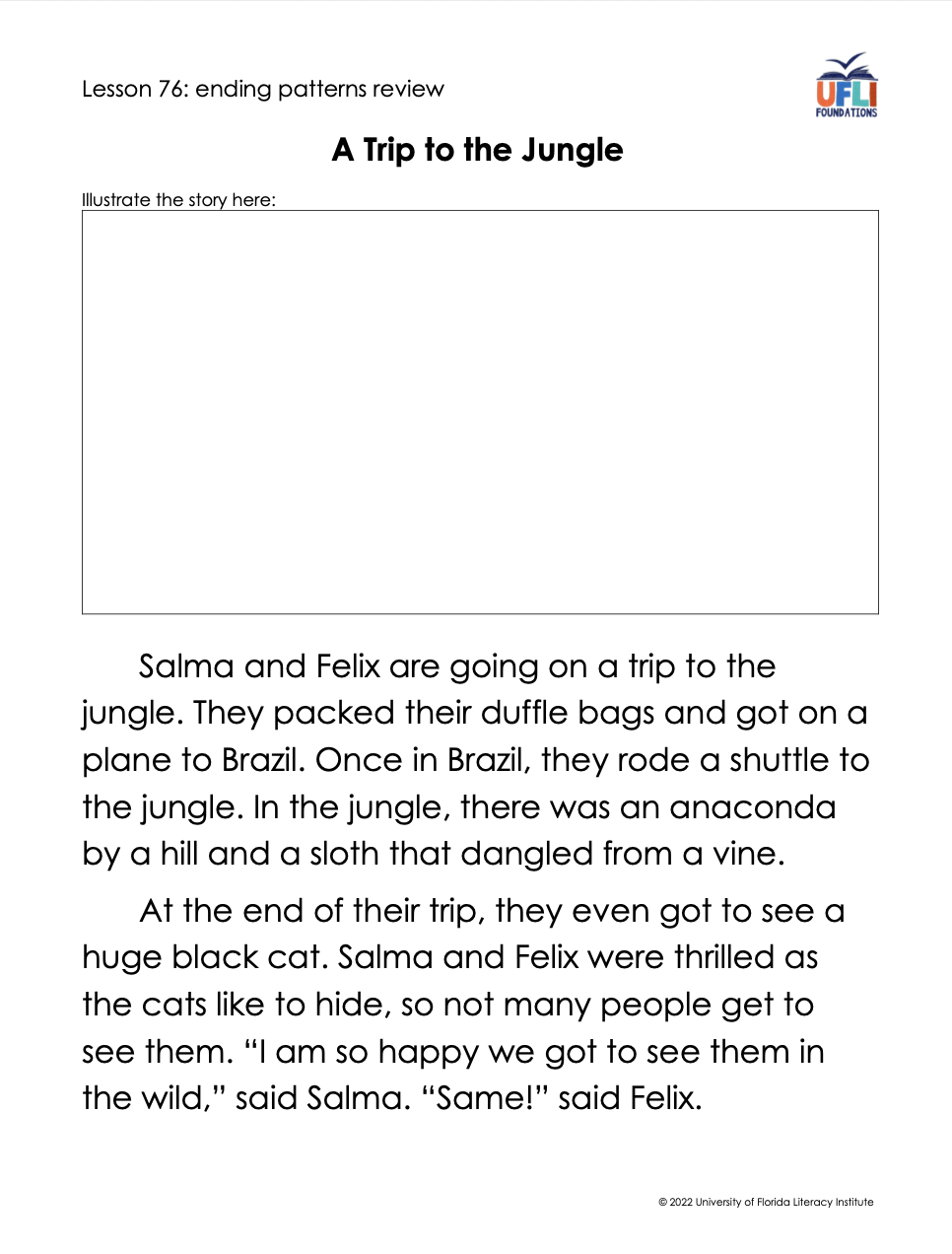
Grade 1 Students This week, students have been learning about the /er/ sound, focusing on the different ways this sound can be represented in words. Students explored the letter patterns ir, ur and er, as in bird, turn and her. They also practised spelling words containing the /er/ sound and developed their understanding that the same sound can be represented in different ways.
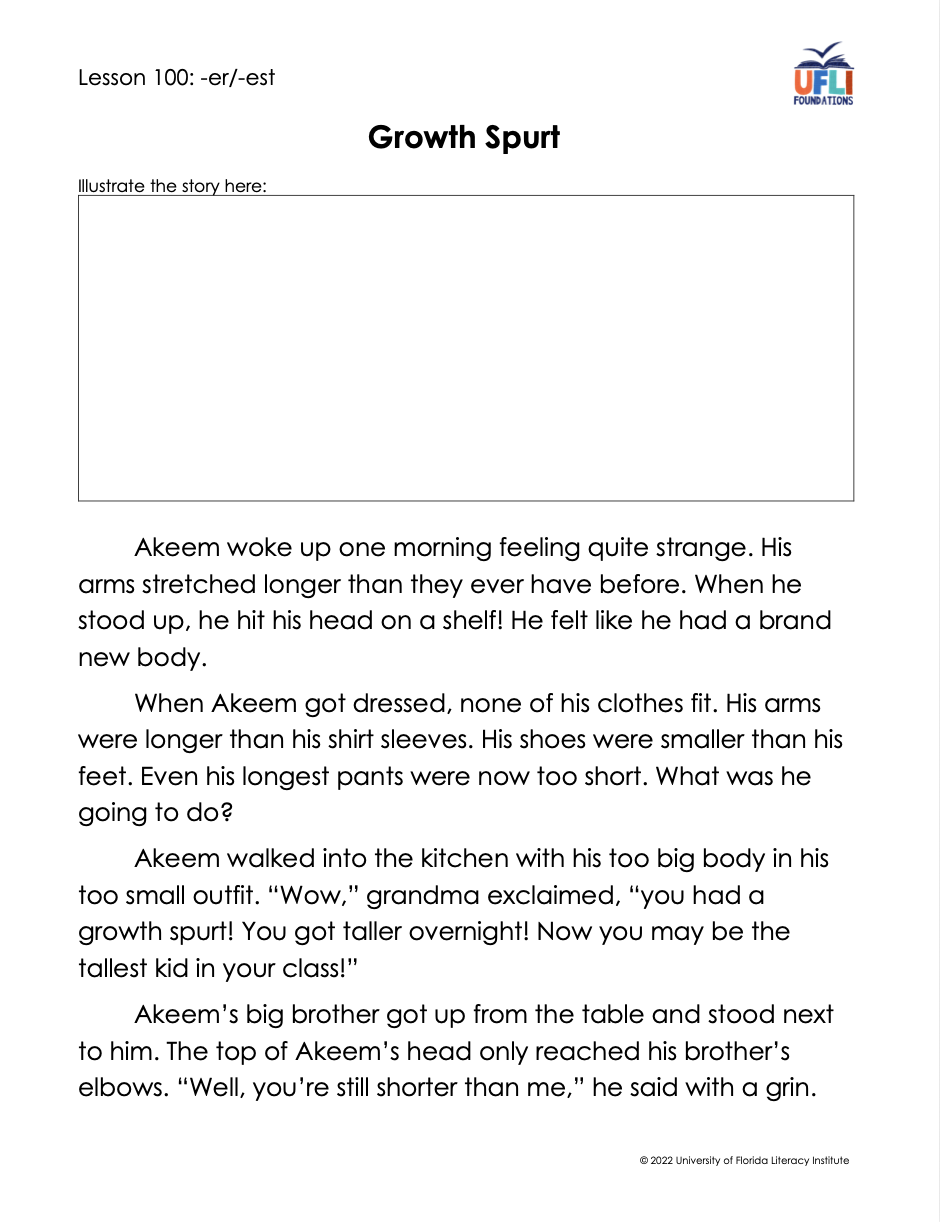
Grade 2 Students have been reviewing affixes and how prefixes and suffixes can be added to base words to change their meaning. They have also been learning the doubling rule when adding -ed and -ing to words. Students are practising identifying when the final consonant needs to be doubled, such as hop → hopped and run → running.
What can you do at home?
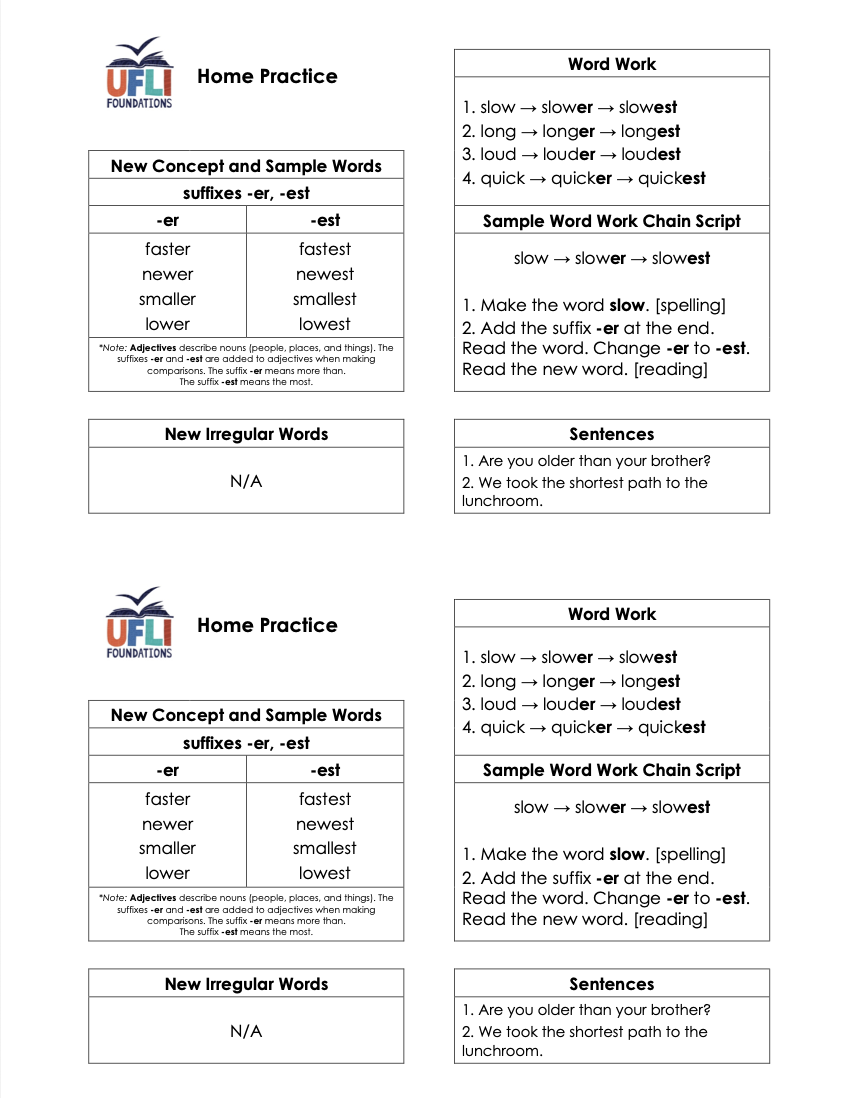
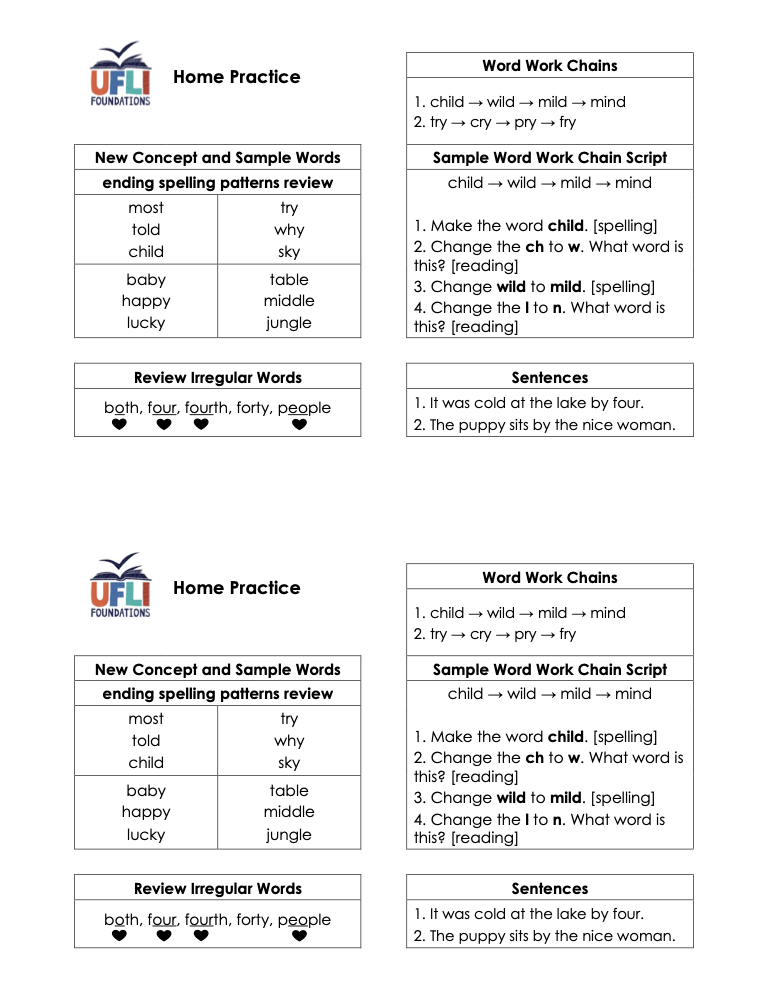
- Optional UFLI Home Practice pages found in their home learning book.
Mentor Texts:
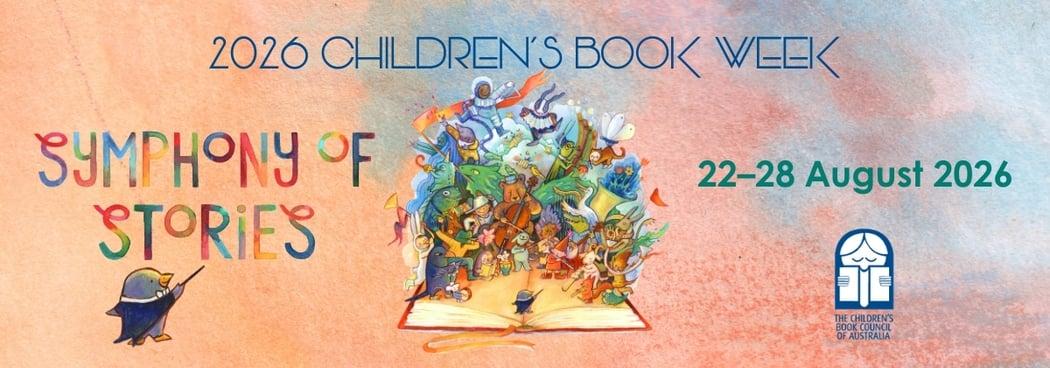
Over the coming weeks, our Grade 1 and 2 students will begin exploring a range of wonderful books shortlisted for this year's CBCA Book Week. Through these engaging stories, students will strengthen their comprehension skills by making inferences, identifying connections, exploring similes and other figurative language, expanding their vocabulary, and responding thoughtfully to a variety of texts. We look forward to celebrating the joy of reading together as we discover this year's outstanding Australian children's literature. You can view the full list of the 2026 CBCA Book Week shortlisted books here: https://cbca.org.au/2026-shortlist/
Maths
Grade One Students
Grade 1 students will explore sharing and groups of through hands-on learning experiences. Using concrete materials, students will build and represent equal groups, developing their understanding of how quantities can be organised and counted in groups. They will use practical materials to make, describe and compare groups, building a strong foundation for future multiplication and division concepts.
What can you do at home?
Families can help students develop their sharing and groups of concepts through everyday activities involving equal groups. Using small objects such as Lego, toys, buttons or snacks, encourage students to make groups and count how many there are altogether.
Grade Two Students
Grade 2 students will continue exploring 2D shapes, focusing on the mathematical language used to describe their features. Students will investigate turns and lines, identifying how shapes can be described by the number and type of lines they have, as well as the turns and vertices where lines meet.
What can you do at home?
Families can support this learning by going on a shape hunt around the house or neighbourhood. Encourage students to find 2D shapes and describe them using mathematical language such as lines, turns and vertices.
WELLBEING
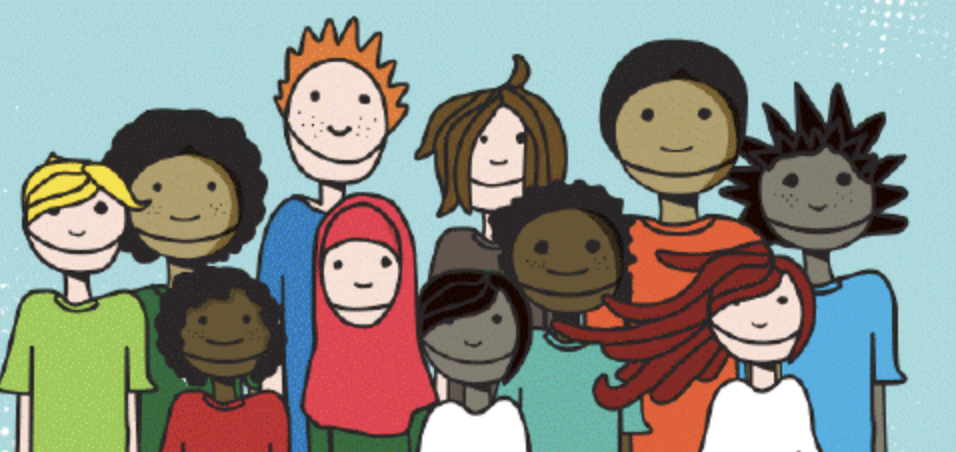
In Respectful Relationships, students have been exploring identity, individuality and the things that make each person unique. Through discussions and activities, students compared their own interests, strengths and experiences and considered how these may be similar to or different from those of others. We are encouraging students to recognise and respect these differences and understand that our interests, abilities and choices are not limited by gender stereotypes.
What can you do at home?
Continue the Conversation at Home...
Here are some questions you might like to ask your child to reinforce our wellbeing learning:
- What was something that made you feel happy today?
- Did anything feel tricky today? What helped you get through it?
- What helps your brain and body feel calm when you're upset or worried?
- Can you show me one of the calming strategies you've been learning at school?
- Who is someone you can talk to when you need help?
- What is one thing you're proud of yourself for today?
- When you notice a friend having a hard day, how could you help them?
- What is one strategy you could use next time you feel frustrated or overwhelmed?
What are three things that made you smile today?
Taking just a few minutes each day to talk about emotions, challenges and successes helps children build confidence, resilience and a strong understanding of the strategies they can use to support their wellbeing both at school and at home.
CBL
Students will explore different habitats and investigate what the terms endangered, threatened, and vulnerable mean, discovering how some living things come to be at risk. Through stories, discussions and hands-on learning, students will consider the concept of power and reflect on questions such as: What is power? What responsibilities come with having power? How does our power impact living things? Throughout the term, students will be encouraged to think deeply about our essential question: How does our power influence our choices? As they build their understanding, students will explore how the choices we make can help protect and care for the environments and living things around us.
Guiding Questions
What is power?
What responsibilities come with having power?
How does our power impact living things?
How do living things become endangered?
Essential Question
How does our power influence our choices?
Challenge
Prep – 2s Pledge to Do!
Educate the community about how they can use their power to support endangered animals.