
STEM
STEM Education is an approach to learning that uses Science, Technology, Engineering and Mathematics as access points for guiding student inquiry and critical thinking.

STEM
STEM Education is an approach to learning that uses Science, Technology, Engineering and Mathematics as access points for guiding student inquiry and critical thinking.
On Thursday, 6 August, our Year 10 Cyber Sleuthing students took their learning beyond the classroom and headed into the school garden to collect real-world soil moisture data using micro:bit. The investigation was originally planned for Tuesday, but wet weather meant students had to be flexible and adjust their plans. They adapted well to the change and were excited to finally get outside and put their technology skills into action later in the week.
Students used the micro:bit to collect soil moisture readings from different areas of the garden before bringing their data back into the classroom. They are now using Excel to organise and analyse their results, creating graphs and charts to help identify patterns and communicate their findings in their final reports.
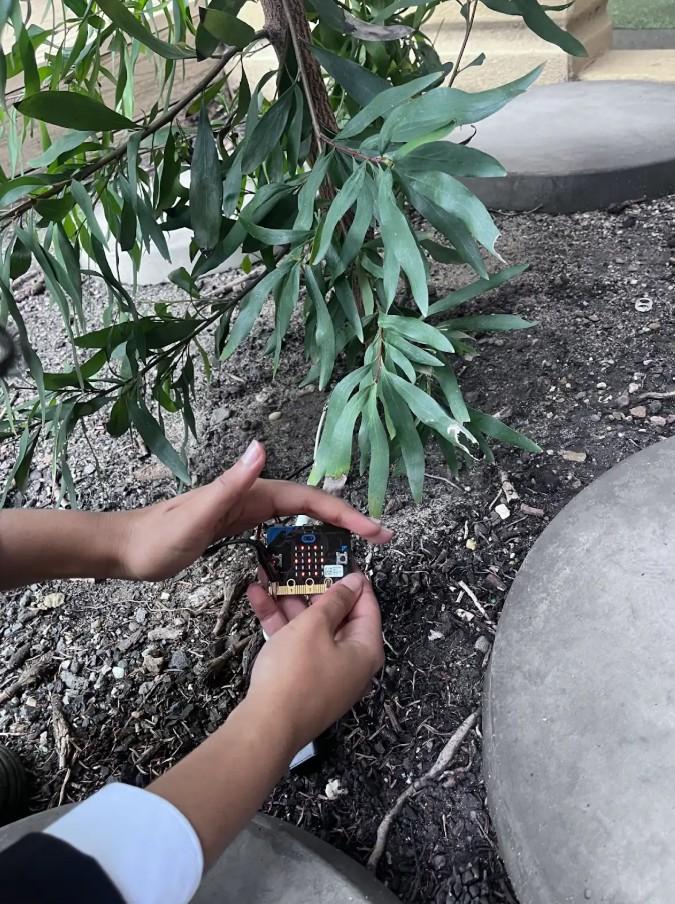
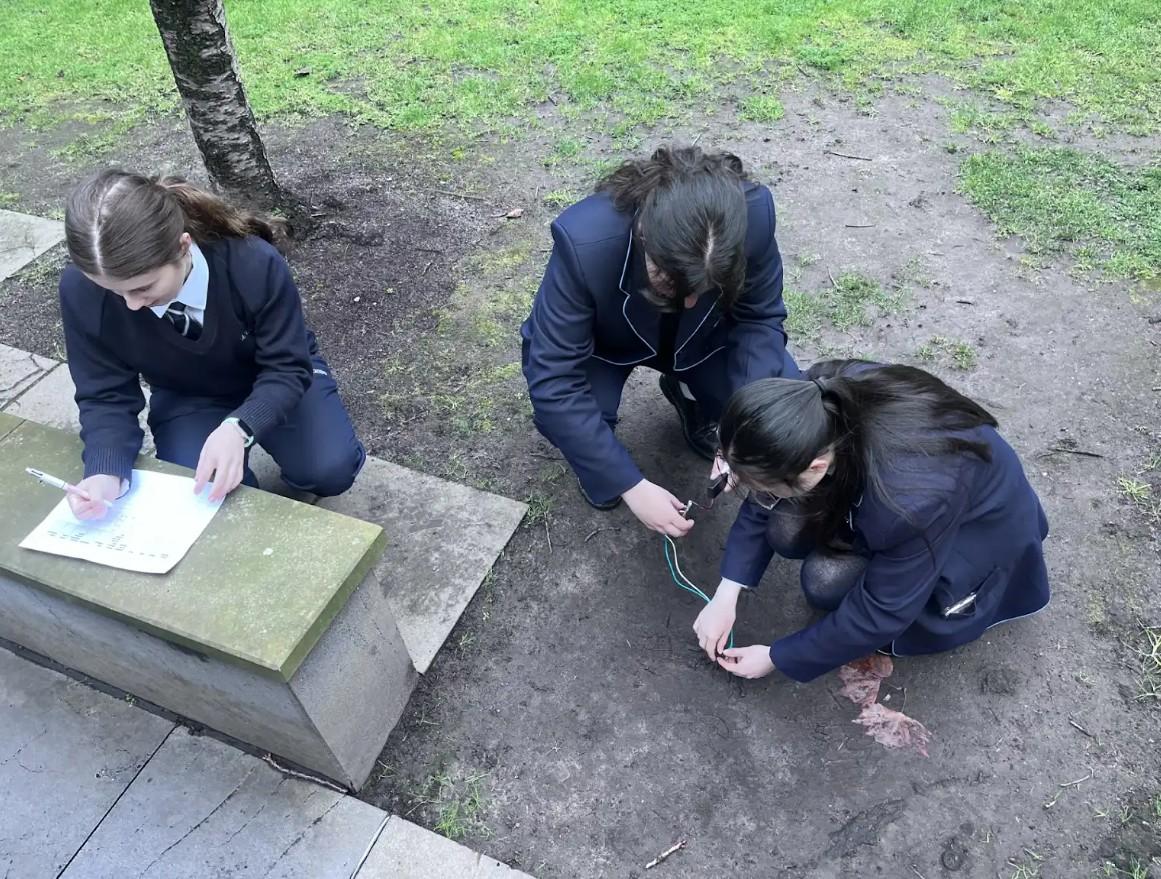
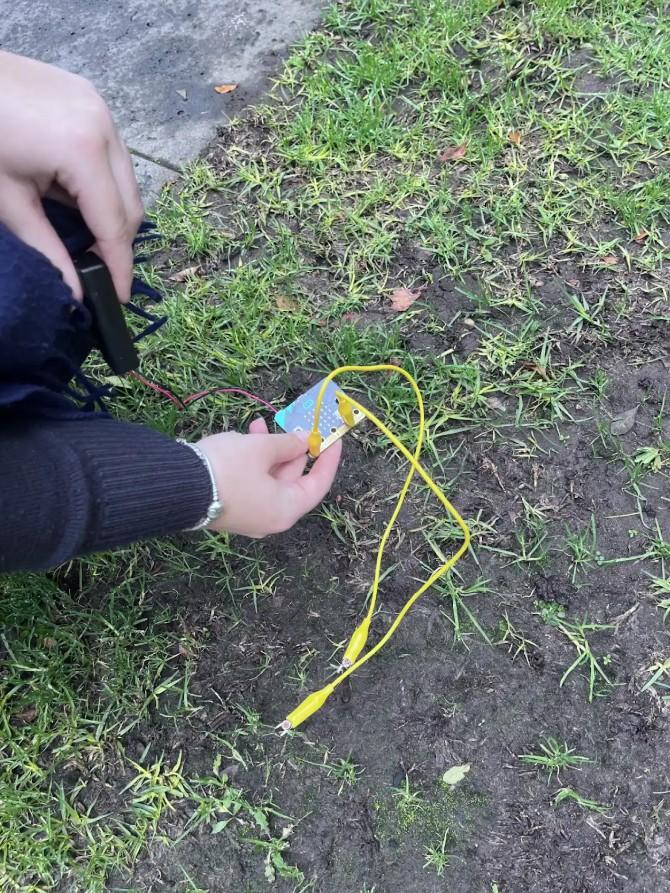
It was great to see students working together, problem-solving and applying their coding and data analysis skills in a practical, hands-on setting. The project has also given them a chance to explore how technology can be used to better understand the environment around us.
We look forward to see what our Cyber Sleuths discover in their final reports!
Ms Betty Lin
Technology (IT) Learning Leader
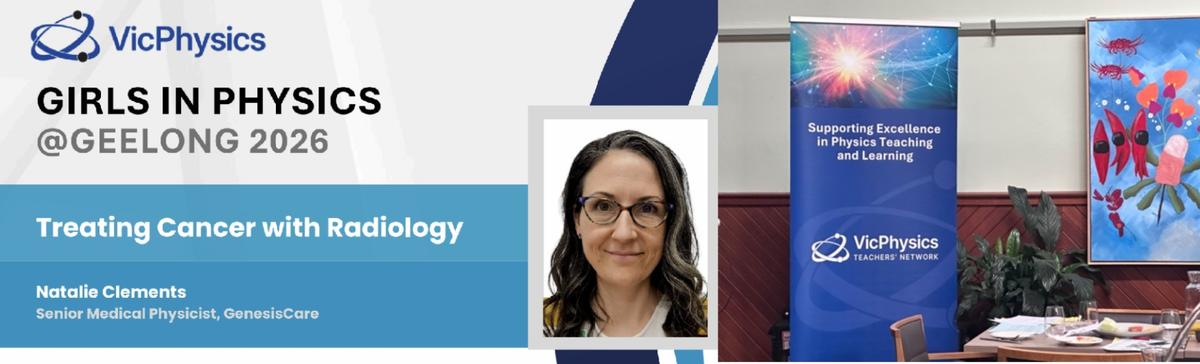
Five Academy Year 11 students recently travelled to Geelong to attend an inspiring STEM event exploring the many ways physics can be used to solve real-world problems and improve people’s lives.
As part of the day, students heard from Natalie Clements, a Medical Physicist with GenesisCare Victoria, who spoke about the important role physics plays in modern cancer treatment.
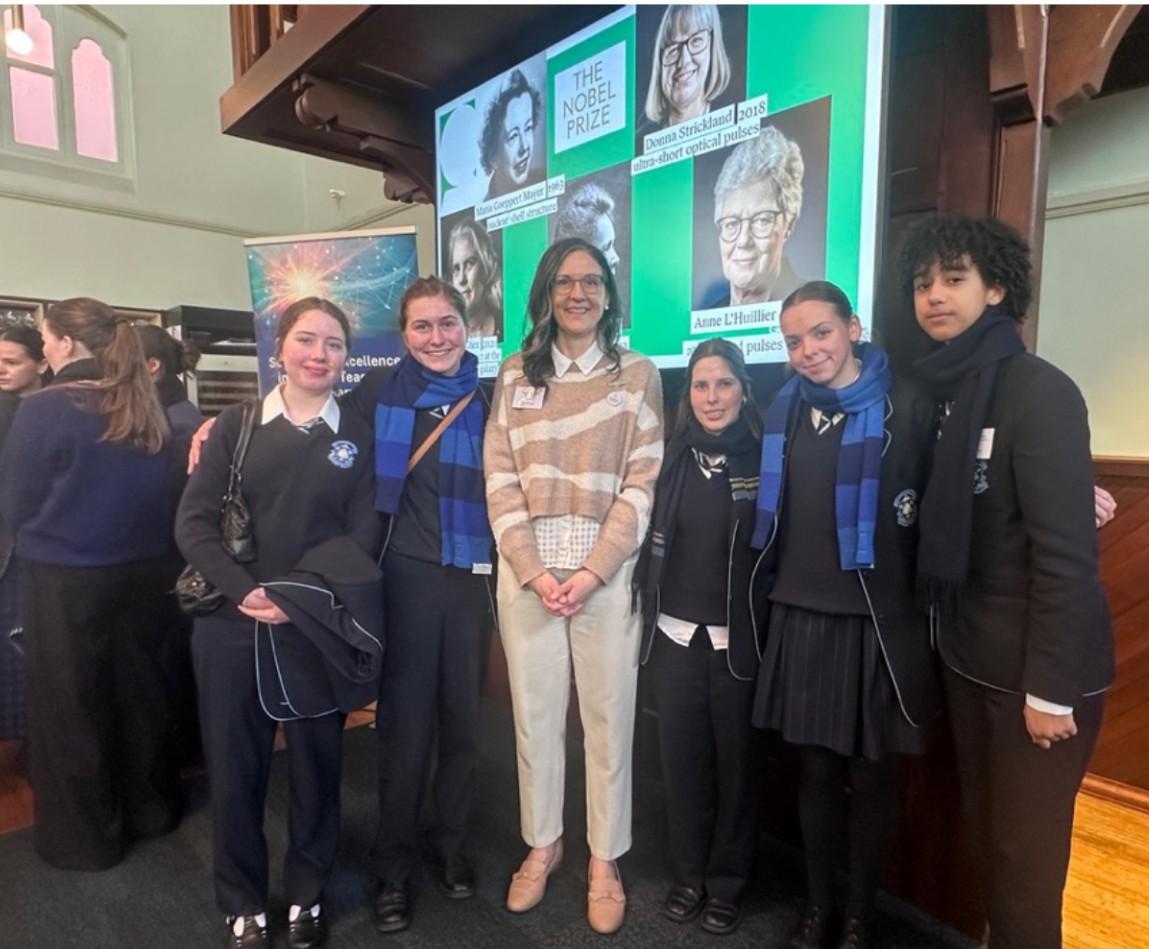
Natalie explained how medical physicists work alongside radiation oncologists and other healthcare professionals to ensure radiation therapy is delivered safely and accurately. Students learnt about the sophisticated technology used to image and treat cancer and the extensive quality assurance testing required to ensure radiotherapy equipment operates with extraordinary precision.
Throughout the event, our students were seated at tables with students from other schools, along with a mentor who works in a physics-related field. This encouraged them to move beyond their usual friendship groups, meet new people and collaborate with students and professionals who shared an interest in science.
One of the highlights was a hands-on challenge in which each group was given pipe cleaners and asked to design something that could help solve a problem in the world. The activity encouraged creativity, problem-solving and teamwork while demonstrating that innovative ideas can begin with even the simplest materials.
We were particularly proud when one of our students courageously volunteered to present her table’s solution to the wider group. Her team considered the difficulties experienced by wheelchair users when tables and other surfaces are not at an accessible height and developed a solution to address this problem. Presenting an idea in front of students and professionals from across different schools took confidence and was a wonderful example of our students embracing the opportunities offered by the day.
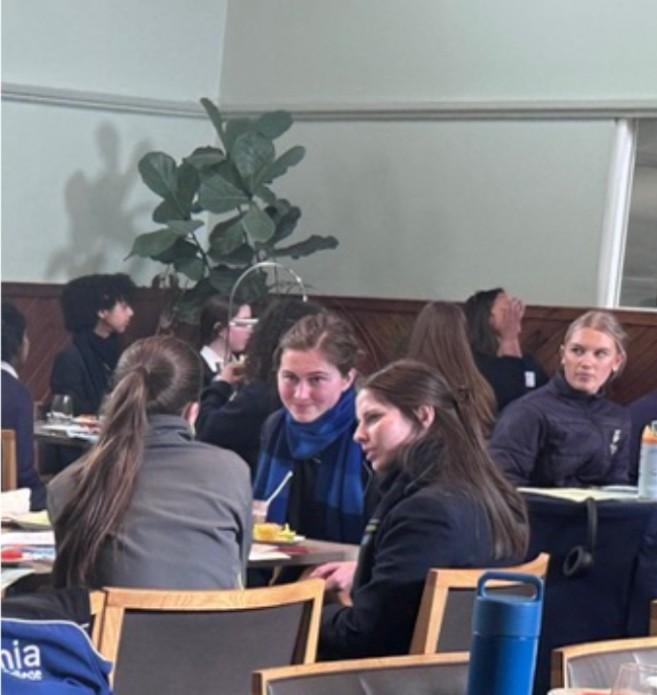
The event concluded with students asking a panel of women working in physics and STEM about their experiences and careers. The discussion explored some of the challenges women can face when entering and working in traditionally male-dominated STEM fields, as well as the opportunities available to young women considering these career pathways. Students were able to hear directly from professionals about their experiences, ask questions and gain valuable insights into navigating a future career in STEM.
The trip gave our five Year 11 students the chance to see how physics, mathematics, technology, creativity and problem-solving come together in the real world. It also provided an important opportunity for them to meet women already working in STEM and to see the range of pathways available to them. Most importantly, the day demonstrated that STEM is not simply about learning scientific concepts—it is about using those concepts to identify problems, develop solutions and make a meaningful difference to people’s lives.
Ms Colleen Marriott
STEM Leader