
Assistant Principal
Speaking The Same Language About Friendships
Over the past few weeks, we've continued to support our students in developing the skills they need to build positive friendships, solve problems respectfully and navigate the ups and downs that naturally occur in primary school.
As part of our Friendology program, you may hear your child talking about friendship fires, "mean on purpose" and bullying. These are terms we use intentionally to help children understand what has happened and how they can respond.
A friendship fire is a normal disagreement or conflict between friends. These situations happen to everyone and provide valuable opportunities for children to practise communication, problem-solving and repairing relationships.
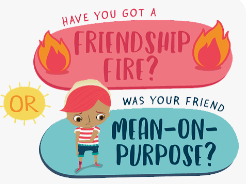
When someone makes a deliberate unkind choice, we describe this as "mean on purpose." This might be excluding someone from a game, using hurtful words or making an unkind choice towards another student. While these behaviours are not acceptable, they are often one-off incidents that can be addressed through restorative conversations, learning and support.
Bullying is different. Bullying involves behaviour that is deliberate, repeated over time and includes an imbalance of power. While true bullying is fortunately rare at MPS, we recognise the significant impact it can have when it does occur. Any concerns that meet the definition of bullying are taken very seriously.
Using the correct language matters. When every disagreement or one-off incident is labelled as bullying, it becomes harder for children to understand the difference between everyday friendship challenges and genuine bullying behaviours. By helping children identify what has happened, we can teach them the skills they need to resolve conflict, repair relationships and seek help when needed.
We would greatly appreciate your support in reinforcing this language at home. When talking with your child about friendship concerns, consider asking questions such as:
- "Was this a friendship fire?"
- "Was someone mean on purpose?"
- "Has this happened repeatedly over time?"
Using consistent language between home and school helps children better understand their experiences and strengthens the important friendship skills we are teaching every day.
Thank you for your support with helping our students develop respectful, resilient and positive relationships.
Bron