
Wellbeing
Fiona Dandie & Robert Pain
Wellbeing
Fiona Dandie & Robert Pain
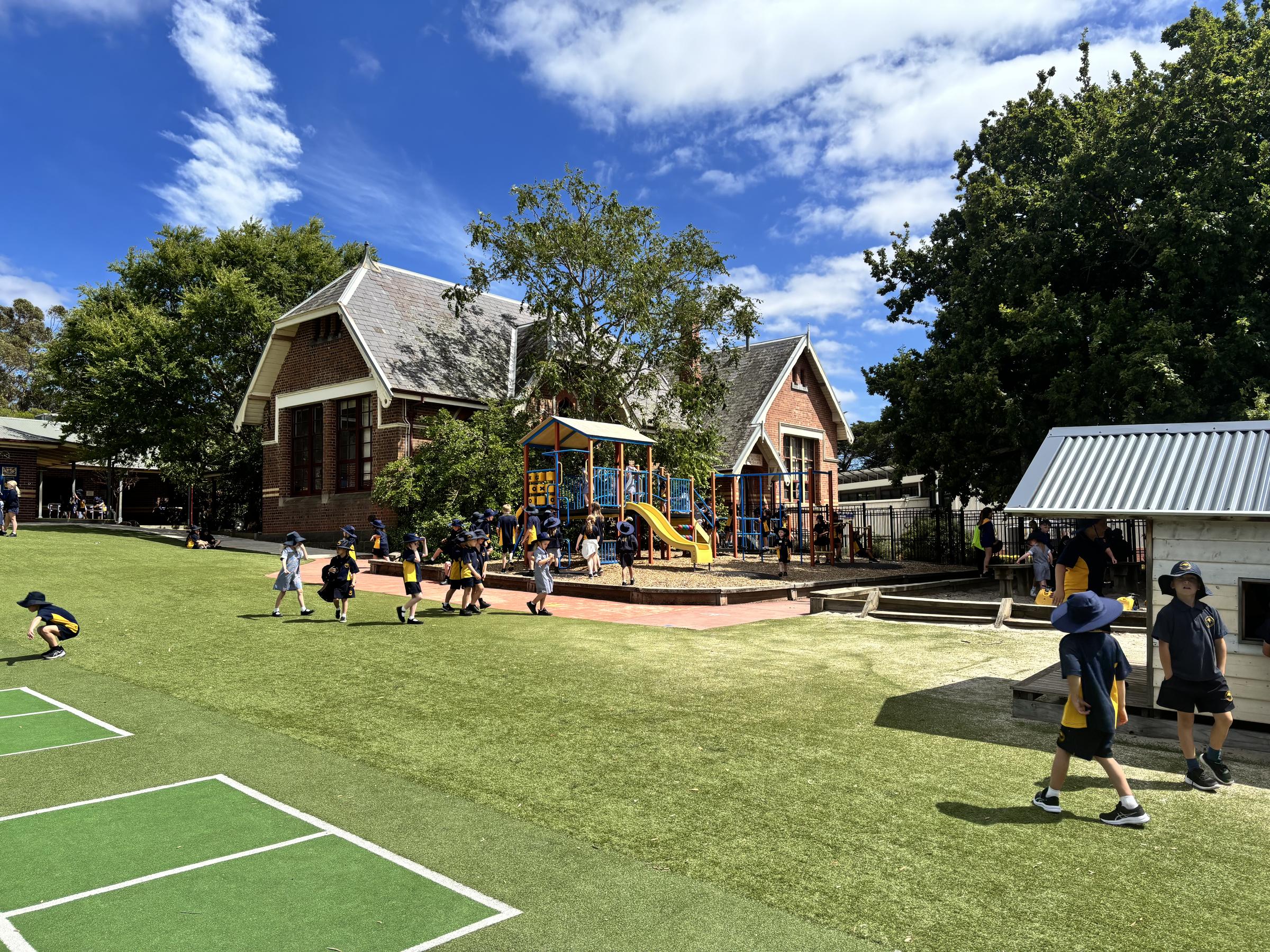
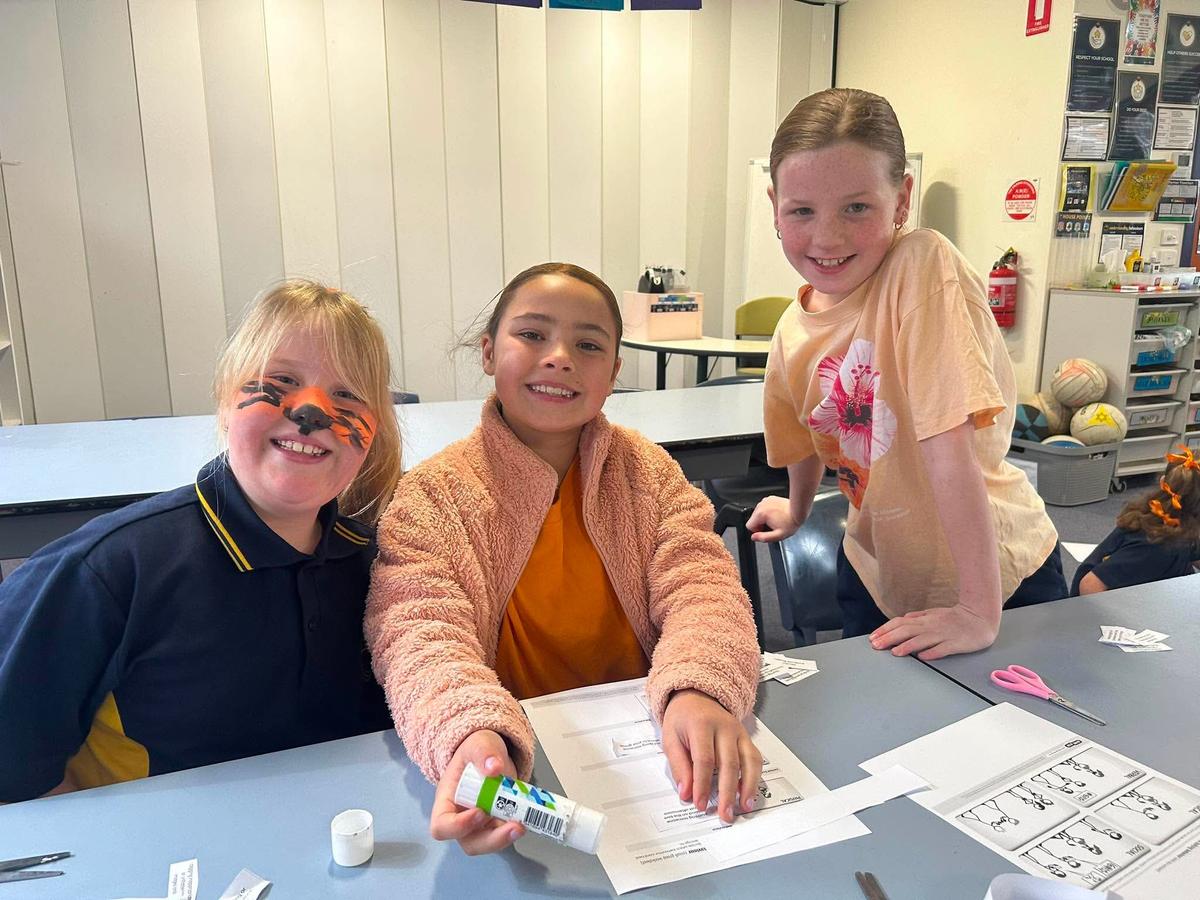
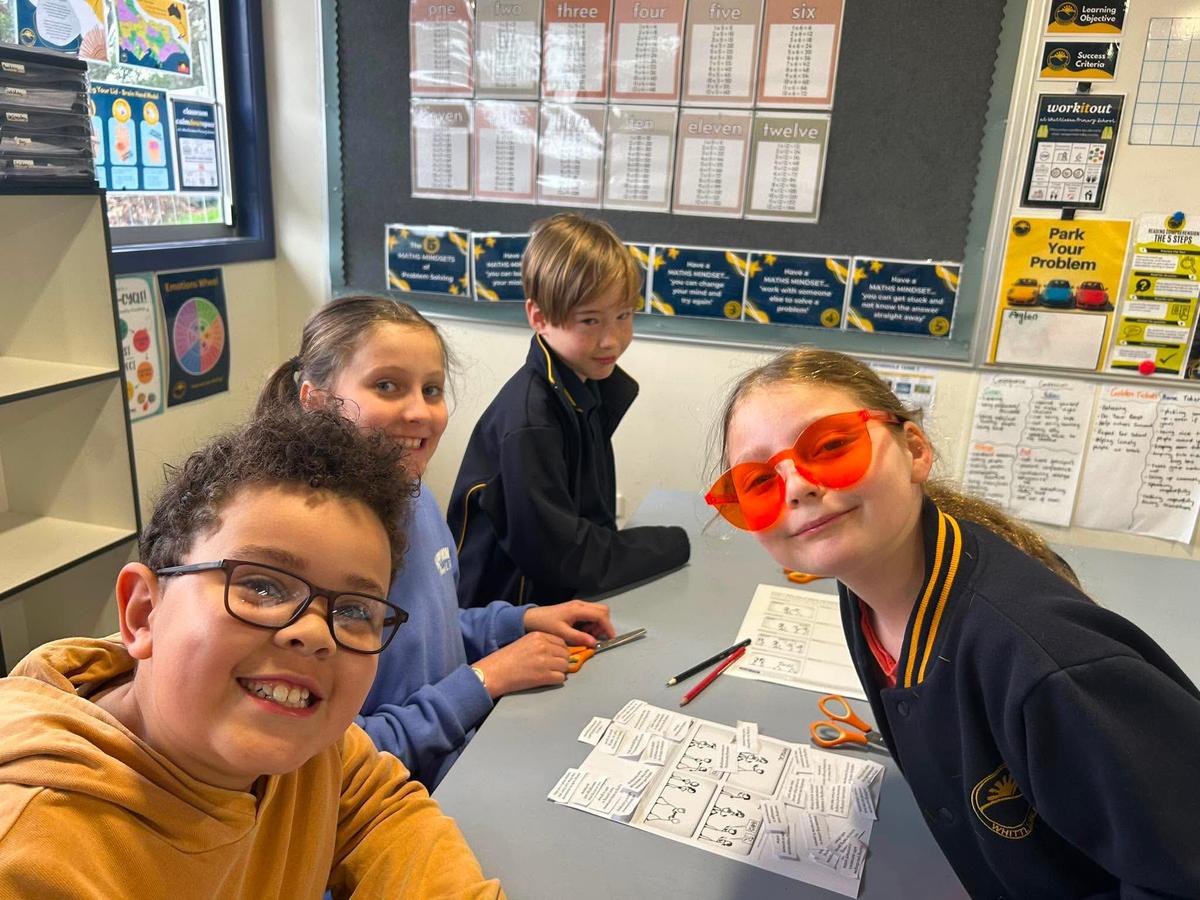
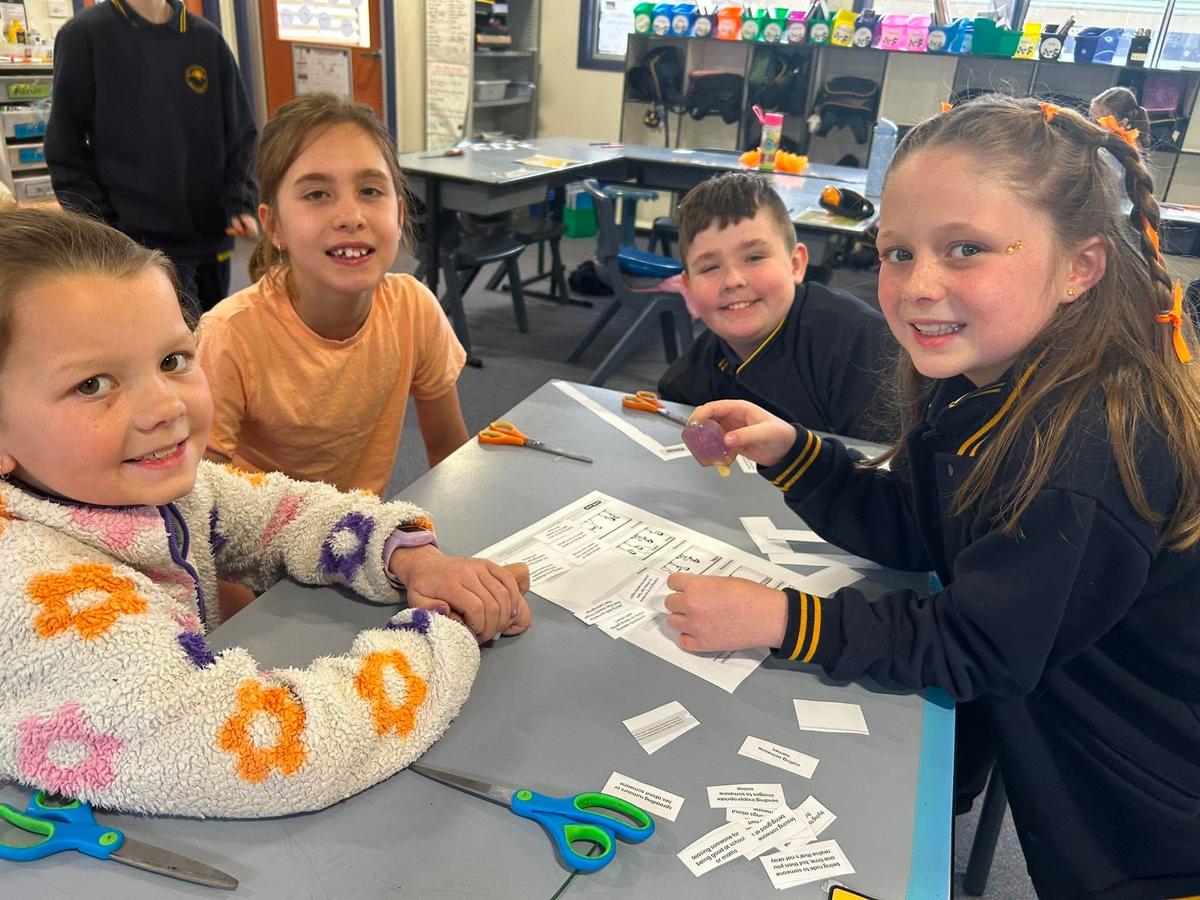
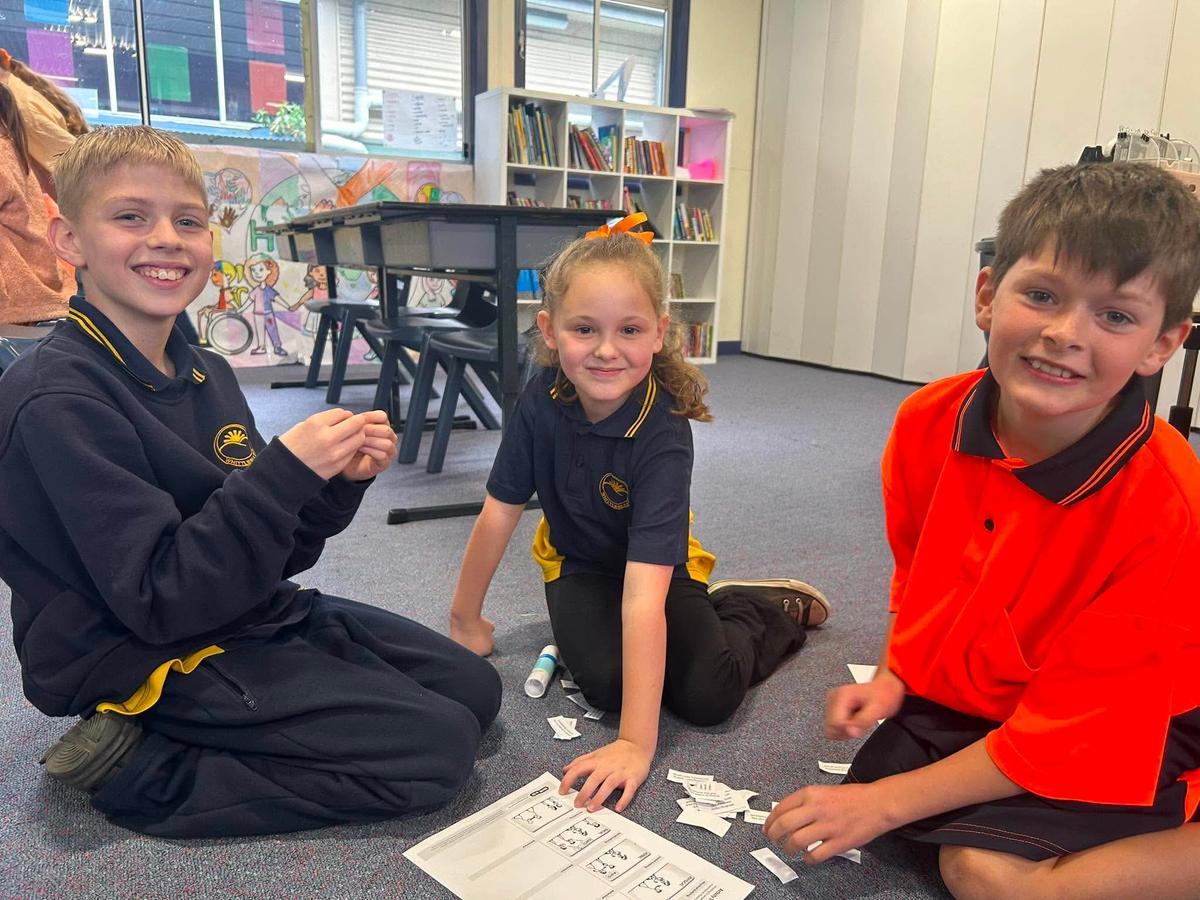
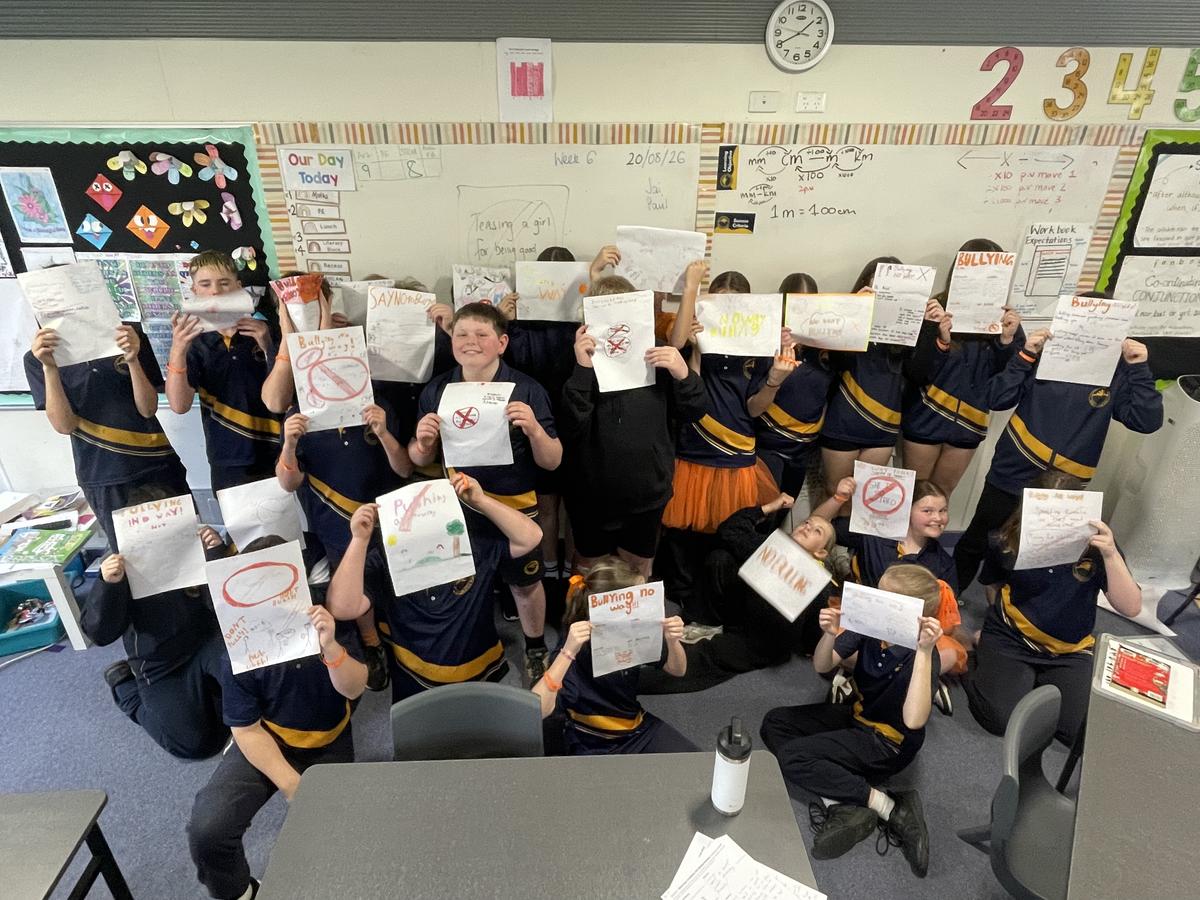
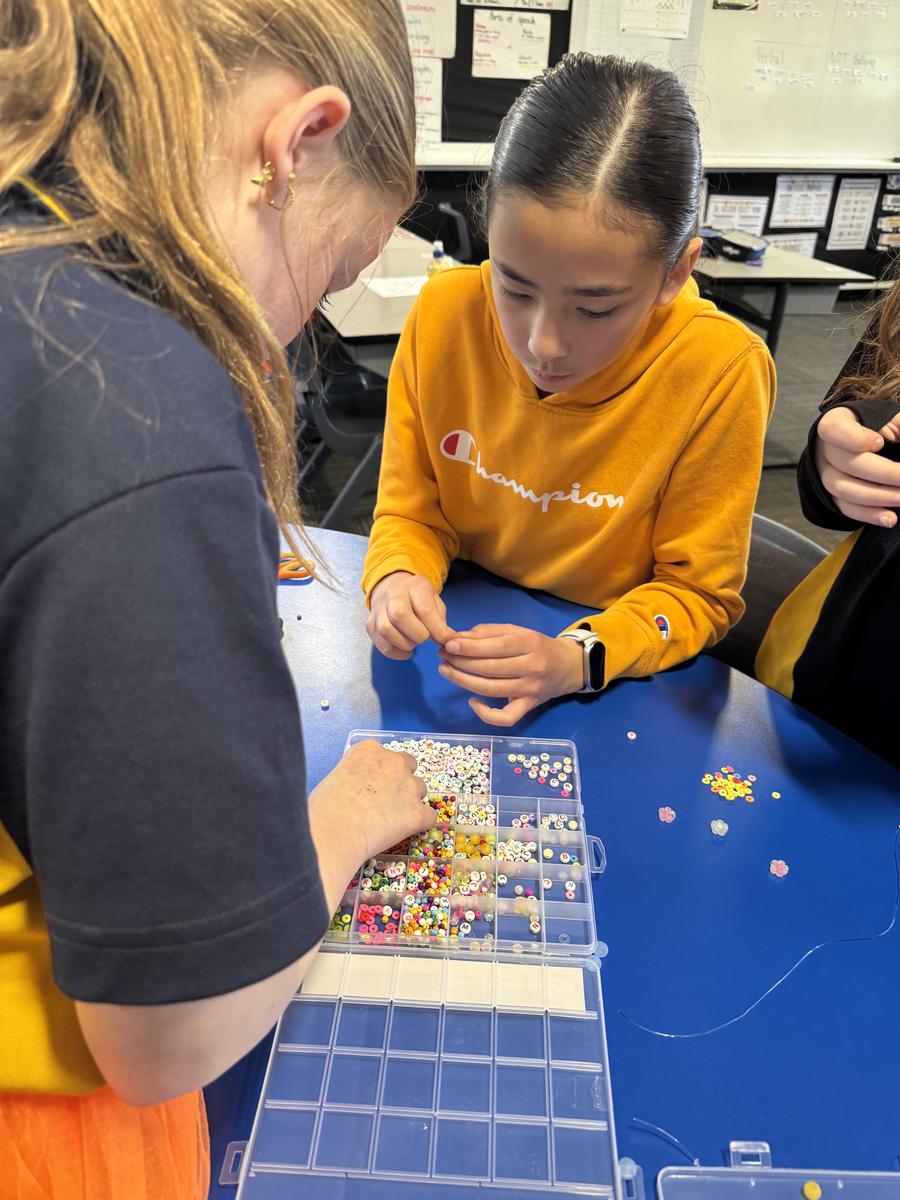
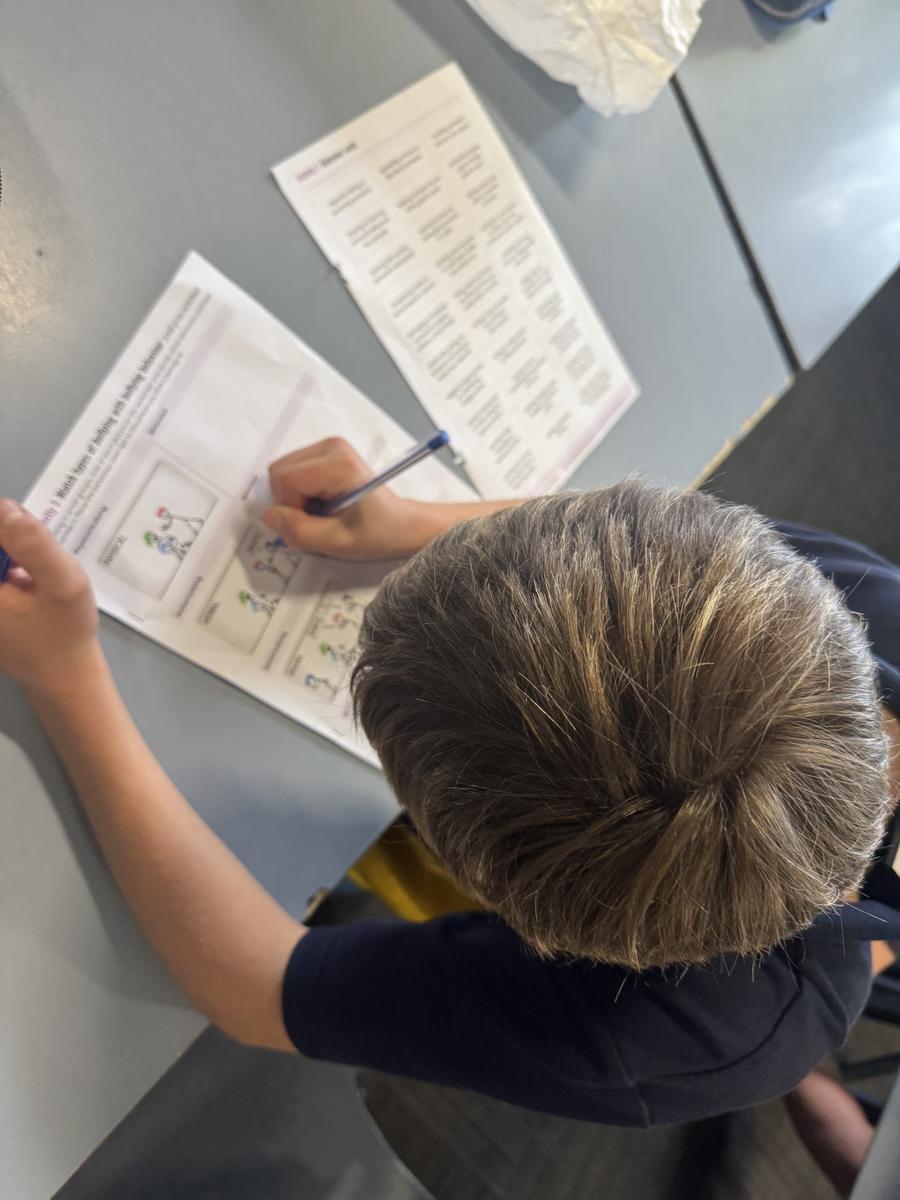
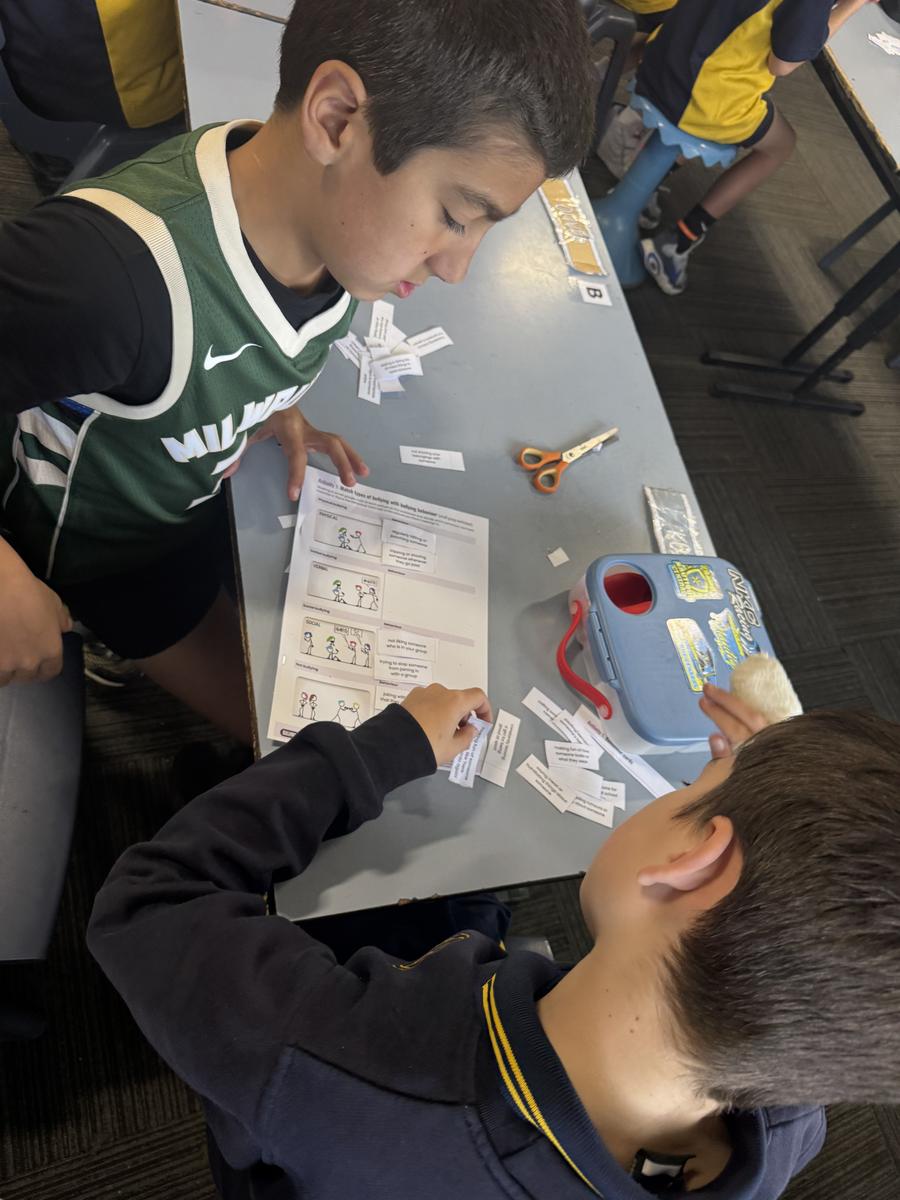
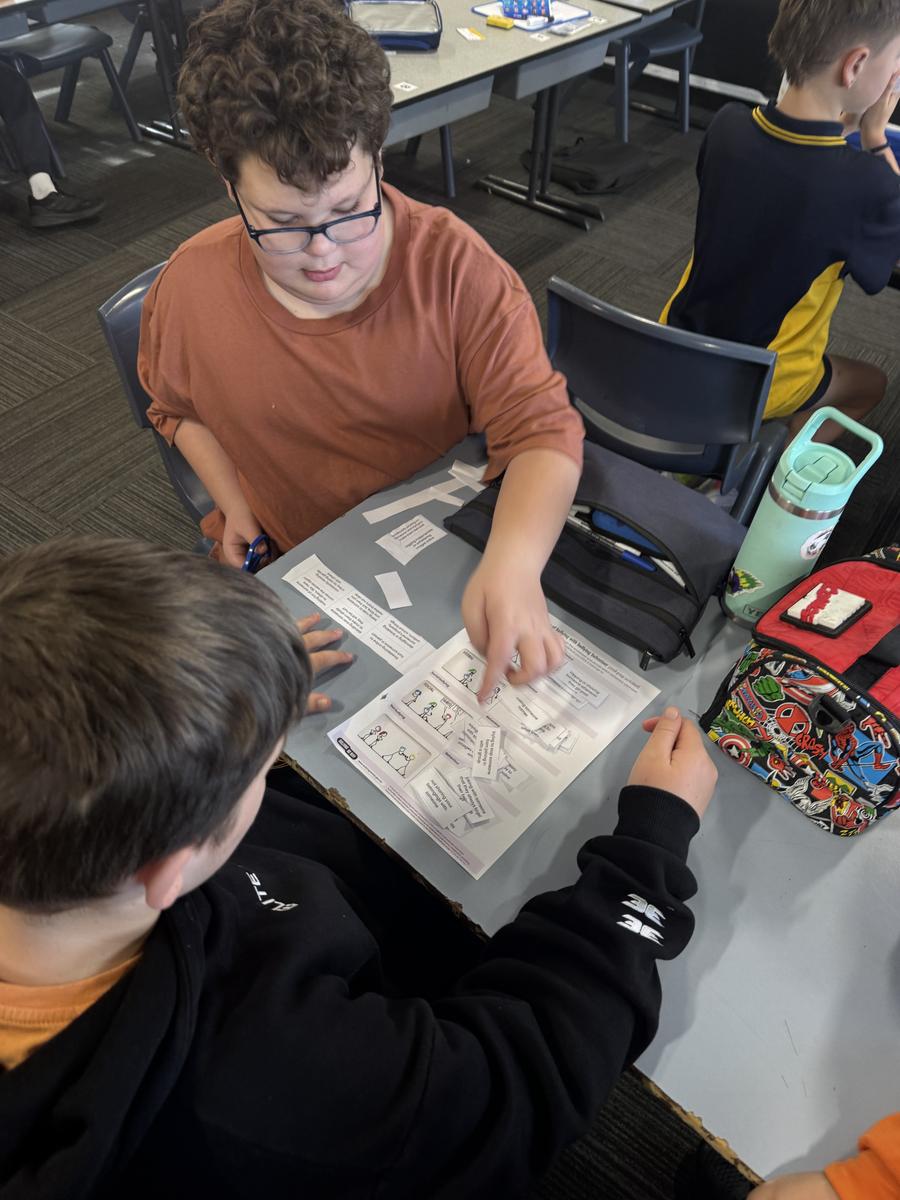
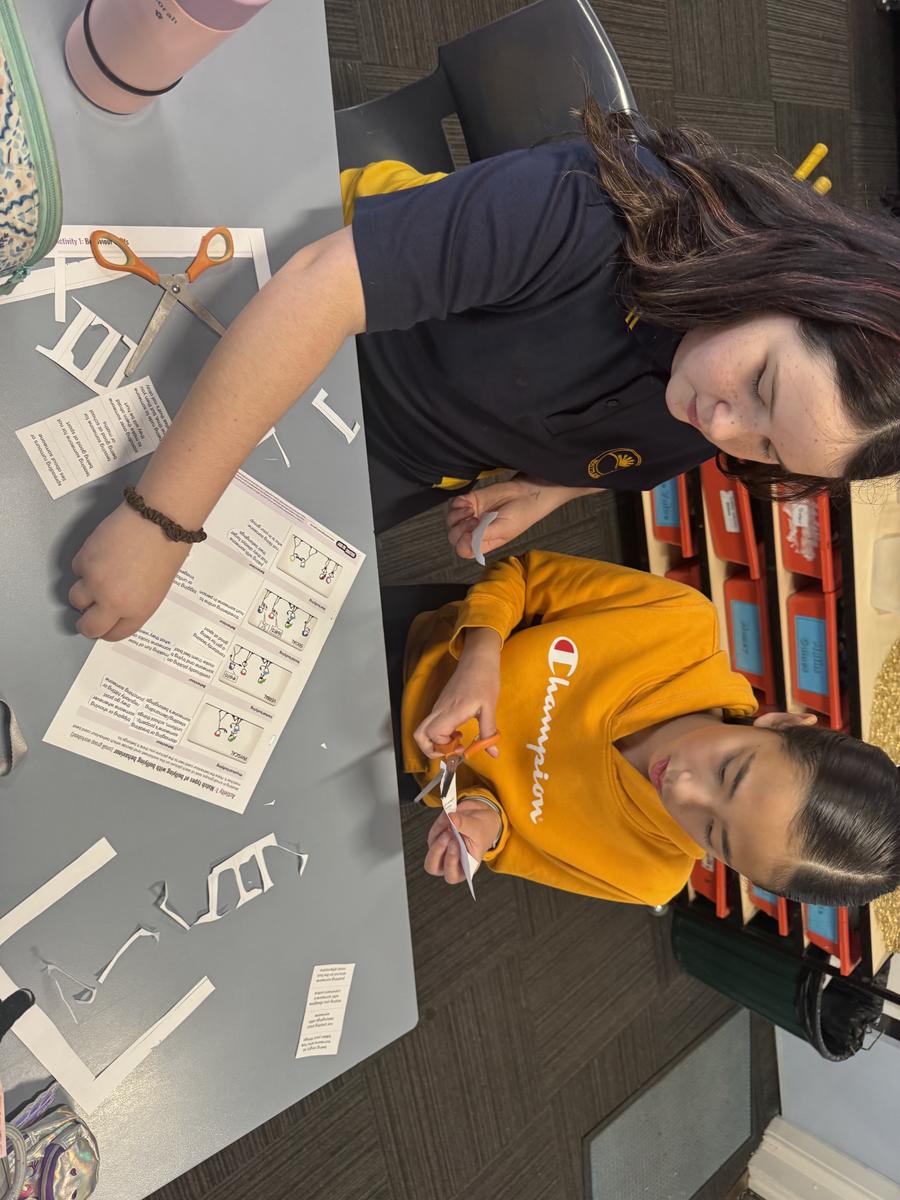
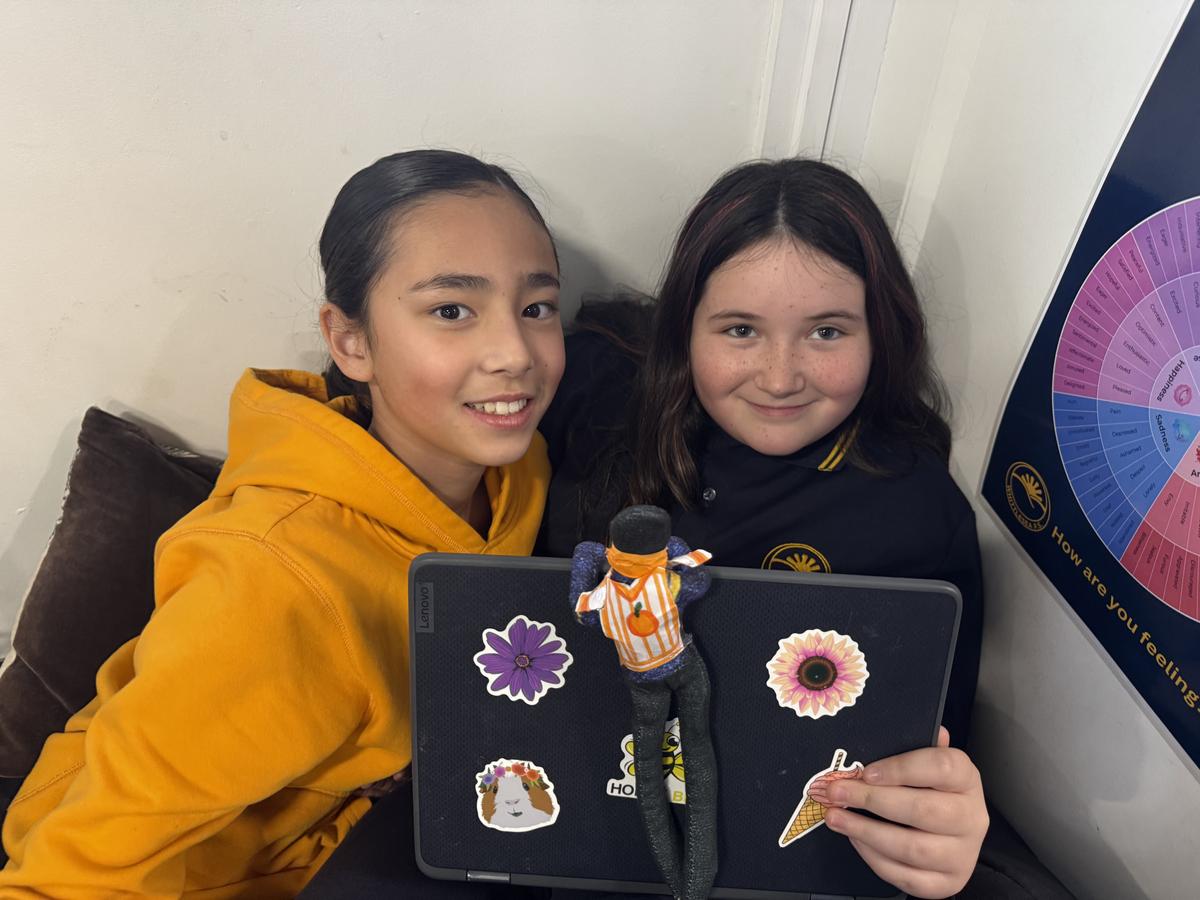
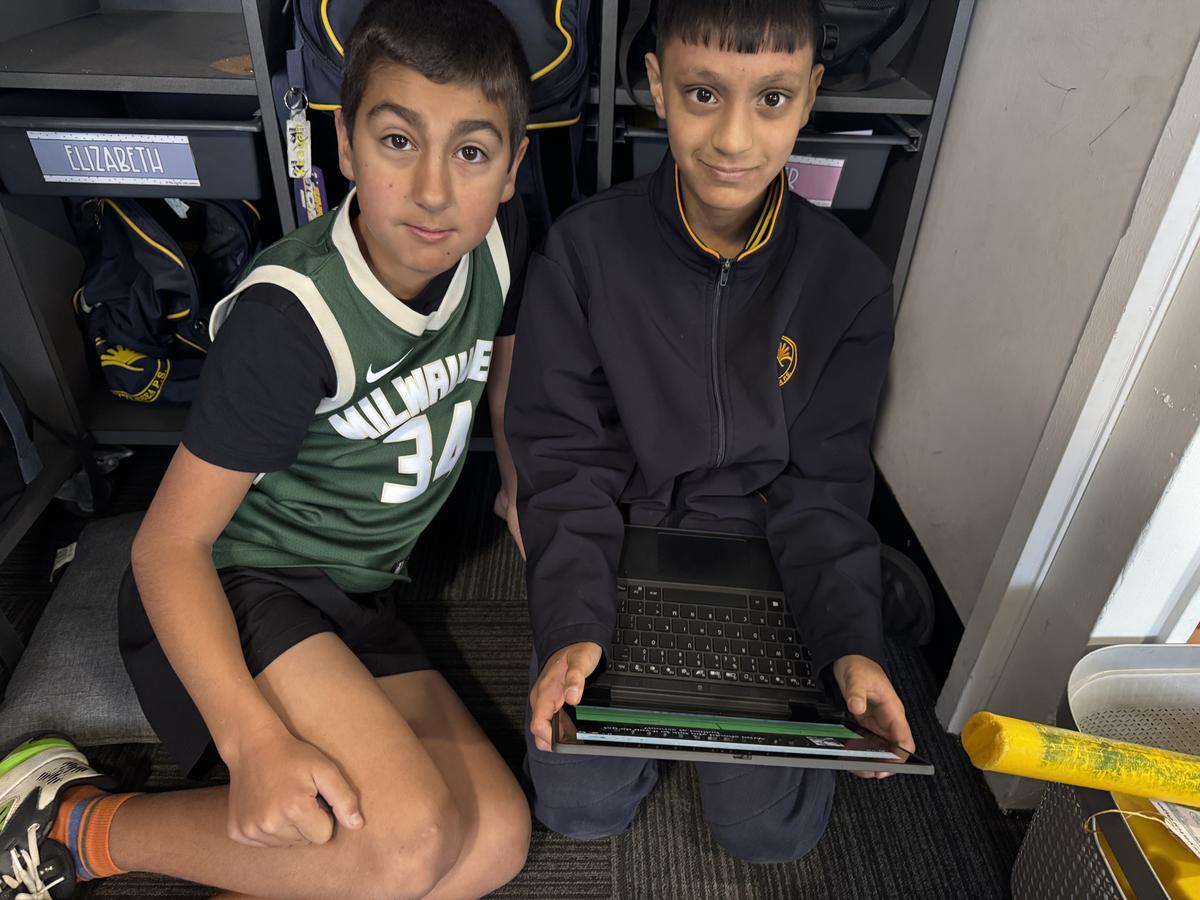
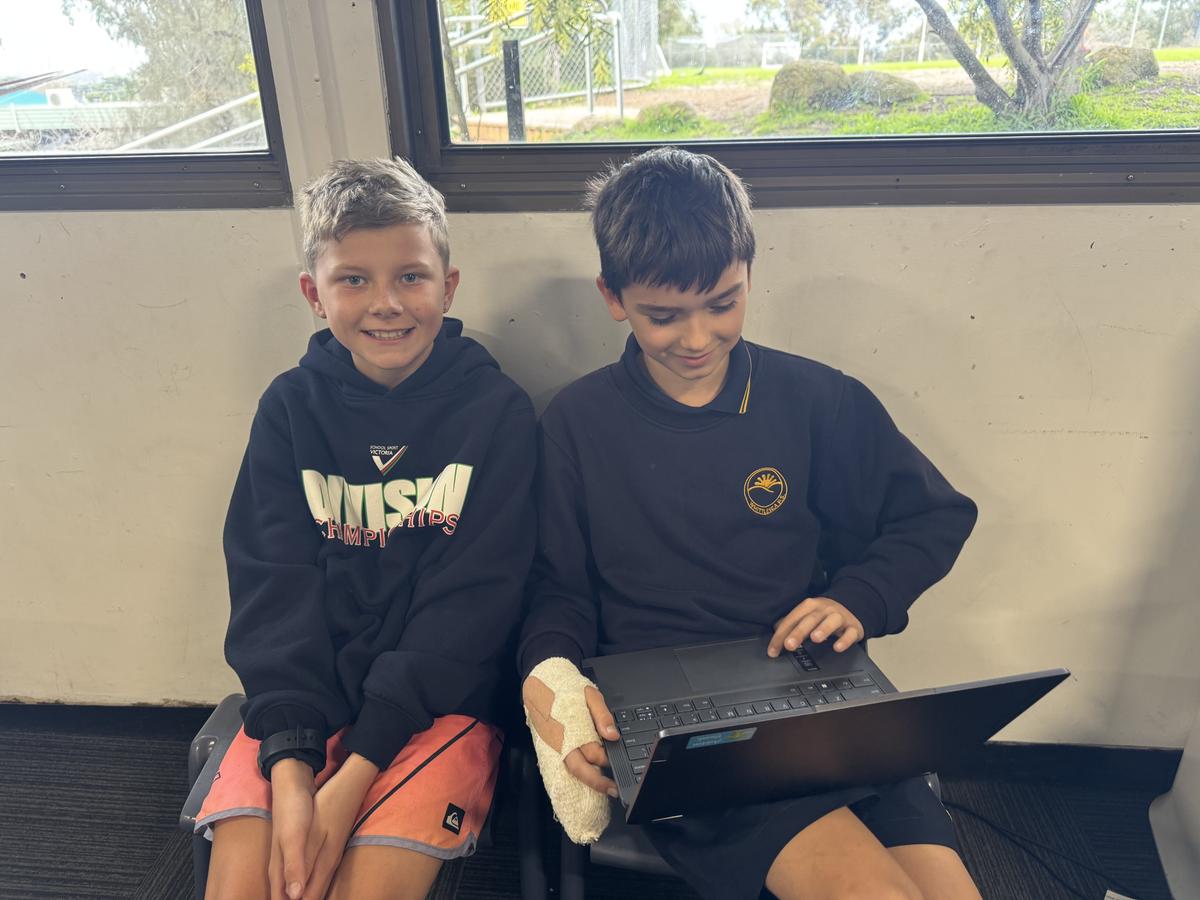
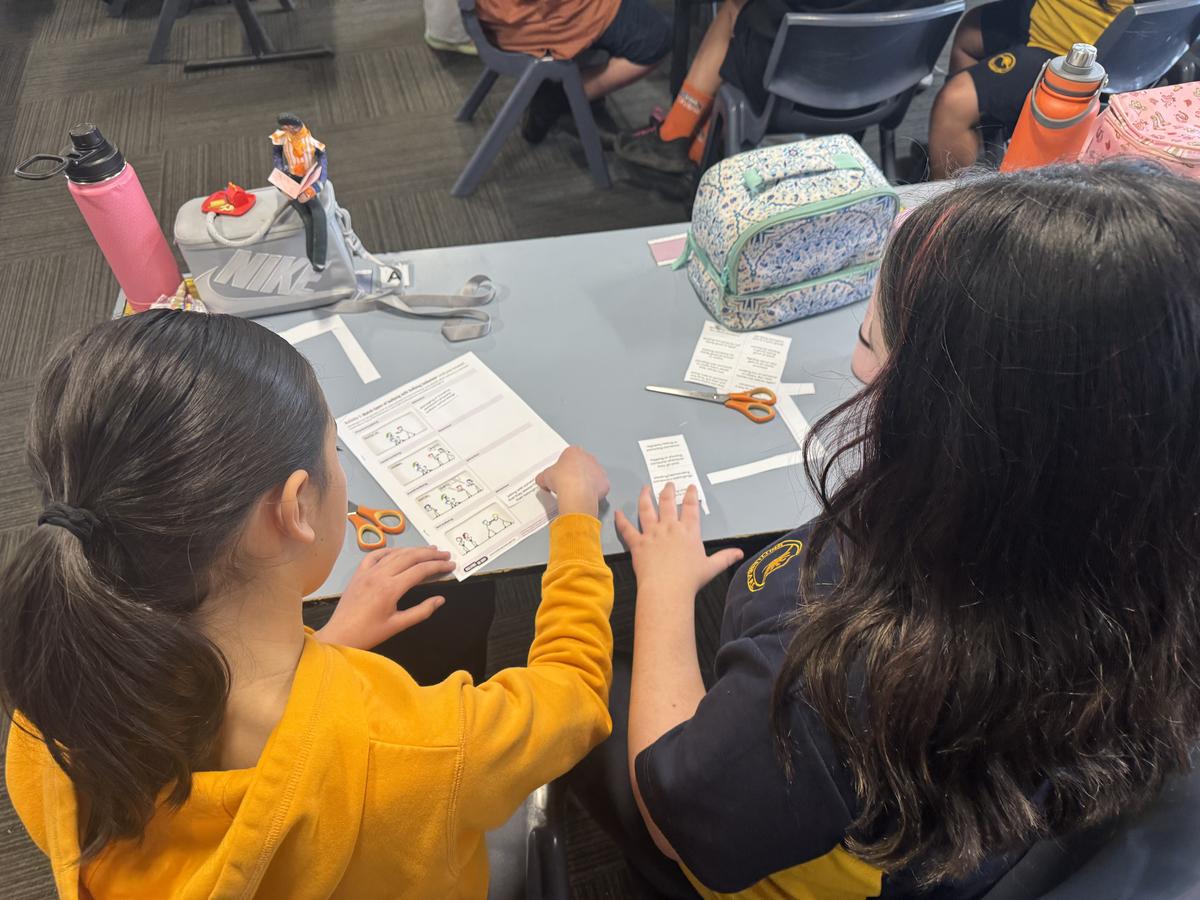
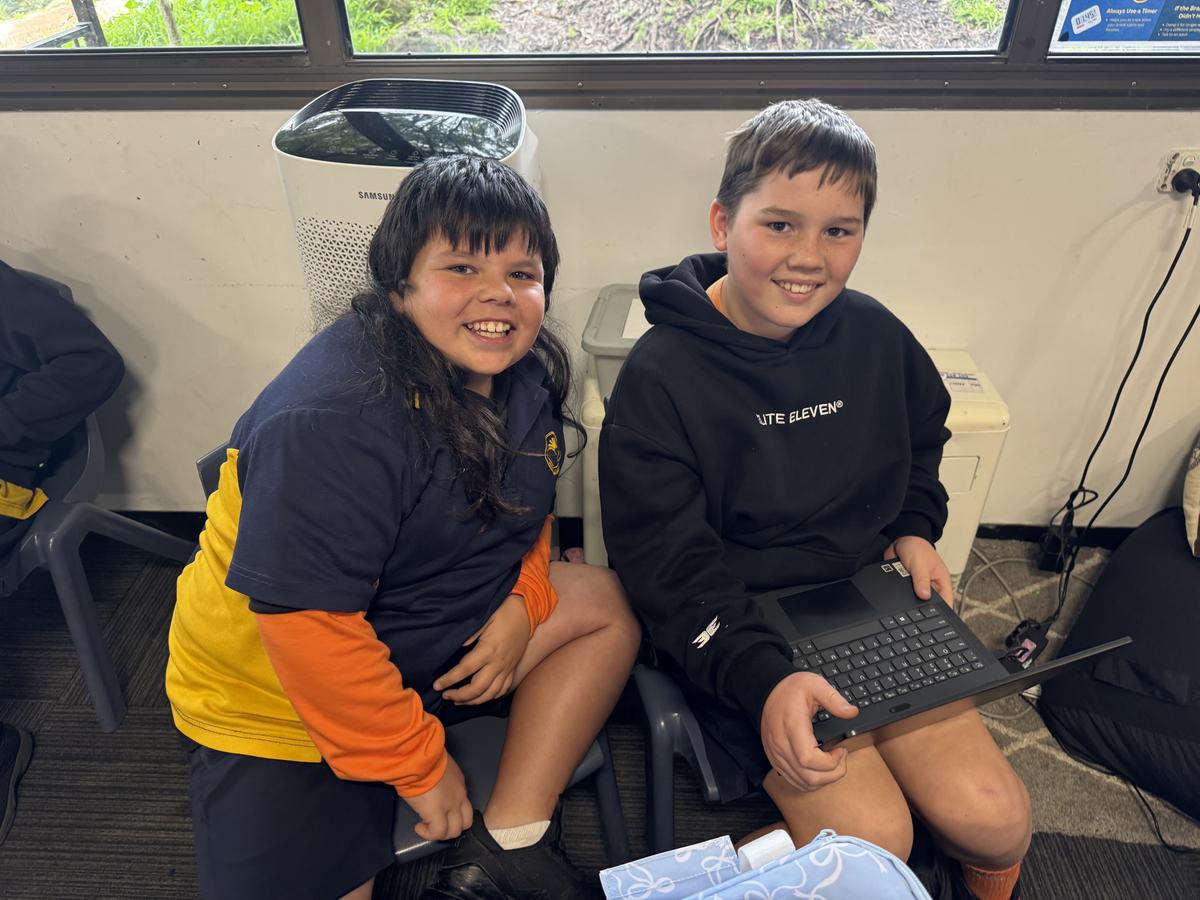
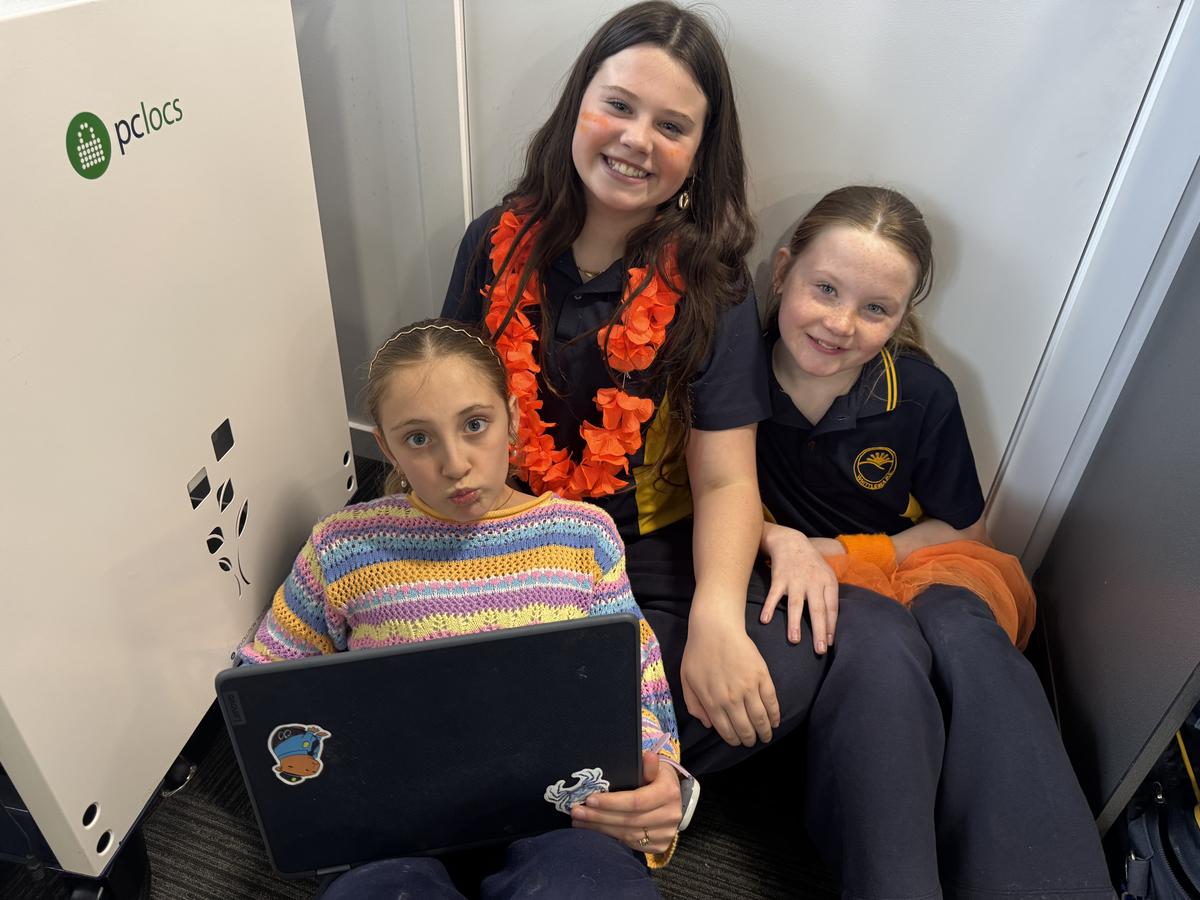
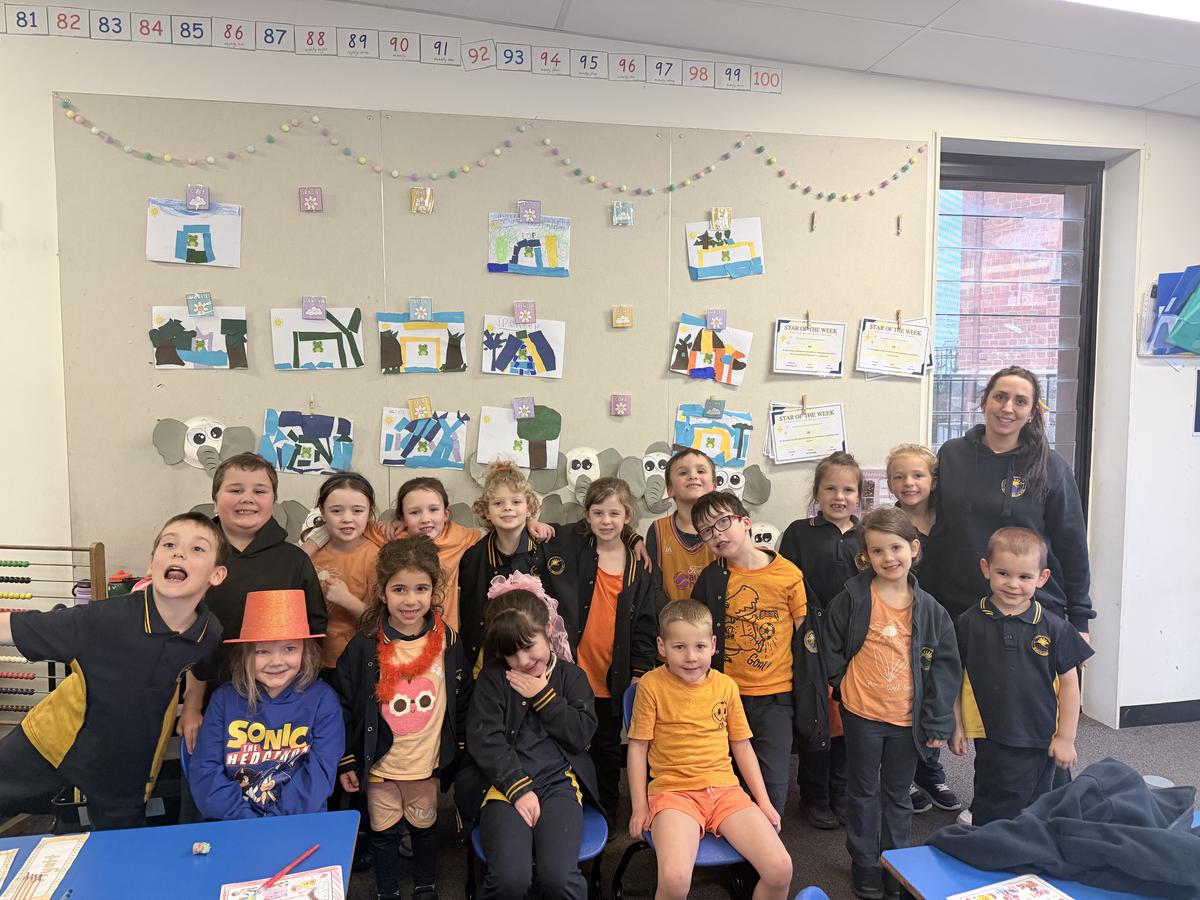
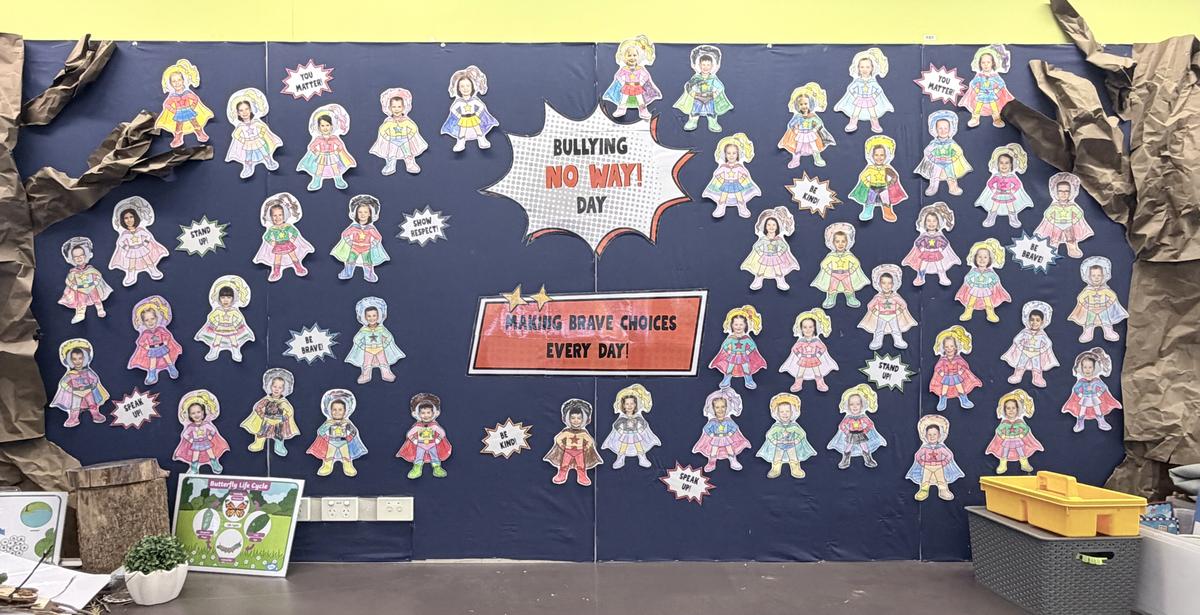
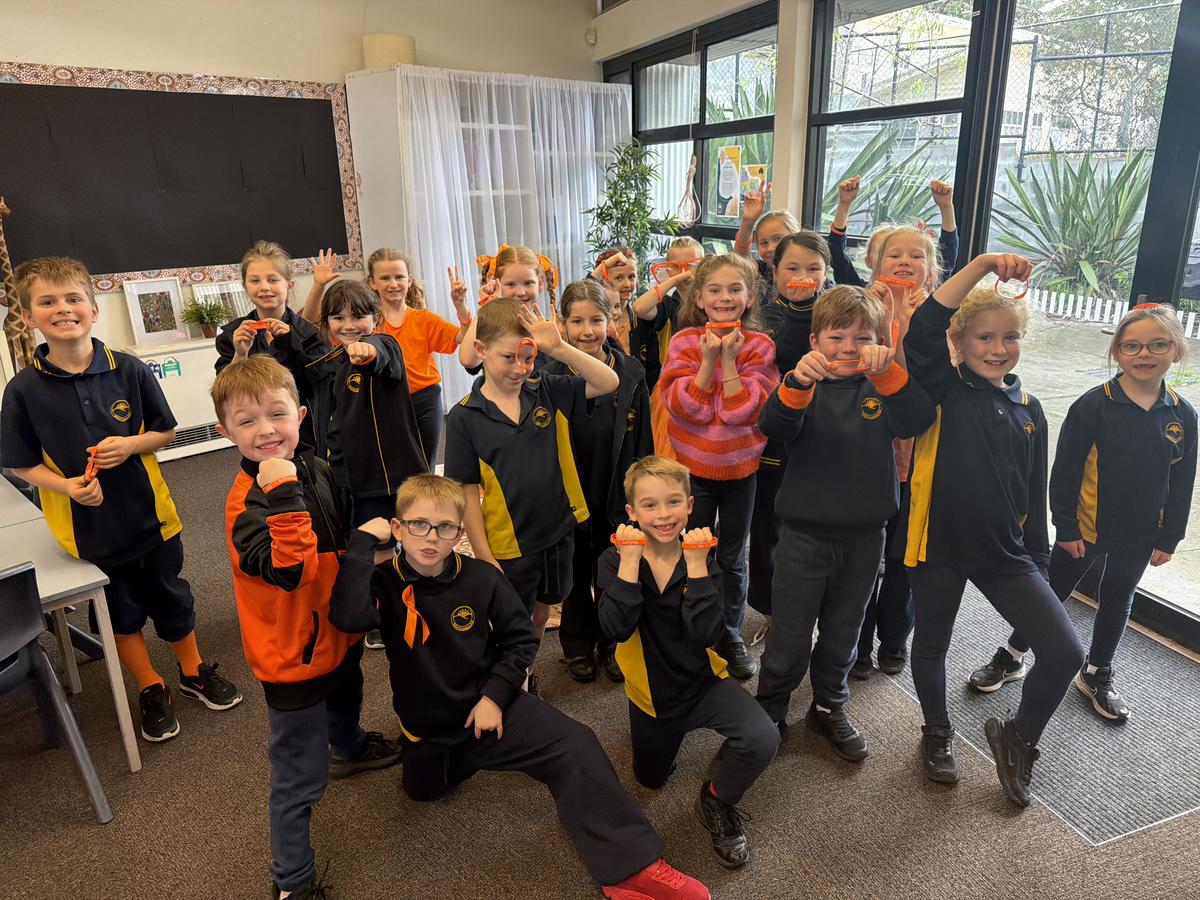
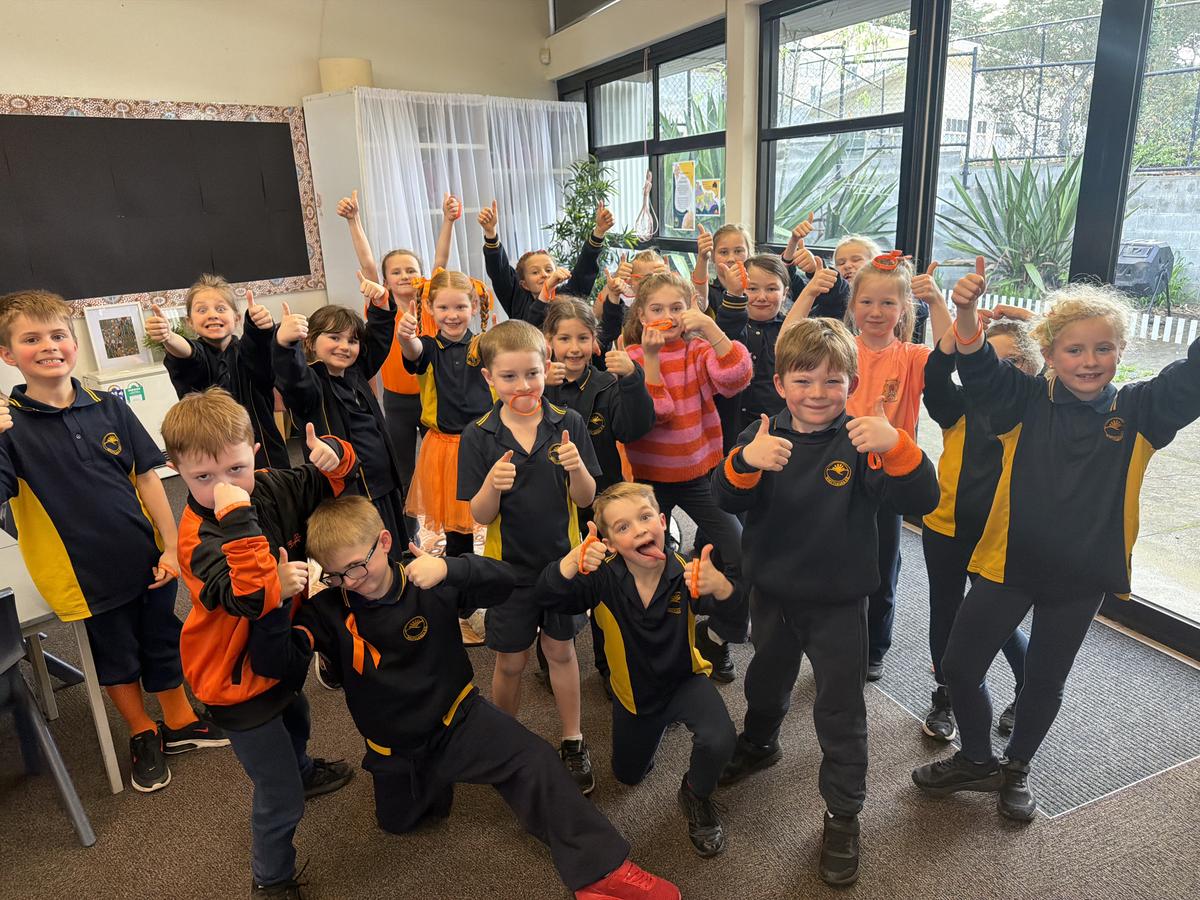
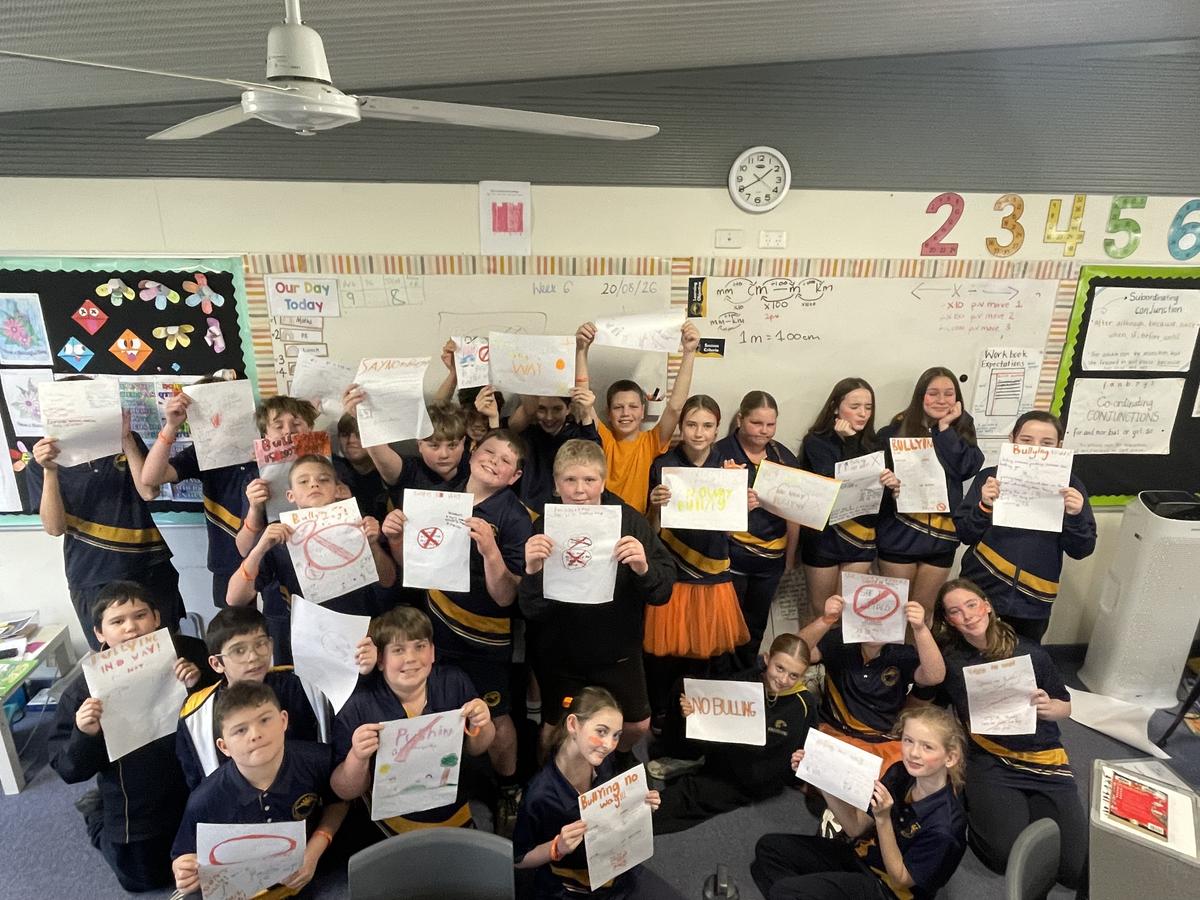
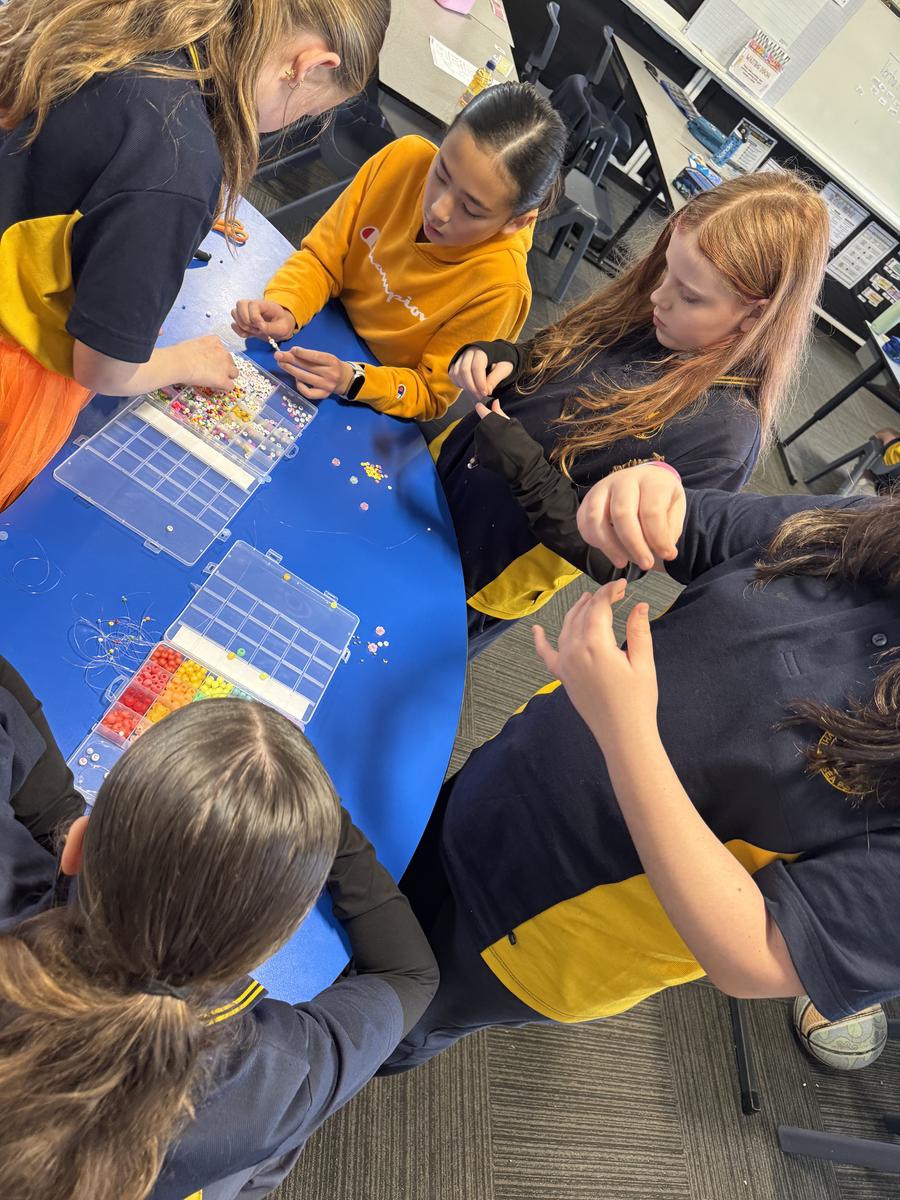
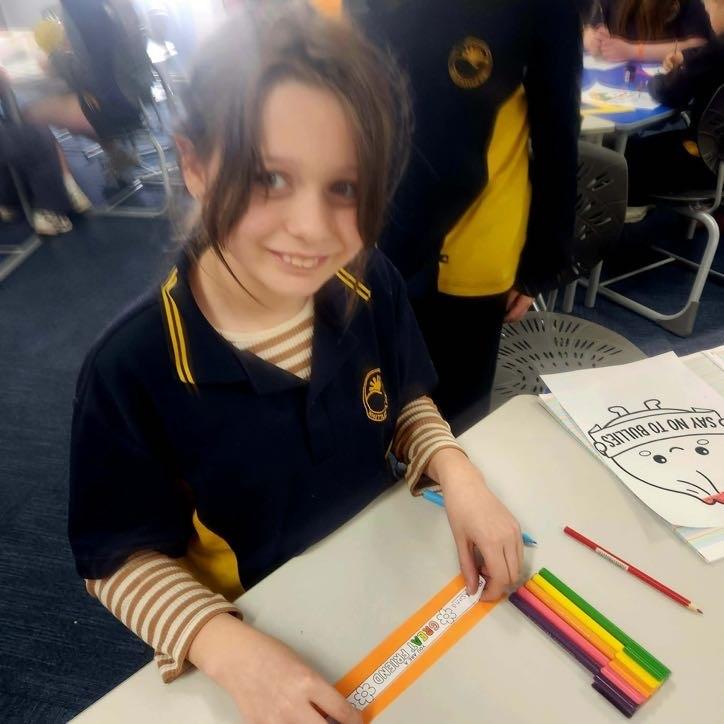
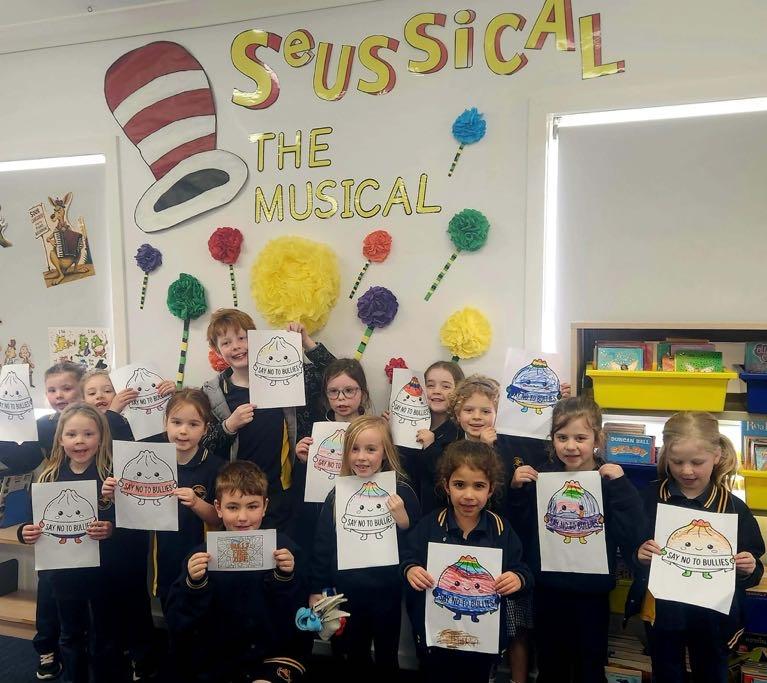
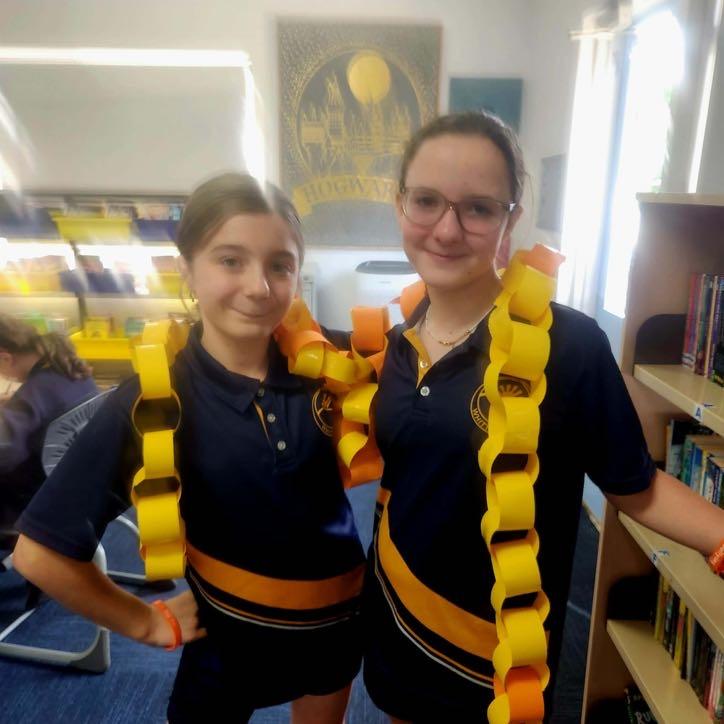
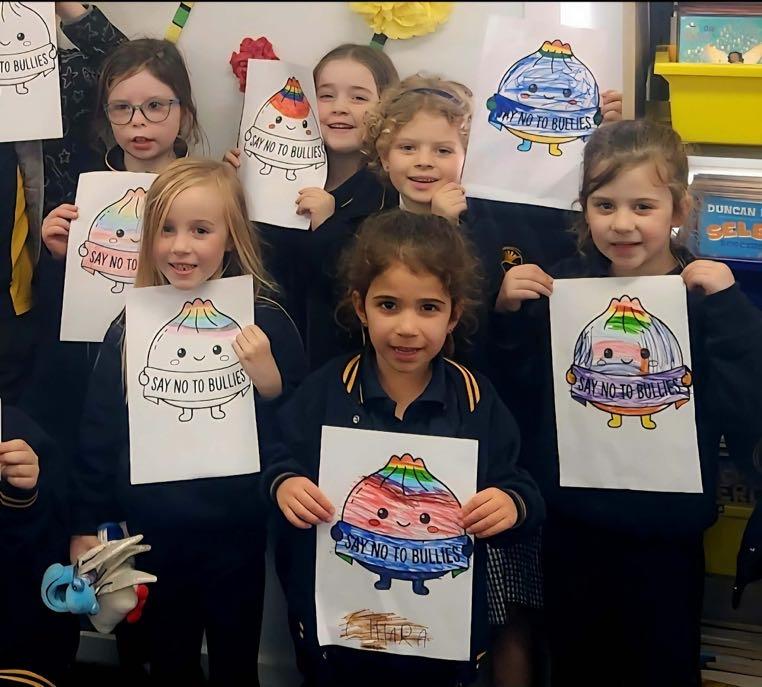
On Thursday, our school community recognised Bullying No Way Day, a national day that encourages us to stand together against bullying and promote kindness, respect and inclusion. This is a key part of Bullying No Way Week. To show our support, everyone was encouraged to wear a touch of orange. Everyone was provided with a wristband to share this important message.


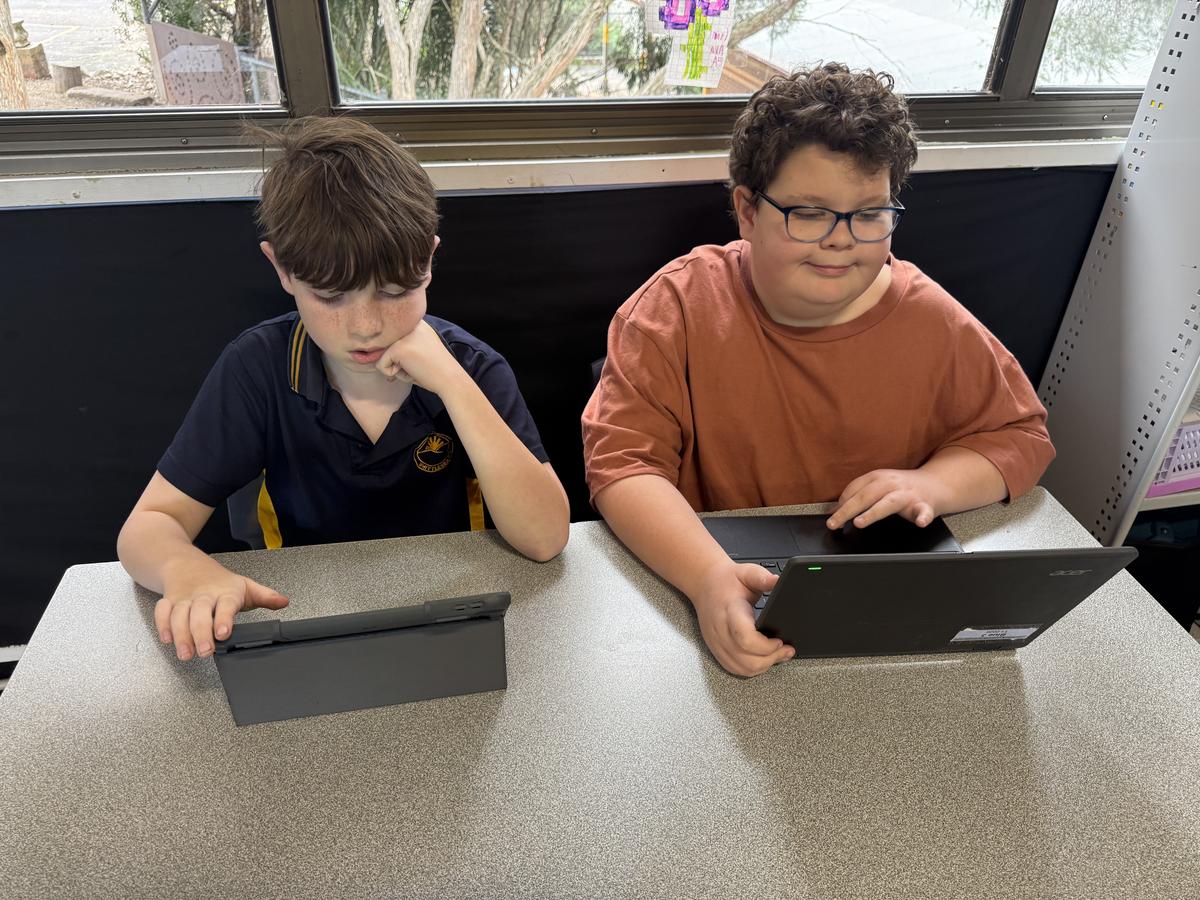
Throughout the day, we reminded students that everyone has the right to feel safe, welcome and respected at school, and that we all have a role to play in creating a positive and inclusive school community. Thank you to our students and families for getting behind this important message and helping us show that there is no place for bullying at WPS! We hope you enjoy looking at what our students got up to during Thursday's Bullying No Way Day celebrations 🧡
This week we are discussing Autism Spectrum Disorder (ASD), often referred to simply as autism. It is a neurodevelopmental difference that affects how a person experiences, understands and interacts with the world around them. Autism is called a spectrum because every autistic person is different. Some children may need significant support in particular areas, while others may be largely independent. Autism is not something that needs to be “fixed”; rather, understanding a child's individual strengths, needs and differences can help them thrive.
Autism can look different from one child to another and may affect a broad range of areas, including:
It is also important to remember that autistic children have many individual strengths. These may include creativity, honesty, attention to detail, strong memory, deep knowledge and passion for particular interests, and unique ways of thinking and solving problems.
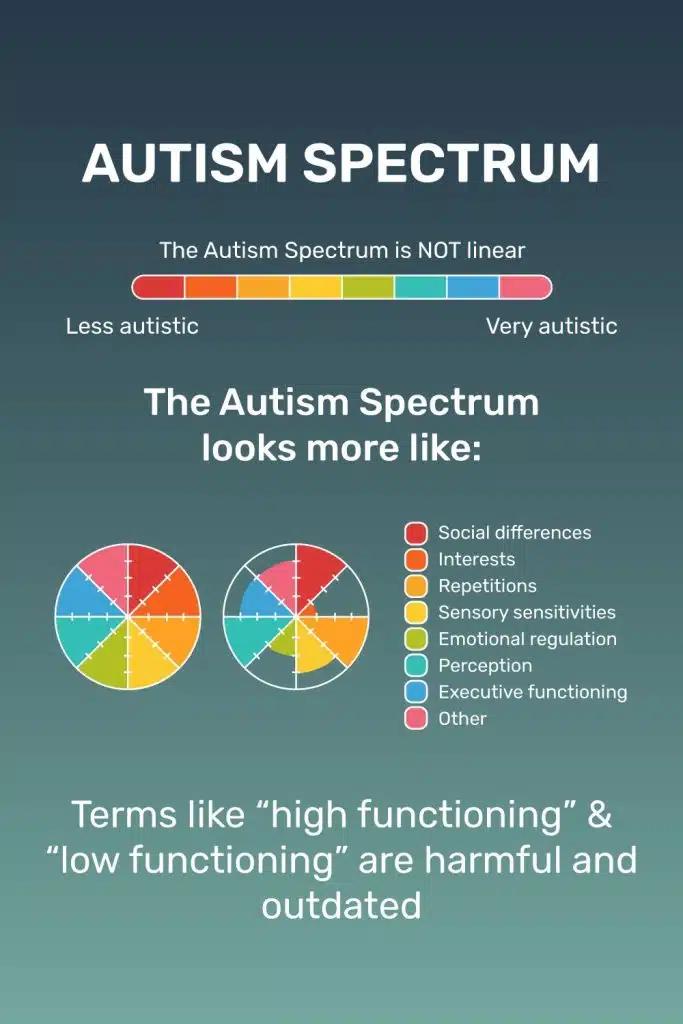
Supporting autistic students is about understanding each child and making adjustments that help them access learning, participate in school life, and feel safe and included. Depending on a student's needs, supports may include clear routines and visual schedules, explicit teaching of expectations, sensory breaks or quiet spaces, movement opportunities, support with organisation, social learning opportunities, adjustments to classroom tasks and environments, and strategies to support emotional regulation.
At school, we work with families, teachers and, where they are involved, allied health professionals to develop an understanding of each student's strengths and support needs. Strategies are regularly reviewed and adjusted as children grow and their needs change.
Families play an important role in helping children understand themselves and build confidence. Helpful strategies may include:
Most importantly, every child deserves to feel known, valued and included. By working together and recognising each child's individual strengths and needs, families and schools can help autistic children develop confidence, build meaningful relationships and have opportunities for success.