Wellbeing
Fiona Dandie & Robert Pain
Wellbeing
Fiona Dandie & Robert Pain
When children develop the skills to understand their emotions, build positive relationships and solve problems confidently, they are better equipped to learn, participate and thrive both at school and beyond. Our Social and Emotional Learning (SEL) program is taught across all year levels and carefully planned to meet students' developmental needs as they grow.
Throughout the year, students participate in learning that helps them to:
Our program brings together a range of evidence-informed resources that support students' wellbeing and social development.
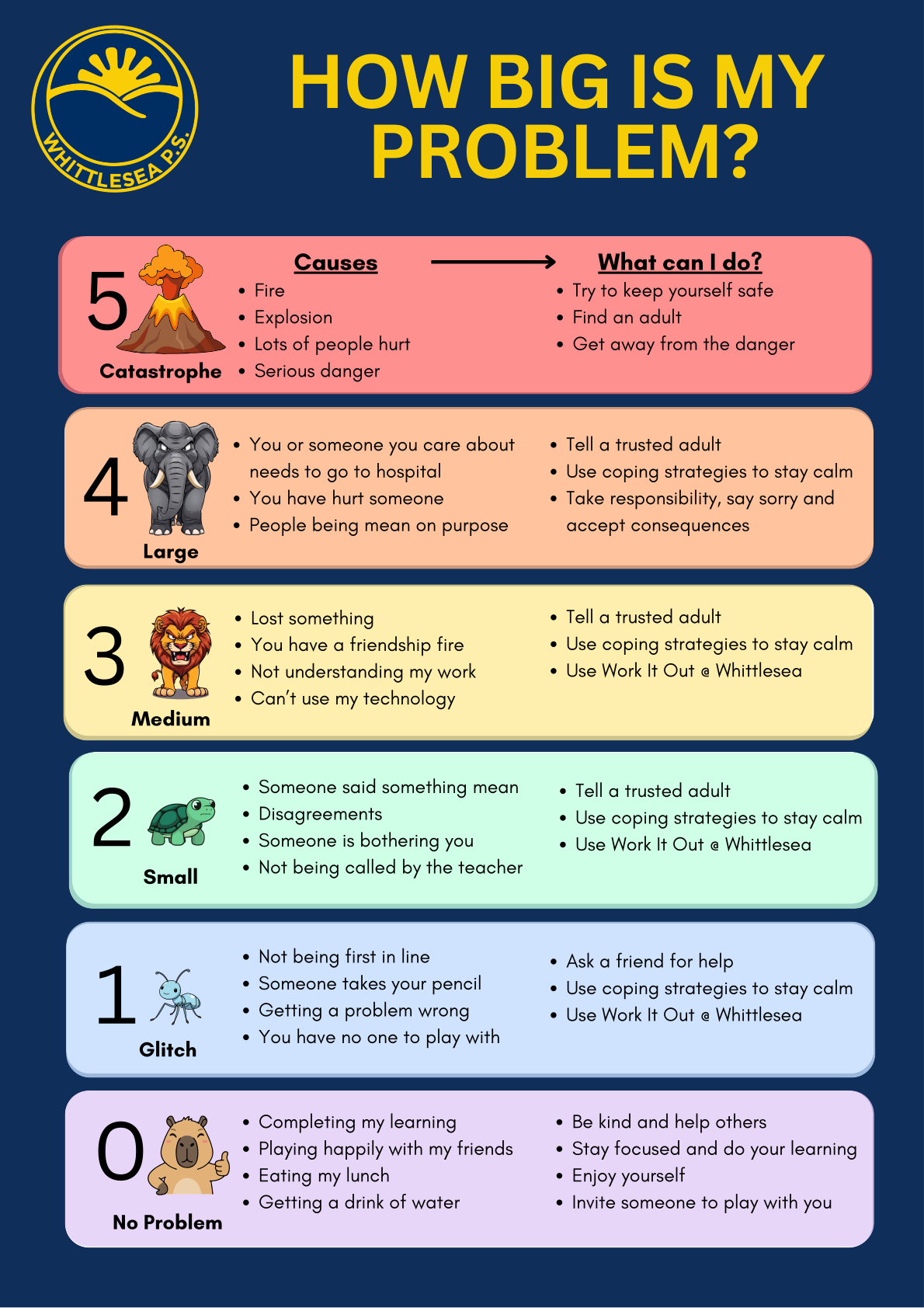
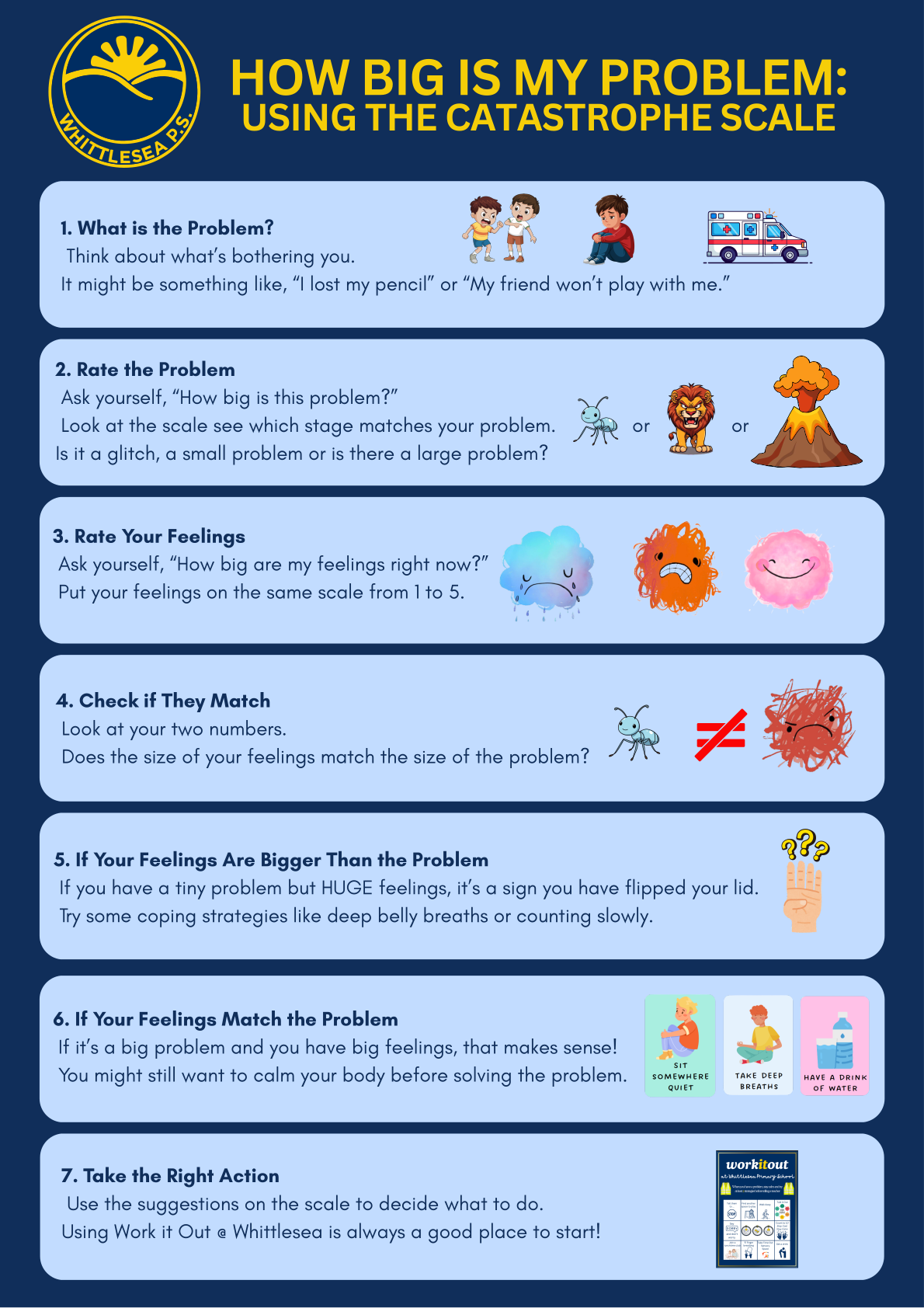
How Big is My Problem: a catastrophe scale for developing perspective and choosing appropriate responses.
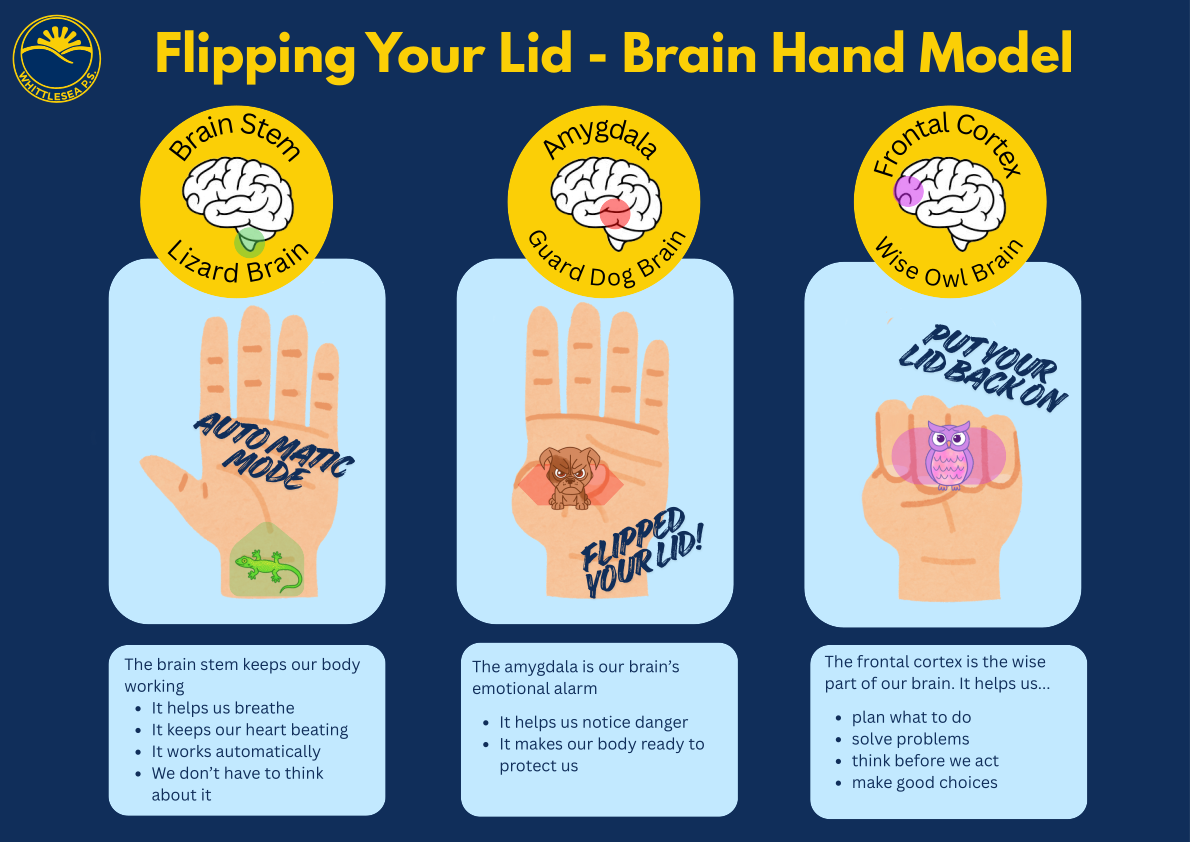
Flipping Your Lid - Brain-Hand Model: developed by psychiatrist Dr Dan Siegel, it is a simple and memorable physical tool used to explain how the human brain functions, particularly during moments of high stress, intense emotions, or "loss of control"
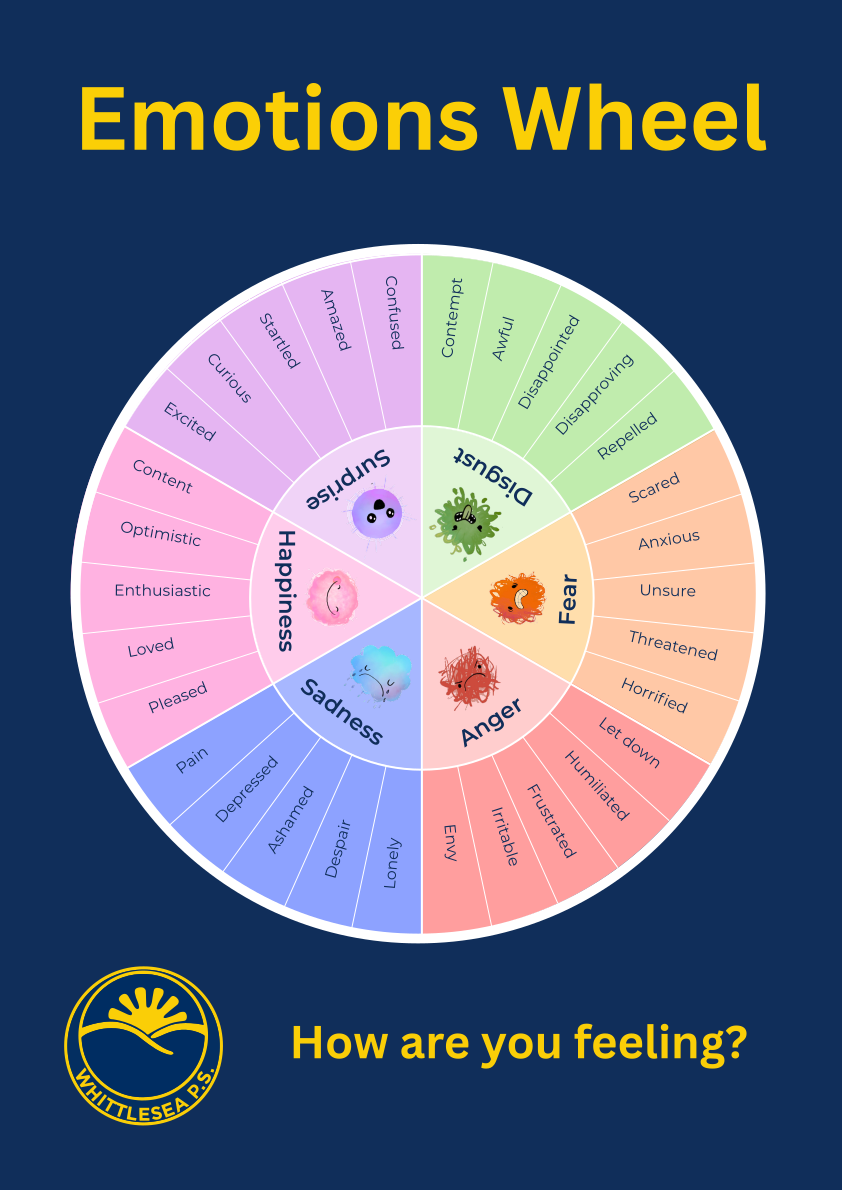
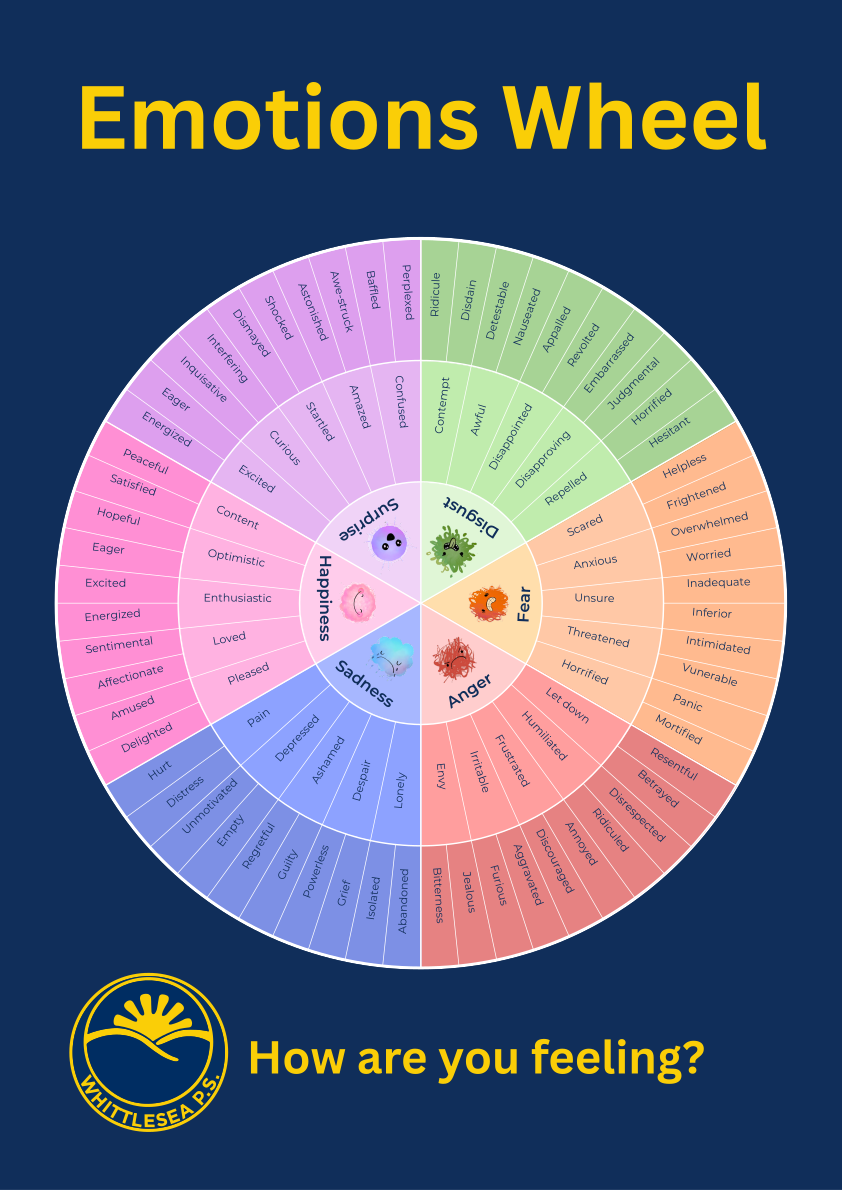
Emotions Wheel: helps students recognise, name and understand their emotions. Developing an emotional vocabulary is an important part of learning to regulate feelings, communicate needs and build positive relationships. We have a simplified version for the junior years and an expanded one for the older students.
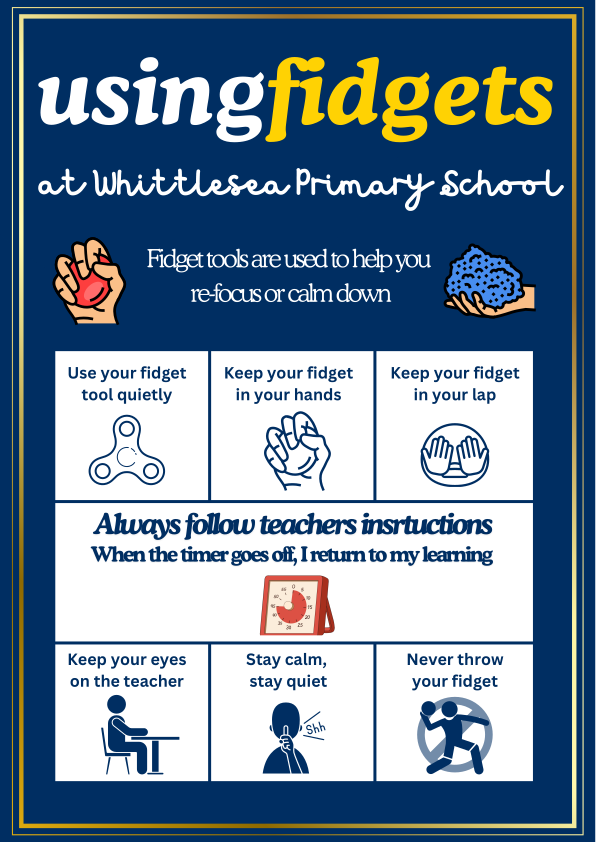
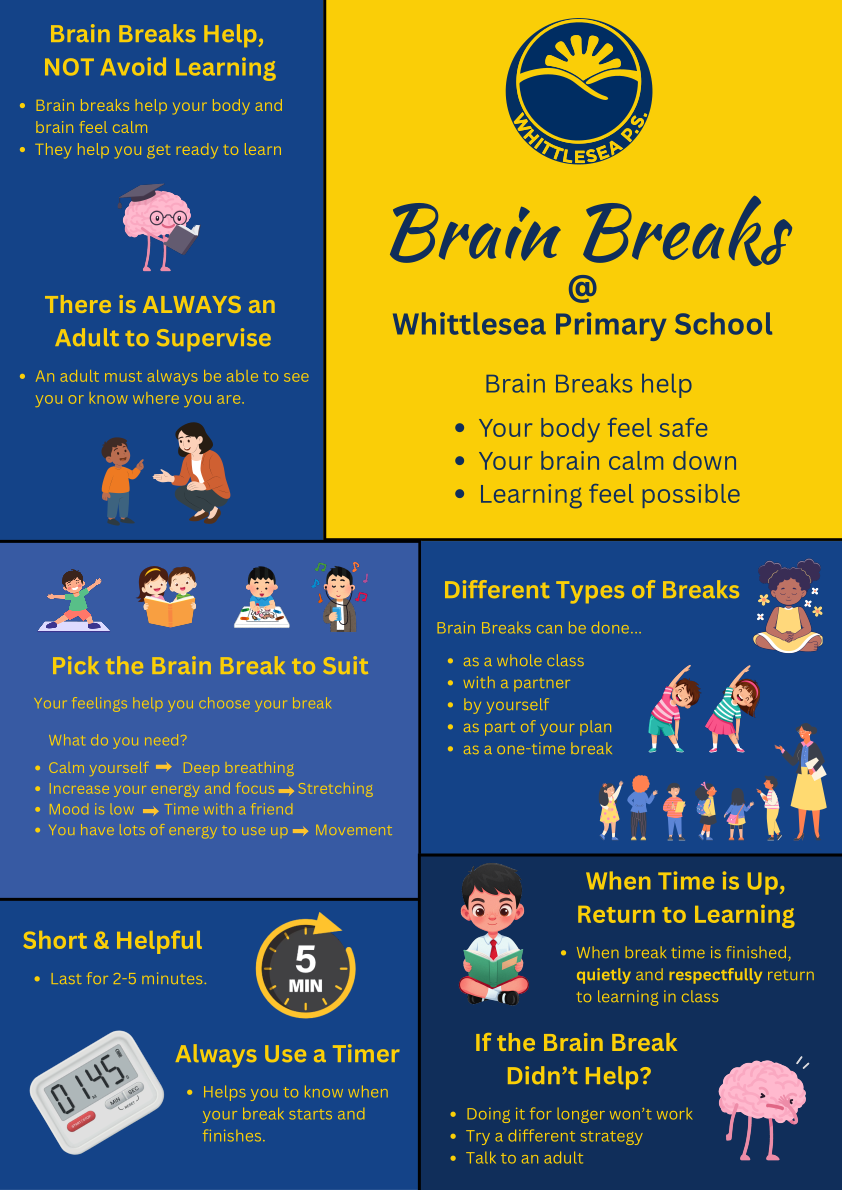
Coping Strategies - Brain Breaks and Fidget Tools: We have visuals to support the appropriate use of coping strategies when a student's emotional state is preventing learning. These strategies and expectations are explicitly taught throughout the year.
Children develop social and emotional skills most successfully when school and home work together. We encourage families to ask their child about the strategies they are learning, to discuss emotions openly, and to celebrate examples of kindness, resilience, and problem-solving in everyday life.
By building these skills together, we are helping our students become confident learners, caring friends and resilient members of our school community.
If you'd like a copy of any of these posters to use at home, please email me at fiona.dandie@education.vic.gov.au.
Whittlesea World Dates - Term 3
Resetting Whole School Expectations for Term 3:
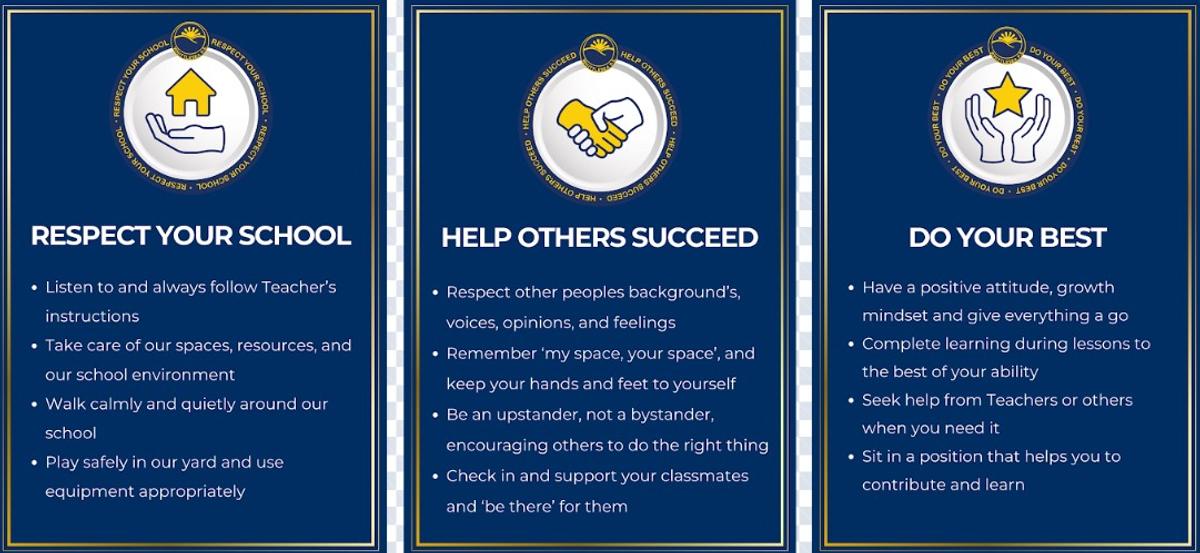
The beginning of each term presents a fantastic opportunity for all classroom teachers to reset classroom and whole-school expectations with their students. To start this week, teachers have reminded their students of the WPS Expectations to set each student up for a successful Term 3. Here is a reminder of the Whittlesea Primary School Expectations that you may like to discuss with your children:
Respect Your School
This schoolwide expectation focuses on how WPS students show respect towards people, places and materials in all areas of the school. Examples of this expectation are listening to and always following the Teacher's instructions, taking care of our spaces, resources, and school environment, walking calmly and quietly around our school, and playing safely in our yard and using equipment appropriately.
Do Your Best
This schoolwide expectation focuses on how our students show their best selves in all areas of the school. Examples of this expectation include having a positive attitude, a growth mindset, and giving everything a go. This also involves completing learning during lessons to the best of your ability, seeking help from Teachers or others when needed, and sitting in a position that allows you to contribute and learn.
Help Others Succeed
This schoolwide expectation focuses on how WPS students can have a positive impact on their peers, teachers, staff, and the broader school community. This expectation can look like students who respect other people's backgrounds, voices, opinions, and feelings, remembering 'my space, your space', and keep their hands and feet to themselves, being an upstander, not a bystander, and encouraging others to do the right thing, checking in and supporting classmates and 'be there' for them.