Director of Wellbeing
Mrs Allison Moore
Director of Wellbeing
Mrs Allison Moore
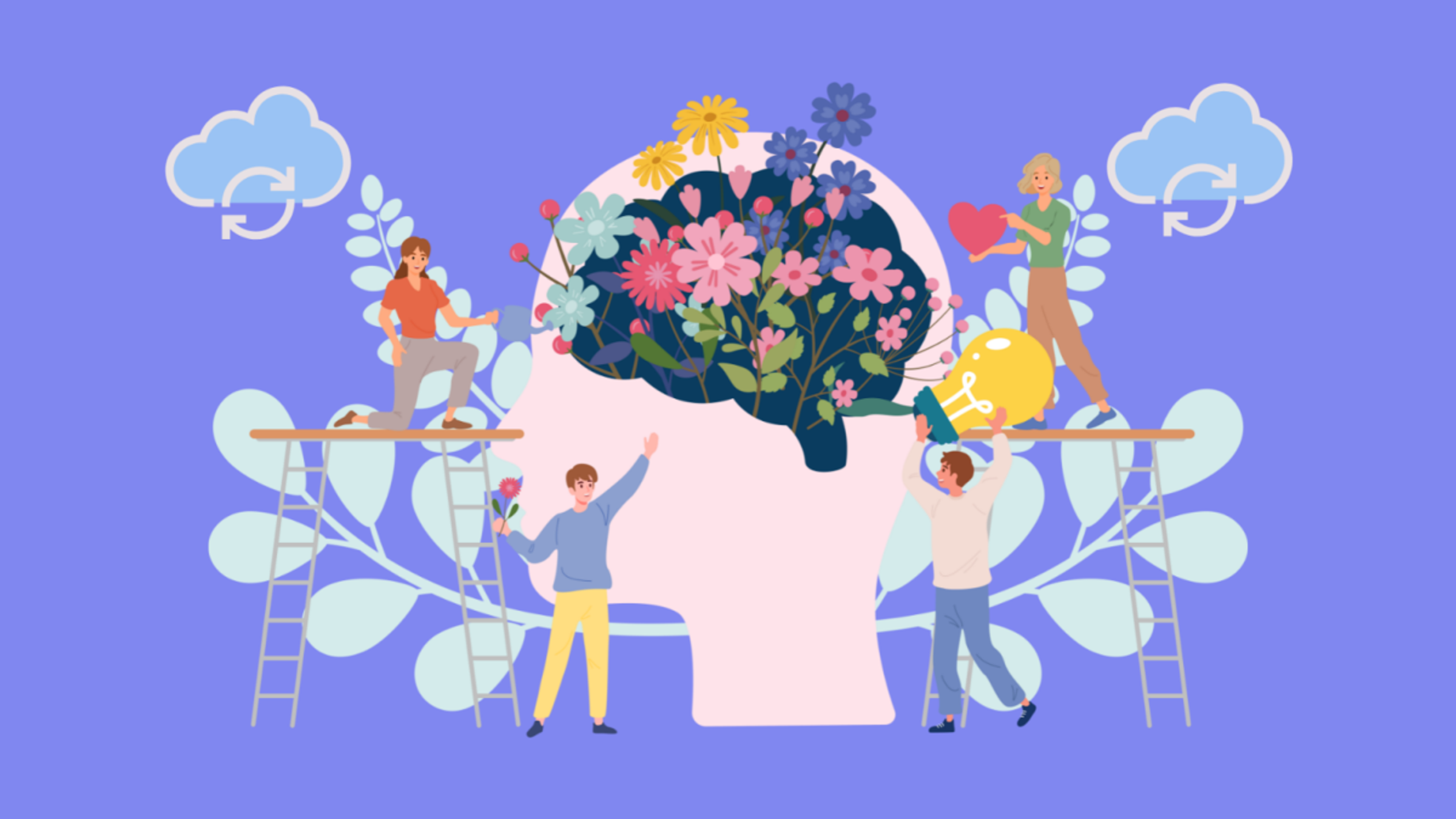
On 11 and 12 August, students across Years 6–12 took part in a range of learning experiences focused on mental health, wellbeing, transitions and social-emotional learning (SEL).
Year 6: Transition to Secondary School
The session focuses less on the practicalities of secondary school and more on how change and transition can affect wellbeing. Students explored:
Help-seeking – thinking about who they can talk to if they are worried, overwhelmed or need assistance.
The overall aims of the headspace workshop are to help students understand how transition and change can impact mental health, manage stress, build resilience and healthy coping skills, and strengthen their sense of connection and belonging.
Students in Years 7 and 8 explored practical ways to look after their mental health and wellbeing. They began by considering the difference between needs and wants, using a deserted-island activity to explore what people need to survive and what additional things contribute to comfort, enjoyment and quality of life.
Students also developed their understanding of their circle of connection. They identified trusted people they could turn to for support, including parents and carers, family, friends, teachers, student services and counsellors. They also considered supports available in the wider community, such as GPs, community health services, support workers, youth services, sporting coaches and helplines.
Using a wellbeing/wellness wheel, students explored the different areas that contribute to overall wellbeing. Importantly, they discussed wellbeing as a continuum and recognised that it is normal for different aspects of our wellbeing to fluctuate over time.
Students in Years 9 and 10 focused on how they can support friends who may be experiencing changes or challenges.
The session introduced the simple Notice, Ask, Connect approach. Students first explored the importance of noticing changes in others through a fun spot-the-difference activity, including an activity where partners made small changes to their appearance for the other person to identify.
Students then explored the mental health continuum, recognising that everyone moves along the continuum at different times and that fluctuations in mental health are a normal part of life. Students considered when a change might be a sign that it is time to check in with a friend.
Through a video depicting changes in a student at school, students practised identifying changes in a friend's thoughts, emotions, physical presentation and actions. They then developed questions they could use to genuinely ask someone how they are going.
Finally, students revisited the circle of connection, considering who they could connect a friend with if additional support was needed. This reinforced an important message: students do not need to solve a friend's problems themselves. They can notice, ask, listen and help connect their friend with a trusted adult or appropriate support.
Students also explored activities and ideas from Looking Out for Your Friends, providing further opportunities to build confidence in supporting peers.
Year 11 and 12 students participated in a session focused on transitions and leaving school, supporting them to consider the changes, opportunities and challenges that can accompany life after secondary school.
The program also included professional learning for staff on embedding social-emotional learning across the school, as well as a parent/carer information session at the Seymour Community Arts Centre. If you were unable to attend the Parent/Carer session, online sessions are available via this link at a time & date that suits you.
Together, these activities help build a shared language around mental health and wellbeing across our school community. We want our students to understand that looking after mental health is an ongoing part of life, that asking for help is a strength, and that everyone has a role to play in creating a supportive and connected community.
Mrs Allison Moore
Director of Wellbeing