Assistant Principal
Jacky Guardascione
Assistant Principal
Jacky Guardascione

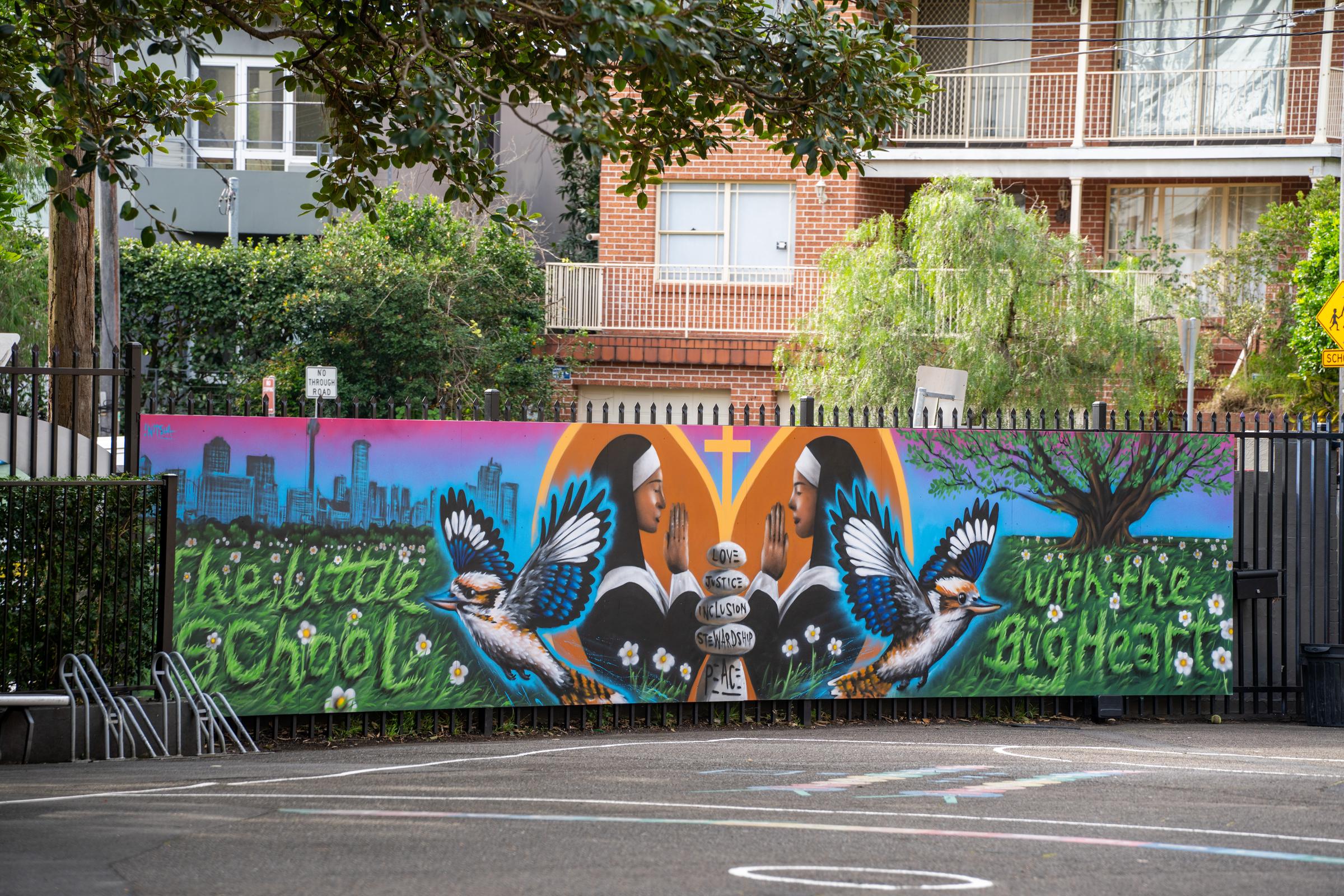
Australia's first saint, was born in Melbourne in 1842 and, from a young age, showed a strong commitment to helping others. At just 16 years of age, she began working to support her family. While working as a governess in Penola, South Australia, she met Father Julian Tenison Woods. Together, they founded the Sisters of Saint Joseph and dedicated their lives to educating children and supporting those in need through schools, hospitals, orphanages and shelters across Australia.
Despite ongoing health challenges in her later years, Mary remained faithful to her mission of service and education until her death on 8 August 1909. Her legacy continues to inspire people through her example of courage, compassion and unwavering trust in God.
Mary MacKillop's path to sainthood was confirmed through two miracles recognised by the Vatican. The first involved a young Sydney woman suffering from terminal leukaemia who made a complete recovery after prayers were offered through Mary MacKillop's intercession. The second involved Kathleen Evans, who was cured of inoperable lung and brain cancer after praying for Mary's help. These miracles led to Mary MacKillop's canonisation in 2010, making her Australia's first saint.
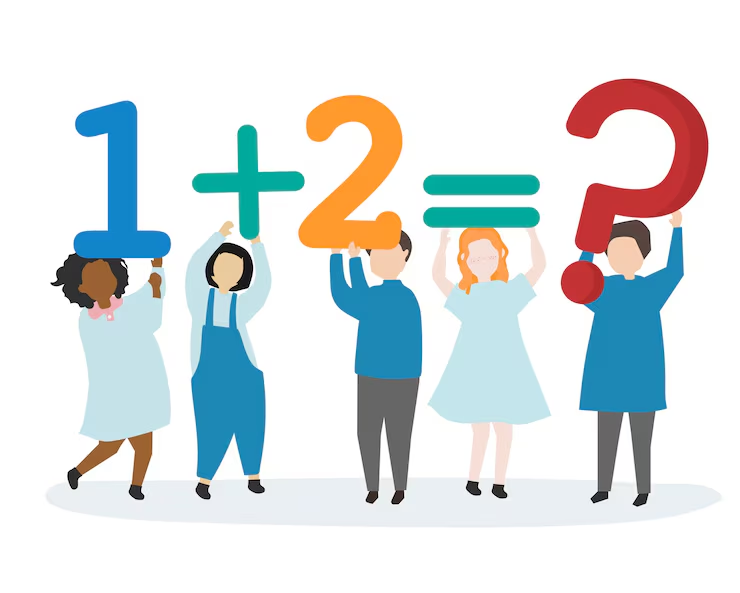
A focus this term for our teachers and students is daily arithmetic which plays a vital role in developing strong mathematical foundations for primary school students. Through regular practice, children build fluency with number facts and calculation strategies, enabling them to solve problems accurately and efficiently.
Consistent arithmetic practice helps students develop confidence with addition, subtraction, multiplication and division. As these skills become automatic, children can focus more effectively on higher-order mathematical thinking, such as reasoning, problem-solving and applying concepts in new situations.
Written arithmetic also strengthens working memory and provides opportunities for revision and consolidation of previously taught skills. Regular exposure ensures that key concepts are retained and builds a strong foundation for success in all areas of mathematics.
While we work on this at school, here’s how you can help at home!
In the Car
| At Home
|
You can also ask these questions (changing the numbers depending on the age of your child) EVERY DAY!
|
|
The only way to LEARN Mathematics is to DO Mathematics!
(P Halmos)
Jacky Guardascione
Assistant Principal