
WELL BEING


Brrr, winter has well and truly arrived! It’s the perfect time to check in on our wellbeing, stay connected as a school community, fetch yourself a warm drink and settle in to read the Wellbeing Newsletter.
As a school community, we know that academic success goes hand-in-hand with mental and emotional health. When our students feel safe, connected, and supported, they thrive both inside and outside the classroom. This dedicated space will share practical tips, expert resources, and simple strategies to help our young people navigate life's ups and downs with confidence.
Wellbeing isn't just an individual task; it is a shared journey between school and home. By working together, we can create a powerful network of support that builds resilience, encourages open conversations, and fosters a positive mindset in our children.
Wellbeing Tip: The 5-Minute Check-In
Busy schedules can make it hard to gauge how our children are really doing. We also know the all to familar loop of...
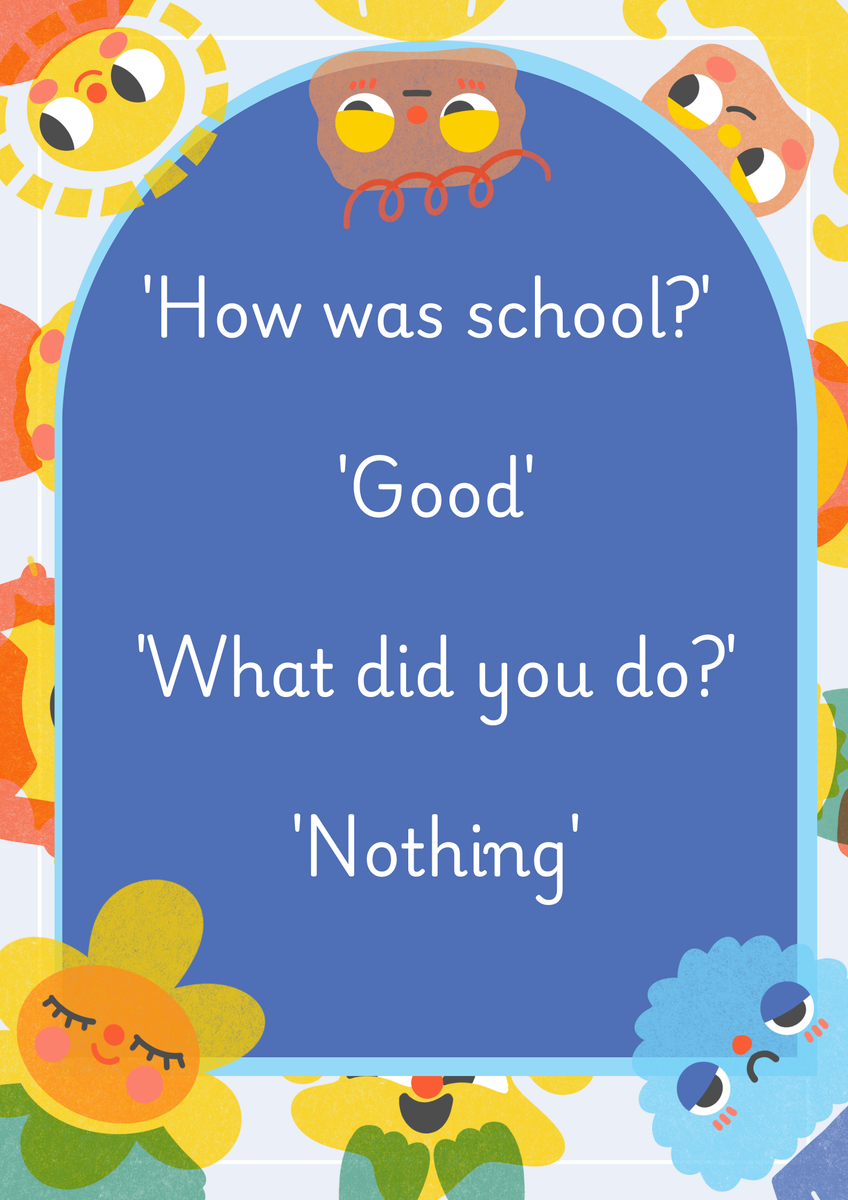
Integrating this simple routine into your family dinner or car ride home will build family conversations, positive mindsets and a sense of achievement.
Ask these two questions to open up meaningful dialogue:
- "What was the best part of your day?" (Focuses on gratitude and positive moments)
- "What was something tricky, and how did you handle it?" (Encourages problem-solving and resilience)
Why?

When we intentionally focus on gratitude and positive moments, it triggers a physical and psychological shift that directly strengthens mental health.
The Brain and Body Shift
- Releases happy chemicals: It triggers dopamine and serotonin. These boost your mood naturally.
- Lowers stress hormones: It reduces cortisol levels. This calms your nervous system.
- Rewires neural pathways: It builds new pathways. Your brain gets better at spotting positives.
Improves sleep quality: It activates the parasympathetic system. This helps you fall asleep faster.
Benefits for Students
- Reduces school anxiety: It shifts focus away from perfectionism or worry.
- Boosts resilience: It helps kids bounce back faster from social setbacks.
- Enhances classroom focus: A calm brain absorbs information much better.
Benefits for Parents
- Eases parenting stress: It helps break negative thought loops after tough days.
- Strengthens family bonds: Sharing positive moments creates a supportive home environment.
Focusing on problem-solving and resilience shifts a child's mindset from feeling like a victim of circumstance to feeling capable and in control. Instead of shielding children from difficulties, this approach gives them the tools to navigate them.
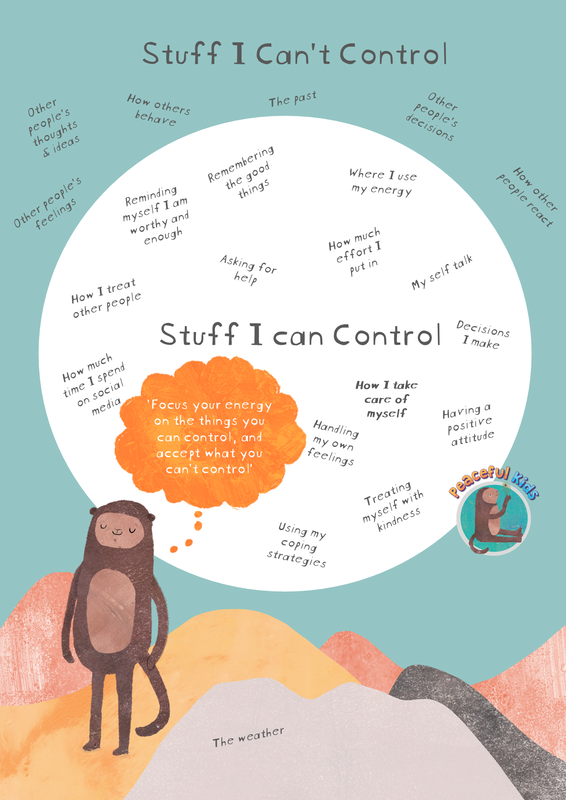
The Brain and Body Shift
- Strengthens executive function: It activates the prefrontal cortex. This area manages planning, choices, and emotional control.
- Reduces the fear response: It calms the amygdala. The brain stops viewing mistakes as dangerous threats.
- Builds a growth mindset: It proves that intelligence and coping skills grow with practice.
- Creates cognitive flexibility: It trains the brain to look for multiple solutions to a single problem.
Benefits for Students
- Reduces academic anxiety: Students view tough schoolwork as a puzzle to solve, not a failure.
- Decreases playground drama: Kids learn to navigate peer conflicts independently before asking for help.
- Increases perseverance: Students stay trying longer when tasks get frustrating or complex.
Benefits for Parents
- Ends the "fix-it" fatigue: Parents stop needing to solve every minor issue for their child.
- Lowers household tension: Homes become calmer when daily challenges are met with solutions instead of meltdowns.
- Fosters independent children: Kids grow into self-reliant teenagers who can safely manage their own lives.
We Are Here to Help
You are never alone on this parenting journey. If you notice changes in your child's mood, behavior, or school engagement, our school wellbeing team is always available for a confidential chat.
For immediate, around-the-clock support outside of school hours, you can also reach out to these free Victorian services:
- Kids Helpline: 1800 55 1800 (Free, 24/7 phone and online counseling for ages 5–25)
- Parentline Victoria: 13 22 89 (8am–midnight, 7 days a week for parenting support and advice)
Look out for our next edition, where we will dive into simple habits for better sleep and managing screen time!