
Wellbeing
Amanda Wilson | Assistant Principal
Jess Norder | Mental Health and Wellbeing Leader

Wellbeing
Amanda Wilson | Assistant Principal
Jess Norder | Mental Health and Wellbeing Leader
Wellbeing
There has been a buzz of excitement in the air at Hampton Primary School, as students reconnect with each other, sharing stories about their school holidays and connecting over their experiences. It is so heartwarming to see students’ enthusiasm for seeing their friends.
World Mental Health Day
The 10th of October was World Mental Health Day, an important day that raises awareness of mental health issues and mobilises efforts to support mental health around the world.
The Mental Health in Primary Schools initiative recognises that schools are a ‘protective factor’ for good mental health and wellbeing. Schools provide opportunities for children to develop social awareness, self-awareness, relationship skills, self-management and responsible decision-making.
These key competencies include:
School, team sports and extracurricular activities provide great opportunities to practise these skills. By regularly developing social and emotional skills, children can build a healthy sense of self-esteem, identity, belonging and connection, all of which contribute to good mental health.
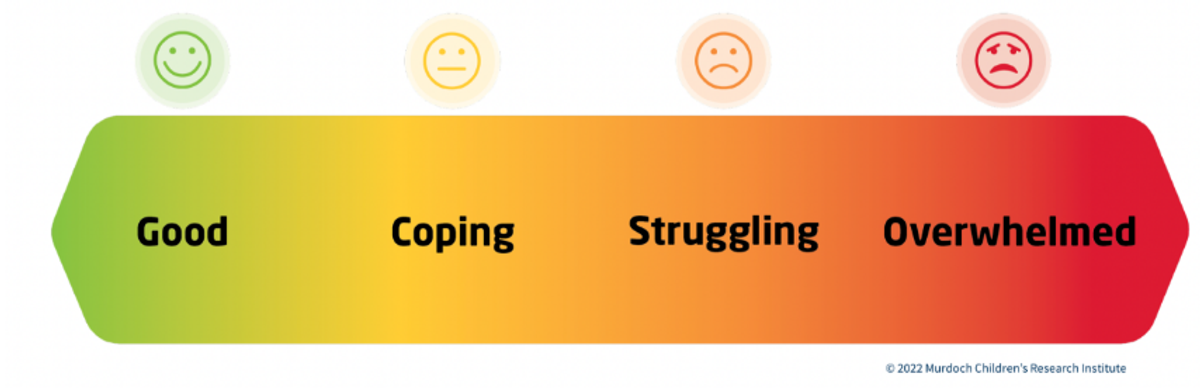
Mental health is a continuum, and it is normal for our mental health to fluctuate throughout the day, week or month. When children are struggling or feeling overwhelmed for longer periods, they may need support from a safe adult or mental health professional. A GP is a great place to start!
Mental health is a state of wellbeing that enables people to cope with life’s stresses, realise their abilities, learn, work and contribute to their community. Wellbeing also encompasses quality of life and the ability to contribute to the world with a sense of meaning and purpose.
Supporting children to recognise how they are feeling in their bodies and express these feelings safely to a trusted adult is a key part of developing emotional literacy and co-regulation.
If you’re interested in learning more about supporting your child, Ten Things I Wish You Knew About Your Child’s Mental Health by Dr Billy Garvey is a great evidence-based resource.
Noticing, connecting and acting early – together
Noticing, understanding and talking about children’s mental health isn’t always easy. Changes can be subtle, come and go, and may not always be clear in their meaning. The Children’s Wellbeing Continuum provides a simple, strengths-based way to understand how a child is going and helps us share observations and build a clearer picture together.
Talking openly about mental health helps normalise these conversations and identify the need for support earlier, creating opportunities for connection, validation, helpful strategies and stronger social and emotional development.

https://www.who.int/campaigns/world-mental-health-day
https://casel.org/fundamentals-of-sel/what-is-the-casel-framework/
https://www.ccch.org.au/our-work/project/childrens-wellbeing-continuum/
DISABILITIES AWARENESS WEEK 18th – 24th of October, by Oliver Collins and Blue O’Neill
Next week is Invisible Disabilities Awareness Week, also called hidden or non-visible disabilities. This includes many neurological, mental, or physical conditions that aren’t obvious to others.
These conditions show up in different ways, and because they aren’t visible, people with them often experience misunderstanding or a lack of support. Invisible Disabilities Week helps shift that perspective by promoting a more understanding and compassionate society.
There are several ways to participate in Invisible Disabilities Week, whether you want to spread awareness, share your story, or support the Invisible Disabilities Association. Here are a few ideas to get started:
1. Participate in social media
Raise awareness by sharing posts on social media using the hashtags #InvisibleDisabilitiesWeek and #InvisibleNoMore. This simple action can help spread the word and educate others about the challenges faced by people with invisible disabilities. Follow the Invisible Disabilities Week on social platforms such as Facebook and Instagram to stay updated on events and activities throughout the week.
2. Share your story
By sharing the challenges and victories you or someone you know has faced, you can encourage others to be more understanding and supportive. Posting photos of the people, pets, or places that give you comfort and strength could also highlight the personal side of living with an invisible disability.
3. Play with interactive elements
You can download and use Invisible Disabilities Week (IDW) badges, social media photo frames, and banners to raise awareness. Get creative! Wear blue in solidarity, and post pictures featuring IDW-themed accessories to show your support.
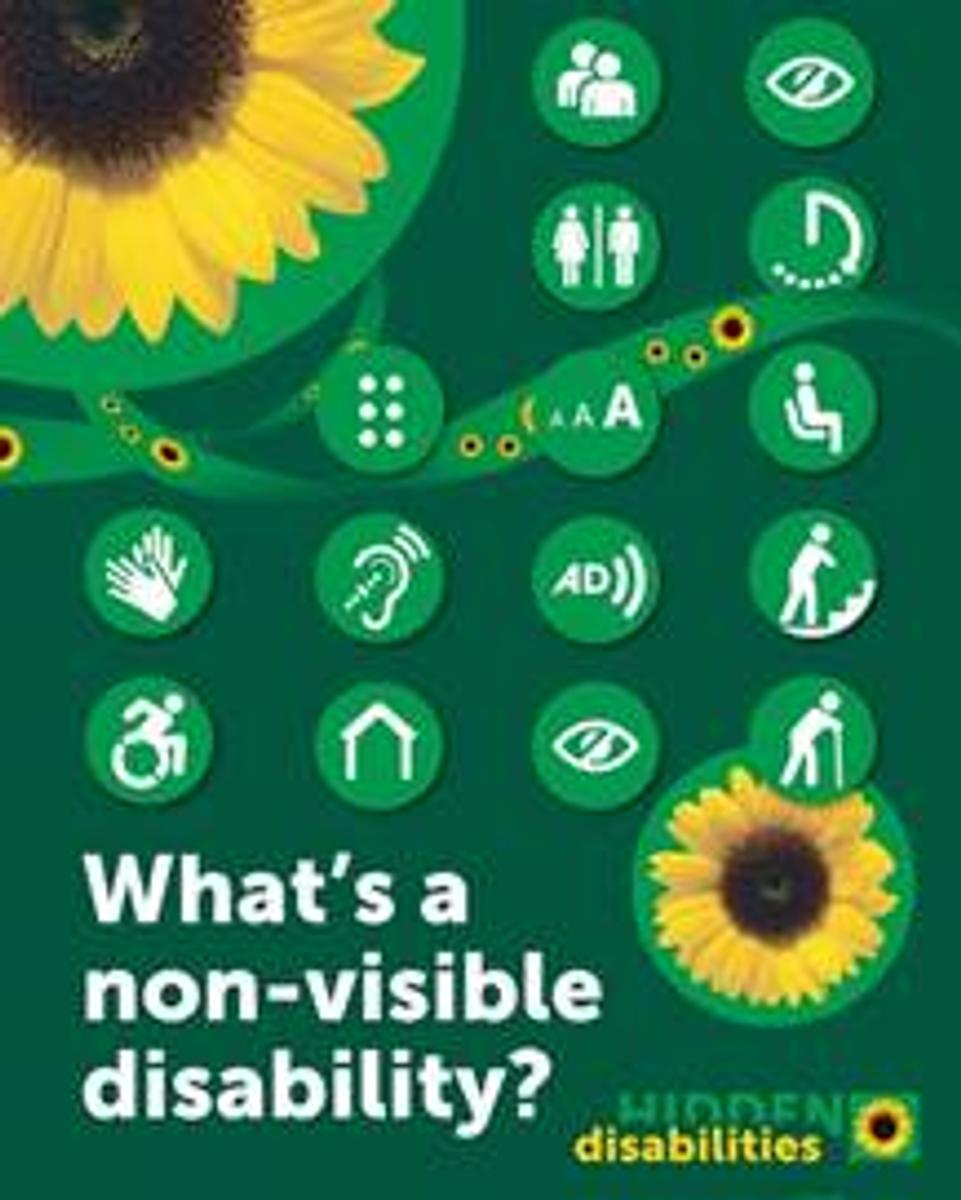
The Hidden Disabilities Sunflower is a simple tool for you to voluntarily share that you have a disability or condition that may not be immediately apparent – and that you may need a helping hand, understanding, or more time in shops, at work, on transport, or in public spaces.

https://invisibledisabilities.org/seminarsandevents/invisible-disabilities-week/