Curriculum
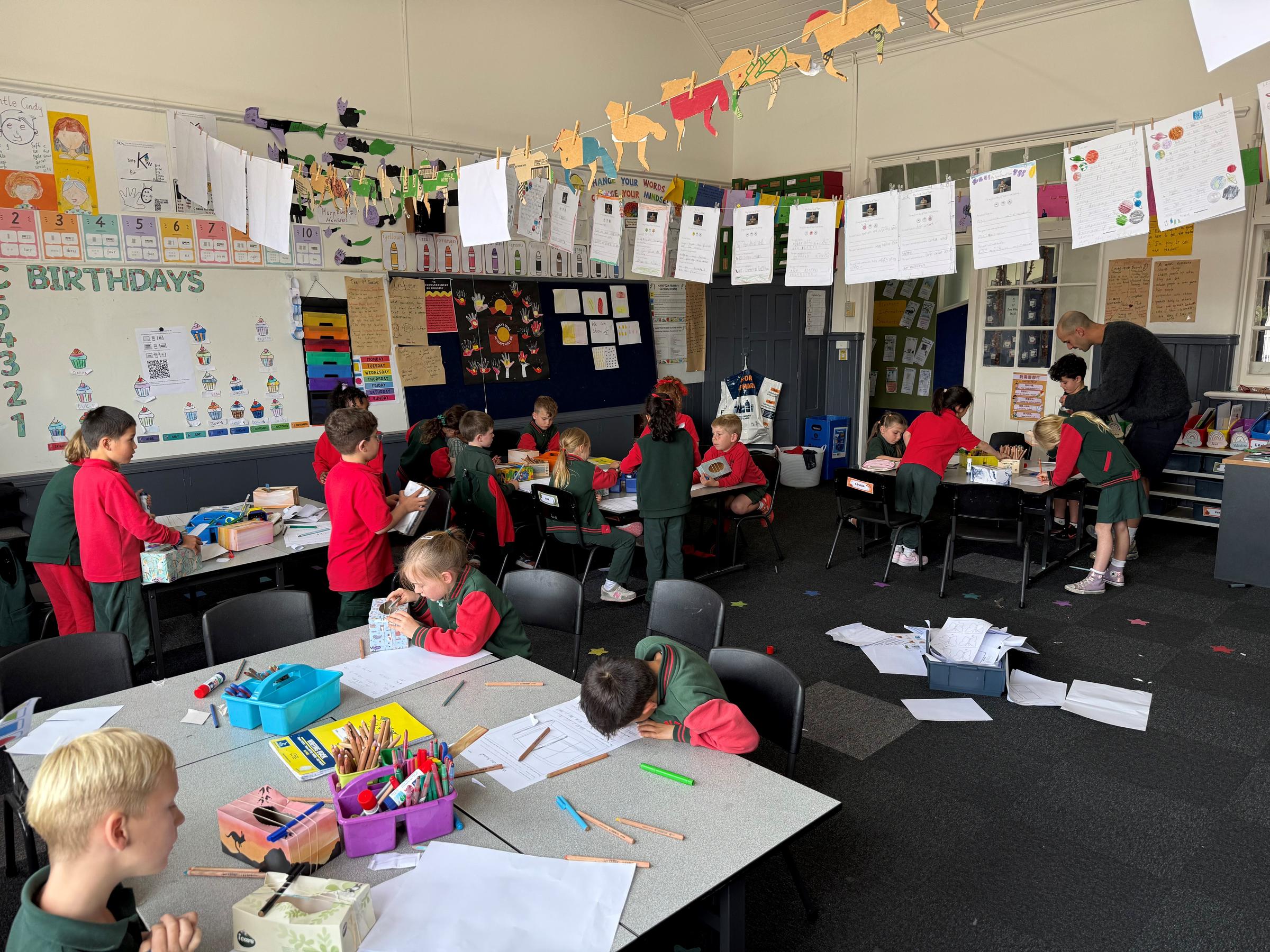
Cameron Azer | Assistant Principal Image: Classroom 1C
Curriculum
Cameron Azer | Assistant Principal Image: Classroom 1C
As parents, we've all asked the familiar question, "What did you learn at school today?" and often been met with a shrug or a simple "I don't know." While this can be frustrating, it is actually a normal part of the learning process. Learning is not just about taking in new information. Long-term learning happens when students can successfully bring that information back to mind later. This is where a powerful learning strategy called retrieval practice comes in.
What is Retrieval Practice?
Retrieval practice is the act of recalling information from memory. Rather than looking at notes, rereading a text, or being told the answer, students actively work to remember what they have previously learned. Think about the difference between reading a list of times tables repeatedly versus closing the book and trying to recall the answers. While it often feels more challenging, research shows it is one of the most effective ways to strengthen learning and improve long-term retention.
Why does it work?
Many of us assume that learning is strongest when information is fresh in our minds. However, cognitive science suggests that the effort involved in remembering actually strengthens memory.
Each time students successfully retrieve information:
In simple terms, the act of remembering helps students remember even better next time.
In your child's classroom, retrieval practice is clearly planned, assessed and conducted in different ways throughout the day and across the curriculum. It is clearly identified in our Instructional Model in the 'Tuning In' Phase of each lesson. The ways in which this can look like in the classroom are:
What can Parents/Families do at home?
The good news is that retrieval practice can be simple and can occur during everyday activities. Instead of asking - "Did you have a good day?" Try asking:
The goal is not to test children. Rather, it is to encourage them to think about and retrieve their learning.
For more information please see: https://www.deansforimpact.org/tools-and-resources/the-science-of-learning
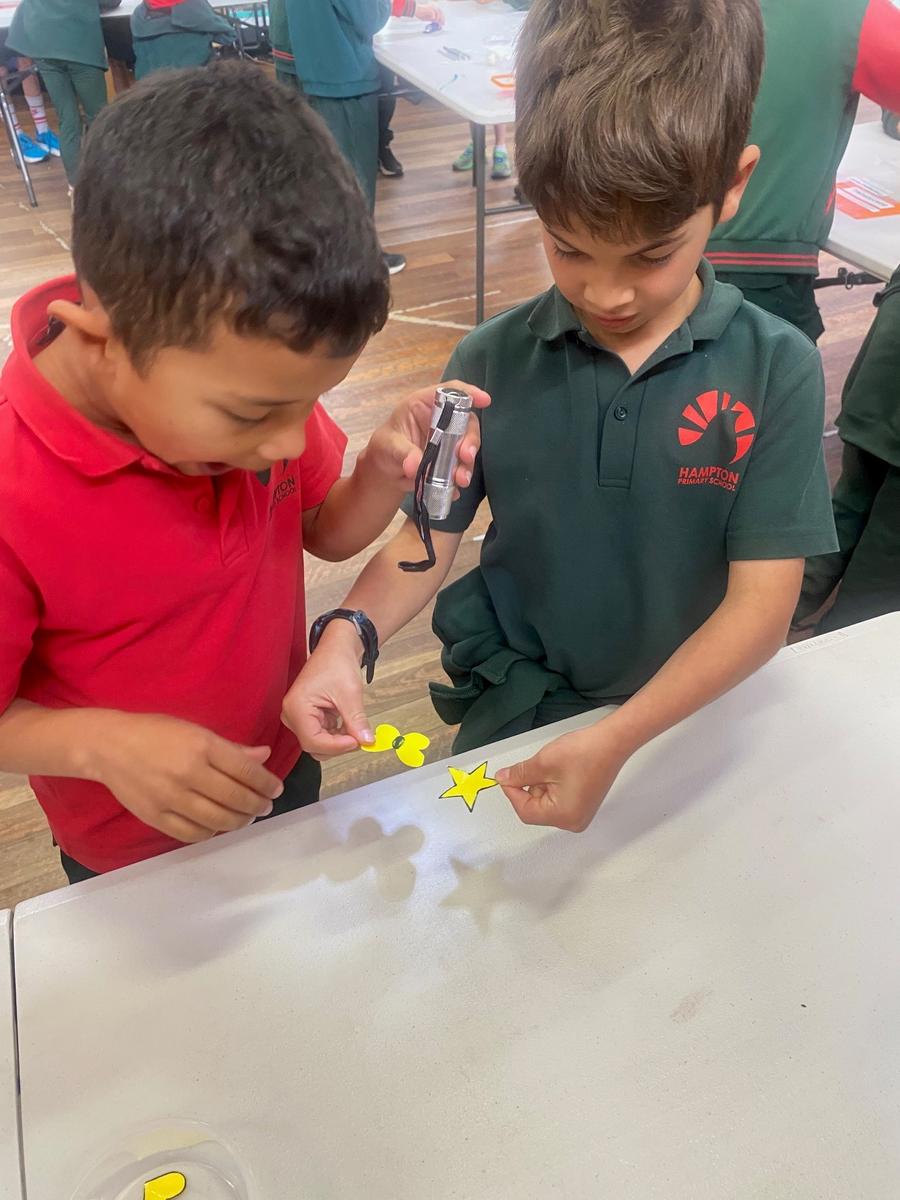
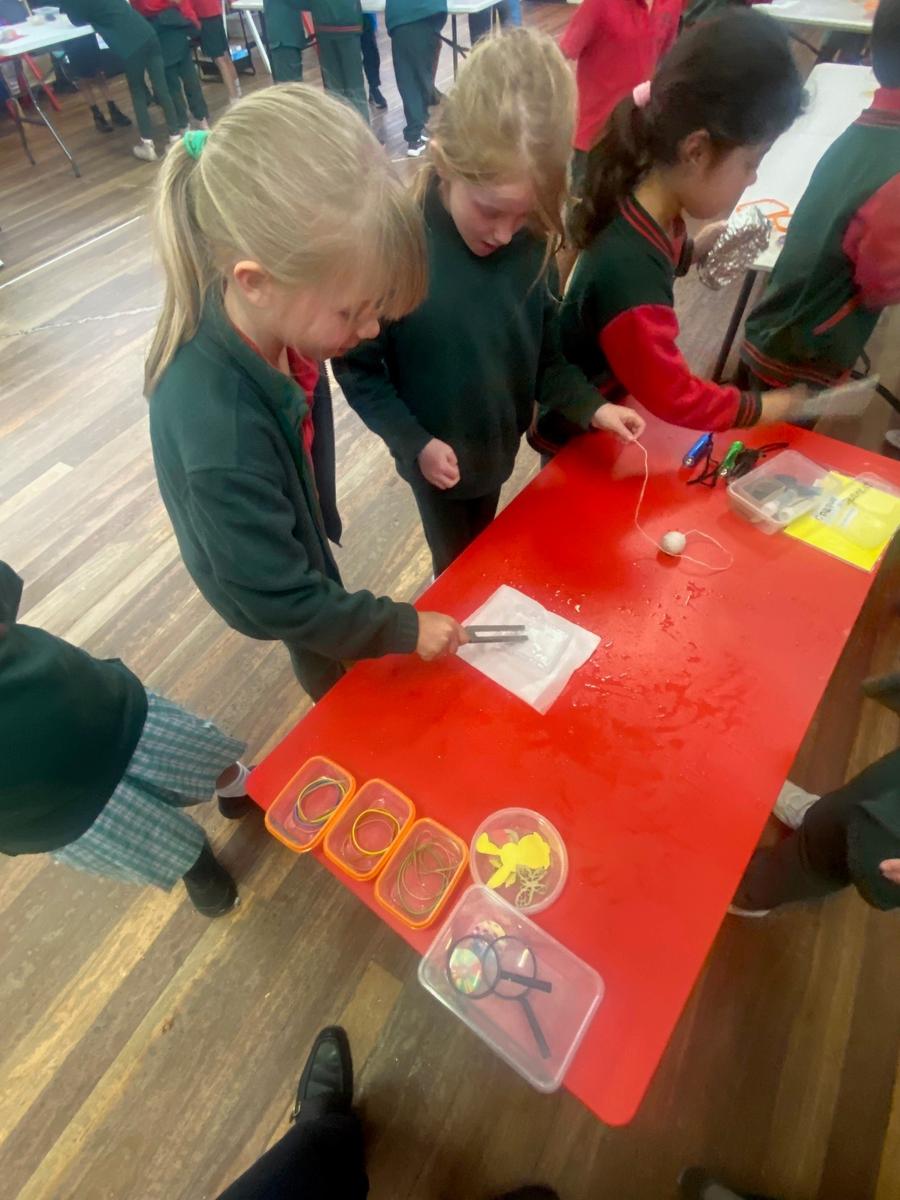
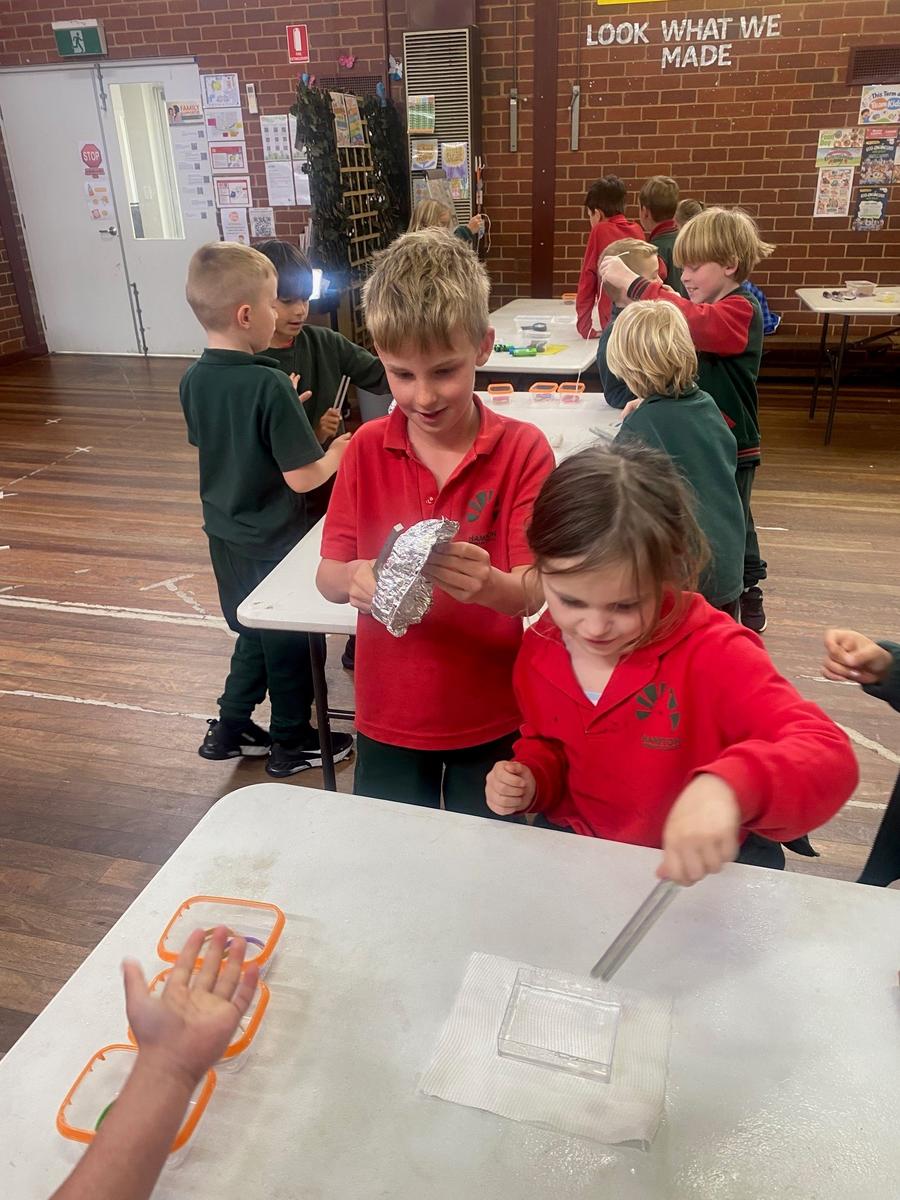
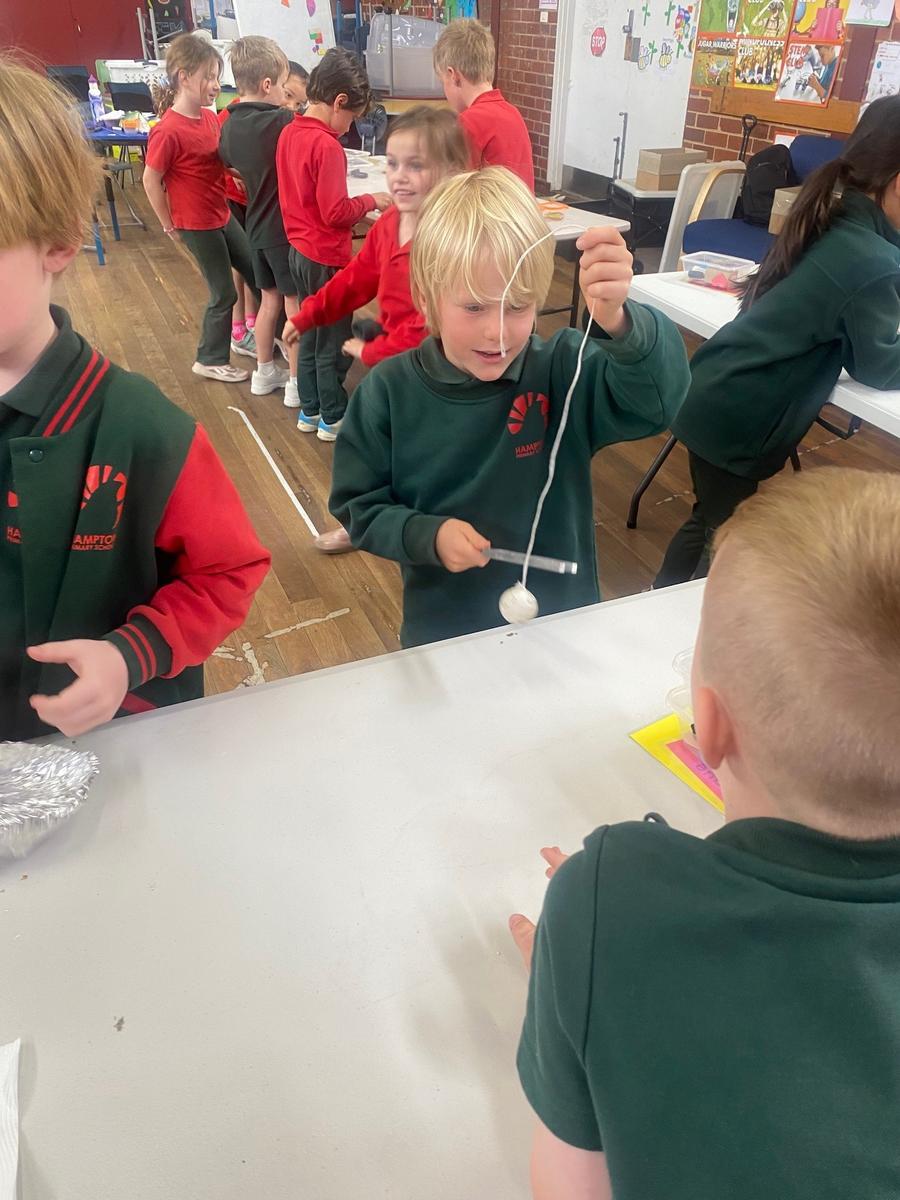
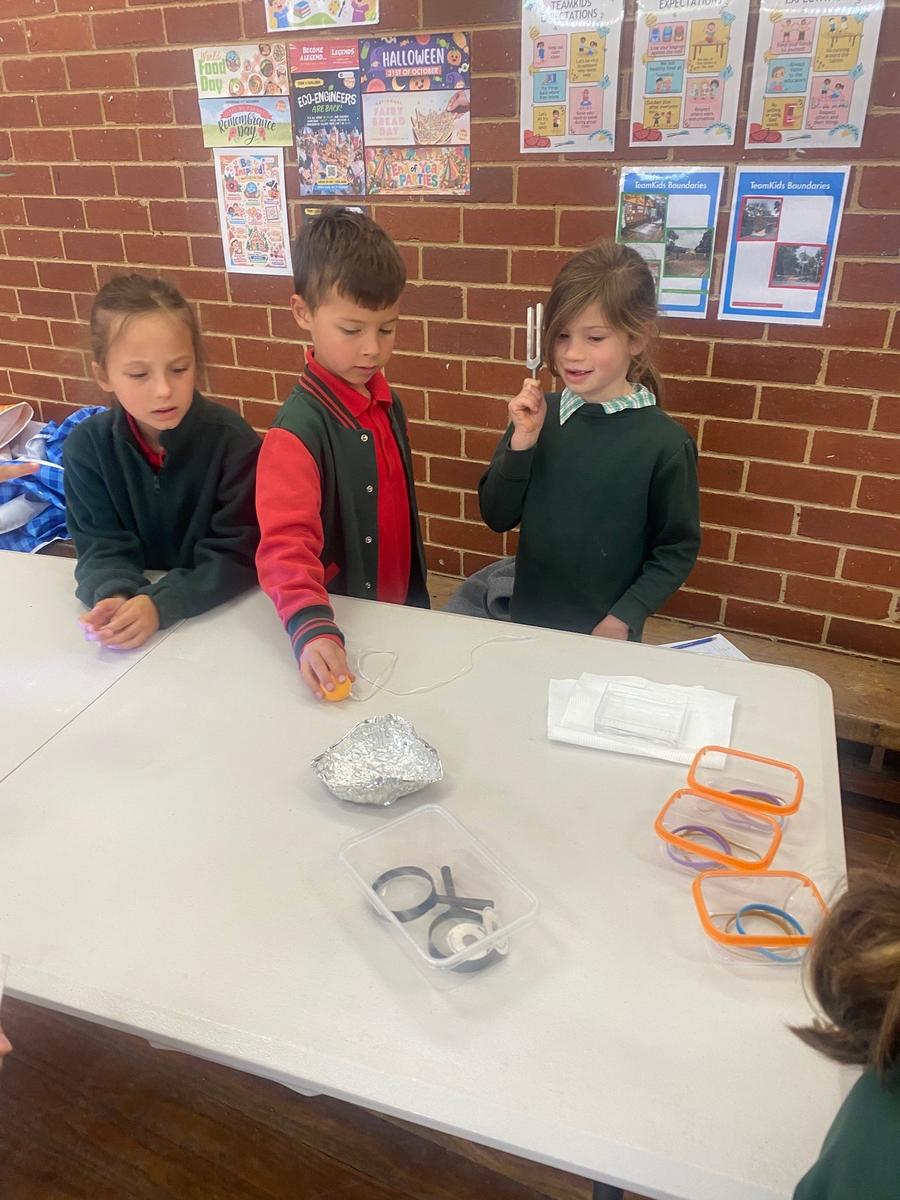
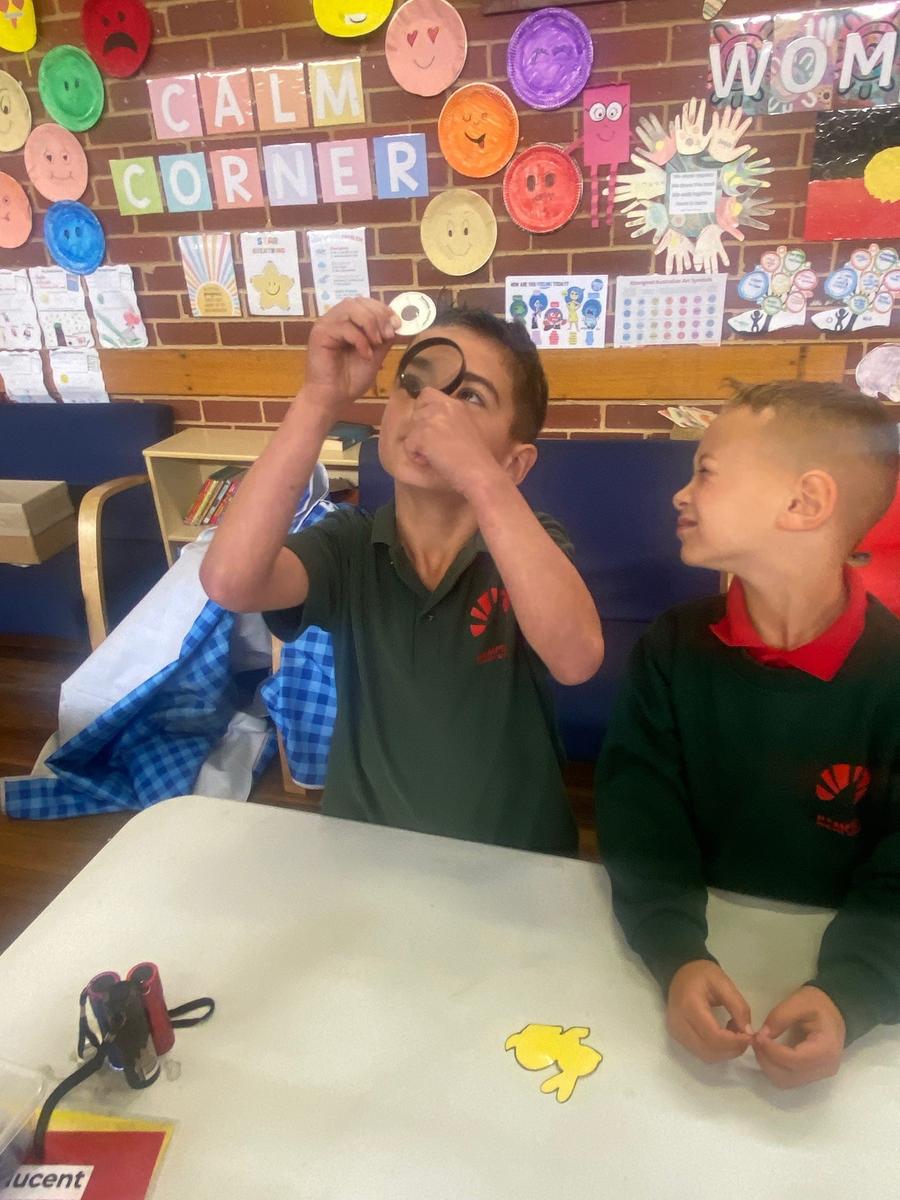
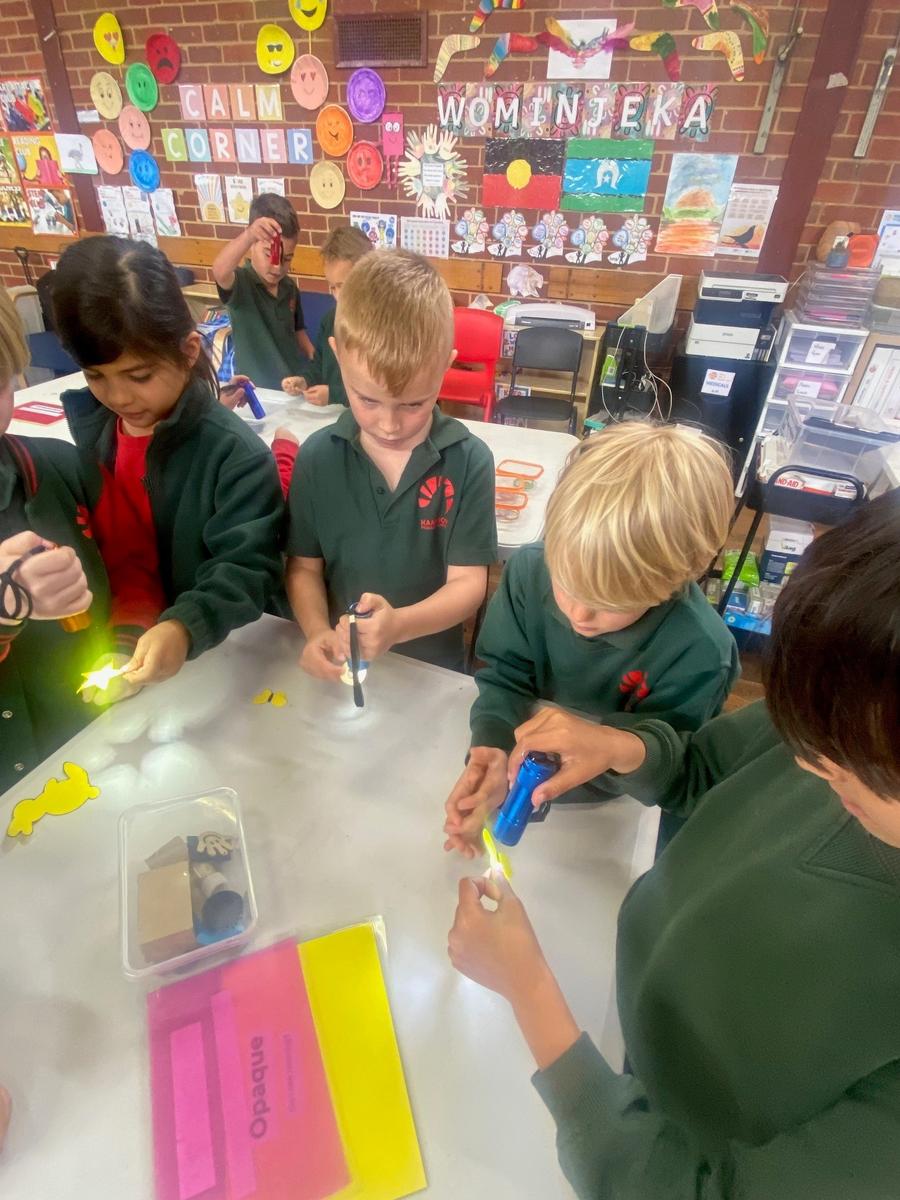
Please enjoy some photos of a recent Grade 1 Light & Sound Incursion: