
Learning Diversity

Learning Diversity Leader - Ms Belinda Smith
As we prepare for the holidays, this is a time for rest and relaxation. However, as the return to school gets closer, some children may begin to feel a range of emotions. It is important to remember that transitions can look different for every child. After a break, some children may be excited to return, while others may feel worried, overwhelmed or reluctant. A few simple strategies can help make the transition back to school feel more predictable and manageable.
In the days leading up to the first day, try to gradually ease back into familiar routines. Returning to regular wake-up times, eating times and sleep times can help children adjust without the pressure of making a sudden change. It can also be helpful to practise the morning routine before school starts such as, getting dressed, having breakfast, packing the school bag and getting ready to leave the house.
Talking about school can also help children feel better prepared. Keep conversations simple and positive, focusing on familiar people, activities and things they may be looking forward to. For children who benefit from visual supports, a simple visual schedule or checklist can provide reassurance and help them understand what to expect.
It is also important to expect some wobbles. Children may be more tired, emotional or unsettled as they readjust to the demands of school. This does not necessarily mean that something is wrong. Transitions take energy, and some children need additional time, patience and support as they settle back into their routines.
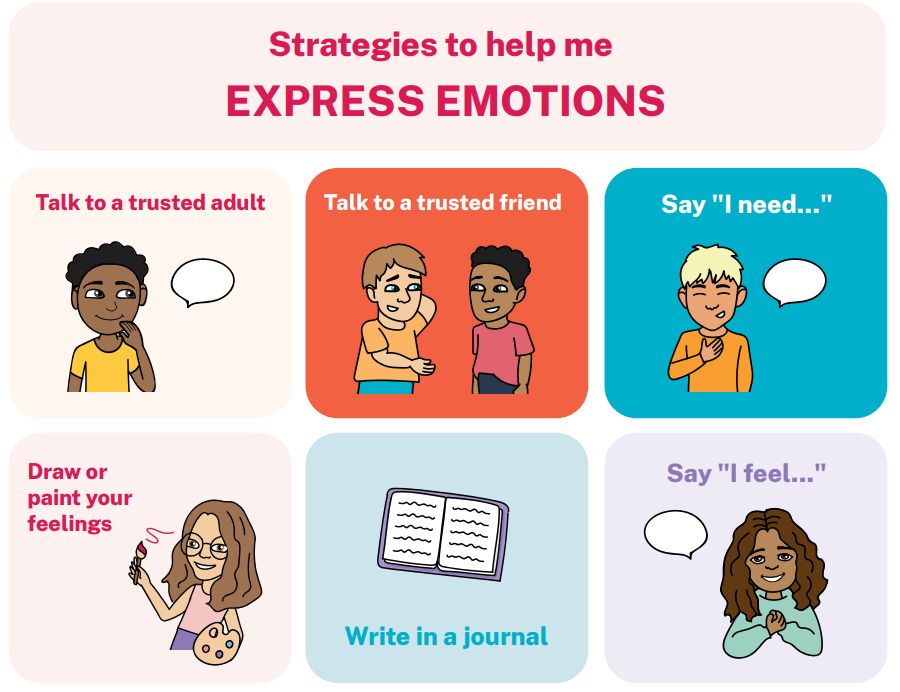
The Resilience Project offers a range of simple strategies to help children express how they are feeling, so we can better understand their needs and support them through transitions.
Have a wonderful and safe break. Looking forward to seeing you all for another fantastic term.