We are inquirers...

 Lockleys North Primary School
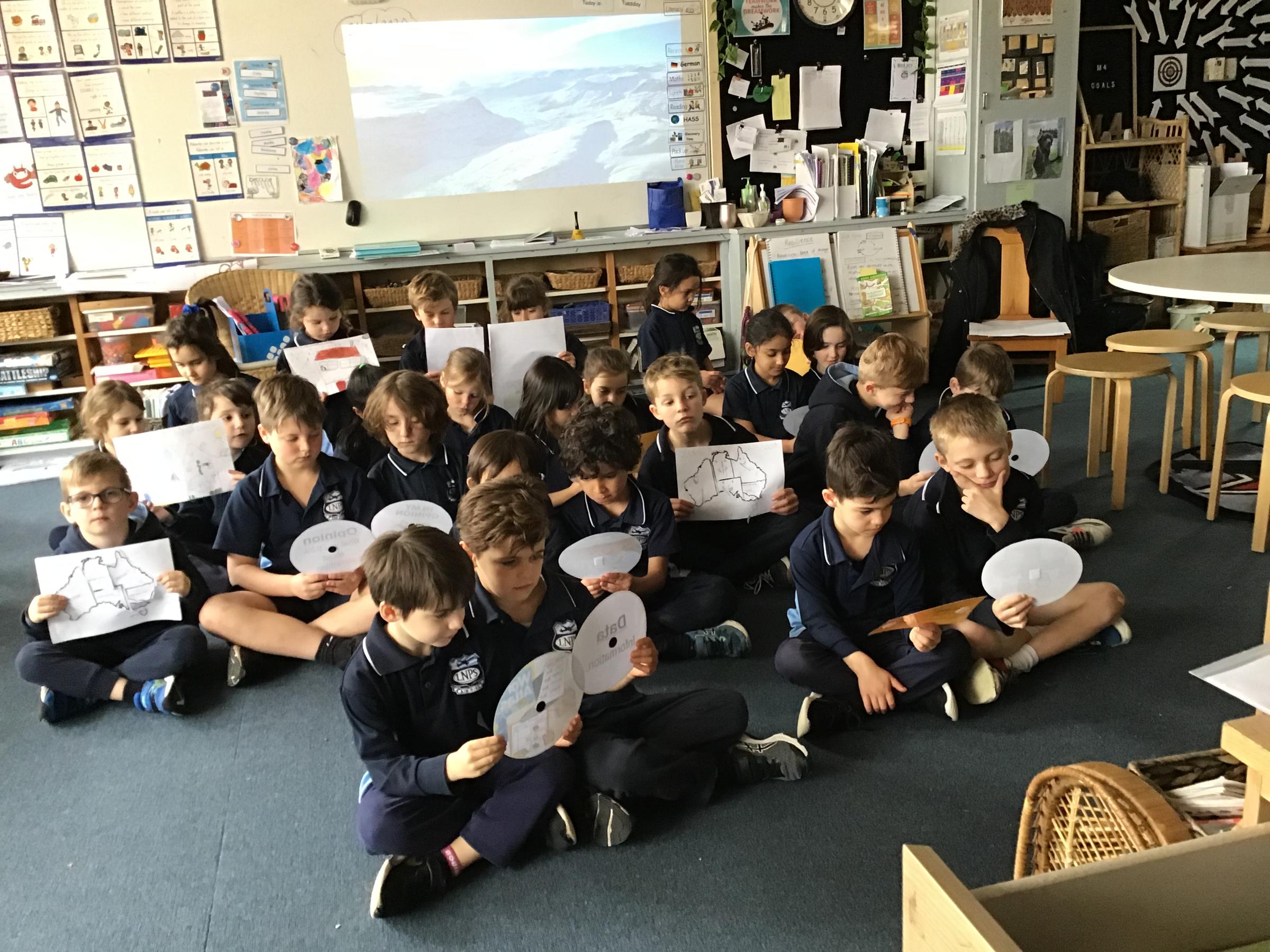
We are inquirers...
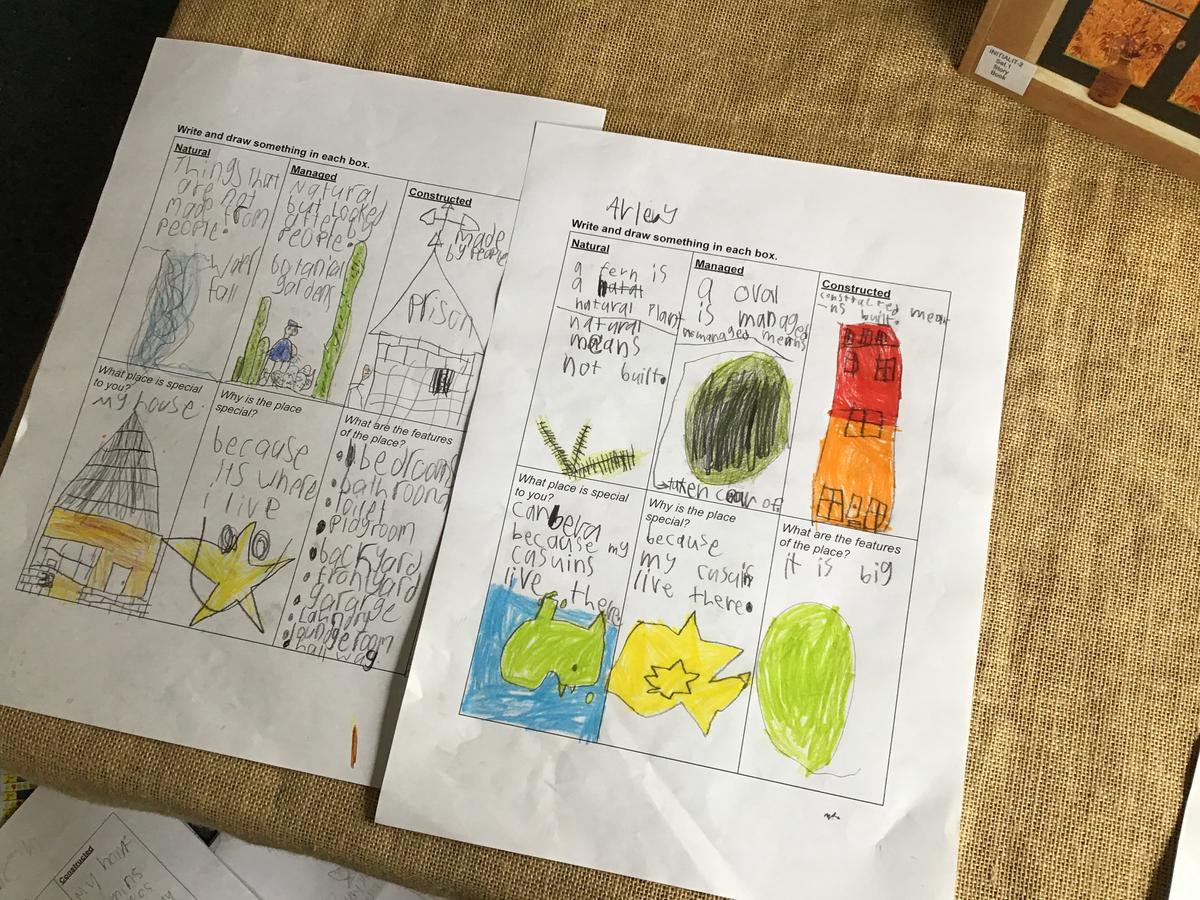
HASS incorporates the study of Humanities and Social Sciences. It encompasses History and Geography and we use the Inquiry approach.
HASS this semester is focusing on History. We will look at: What is history? What does the word history mean? Why is history important?
Our main question for term 3 will be : Then & Now : How have activities (in particular toys and games) changed over time? There will be a focus on the history of toys - a big part of our unit of work will be looking at how toys have changed over time and comparing them to our toys of today. The children will be looking at Australian toys and also indigenous toys. Are they different? What is the history of indigenous toys?
At times we will be asking for some input from home with some questions to help us with our inquiry.
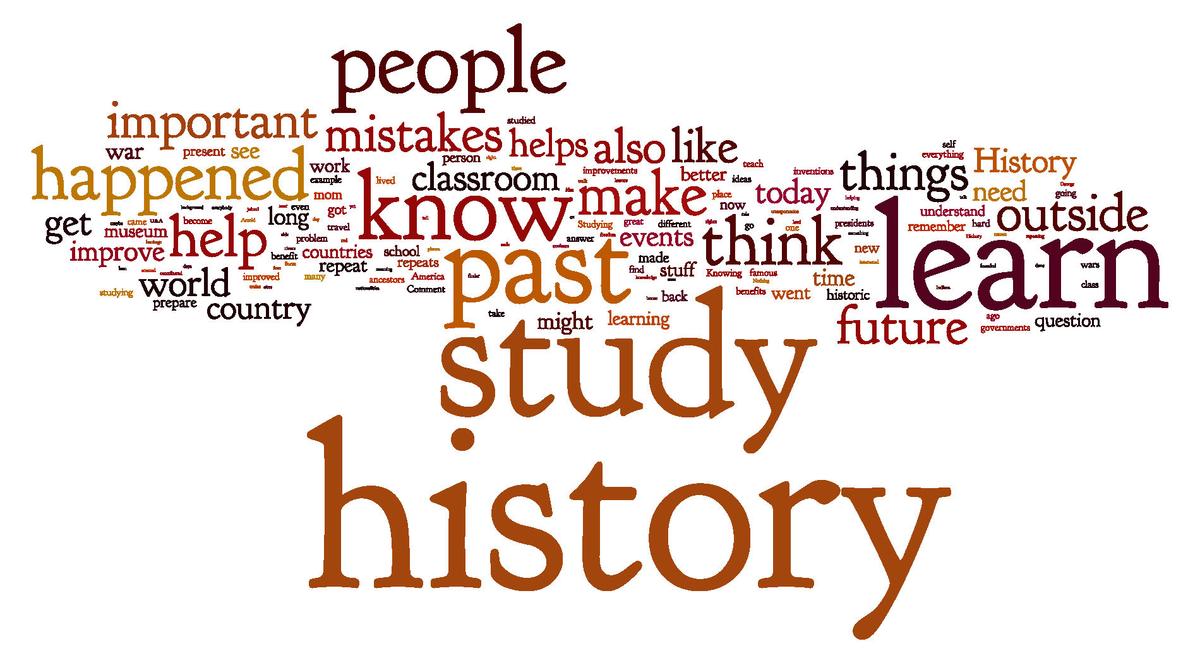
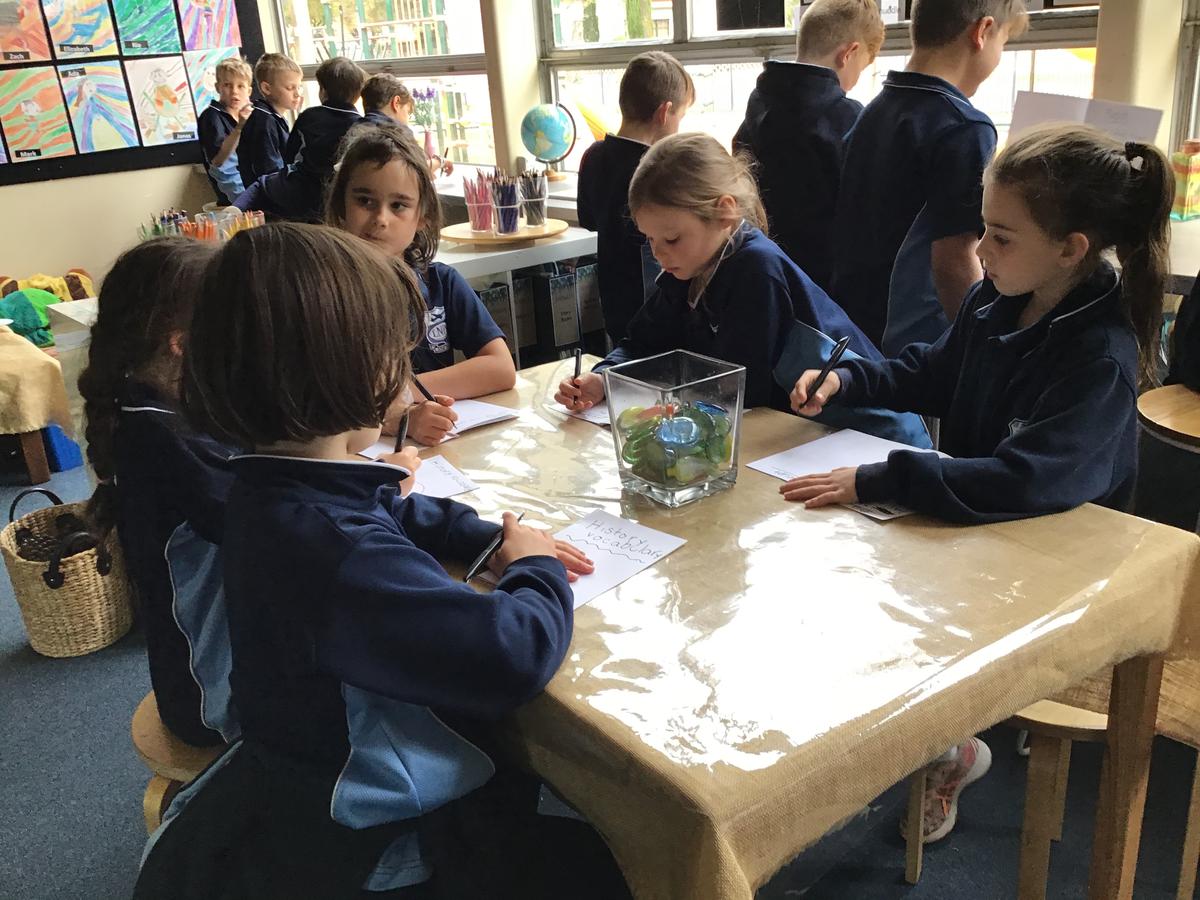
Along the way we will also be working on specific vocabulary related to our topic.
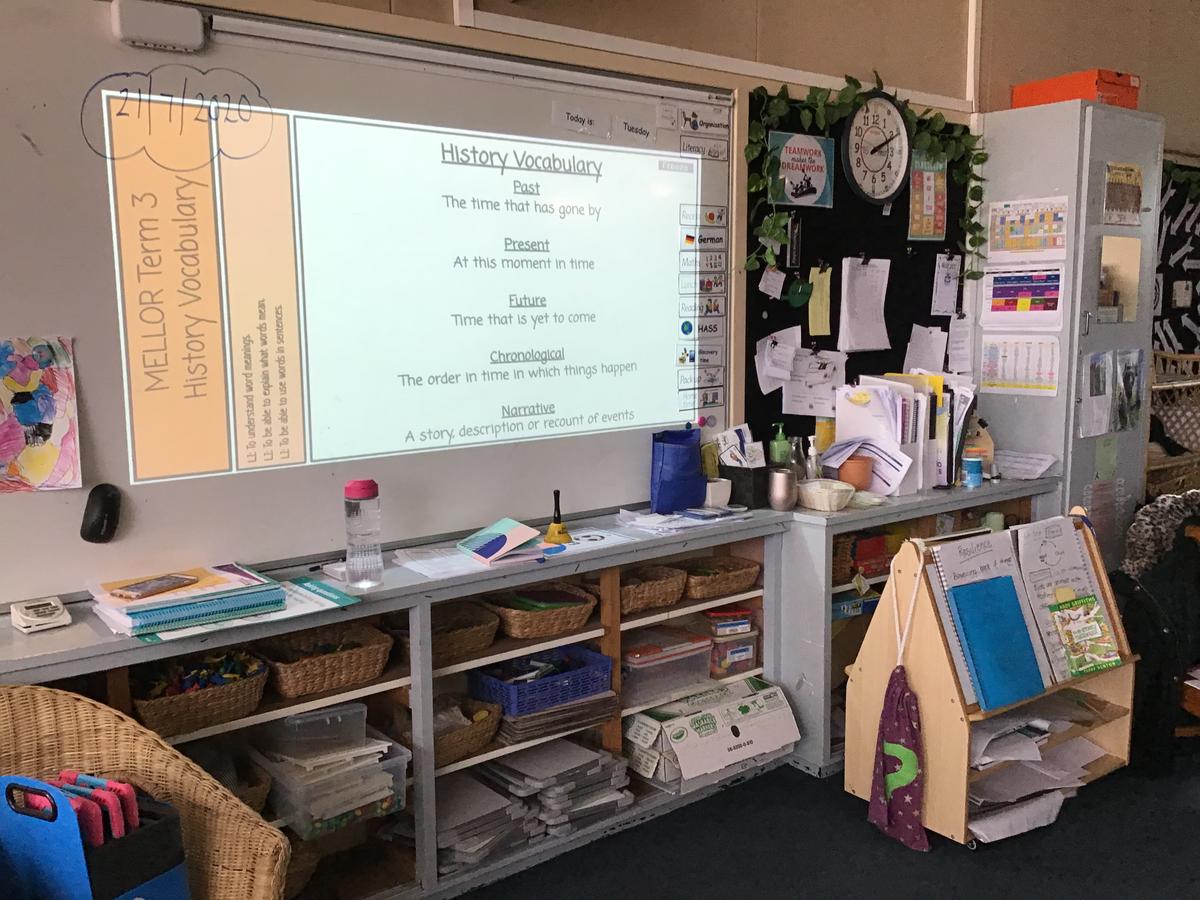
Vocabulary:
Past: the time that has gone by
Present: at this moment in time
Future: time that is yet to come
Chronological: the order in time in which things happen
Narrative: a story, description or recount of events
In term 4 we will continue with our Inquiry and our question will be :
Then & Now: How have activities changed over time? ( focussing on SCHOOL ACTIVITIES: what did kids do at recess and lunch/ after school?)
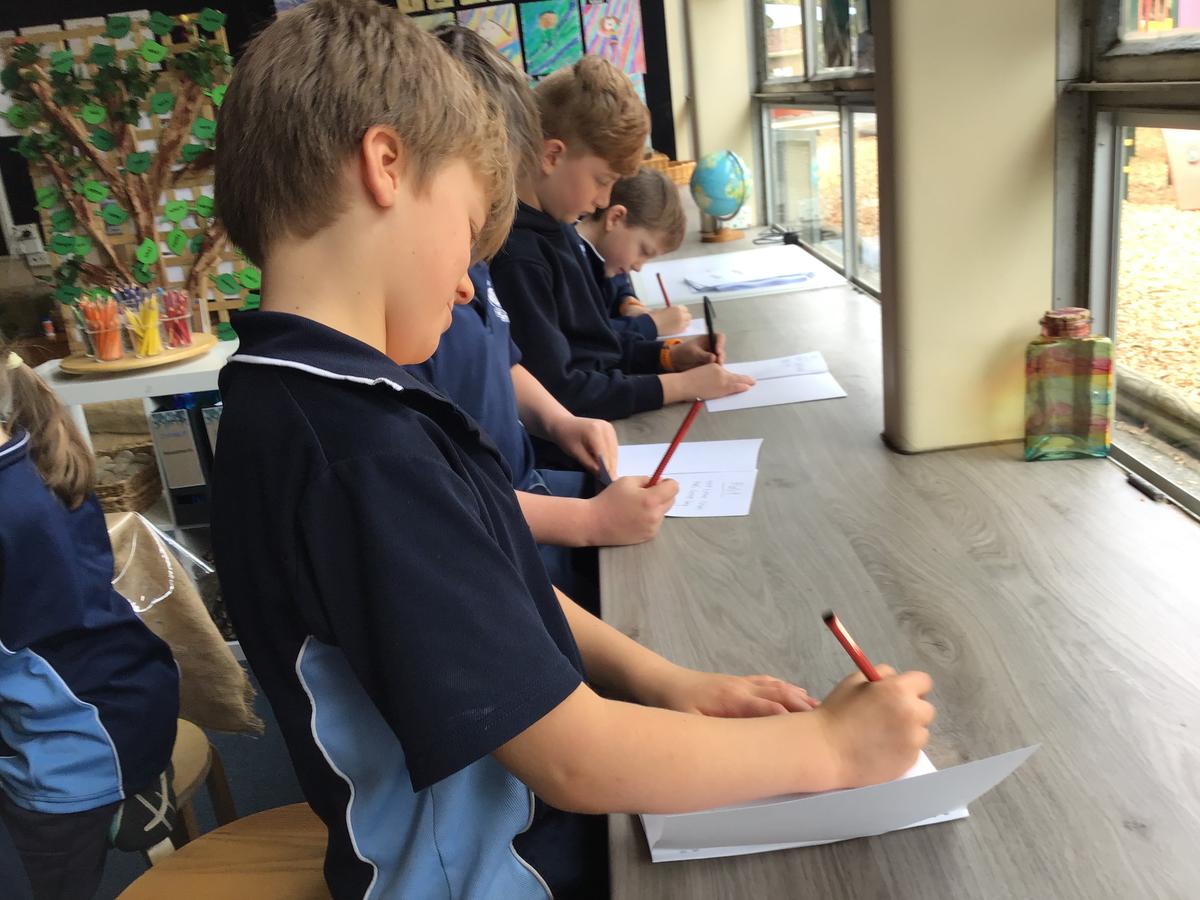
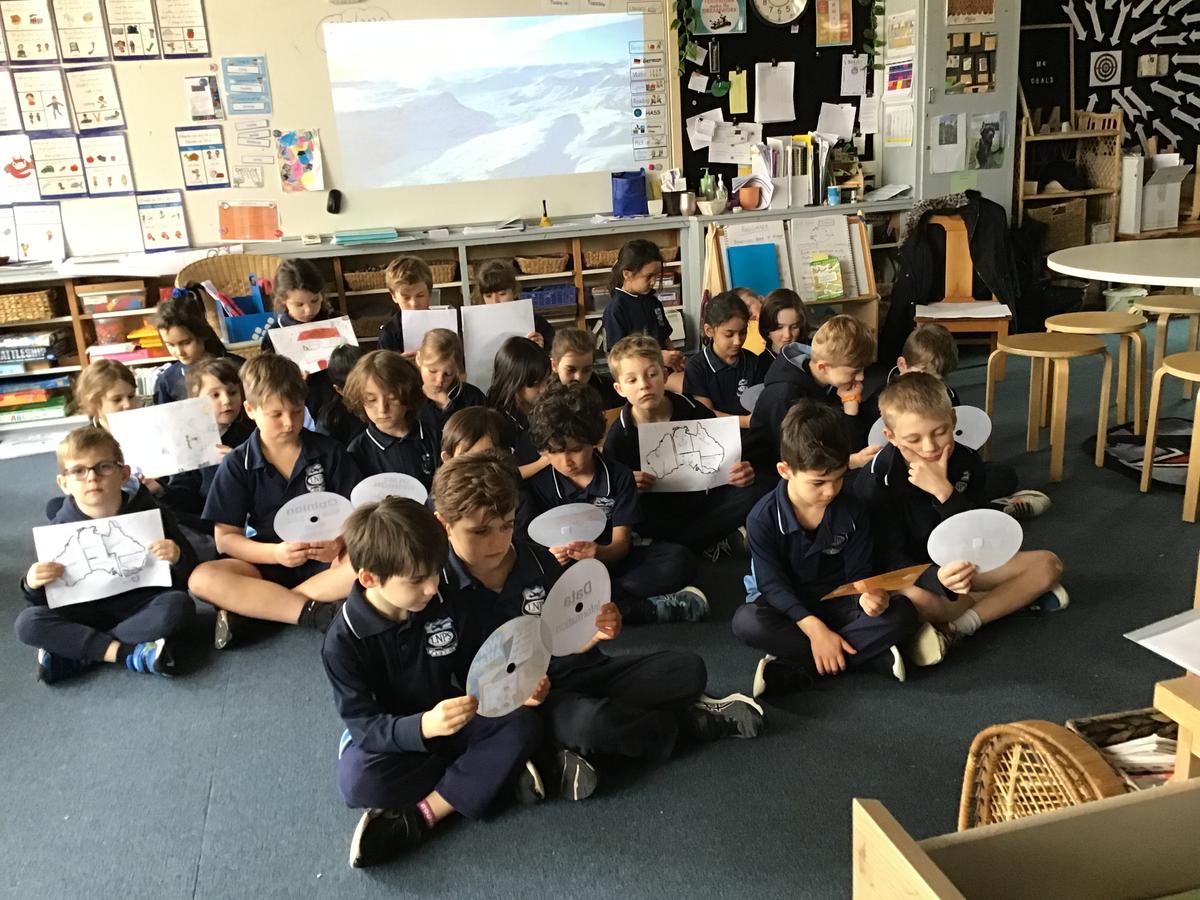
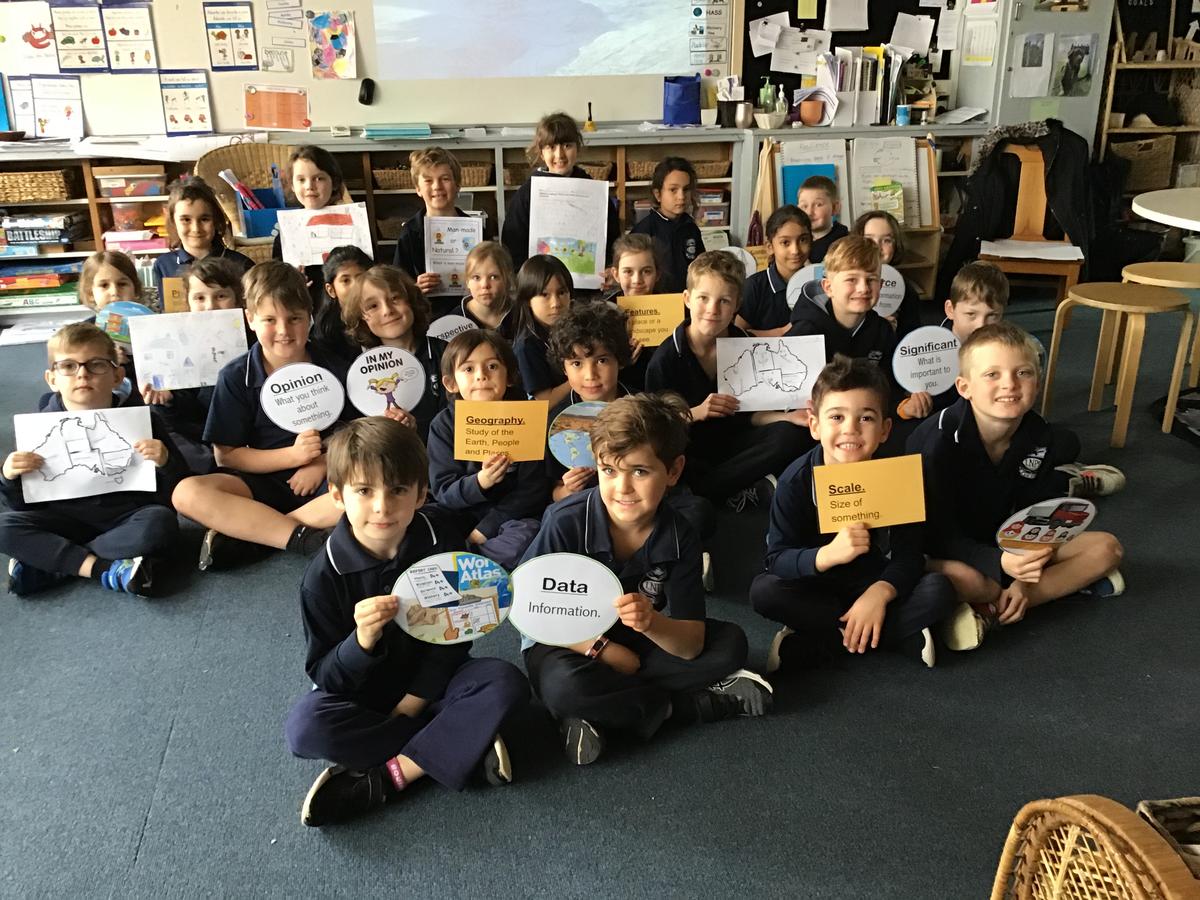
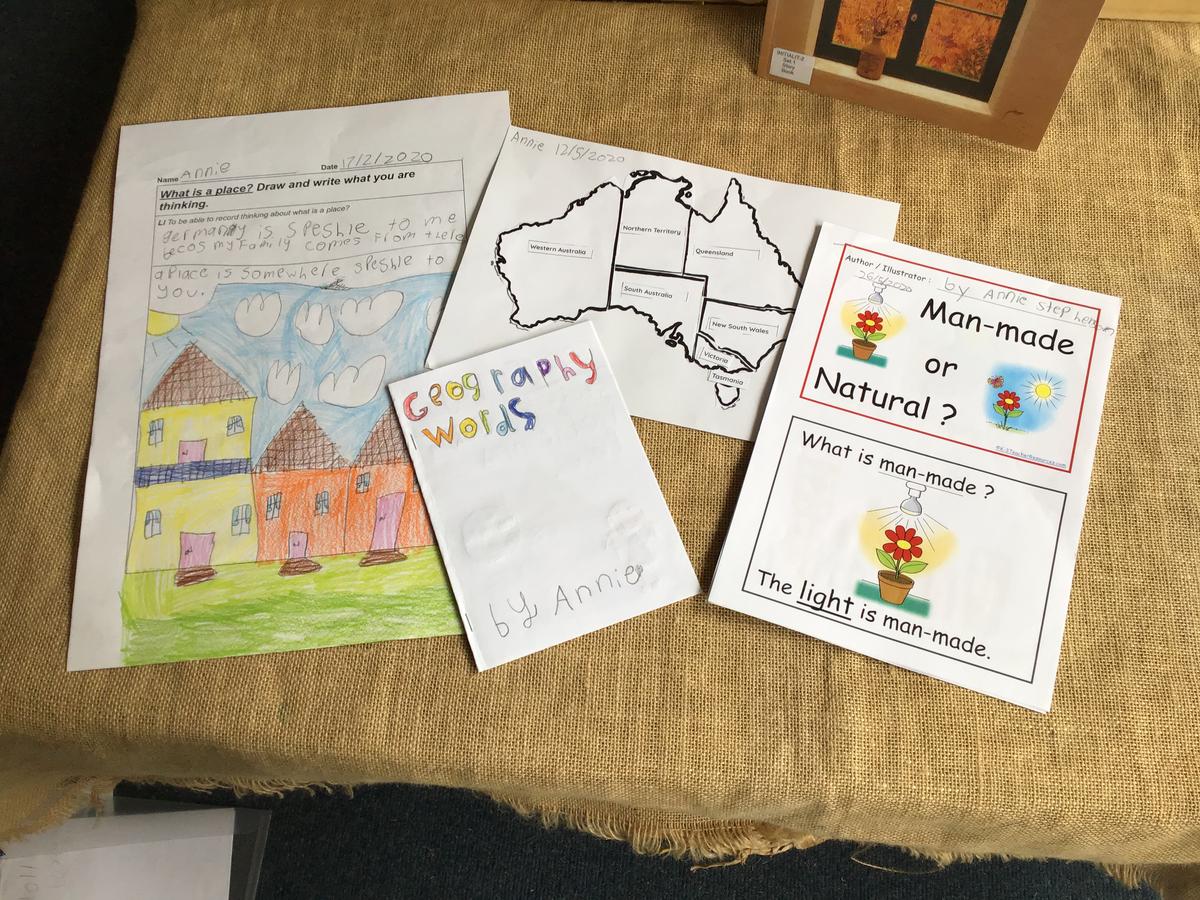
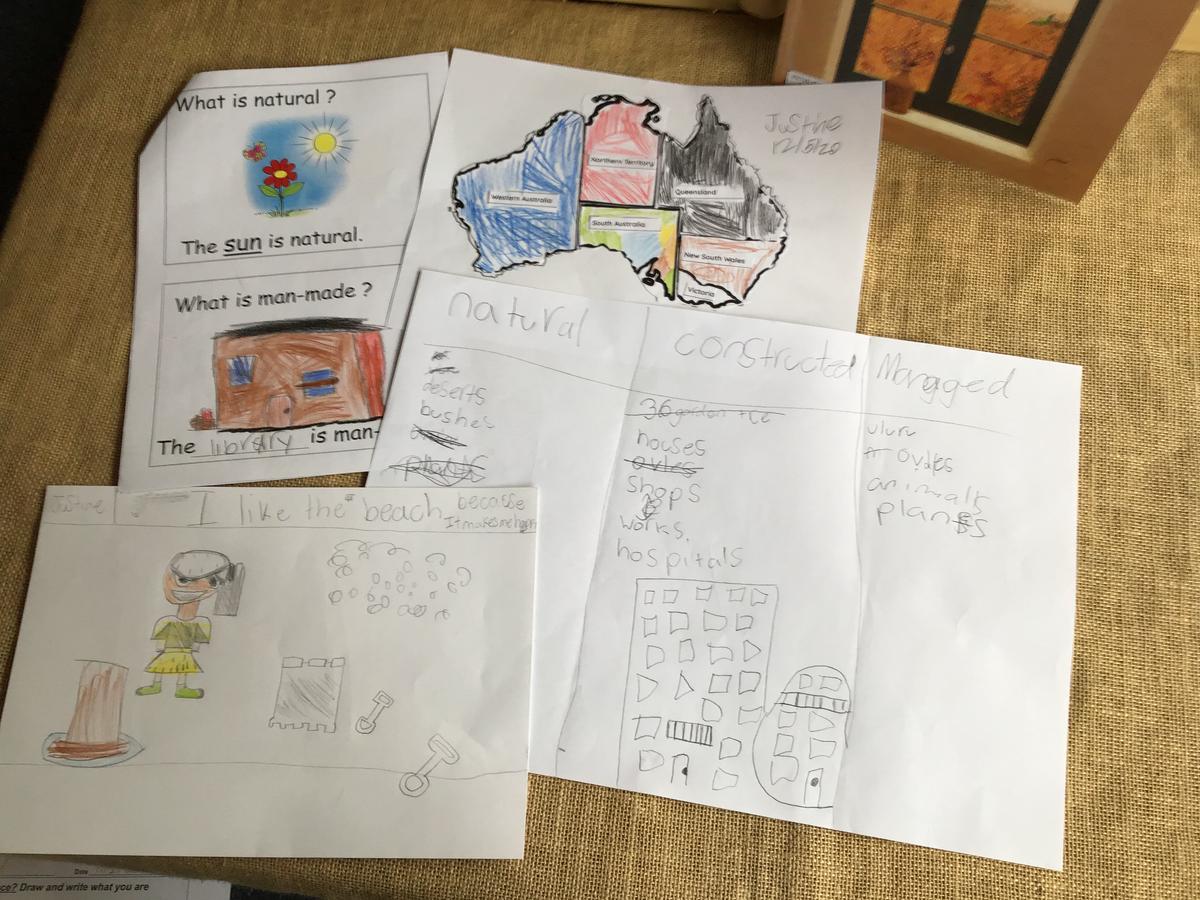


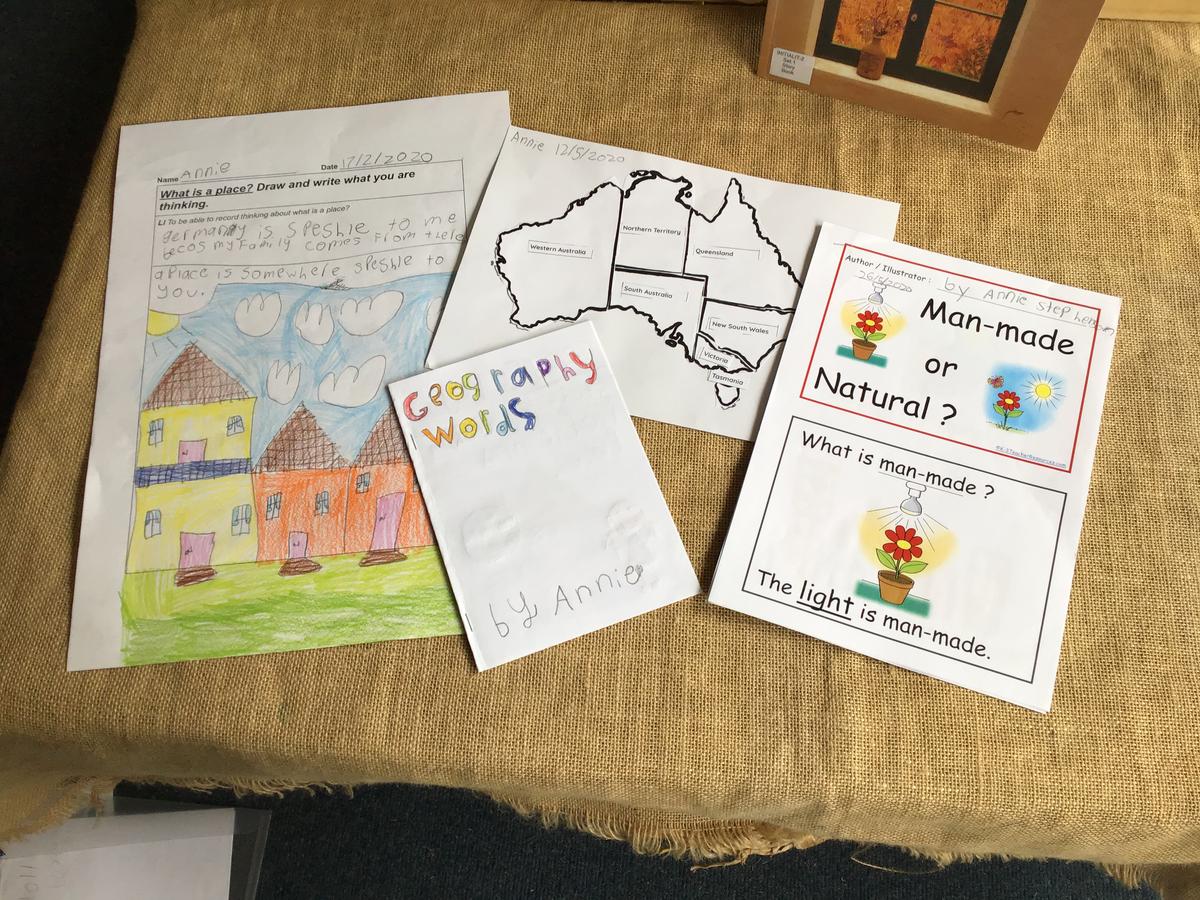
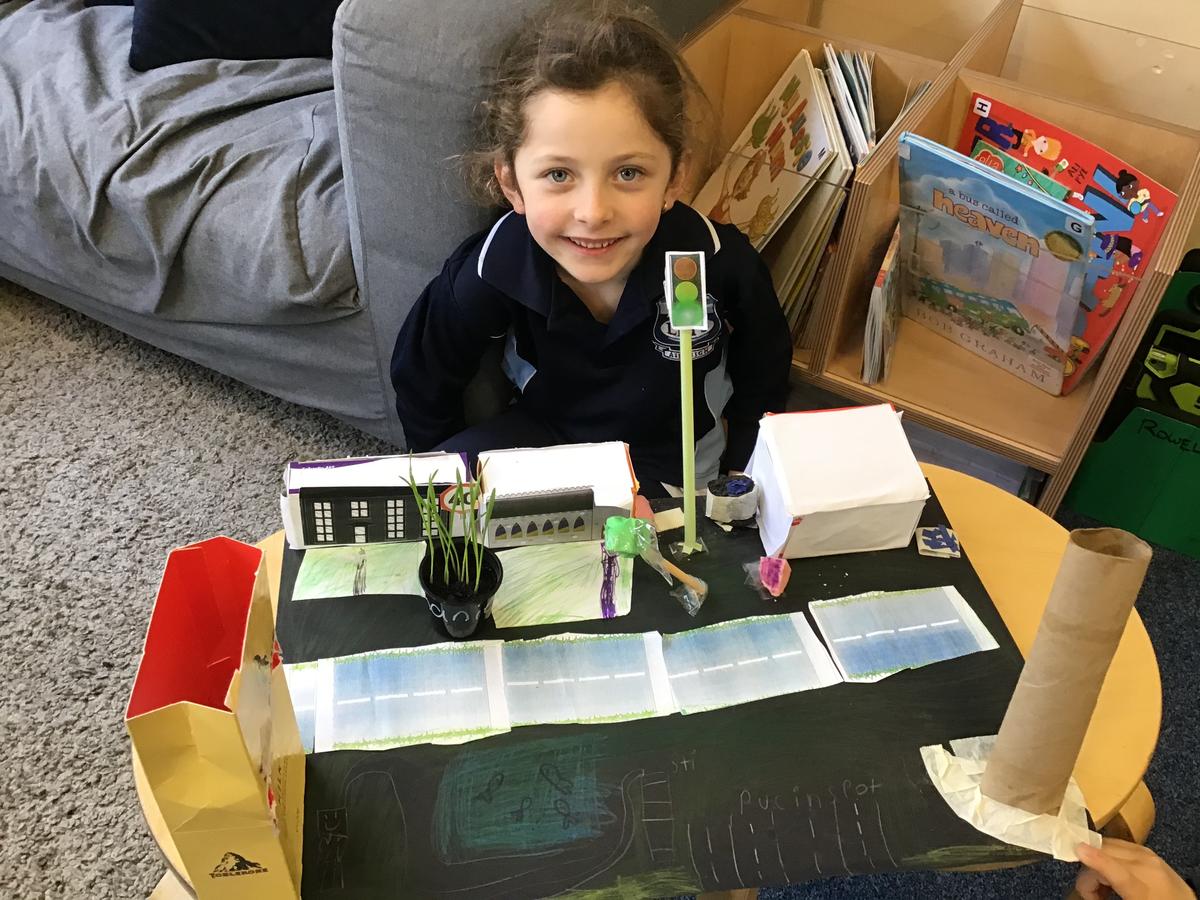
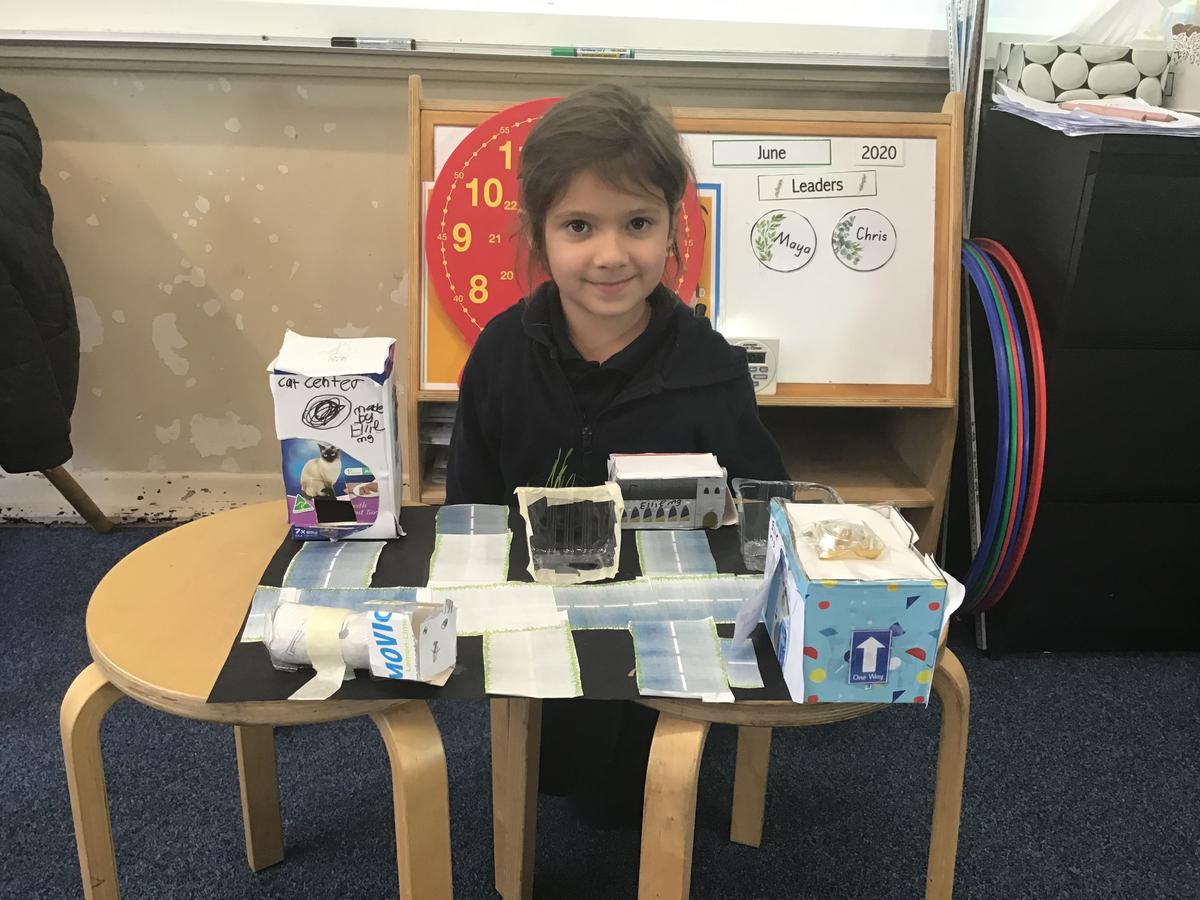
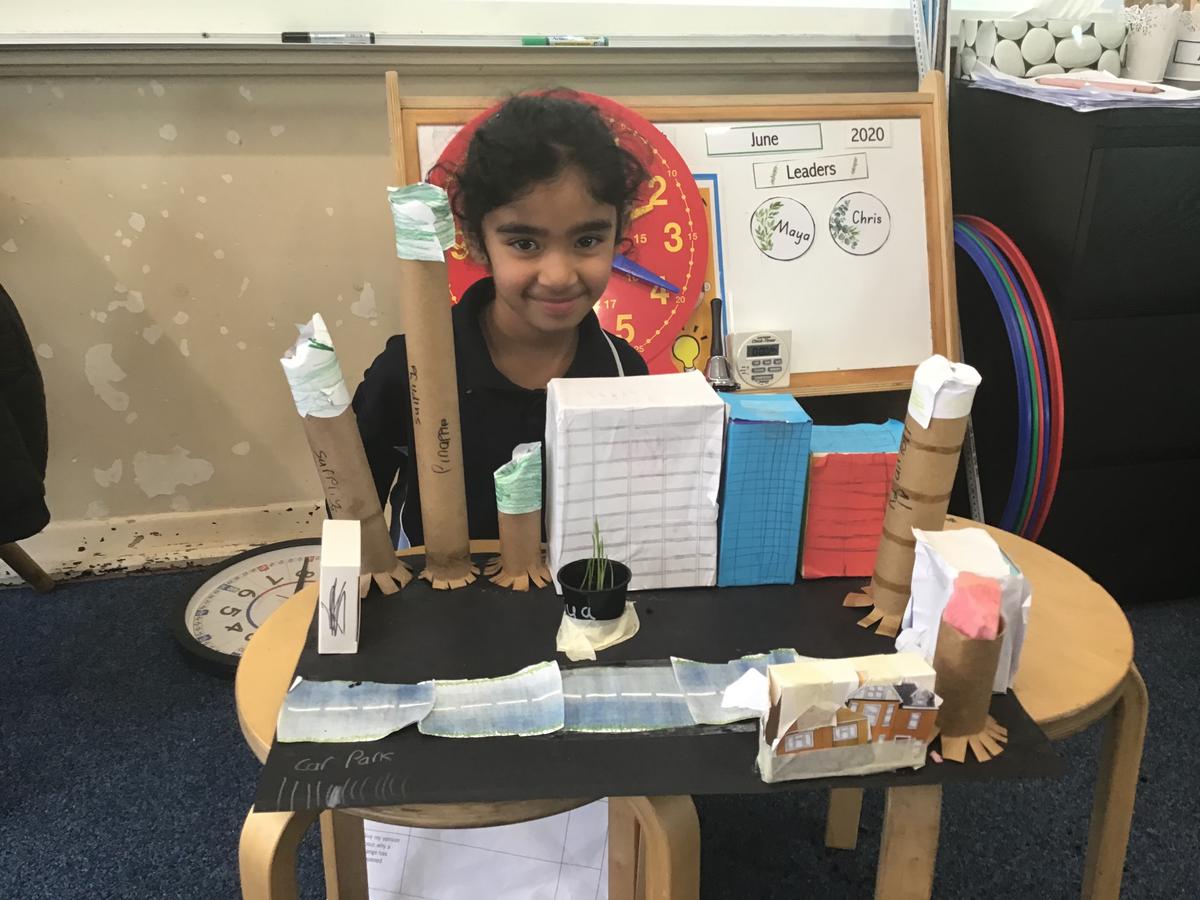
What is inquiry? – The Characteristics.
Inquiry based learning is a form of active learning that starts by posing questions, problems or scenarios - rather than simply presenting established facts or portraying a smooth path to knowledge. The overall goal is for students to make meaning. While teachers may guide the inquiry to various degrees (externally facilitated) and set parameters for a classroom inquiry, true inquiry is internally motivated. In Inquiry Learning, students take the lead and the teacher's role is to support students in their inquiry by helping students to refine their thinking with questions that enable students to work out what they need to do next. Another part of the teacher's role is to have a wide range of resources that students can independently choose and use in their learning. Inquiry based learning is an umbrella term that incorporates many current learning approaches (including project based learning, design thinking) and may take various forms, depending on the topic, resources, ages and abilities of students and other variables.
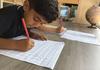
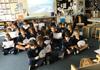
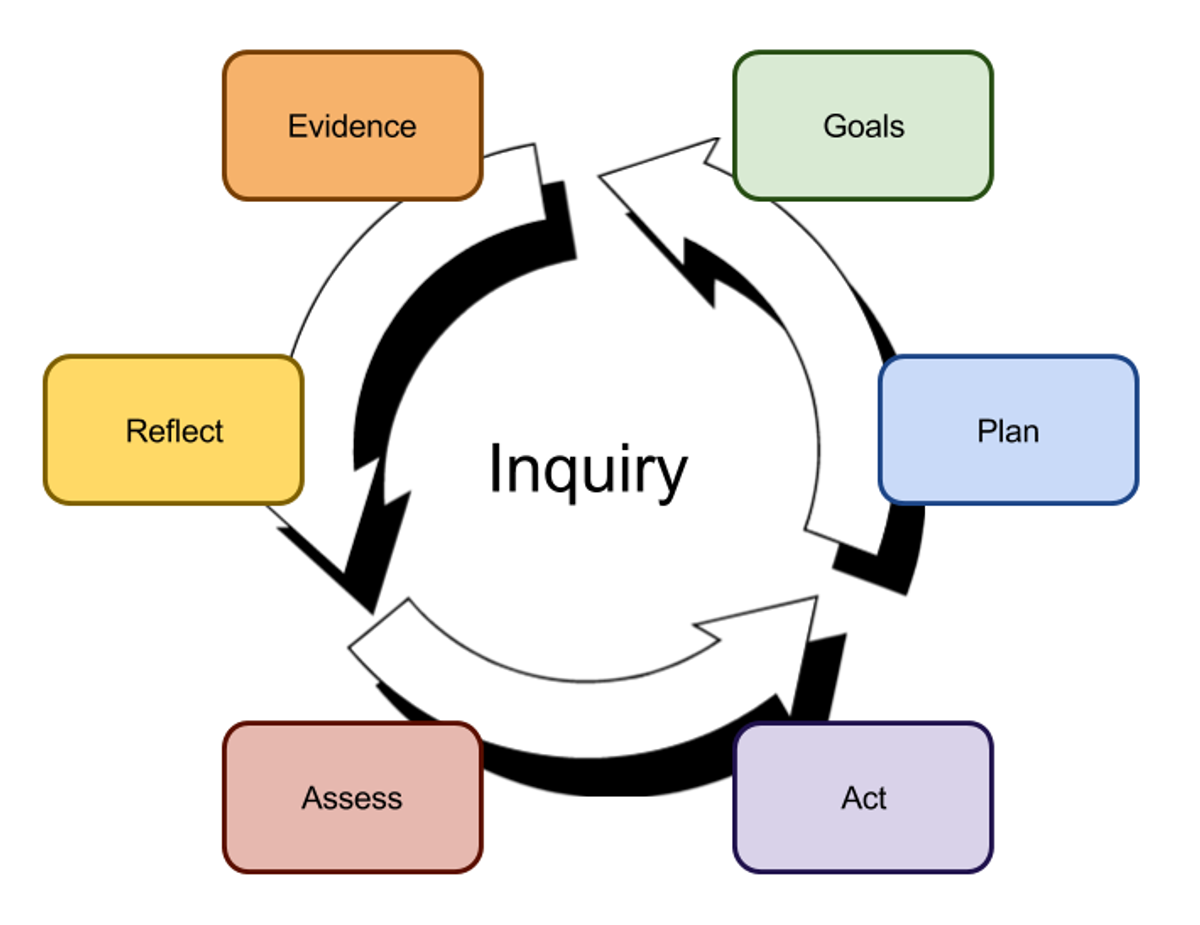
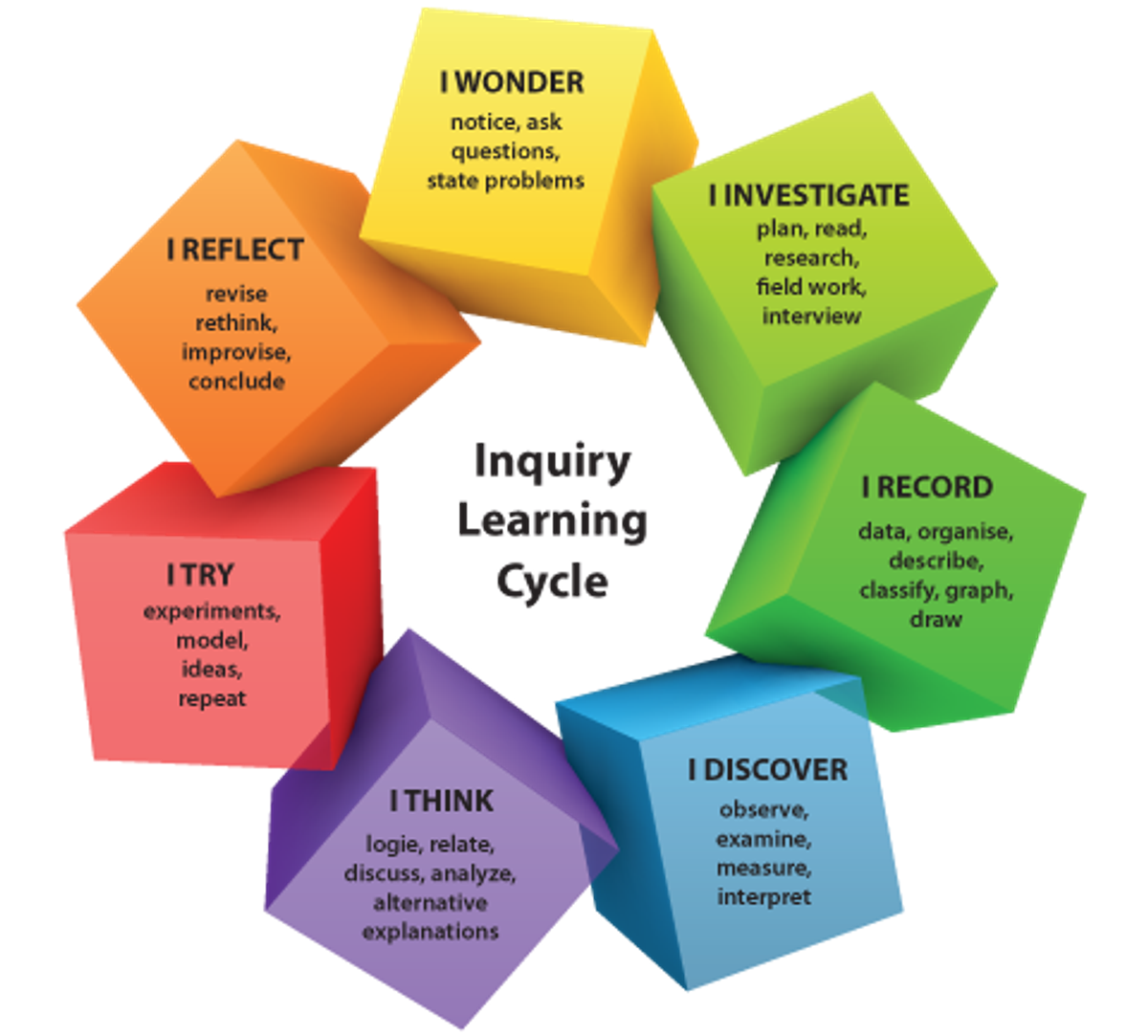
Inquiry learning is not restricted to a specific subject area, but is the how that underpins all subjects. Students are encouraged to initiate their own topics or areas that they are interested in learning more about by posing wonderings or questions they have about a topic. Because students have chosen an aspect they are interested in, they are highly motivated to find out about it. The posters below shows the 6 stage Inquiry cycle that students go through when investigating their own Inquiry.
Inquiry learning:
Science
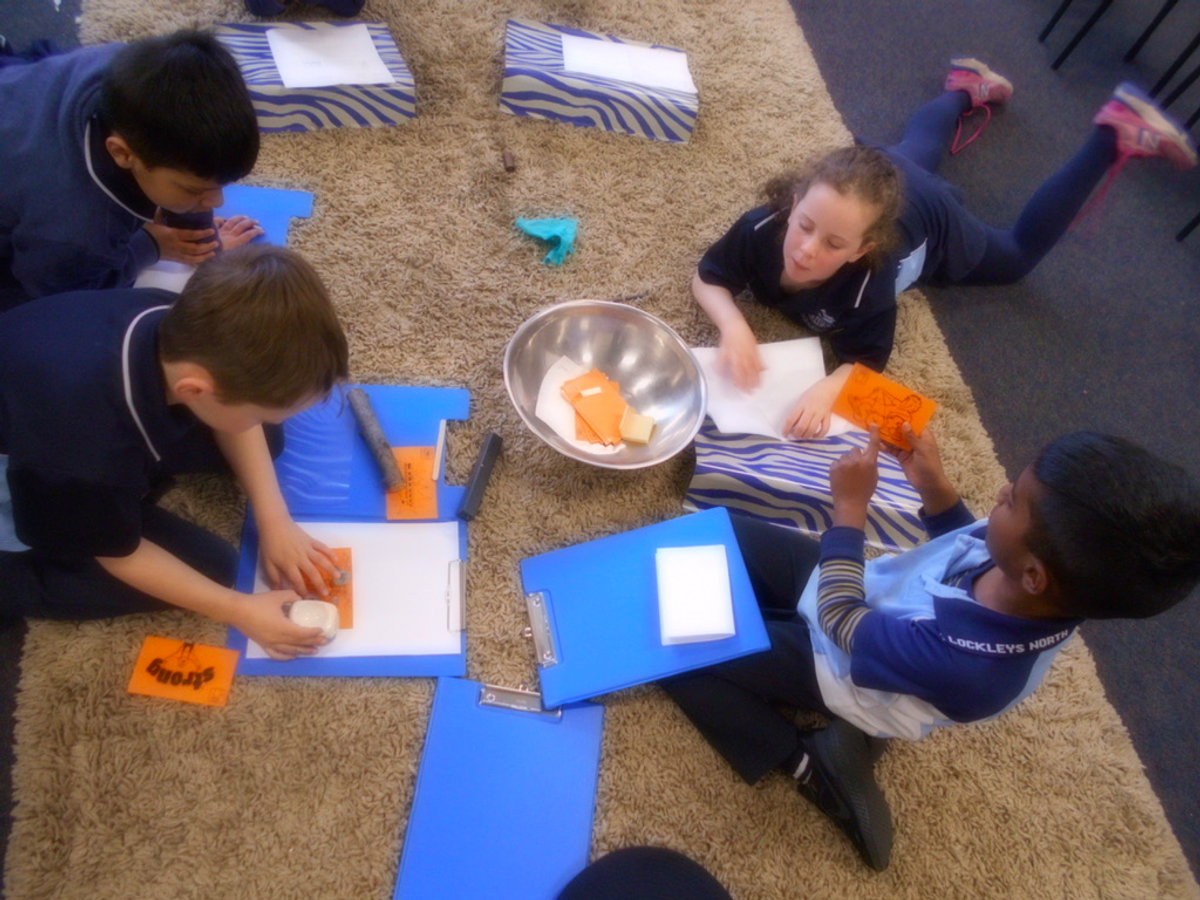
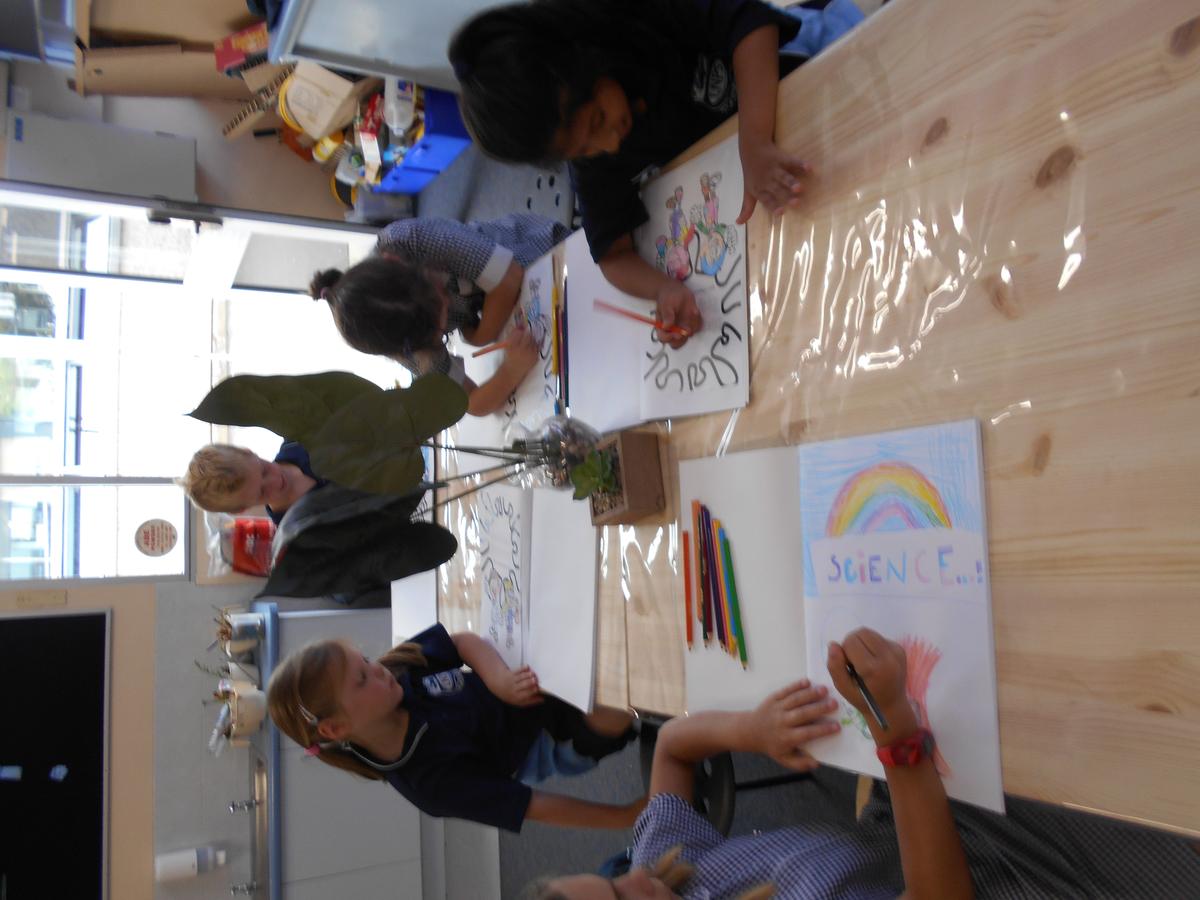
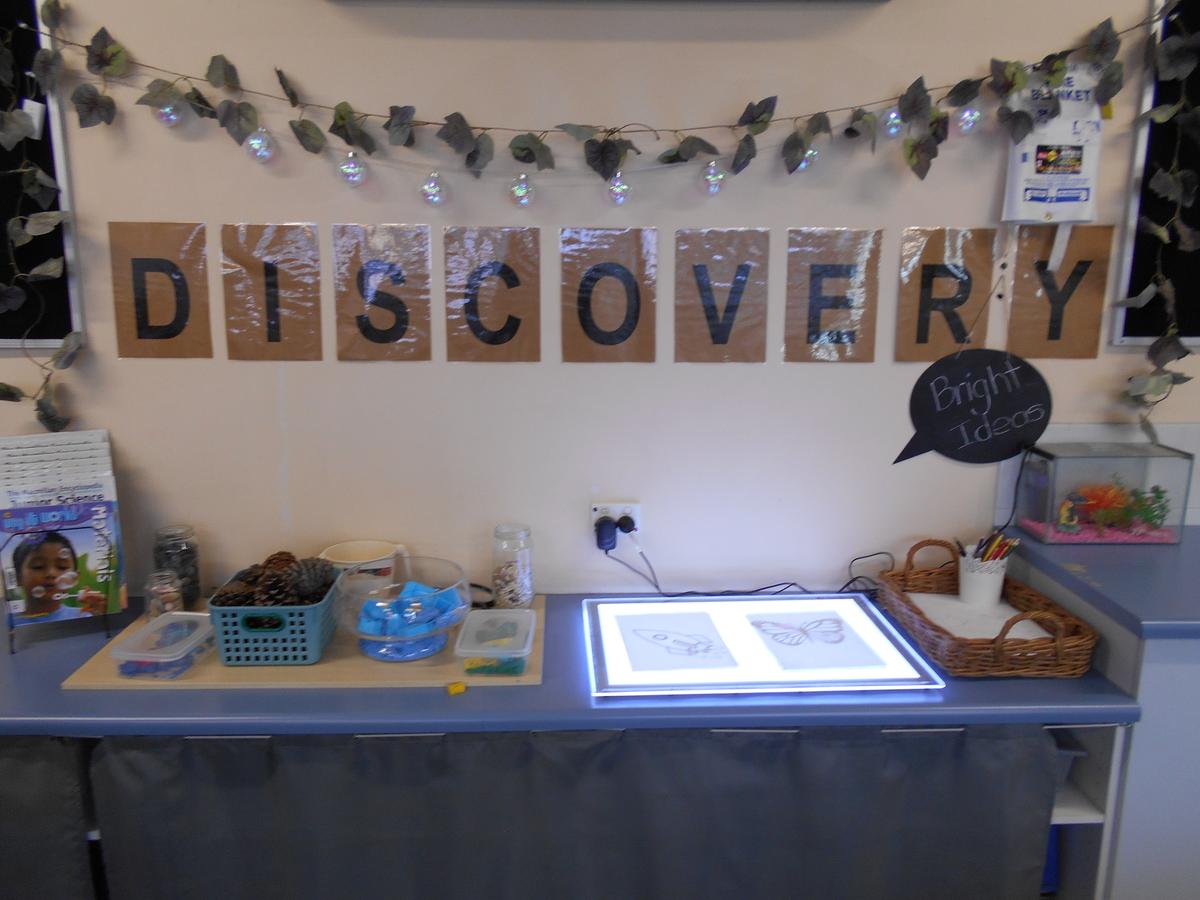
In Science, learning through experience is at the core of teaching, with students encouraged to interact, describe and share their findings. Opportunities are provided for students to learn through discovery by participating in purposefully designed activities. Student learning has been designed to spark curiosity and to provide them with skills to develop questioning by communicating and evaluating.
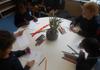
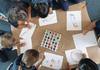
Students are encouraged to collaborate within a group situation to build skills to value the contribution of others, as well as be confident to share their own ideas and opinions. They are encouraged to take risks and try new ways of learning. Students undertake a range of investigations where they record and share observations and findings. Throughout guided experiments and inquiry tasks, children can build on prior knowledge, thinking creatively and reflecting on what has been learnt to better their understandings.
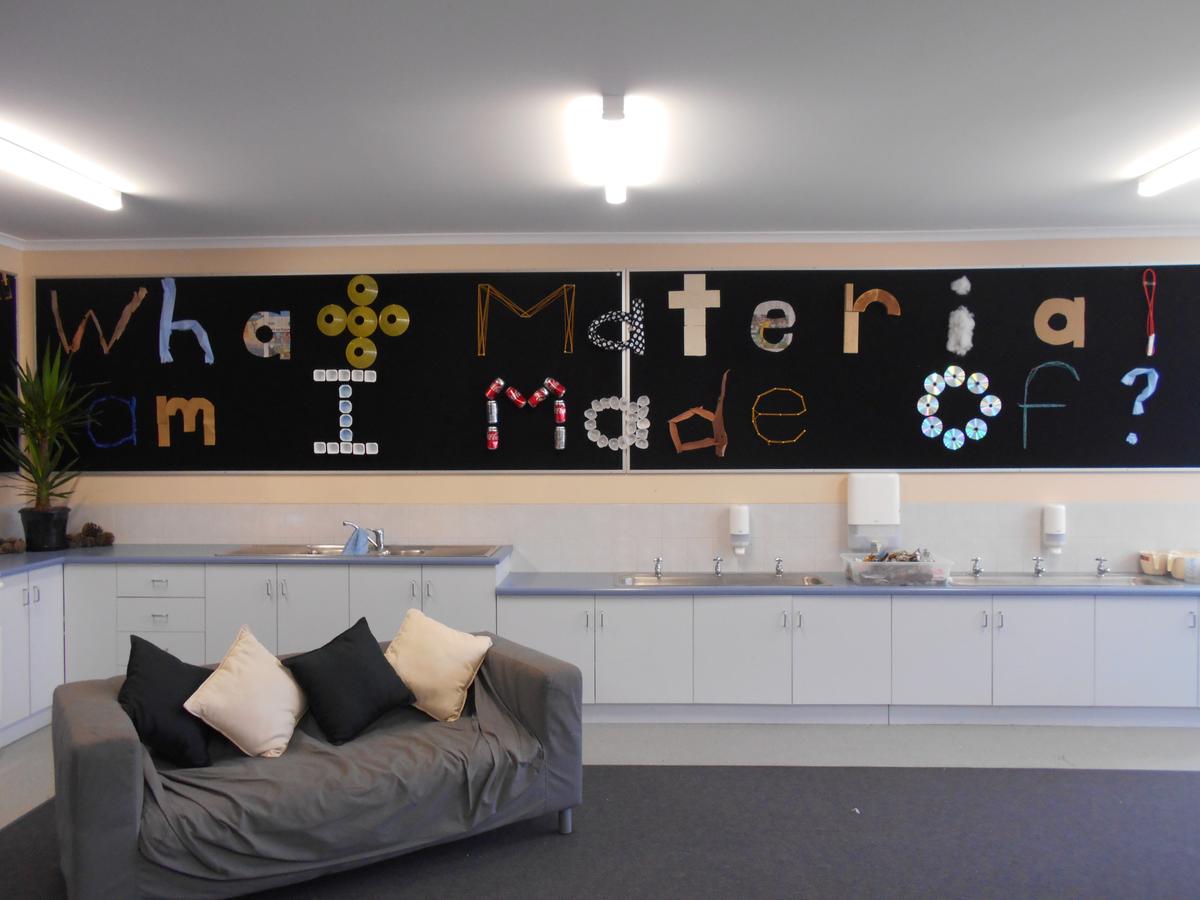
This term, we have already examined a selection of materials and their properties which is a part of chemical sciences. Further investigations will centre around the way different materials are combined for a particular purpose and that everyday materials can be physically changed in a variety of ways. Science Week will be held in Week 5 this term with special activities in the gym. This year’s theme is ‘Deep Blue: innovation for the future of our oceans’.
In Term 4, we will be exploring earth and space sciences where students are encouraged to inquire into the world around them and beyond. The term will start by looking into weather patterns and why we have seasons. Students will investigate their local environment and the earth’s resources and their use in our everyday lives.
Richard Barwa
Richard.Barwa911@schools.sa.edu.au