We are a team...
 Lockleys North Primary School
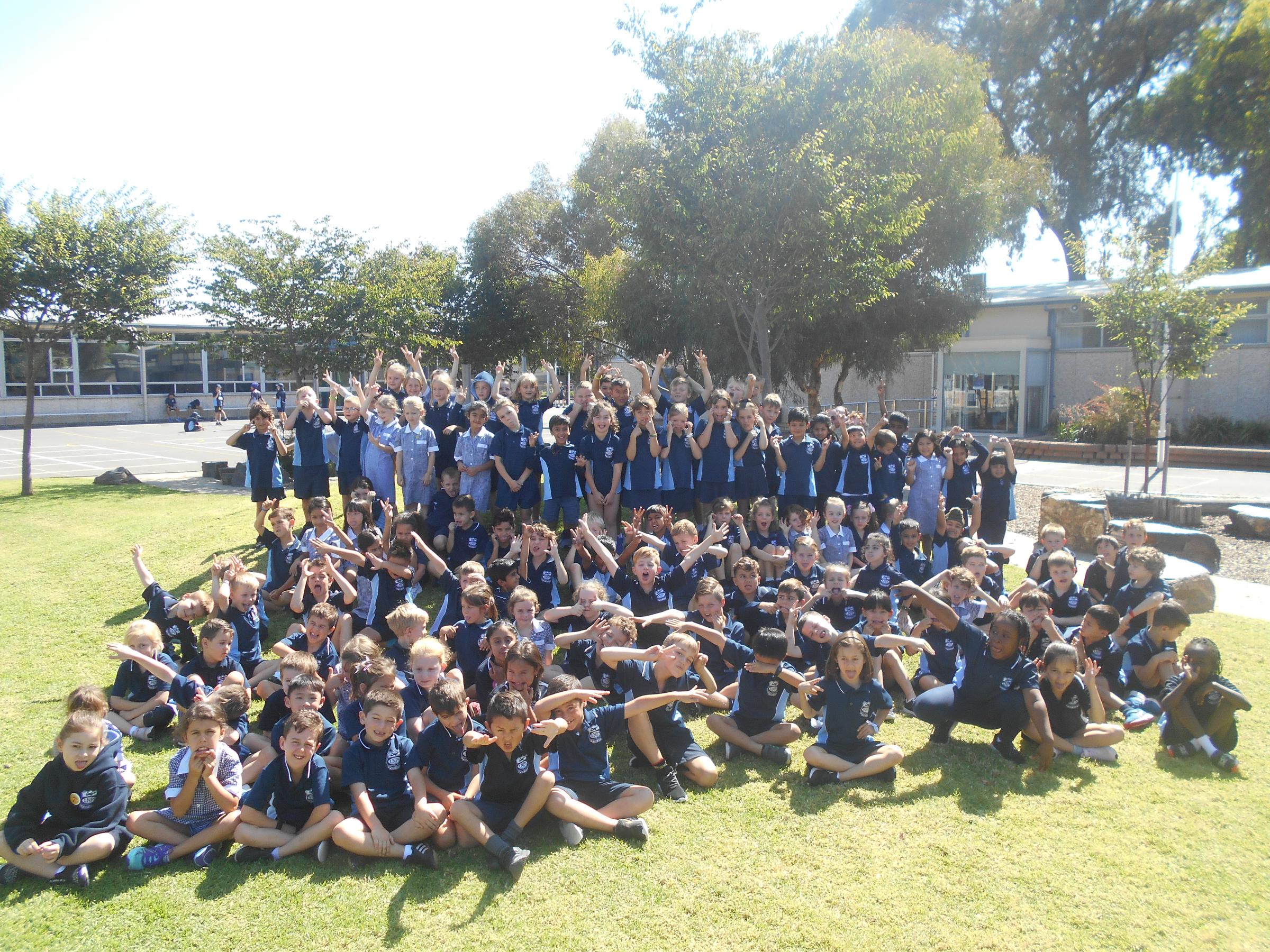
We are a team...
The "Dream to be a Team" inquiry has been a strong focus for Mellor students in 2020. Staff have been encouraging students to work together with their peers to achieve success.
Being a team at a classroom level looks like helping each other and making sure all feel included and welcome, at a school level working together to achieve common goalsand at a community level supporting each other and giving back. We will continue to explore how to be a supportive team, sharing common learning goals, keeping ourselves accountable, having clear communication and taking safe risks in order to learn and grow.
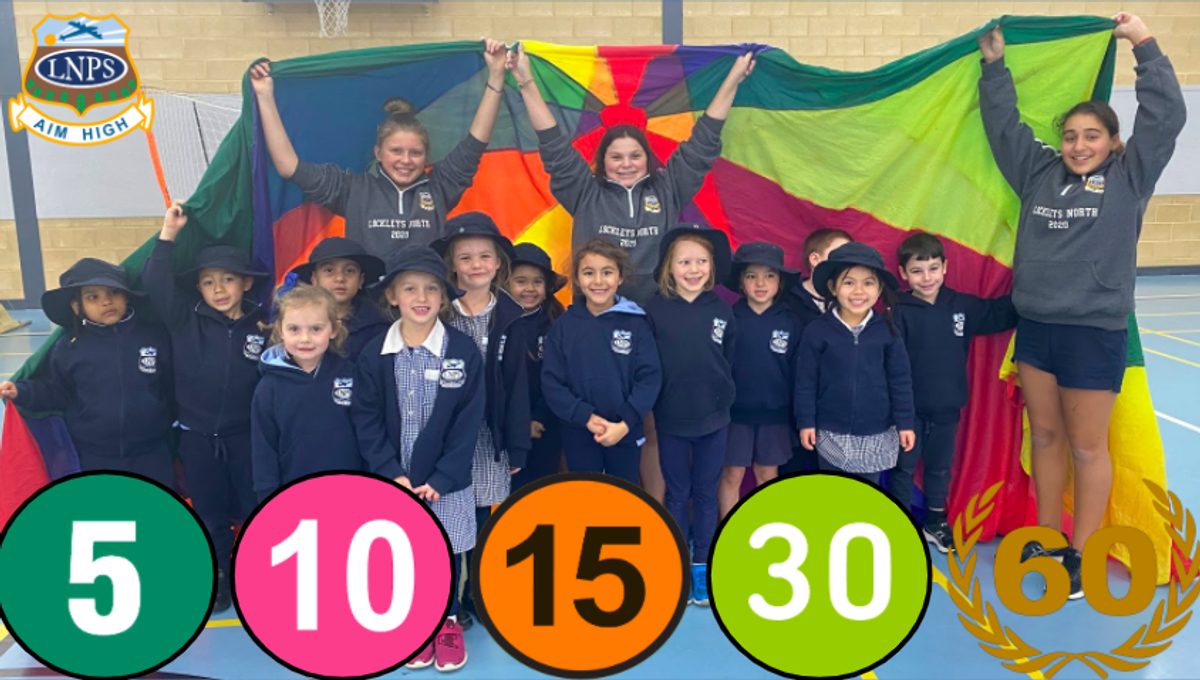
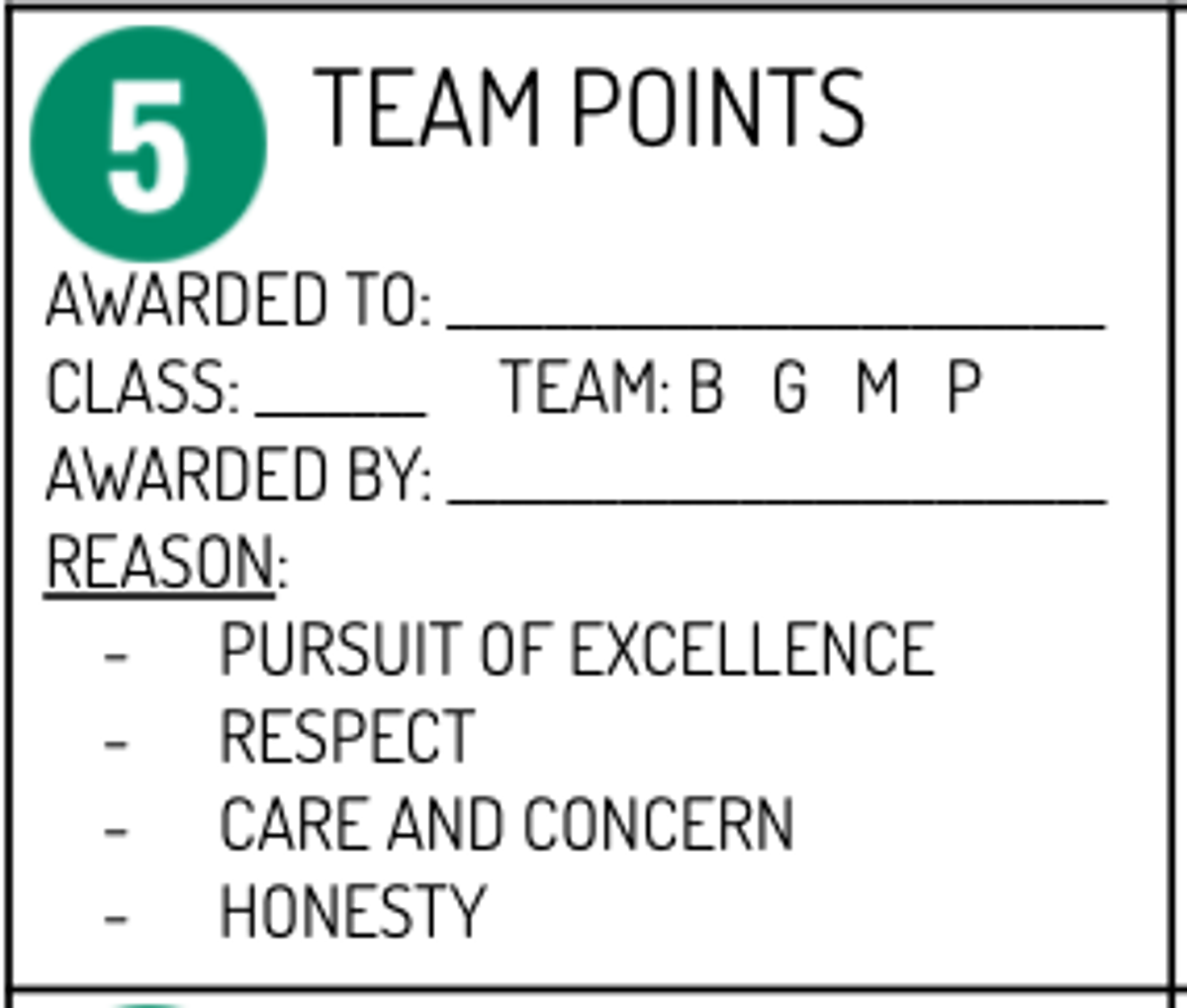
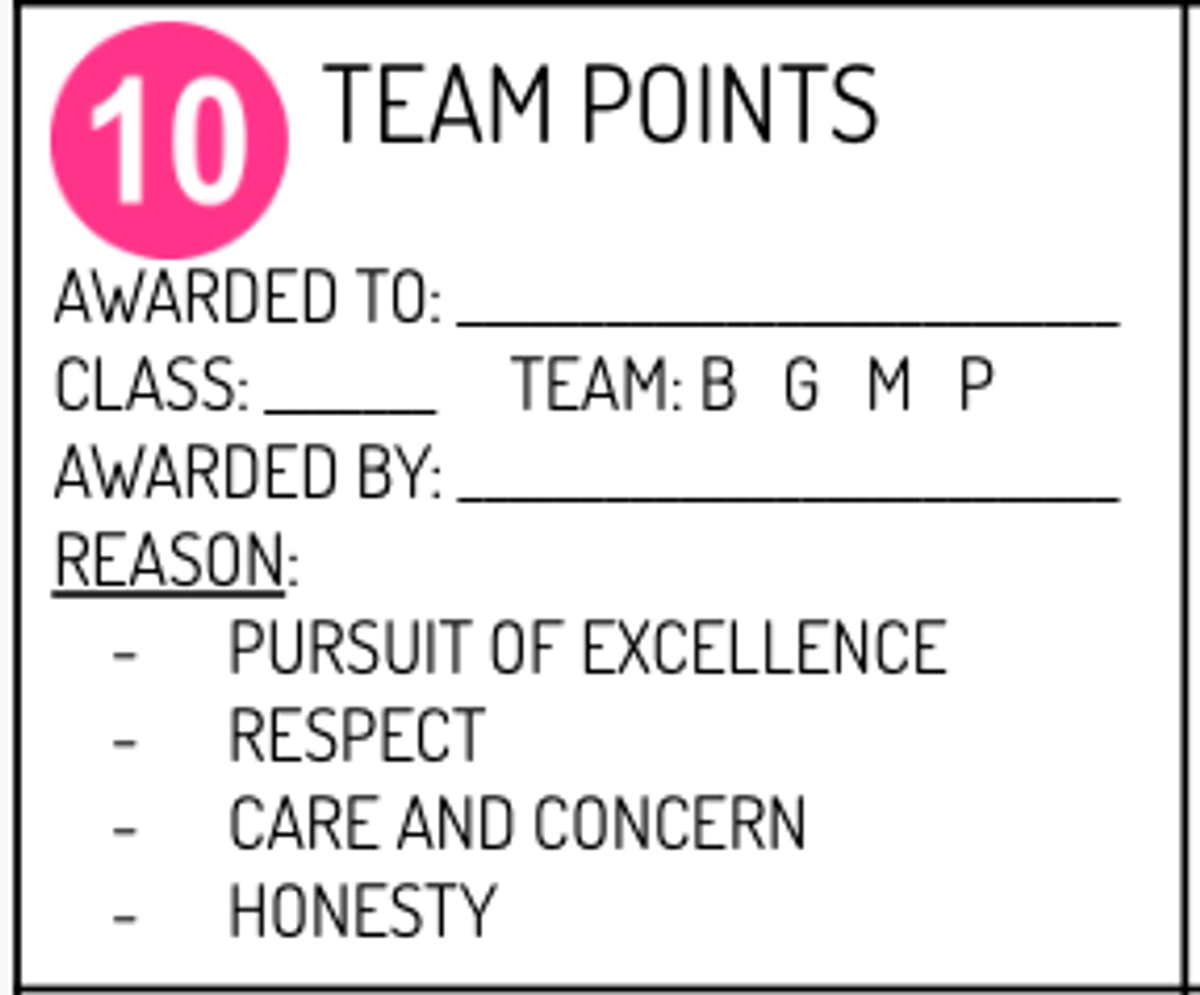
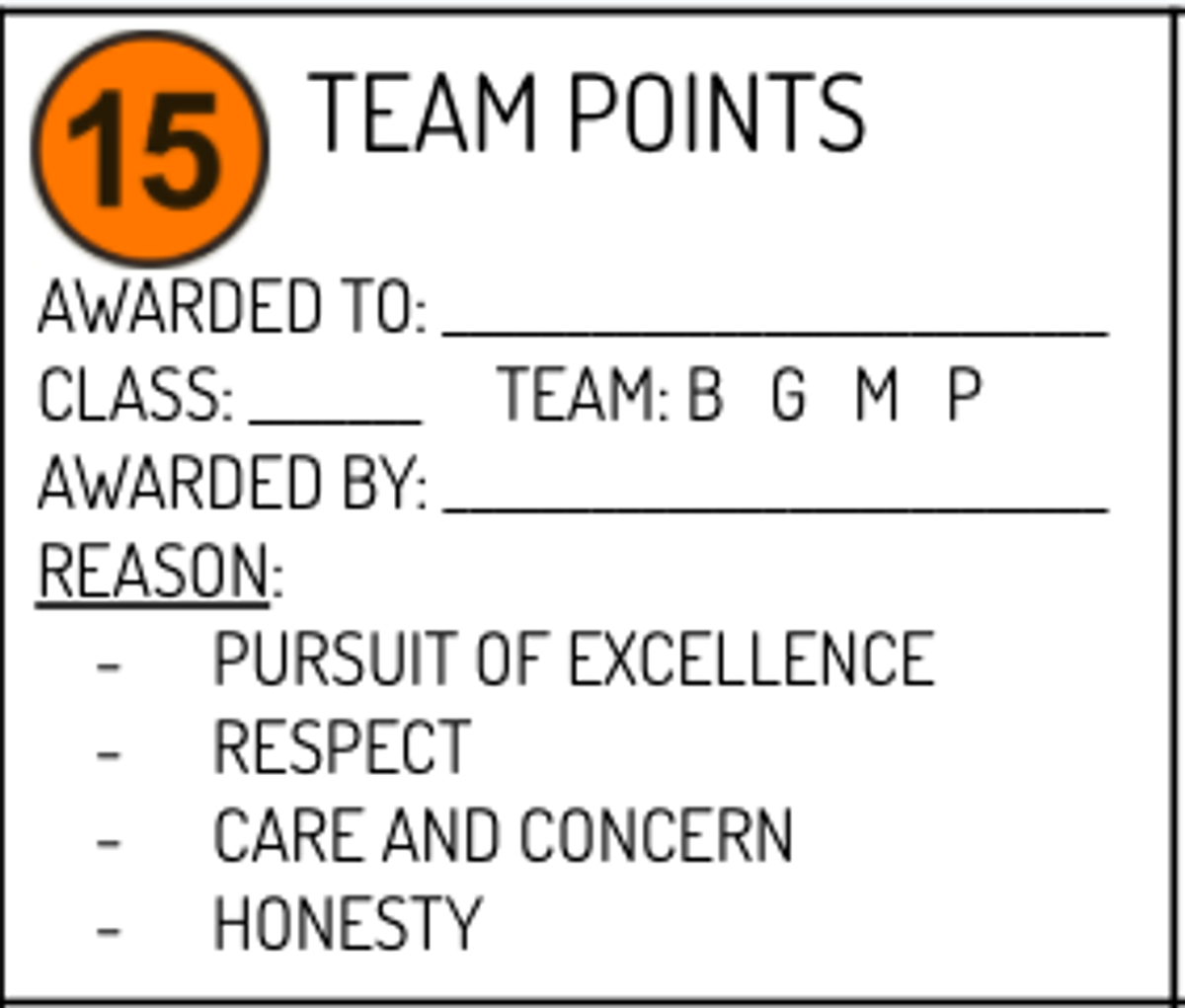
At Lockleys North students are able to earn Team Points from teachers, leadership and the Sports Team Captains to go towards students Sports Day Teams. The points vary from 5, 10, 15, 30, 60 to 120 and are awarded when students are displaying behaviours such as -
Students are able to earn points by upholding our LNPS Values -
Being a good citizen -
Individual Value Awards are given out once a student reaches 50, 100, 150, 200 and 250 points.
The House Point Tally is recalculated and announced at Team Meetings held throughout the term. Announcements of team and individual achievements will also be in the iNewsletter every fortnight.
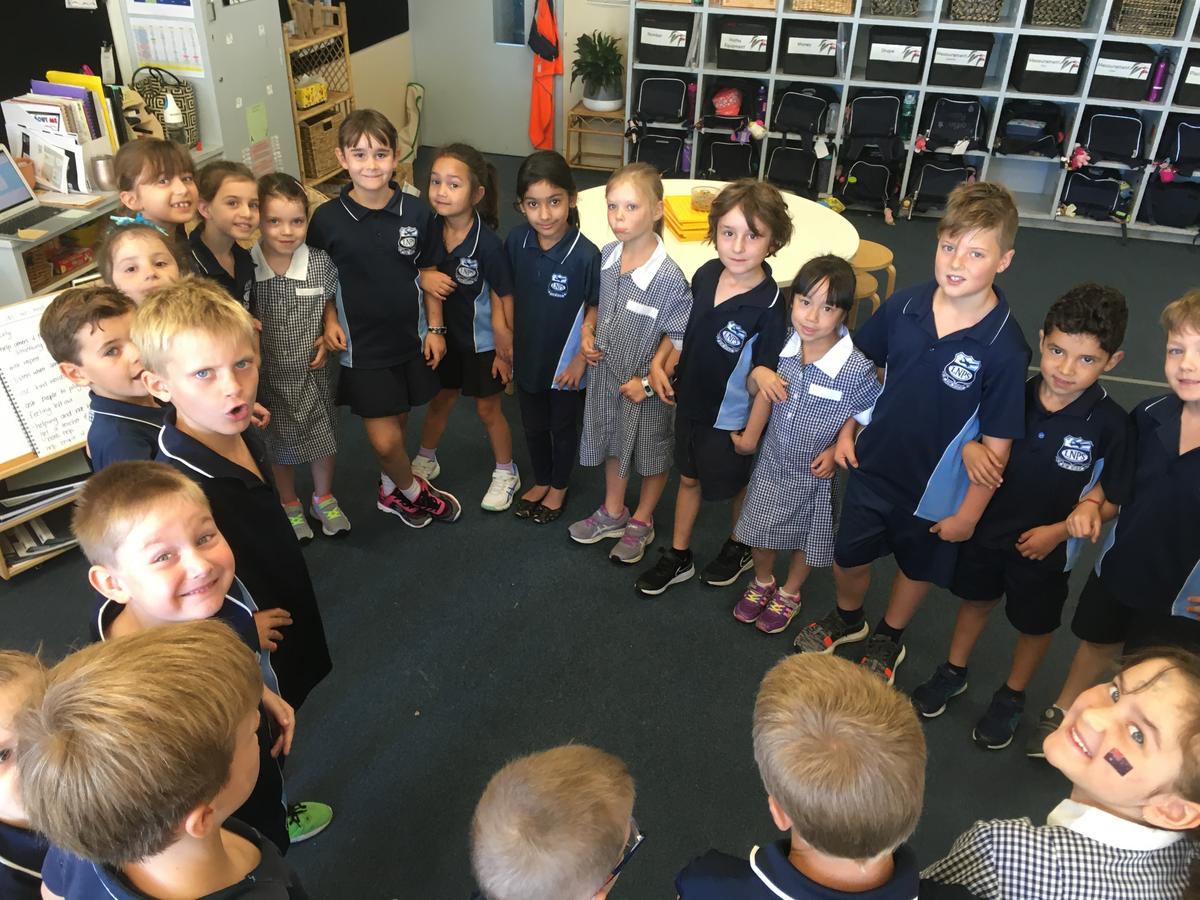
Wellbeing for students is fostered through circle time and class reflection. We use this time to encourage students to be themselves and share their thinking by taking turns to speak and listening to each other. Circle time develops class cohesion and fosters social and emotional wellbeing. This time also allows for reflection on how to sustain a positive attitude towards learning and provides opportunities to build positive relationships with others. Other topics that are discussed in circle time include helping others when they are hurt, dealing with arguments, being strong, honest and truthful, steps to find solutions to problems and forgiving others. Our favourite things that we have explored in circle time are sharing our highlights of the year so far, discussing things that have been worrying us and finding solutions together.
The ultimate goal is to teach children to regulate their behaviour and support them in learning about the consequences of their actions.
When children regulate their own behaviour and become self-directed, their needs and interests become clearer to them and to others.
The purpose of the LNPS school-wide positive behaviour education is to establish an environment in which students can effectively manage their own behaviour and achievement is increased as a result.
Our overarching aims:
Enable the students to own their behaviour and be accountable for their behaviour
To promote and develop a culture of raising self-esteem, respect for others and positive relationships with peers and adults throughout the school
To provide a supportive structure in order to maximise opportunities for effective learning and teaching to take place
To develop students’ understanding of responsibility for their own actions
Restorative Practice is an approach which encourages children to take responsibility for their actions. This approach is a major element of behaviour education at LNPS.
The aspects of fair process, teaching students to accept responsibility, reducing hurt and harm and restoring relationships are used in our behaviour education and conflict resolution processes.
Restorative conversations are based on the following three questions: