
WELLBEING
MR JORGEN LESCHKE - DIRECTOR OF WELLBEING
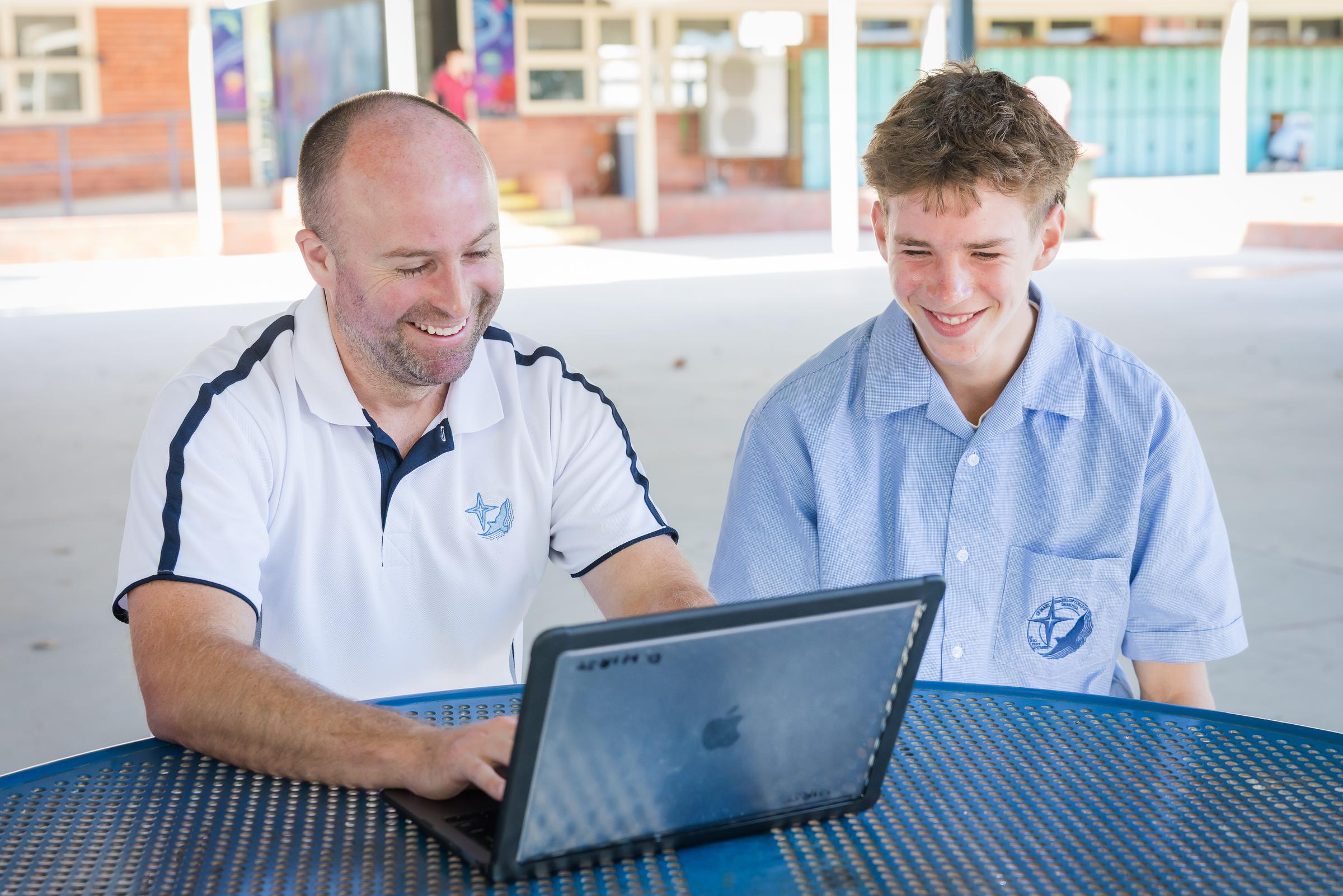
WELLBEING
MR JORGEN LESCHKE - DIRECTOR OF WELLBEING

Supporting Young People to Build Confidence and Cope with Anxiety
Anxiety is a normal part of growing up. Whether it's starting a new school year, making new friends, sitting an exam or trying something unfamiliar, feeling worried from time to time is a natural response. While we can't remove every challenge our children will face, we can help them develop the skills and confidence to manage life's ups and downs.
One of the greatest gifts we can give our children is the ability to cope with uncertainty. Coping skills are not only important for managing anxiety today, but they also lay the foundation for resilience and emotional wellbeing throughout adulthood.
Children experience good days and difficult days, and it's normal for everyday worries to build up at times. While our instinct as parents and carers is often to protect our children from discomfort, shielding them from every challenge can unintentionally prevent them from developing confidence in their own ability to solve problems and manage difficult emotions.
Children learn by watching the adults around them. When they see parents and carers responding calmly to setbacks, talking through problems and viewing challenges as opportunities to learn, they begin to understand that uncomfortable emotions are manageable and that difficulties can be overcome. These everyday moments teach children that setbacks are a normal part of life and that they have the capacity to work through them.
As children grow, they also need opportunities to experience age-appropriate levels of risk, disappointment and failure within a safe and supportive environment. Rather than immediately solving problems for them or offering reassurance, we can encourage them to think about possible solutions and ask, "What do you think you could do?" This helps build independence, resilience and confidence in their own decision-making.
Of course, children still need the support of trusted adults. Younger children require more emotional guidance, while older children and teenagers benefit from adults who listen, encourage and help them develop their own coping strategies rather than taking over.
If you're wondering whether your child's worries are becoming more significant, remember that anxiety can look different in every young person. Changes in mood, avoidance of activities, frequent physical complaints such as headaches or stomach aches, irritability, or needing constant reassurance may all be signs that a child is struggling.
To support families, we encourage parents and carers to explore the Triple P Online (Positive Parenting Program). Triple P offers free, evidence-based online parenting courses that provide practical strategies for supporting children's emotional wellbeing, building resilience, encouraging independence and responding to anxiety in positive ways. Parents can complete the modules at their own pace and choose topics that best suit their family's needs.
Here is the link to Triple P’s free courses: https://www.triplep-parenting.net.au/au/parenting-courses/
We also recommend visiting SchoolTV who offer resources on Anxiety, which includes expert advice, practical strategies and helpful resources to support children and adolescents experiencing anxiety.
By working together and helping our young people develop healthy coping skills, we can equip them with the confidence and resilience they need not only for today, but for the many challenges and opportunities that lie ahead.
Here is the link to your special report: https://smmc.vic.schooltv.me/newsletter/anxiety-young-people-au
If any of the content raises concerns for you or your child, please contact the school or seek professional medical advice.
If you do have any concerns about the wellbeing of your child, please feel free to reach out to the Wellbeing Team at 03 5032 9771.

Jorgen Leschke
Director of Wellbeing