
Wellbeing
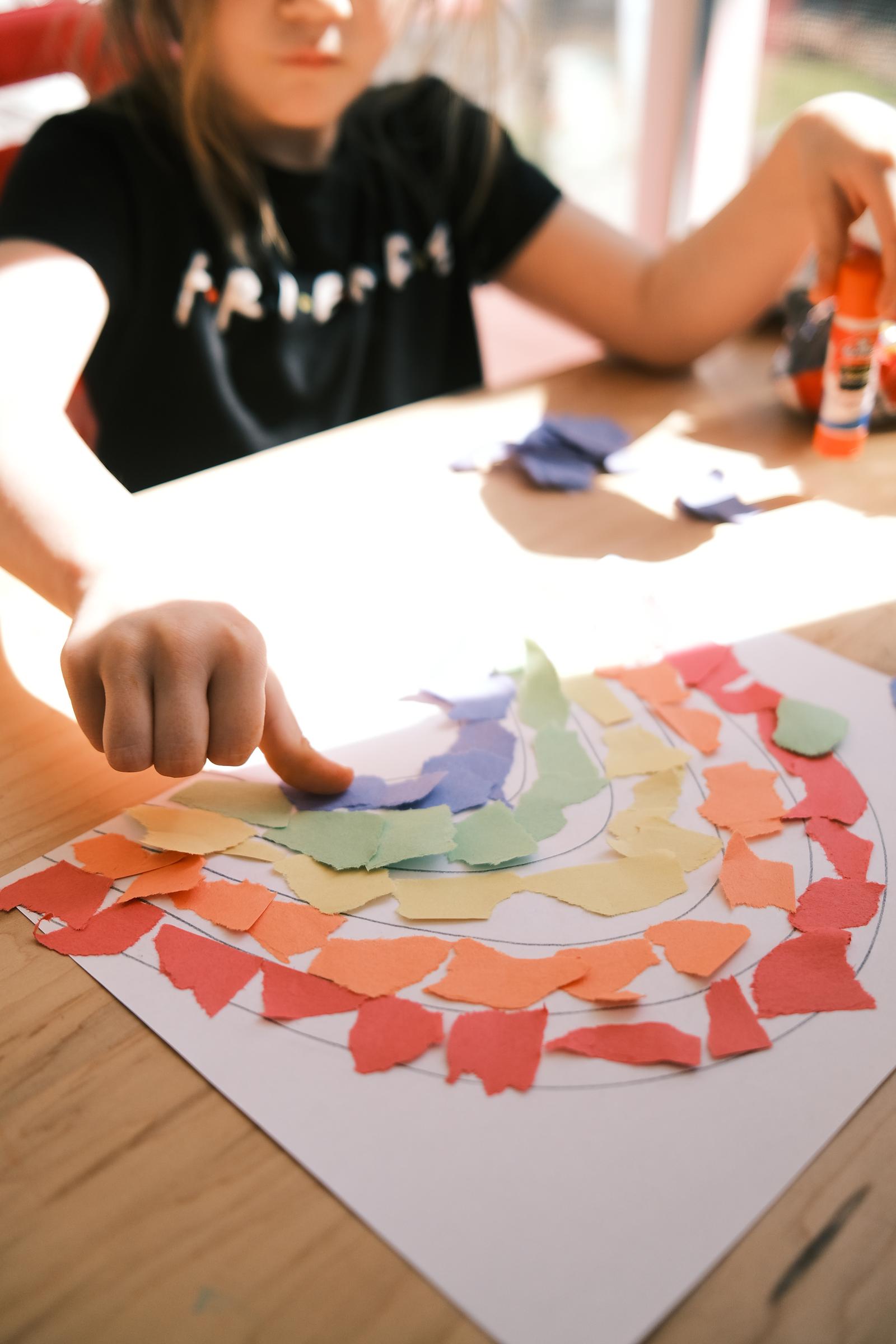
At the beginning of this term students across all year levels will be looking at Topic 5- Stress Management, of the Respectful Relationships program.
Respectful Relationships – Topic 5: Stress Management
Supporting children to recognise, understand and manage stress in healthy, age‑appropriate ways
Stress is a normal part of life for children and adults. In the Respectful Relationships program, students learn practical strategies to identify what stress feels like in their bodies, how to talk about their emotions, and how to use simple techniques to calm themselves when things feel overwhelming. These skills help children build resilience, strengthen relationships, and develop confidence in navigating challenges at school and at home.
What children learn
- Understanding stress — recognising physical signs (tummy aches, tense muscles, fast breathing) and emotional signs (worry, frustration, withdrawal).
- Naming emotions — using clear language to describe how they feel.
- Healthy coping strategies — breathing techniques, movement breaks, mindfulness, problem‑solving, and seeking help from trusted adults.
- Building supportive relationships — knowing who they can talk to when they feel stressed.
- Practising calm‑down routines — short, repeatable steps that help children regulate their bodies and emotions.
These skills are taught through stories, role‑play, classroom discussions, and guided activities that help children apply strategies in real situations.
How families can support stress management at home
- Create predictable routines, especially around mornings and bedtimes.
- Encourage children to talk about their feelings using simple prompts like: “What’s happening in your body right now?” or “What might help you feel calmer?”
- Model calm‑down strategies — slow breathing, stretching, taking a short break.
- Help children break big tasks into smaller steps.
- Celebrate effort, not perfection.
Families often find it helpful to build a shared “calm toolkit” at home — quiet activities, favourite books, sensory items, or a cosy space where children can reset.
Resources for Families
Websites
- Raising Children Network — Evidence‑based guidance on child wellbeing, stress, and emotional development.
- Beyond Blue — Practical advice for supporting children’s mental health and managing stress.
- Headspace — Youth‑focused wellbeing strategies, including mindfulness and stress‑reduction tools.
- Kids Helpline — Articles and videos on coping skills, emotions, and resilience for children and teens.
Podcasts (Australian‑based or widely used in Australian schools)
- Parental As Anything (ABC) — Maggie Dent explores stress, resilience, and emotional regulation in children.
- The Happy Families Podcast — Dr Justin Coulson shares practical strategies for family wellbeing.
- Mindfully (ABC) — Short mindfulness practices suitable for adults and older children.
TV Shows / Video Resources
- Play School (ABC Kids) — Episodes often explore emotions, routines, and calming strategies in child‑friendly ways.
- Behind the News – Wellbeing Specials — Short segments for primary students on stress, emotions, and coping skills.
- ABC Kids Listen — Audio stories and mindfulness moments designed to help young children relax.
- ABC Mindfully ME collection (older students)- Mindfully ME : ABC iview
A simple stress‑management routine families can try
- Step 1: Pause and notice — “What’s happening in my body?”
- Step 2: Breathe — slow inhale for 3, slow exhale for 4.
- Step 3: Move — stretch arms, shake hands, or take a short walk.
- Step 4: Name the feeling — “I’m worried,” “I’m frustrated,” “I’m overwhelmed.”
- Step 5: Choose a strategy — quiet activity, talk to an adult, break the task down.
Practising this together helps children feel supported and builds confidence in managing stress independently.