Wellbeing
PBL
At SFS, our PBL (Positive Behaviours for Learning) school wide expectations are:
Respect, Responsibility and Kindness
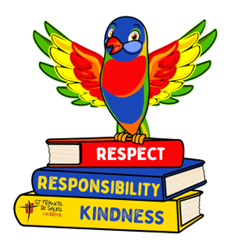
We have a whole school social skills lesson where we explicitly teach an expected behaviour from our Behaviour Expectation matrix.
This week we have focused on KINDNESS- Encourage and support others.
This is in recognition of National Week of Action against Bullying and Violence.
It is important that we show kindness to others and encourage and support them. We believe in the dignity of the human person and that we are all created in the image of God. We show respect and kindness to others by using polite, thoughtful, kind words. We follow the Golden rule, treat other people as you want to be treated.
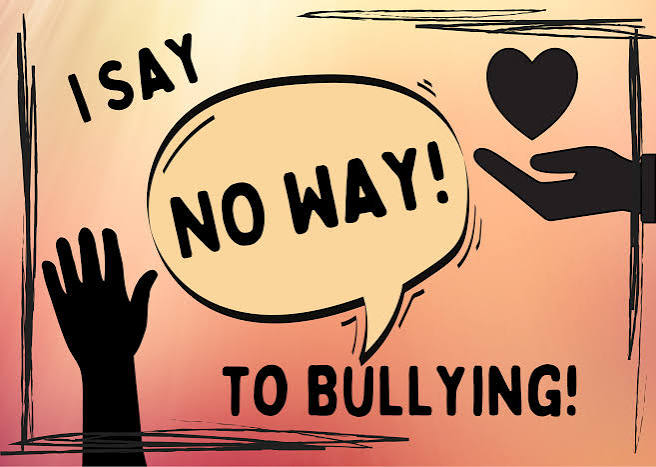
This week the students participated in the largest online anti-bullying lesson which was run by Kid’s Helpline. The Junior students learnt how words can be a superpower. They heard real stories of how to stop the bullying and practiced what to say to mean comments. The Seniors learnt how to use their power for good. They heard real-life stories and learnt an easy, age-appropriate strategy to shut down bullying.
Here are some of our recent lucky raffle winners who have been demonstrating expected behaviours at school.
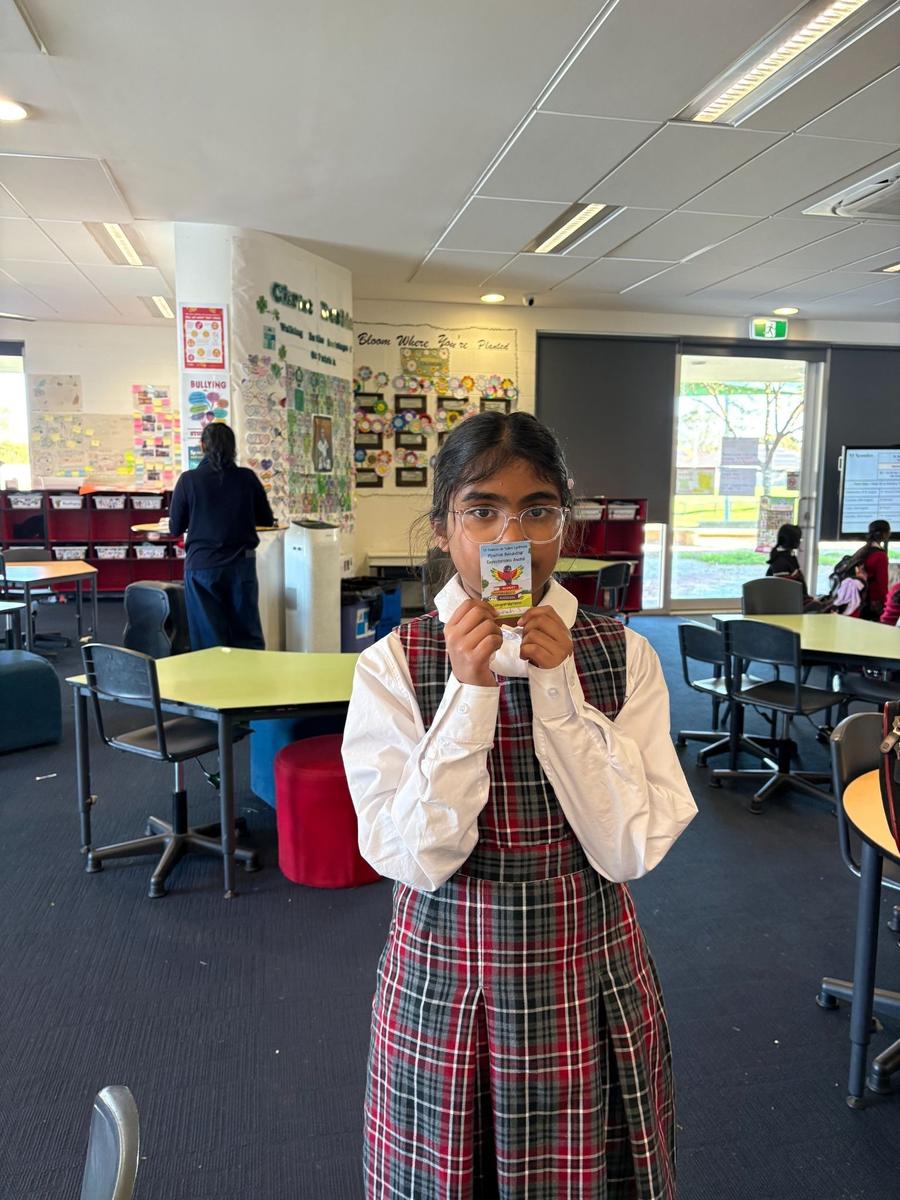
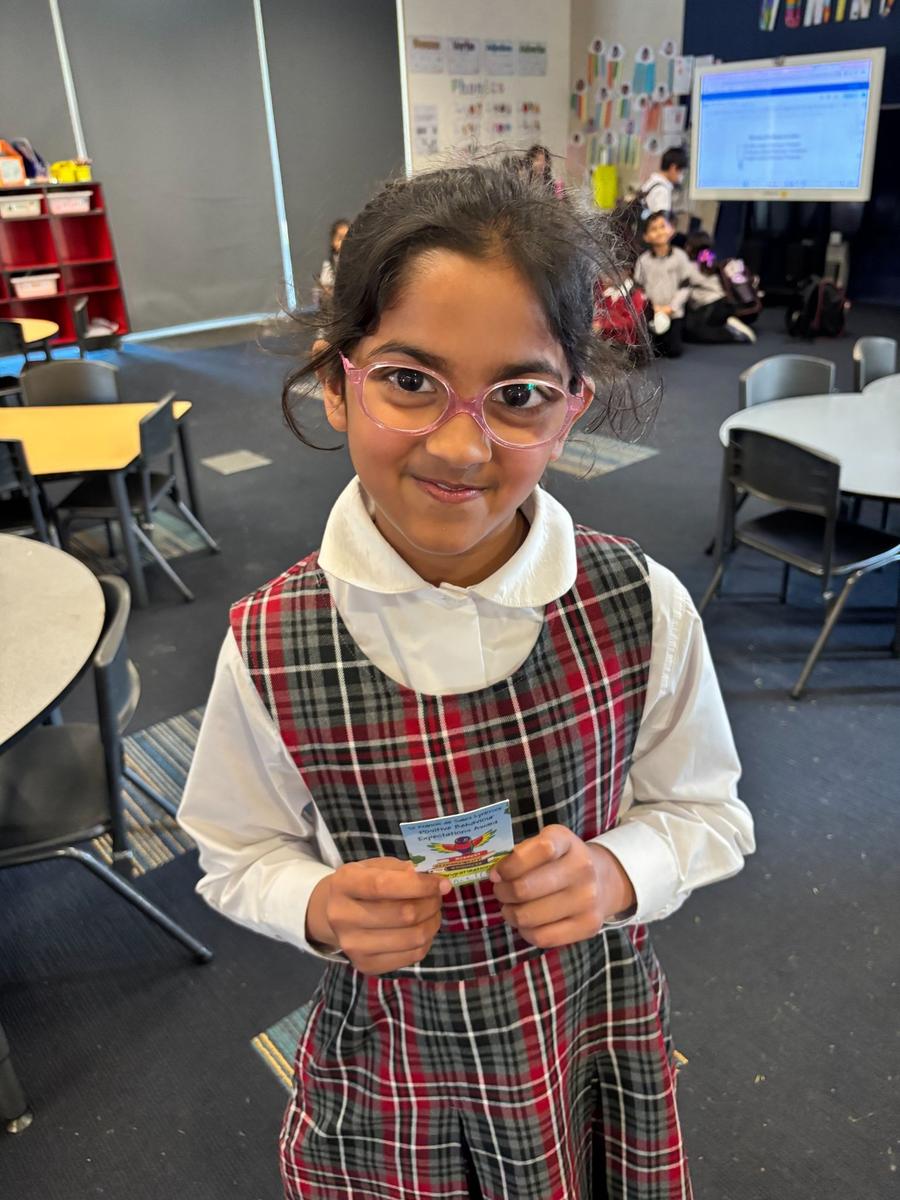
Our PBL Winners !
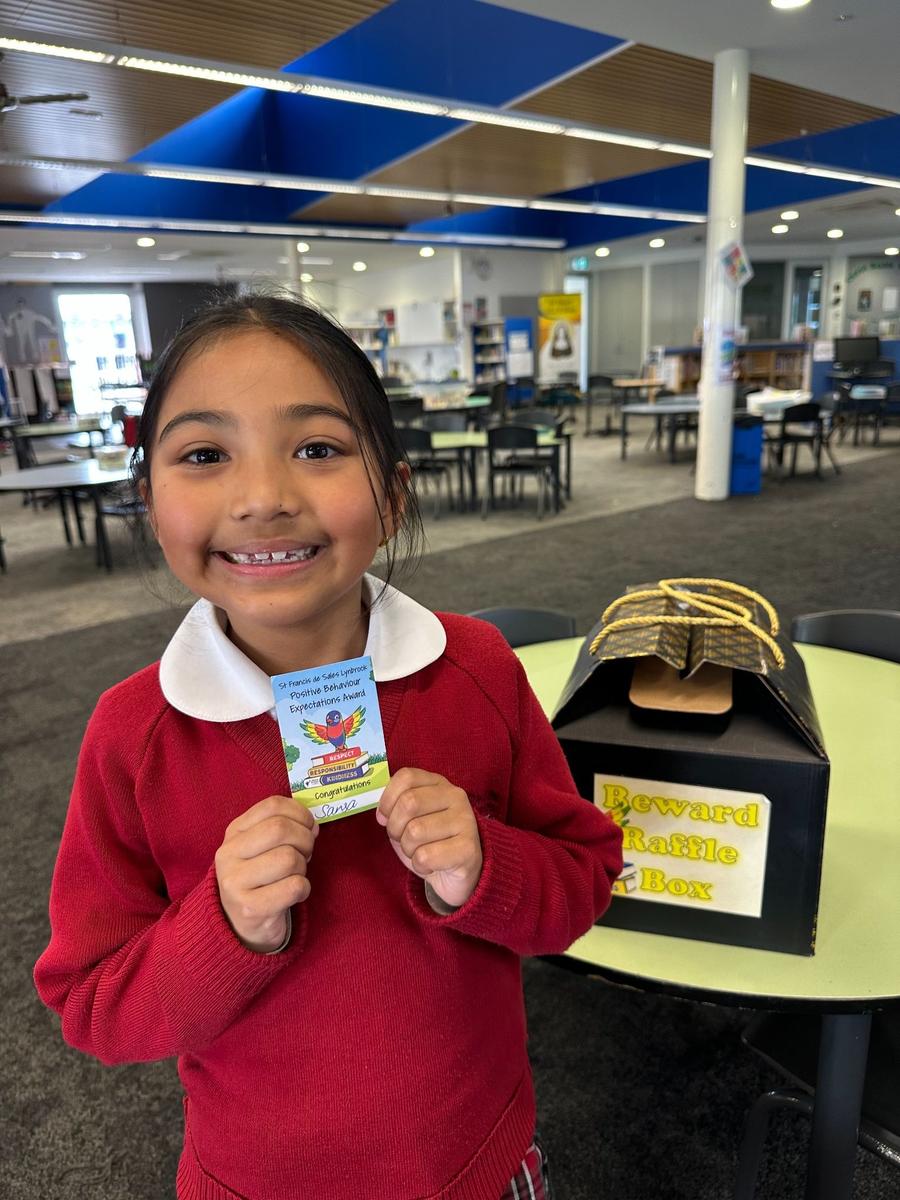
Our PBL Winners !
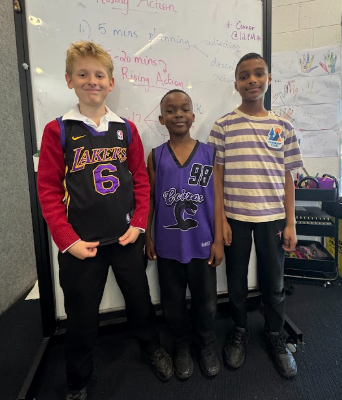
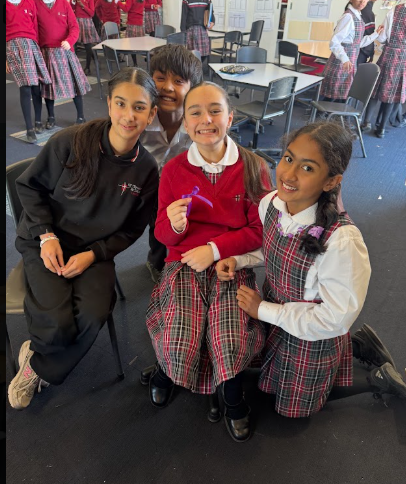
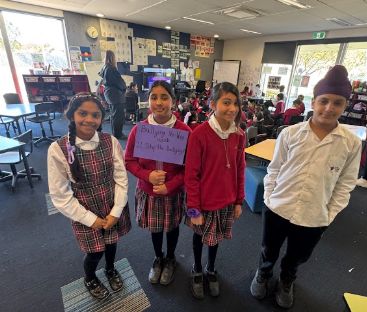
A touch of purple for National Week of Action against Bullying and Violence
It was fantastic to see our students wearing a touch of purple to school on Monday to promote the important message of National week of action against bullying and violence. The students discussed during the week this message, learnt what bullying is and what can we do if we are being bullied or someone we know is being bullied.
National Child Protection Week (NCPW)
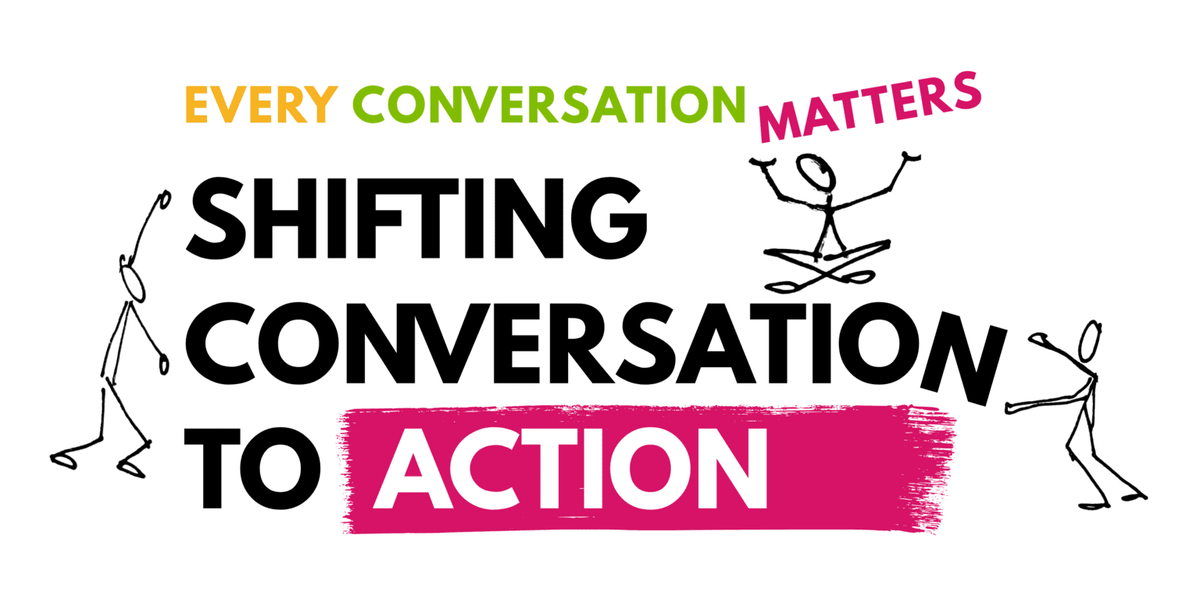
National Child Protection Week (NCPW) 2026 takes place from 6 to 12 September 2026. Organized by NAPCAN, the 2026 theme is "Every Conversation Matters: Shifting Conversation to Action", focusing on translating safety awareness into practical, community-led steps.
The purpose of NCPW is to build a shared commitment to prevention by reminding us that protecting
children is everyone’s business, not only the job of specialists or government systems. It invites all of us – parents and carers, community leaders, service providers, policymakers, neighbours and young people – to reflect on how our everyday decisions shape children’s safety and wellbeing.
By coming together during NCPW, we strengthen relationships, share ideas, advocate for change and celebrate how communities already support children, while challenging ourselves to do better and create environments where children are valued, respected and heard.
This year National Child Protection Week is driving a stronger national focus on shifting conversations into meaningful action. Conversations can spark new ideas and encourage reflection. But real change happens when those conversations translate into practical steps that create safer environments and stronger support for children and families. National Child Protection Week helps turn these conversations into action. Extending beyond the Week itself as a year-round national campaign, it brings people across Australia together to strengthen support systems, prevent harm and help children grow up safe and supported. By shifting conversation to action, we can build communities where every child not only feels heard but also experiences real safety, care and protection.
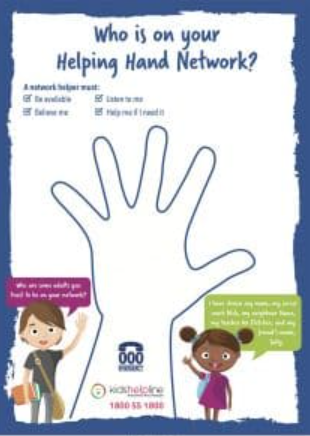
I asked the SRC students about Child Safety. Here’s what the SFS students had to say.
How do you stay safe at school?
- “By following the school expectations and PBL behaviour matrix.”
- “Not purposely doing things that might endanger or harm others.”
- “Not talking to strangers outside the gate. If someone talks to you and you don’t know them, you can walk away, ignore them or tell the teacher”.
- “Not playing with equipment in an unsafe way”.
- “Do the right thing””
- “Don’t push others and be safe and use gentle hands”.
- “We need to follow instructions from the teacher to stay safe and keep others safe”.
- “Not hurting others, we don’t use name calling and no bullying is allowed”.
What things make you feel safe at SFS?
Here is what the SRC children had to say…..
- The teachers,
- Friends
- The chickens
- The environment
- The community
Some other questions you could ask your children are:
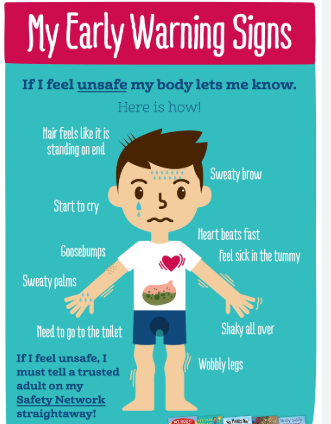
What are your body's early warning signs that tell you that you are not safe?
Who is in your safety network? The children should be able to name 5 people and know people at school and in the community that are trusted adults. It is important that parents and teachers have regular conversations with students about child safety.
I am on leave for the next week, so in my absence if you have any wellbeing or mental health concerns, please speak with Christine, Angela or your child’s class teacher about how we can
best support you and your child.
Rachel Lenko
Mental Health and Wellbeing Leader
Positive Quote for the Day