
Wellbeing
Student Wellbeing Report For September 2026
Faith
Our thoughts are with all the people in Nepal that are currently dealing with the catastrophic aftermath of a massive glacier collapse that triggered devastating flash floods on August 26th, 2026.
Celebrations
One of the best parts of my work is seeing students participating in activities outside the classroom. Students excel in so many different ways, and these opportunities allow them to showcase other talents, work with a range of different students, support other students and work with staff in a different form. Recently, we have had the Winter Sleep Out, Netball, SEED group meets every Tuesday as they tend to the veggie patch, dance performances, fundraisers being run by the Year 9 students, Year 8 students involved in working with Hobson’s Bay Council, R U OK? Day and Bullying No Way Week, and a long list of activities still to come!
Uniform
The school uniform continues to be a topic of discussion. Parents and guardians are reminded that a letter outlining our uniform expectations was recently distributed. We would appreciate your support in discussing these expectations with your child and reinforcing the importance of meeting them.
School Crossing Safety Alert
There is concern around the number of parents dropping their children off outside MSJ. Please do not pull up outside MSJ as there are bus zones. Blocking a bus zone means the public buses also get caught up in this and have nowhere safely to pull up. Your child and the safety of the other students are being compromised.
Attendance
Every day that a student is absent from school impacts their learning opportunities. Sadly many students miss assessments and whilst some students are legitimately sick, others have additional time which provides inequity as they often have additional time to prepare for tasks. We really appreciate your willingness to work with us and ask that you reach out to the Year Level and House Leaders if you are worried about your child's attendance.
Stacey Bourke - Deputy Principal, Student Wellbeing
From the Careers Team
Choosing a future pathway can feel overwhelming for many young people, but parents and carers have a significant influence on building their confidence and helping them explore the many possibilities available. The good news is that career conversations don't need to be formal or have all the answers. Often, the most meaningful discussions happen naturally during everyday family life.
The following offers practical tips and simple conversation starters to help you support your teenager as they begin thinking about their future.
Talking to Your Teen About Careers:
Parents play an important role in helping their teenager explore future career and study options. Rather than making decisions for them, your role is to encourage curiosity, build confidence, and help them better understand themselves and the opportunities available.
Career conversations work best when they happen naturally and regularly, rather than as one big discussion. Everyday moments such as driving in the car, sharing a meal, watching television, helping with homework, or discussing subject selection can all provide opportunities to talk.
Approach these conversations with a positive and flexible mindset. Remind your teen that they don't need to have their entire future planned. Most people will have multiple careers and jobs throughout their lives, and it's normal for interests and goals to change over time. Encourage them to see every experience - including setbacks - as a valuable learning opportunity.
Help build your teen's confidence by recognising their strengths, skills, interests, achievements, and values. Let them know you believe in their abilities and reassure them that there are many pathways that can lead to fulfilling careers.
Sharing your own career journey can also be valuable. Talk about the decisions you made, the unexpected opportunities you encountered, the challenges you faced, and how your career evolved. This helps teenagers understand that career paths are rarely straightforward.
Finally, ask open-ended questions that encourage exploration rather than pressure. Instead of asking, "What do you want to be when you leave school?", try asking, "What subjects or activities do you enjoy most?", "What careers have you been thinking about?", or "What would your ideal workday look like?"
These questions help young people reflect on their interests and begin exploring a range of possibilities.
The goal isn't to have all the answers today - it's to keep the conversation going and support your teen as they discover the pathway that's right for them.
Naomi Nolan & Ana Stafrace - Careers & Pathways Team
Meet Our Student Services Team
At Mount St Joseph’s, we know that wellbeing is an important part of learning, connection and feeling a sense of belonging at school. Student Services is here to support students through the ups and downs of adolescence and to help them feel safe, connected and able to thrive.
Our Student Services team includes Joanah, our Wellbeing Lead, and our Wellbeing Practitioners, Bree and Bianca. We work alongside students, families, teachers and other members of our school community to provide early support and help students navigate challenges.
How can we help?
Students may come to Student Services for support with things such as:
● friendships and relationships
● anxiety, stress or feeling overwhelmed
● managing emotions
● school engagement or attendance
● family or personal challenges
● confidence and self-esteem
● navigating change or difficult situations
● developing strategies and skills to support their wellbeing.
Sometimes a student simply needs a safe person to talk to, a little extra support or someone to help them work out their next step. We can also work with families and connect students with additional support when needs are more complex.
How can parents and carers refer?
You don't need to wait until a concern becomes significant before reaching out. If you have noticed a change in your daughter, are worried about how she is managing, or simply think some extra support might be helpful, we encourage you to connect with us.
Parents and carers can make a referral to Student Services through the link on PAM. This allows us to understand what is happening and work out the best way to support your daughter.
Our message to families is simple: you don't have to navigate things on your own. We're here to listen, work alongside you and help your daughter find her next step
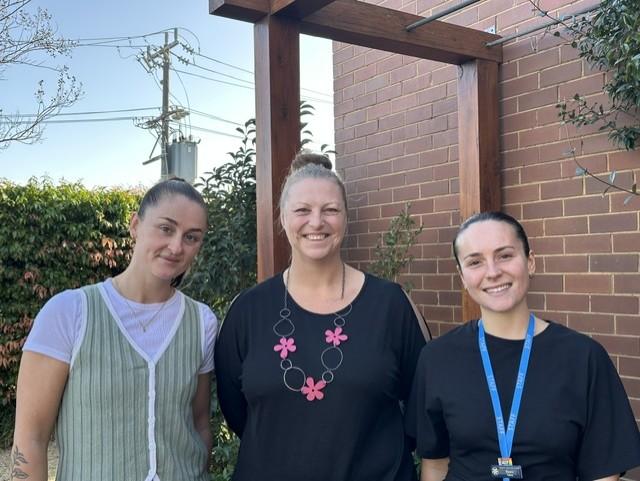
Pictured: Bree (left), Joanah (middle) & Bianca (right).
Pictured: Bree (left), Joanah (middle) & Bianca (right).
Joanah Phillips - Student Wellbeing Services Leader
Helping Your Teen Get to School When Anxiety Feels Big
For some teenagers, getting to school can feel overwhelming when anxiety is high. As parents and carers, our natural instinct can be to make things easier by allowing them to stay home. While this can feel helpful in the moment, avoiding school can sometimes make anxiety feel bigger over time. The goal is not to remove the anxiety, but to help your young person learn that they can manage it.
What can parents do?
💛 Acknowledge the feeling, without letting anxiety make the decision. Try: “I can see you’re feeling really anxious about school. That makes sense, and I know you’ve managed difficult moments before. Let’s think about what helped you then.”
🌱 Focus on strengths. Remind them of times they have managed difficult situations before: “You’ve felt like this before and you got through it. What helped you then?”
👣 Break it down. The goal doesn't have to be “feel better before you go.” It might simply be “get dressed,” “get in the car,” “walk through the gates,” or “make it to your first class.” Small steps still count.
🌱 Normalise the physical feelings of anxiety. Anxiety can show up in the body as a racing heart, nausea, tight chest, headaches, shaking or feeling breathless. These sensations can feel frightening, particularly for young people. Help them understand that their body is responding to a perceived threat and these feelings will pass. Try: “I know your body feels really uncomfortable right now. Your anxiety is showing up physically, but you are safe and we can work through this together.”
🤝 Connect them with support. Let your young person know they don't have to manage it alone. Encourage them to identify a trusted adult at school they can check in with if things feel overwhelming.
The key message:
We don't need to wait for anxiety to disappear before taking action. With the right support, young people can learn: “I can feel anxious and still go to school. I can feel uncomfortable and still cope. I am capable of doing hard things.”
And remember — school attendance is important, but so is connection. If anxiety is becoming persistent or significantly impacting your young person's ability to attend, reach out to the school so you can work together on a supportive plan.
Joanah Phillips - Student Wellbeing Services Leader
Year 9 Careers - Preparing for the World of Work
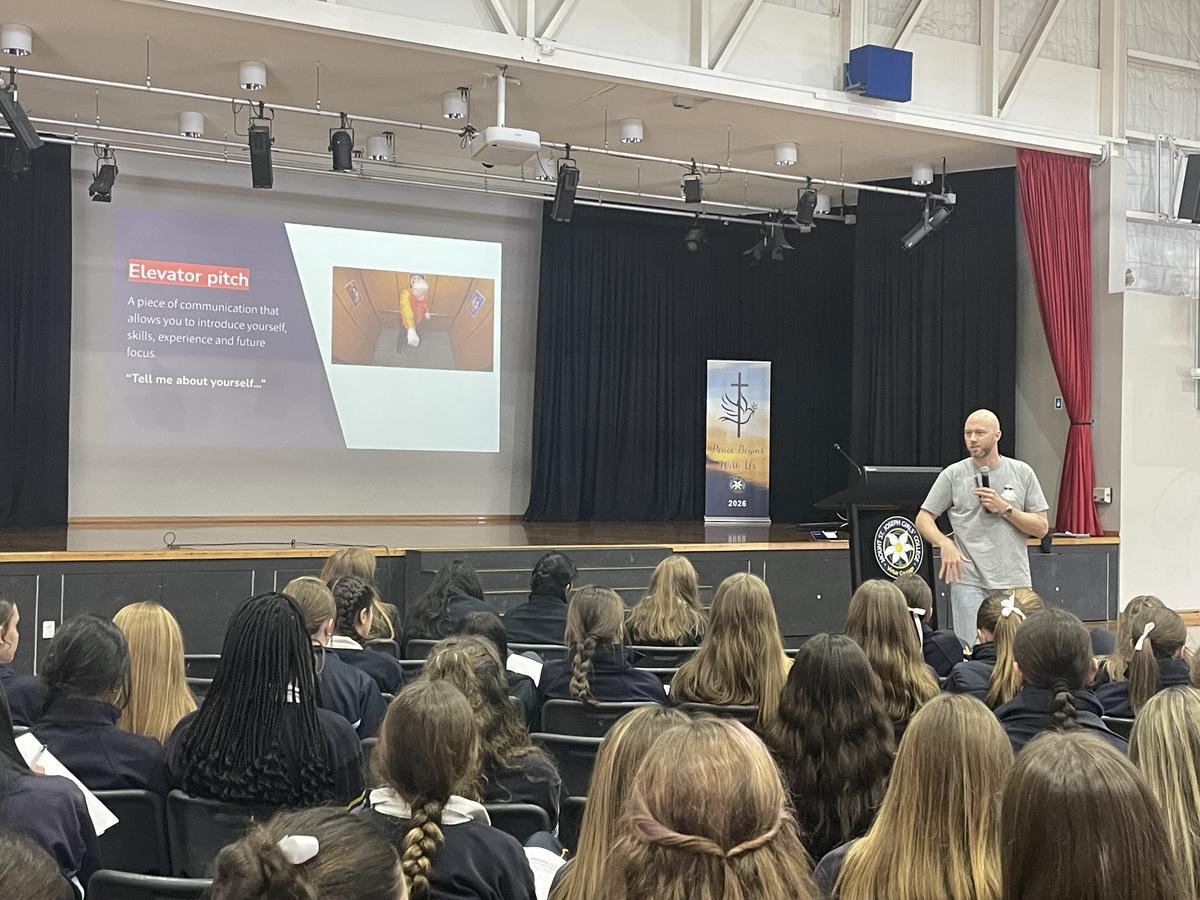
As part of the Year 9 Careers Program, students recently participated in an engaging guest speaker session with Tyson Day from Arrive & Thrive, focusing on the practical skills and confidence needed when applying for a first job.
Throughout the session, Tyson explored what employers are looking for in young people entering the workforce and provided students with practical strategies they can use when seeking casual or part-time employment. Students learned how to develop an effective elevator pitch, articulate their skills and strengths, present themselves professionally, approach employers directly and understand the importance of following up after making contact.
The session provided an excellent opportunity to consolidate the learning students have undertaken throughout the Year 9 Careers Program across Terms 2 and 3.
Student feedback was very positive. All students rated Tyson as engaging or very engaging, while 85% reported feeling confident explaining their skills to an employer and 93% felt the session reinforced learning from their careers lessons. Overall, 99% of would recommend the session for future Year 9 students.
Thanks to Tyson for an engaging and worthwhile session and for bringing it all together.
Naomi Nolan - Careers Practitioner/VET Coordinator
Peer Support Leaders - Pastoral Lesson
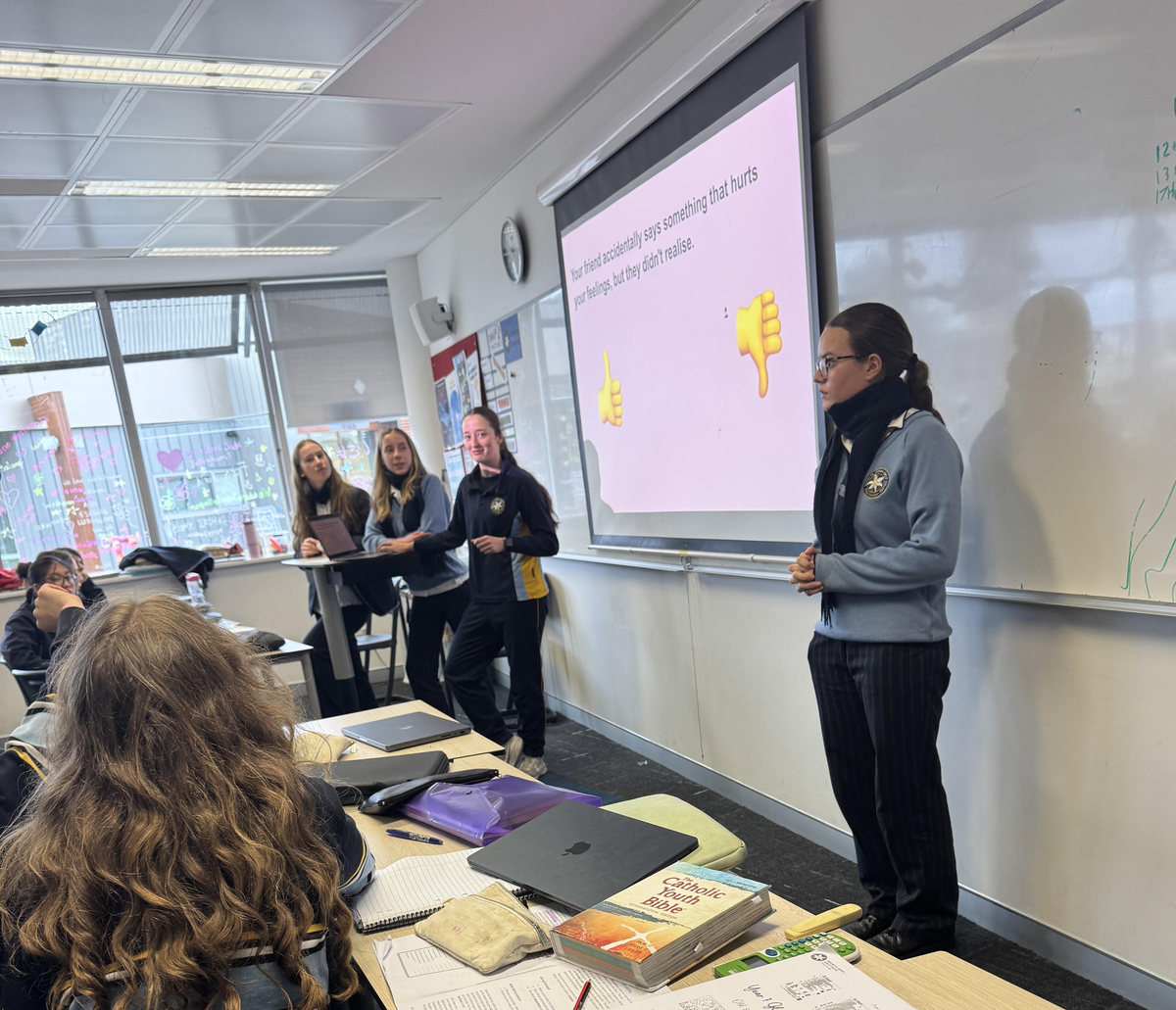
As Peer Support Leaders, we have the opportunity to work with a Year 7 class throughout the year. Recently, we spent one of our pastoral lessons focusing on important skills such as friendships, problem solving, teamwork and organisation.
We worked through a slideshow together, discussing different situations and ideas that can help us build positive friendships, work effectively as a team and stay organised. It was great to see everyone getting involved, sharing their thoughts and working together. The lesson went well, and it was a great opportunity for us to connect with the Year 7 students while helping them develop skills that they can use both at school and in their everyday lives.
To finish off the lesson, the whole Year 7 cohort took part in a Tunnel Ball competition. It was a fun way to end the session, with everyone getting involved and cheering on their teams. Overall, it was a really enjoyable pastoral lesson, and we are looking forward to continuing to work with our Year 7 class throughout the year!
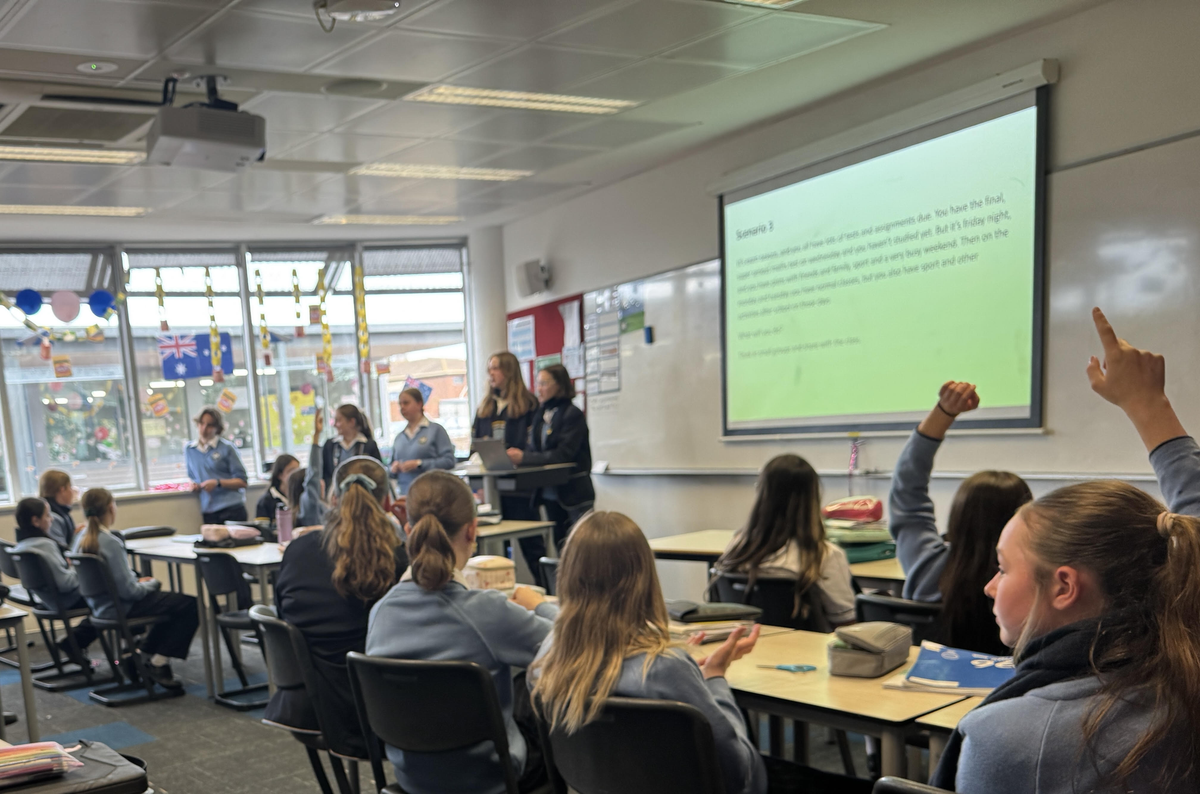
Eilidh Plumb - Kincumber 4, Year 10
Counselling Support for Students and Families
I am a counsellor/psychotherapist, clinical nutrition therapist and qualified teacher with more than 35 years’ experience supporting young people and families. Adolescence can bring change and pressure for students and their families. I offer a warm, respectful and confidential space where students can talk openly, feel heard and develop practical ways to manage challenges.
I can support students with:
· Anxiety, stress, low mood or feeling overwhelmed
· Friendship or family difficulties
· School pressure, disengagement or school refusal
· Confidence, self-esteem or gender identity
· Grief, loss and significant life changes
· Emotional regulation difficulties
· ADHD, ASD and learning-related concerns (NDIS Plans apply)
· Body image, eating or lifestyle concerns
Where appropriate, and while respecting each student’s privacy, I work with parents to support communication, wellbeing and practical strategies at home. Please have a look at my websites to get a feel for my approach: www.aprillenutrition.com.au
You are welcome to contact me directly on 0412 139 498 for a 10-minute chat to discuss whether counselling may be helpful for your young person.
Aprille McMahon - Local Counsellor, Psychotherapist & Nutritionist
90 and 95 Ferguson St, Williamstown