Wellbeing






 St Luke's Catholic College

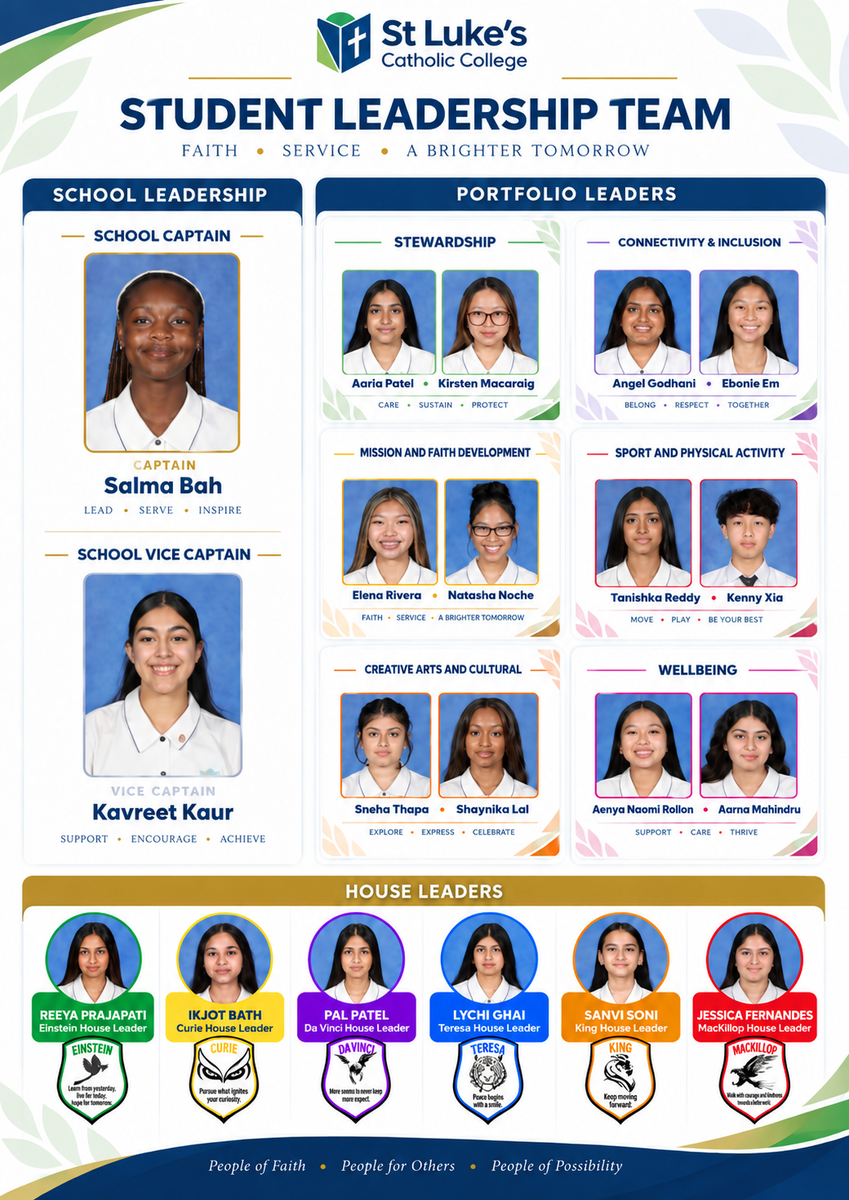
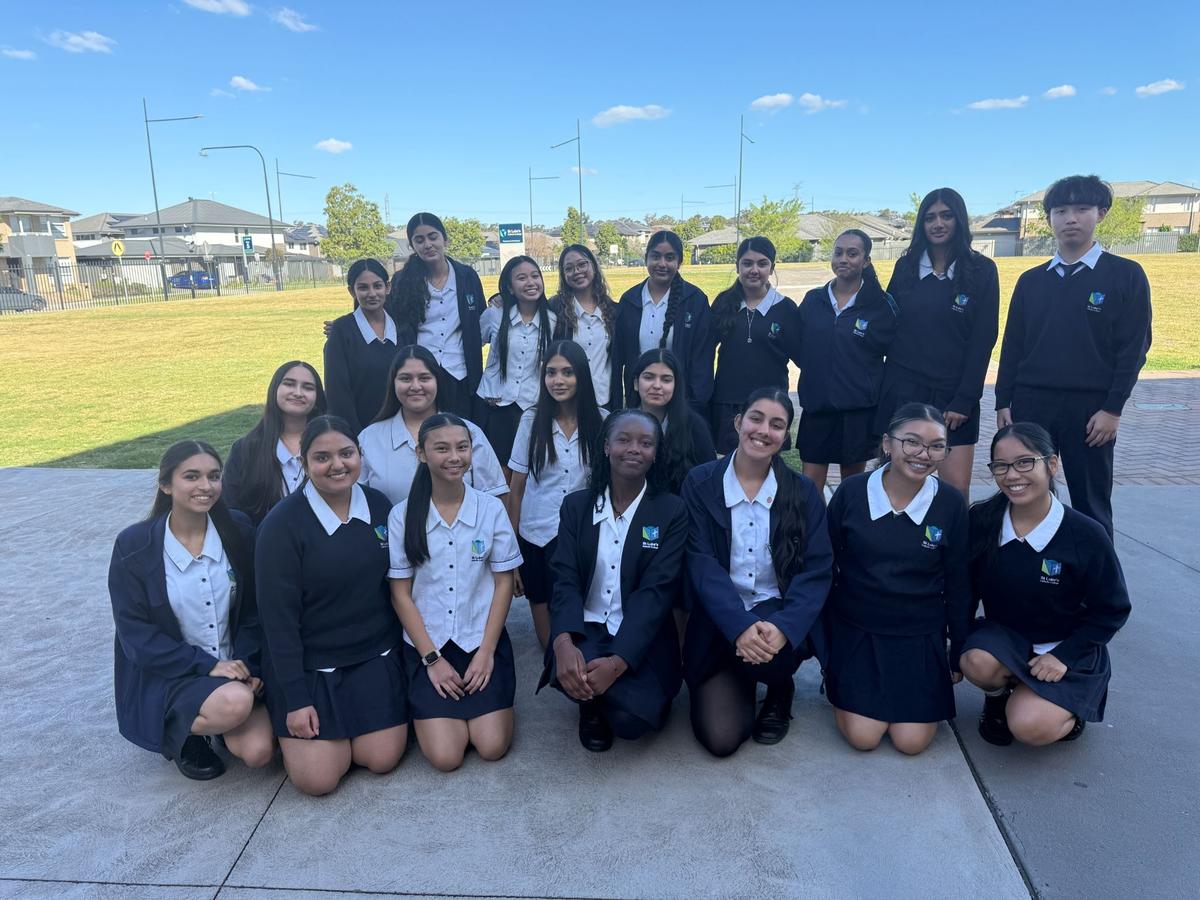
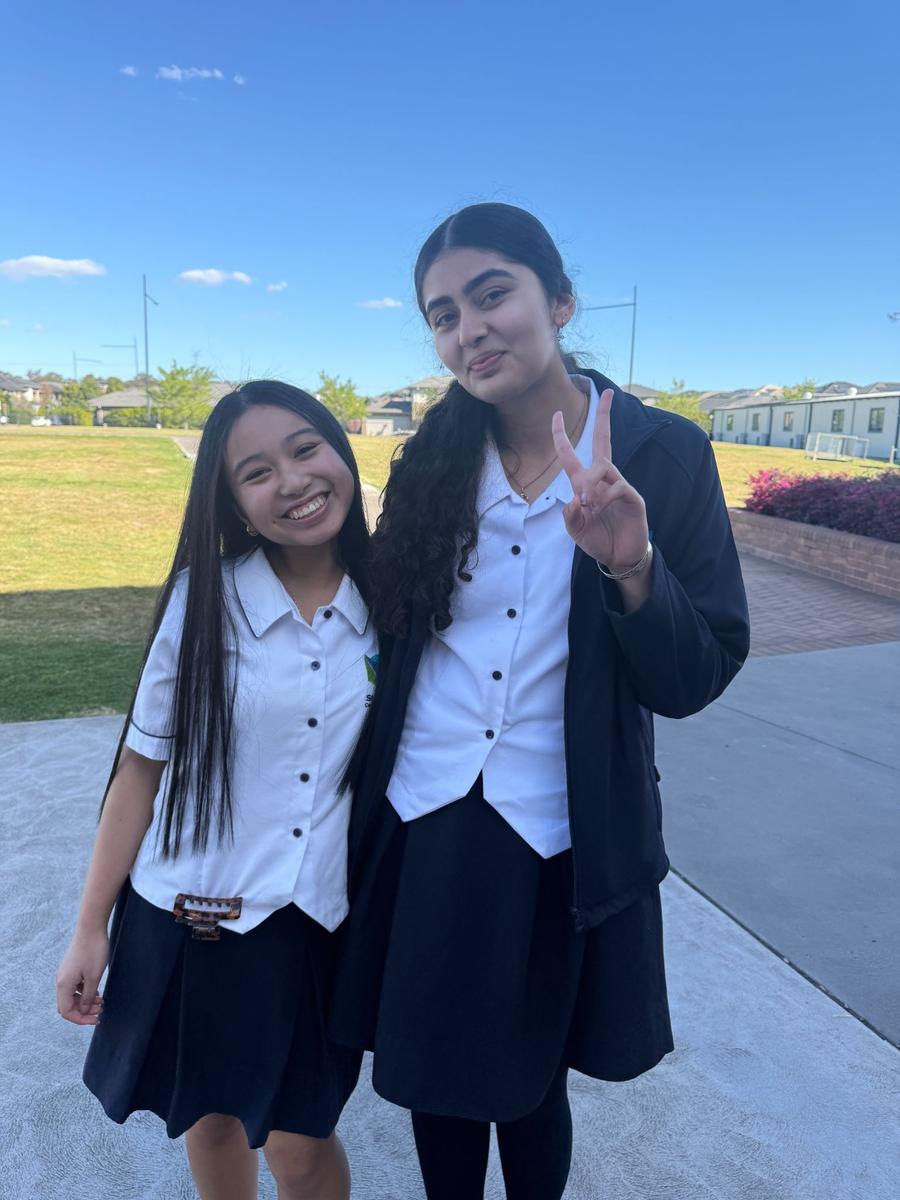
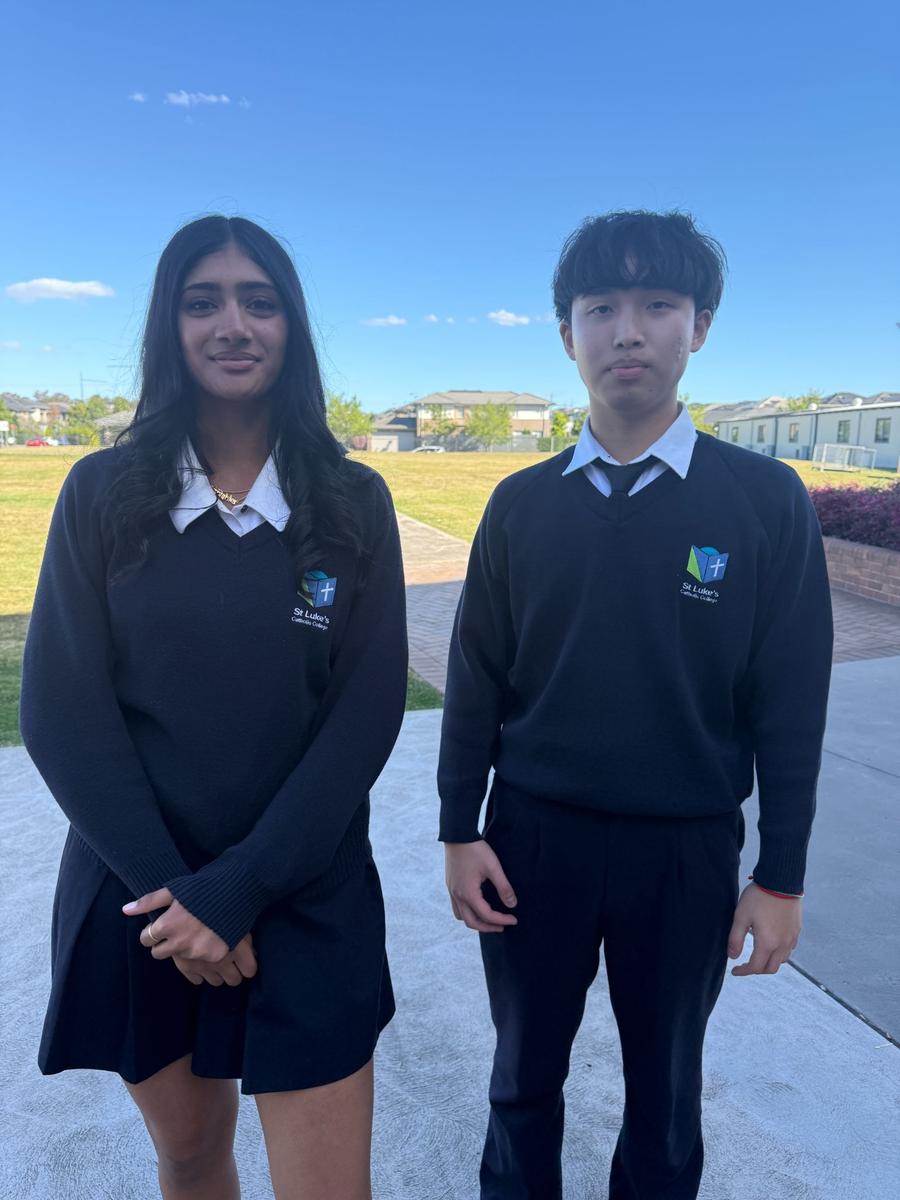
| Hi! I’m Salma Bah, and I'm blessed enough to be the St. Luke's Catholic College school captain. I'm sixteen years old, and I participate in almost every activity (except Bring it On; unfortunately, I can’t dance), and I am proudly Sierra Leonean. Some interests of mine are anime's such as JoJo's Bizarre Adventure or HXH, K-pop groups such as Twice and BTS, or Sitcoms like Superstore. | |
I possibly spend all of my money drinking Gong Cha’s Mango milk tea and thrifting at Savers and Salvos, but most of all I’m passionate about proactively and meaningfully serving. Community service in every magnitude is my passion; in many circumstances, I may be too passionate or what my mum views as an “Overload”. Service such as spending a year engaging in a Sydney Zoo conservation program, where we get to preserve through knowledge and form a project to help conserve native wildlife, or perhaps a 20-week university course (With university assessments…) on studying and applying leadership research at Western Sydney University to build upon this very moment of leadership, or parkrun, and wait for it..wake up at 6:30 am every saturday to either run a 5k or volunteer with an unwavering amount of cheerfulness, and practically anything, that anyone needs help with. Which essentially summarises who I am. For some, these activities to lead, connect and serve may seem like another chore, but they’re where I find my happiness and chance to be a part of the community. Like this role I will be embarking on, the responsibility, enthusiasm, and willingness to do it will come from a genuine and happy place within, to serve alongside and for those around me, who I hope to know more about. St Luke’s has fostered this instinct of mine through the opportunities, connections and genuine belief that each student has the potential to be more. Not merely by titles or achievements, but by what is genuinely within and yearning for the possibility to learn; nurturing any and every passion. Growing up at St Luke’s since Year 6 and now in my final year of high school has opened me up to so many experiences, insights and opportunities about myself. One of my first experiences of leadership was at St Luke's as a Year 8 Peer Companion, a program where a Year 8 acts as a mentor and facilitator for activities, aiding in the transition into more challenging classes for our younger peers. This experience redefined leadership: rather than telling others what to do, you guide, model, and provide support to their own individual brilliance. In doing so, I had gotten the experience to practice relating, managing the problems and behaviours of 9-11 year olds and communicating with them as a friend rather than another stage of authority. To this day, some of them who still remember my face and our chats wave hi and hopefully use the advice I gave to help build upon their own potential as Year 8s. This act of service, growing a deeper bond with others, the ability to ideate and uplift a positive change within the lives of my school community, summarises who I promise to be, and naturally, who I have been in the past and now in the future. My goal as a leader and the purpose of this message is to inform my school community that I am approachable, lead passionately even when I may not have the answers, and uplift the individual voices, abilities and potential within this school as it has for me. Being amongst the students, I know how it feels to want to lead but not know how. My advice would be that you do, though yes, it may not start as being a part of programs or gaining leadership awards, but it does through aiding someone with their homework, showing up when things get hard, uplifting your peers, listening and participating where no one else does, and seeing a problem within your community, then taking the courage to act. We all can lead, not the select few, simply by enacting a positive change! An outlook that has helped me is to know there’s always another step, branch to grow, knowledge to learn, obstacle to overcome. Never leave yourself stuck in believing there’s no way, when there always is. If plan A doesn’t work, there are always the 25 other letters!
| |
Sleep Matters: Supporting Our Young People to Rest, Reset and Recharge
As part of our ongoing commitment to student wellbeing, our students regularly complete fortnightly wellbeing check-ins. These check-ins provide students with an opportunity to reflect on how they are feeling and help us identify areas where additional support, education or conversation may be beneficial.
One area that continues to emerge through student responses is sleep. A number of students are telling us that they are not getting enough sleep, are finding it difficult to maintain healthy sleeping patterns, or are unsure how to effectively manage their sleep.
This is important because sleep is not simply about feeling tired the next day. Quality sleep plays an important role in learning, memory, concentration, emotional regulation, physical health and overall wellbeing. Young people who are not getting enough sleep can find it harder to concentrate, manage their emotions, solve problems, communicate effectively and remain motivated at school.
How much sleep do young people need?
As a general guide:
- Children aged 6–12 years: approximately 9–11 hours per night
- Teenagers aged 13–18 years: approximately 8–10 hours per night
During adolescence, there are also natural changes to the body's internal clock. Teenagers often begin feeling sleepy later at night, which can make early school mornings more challenging. This makes developing good sleep habits particularly important.
What can families do?
Parents and carers continue to play an important role in helping young people establish healthy sleep habits. Rather than sleep becoming another source of conflict at home, families can work together to develop realistic routines.
1. Establish a regular sleep and wake timeEncourage your child to go to bed and wake up at approximately the same time each day. Weekend sleep-ins are understandable, but ideally waking times should remain within approximately 1–2 hours of the normal school-day routine.
2. Create a one-hour wind-down periodThe hour before bed should signal to the brain that the day is coming to an end. A shower, reading, quiet music, stretching, breathing exercises or simply having a conversation can help the body prepare for sleep.
3. Keep phones and devices out of the bedroom where possiblePhones, gaming, social media and streaming can make it very easy for "another five minutes" to become another hour. Australian parenting guidance recommends avoiding digital devices during the hour before sleep and, where possible, keeping devices outside bedrooms overnight.
A family charging station in the kitchen or another shared area can be a simple strategy.
4. Talk about what is keeping them awakeSometimes the problem isn't the phone – it is what is happening inside a young person's mind.
Schoolwork, friendships, assessment pressure, family concerns and worries about the following day can all make it difficult to switch off. Encourage your child to talk about concerns earlier in the evening rather than waiting until bedtime.
Writing worries down, practising slow breathing or identifying something that can be addressed the following day can also help.
5. Be mindful of caffeine and energy drinksCoffee, tea, cola, chocolate and particularly energy drinks can interfere with sleep. Encourage young people to avoid caffeine later in the afternoon and evening.
6. Encourage physical activity and daylightRegular physical activity and exposure to natural light—particularly in the morning—can help regulate the body's natural sleep-wake cycle.
7. Make the bedroom a place for sleepA bedroom that is dark, quiet, comfortable and relatively cool can support better sleep. Where possible, homework, gaming and extended phone use should occur somewhere other than the bed.
8. Work with your young person rather than simply setting rulesParticularly with teenagers, ask:
“What is making it difficult for you to sleep?”
Then work together to identify one small change they believe they can realistically make.
It might be putting their phone away 30 minutes earlier, reducing an afternoon nap, beginning homework earlier or setting a consistent wake-up time.
Small changes maintained consistently are often more effective than attempting to completely change a routine overnight.
When should parents seek additional support?
Occasional poor sleep is common. However, if sleep difficulties continue for several weeks, or you notice that tiredness is significantly affecting your child's mood, attendance, learning, relationships or ability to function during the day, it is worth speaking with your GP or an appropriate health professional.
A conversation worth having
This week, we encourage families to have a simple conversation at home:
"Are you getting enough sleep to feel like yourself the next day?"
Sleep is one of the foundations of wellbeing. By helping our young people understand and manage their sleep now, we are also helping them develop an important lifelong wellbeing skill.
As a College, we will continue using our regular student wellbeing check-ins to listen to our students, identify emerging needs and provide support and education in the areas that matter most to them.
Sleep Ninja is designed for use during the day (not at bedtime).
The app leads young people through six training sessions that include:
- The importance and role of sleep.
- How to become aware of any habits contributing to poor sleep (e.g., sleep environment, daytime routine, bedtime routine).
- Behavioural and cognitive strategies to change unhelpful sleep patterns.
Sleep Ninja is a free app and can be downloaded from Sleep Ninja app - Apple App Store and Sleep Ninja app - Google Play Store.

Student Leaders Visit Arrunga
Our student leaders have demonstrated what it truly means to lead through service, initiative and connection.
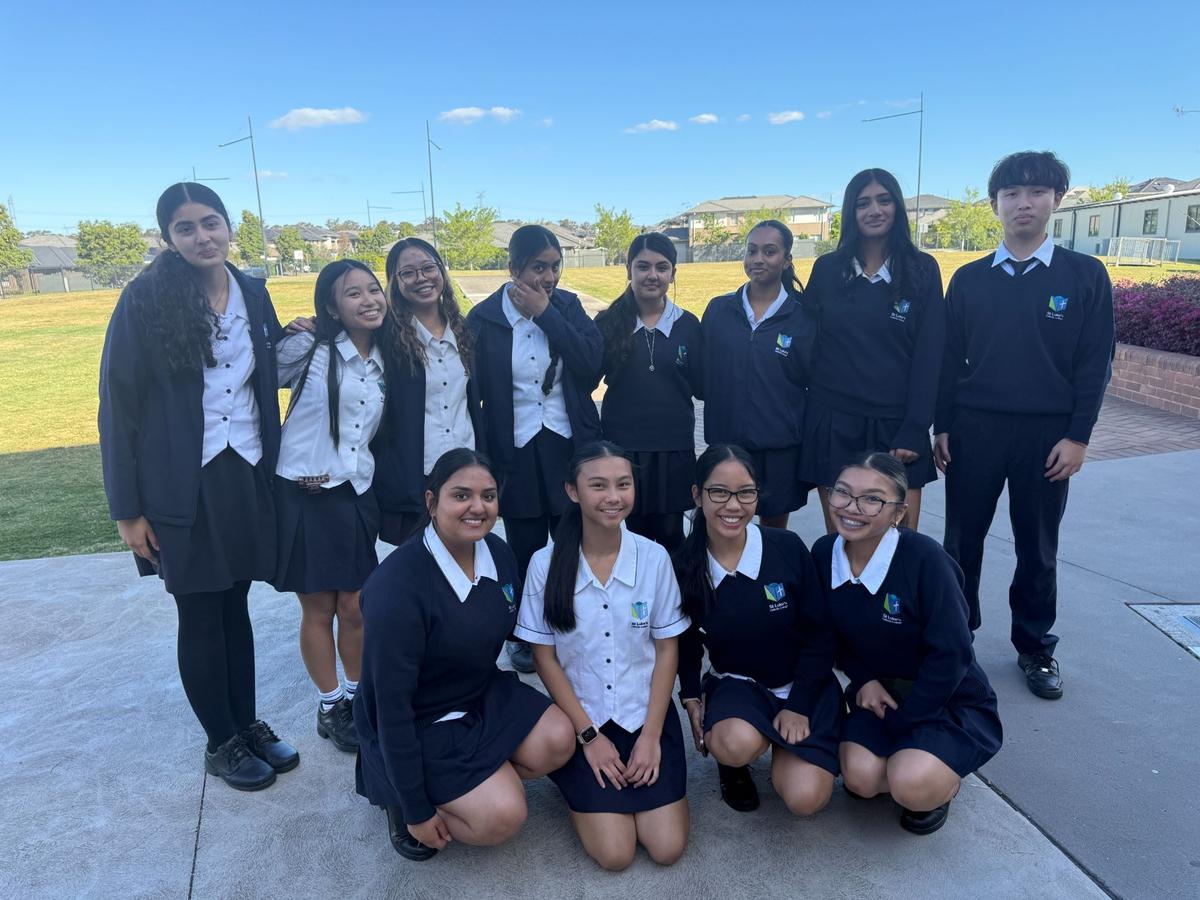
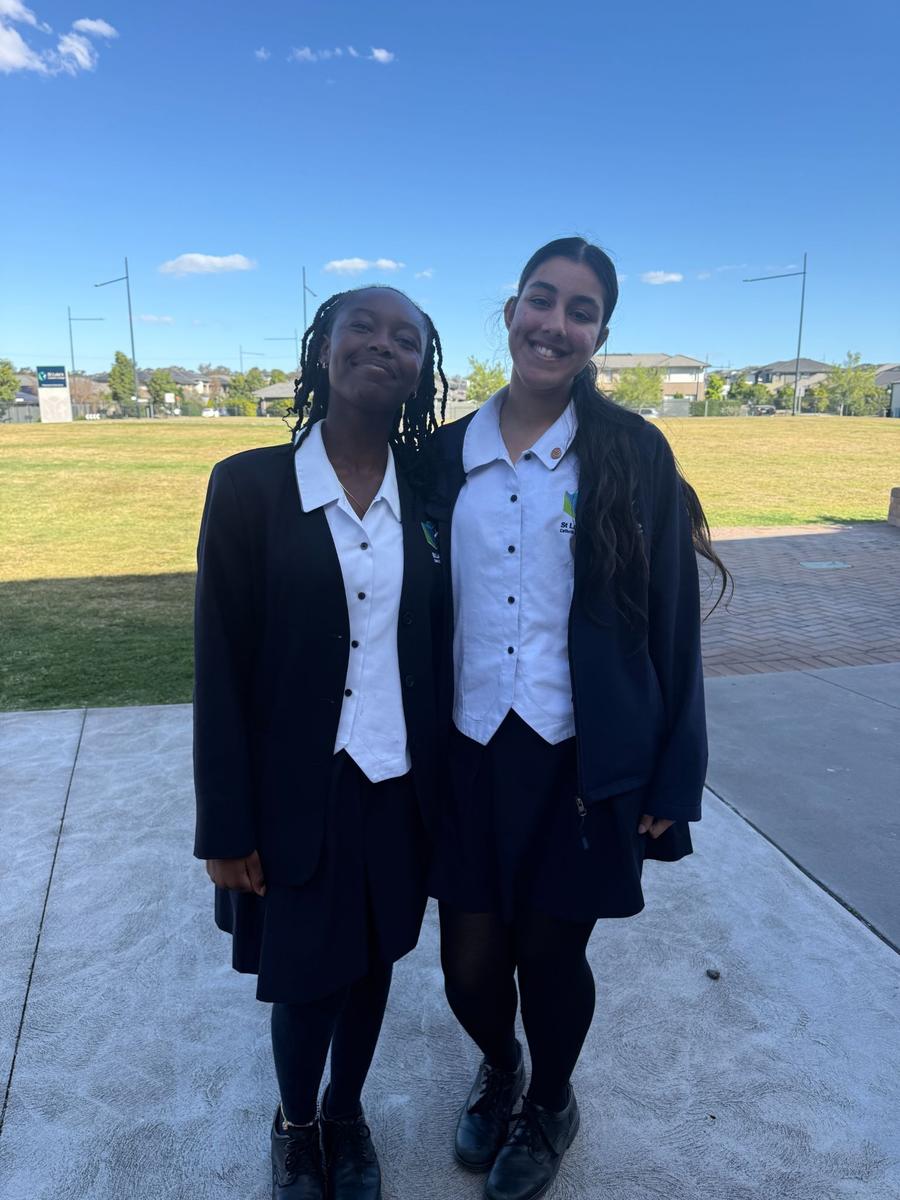
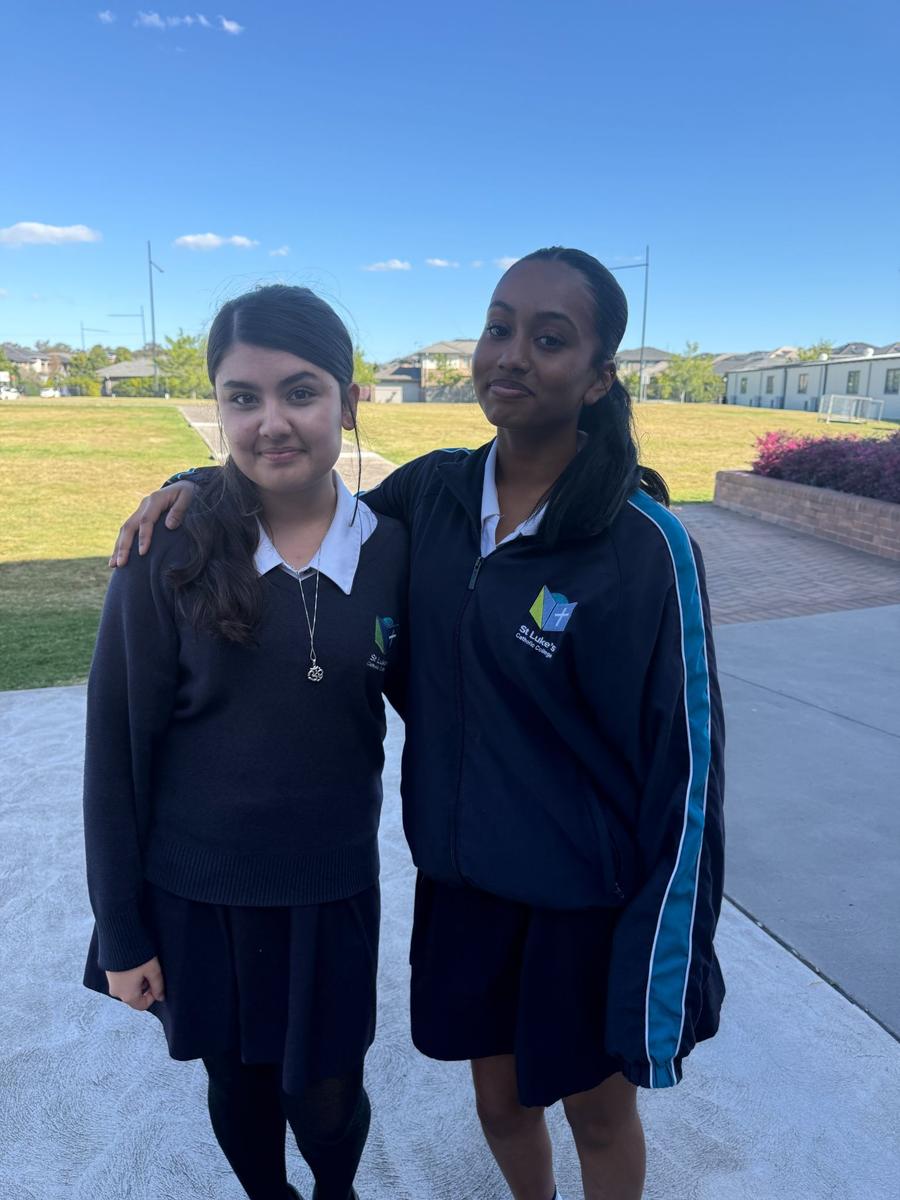
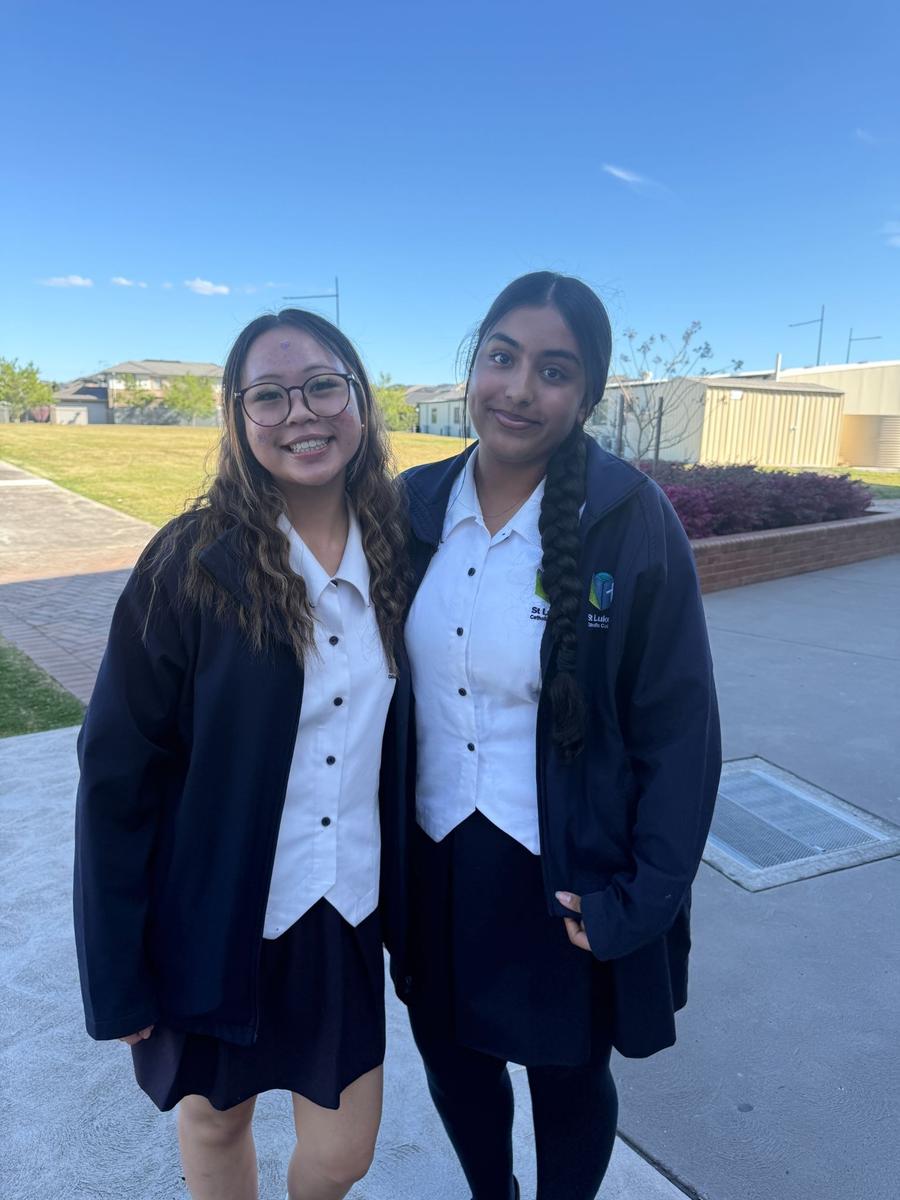
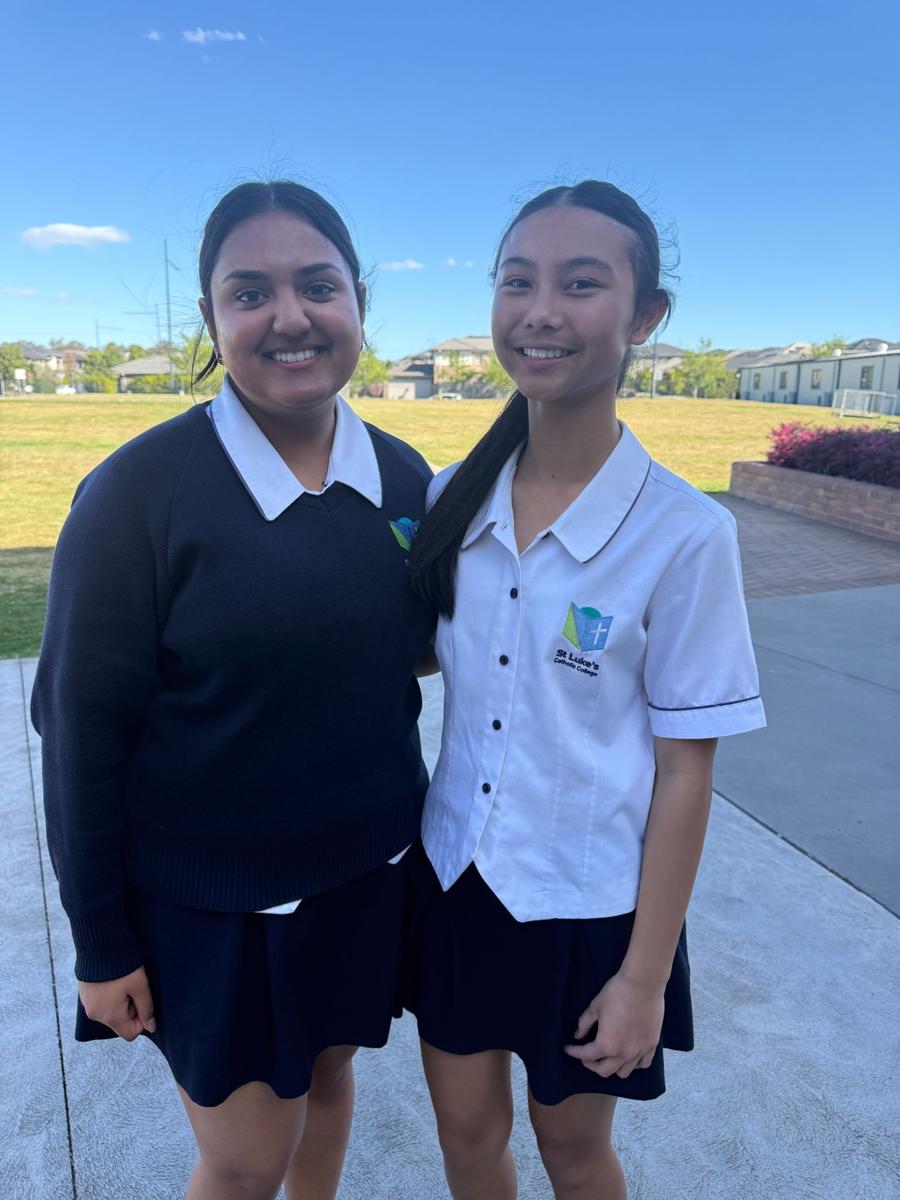
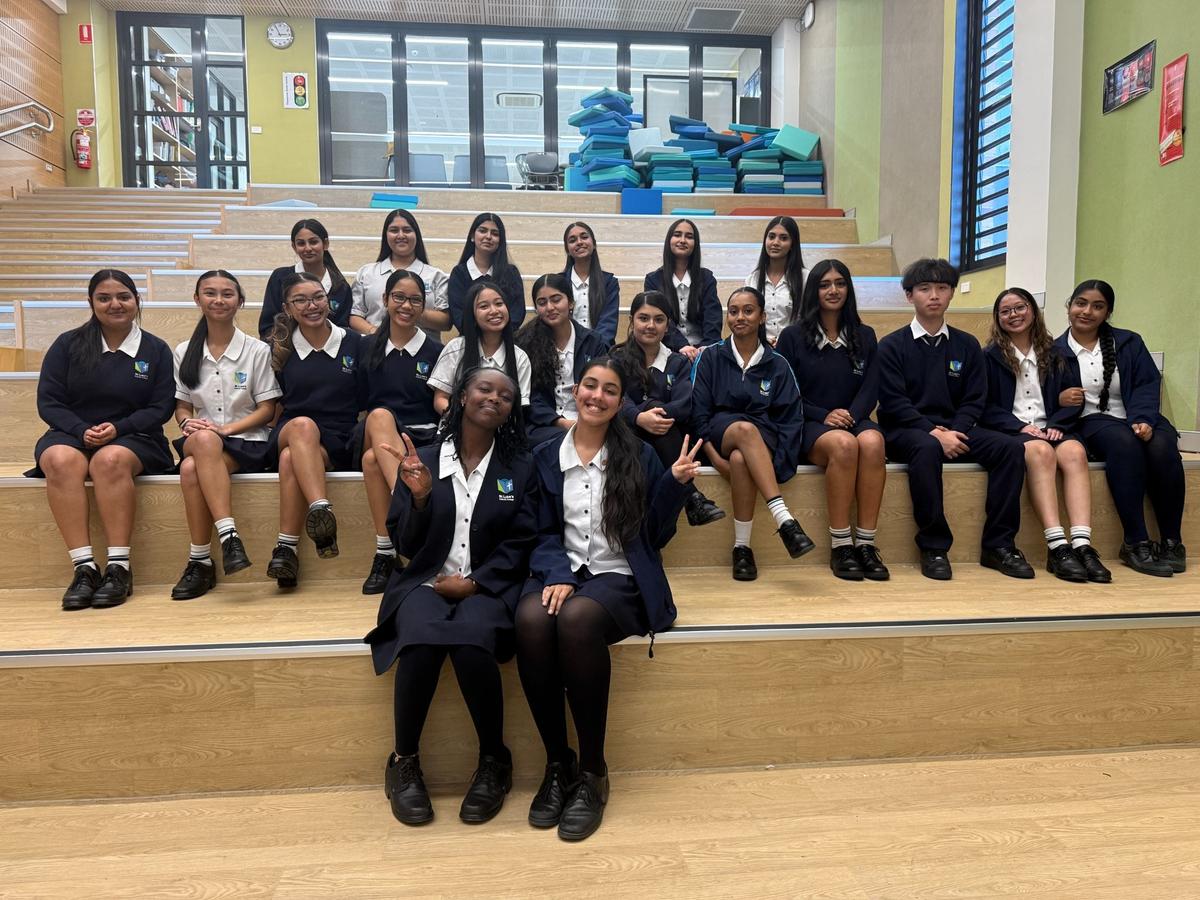
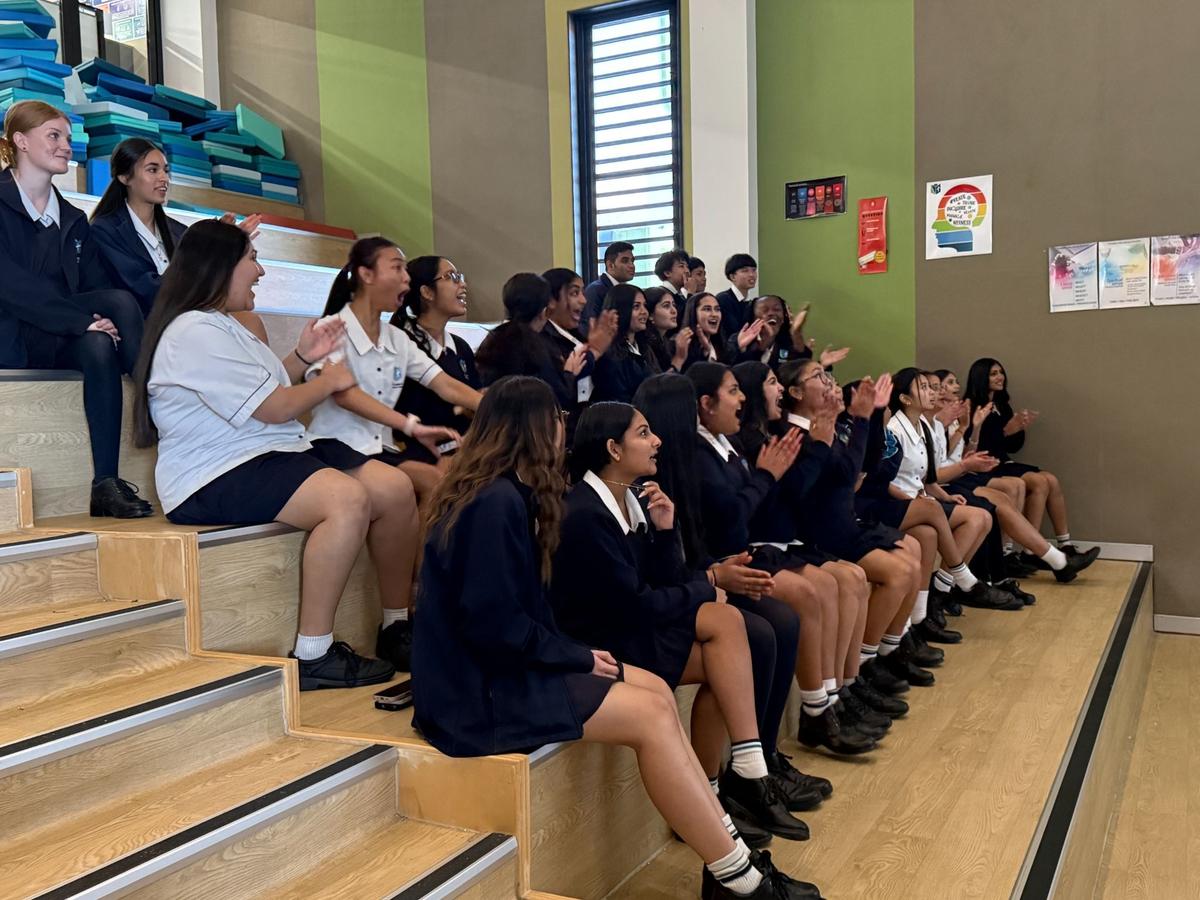
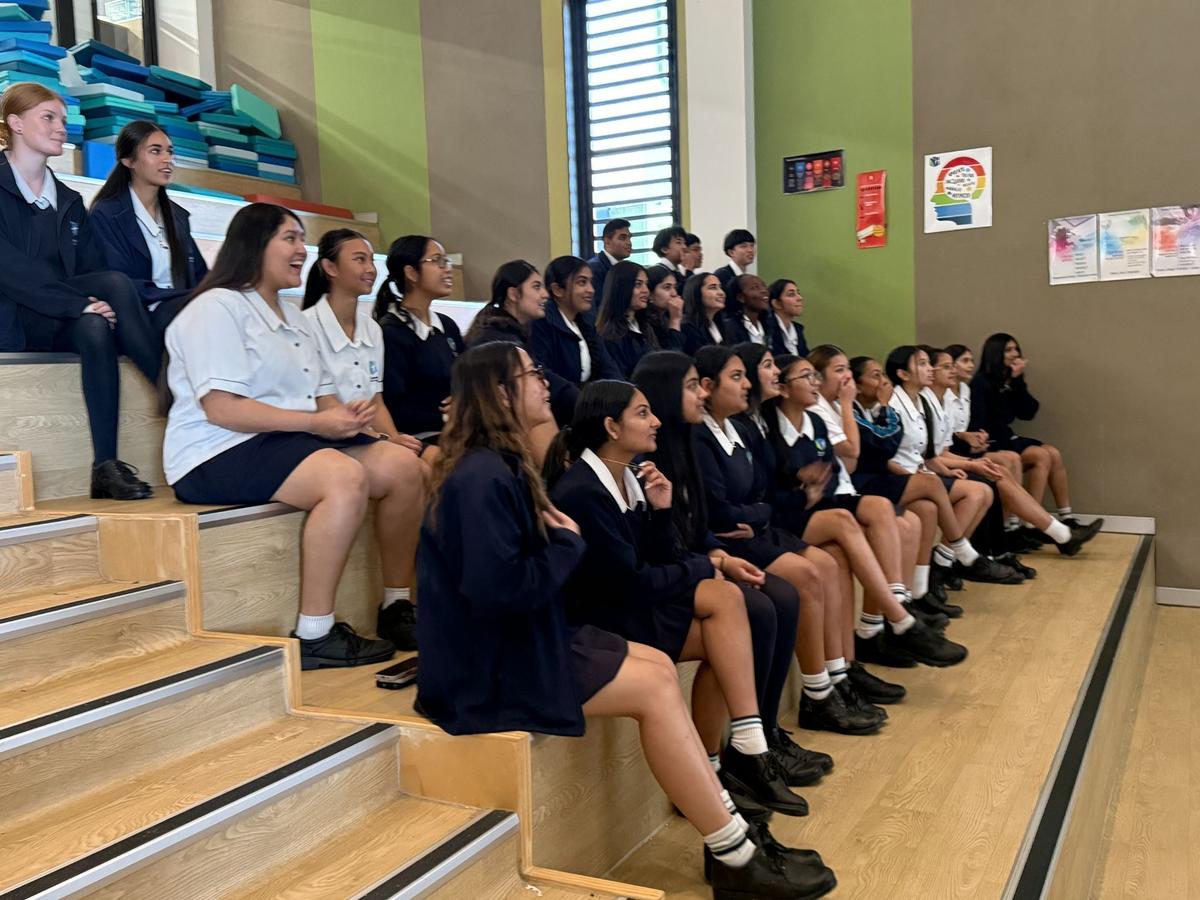
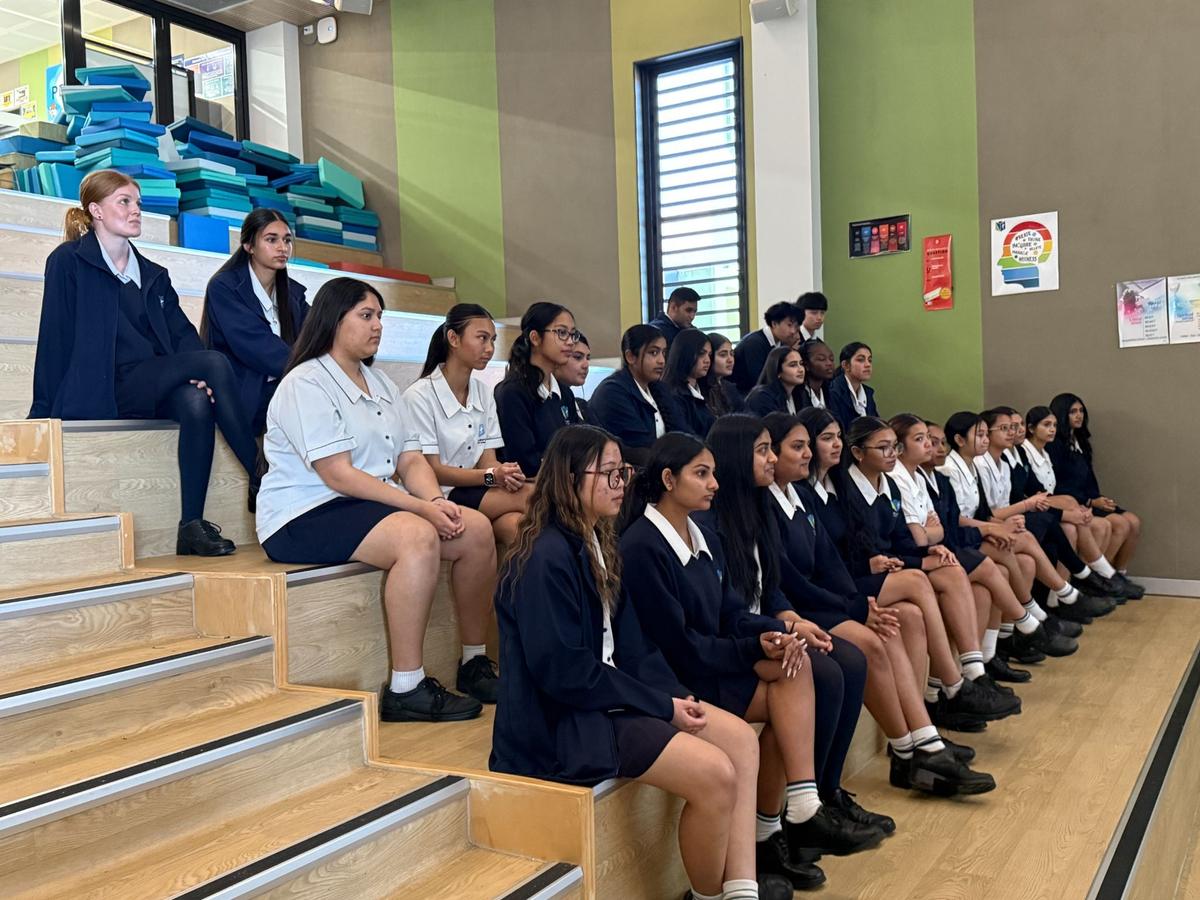
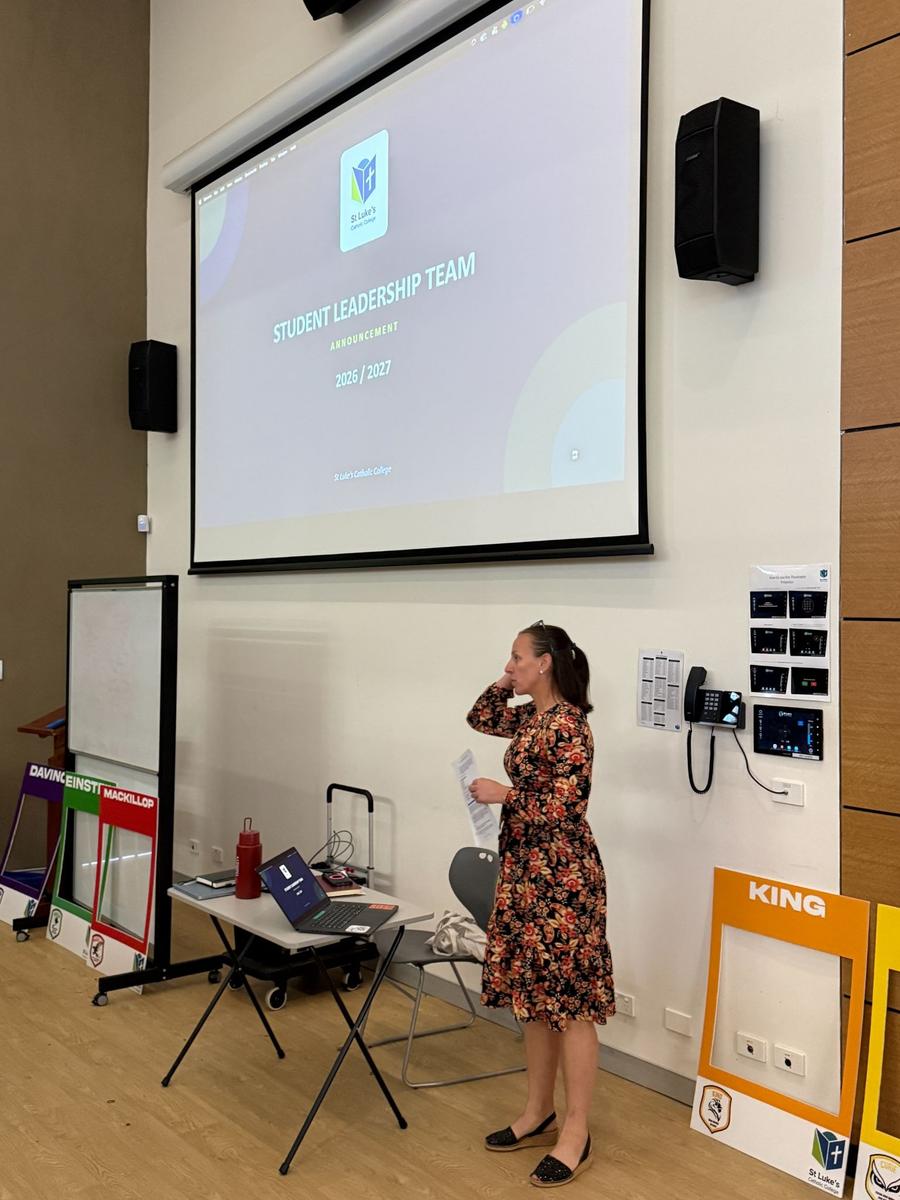
Our Connectivity and Inclusion Leaders, Natasha and Simran, have taken the lead in organising opportunities to support students in Years 9–12 during a particularly busy period of Preliminary and HSC preparation. Their initiative has provided practical support for their peers while helping to strengthen a culture of encouragement and connection across the College.
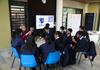
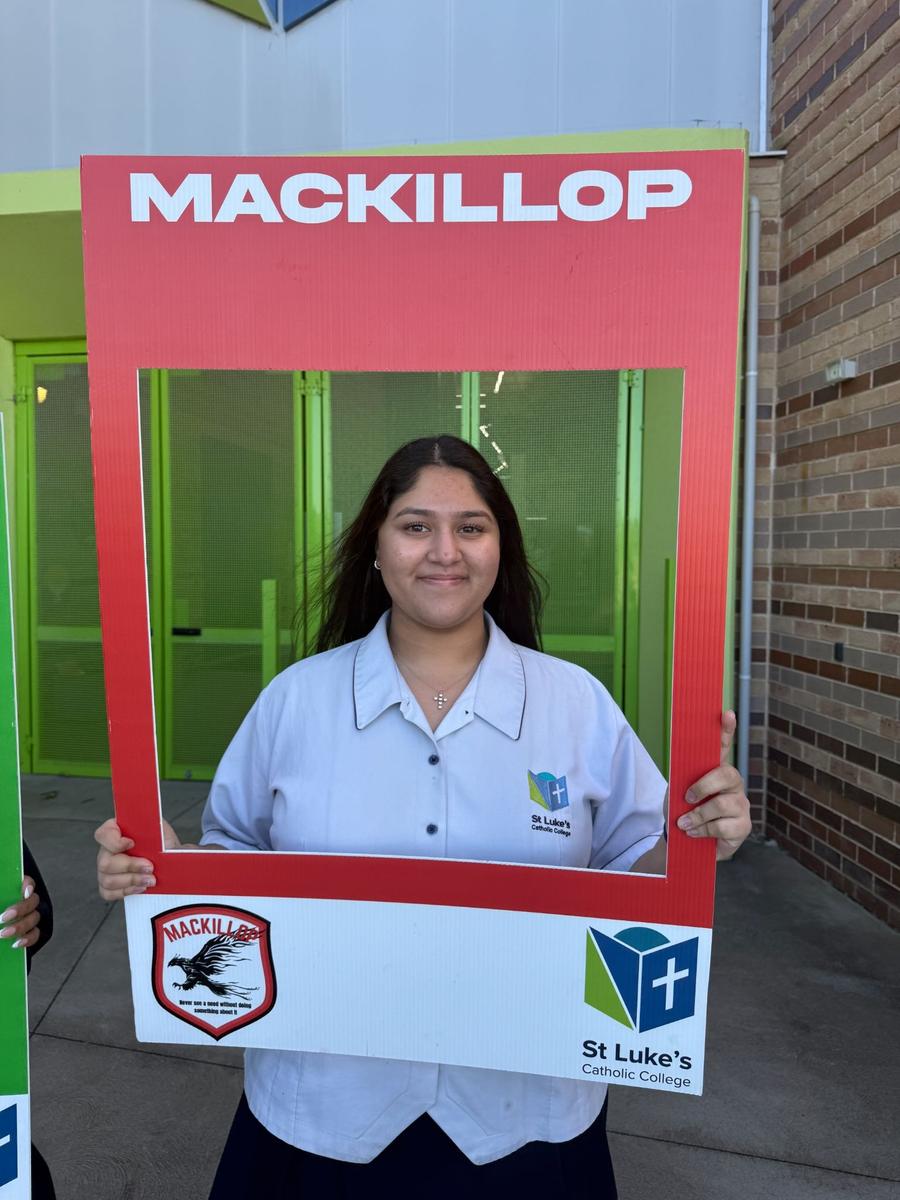
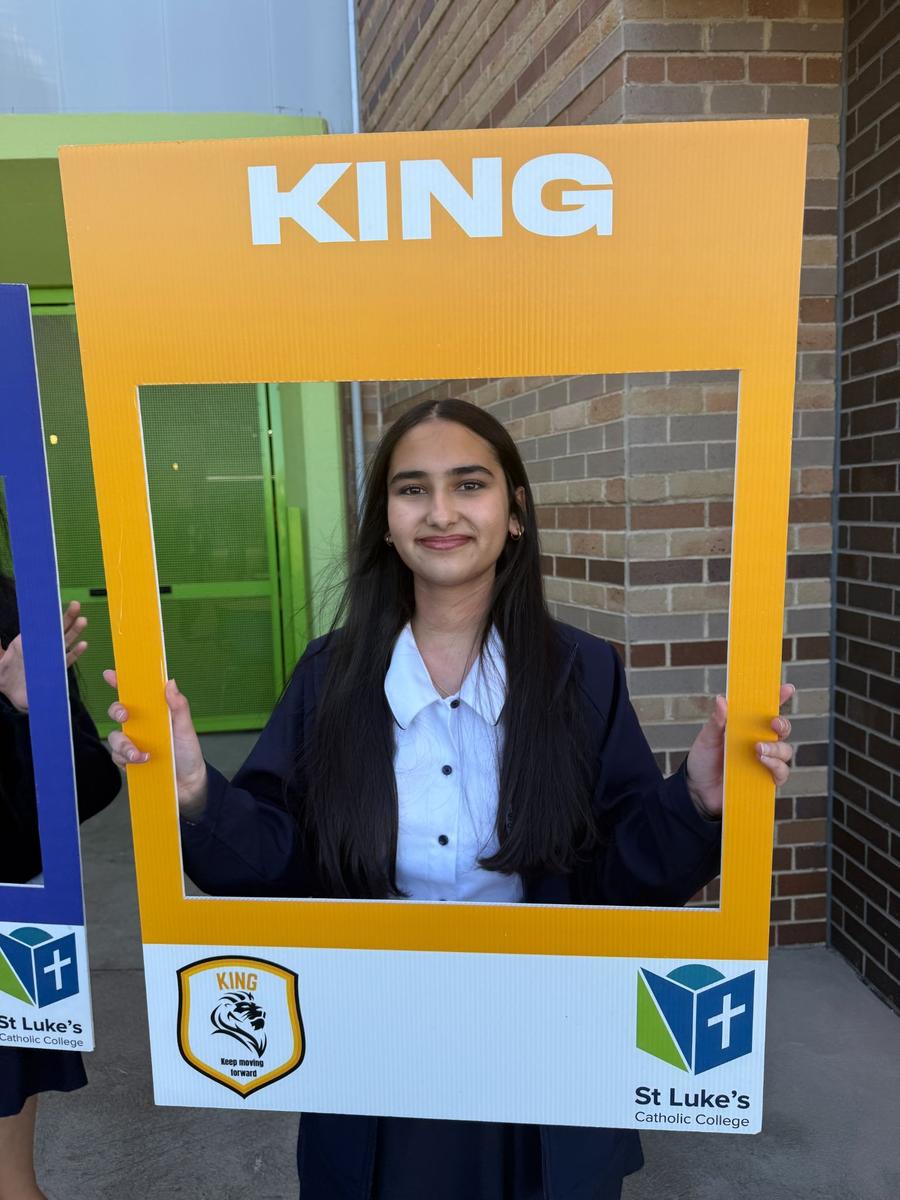
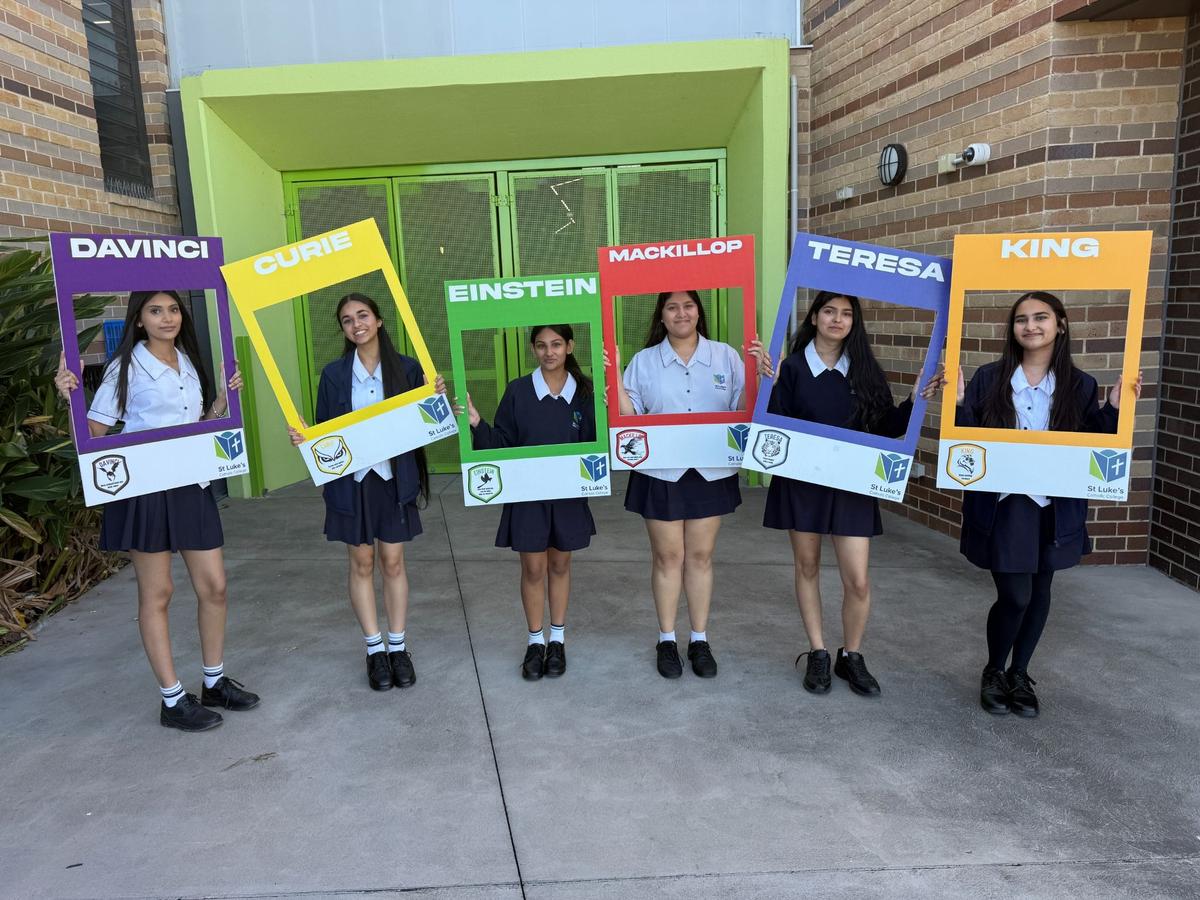
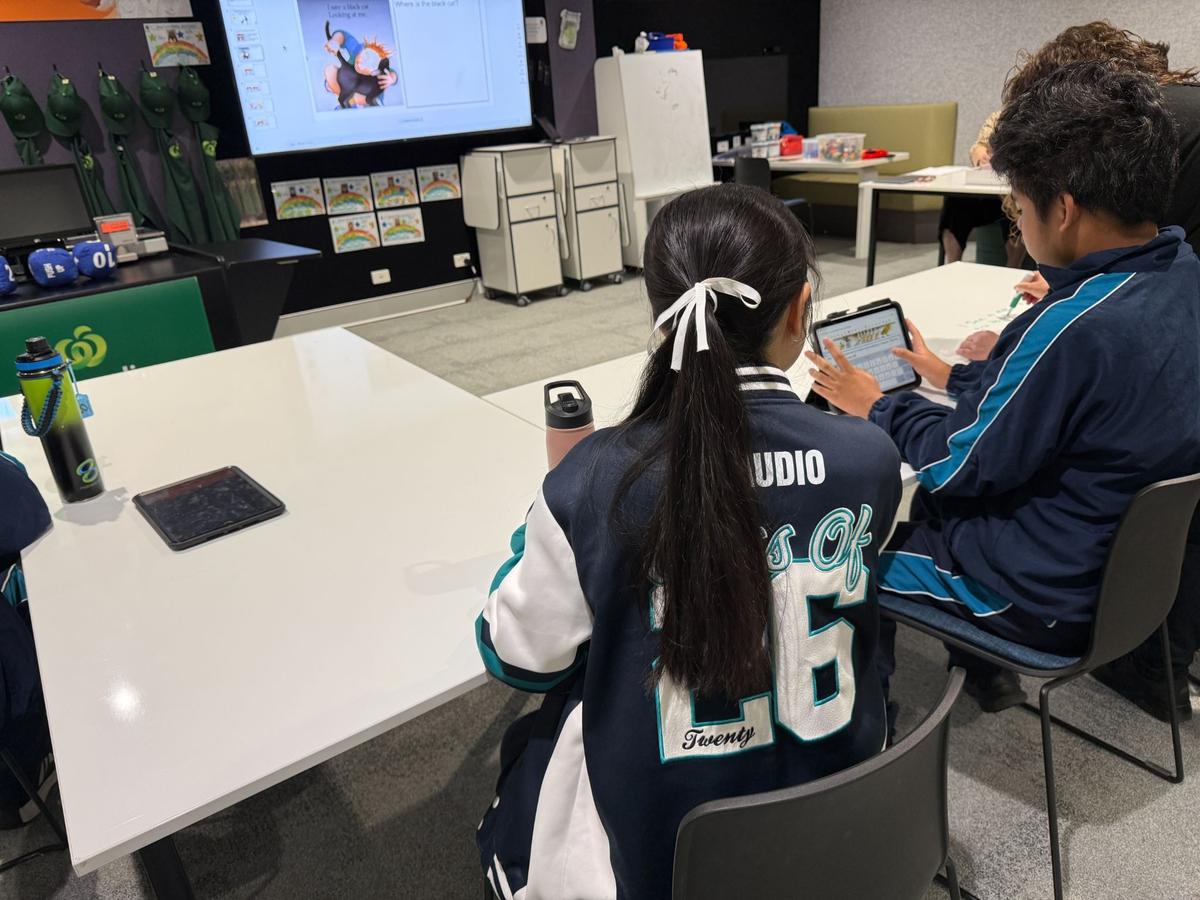
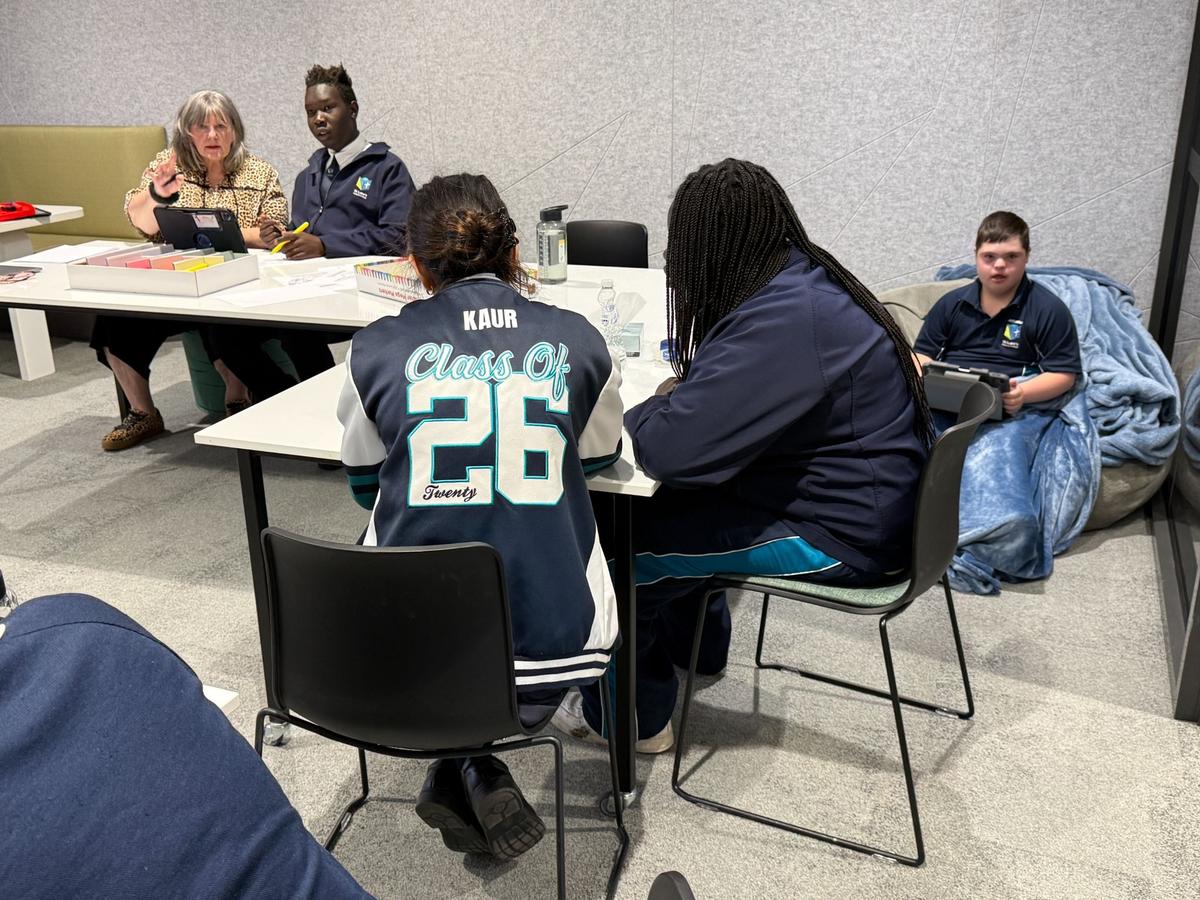
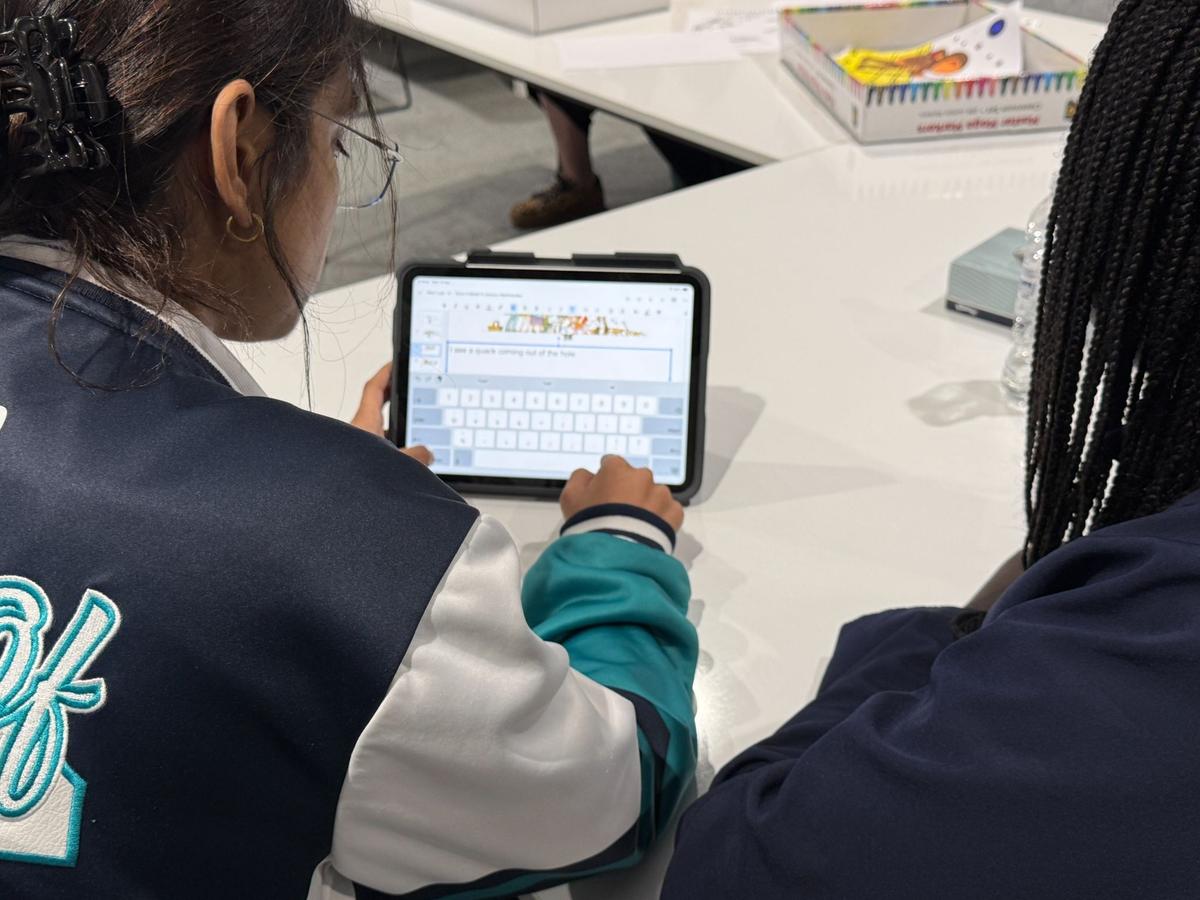
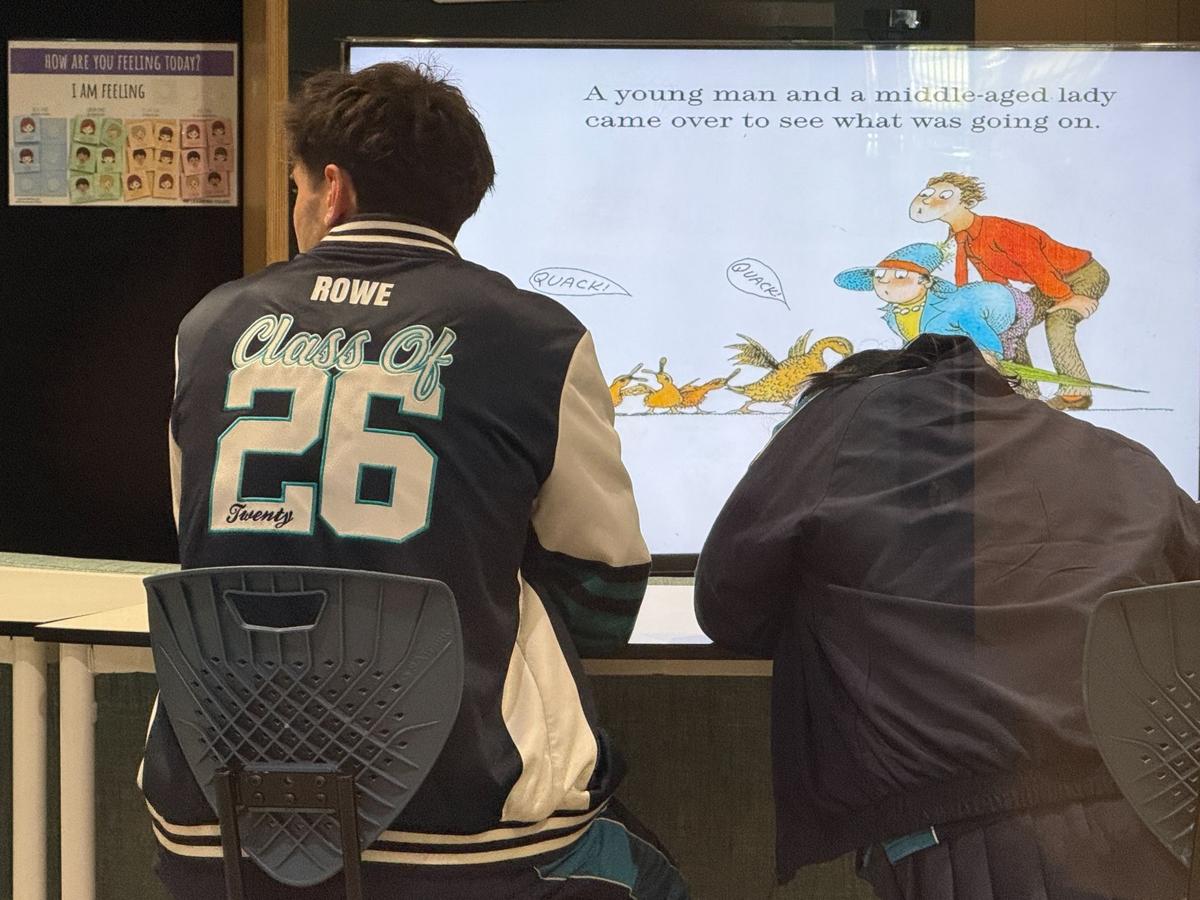
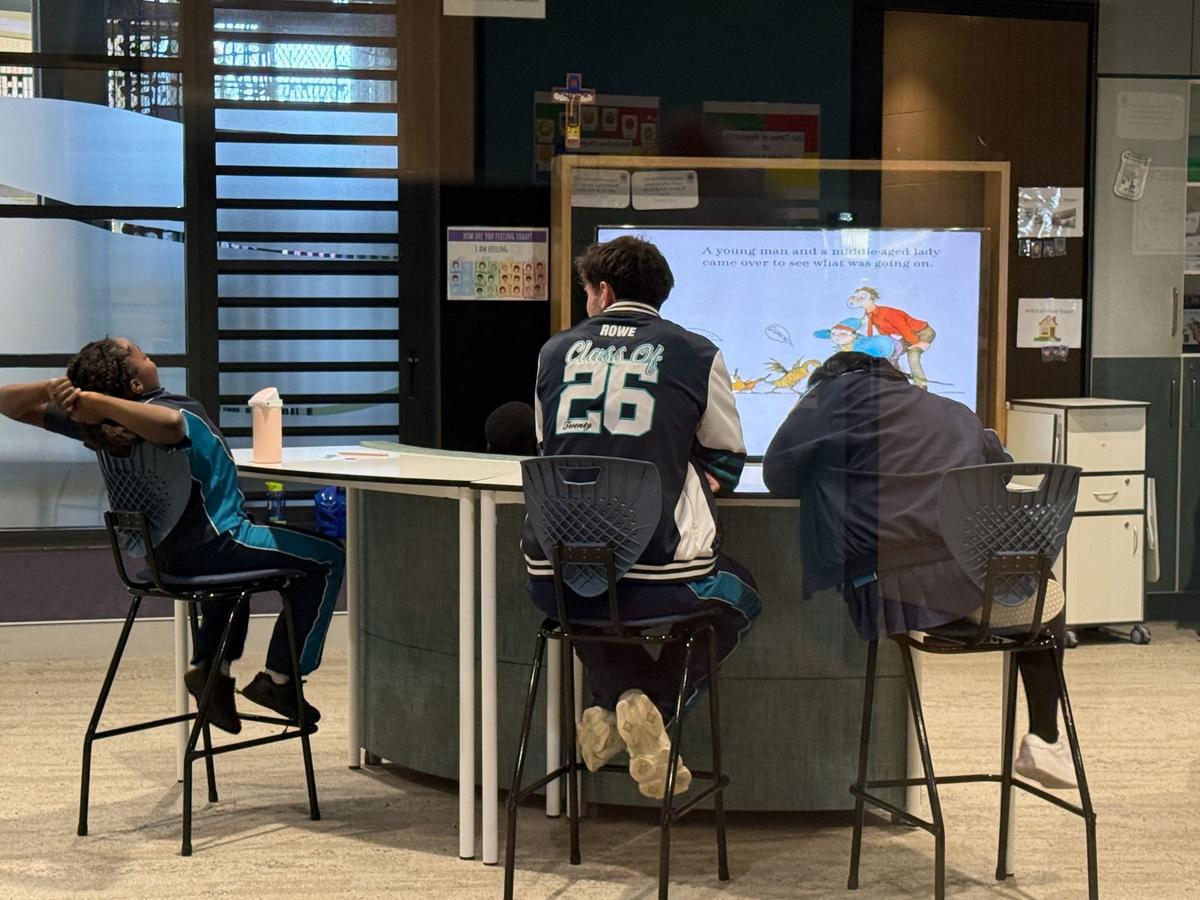
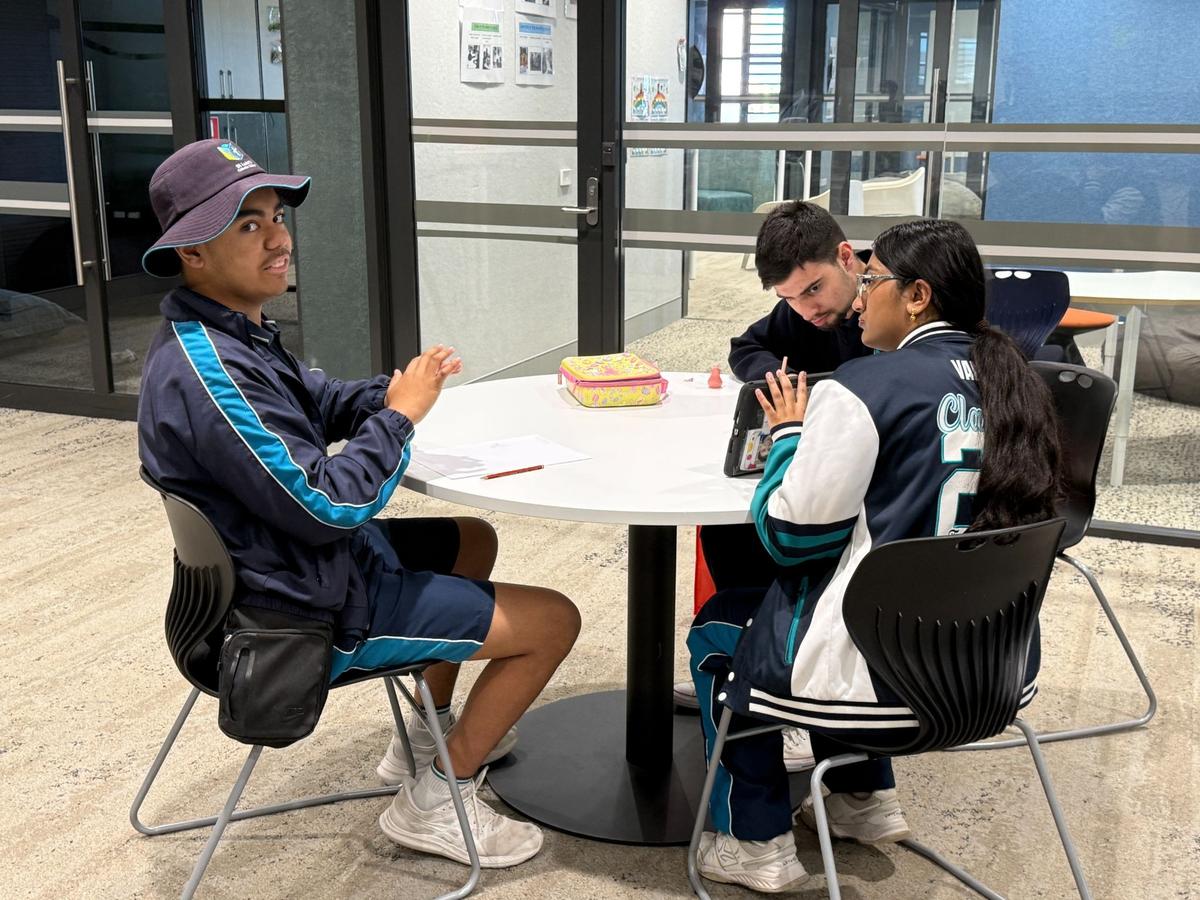
Natasha and Simran also coordinated an opportunity for a number of SRC members to visit Arrunga. Working alongside staff, the students organised two groups across the morning, giving our student leaders the opportunity to connect with and support another important part of our school community.
This initiative is a wonderful example of student leadership in action. Rather than leadership being simply about holding a title, our students are demonstrating that leadership is about recognising the needs of others, taking initiative and finding meaningful ways to contribute.
It was particularly pleasing to see the values of connectivity and inclusion reflected so strongly in their actions. Natasha and Simran not only developed the initiative but also encouraged other members of the SRC to become involved, creating further opportunities for students to lead through service.
We congratulate Natasha, Simran and all of the SRC members involved for the way they have represented our College community and demonstrated that genuine leadership is about bringing people together, supporting others and making a positive difference.
Year 9 Student Development Day – Building a Positive Culture
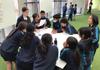
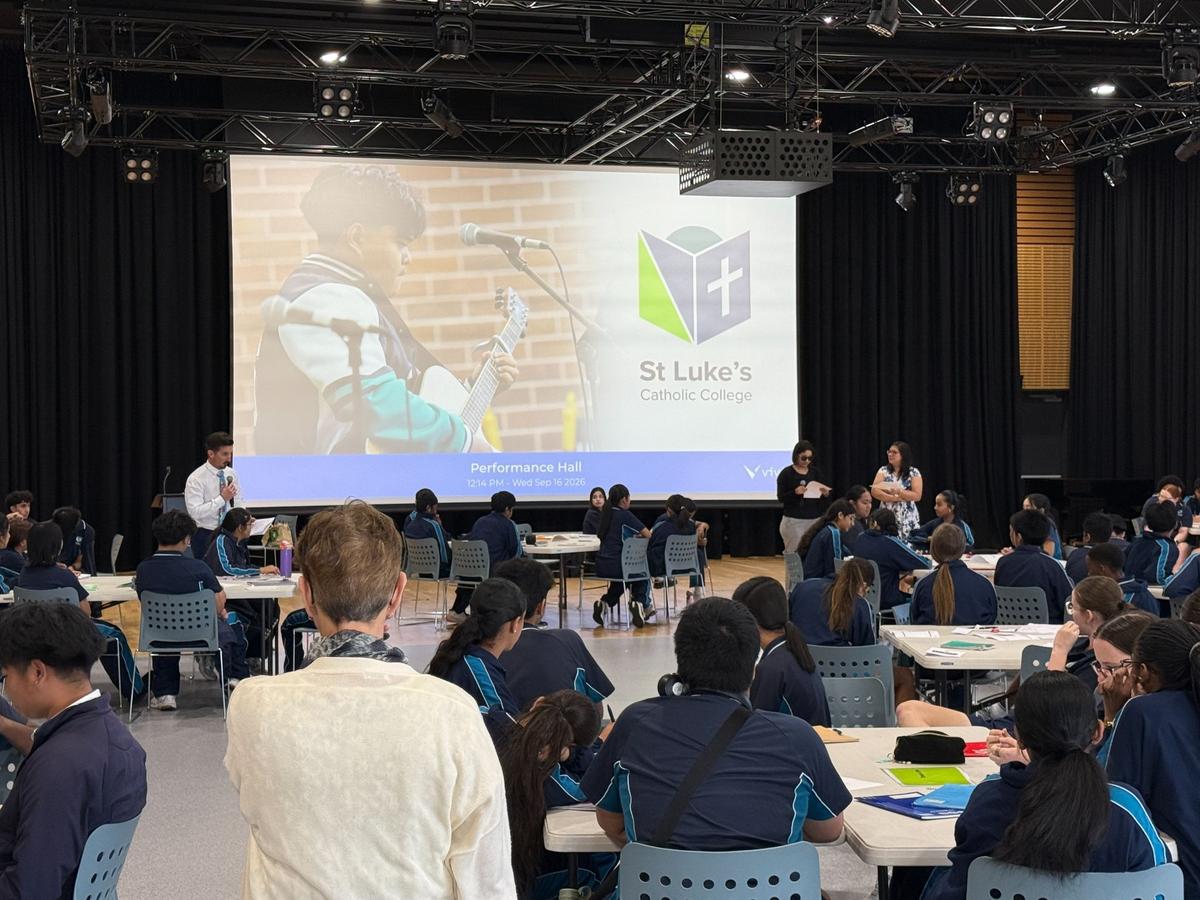
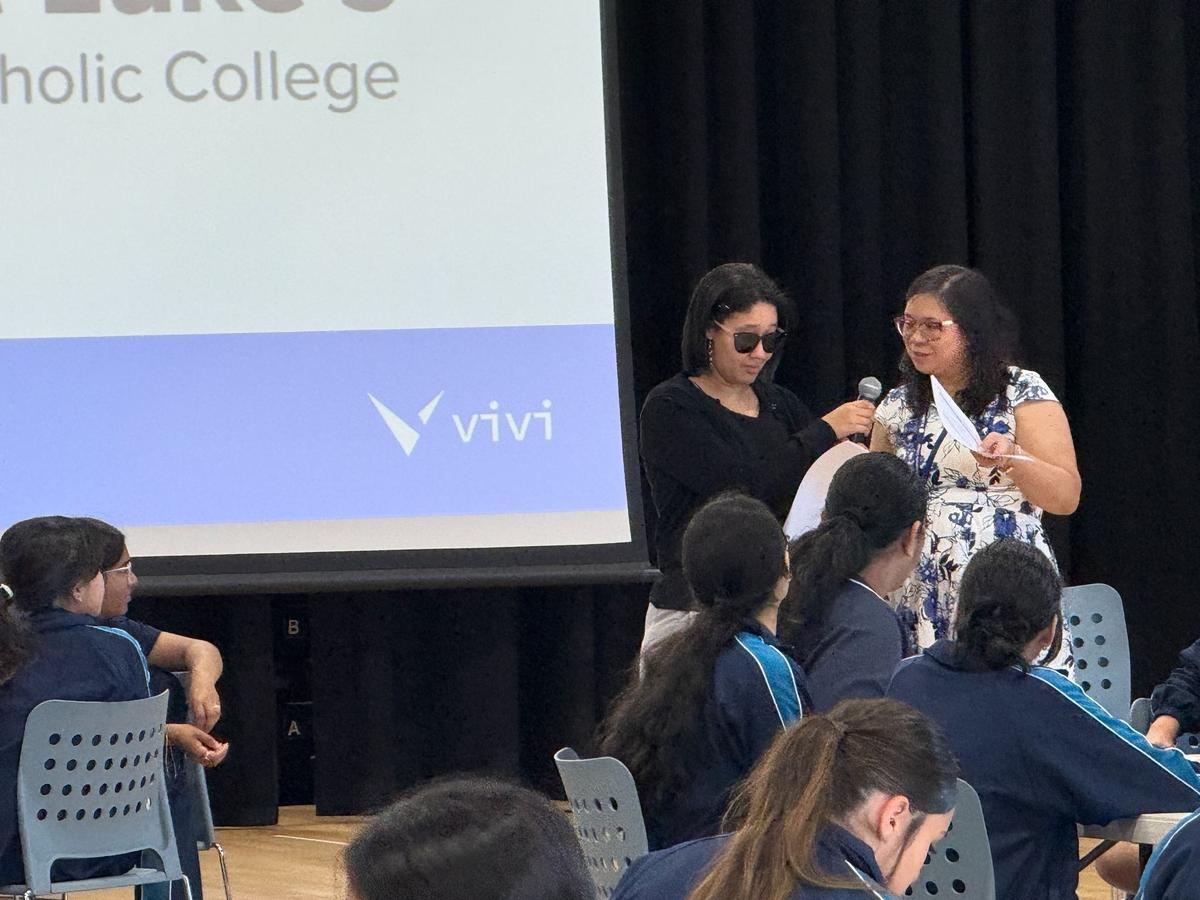
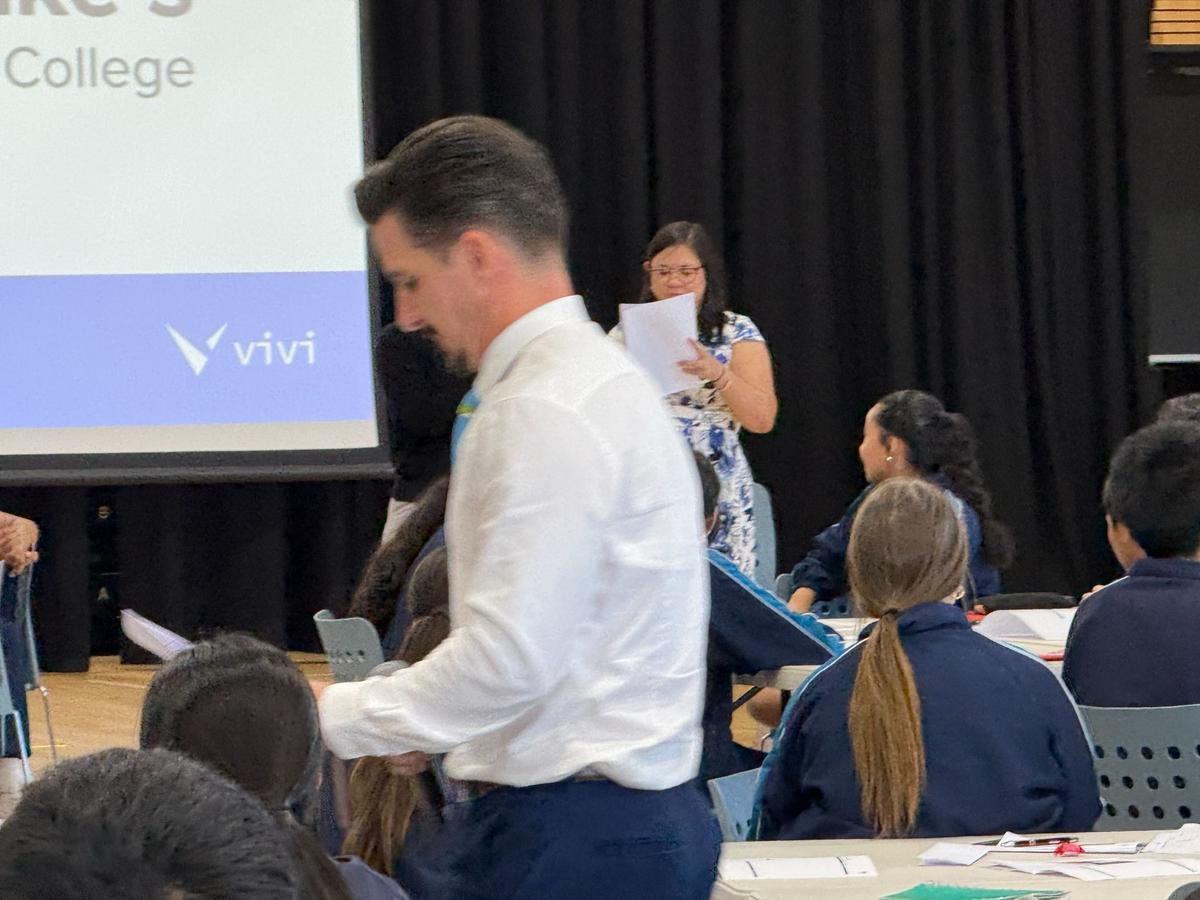
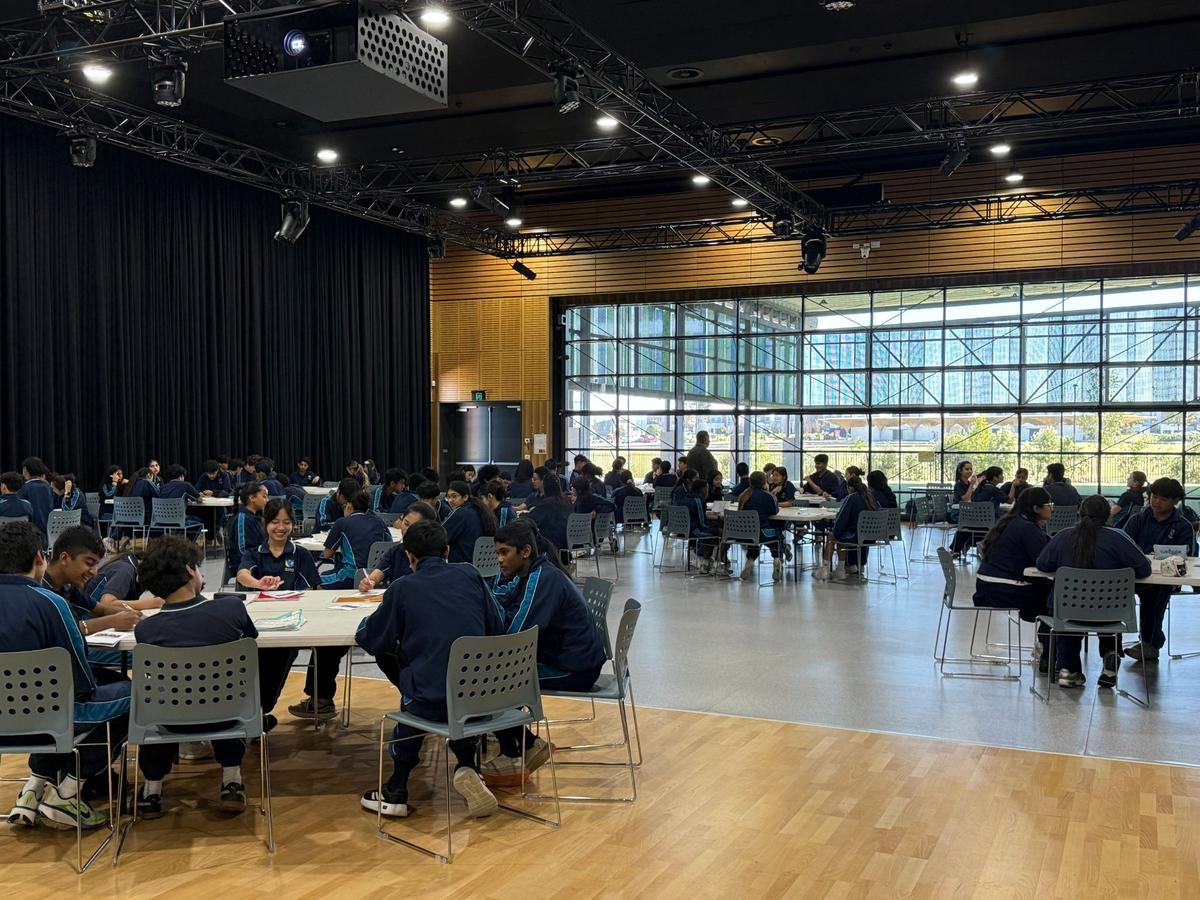
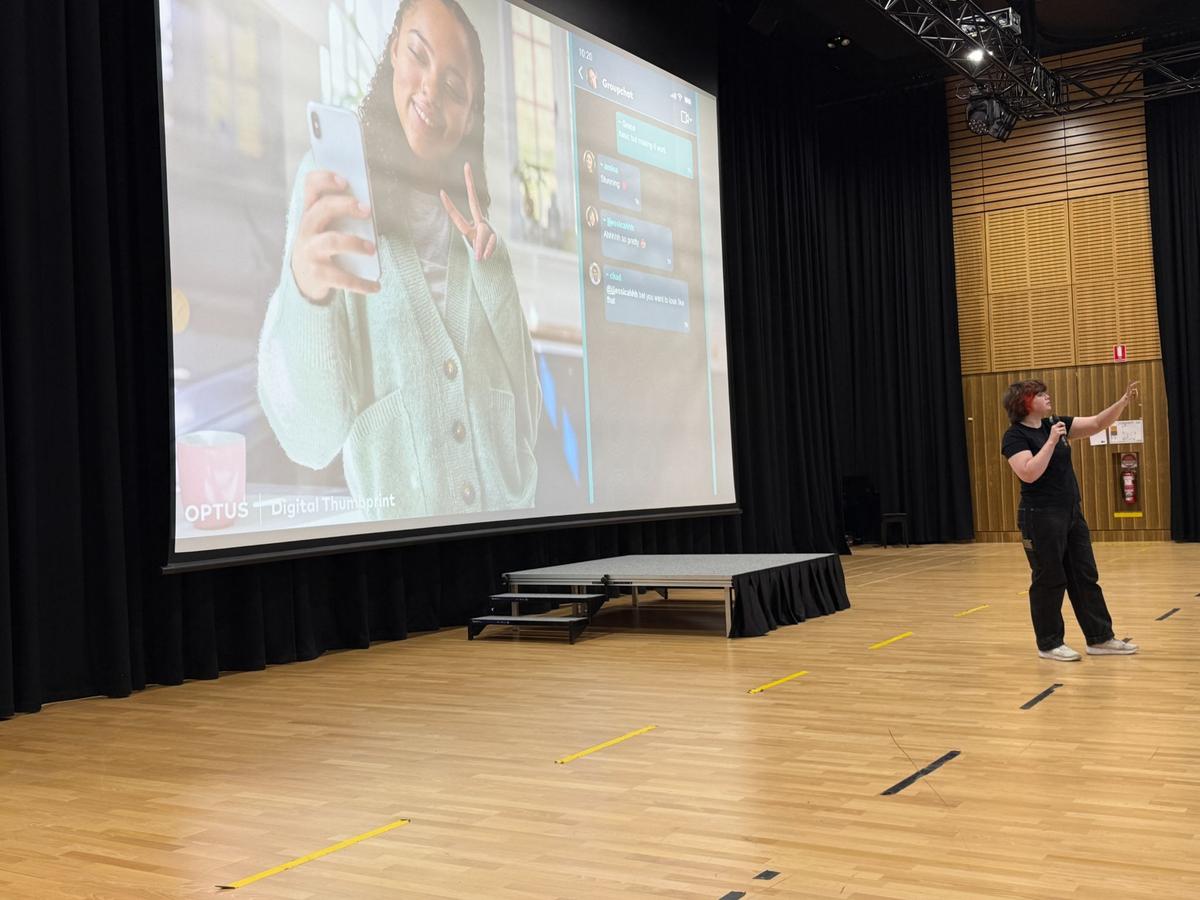
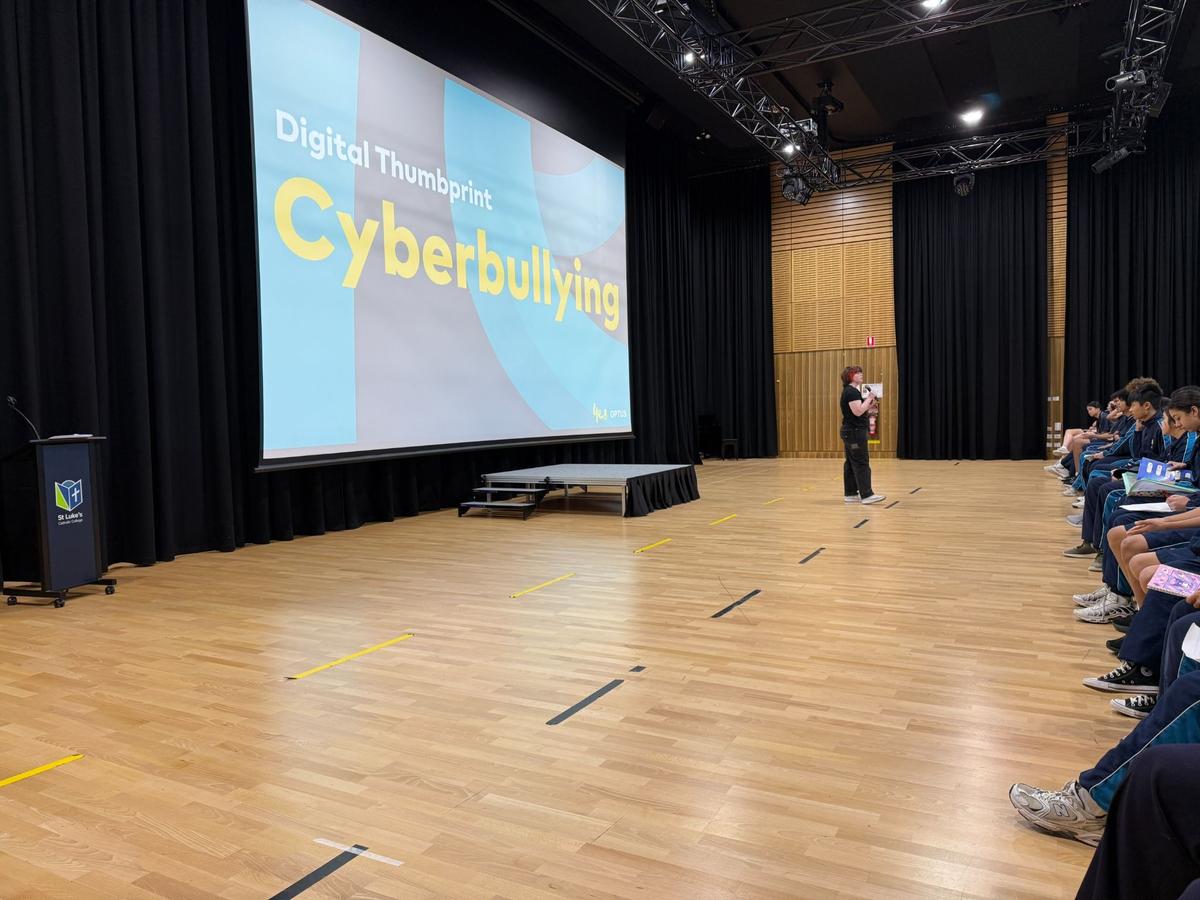
Our Year 9 students recently took part in a Student Development Day focused on strengthening the skills and attitudes needed to build a safe, respectful and inclusive year group.
Throughout the day, students explored a range of important topics including cyberbullying, social and emotional wellbeing, positive relationships and effective communication. Through discussion, reflection and collaborative activities, students considered how their words, actions and online behaviour can affect others, and how they can respond when they see behaviour that does not reflect the values of our College community.
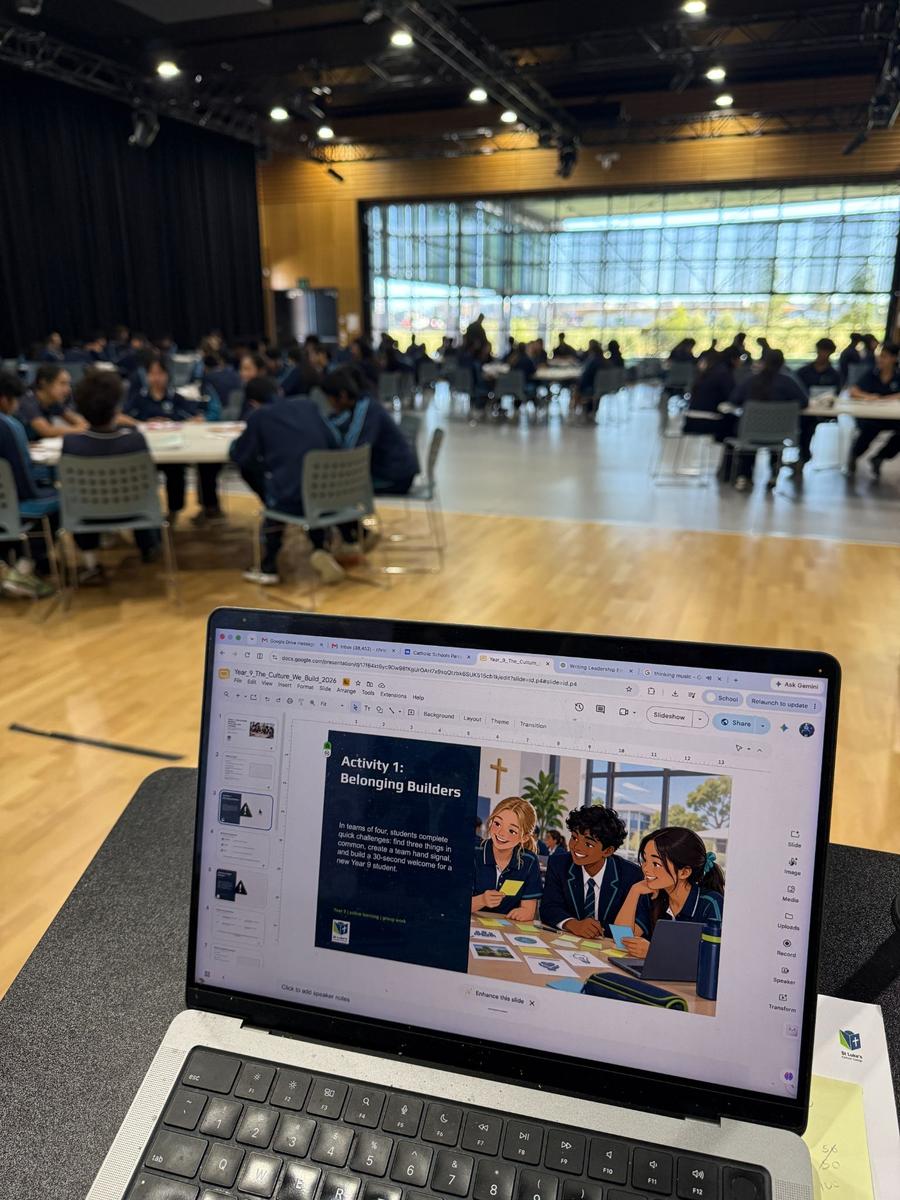
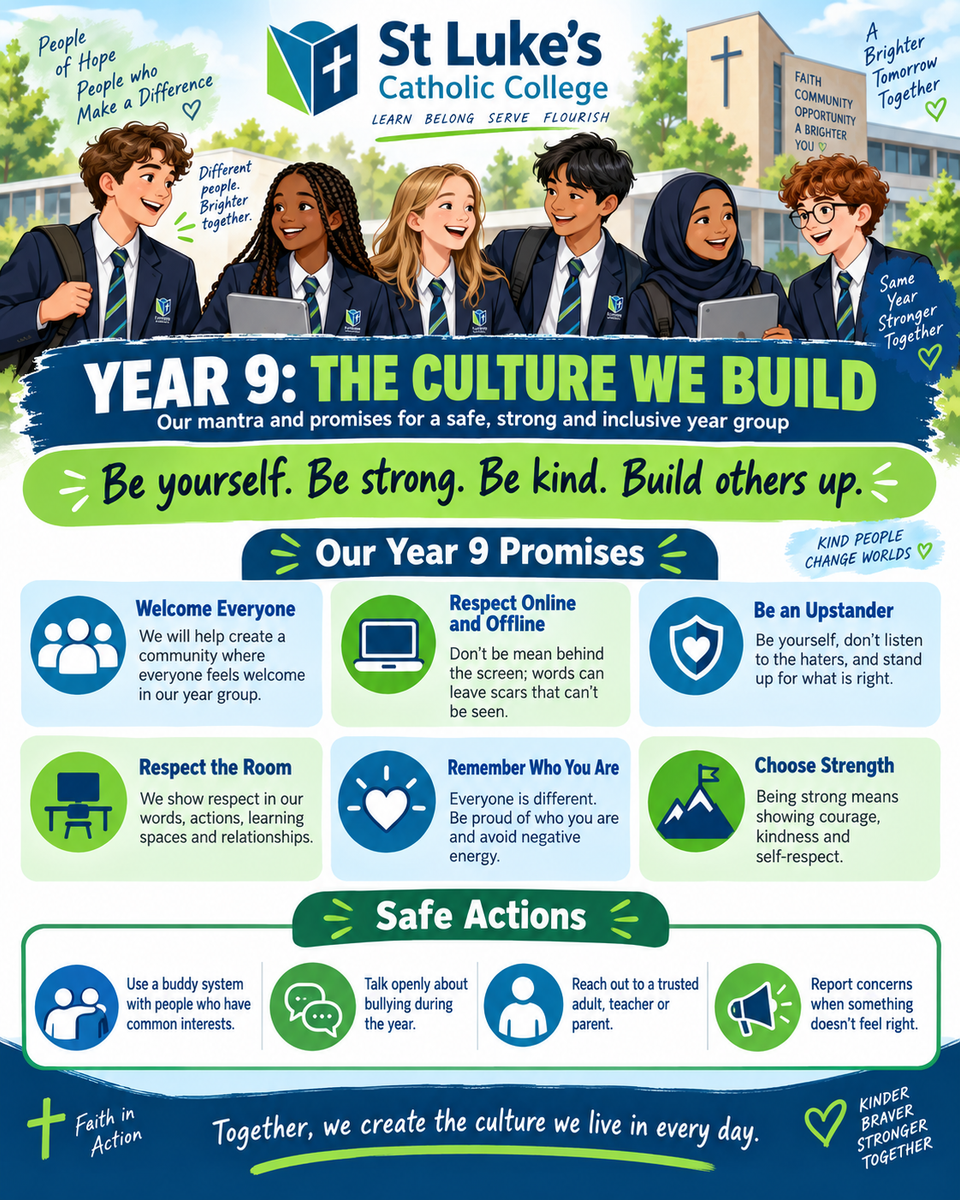
A major focus of the day was encouraging students to recognise that culture is something they help create every day. Students worked together to identify practical strategies that could make Year 9 a more welcoming and supportive community, not only now, but as they journey together through the next four years of their secondary schooling.
From these discussions, students developed a series of shared promises and safe actions. These included welcoming everyone, respecting others both online and offline, being an upstander, respecting learning spaces and relationships, reaching out to trusted adults, reporting concerns and supporting peers through positive connections.
Their central message was simple:
“Be yourself. Be strong. Be kind. Build others up.”
Students also recognised the importance of remembering who they are, avoiding negative influences and having the courage to stand up for what is right.
The day provided an important opportunity for Year 9 to reflect on the type of community they want to be part of and the responsibility each person has in helping to create it.
As they continue their journey through St Luke’s, our hope is that the commitments made during the day will continue to guide the way students communicate, support one another and contribute to a culture where everyone feels that they belong.
Together, Year 9 is creating the culture they want to live in every day — one built on kindness, courage, respect and inclusion.
Description
Childhood Anxiety and the Transition to Primary School
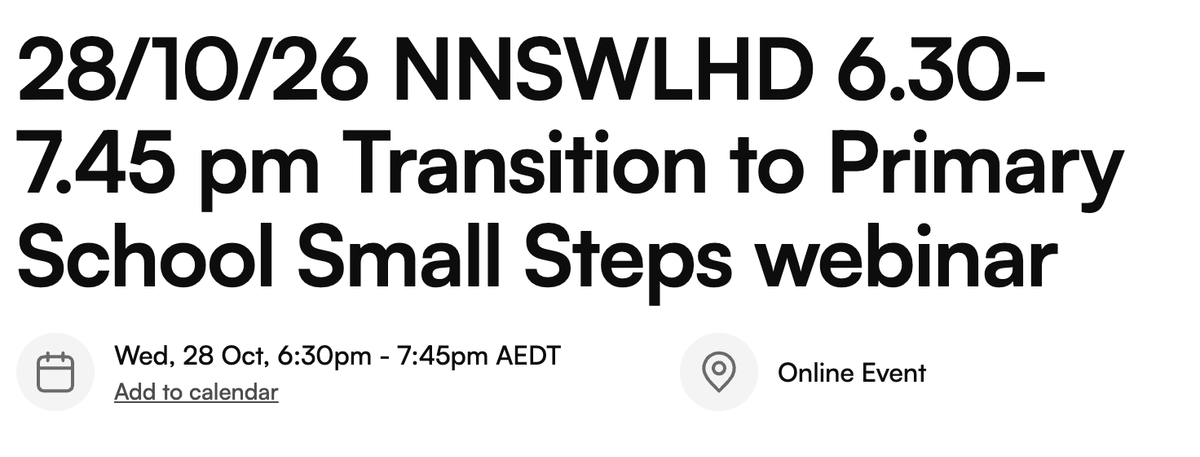
Wayahead Mental Health Association NSW is presenting a webinar for parents and carers whose children will be starting school in 2027 or 2028. The Health Promotion team at Northern NSW Local Health District is hosting the webinar which will be held live via zoom. Attendees will receive a Small Steps resource pack (PDF) following the webinar and a link to a ‘Get set for school resource pack’.
Wayahead has been delivering Small Steps webinars to parents and carers in NSW schools for over 25 years to raise awareness and reduce the impact of childhood anxiety. At the seminar you'll learn strategies to assist children experiencing anxiety to help build confidence and a smooth start to school life.
Come along to learn more about:
- The cycle of anxiety
- Separation Anxiety
- Strategies to manage anxiety
- The Small Steps plan- learn to support children to face worries in small steps
- Resources for parents and carers
- Q and A