Mathematics
















 St. Patrick's School

Maths in Action: Year 1 Edition
Welcome to this week’s edition of Maths in Action! As promised, we are opening the classroom doors to Year 1 to take a closer look at how our students have been exploring the essential, real-world concept of time!
The Year 1 Focus: Mastering Calendars & Telling Time!
This term, our Year 1 students are stepping into the world of measurement to discover how we track, measure, and structure time—from days and months all the way to hours on a clock face!
Why Early Time Concepts Matter Time can be an abstract concept for young children because it cannot be seen or touched directly. Learning to structure time through calendars and analog clocks provides students with an essential life skill while strengthening their general number sense and sequence understanding. Identifying calendar patterns, recognizing clock features, and estimating durations directly aligns with the Victorian Curriculum Year 1 measurement standards, laying crucial foundations for elapsed time and scheduling in later years.
What it Looks Like (Hands-on in the Classroom) Our Year 1 classrooms will be filled with active discussions, movement, and hands-on clock manipulation as students exploring a wide range of time concepts:
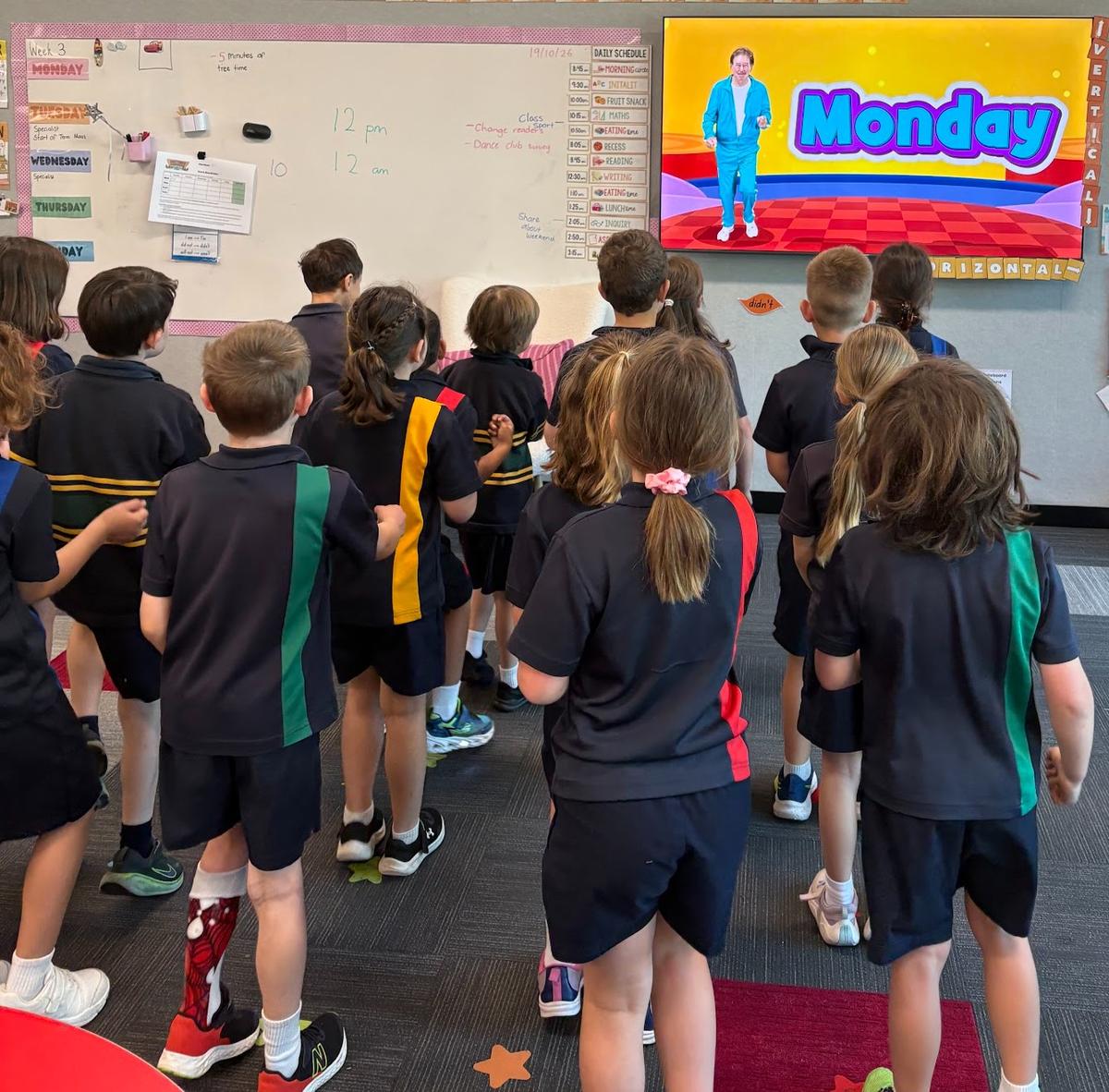
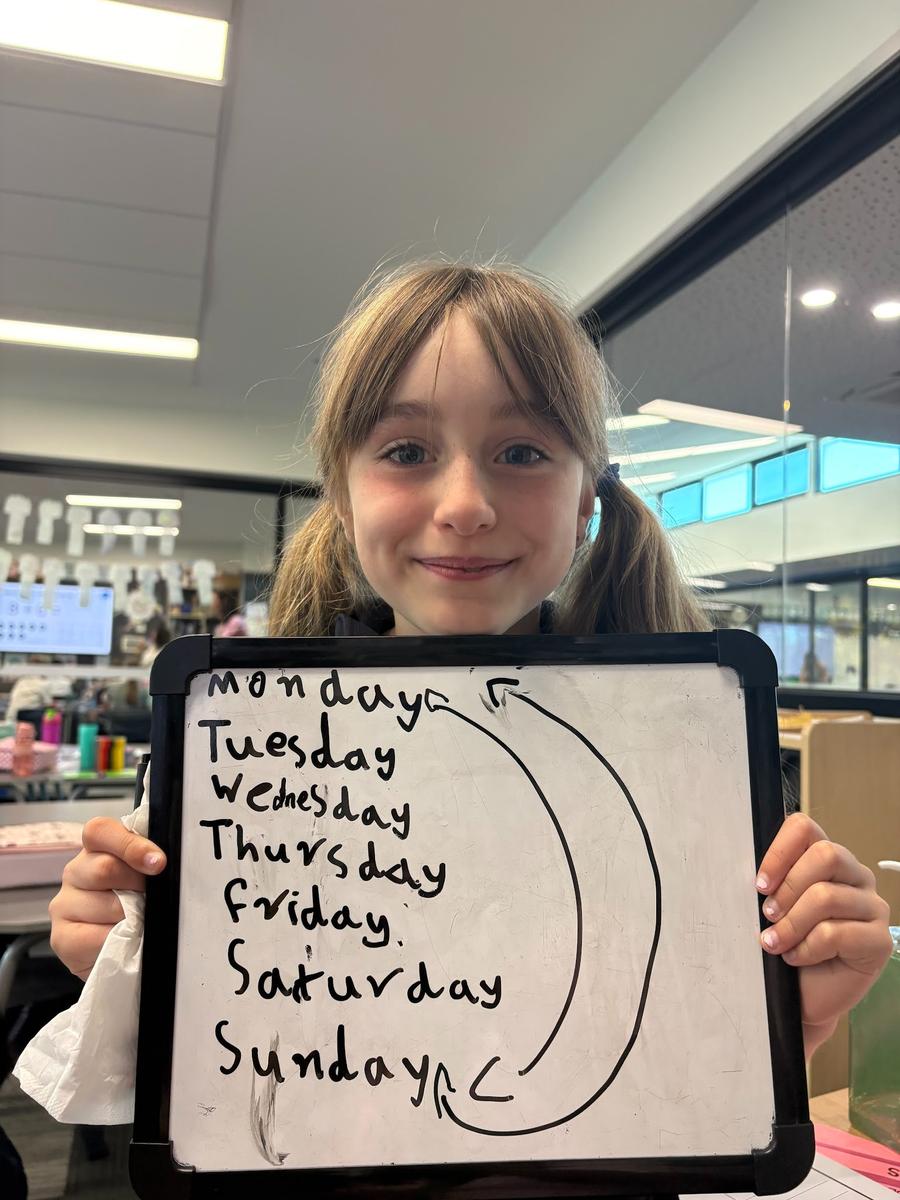
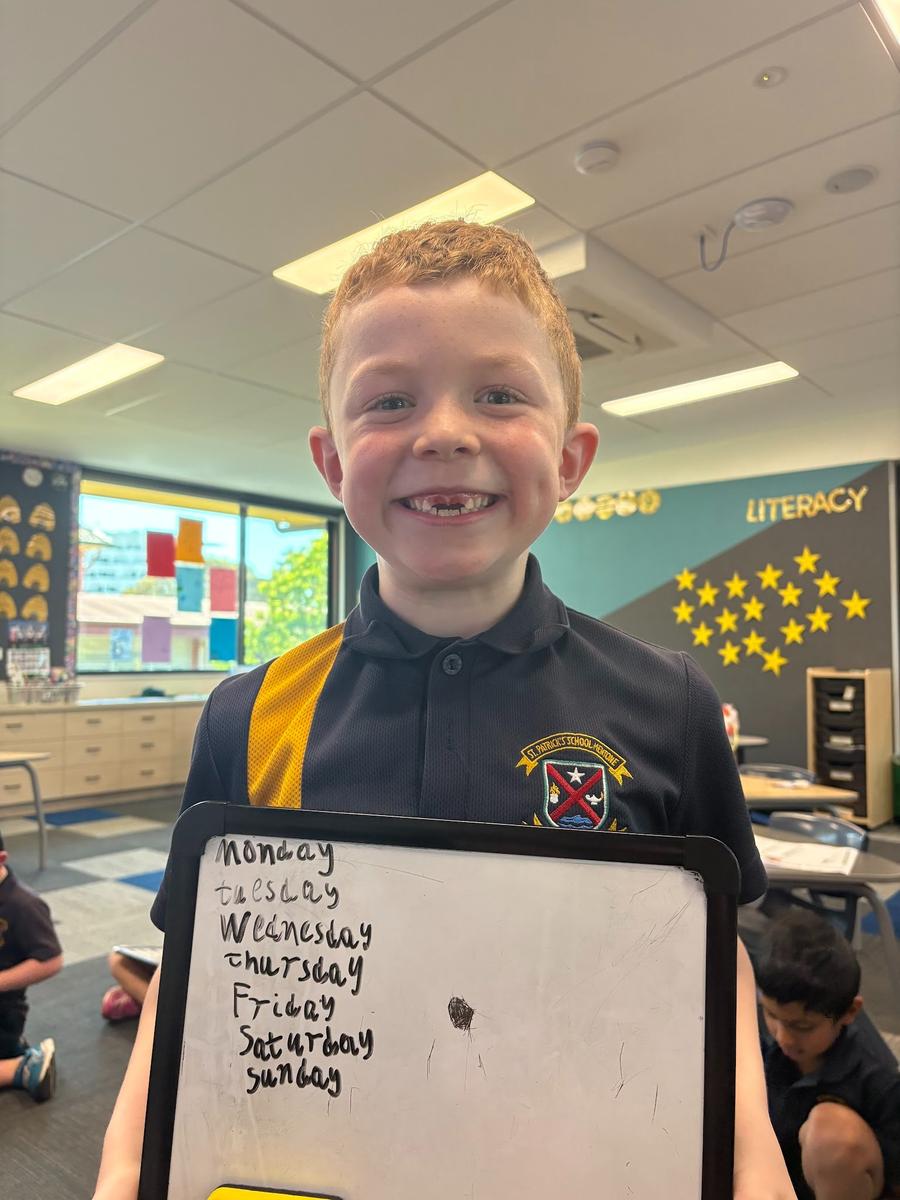
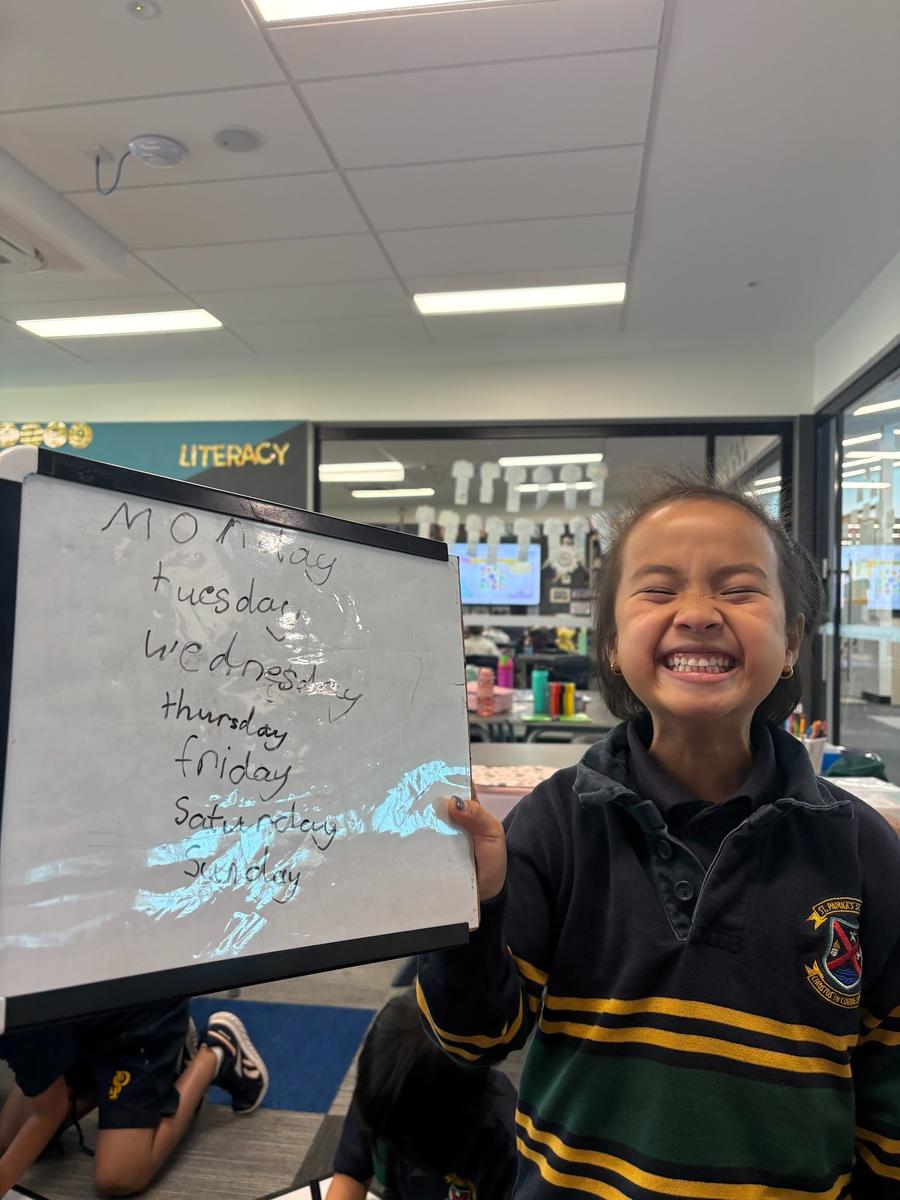
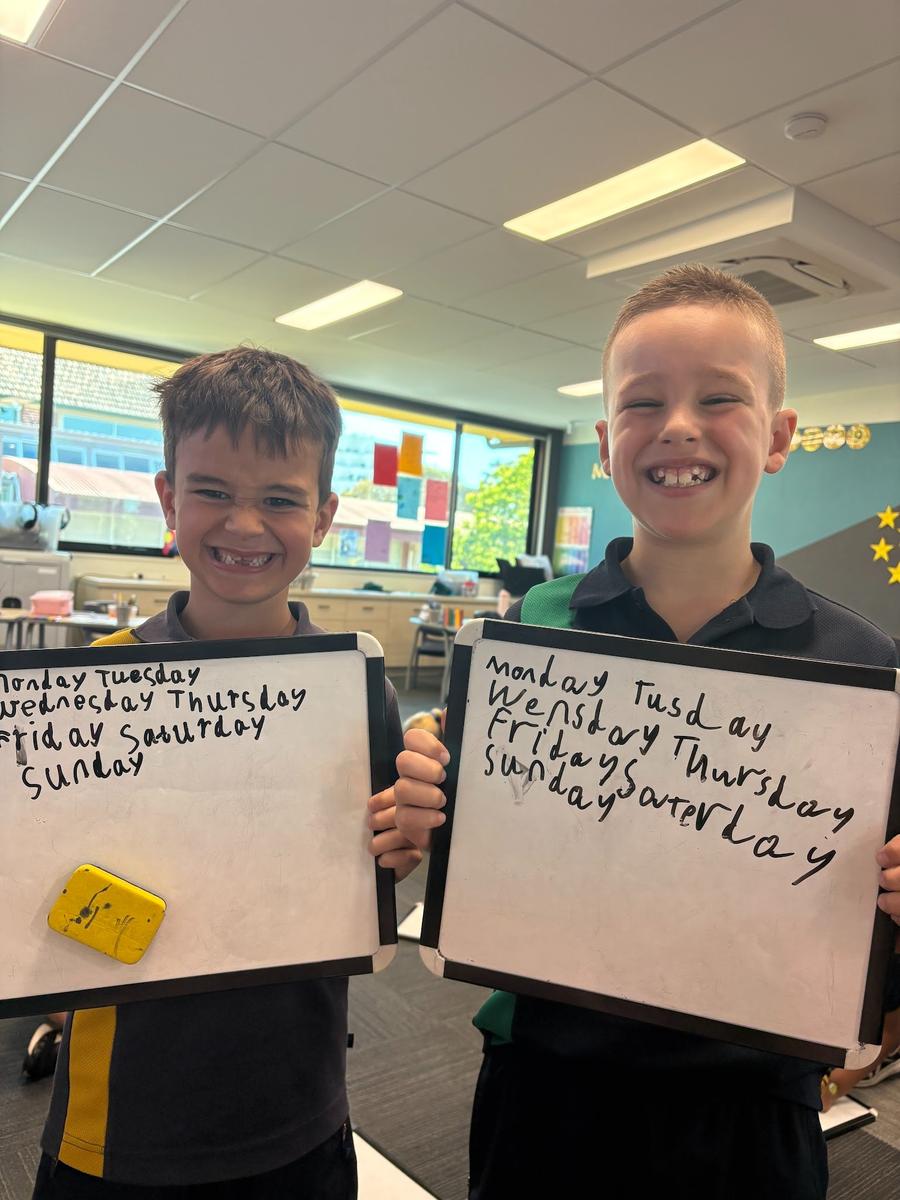
- Calendars, Months & Long Durations: Students practiced naming the 7 days of the week and the 12 months of the year in order. They investigated calendar patterns to determine the number of days in each month and learnt that a full year has 365 days. To expand their spatial timeline thinking, students also explored longer measures of time—learning what makes up a year, a decade (10 years), and a century (100 years)!
- Analogue Clock Features & O'Clock: Students will examine physical demonstration clocks to identify key features: the clock face, numbers 1 to 12, the long minute hand, and the short hour hand.
- Reading & Drawing Time: Practice makes perfect as students read time to the hour on analogue clocks (e.g., 3 o'clock) and grabbing mini-clocks to draw the hour and minute hands in their correct relative positions.
- Time Estimation: Students will participate in timed challenges to build an intuitive feel for time duration, estimating how many tasks or actions they can complete in a minute versus an hour.
Combining physical clock manipulation with everyday calendar discussions helped our Year 1s build confidence and fluency with time!
(Check out the wonderful photos below of our Year 1 time-detectives recapping days of the week and months of the year)
💡 Expert Insights: Fostering a Positive "Maths Mindset"
As our Year 1 teachers bring these practical time concepts to life, here is a simple strategy you can use at home to keep that learning momentum going across our whole school community:
Weekly Mindset Strategy: Weave Time Talk into Daily Routines
Because time is abstract, connecting time concepts to concrete daily events helps children develop strong temporal awareness without pressure.
- Notice Clocks at Home: Point out analog clocks around the house or in public spaces. Ask: "Where is the short hour hand pointing right now?" or "What time will it be when the long hand moves up to the 12?"
- Connect Days & Months to Meaningful Events: Use a family wall calendar together. Ask your child to cross off days of the week, count how many days until the weekend, or identify which month upcoming birthdays fall in.
- Practice Playful Estimations: Use a 1-minute timer during simple home activities. Ask: "Do you think it will take more than or less than 1 minute to tie your shoes / tidy these 5 toys?"
Connecting time talk with daily routines helps children view maths as an accessible, useful part of their everyday lives.
🚪 Coming Up Next Week: Opening the Doors to Year 2!
Stay tuned for next week's edition as we move up to Year 2 to explore how our students are building their multiplicative thinking through arrays, equal groups, and repeated addition!
As always, please reach out if you have any feedback or something you would like to see in the maths section of the newsletter!
Charlotte Spence
Mathematics Leader