
Wellbeing
Amanda Wilson | Assistant Principal
Jess Norder | Mental Health and Wellbeing Leader
Wellbeing
Amanda Wilson | Assistant Principal
Jess Norder | Mental Health and Wellbeing Leader
Wellbeing
International Day of Friendship
‘Thursday the 30th of July was International Day of Friendship. This day recognises the role that friendship plays in promoting peace in many cultures, encouraging solidarity, mutual understanding and reconciliation. International Day of Friendship focuses on the idea that friendship between peoples, countries, and cultures can inspire peace efforts and build bridges between communities.’
The day is particularly important to our young people as their influence and understanding of the bonds of friendship, can shape a harmonious future that promotes international understanding and respect for diversity. At Hampton Primary School, we spent the week supporting children’s social and emotional wellbeing through the celebration of friendship.
As social beings who thrive and learn through connecting with others, it is important for us to recognise the powerful effect of positive peer connections, to support students to develop social skills- how to make friends, how to maintain friendships, and recognise the kinds of qualities they look for in a friend. Positive peer connections can be so ‘bucket filling.’
Why friends are important for your school-age child?
‘Your child’s world gets bigger when they start school. Relationships with other people – like the children in your child’s class at school – become more important.’ As they get older, the approval children seek from peers, and the sense of belonging they develop to their peer group, form an important part of their identity. Their connection to friends becomes an influential part of their overall wellbeing.
‘Friendships are good for your school-age child’s self-esteem. When your child has close friends, they feel like they belong. Friends care about your child, and this helps your child feel good about themselves. Friendships also help kids develop important life skills like getting along with other people and resolving conflicts and problems. Kids with these skills are less likely to have social and emotional difficulties later in life.’
As their parents/carers; open conversations with your child/ren help them to navigate peer relationships. They may come to you with their friendship worries. They benefit greatly from your reassurance and validation for their concerns, your support to unpack a situation, as well as your help in deciding how to move forward. The care, and the co-regulation you provide for your child/ren at home, helps them to learn about relationships, to develop self-awareness and social awareness, and to recognise the values they look for in a ‘good friend,’ too. When talk about a friendship problem, it can help to empower them with agency by asking, “would you like me to listen and support you, give you advice, or do you want me to action something for you?” It can be hard to know the kind of support they are looking for and these questions can guide in the right direction.
References:
https://www.familylife.com.au/friendshipday-resources/
https://www.timeanddate.com/holidays/un/friendship-day
How to help your child make friends | Raising Children Network
At Hampton Primary School
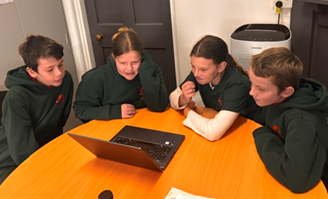
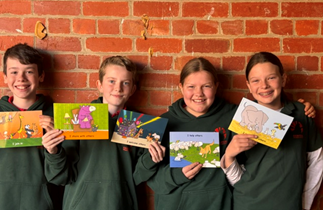
For International Day of Friendship, students participated in some friendship-themed activities, supporting them to understand the importance of nurturing friendships and developing peer connections. Students read picture story books about friendship and discussed these with peers. They wrote kind compliments to each other and collaborated to think about the qualities they look for in a good friend. They were encouraged to ‘notice,’ the friendly actions of peers throughout the week and learnt some ways to greet peers in different languages.
The Wellbeing and Friendship Captains had some interesting things to say about Friendship too. They also interviewed some of our students to gain their perspectives.
What is important to you in a friend?
“Someone who always includes you and is looking out for you. They are there no matter what. They are kind and caring, you feel happy around them. Being ‘socially intelligent,’ with everyone- like to feel it when someone is down”- Oscar
“Always having your friend’s back and them having your back. Someone you can trust and tell things too. Be willing to ‘risk it all,’ for that person”- Isla
“A friend can tell between right and wrong; they care for everyone else, not just you.”- Blue
Tips for Making Friends
Tips for maintaining Friendships
Friendship is “to be kind and include people,”- Henry, 1D
“Friendship is knowing someone well, playing with them, caring for them and them knowing they can trust you. It’s being inclusive and just being there,” – Scarlett, 5B
Upcoming Wellbeing Events

Bullying, No Way Week, 17-21st of August
(https://www.bullyingnoway.gov.au/)
Next week, we will share information about Bullying Prevention and some resources for parents to support in how to respond and/or prevent Bullying from home. We will hear from our Upstanders, who do an incredible job of spreading awareness of Bullying, instilling empathy in our culture and community, and advocating for others.
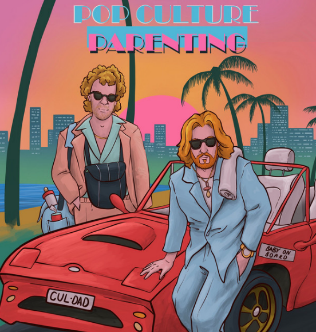
If you’re familiar with Dr Billy Garvey (developmental paediatrician,) you may wish to check out the podcast, ‘Pop Culture Parenting.’ Dr Billy and his friend, Nick, share some incredible strategies and reflections to support mental health and wellbeing in a neuro-affirming manner. Episodes 37-38, 49-50, 54-55, 65-66, 74-75, 70-71, 108-109 are particularly relevant to Bullying Prevention but all episodes are incredible!
Michelle Mitchell also has some fabulous resources on developing healthy self-esteem, a sense of self-worth and identity, and navigating friendships, both of which are so important to Bullying Prevention and peer connections.
Thanks for reading. Please don’t hesitate to provide any feedback on the resources recommended too 😊
Jess Norder- Mental Health and Wellbeing Leader
Amanda Wilson- Assistant Principal