Prep
Information and Reminders
Welcome back!
We hope you had a wonderful, restful holiday and are feeling refreshed and ready for an exciting Term 3 filled with learning, fun and new adventures!
iPads
- iPads can be brought to school once the Acceptable Use Agreement has been returned with all required sections completed and signed. Please make sure your child returns it this week.
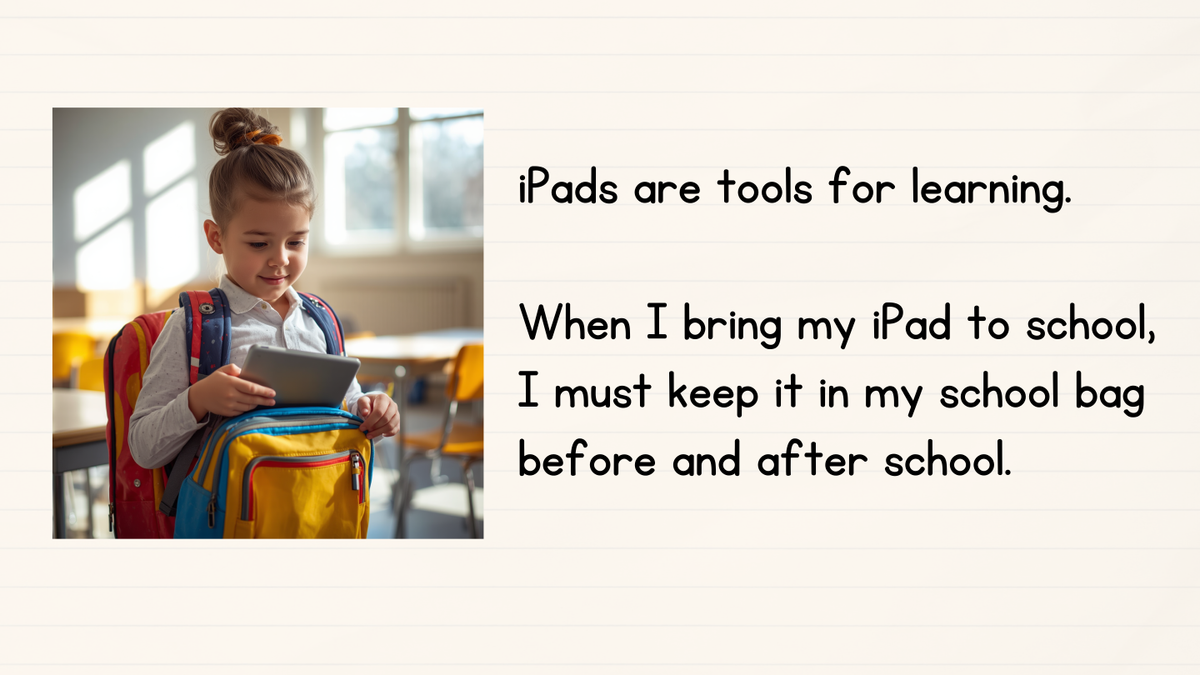
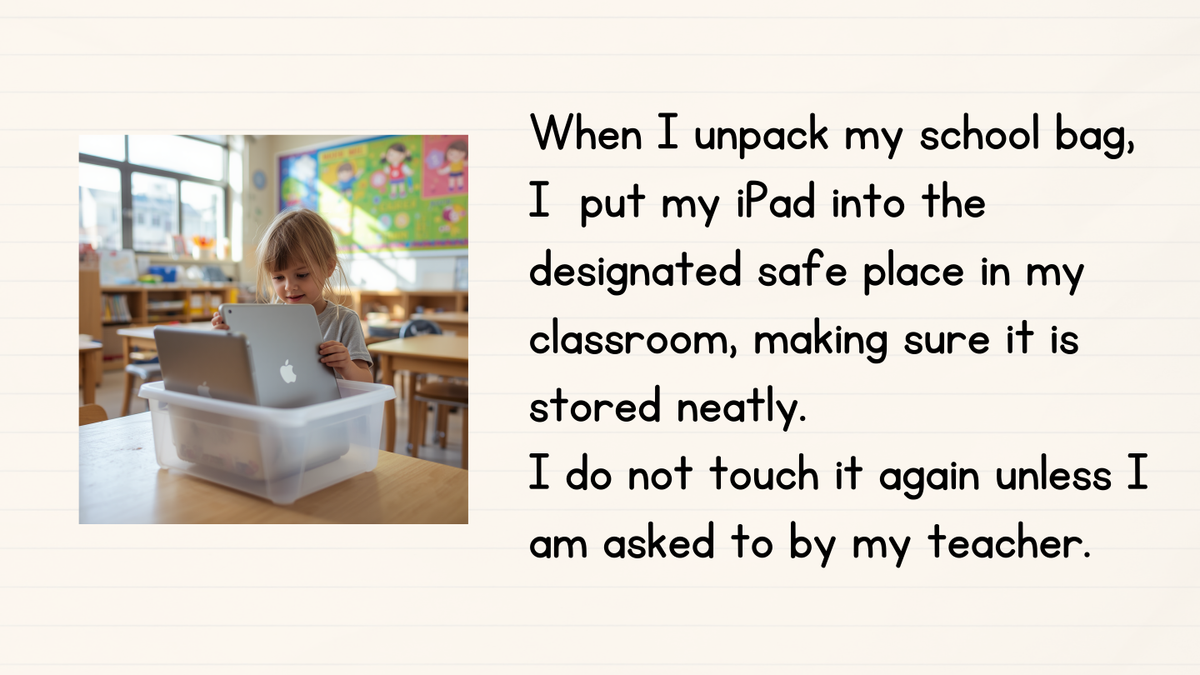
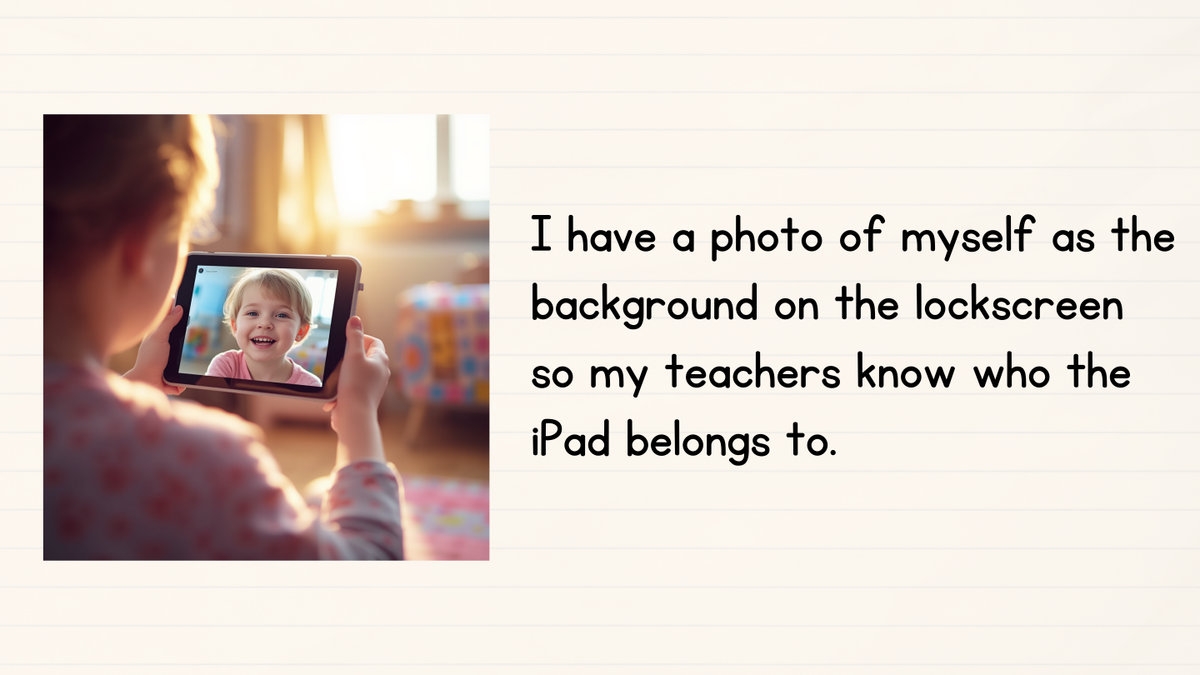
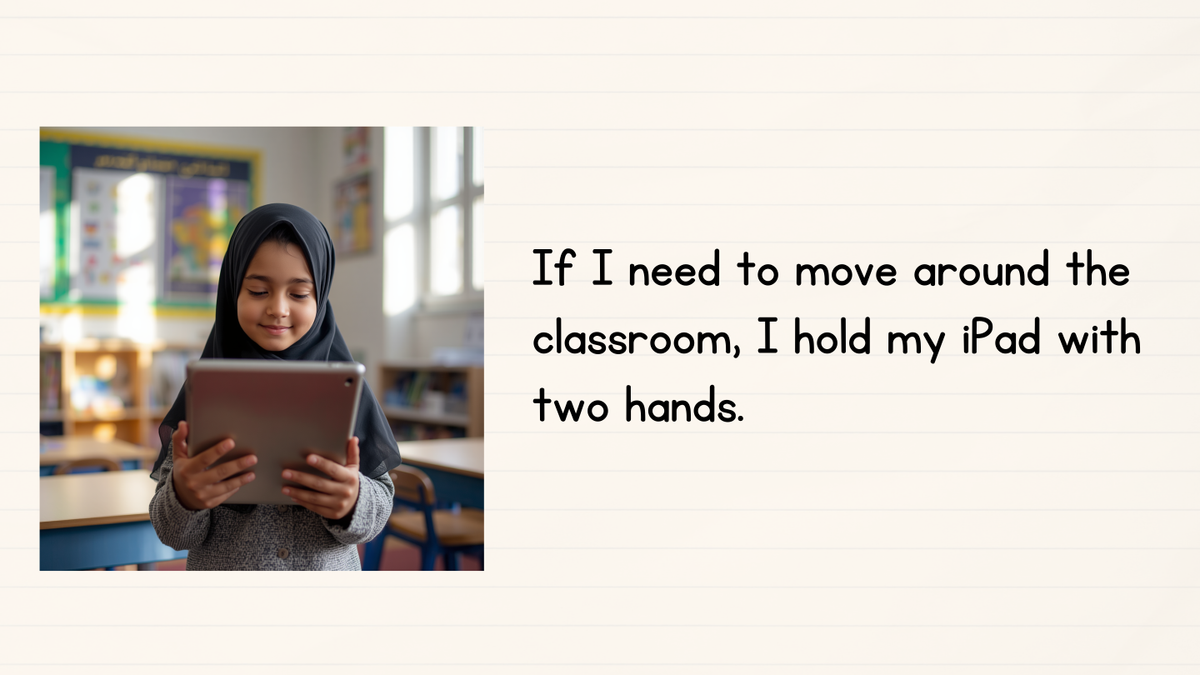
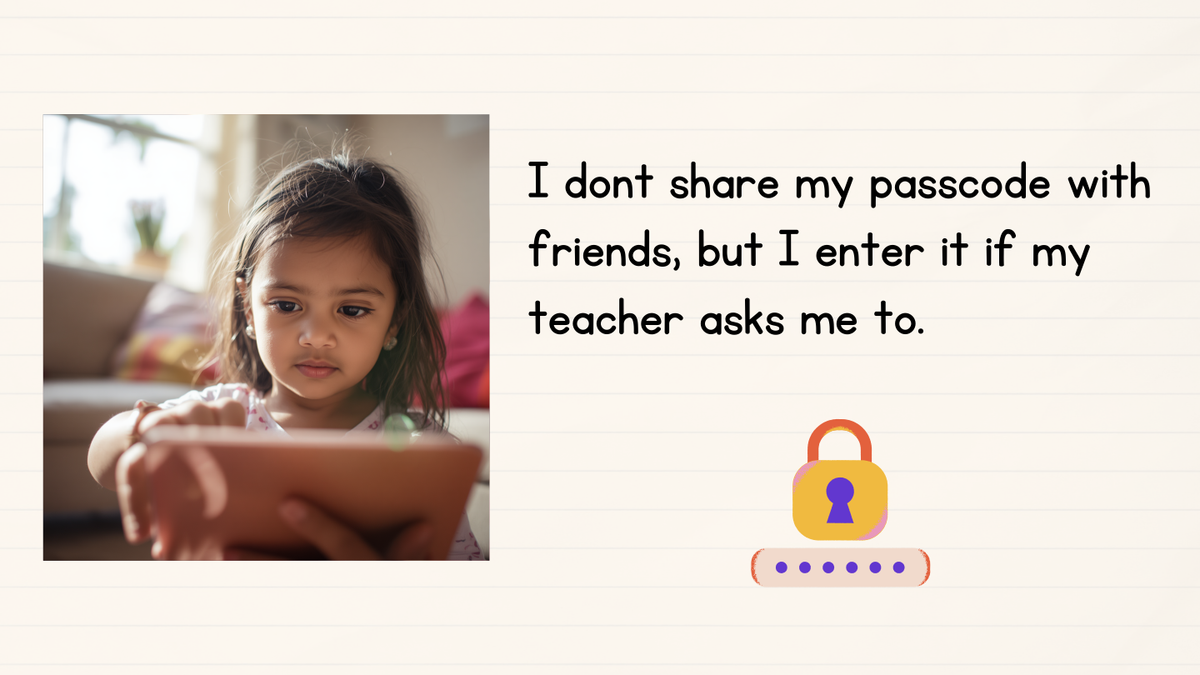
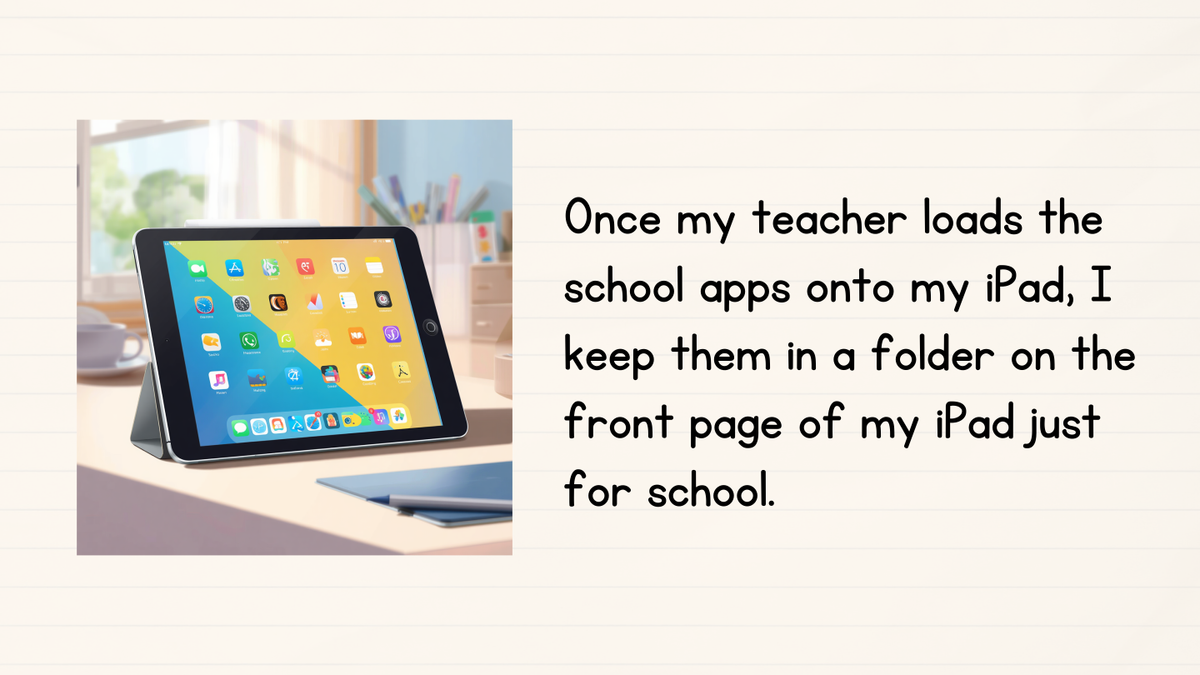
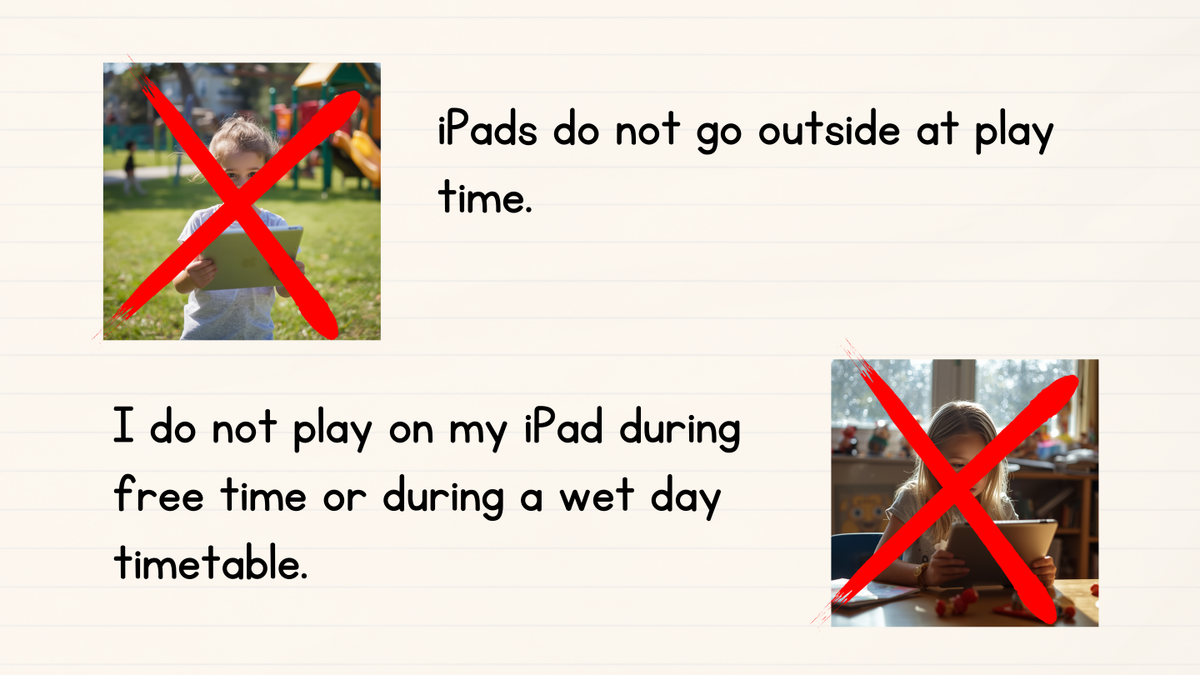
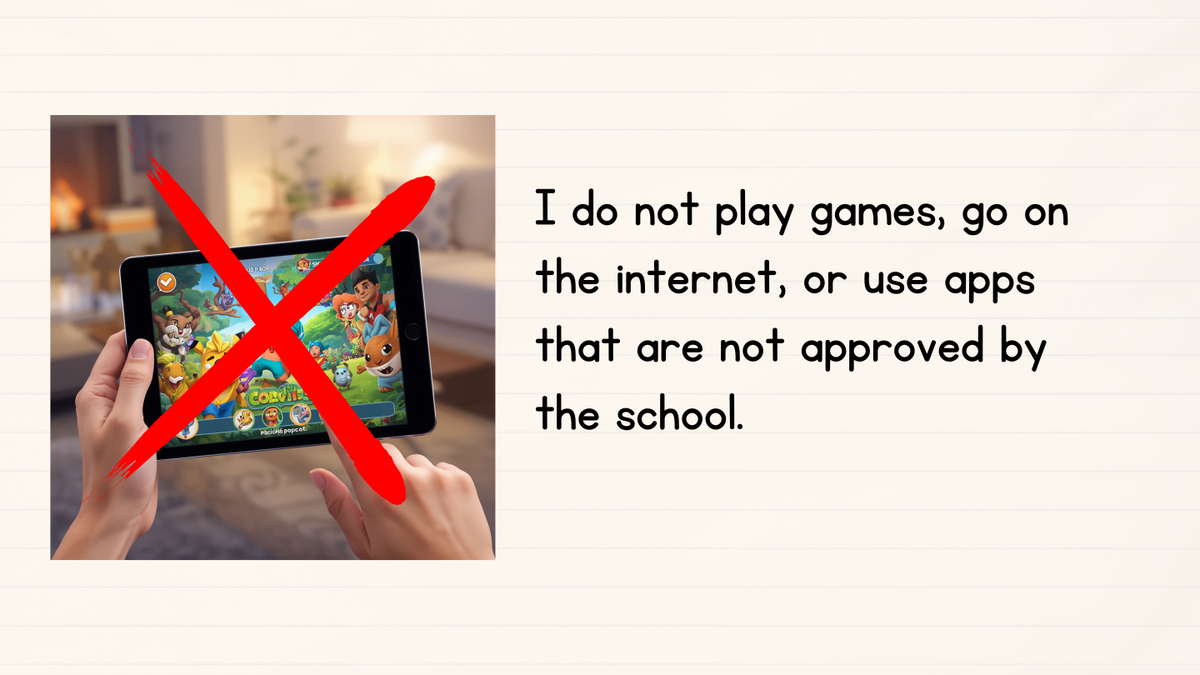
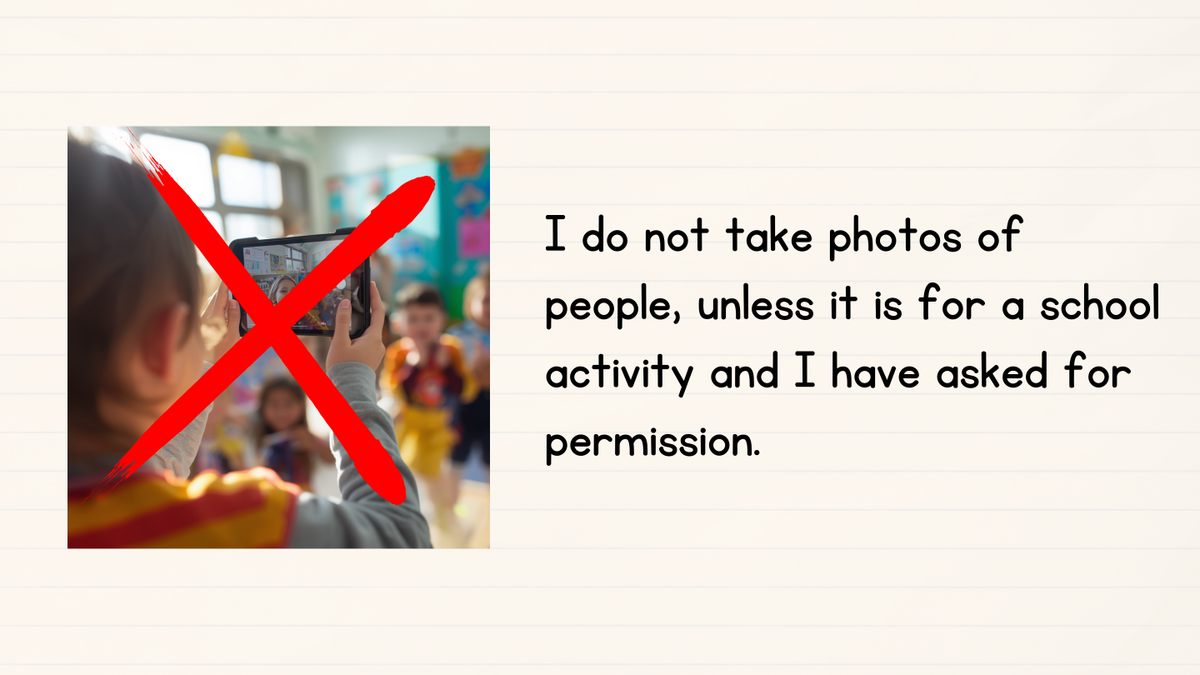
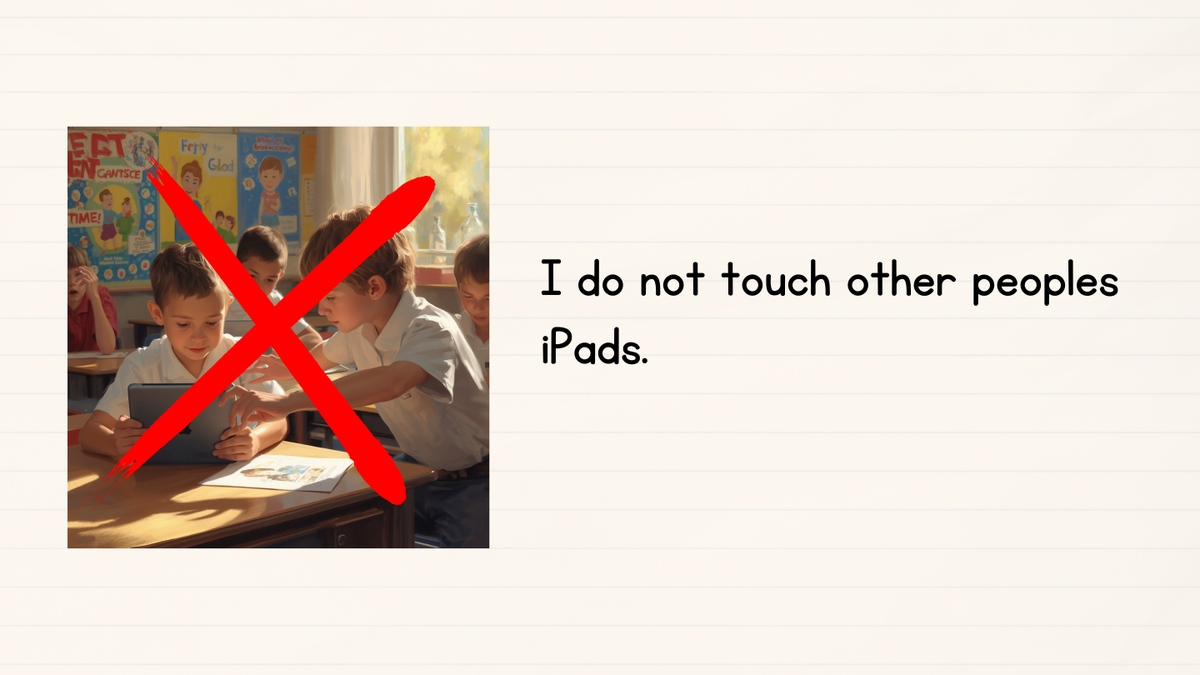
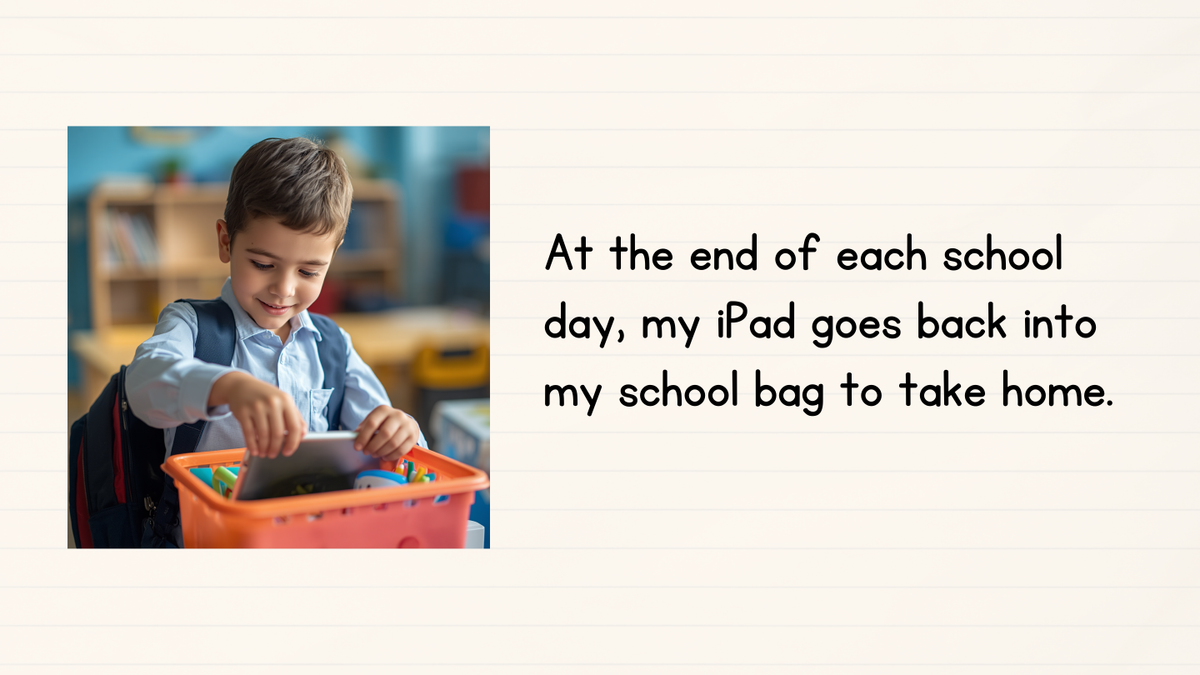
- We have shown students a Social Story to reinforce our expectations for using iPads at school, which we have attached below. We encourage you to discuss it together so you can help reinforce the importance of using iPads safely and responsibly at school.
- Please note: If you are sending an iPad to school for setup, this can only be completed on Wednesdays, as this is the day our IT technician is on site.
Gymnastics
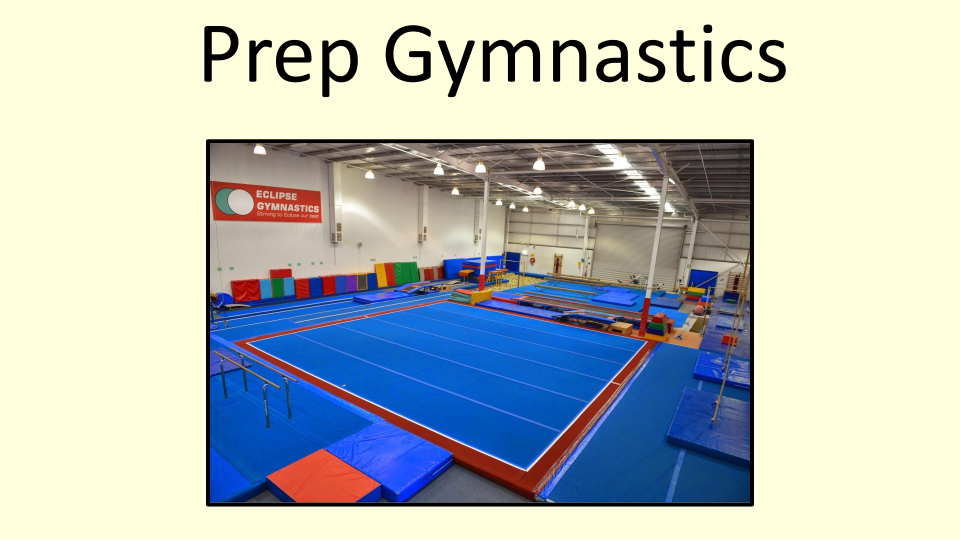
Gymnastics begins this week, and the students are very excited!
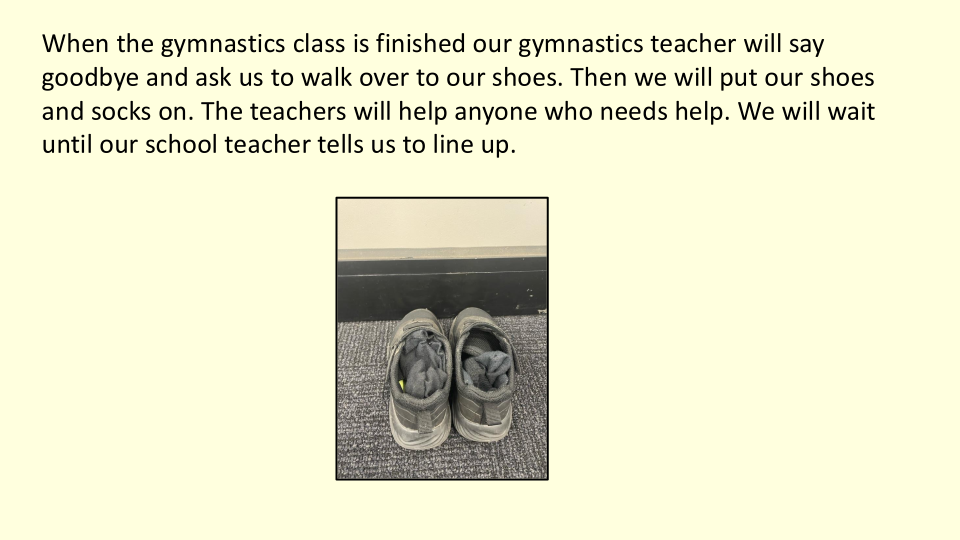
Please make sure your child is dressed appropriately for the session. Skorts, shorts or pants are preferred over dresses to allow for safe and comfortable movement. Please also ensure your child wears footwear that they can manage independently.
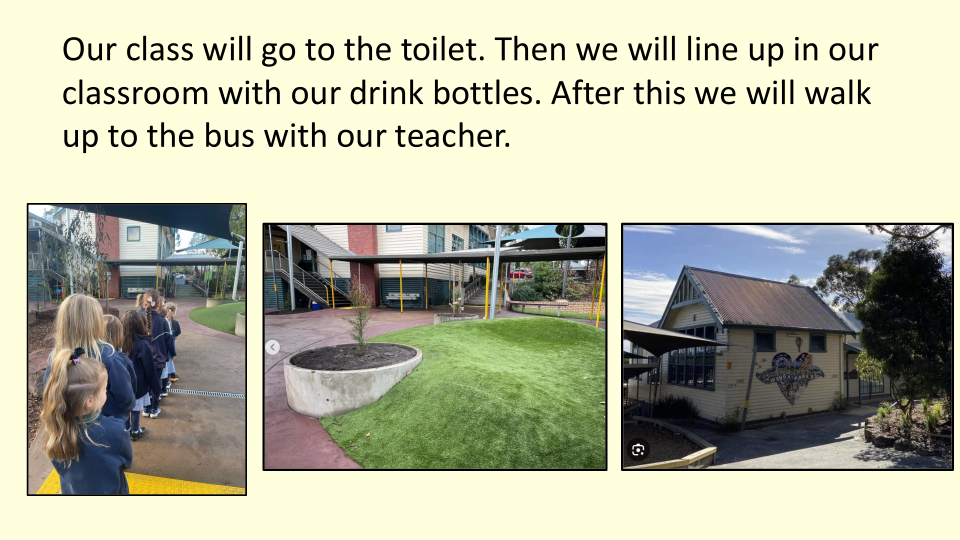
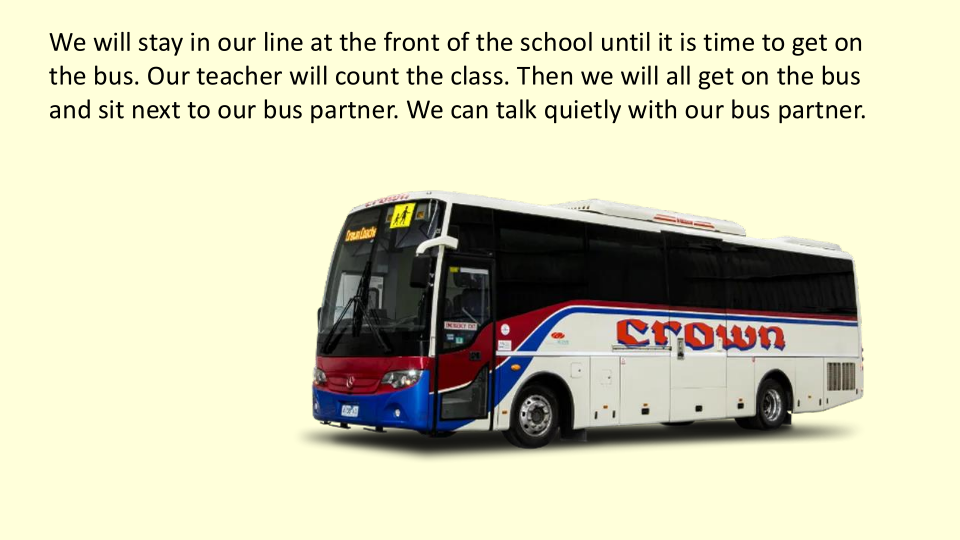
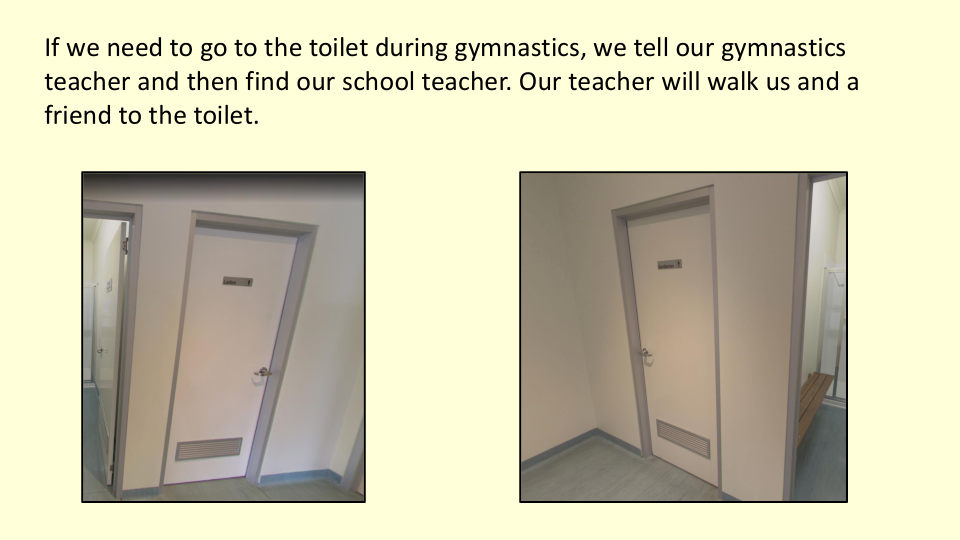
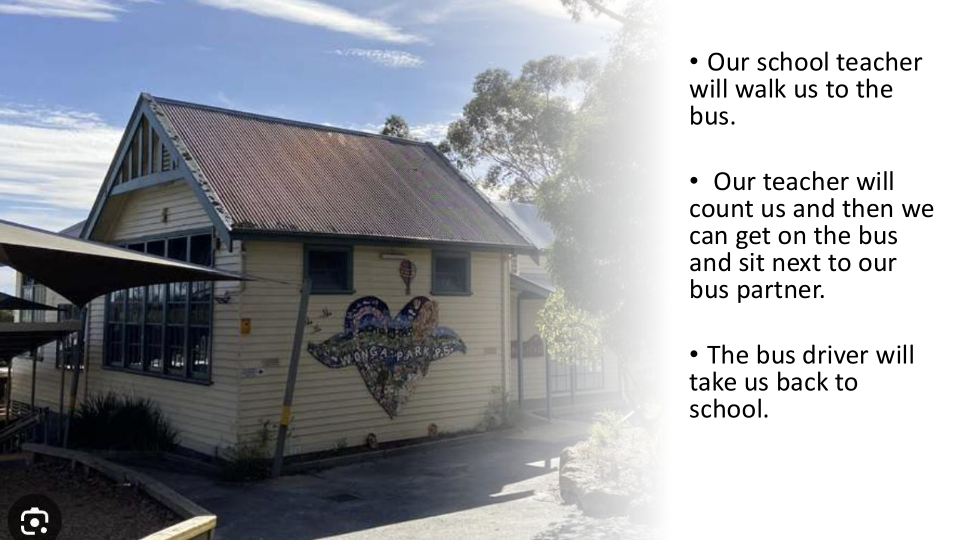
We have made a social story that have shown
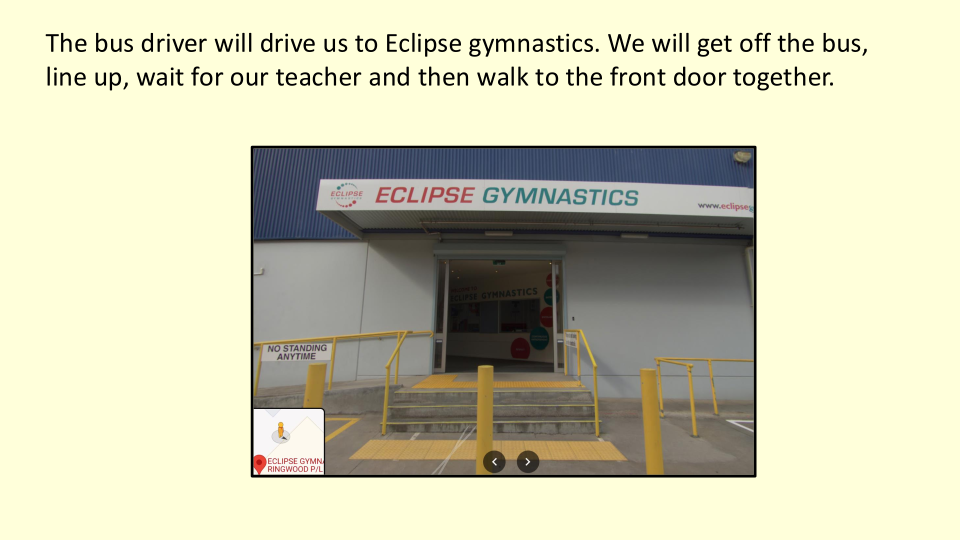
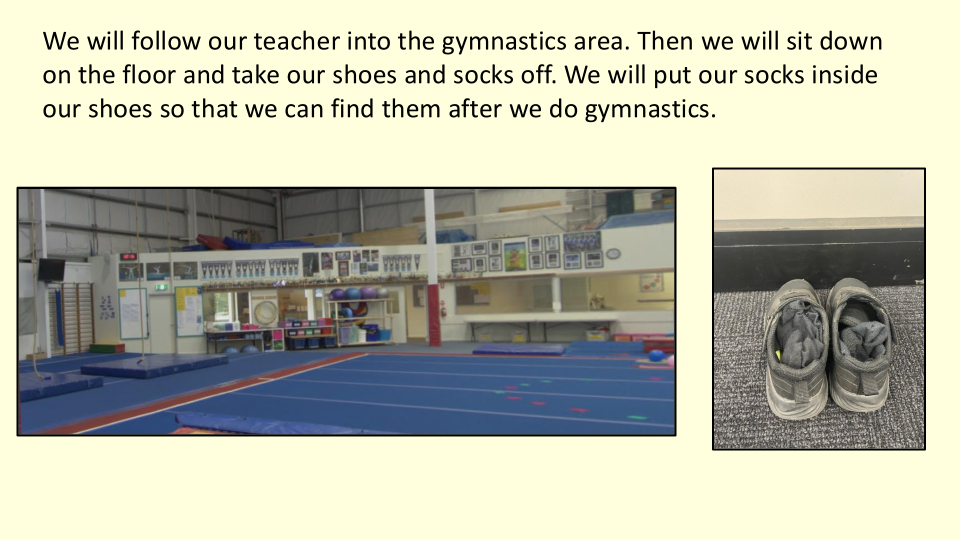
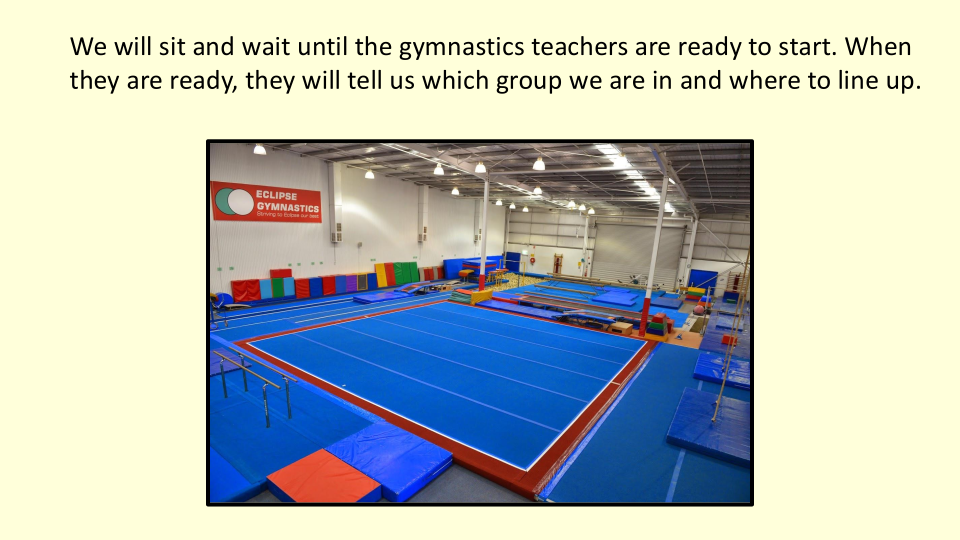
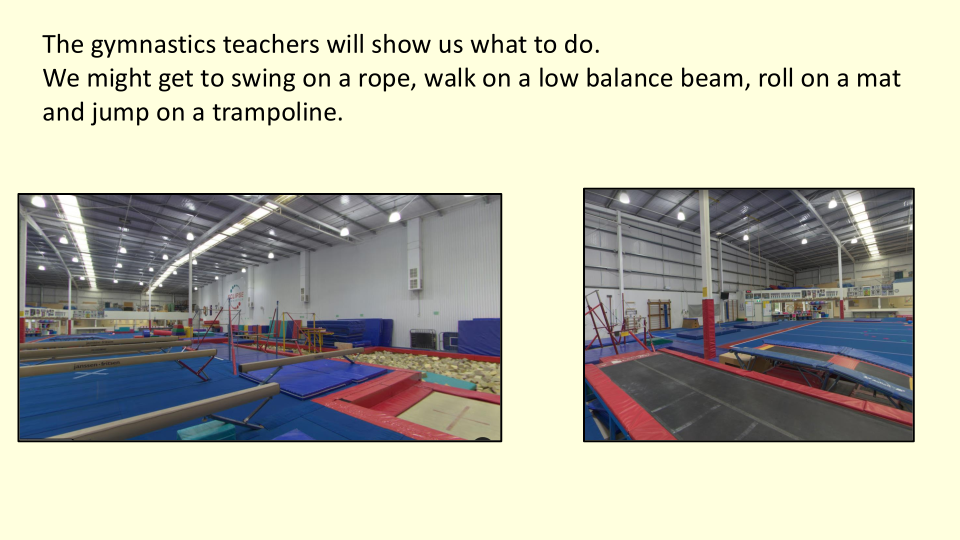
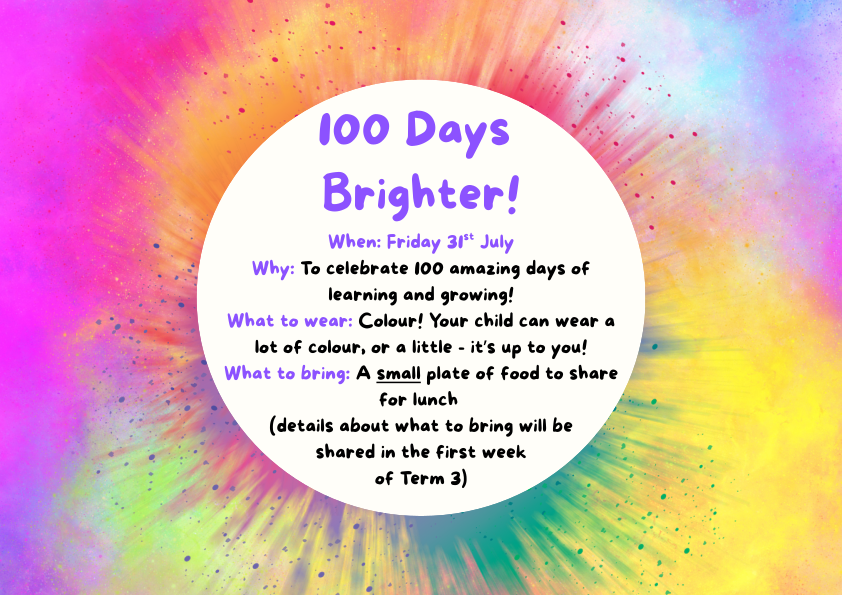
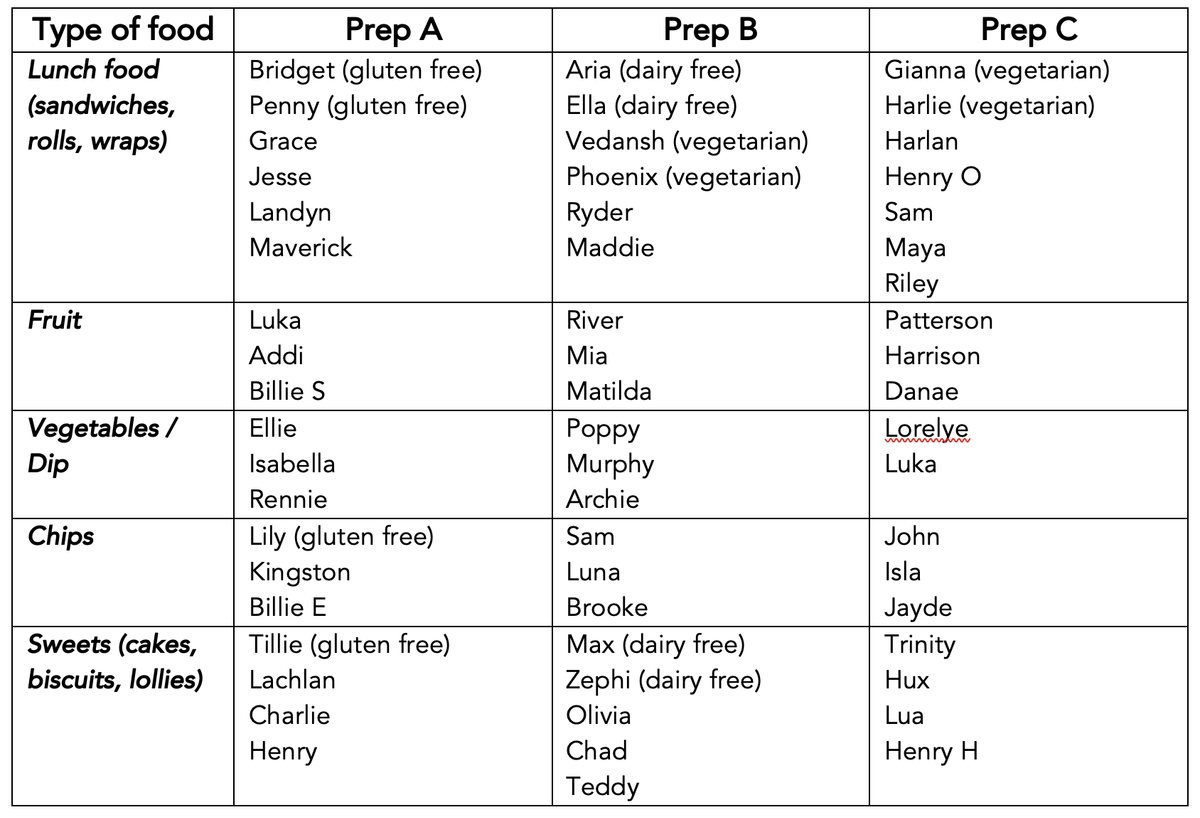
Updated: 100 Days Brighter! - Friday 31st July
Please see the table below to see which item to bring along on the day. This information has also been emailed.
Curriculum
*Please remind your child to go to the toilet before they enter the classroom.
Phonics and reading
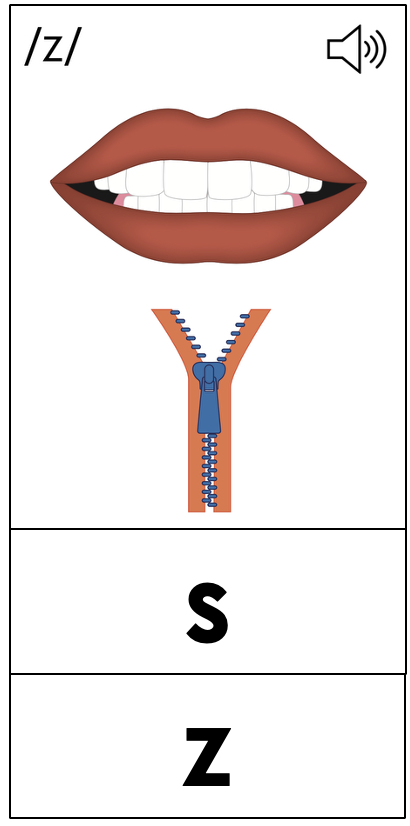
We are finally completing our learning of the alphabet as we learn about the letter Z! Once we have explored all of the letters, we will begin reviewing the short vowels, starting with A.
Our learning focus will include:
- Understanding the phonemes (the sound each letter makes)
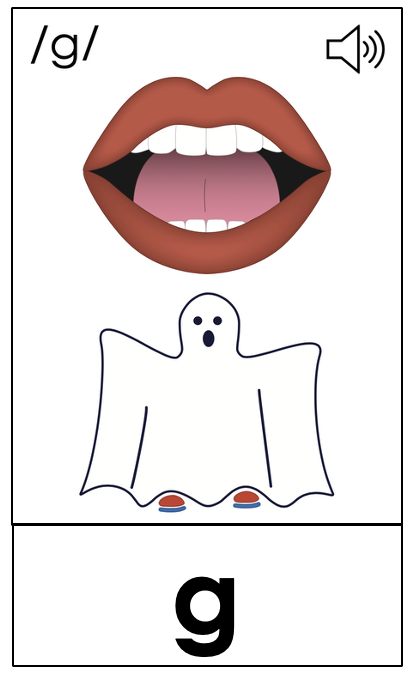
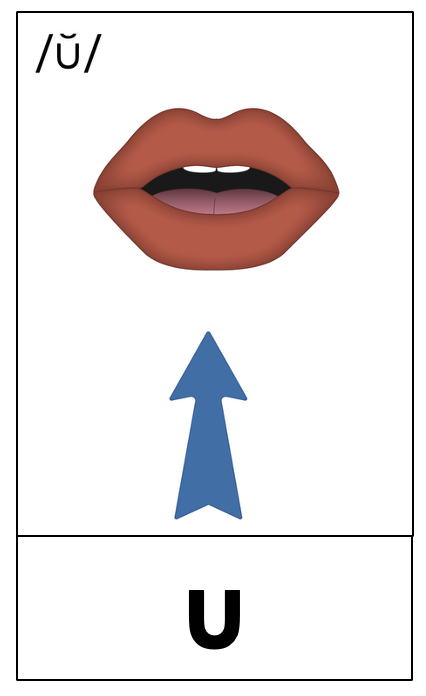
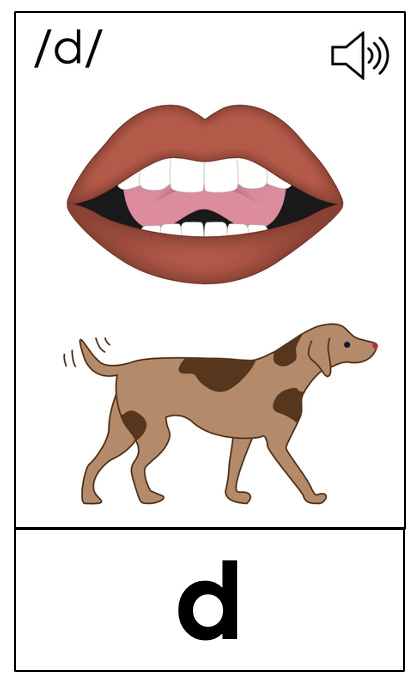
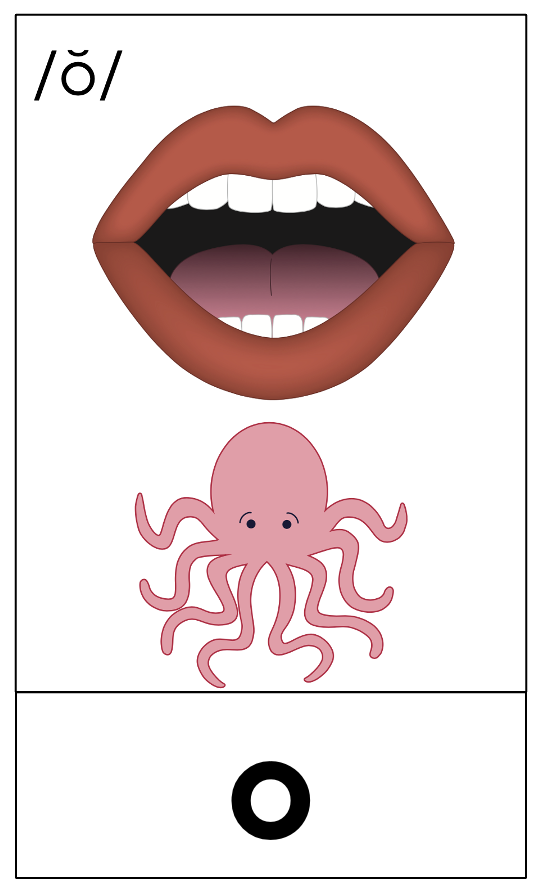
- Learning the cued articulation for these sounds
- Identifying where we might see each letter in a word
- Practising the graphemes (the way we write the letter), including correct letter formation
- Reading and writing 3 and 4 letter words, using the sounds we know.
What can you do at home?
• Support your child to read the decodable book in their Reading Pocket. Try and aim to read every day, if you can.
• The 'Roll and Read' page is a great way to practise sounding out and blending words, especially for students who find reading sentences a little challenging.
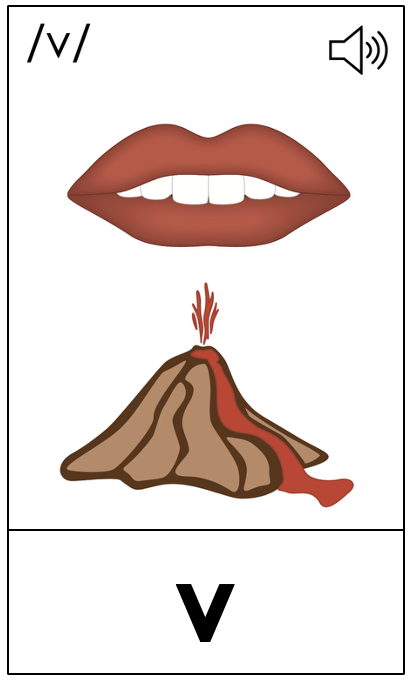
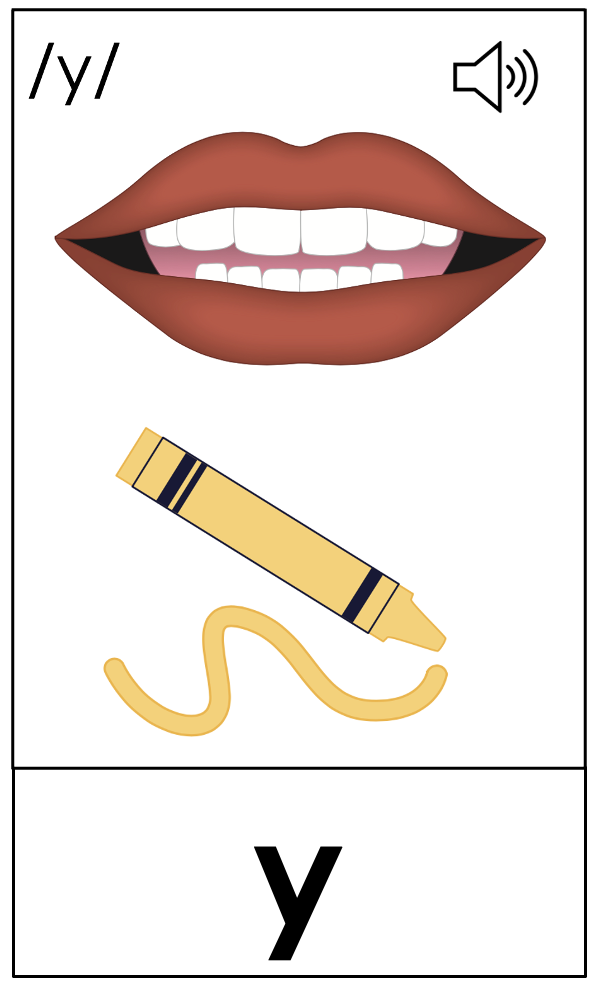
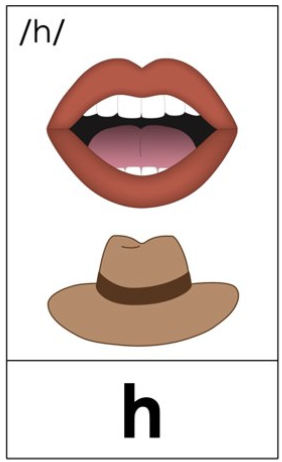
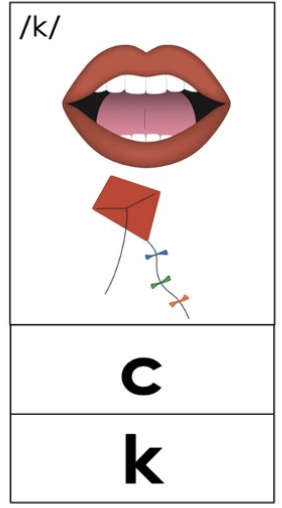
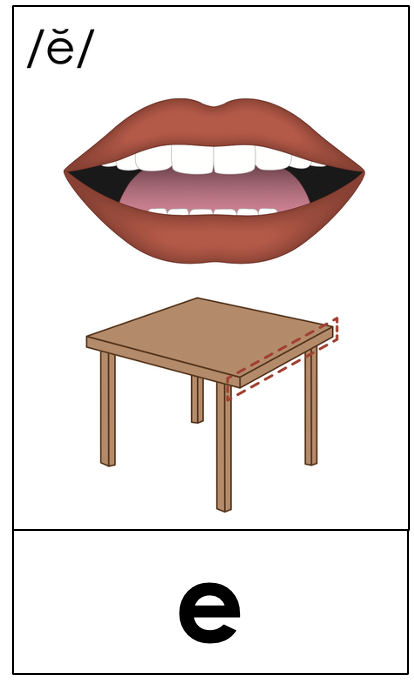
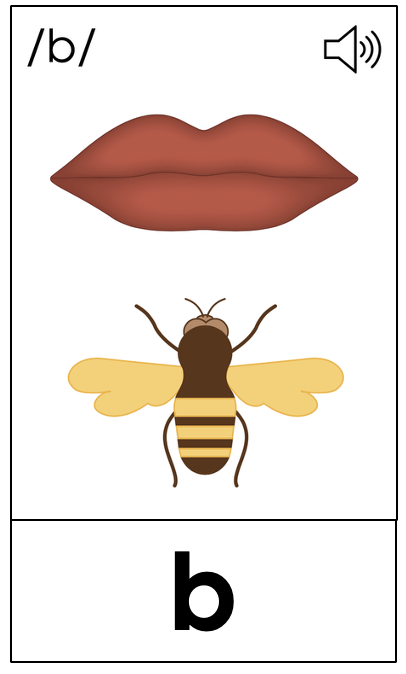
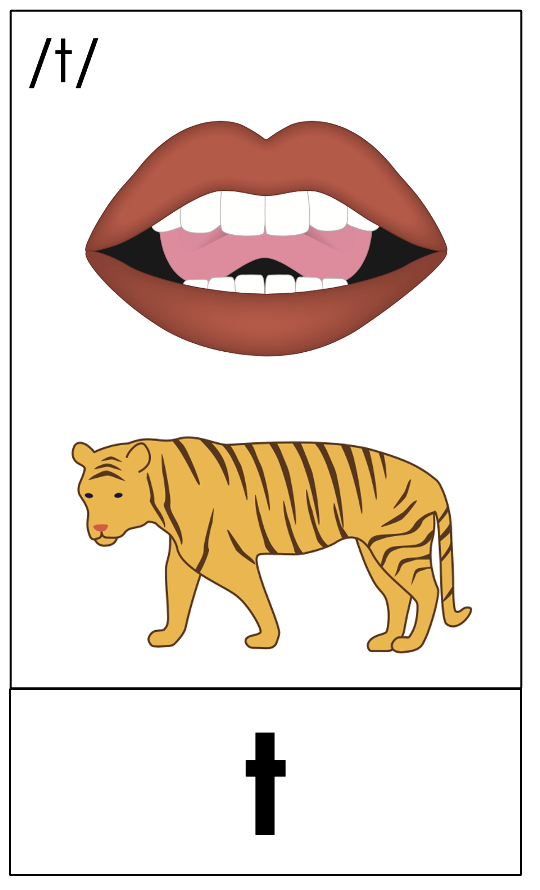
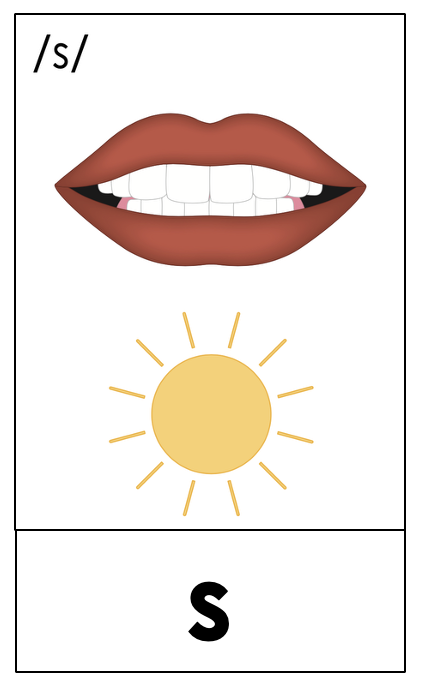
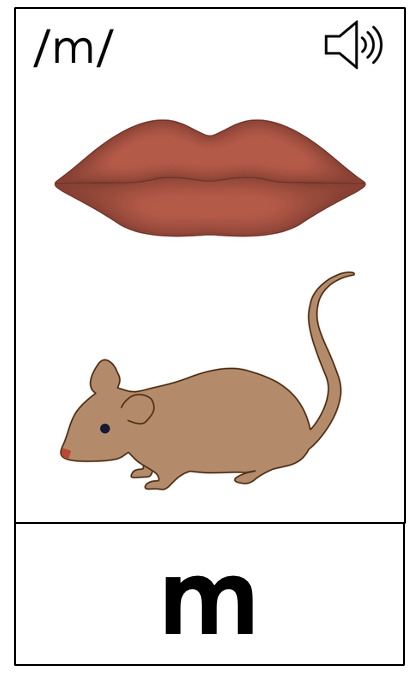
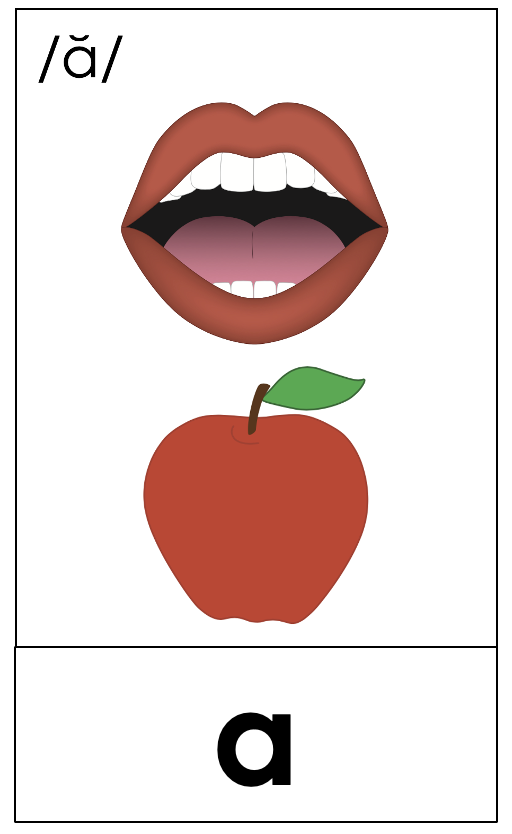
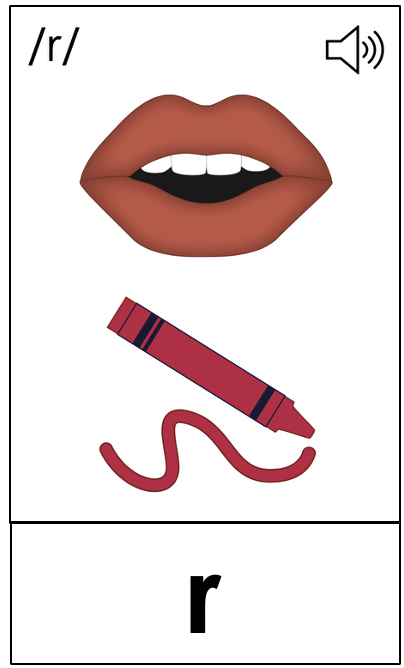
•Review the letter names and sounds for QU and V, as well as the sounds we have learned so far using the cards below. You can also find these cards in your child's book pocket. When practising, say them like this: “A spells /a/.” Ask your child if they can show you the cued articulation for the sounds.
•Learn the Heart Words (in red booklet). A new page was added last week.
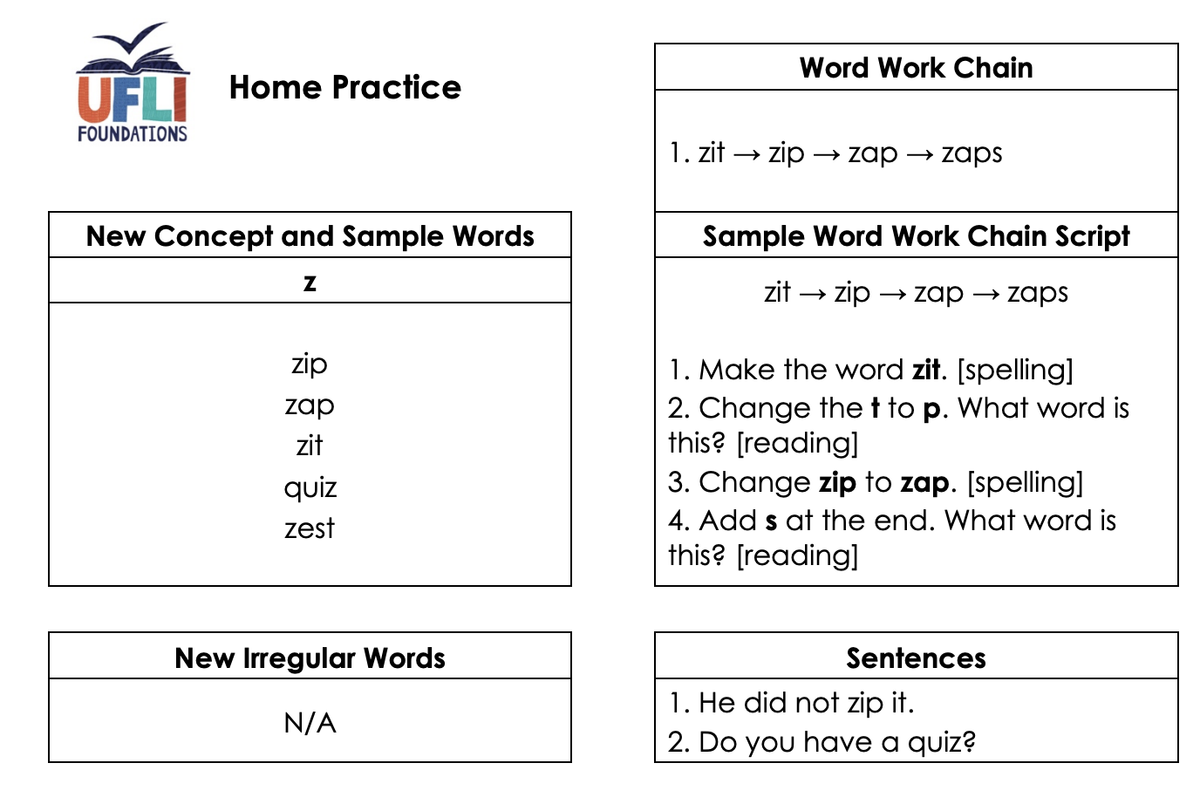
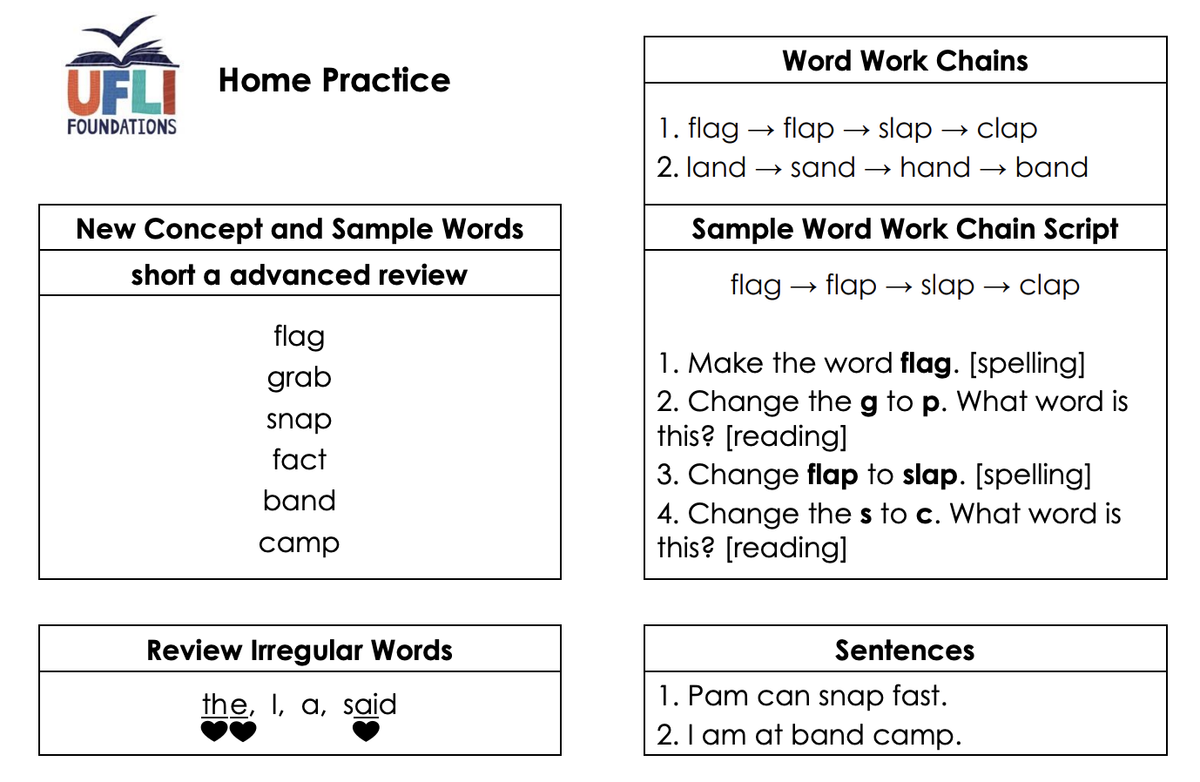
• Work through the optional UFLI pages.
Sound / Letter cards to review:
**There is not an X card. You make the sound by combining the /k/ and /s/ sounds
**There is not a QU card. You make the sound by combining the /k/ and /w/ sounds
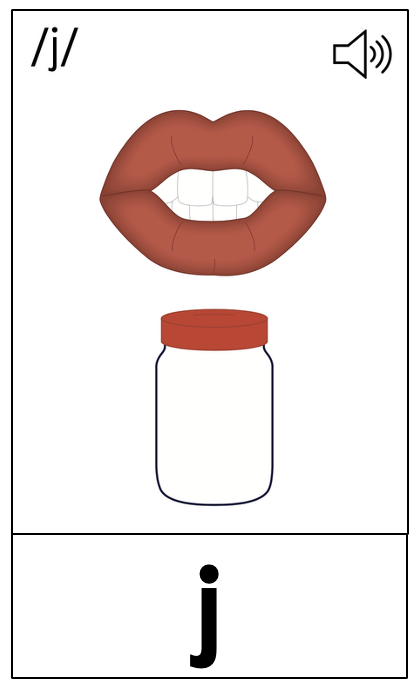
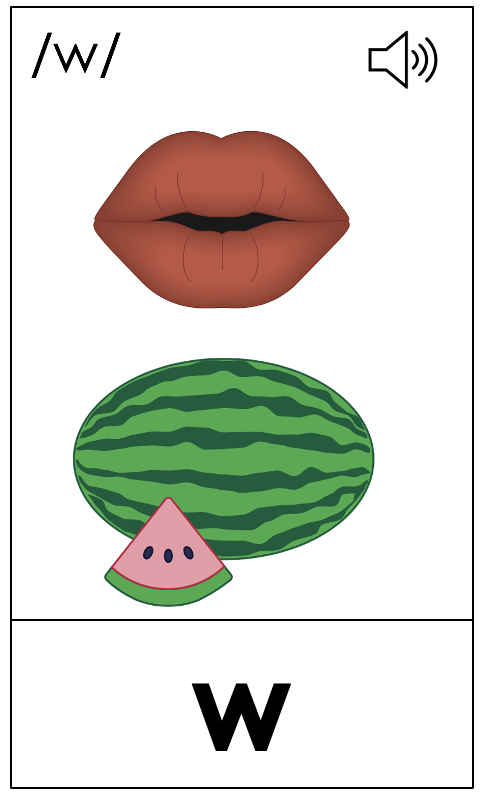
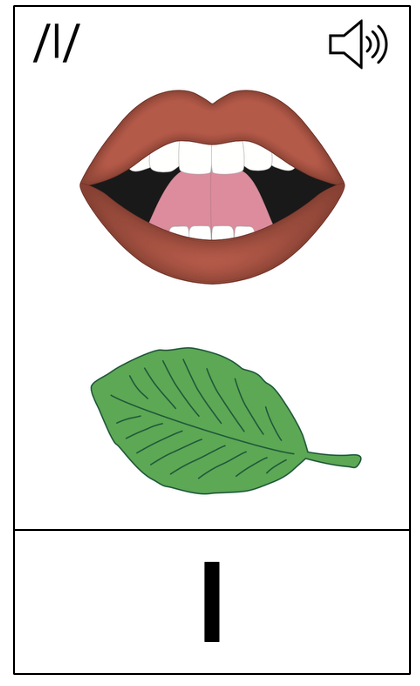
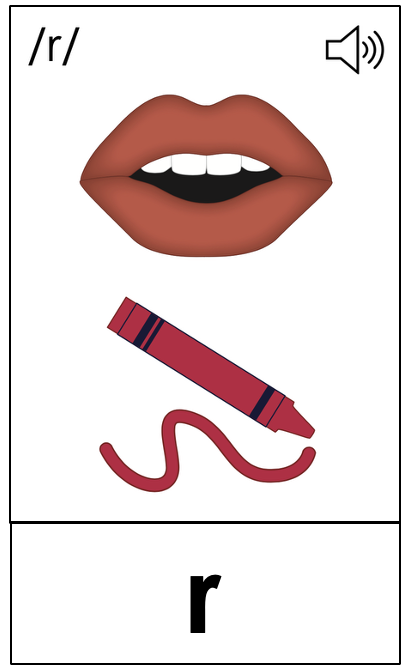
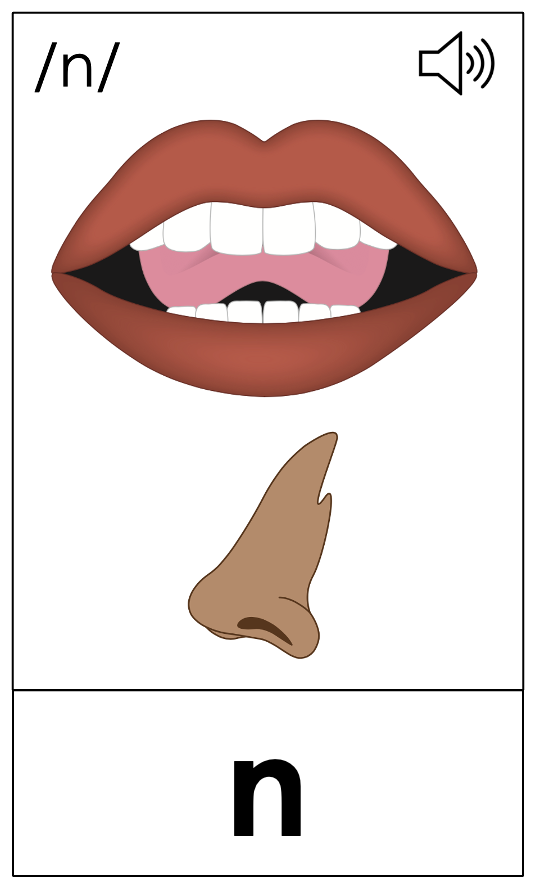
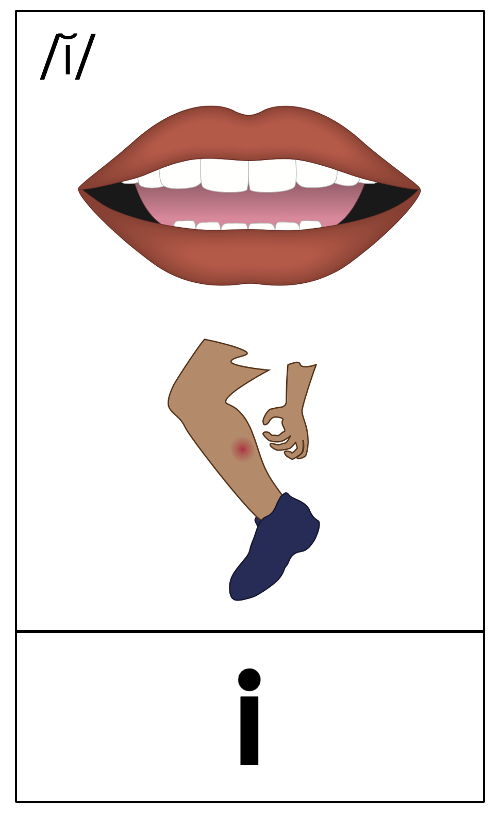
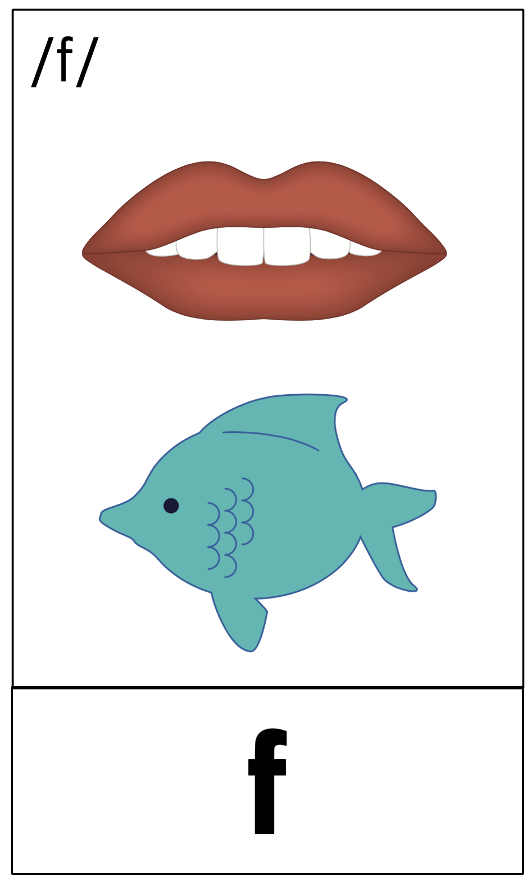
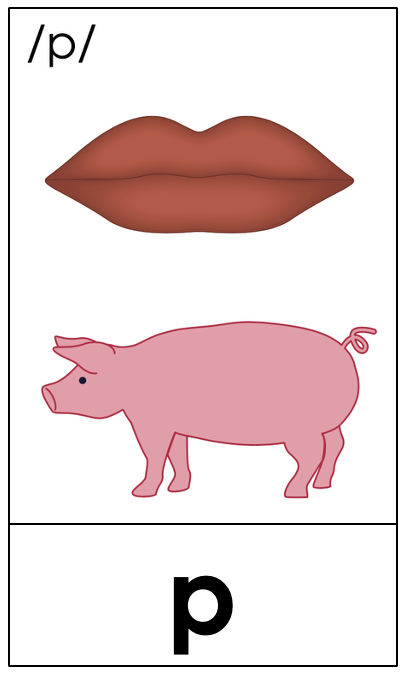
Optional UFLI Home Practice Pages:
(please see the Wonga Weekly from Term 1, Week 7 with an explanation on how to use these practise pages)
Literature: reading responses and writing
Our mentor text this week is the non-fiction book All About Emus. As we begin exploring our new Big Idea, we will also begin learning about non-fiction texts (see more information below in our CBL section). Students will compare fiction and non-fiction texts, identify the features of a non-fiction book, and learn to distinguish between facts and opinions/not-a-fact statements.
In Writing, students will practise forming the letter Z using the correct entry and exit points. They will also begin using their Sky, Grass, Ground books, which feature coloured dotted thirds to support correct letter size, placement, and handwriting development.
Students will sound out and write words using the sounds they know, and write short dictated sentences. They will also independently create short texts based on a picture prompt.
We will begin incorporating writing into our Mentor Text sessions, where students will write facts about emus.
What can you do at home?
•Practice letter formation previously taught letters (see the picture cards above)
•Write some 3 or 4 letter words using the taught sounds (see the picture cards above!)
•Help your child practise writing their name with a capital letter at the beginning and lowercase letters for the rest of their name.
Maths
We are beginning a new unit of learning on addition and subtraction. Students will explore addition number stories up to 10 in a variety of ways, including counting pictorial stories, representing addition using pictures and materials and creating their own number stories. They will also use ten-frames to represent addition number stories up to 10 and develop their understanding of how numbers combine to make new totals.
What can you do at home?
• Practise simple addition stories at home using everyday objects (eg. “You have 3 toys and get 2 more - how many altogether?”).
•Use toys, counters or food items to help your child physically group and combine numbers up to 10.
•Encourage your child to explain their thinking out loud when adding (eg. “I counted on…”, “I put them together…”).
**Please note - we are using the words 'and' (not 'plus') for addition and 'take away' for subtraction
CBL
Our new Big Idea is Power. Students will use guiding questions to explore native animals and consider how they can use their individual power to help protect endangered native animals.
Guiding Questions:
What is Power?
How do we use our power in everyday choices?
How do our choices affect the living things around us?
Essential Questions:
How can we use our power to make a positive difference for living things?
Challenge:
Prep – 2s Pledge to Do! Use your powerful voice to make a change!
Wellbeing
SWPBS
Our focus is to review our Be Kind, Be Safe, and Be a Learner expectations as we come back from holidays, ensuring that students are confident and consistent in following them so that everyone can enjoy a positive and successful time at school.
Cyber Safety
Students will view a Social Story about expectations for iPad use at school and apply their learning as they begin using iPads.