Literacy News
Building Strong Readers and Writers at SKiPPS
Part 2: Oral Language – Where Literacy Begins
When people think about learning to read, they often picture children sounding out words or reading books. However, long before children begin reading, they are developing the skills that make reading possible through listening, talking and interacting with the world around them.
This is known as oral language, and it is the foundation upon which all literacy learning is built.
Oral language refers to the ability to understand and use spoken language. It includes listening, speaking, vocabulary, asking and answering questions, following directions, telling stories and expressing ideas. Every conversation a child has helps build the language knowledge they will later draw upon as readers and writers.
Children with strong oral language skills are better able to understand what they read, communicate their ideas in writing and learn new concepts across all areas of the curriculum. Simply put, the more language children hear, understand and use, the stronger their foundation for literacy becomes.
Why This Matters for Learning
Children learn best when new information connects to what they already know. The conversations children have, the experiences they share and the words they hear all contribute to building the knowledge they need to make sense of new learning.
As children develop a rich understanding of language, they have more knowledge to draw upon when they encounter new texts and ideas. This means that reading is not just about recognising words - it is about understanding and thinking deeply about what those words mean.
At SKiPPS
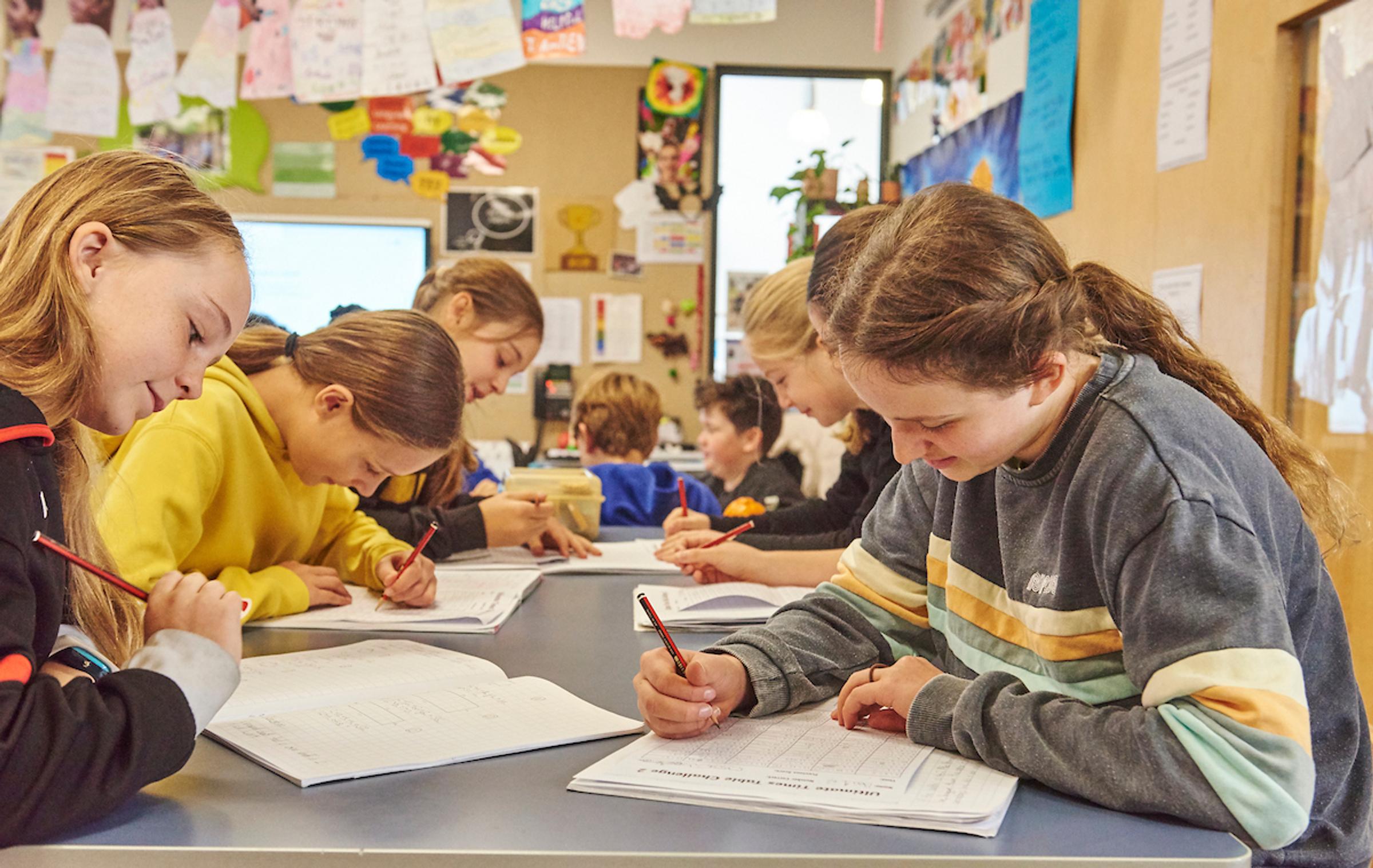
Developing oral language is part of every school day. Our teachers intentionally create opportunities for students to discuss their thinking, explain their ideas, learn new vocabulary and engage in meaningful conversations with their peers.
Teachers carefully model language, introduce new vocabulary and provide structured opportunities for students to practise expressing their ideas. Whether students are participating in whole-class discussions, working with a partner, sharing their thinking during Explicit Instruction or exploring rich texts together, they are continually strengthening the language skills that support reading, writing and learning.
Literacy Spotlight
Children don't build vocabulary by simply memorising lists of words. They develop vocabulary by hearing words used in meaningful contexts, discussing ideas and making connections between new words and what they already know.
The more language children encounter, the more language they have available to use as readers, writers and thinkers.
How You Can Help at Home
You don't need special resources to develop your child's oral language - your everyday conversations are incredibly powerful.
Try to:
- Talk together during meals, in the car or while walking.
- Ask open-ended questions that encourage more than a one-word answer.
- Introduce new words naturally and explain what they mean. Ask them what 'new vocabulary' they have been doing at school on a particular day.
- Read aloud together and pause to discuss interesting words, characters and events.
- Encourage your child to retell their day with as much detail as possible.
Every conversation helps build the language and knowledge that children will later use as readers and writers.
Coming next week: Part 3 – Phonological Awareness: Hearing the Sounds in Words.

For the fourth year, St Kilda Park is entering the Prime Minister’s Spelling Bee. The competition is open to all our students in Year 3/4/5 & 6. It is free to enter the online competition which Amy Salter, Literacy Leader and Year 5 teacher, will run with students in the coming weeks.
Entrants will be required to answer 30 random spelling words (timed) per round. Students are required to be signed up, so please talk to your child/children and see if they are interested in participating.
Here is the link if you would like to read up a little more about the competition. You can also access the online consent form in this link which you will need to complete for your child to participate.
If your child/children would like to participate, please send Amy an email on amy.salter@education.vic.gov.au. Please attach the consent form to your email.
Thank you to the students who participated in the Pen Pal program lasty year. For those that are interested in joinuing this local initiative, all students are invited to write a letter addressed 'Dear Pen Pal' and we deliver these to the residents at Sacred Heart community. The letters are so well receieved and bring great happiness to people in our community
We warmly encourage all families to help their child write a short, cheerful letter addressed to “Dear Pen Pal,” to brighten someone’s day. Please hand completed letters to Amy Salter (Yr 5 teacher) or leave at the office for Jac.
If any families walk past Sacred Heart and would like to be our 'Postie', please let us know. Sacred Heart actually have a batch of letters that are ready to be picked up and delivered to us!

Thank you for helping us spread kindness and connection across generations.
Jac Morphy
Assistant Principal - Curriculum and Instruction