
Assistant Principal
Looking for the Good: Helping Children Overcome the Negativity Bias
As humans, we are naturally wired to notice problems, challenges and things that go wrong. Psychologists call this the negativity bias. It’s a normal part of how our brains work, but it can sometimes mean that we focus on the one difficult moment in our day rather than all the positive things that happened.
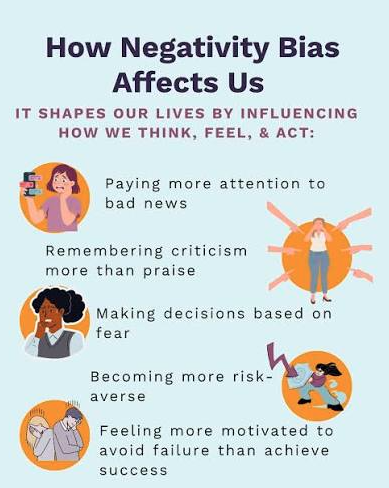
Children are no different. When we ask, “How was your day?” they may immediately think about a disagreement with a friend, a mistake they made in class, or something that didn't go their way. Meanwhile, all the fun, learning, laughter and success from the rest of the day can be forgotten.
Of course, this doesn't mean we ignore, dismiss or minimise challenges when they arise. Difficult situations and big feelings are an important part of life, and children need opportunities to talk about them. The goal is simply to ensure there is a balance, so that one small challenge doesn't overshadow an entire day filled with positive experiences.
One simple way we can help our children develop a more balanced perspective is by being thoughtful about the questions we ask after school. Some questions you might like to try include:
- What's something you enjoyed about today?
- What's something good that happened today?
- Who made you smile today?
- What are you proud of from today?
- What was something interesting that you learned?
- What was the funniest thing that happened today?
- Did you help someone or did someone help you today?
- What is one thing you're looking forward to tomorrow?
I learned a valuable lesson about negativity bias when my daughter Grace was in Grade 2 (she's now 17!). Every day for a week she came home telling me that she had no one to play with at lunchtime. Naturally, I became concerned and had a chat with her teacher to seek some advice about how I could support her in making friends.
After doing a little investigating, her teacher discovered that Grace actually had a wonderful group of friends. The issue was that for a few minutes at the start of lunchtime, it sometimes took her awhile to find them. In Grace's mind, those few minutes became the focus of her attention. She remembered not having anyone to play with, rather than the other 45 minutes she spent happily engaged with friends.
It was a great reminder that our children, just like us, sometimes need support to notice the good alongside the challenges. By helping them reflect on positive moments, while also talking through any difficulties they may have experienced, we can encourage gratitude, resilience and a more balanced view of their day.
Thank you for partnering with us in this. The way we talk with children about their day can have a powerful impact on how they view themselves, their friendships and their school experiences. By working together to acknowledge challenges while also celebrating successes, we can help our children develop healthy mindsets, build resilience and learn to see the whole picture of their day.
Warmly,
Bron