Mental Health in Primary Schools












 Syndal South Primary School

Helping Children Cope with Disappointment, Frustration and Losing
Learning to cope with disappointment, frustration and losing is an important part of children's social and emotional development. These experiences help children develop resilience, patience, emotional regulation and the ability to manage challenges. Research into child development highlights that children build these skills through practice, supportive relationships and opportunities to work through difficult feelings. Rather than avoiding disappointment, children benefit from experiencing manageable challenges in a safe environment, where adults can help them recognise their emotions and learn appropriate ways to respond.
It is important for children to understand that success is not just about winning, getting everything right or being the best. Learning to try again, keep going when something feels difficult, celebrate others' achievements and recognise personal improvement are equally valuable outcomes. Parents play an important role by modelling calm responses to frustration, acknowledging children's feelings and praising effort, persistence and sportsmanship rather than focusing solely on results. Over time, these everyday experiences help children develop confidence, flexibility and a healthier attitude towards mistakes and setbacks.
Strategies Parents Can Use at Home:
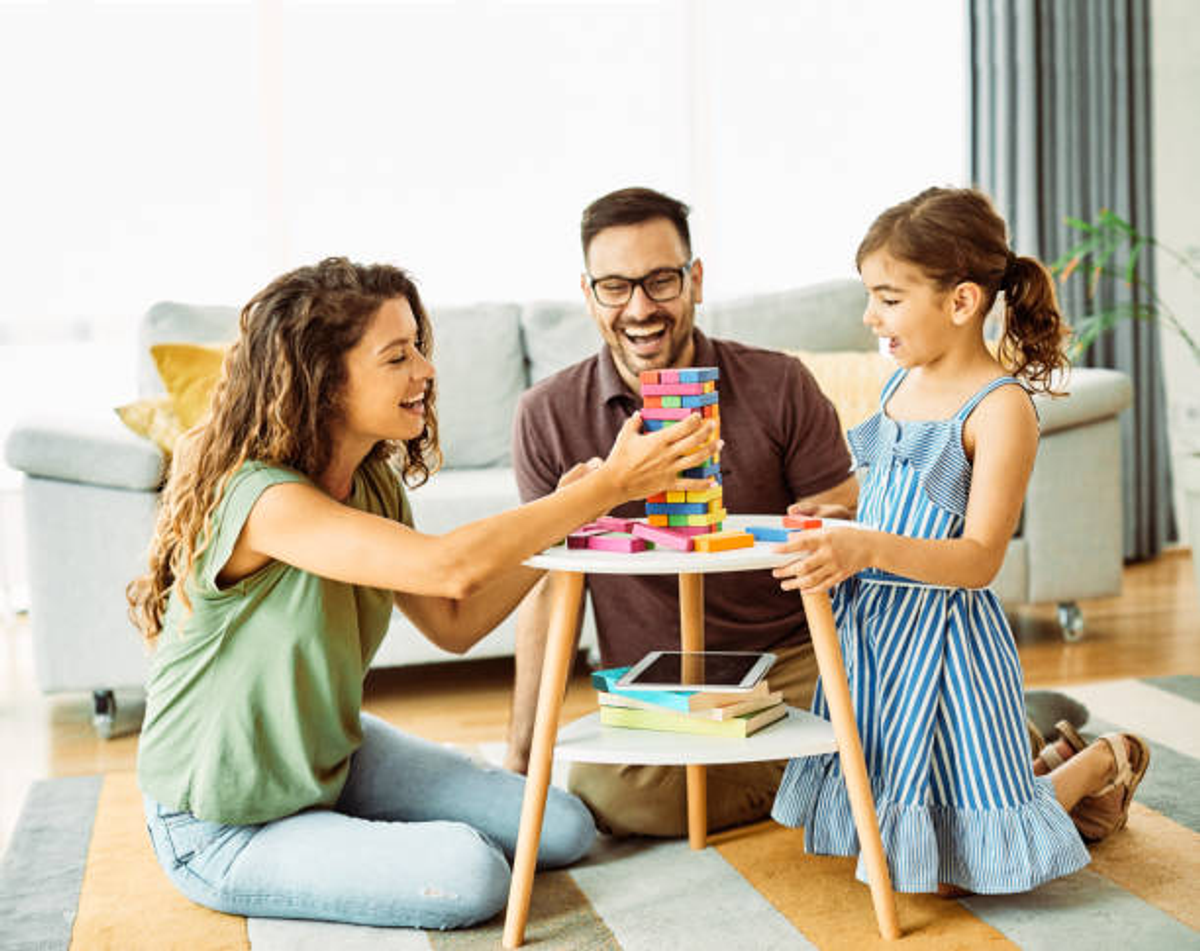
Play board games together: Choose age-appropriate games that involve taking turns, following rules, waiting and accepting that someone else might win. Games such as Uno, Connect 4, Snakes and Ladders or simple card games provide regular opportunities to practise these skills.
Focus on effort, not just outcomes: Praise children for trying their best, persisting when something is difficult, using a strategy or practising a skill, rather than only celebrating winning or getting every answer correct.
Avoid making 100% the only measure of success: Help children understand that mistakes are a normal part of learning. Celebrate improvement, progress, effort and what they have learnt, even when the result is not perfect.
Model positive responses to losing: Let children see adults lose a game gracefully, laugh off a mistake, congratulate the winner and say things like, “I didn't win this time, but I enjoyed playing.”
Acknowledge their feelings: If a child becomes upset, try saying, “I can see you're disappointed because you wanted to win.” Help them understand that feeling disappointed is okay, while also reinforcing that it is important to respond respectfully.
Encourage children to try again: Rather than immediately fixing the problem or letting them win, encourage them to have another go, think of a different strategy or practise the skill they found challenging.
Teach simple calming strategies: Encourage children to pause, take a few slow breaths, have a short break or get a drink of water when frustration starts to build.
Talk about the experience afterwards: Ask questions such as, “What was tricky about that?”, “What did you do when you felt frustrated?” and “What could you try next time?”
Avoid always letting children win: Give children opportunities to experience both winning and losing in a supportive environment. The aim is not to prevent disappointment, but to help them learn how to manage it.
Celebrate good sportsmanship: Notice when children congratulate others, share, take turns, follow the rules or keep playing despite feeling disappointed. Explain that these behaviours are just as important as winning.
The key message for children is: “You don't have to win or get everything right to be successful. Trying, learning, improving and being a good sport matter just as much.”
Research from Harvard University's Center on the Developing Child highlights the importance of supportive relationships, play and practice in developing self-regulation and resilience. Research published in Child Development also suggests that praising children's effort can help foster a belief that abilities can improve through practice.