Classroom Gallery

Year Two Newsletter
Year Two has been very busy so far this term, with lots of learning and fun along the way. We have also been so pleased to welcome our friend, Lucy Martin, to our class.
We have been working hard across all key learning areas and have also had the opportunity to enter the NERAM “Let’s Hang It” Art Competition, as well as the Armidale Catholic Schools “Mary Our Mother” Art Competition. The students’ creativity has truly shone through, and they have thoroughly enjoyed participating in these exciting experiences. Thank you to Mrs Clark for all your help collating our artwork, permission forms and submitting our entries for us.
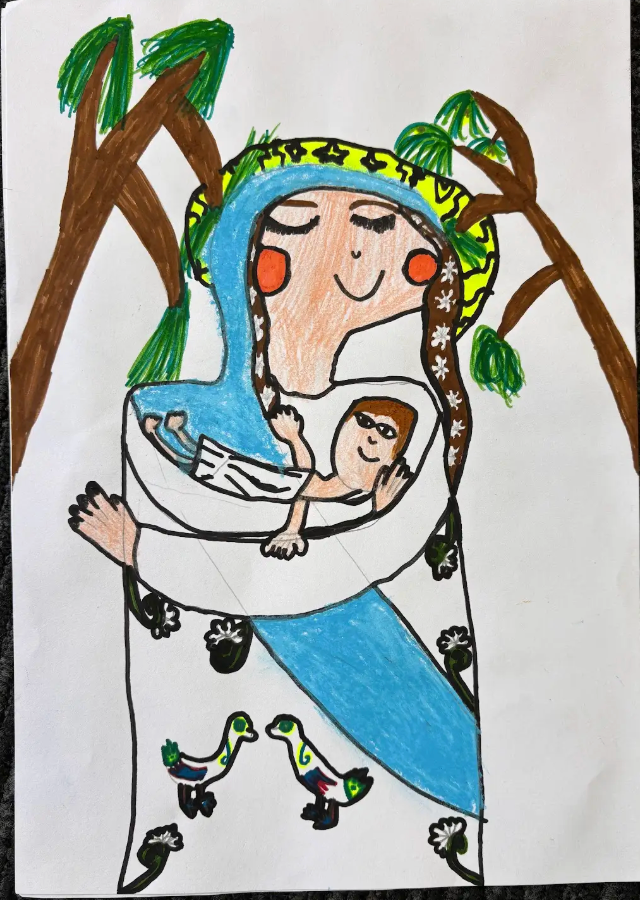
Mary Our Mother, by Eve Young
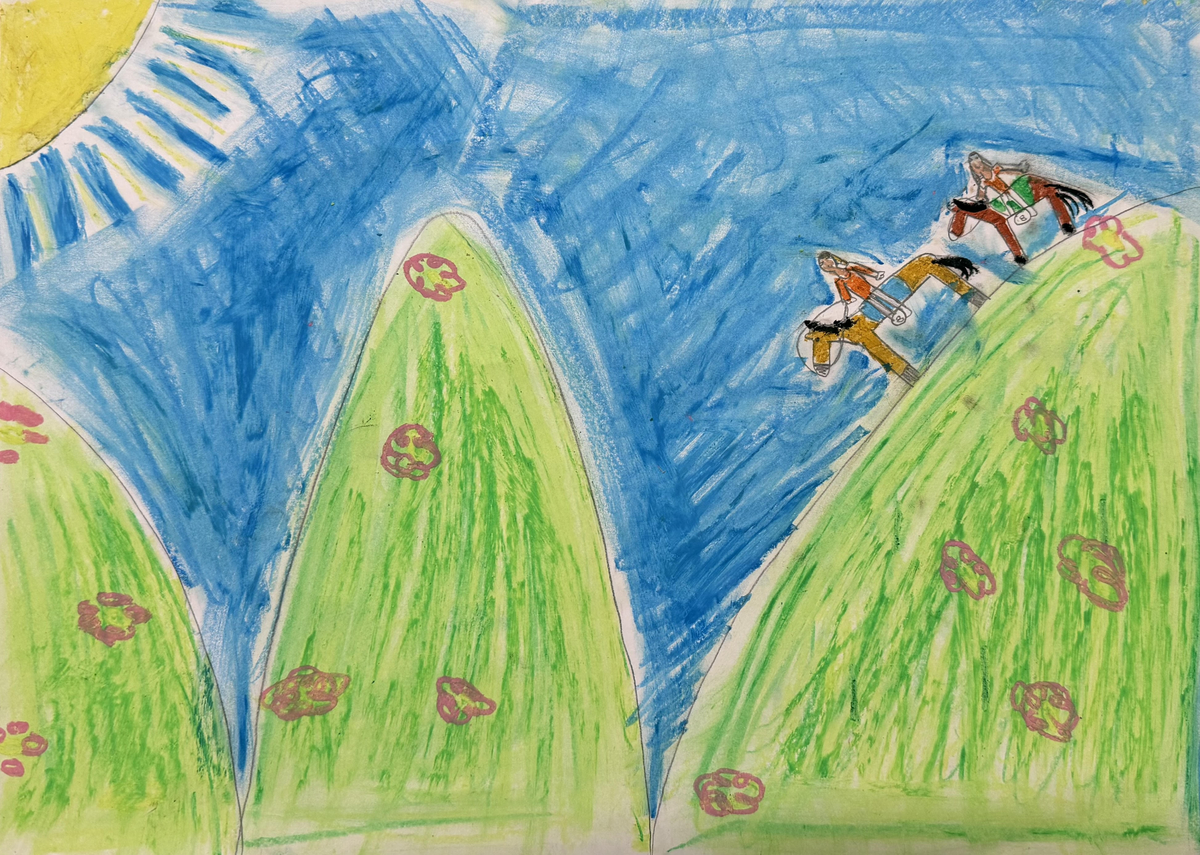
“Me and Charlie”, by Evelyn Williams
Maths
In Year 2 Mathematics, students have been learning how to combine and separate quantities using addition strategies. They are developing confidence in solving problems mentally and using efficient strategies such as doubles, number bonds, and making groups of 10. Students are also learning to explain their thinking and apply addition skills to real-life situations. Through hands-on activities, games, and problem-solving tasks, children are building strong number sense and fluency with addition facts.
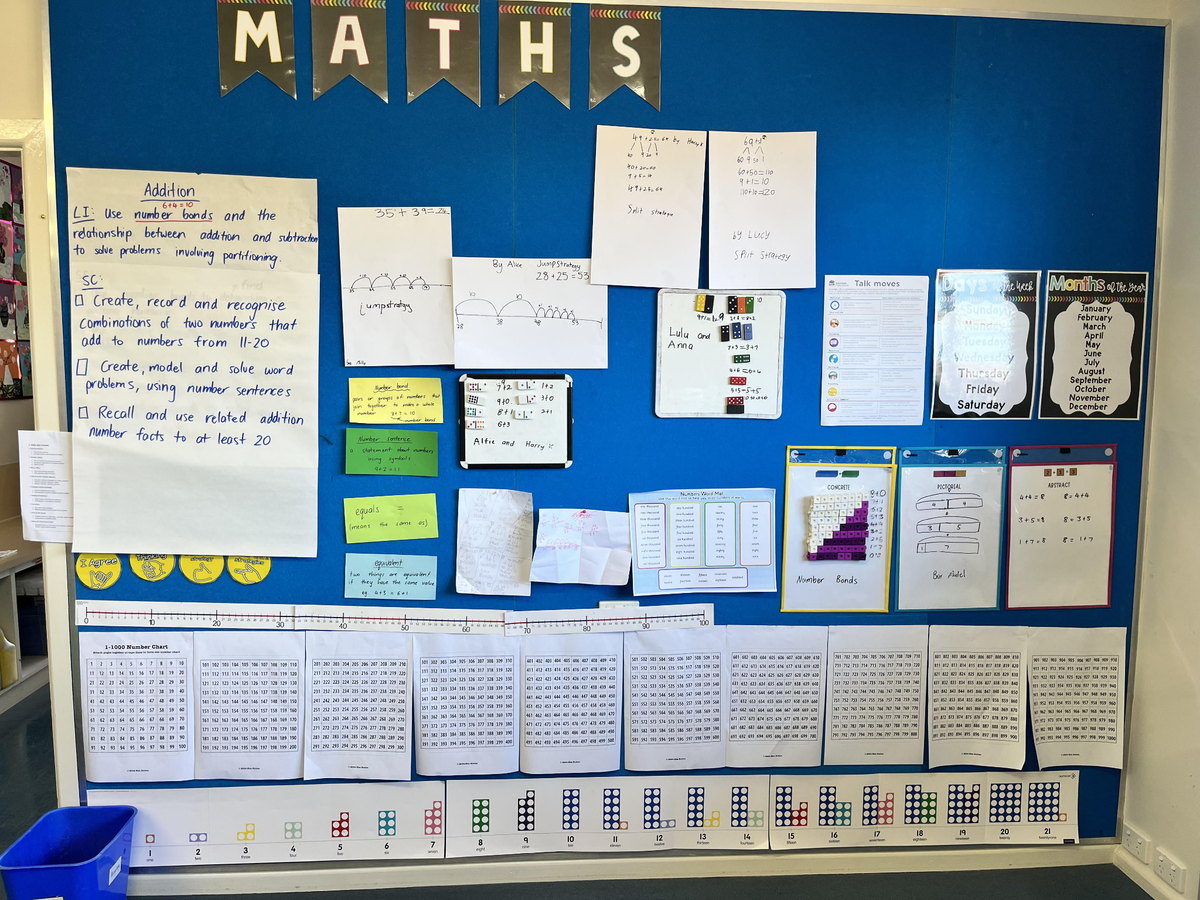
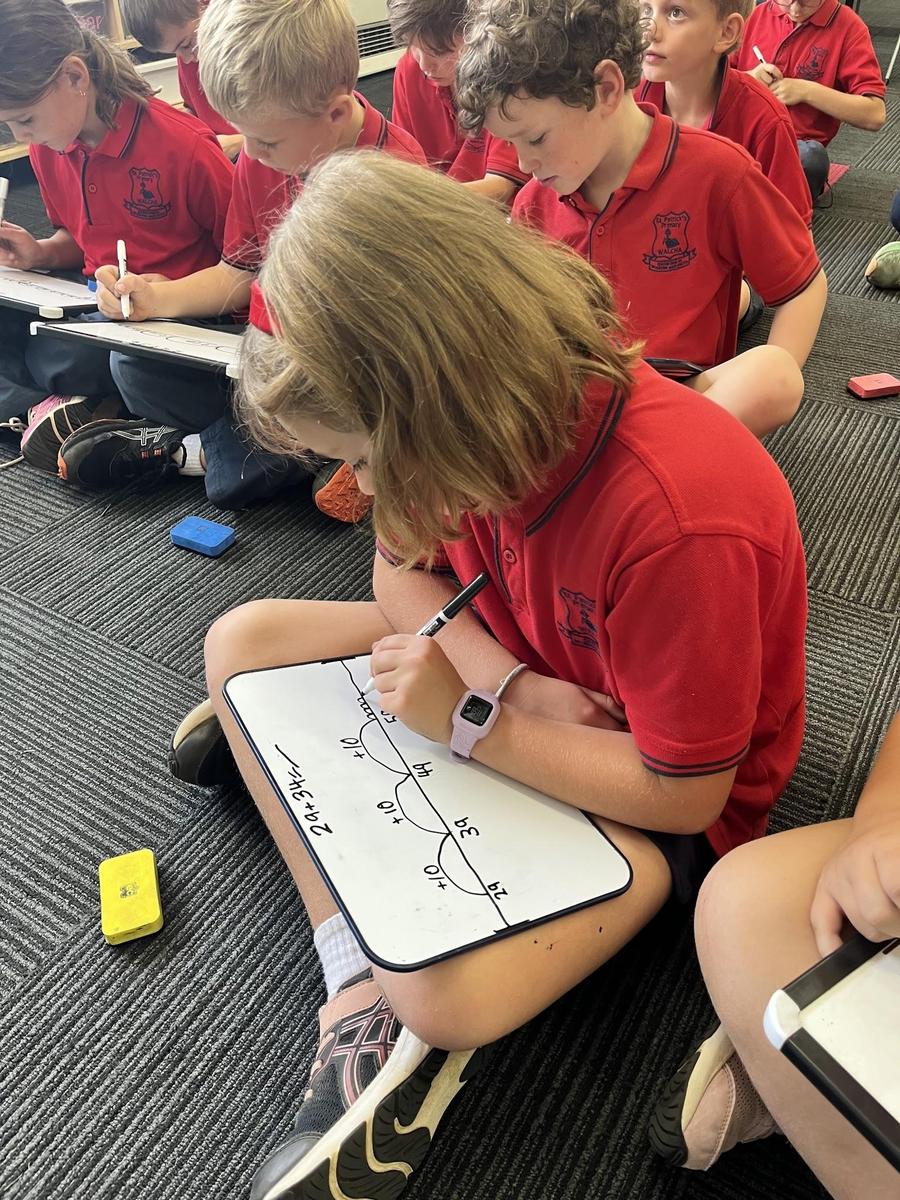
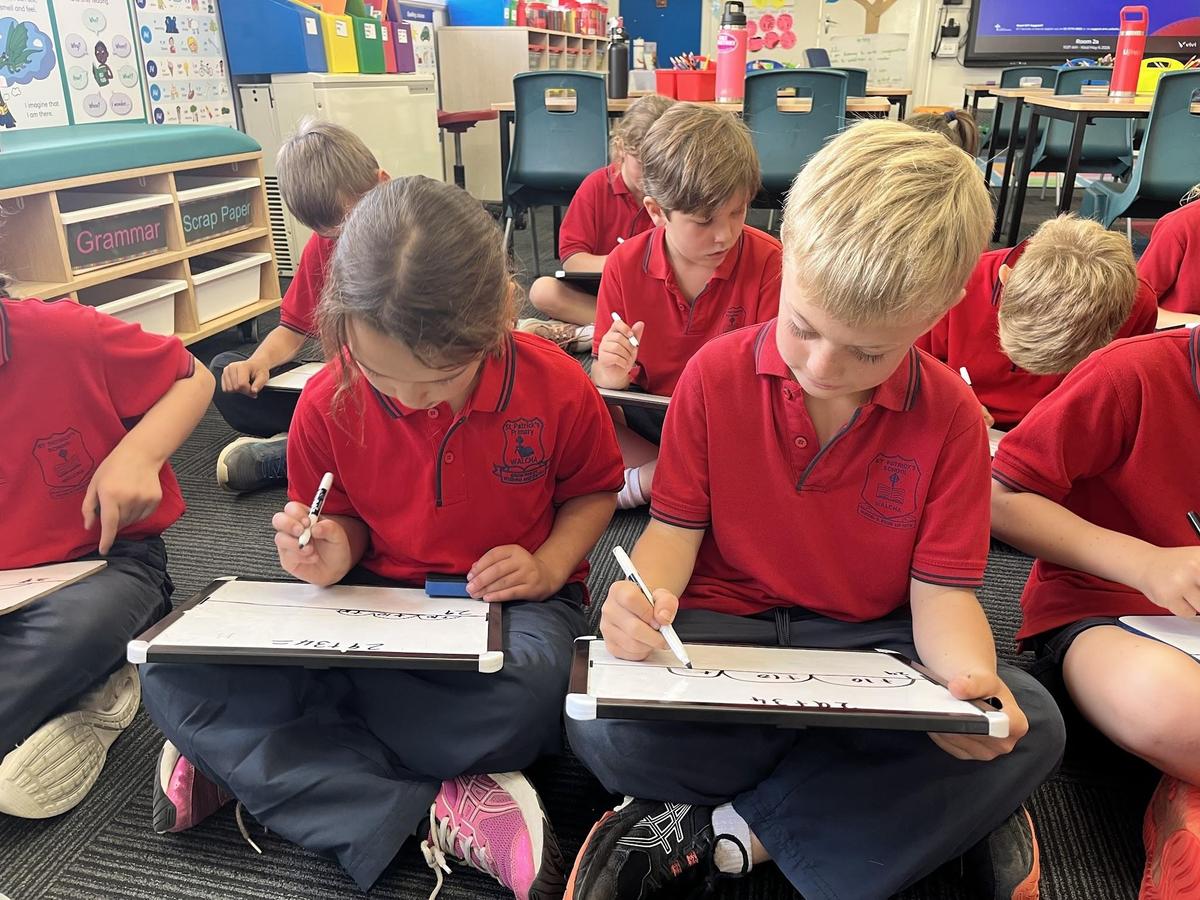
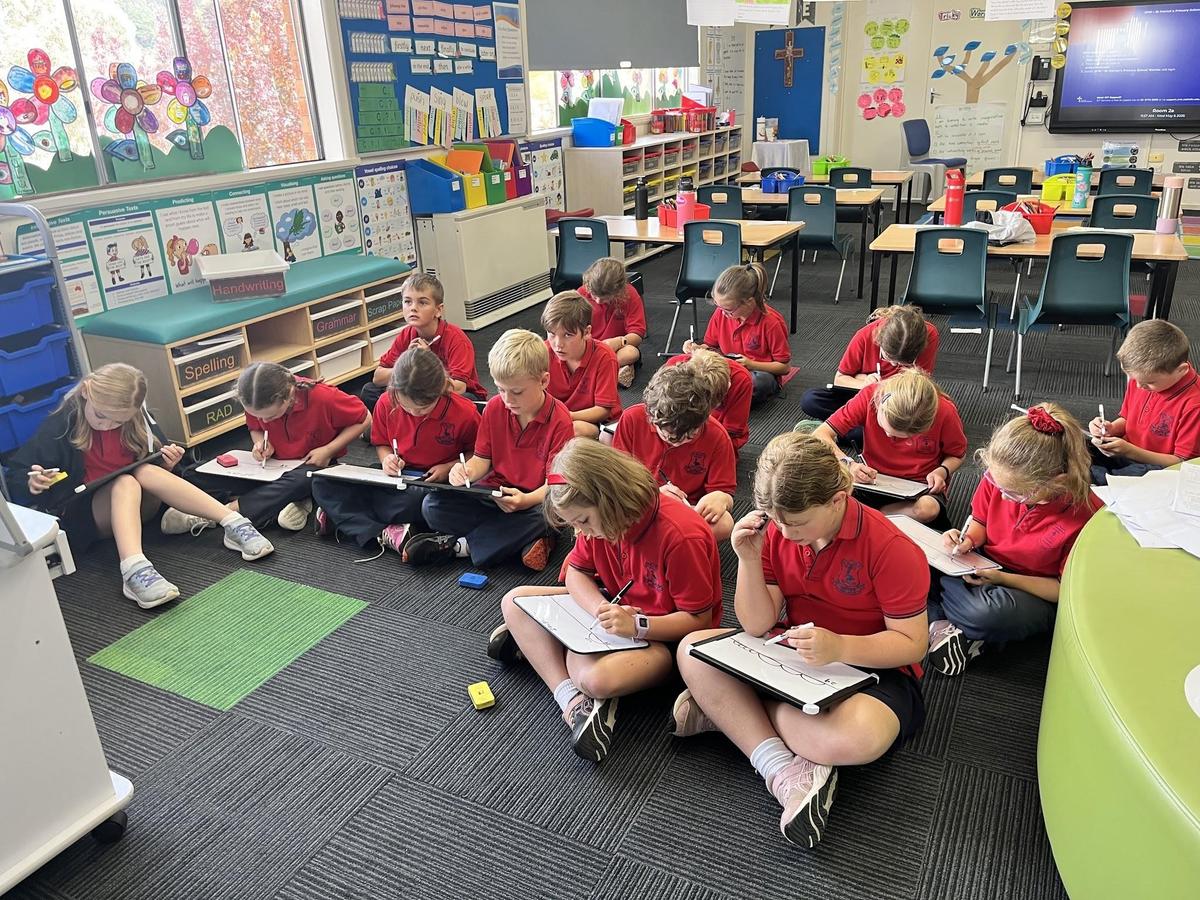
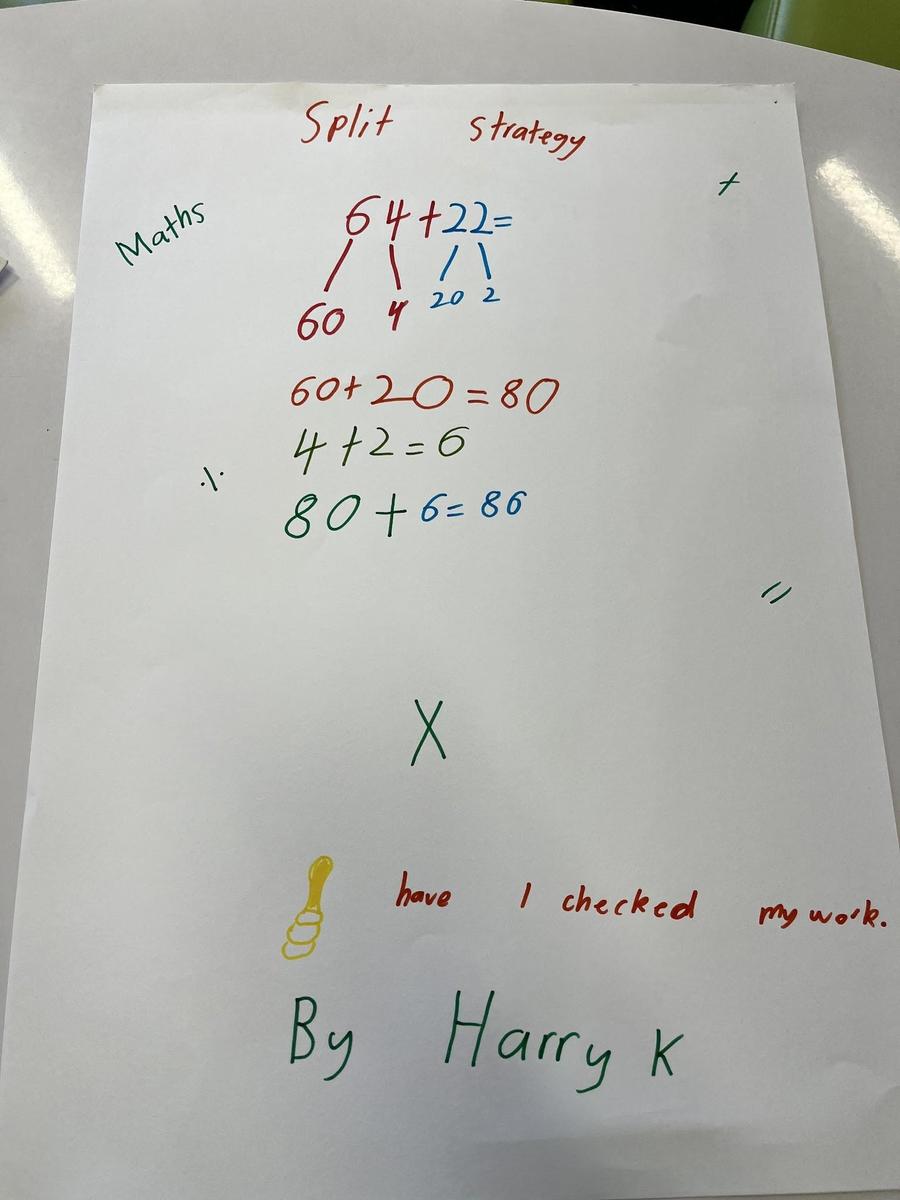
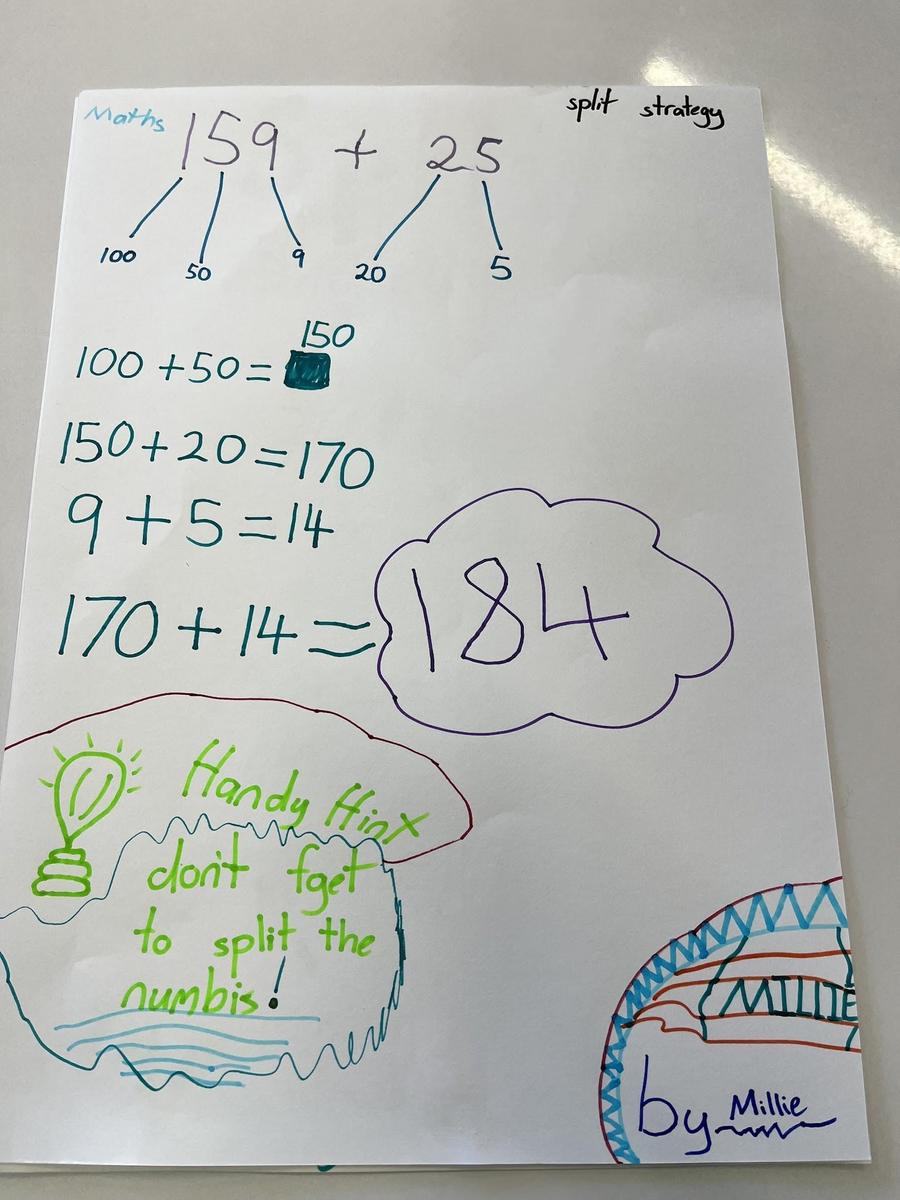
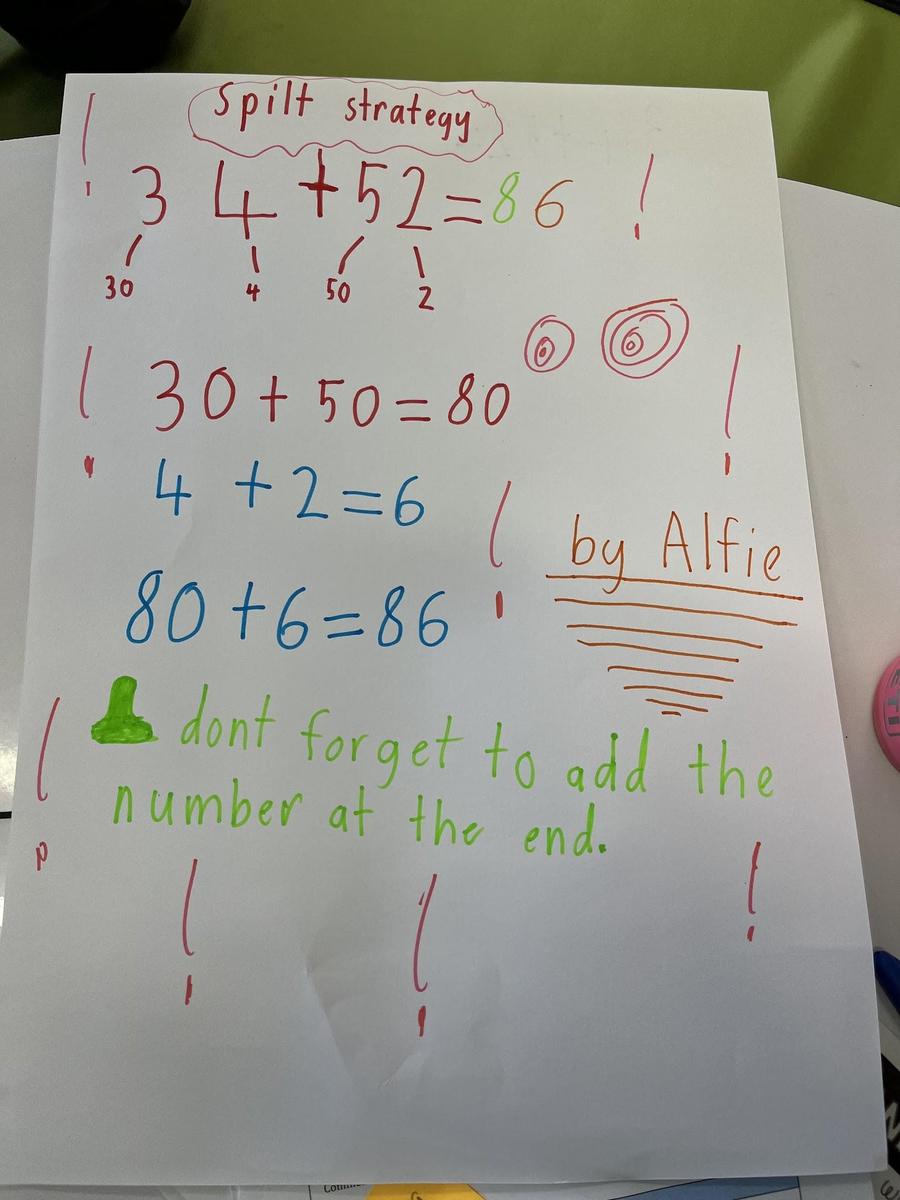
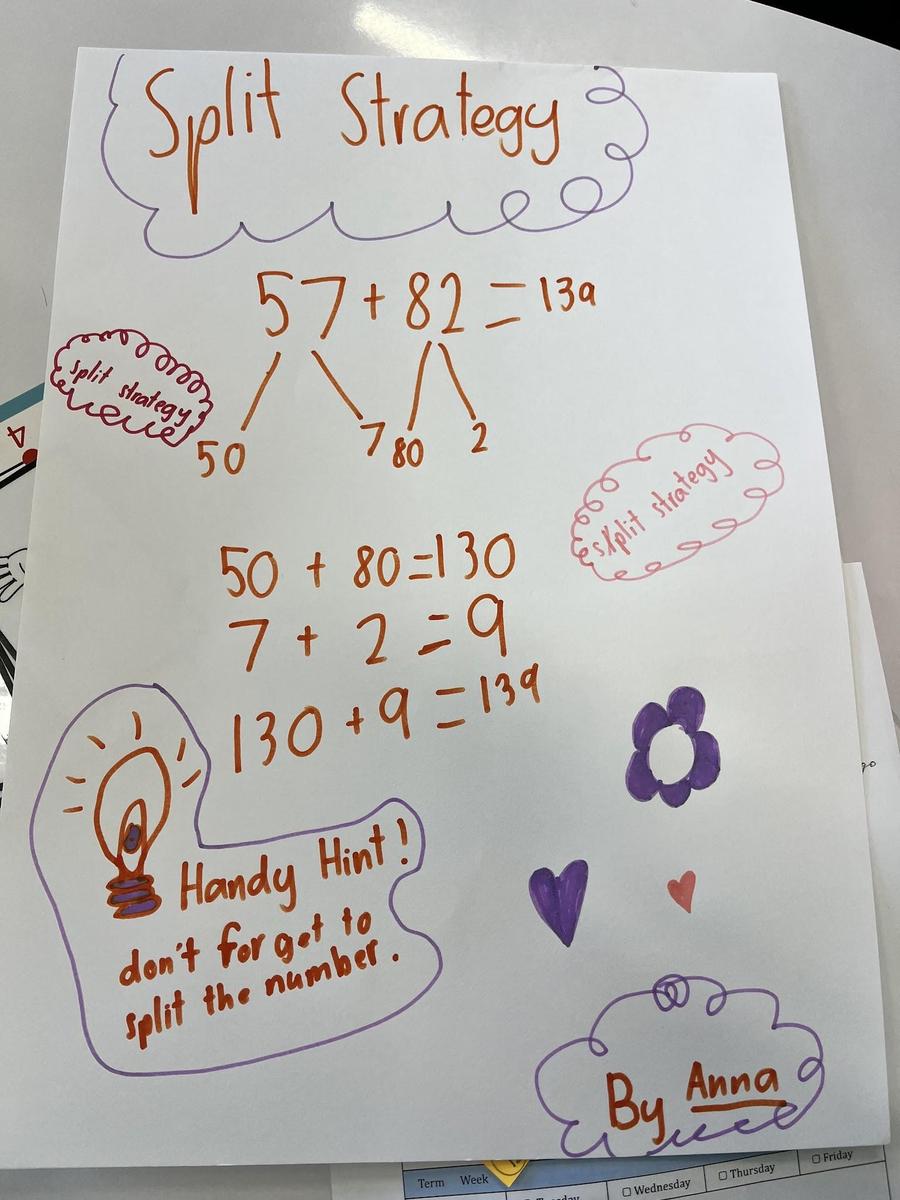
Please see some posters below made by our clever Year Two students to explain the ‘split strategy’.
Tips for Parents
You can support your child’s learning at home by:
- practising quick recall of doubles to 10, and extending this to doubles to 20 using dominoes or everyday objects
- exploring numbers used in everyday life that are not related to place value, such as phone numbers, PINs, bus numbers, and postcodes
- using number bonds, or “friends of 10”, to help solve simple addition and subtraction problems
- e.g. 4 + 6 = 10, 10 – 4 = 6
- encouraging your child to use number bonds to make groups of 10 when solving addition problems
- e.g. 26 + 8 becomes 30 + 4
- helping your child solve problems using doubles
- e.g. 8 + 9 can be thought of as double 8 plus 1 more = 17
- building understanding of “friends of 20” number pairs, such as:
- 11 + 9
- 12 + 8
- 13 + 7
- 14 + 6
- 15 + 5
These simple activities help build confidence, number fluency, and mental maths strategies.
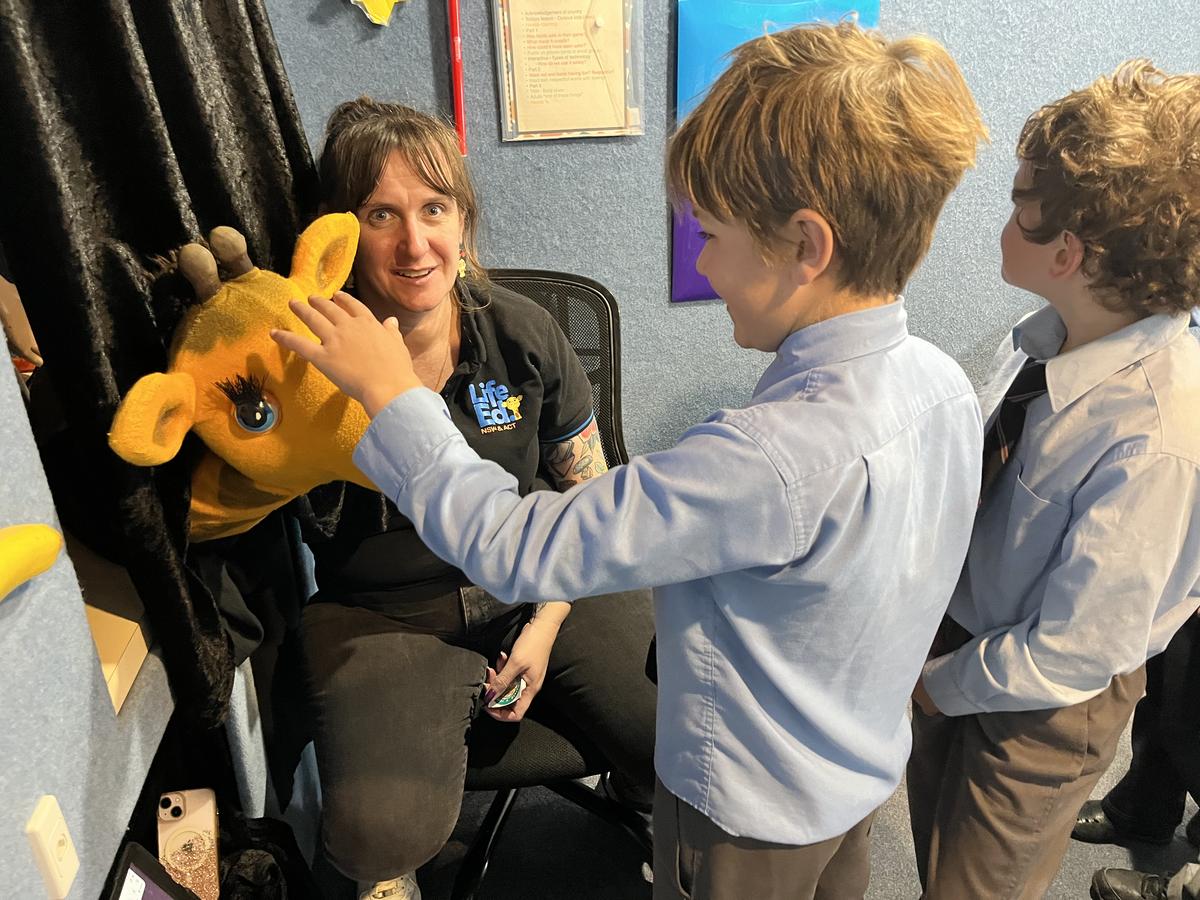
Healthy Harold
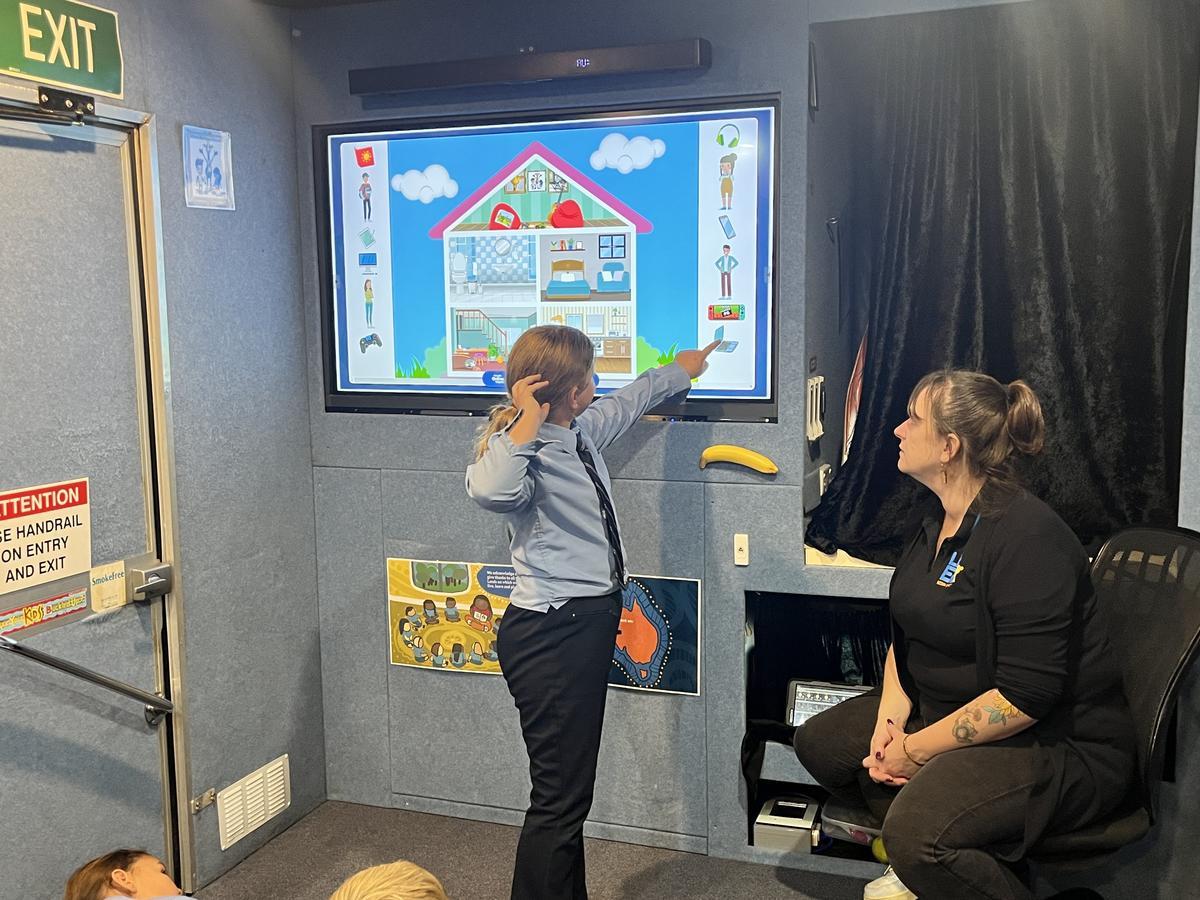
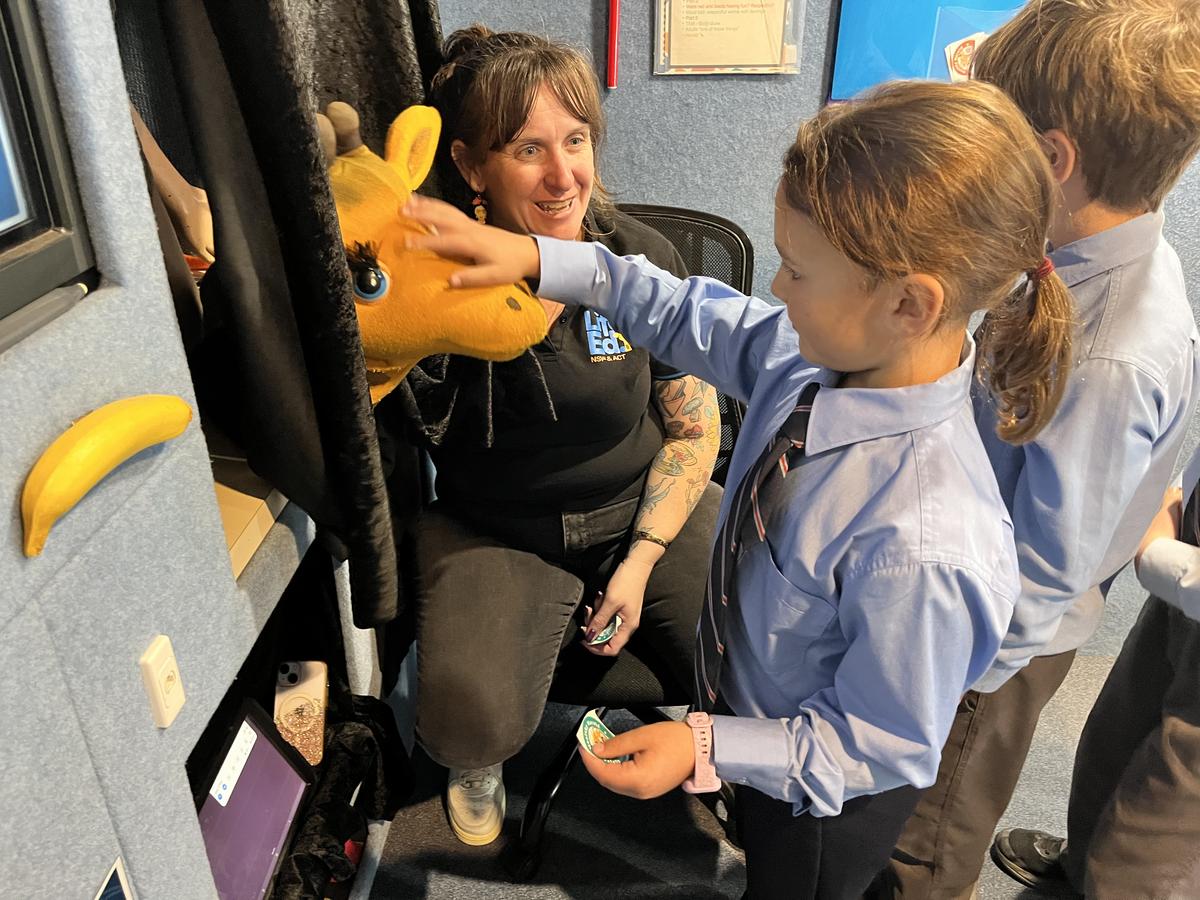
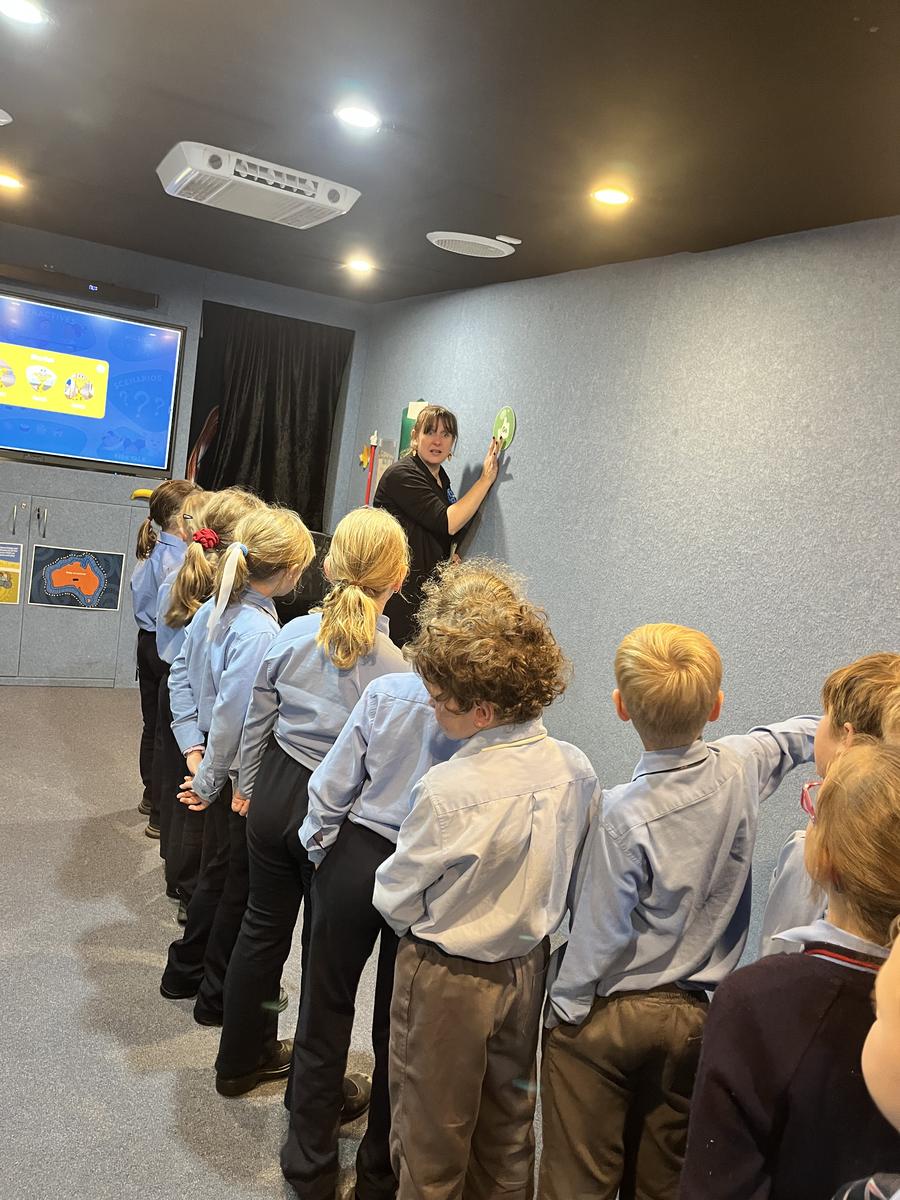
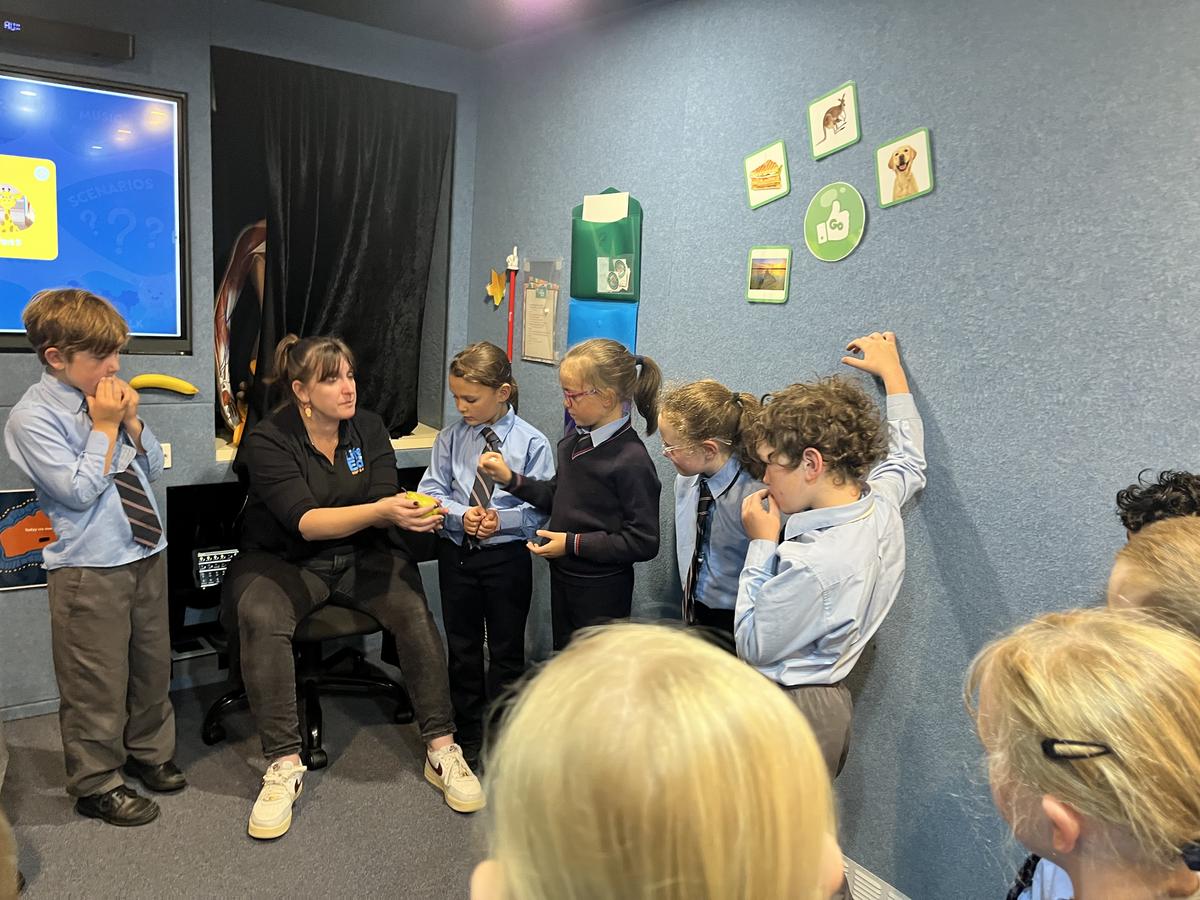
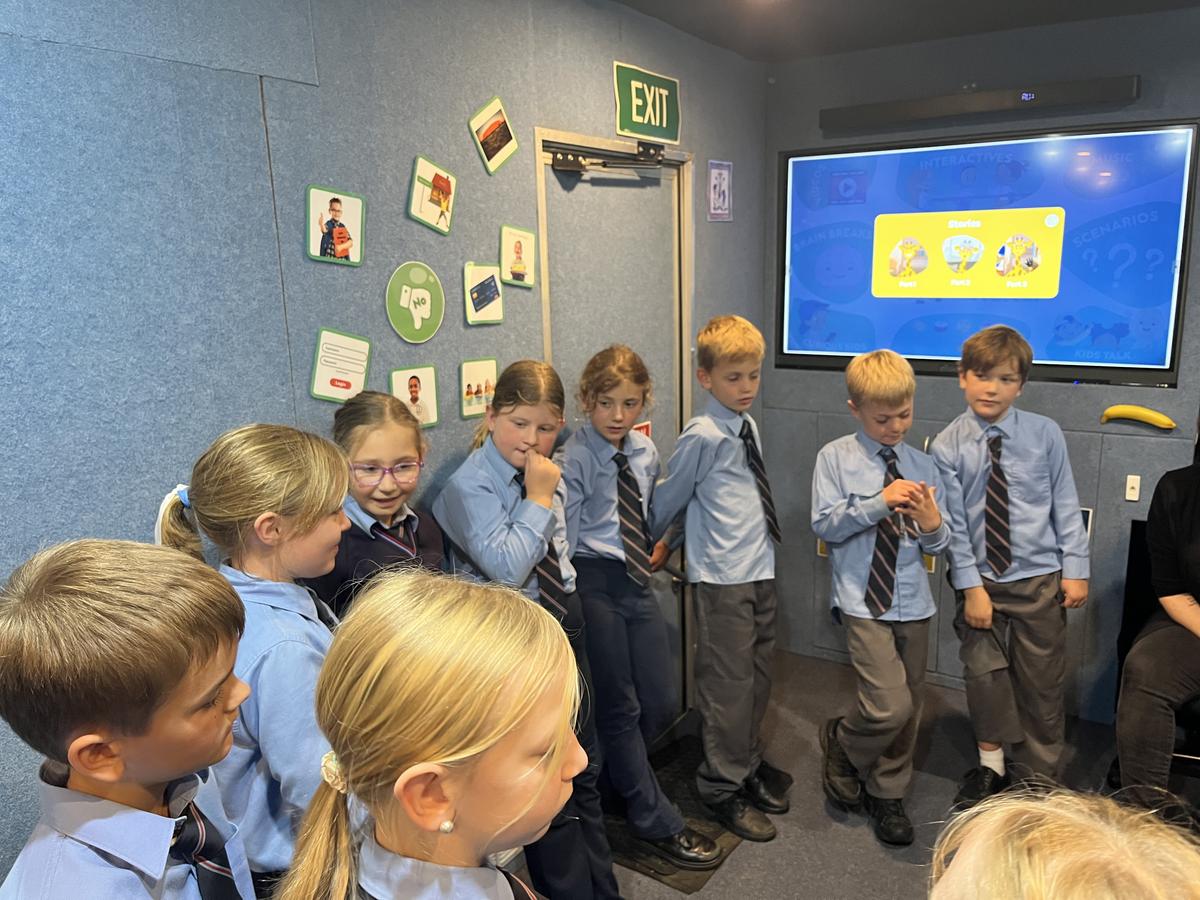
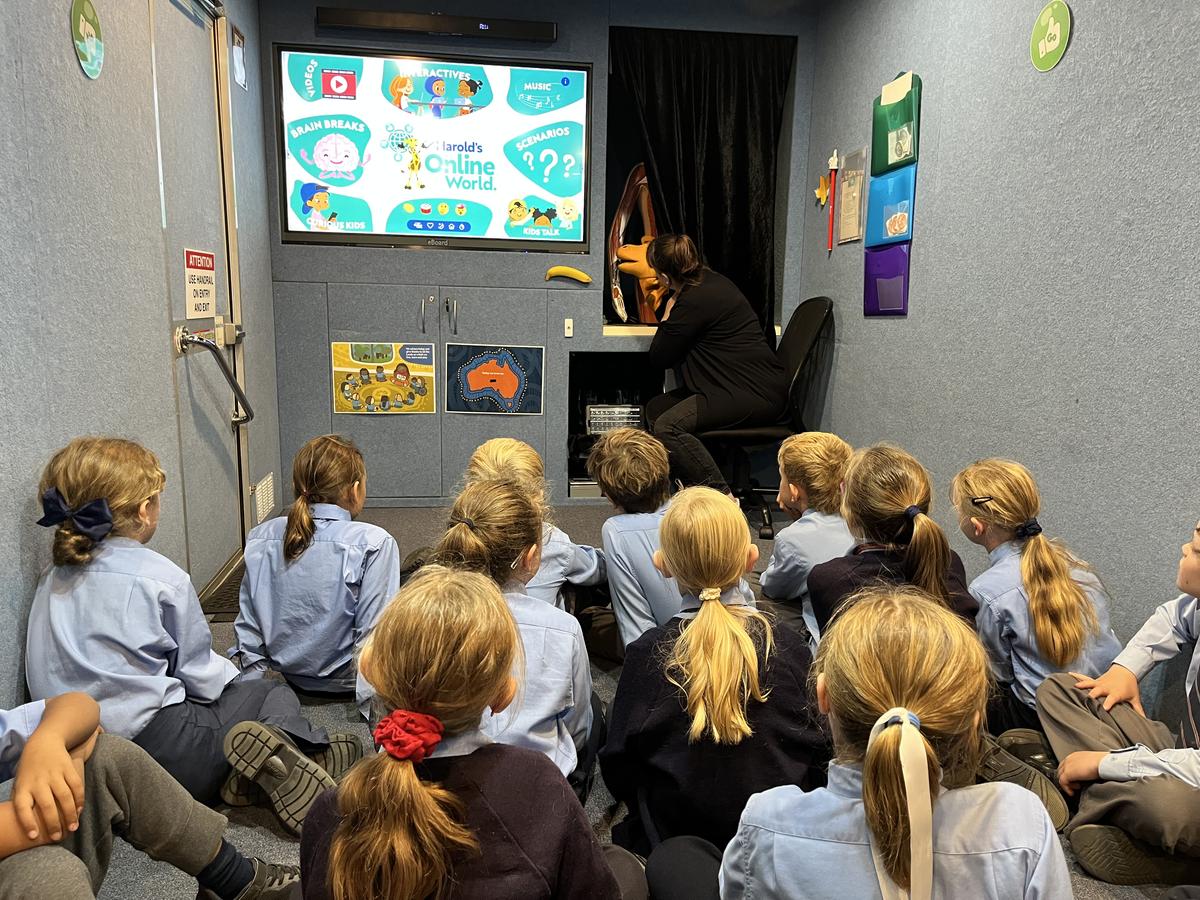
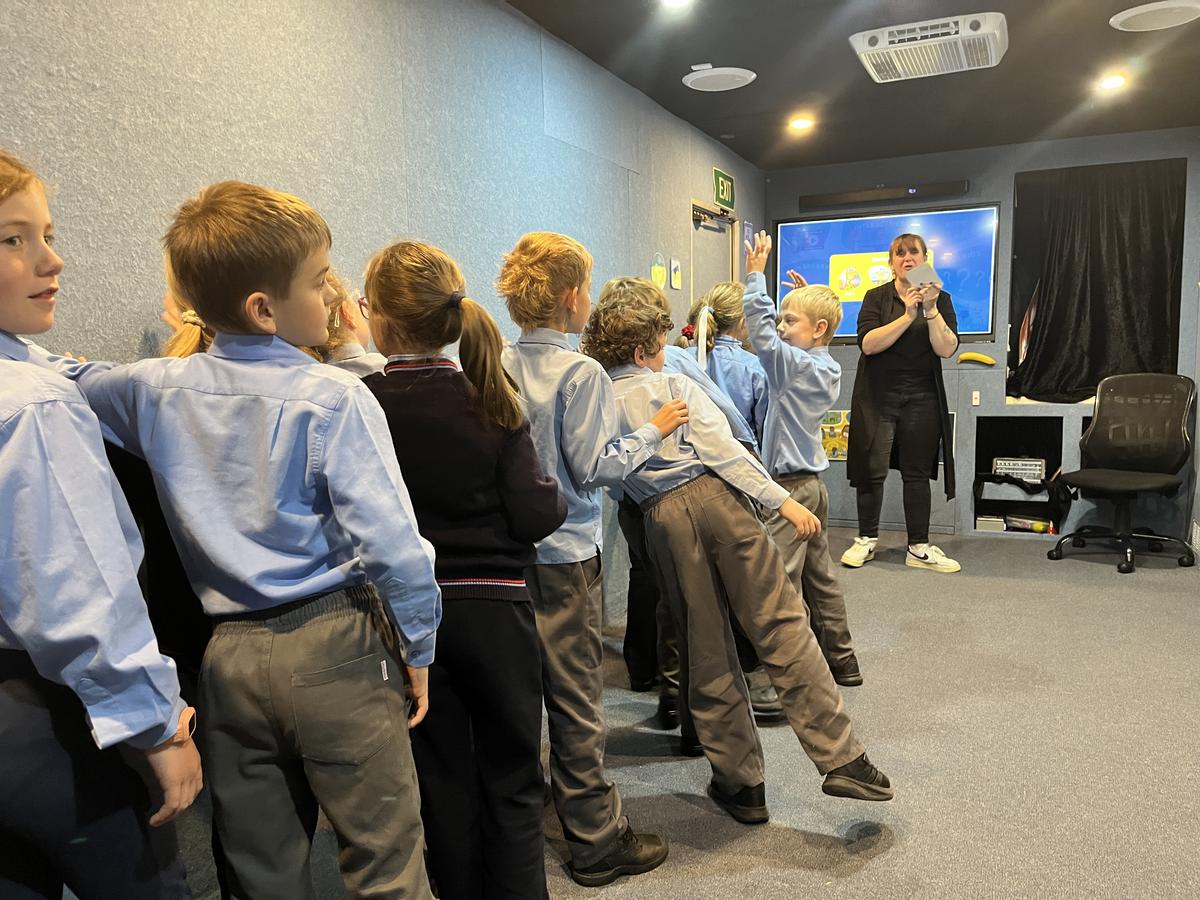
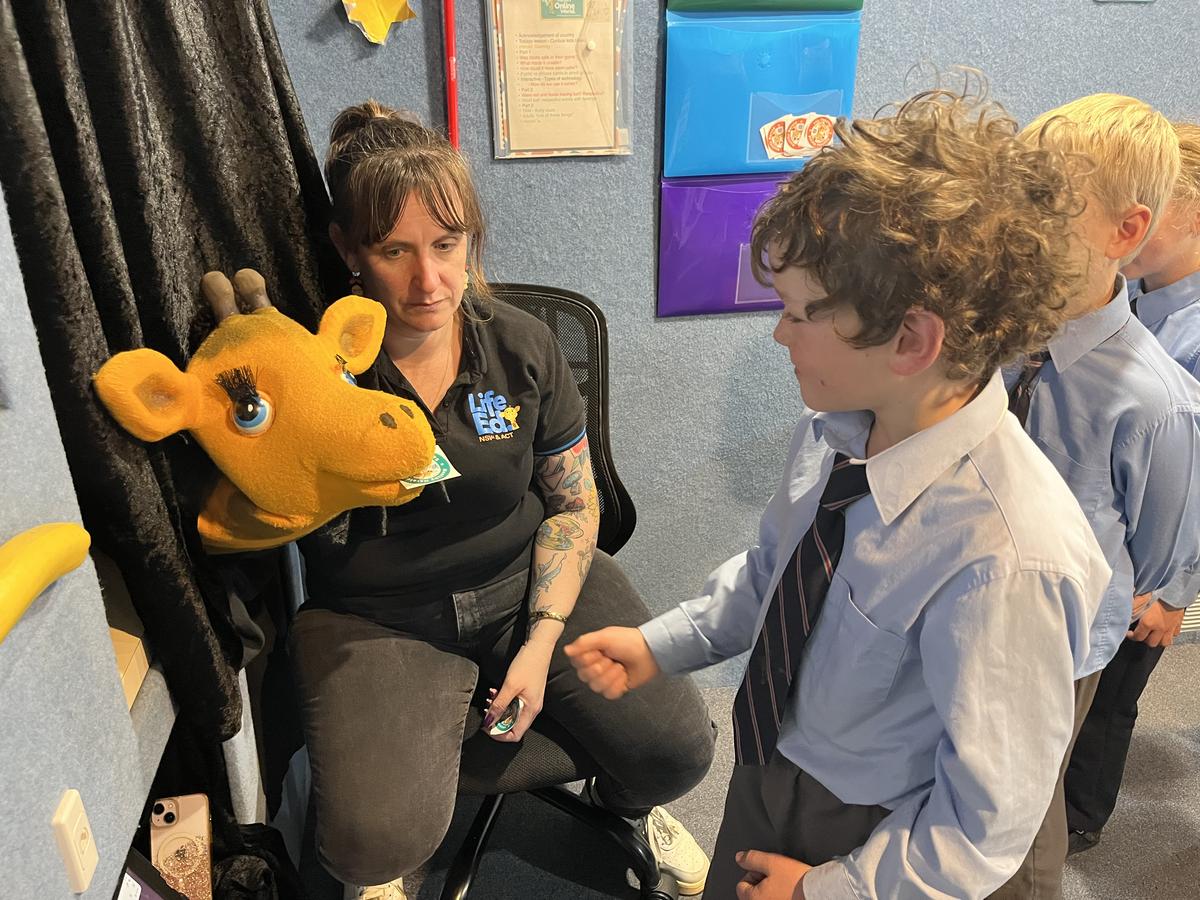
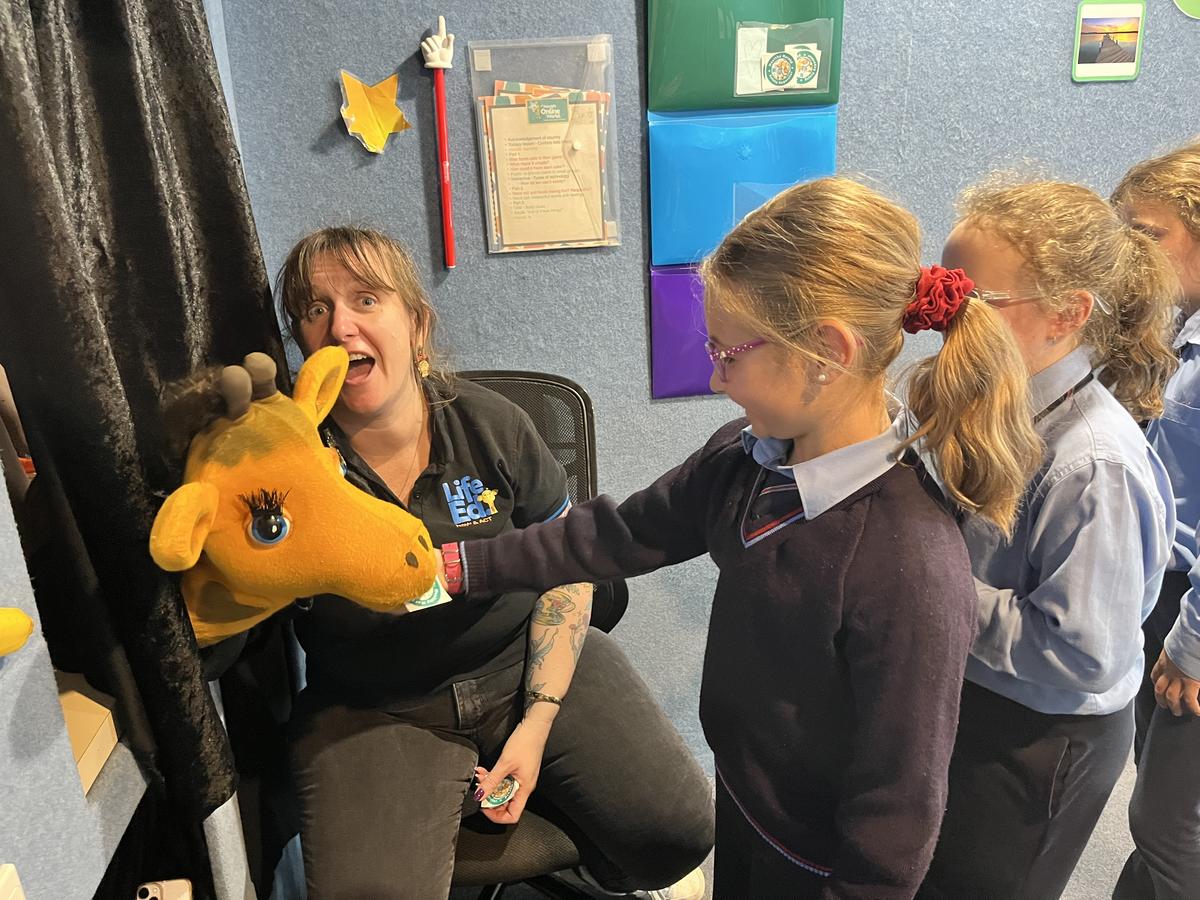
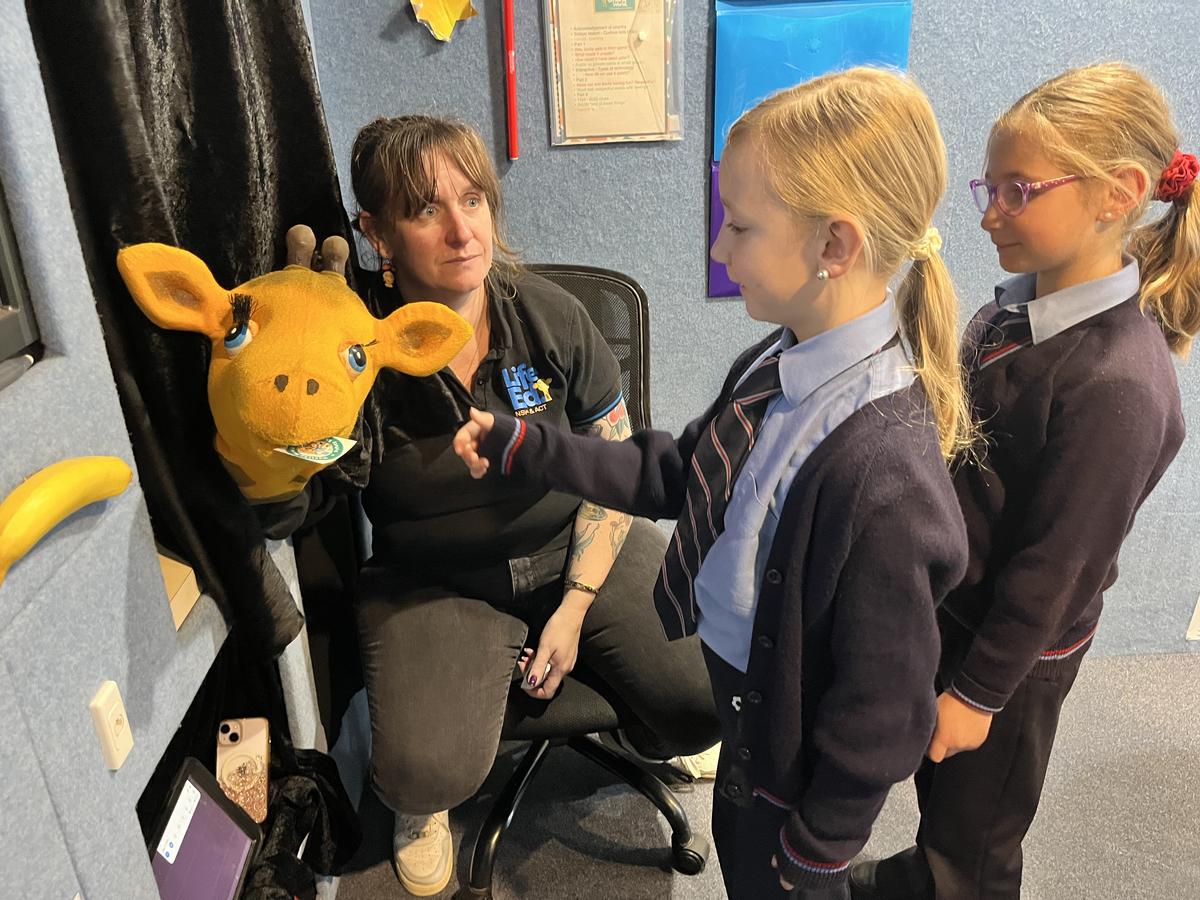
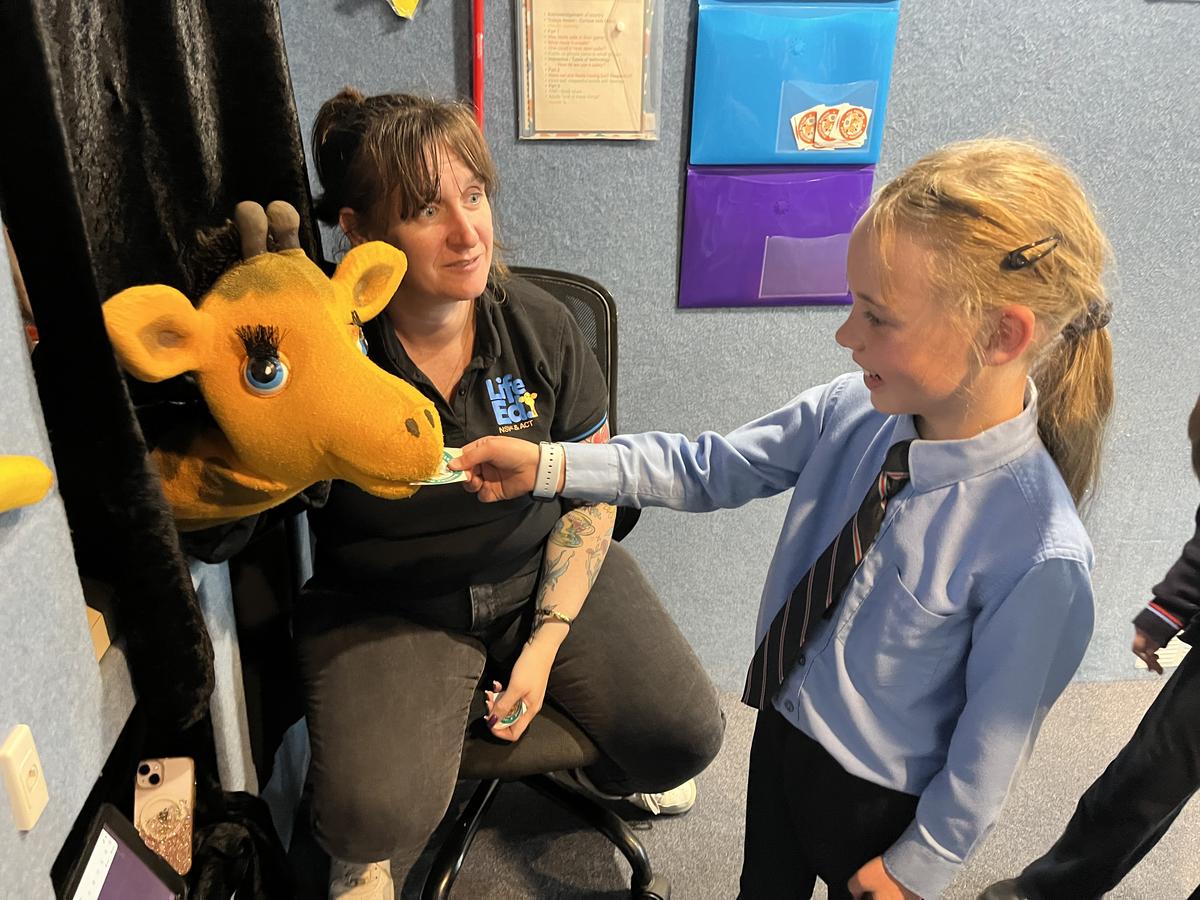
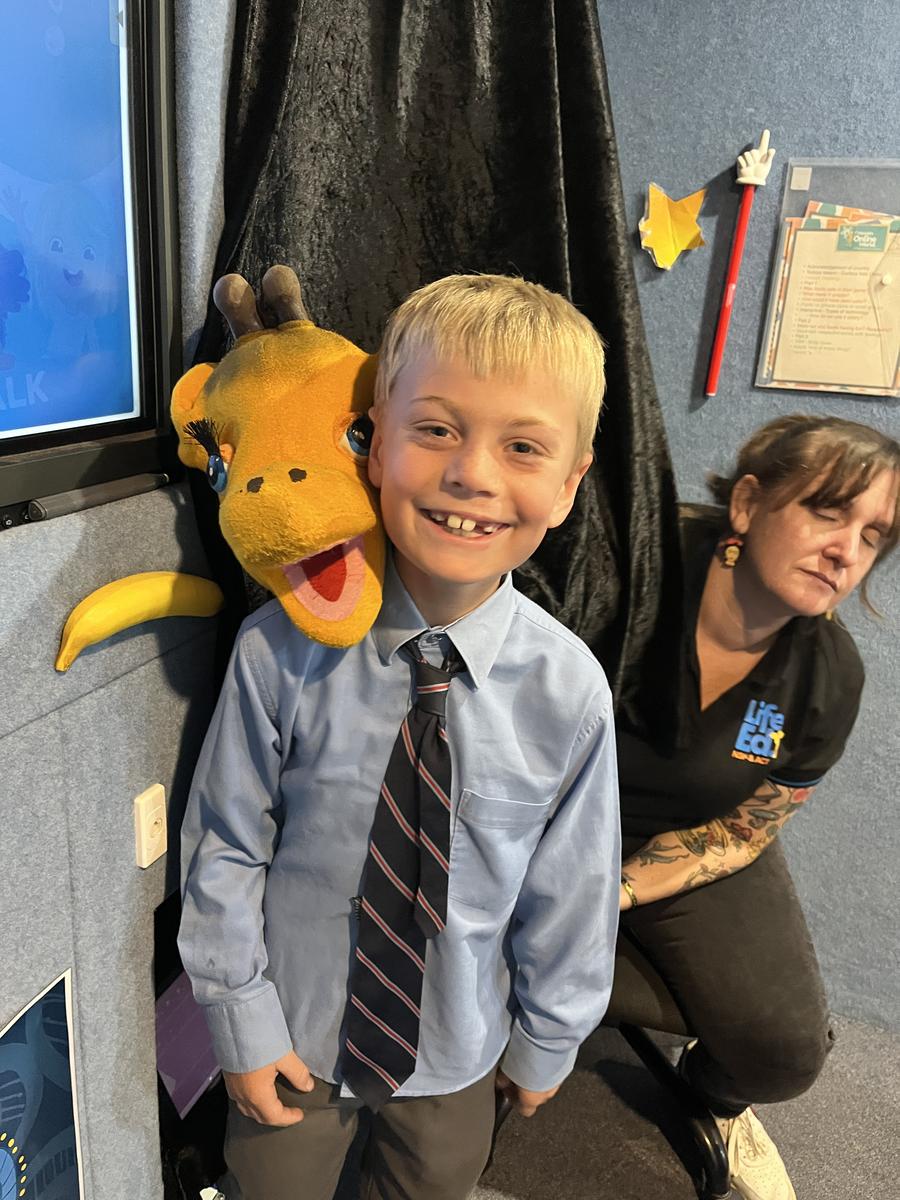
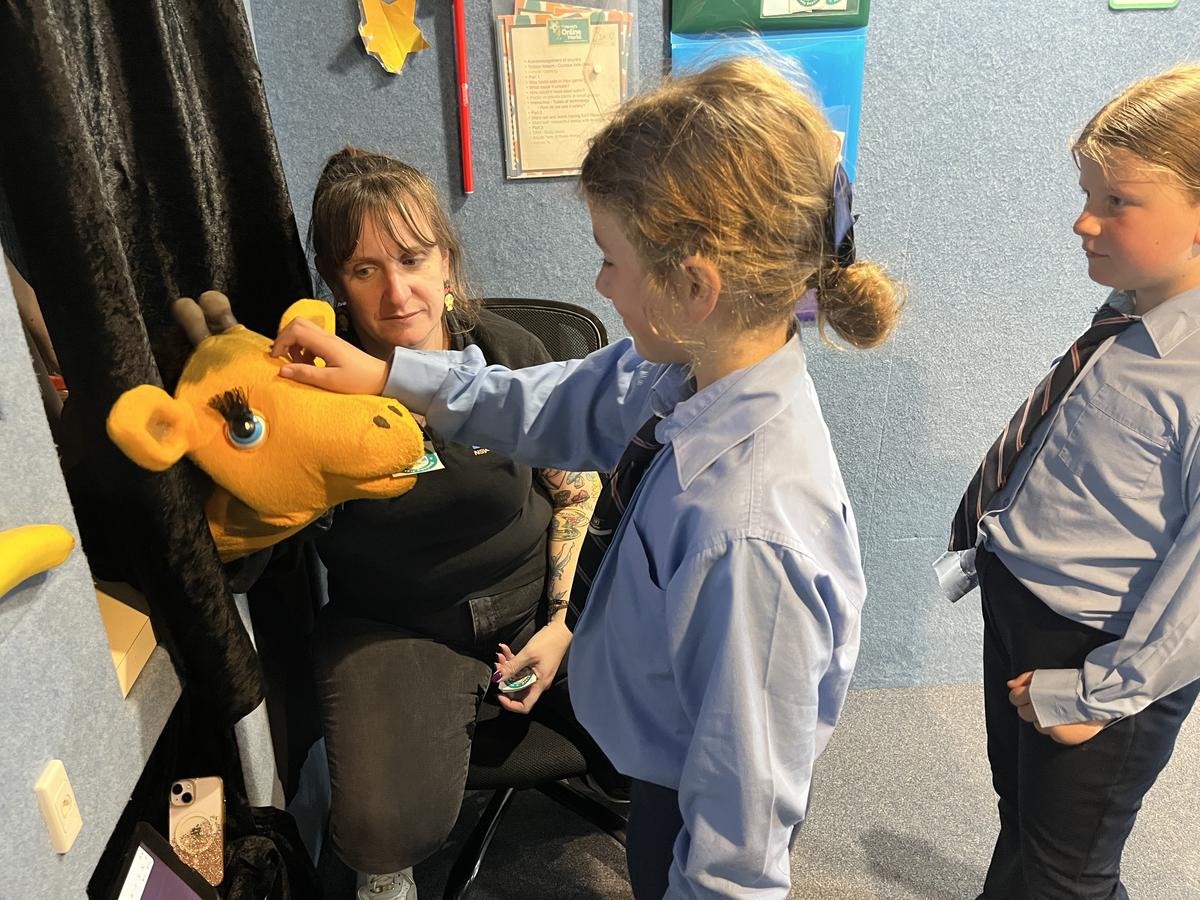
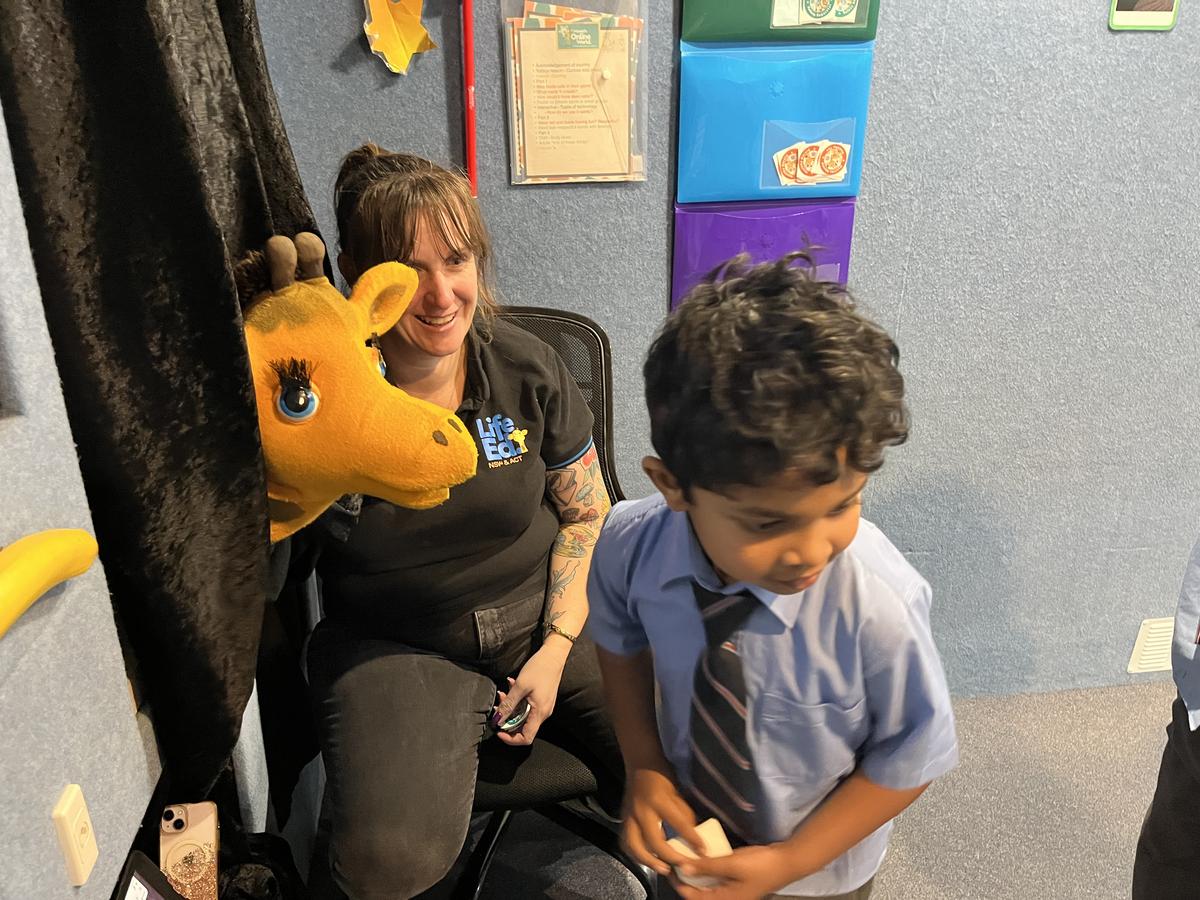
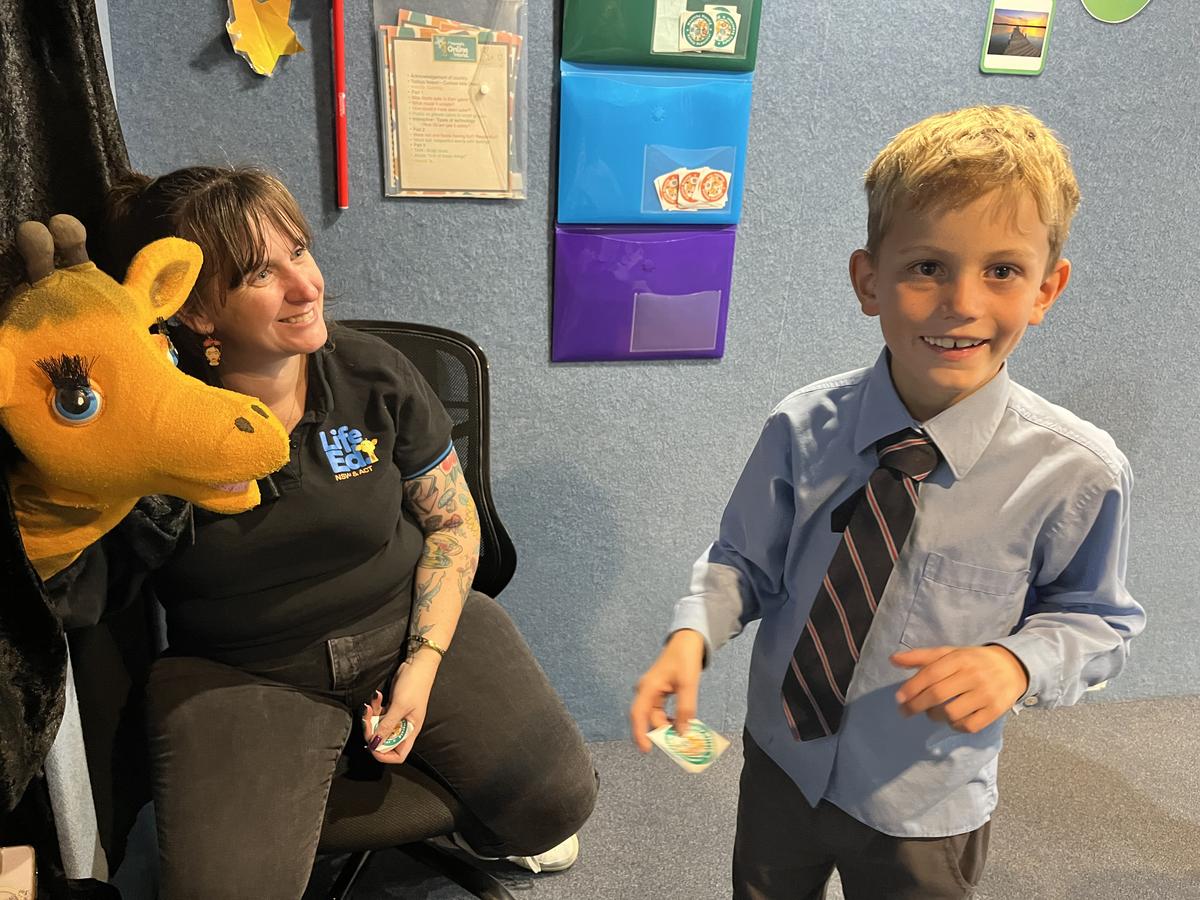
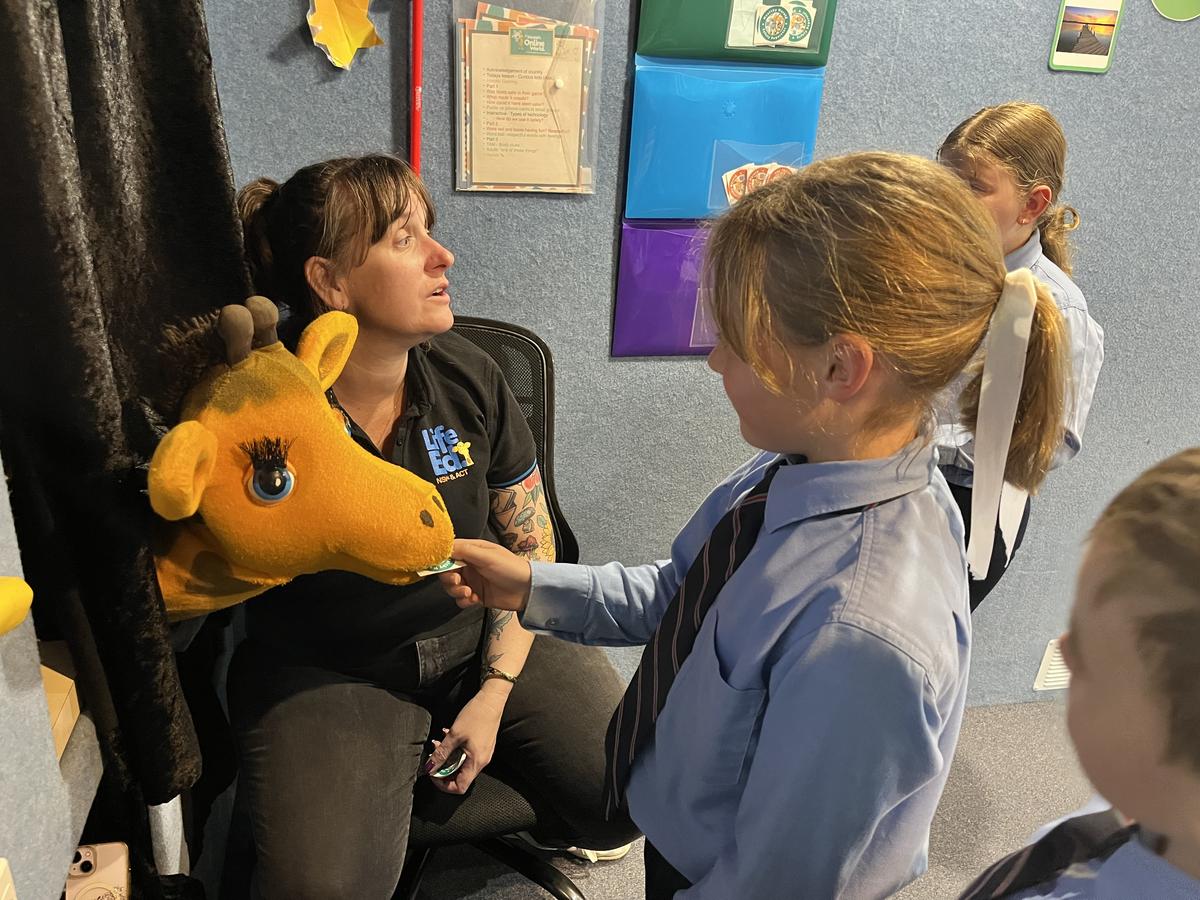
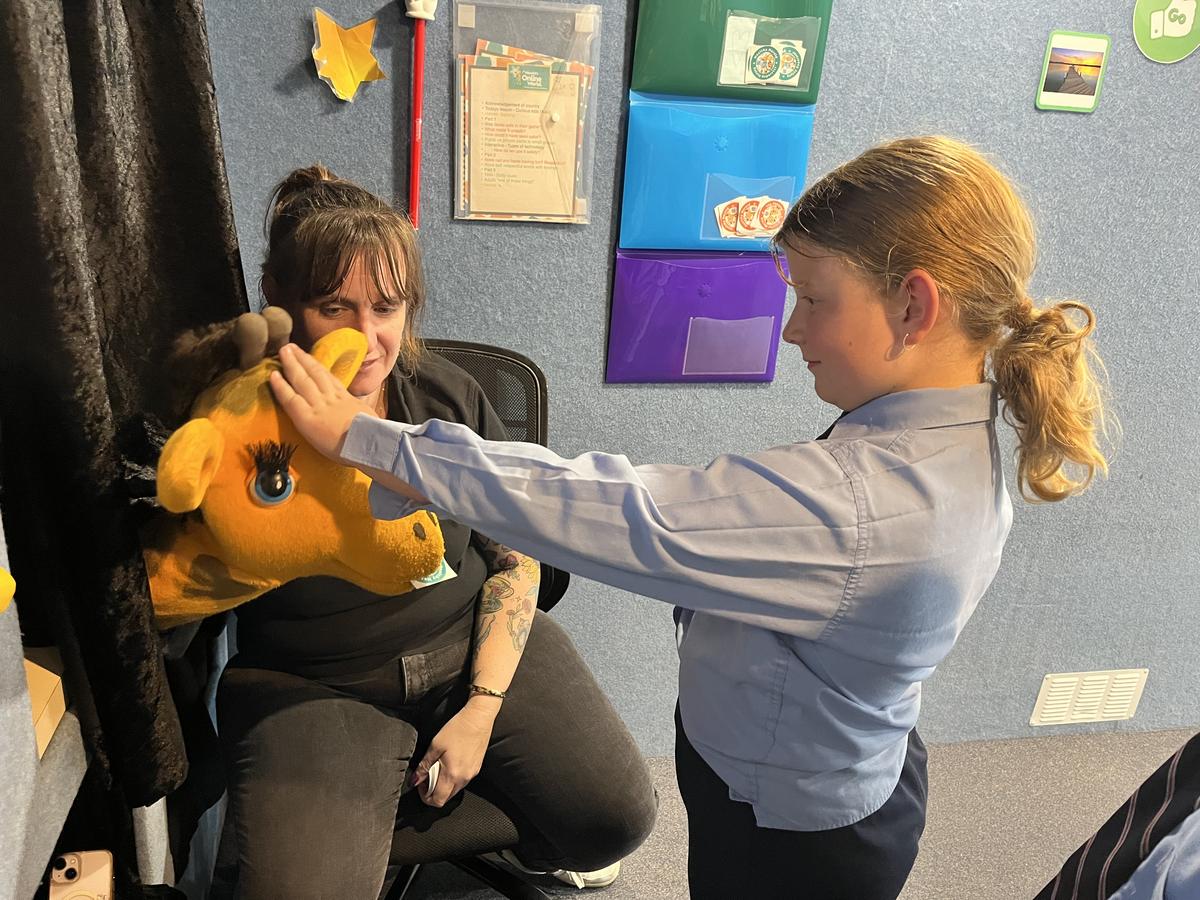
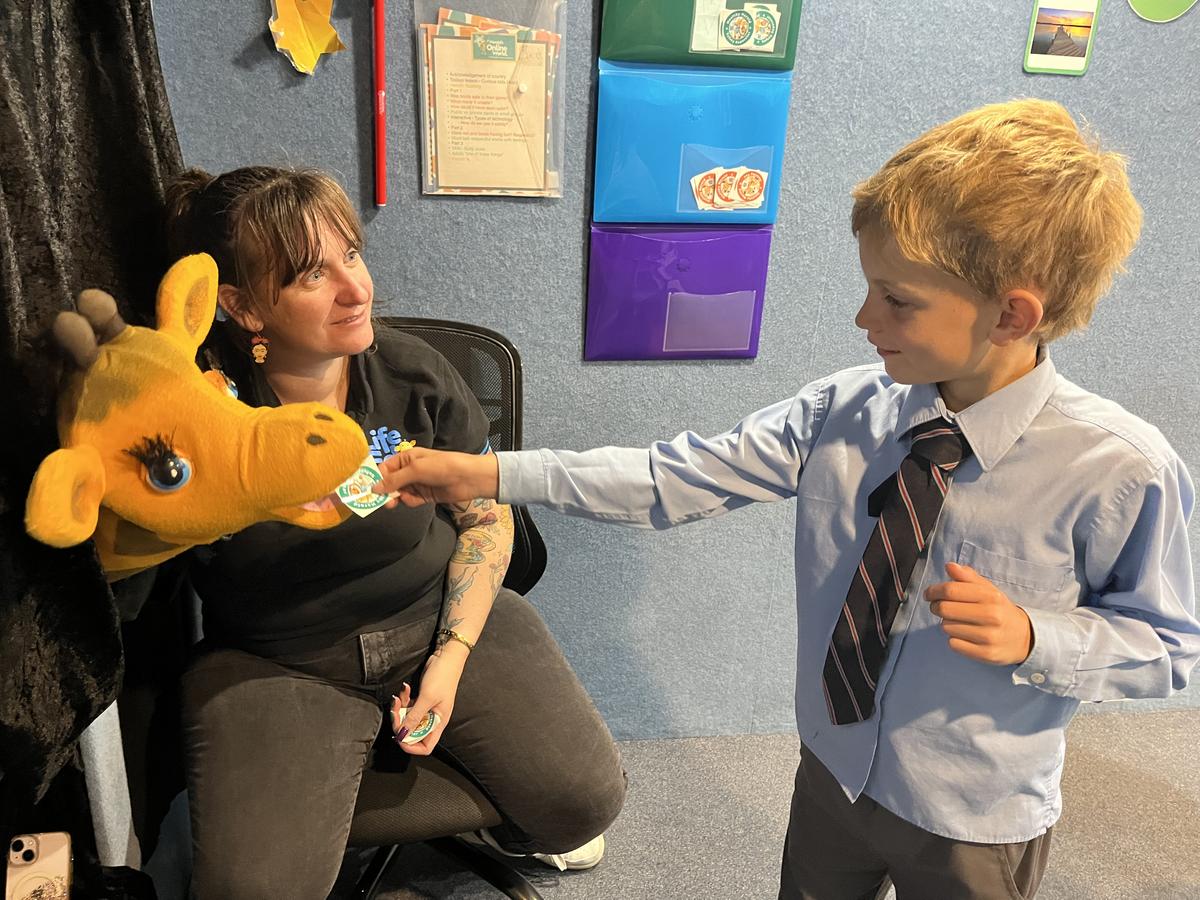
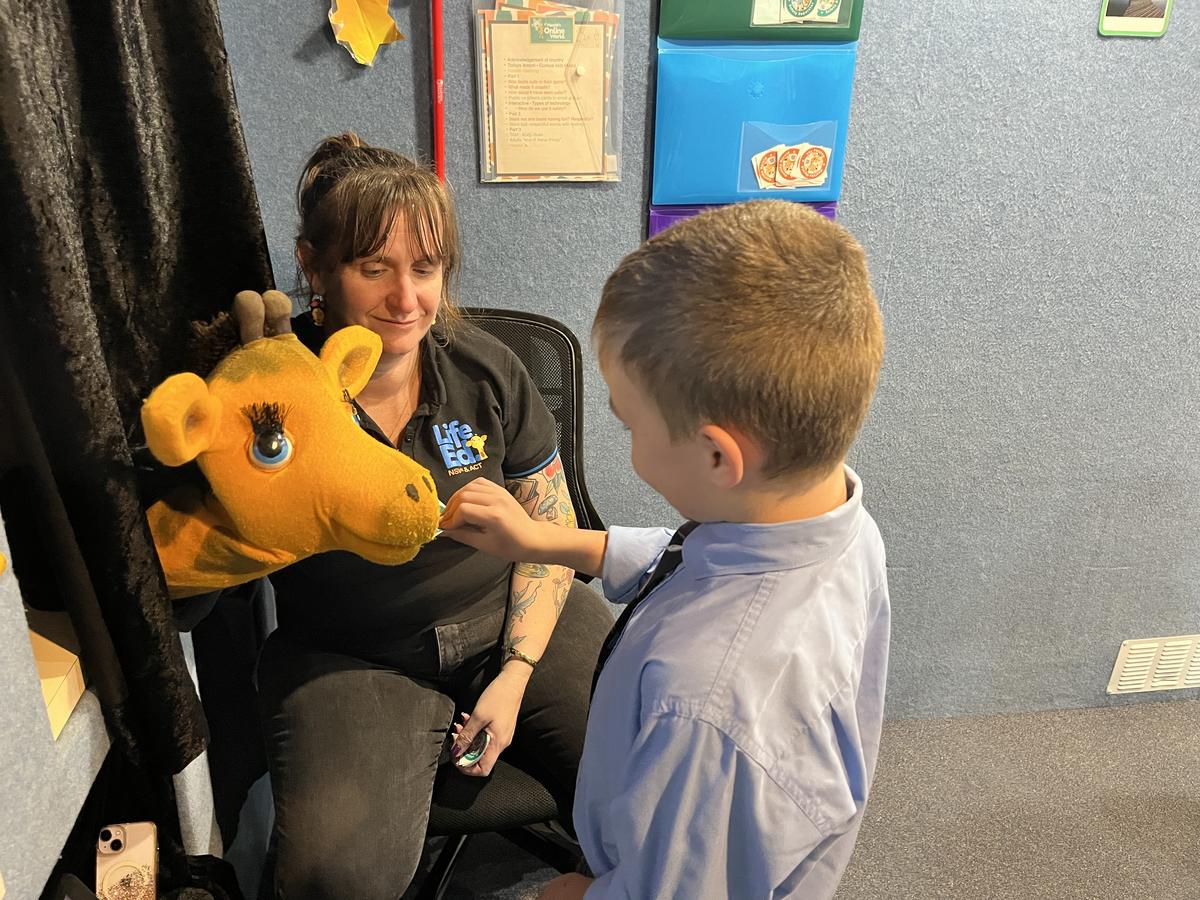
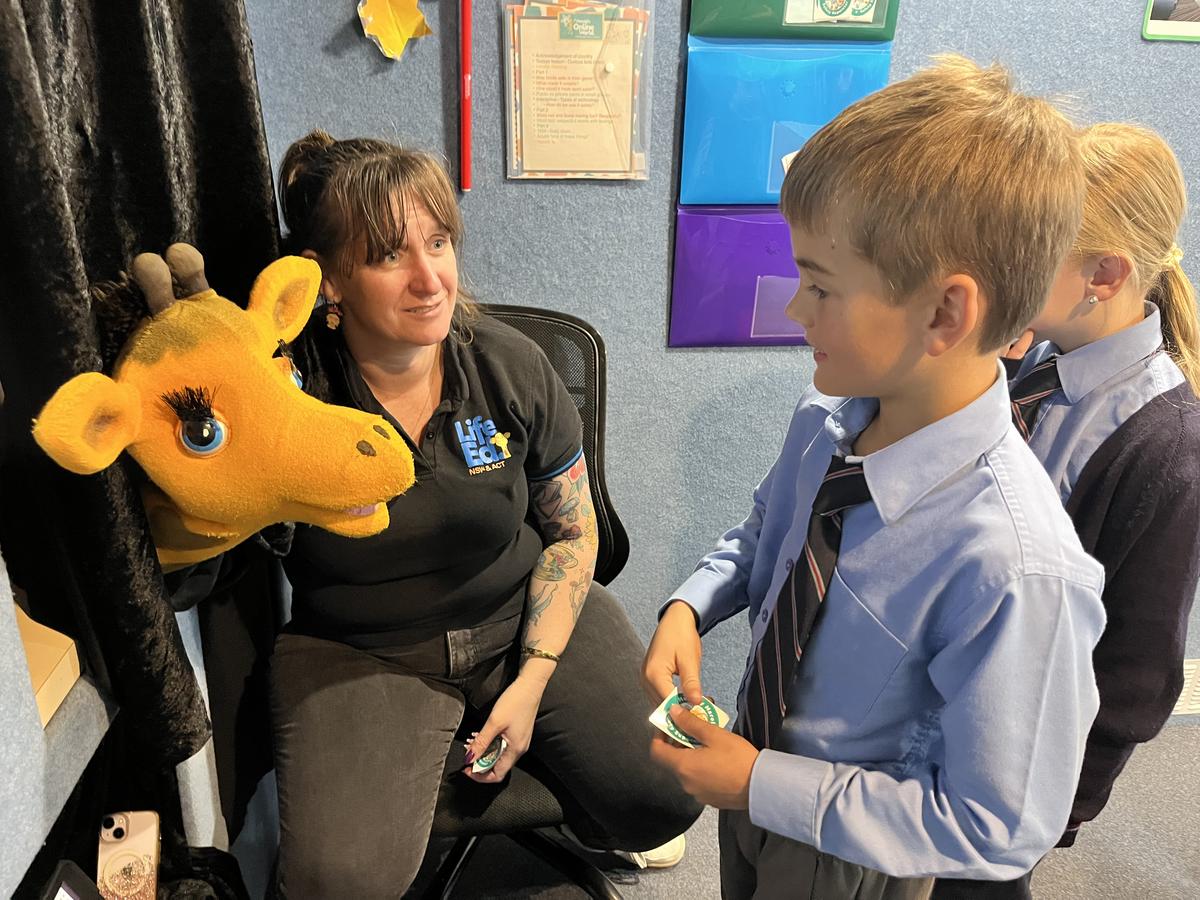
Last week we visited Healthy Harold in his van and learned all about Harold’s Online World. During the program, students learned how to use technology safely, respectfully, and responsibly.
Key learning areas included:
* staying safe online and recognising safe and unsafe situations
* understanding privacy and keeping personal information secure
* being respectful and kind when communicating online
* balancing screen time with offline activities
* recognising harmful or inappropriate online content
* identifying trusted adults who can help when something goes wrong
* managing emotions and recognising “body clues” when feeling worried or unsafe online
* learning about consent before sharing photos, videos, or information about others online.
Parents, you may recall visiting Harold in his van when you were at primary school… Yes, the van still has stars in the ceiling and the transparent body mannequin TAM, with the glowing organs. Harold still likes a scratch behind the ear. The kids had a great time!
English
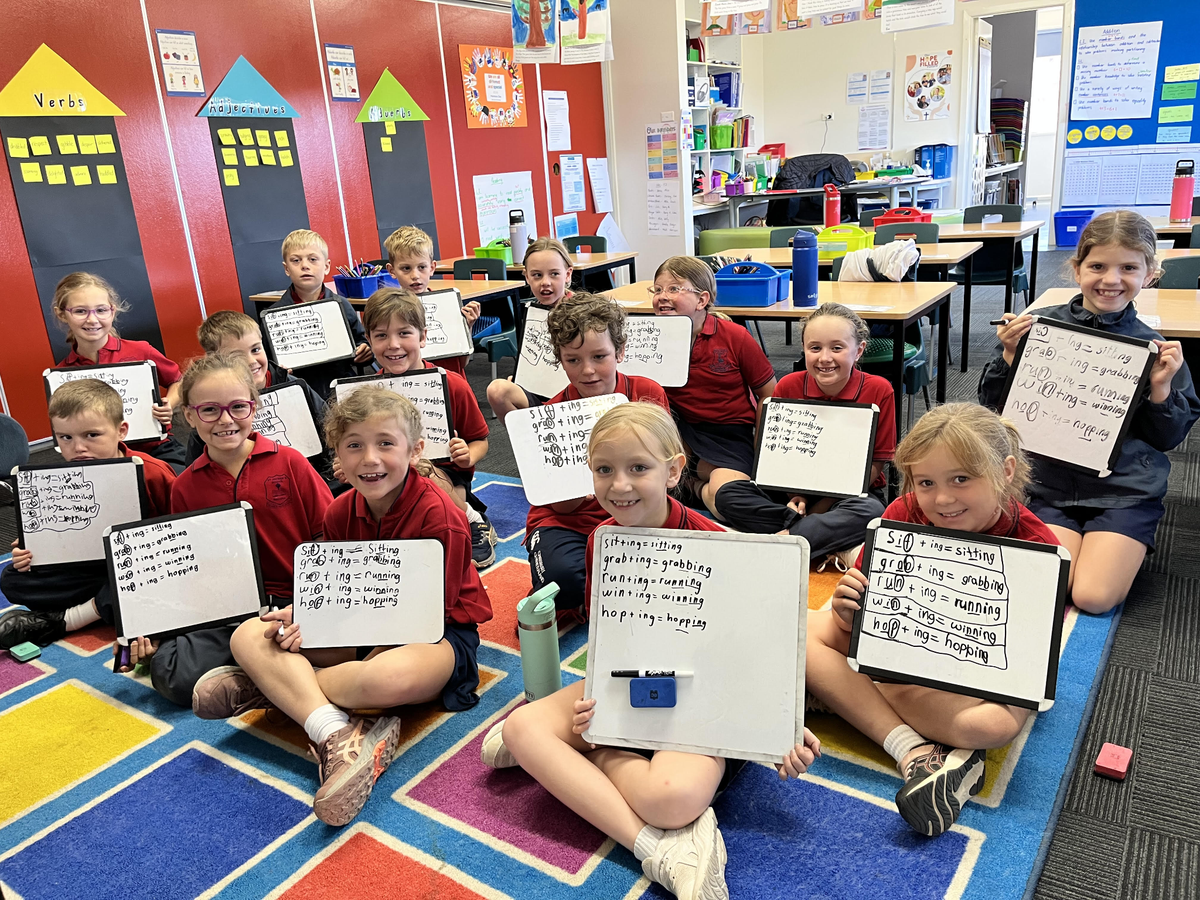
In English, Year Two students have been learning how to add the suffix *-ing* to verbs using the doubling rule. They have explored how short words with a consonant-vowel-consonant pattern often require the final consonant to be doubled before adding *-ing*, such as *run → running* and *swim → swimming*. Through games, spelling activities, and writing tasks, students have been practising how to identify when the doubling rule is needed and apply it correctly in their writing.