Classroom News
Foundation
Decoding
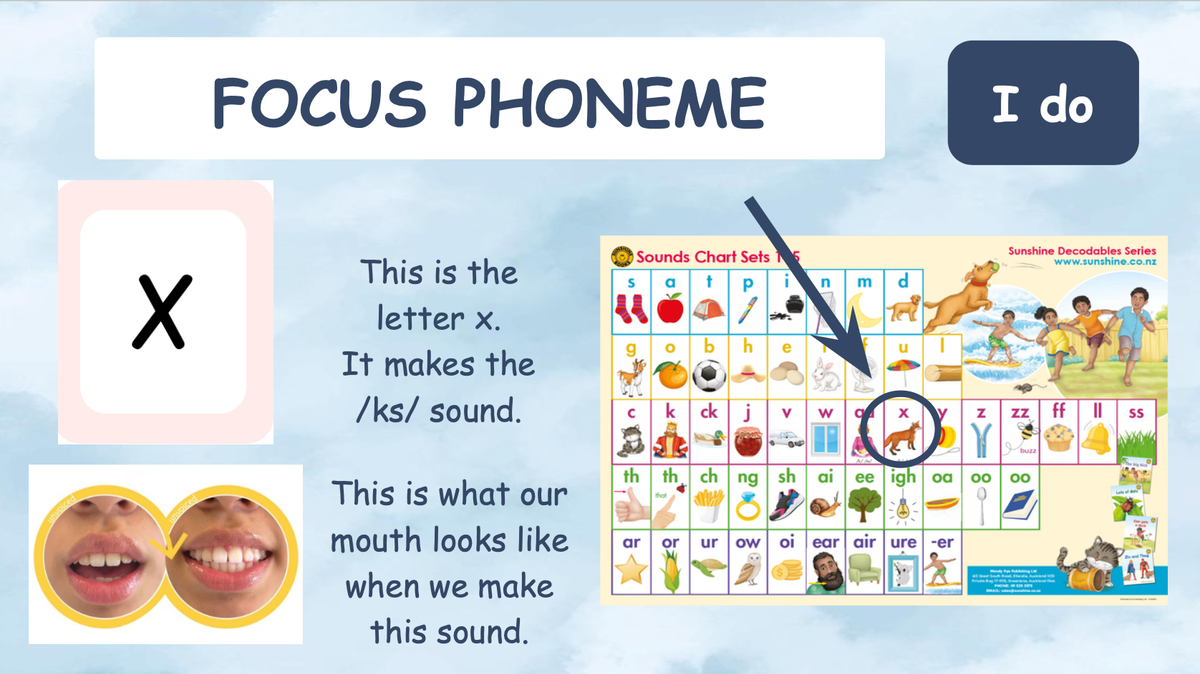
In Decoding, students have been learning about the /x/ and /y/ phonemes. We explored the letter name, the sound each letter makes, and how students can use their mouths to produce these sounds accurately. They discovered that the grapheme x is actually made by 2 sounds /k/ and /s/. Students learnt that /x/ is most commonly found at the end of a syllable or word, while /y/ usually appears at the start. When the letter y appears in other positions, it often makes a different sound. Students enjoyed investigating this during their fluent reading passages, identifying words with their focus phonemes whilst also improving fluency and expression whilst reading.
Text Construction
It is an exciting time in Term 3 as students are beginning to write more confidently and independently, using their growing letter–sound knowledge to attempt spelling unknown words. This new confidence means they can now start writing about what they learn in Content Knowledge, making meaningful links between reading, vocabulary, and writing.
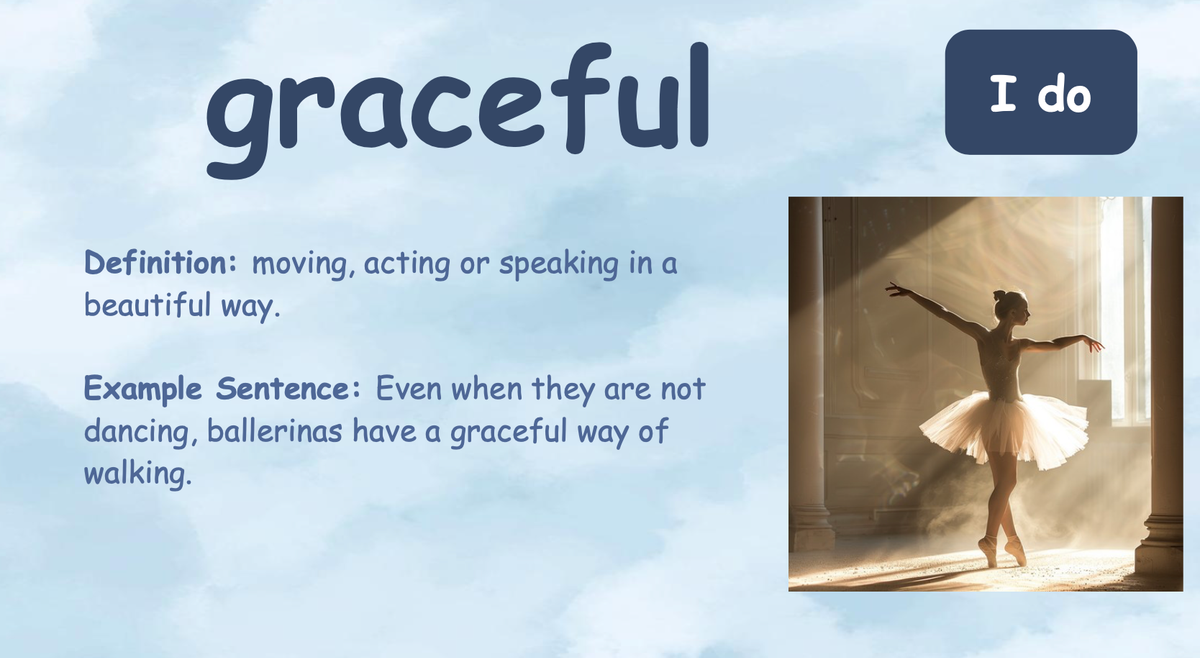
Students began exploring the story The Princess and the Pea, unpacking rich vocabulary such as delicate, graceful, howled, and piled. Expanding students’ vocabulary is important because it gives them the language they need to express more precise ideas, understand stories more deeply, and build confidence as developing writers. Students learned that the prince wished to find a “real” princess. Following a knock at the castle door by someone claiming to be a real princess, the queen created a test by placing a pea underneath a tall pile of mattresses as only a real princess would be able to feel the pea.
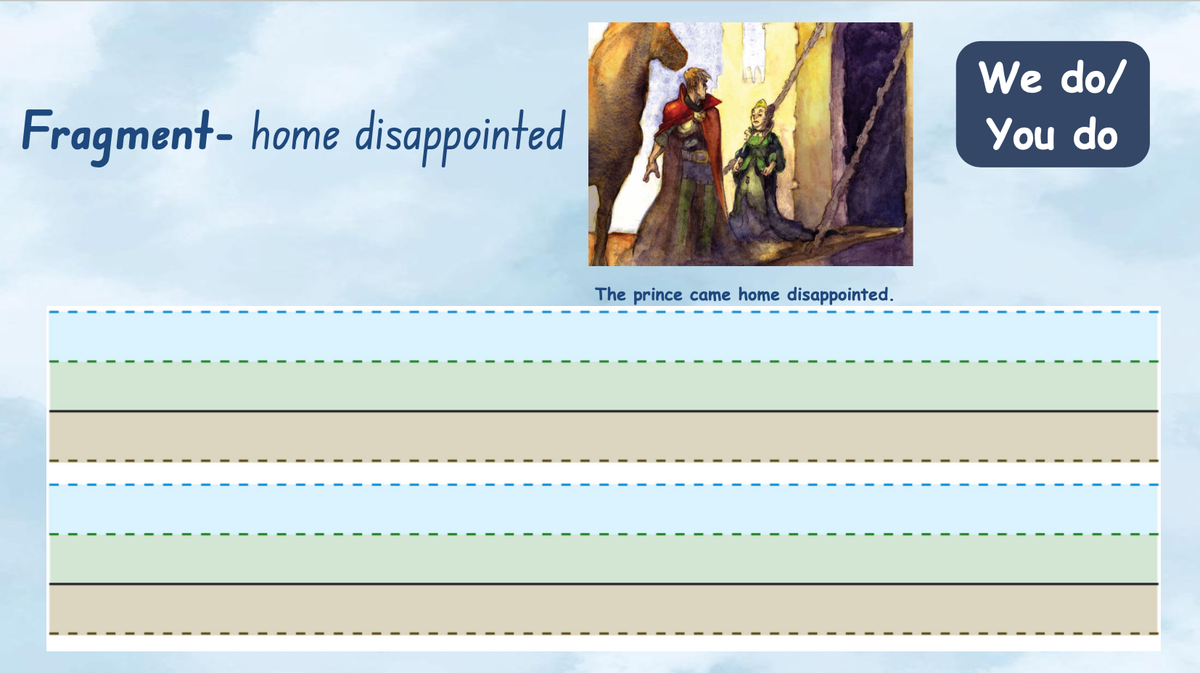
In Text Construction, students used this story knowledge to expand sentence fragments into full, meaningful sentences. A highlight was seeing students turn fragments like “home disappointed” into complete ideas, such as: The prince returned home disappointed because he did not find a real princess. This showed strong understanding of complete sentences, vocabulary application, and compound sentences due to the use of the conjunction ‘because’.
Maths
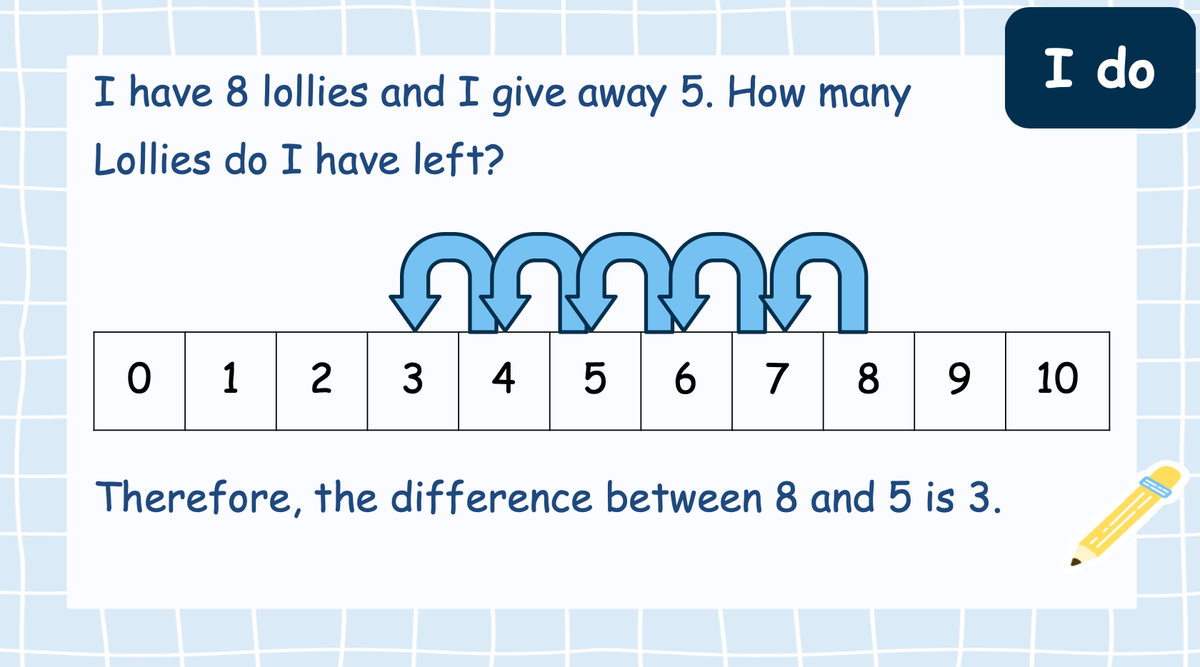
In Maths, students have been reinforcing their addition and subtraction skills through engaging games that encourage quick thinking and flexible number strategies. This fortnight, we also introduced the concept of difference. Students learned that finding the difference between two numbers can be done using skills they already know, such as counting on and counting back. These strategies help students understand “how much more” or “how much less” one number is than another. Through repeated practice and discussion, students are becoming more fluent and confident mathematical thinkers.
Bravehearts Visit
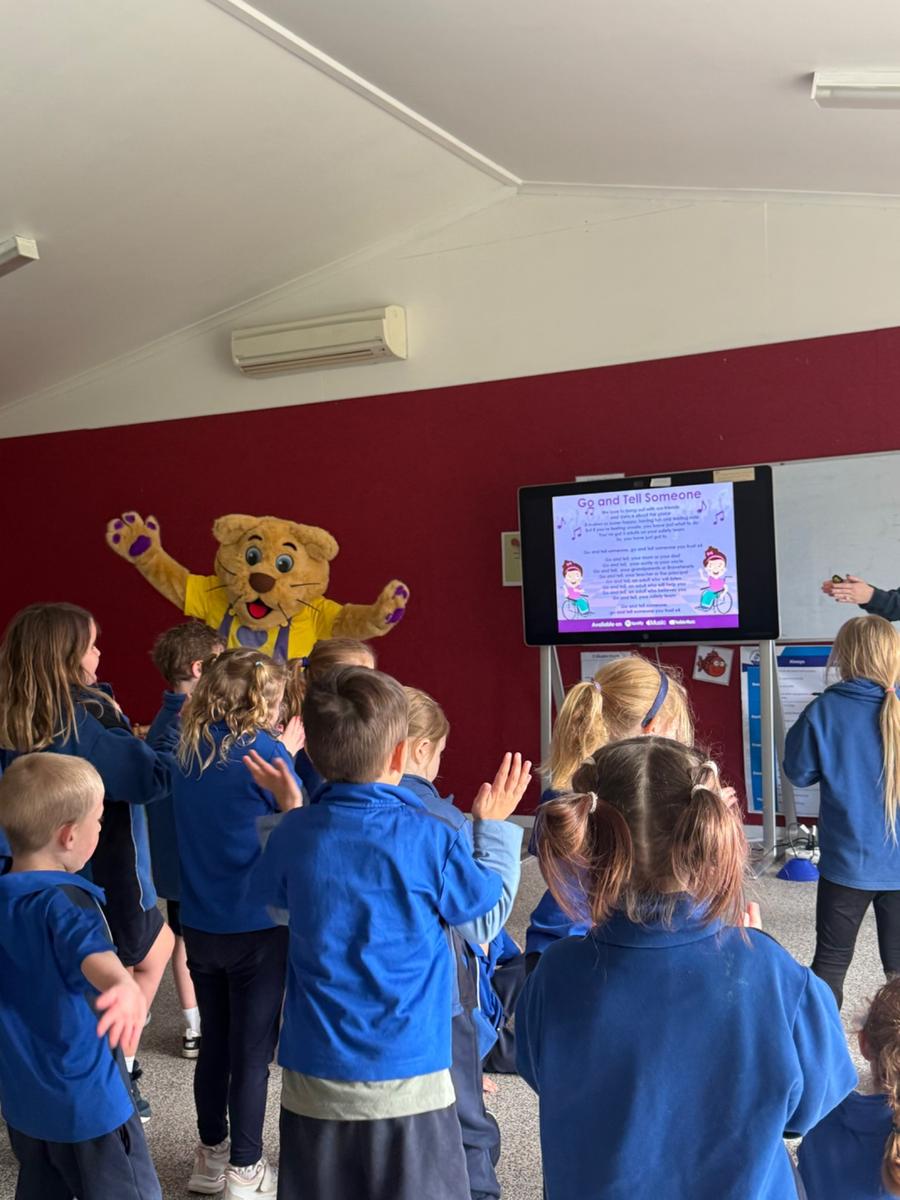
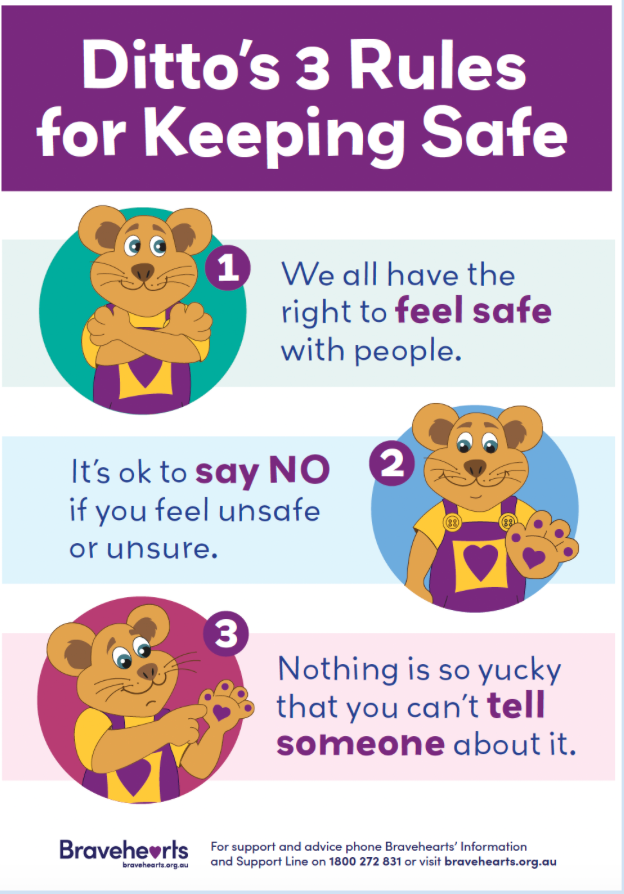
We were thrilled to welcome Ditto from Bravehearts this week! Students loved the session and engaged beautifully with the important personal safety messages Ditto shared. Together, we learnt that “we all have the right to feel safe”, “it’s ok to say no if you feel unsafe or unsure”, and “nothing is so yucky that you can’t tell someone about it.” These messages help children understand personal boundaries and build confidence in seeking help when needed.
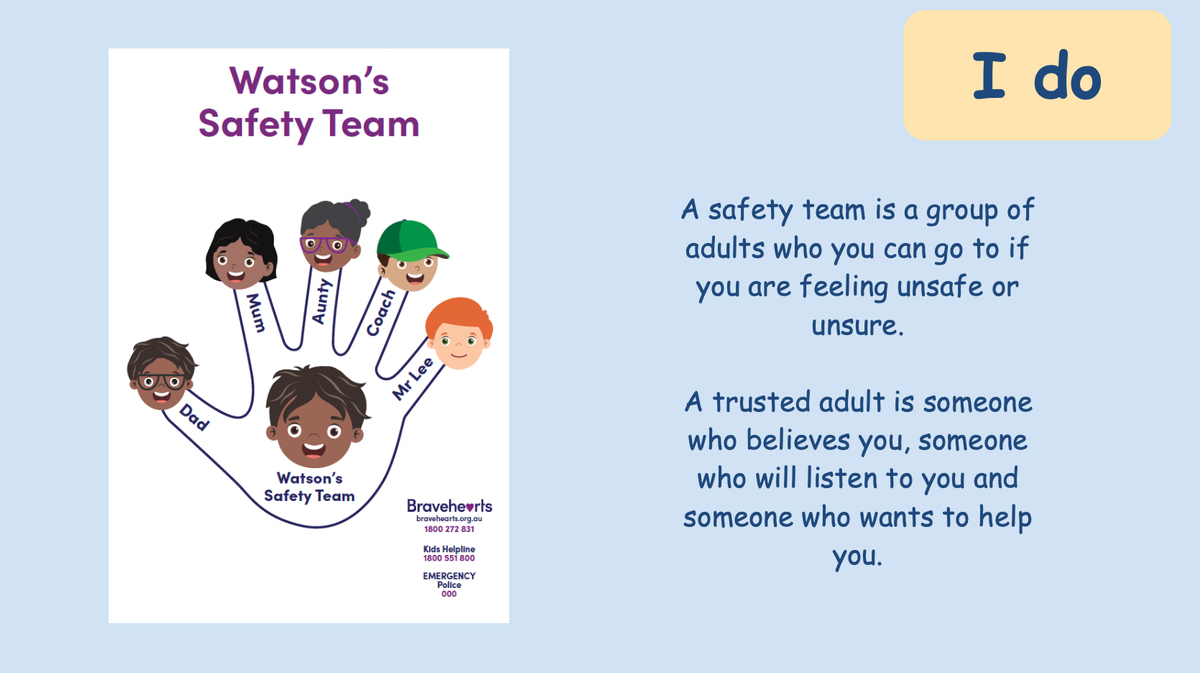
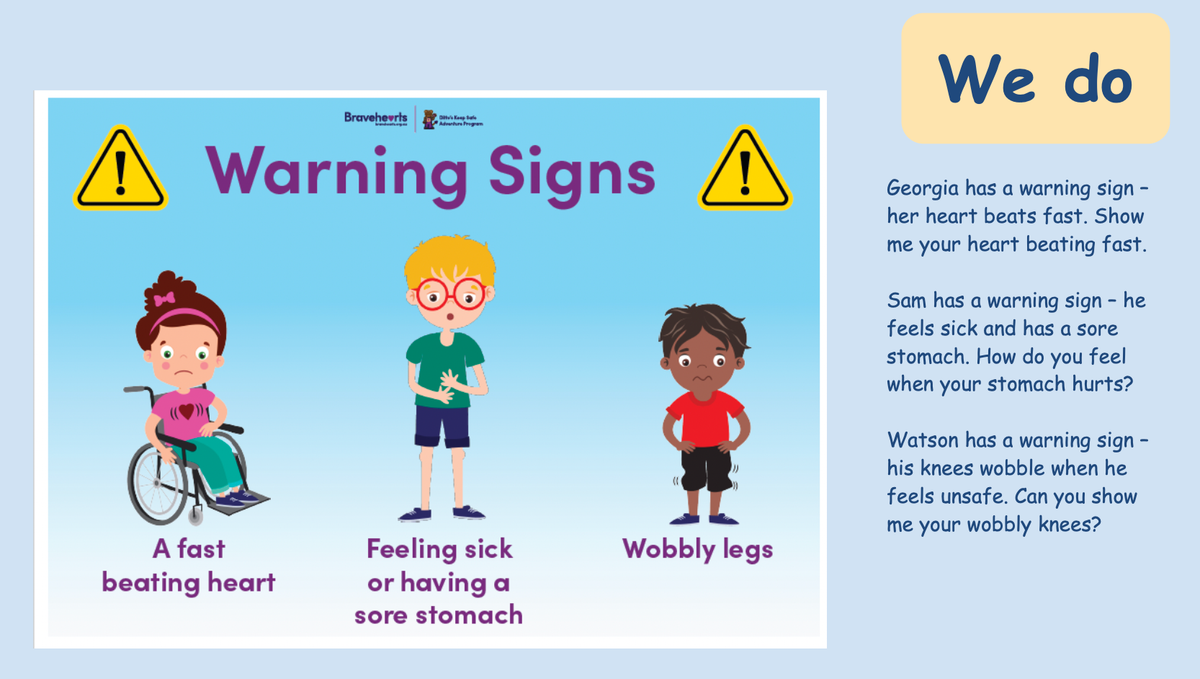
After Ditto’s visit, students continued their learning by identifying their safety team — the trusted adults they can go to for help and discussing the warning signs their bodies might give them when they feel unsafe or unsure. Students brought home a Bravehearts workbook, which is a wonderful tool for families. It supports gentle, age‑appropriate conversations about body ownership, consent, feelings, and identifying trusted adults. These workbooks help reinforce the personal safety rules taught at school and give parents practical ways to continue the learning at home.
Junior School
Content Knowledge
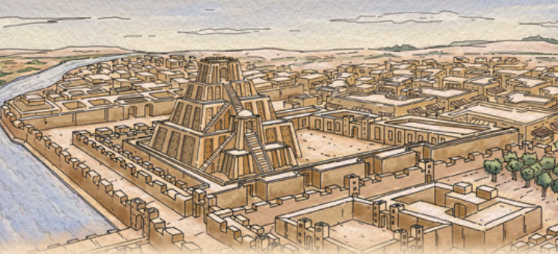
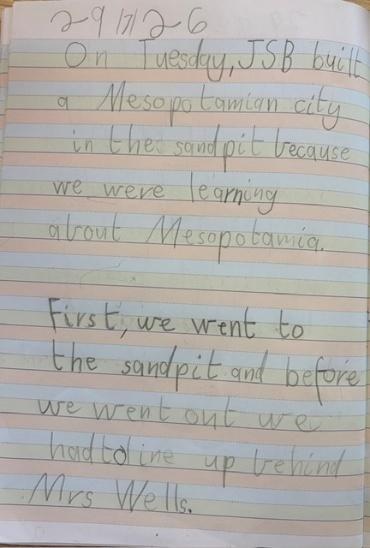
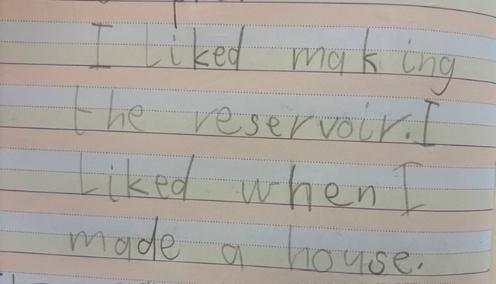
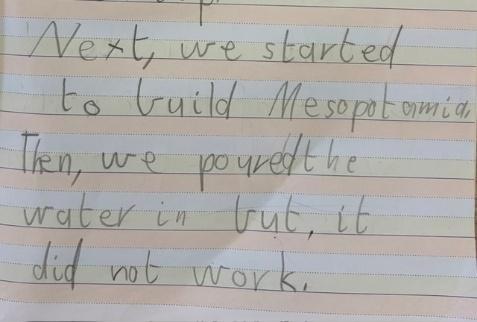
In Content Knowledge, we are continuing our unit on Ancient Mesopotamia. Students have been learning about how one of the world's first civilisations developed on the fertile floodplains of the Tigris and Euphrates Rivers. Last Tuesday, students put their learning into practice by building their own Mesopotamian cities in the sandpit. Their cities included rivers, canals, temples and farms, all inspired by what they have learned about life in Ancient Mesopotamia. It was wonderful to see students working collaboratively and creatively while applying their knowledge.
Text Construction
In Text Construction, students are learning to write recounts. They are learning that a recount includes an orientation (introduction), a sequence of events, and an evaluation (conclusion). We are using question prompts such as who, what, when and where to help add detail to our writing. Last week, students wrote a recount about building their Mesopotamian cities in the sandpit, linking their writing to our content Knowledge unit.
Mathematics
In Mathematics this week, students have been learning about multiplication. They have been exploring arrays, where objects are arranged in equal rows and columns, to help them understand how multiplication works. Students have been creating their own arrays and recording both the repeated addition equation and the matching multiplication equation.
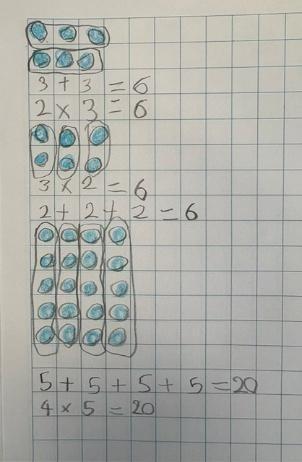
Using arrays helps students see the connection between repeated addition and multiplication, building a strong foundation for future mathematical learning.
Middle School
Literacy
The Middles have been delving into the exciting history of Medieval Europe in Content Knowledge. We have read about feudalism, castles, knights, lords and ladies, and the daily lives of people in the Middle Ages. Students have explored how society was organised, why and how castles were built, and the important roles different people played during this time. Middle school students have been using their senses to describe medieval scenes in narratives, with some very interesting phrases being written!
I can hear the church bell calling to people to pray.
I can smell the rotting fish on the wooden cart.
I can feel the soft mane of the horse and its clip clip hooves on the dirty ground.
Mathematics
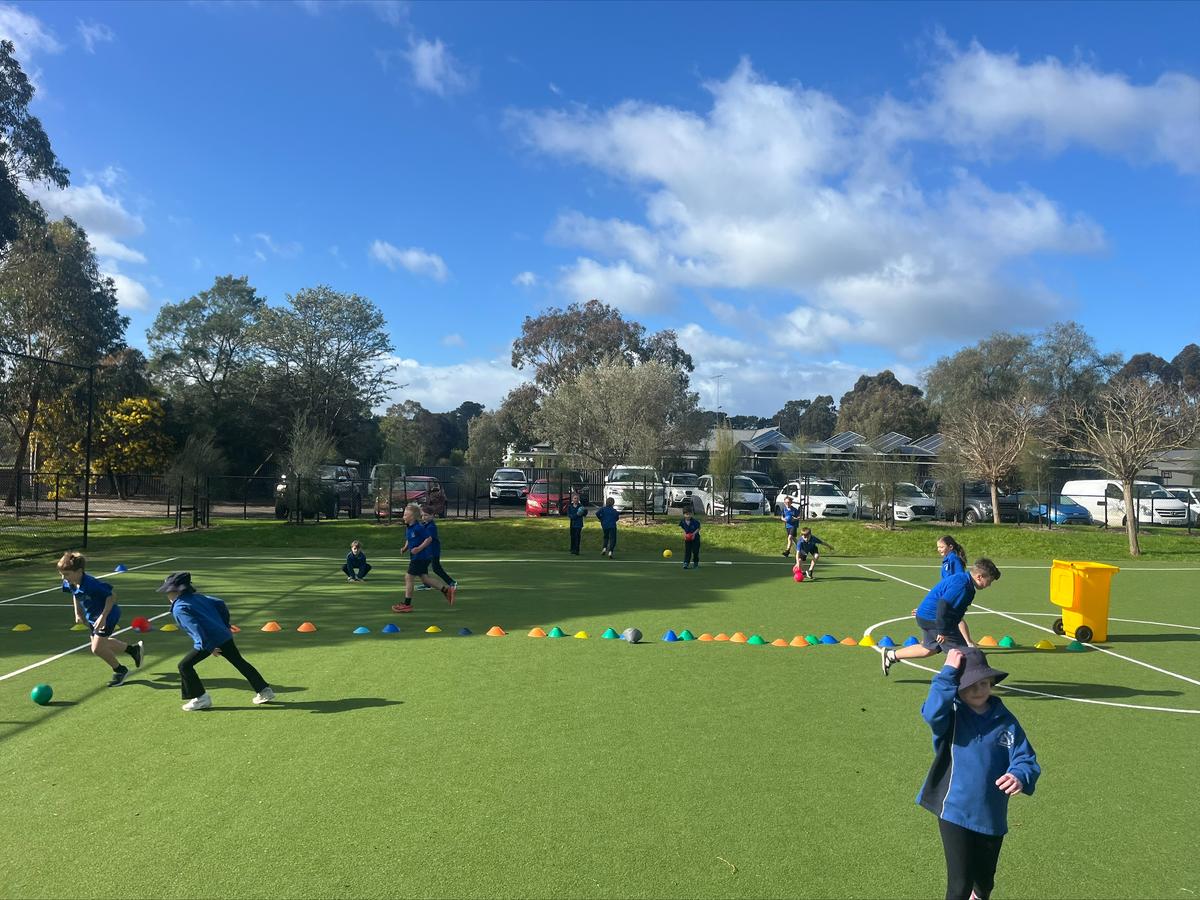
We have just concluded a unit on angles where students were tasked with identifying and labelling angles. We had a lot of fun finding angles in our very own playground - can you see any angles in this picture?
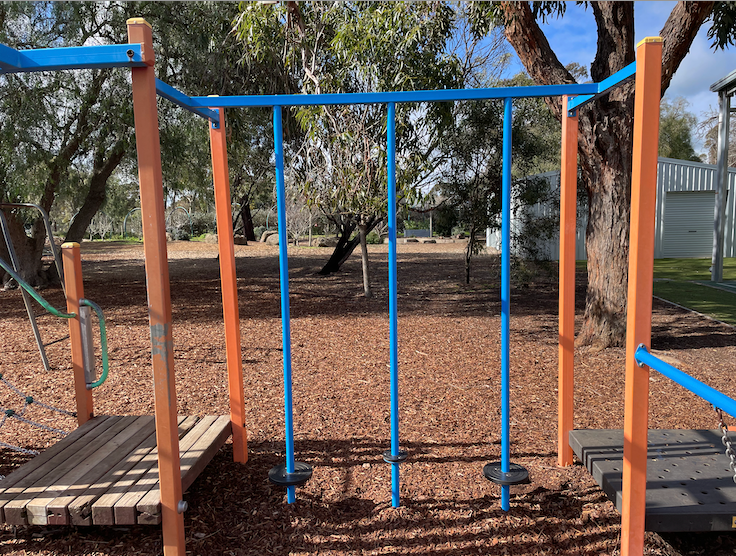
We will revisit telling the time on analogue and digital clocks this week, before moving on to fractions and decimals. You could support your child’s learning at home by asking them to read the clock at home throughout the day, or by asking them how long they think an activity will take. For example, “I think we have about 15 minutes until we need to leave for training. What time will that be?” or “Dinner will be ready at quarter to five. How long until then?
Physical Education
This term in Physical Education, students kicked off with a fun and active unit on T‑Ball. They developed key foundation skills including throwing, catching, running the bases, and learning the basic rules of baseball. Our lessons were packed with movement and teamwork, featuring energetic relay races, exciting games of dodgeball, and modified versions of T‑Ball that helped students apply their skills in game situations.
We have also begun our Street Hockey unit. Students have been practising dribbling, push passes, and flick passes, while learning how to work effectively in teams and pairs. Modified Street Hockey games have given everyone the chance to build confidence, collaborate, and enjoy fast‑paced, inclusive play.
It’s been a fantastic start to Term 3 with plenty of skill development, teamwork, and fun across all year levels.