
Wellbeing

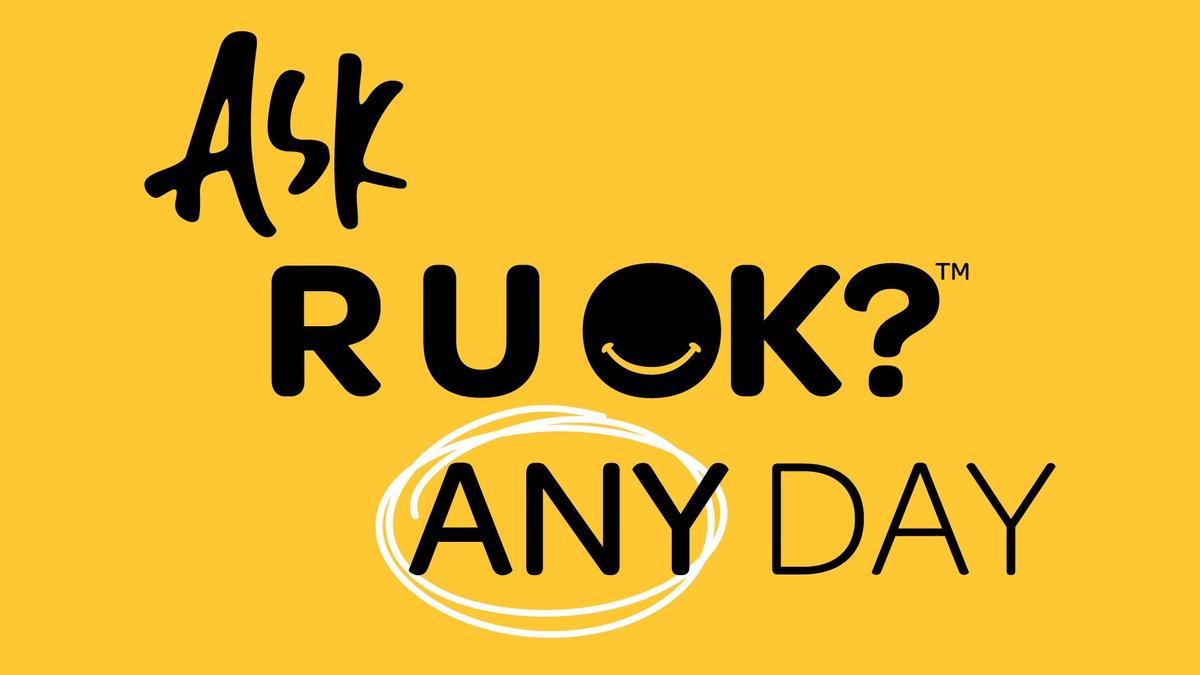
Last week we came together for R U OK? Day — a national day that reminds all of us to check in with the people around us.
This year's theme was “Ask R U OK? Any Day”, and it's a message we really wanted our students to take to heart. A conversation doesn't have to wait for a special day on the calendar. If someone is on your mind, that's the day to ask.
What our students did
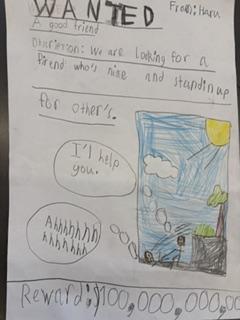
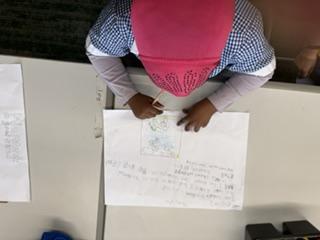
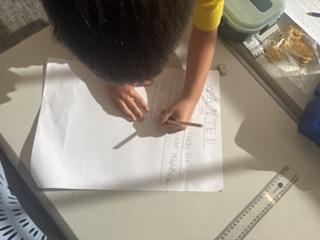
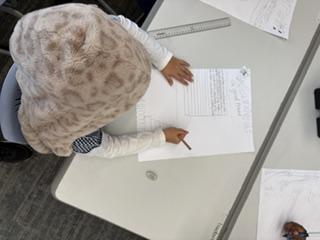
Classes across the school took part in a range of activities designed to get students thinking about noticing, including and checking in on others:
- Class discussions about what it looks like when a friend isn't quite themselves — and simple, kind ways to ask about it
- Writing kindness notes and encouraging messages for classmates
- Circle time and buddy activities focused on listening properly, without interrupting or jumping in to fix things
- Discussions about the trusted adults students can go to when something is worrying them
It was wonderful to see students engage so thoughtfully — and to hear the language of checking in being used naturally in the playground afterwards.
Why this matters for primary-aged children
At primary school, R U OK? Day isn't about big or heavy conversations. It's about building everyday habits that last: noticing when a friend seems flat, asking how they're going, listening properly, and knowing which adult to tell if they're worried about someone.
These are small skills, but they're the foundation of how our children will look after each other — and themselves — as they grow.
The four steps — and how they work at home
R U OK? suggests four simple steps for a meaningful conversation. They work just as well at the dinner table as they do in the classroom.
| Step | What it looks like at home |
|---|---|
| 1. Ask | Notice what's changed and ask about it — "You've seemed quiet this week. How are you going?" |
| 2. Listen | Take what they say seriously. Don't rush in with solutions or judgement — just let them talk. |
| 3. Encourage action | Ask what might help, and who else could support them. For kids, that often means a trusted adult. |
| 4. Check in | Come back to it in a few days. Following up is what shows the first question was genuine. |
Conversation starters to try at home “What was the best part of your day? What was the trickiest part?” “Who would you go to at school if you felt worried about something?” “You've seemed a bit quiet this week — anything on your mind?” Tip: children often open up more easily side-by-side than face-to-face — in the car, walking the dog, or while cooking together. |
Free resources for families
R U OK? has a range of free, downloadable resources — including conversation guides and posters — that families are welcome to use at home:
• How to ask R U OK? — the four steps
• Resources for schools and educators
• All free downloadable resources
If your family needs support Kids Helpline — 1800 55 1800 (free, 24/7, for young people aged 5–25) Parentline Victoria — 13 22 89 (8am–midnight, for parents and carers) Lifeline — 13 11 14 (free, 24/7 crisis support) Beyond Blue — 1300 22 4636 In an emergency, call 000. You are also always welcome to contact the school office if you have concerns about your child's wellbeing — we're here to help. |