
STUDENT WELLBEING NEWSLETTER


Hello from Mrs Loverso!
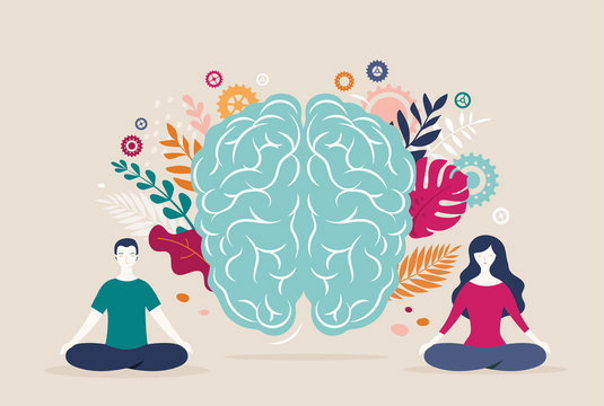
Self Regulation - Part 2
As a response to the previous article on self regulation, here are some more evidence based self regulation strategies for young children. Young children often need a trusted adult to help them regulate. At this age it is useful to teach strategies to kids when they are calm so they can use them when emotions are high. It’s unreasonable to expect young children to access regulation strategies when they haven’t had much exposure or practice with them. So, keeping strategies short and simple, teaching them in a calm environment is the key!
Strategies you/your child can try:
Regulation Strategy | What the child does | How is this helpful |
Mindful breathing | Breathe in slowly as if filling your belly like a balloon, then slowly let it out and let the belly empty | This helps when the body is overwhelmed, stressed, angry or worried. Deep breathing activates the parasympathetic nervous system and is the body’s number one stress buster! |
Stop, Name, Choose | Stop: Pause for a moment Name: Name the feeling you are having – “I am feeling angry” Choose: Decide what a good next step is | This helps when you need to calm down and refocus to solve a problem and get back to a task. |
Body Check | Notice: “What can I feel in my body right now?” | This helps children recognise if they are escalating into a state of overwhelm |
Take 5 | Step away from the situation for a few minutes and re enter when you are feeling calm | This is really helpful fir healthy conflict resolution. |
Shake it Out | Shake arms and legs, bounce on the spot for 30 to 60 seconds | This is great if you child is feeling excess energy, restlessness or frustration |
5, 4, 3, 2, 1 Grounding | Name 5 things you can see 4 things you can touch 3 things you can hear 2 things you can smell 1 thing you can taste | This strategy is helpful for anxiety or overwhelm, and it helps to bring you back to the present moment |
Helpful Self Talk | Replace unhelpful thoughts or self talk with something more helpful. “I can’t do this!” replace with, “I can try my best!” | Using positive self talk helps to build resilience and confidence. It also helps combat frustration with tasks. |
Drink, Breathe, Move | Take a sip of water (cold!), take a long slow deep breathe, then move your body in a way that feels good. | This is a very handy reset for general feelings of overwhelm. |
For more information on self regulation, please see the sources below.
Sources:
Self Regulation: Children and Teenagers
https://raisingchildren.net.au/toddlers/behaviour/understanding-behaviour/self-regulation
Big Feelings: How do we actually learn to self regulate?