
From the Deputy
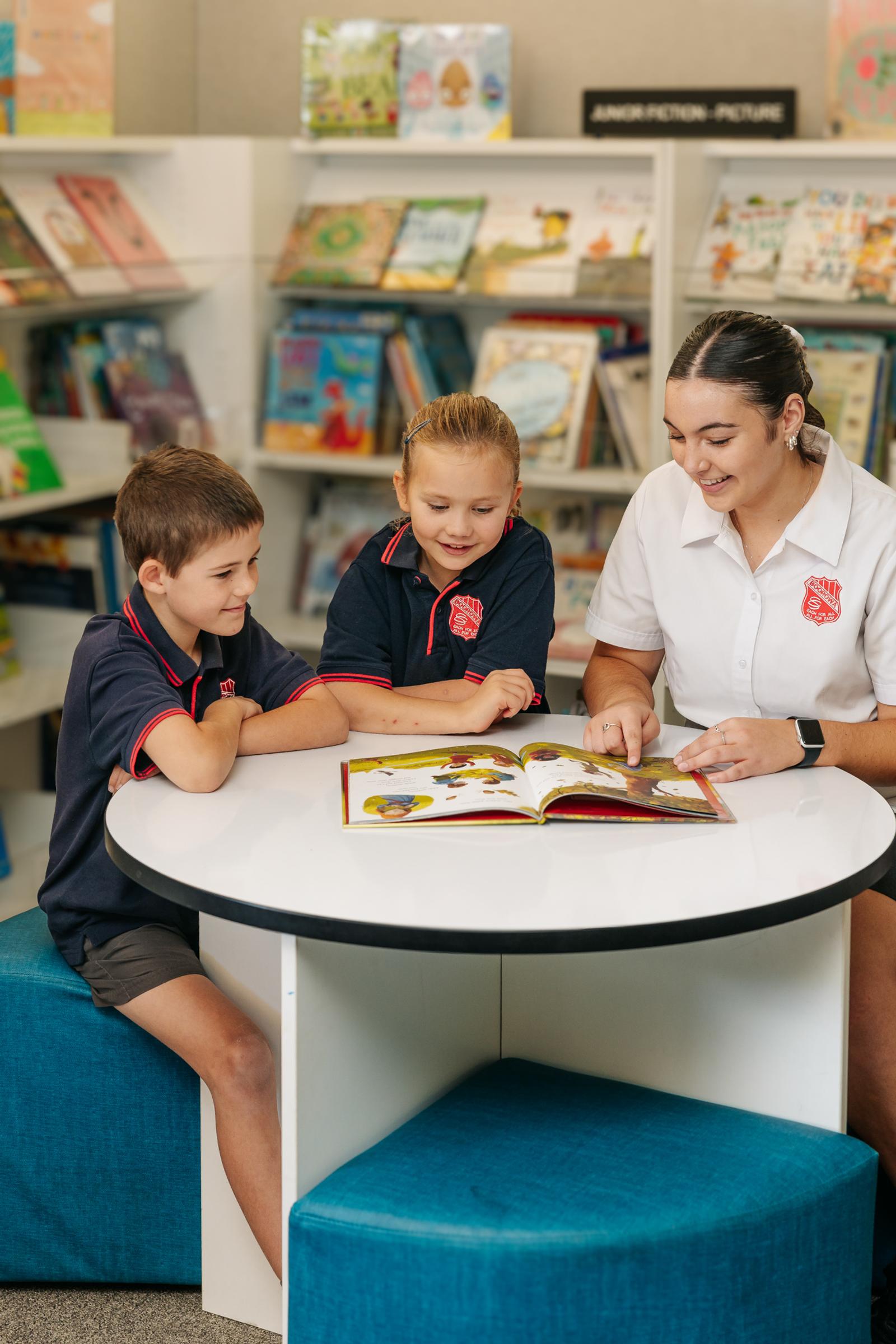
Teaching Positive Behaviour: Explicitly, Consistently and Every Day
At Boorowa Central School, we recognise that positive behaviour is not simply something we expect students to know, it is something we explicitly teach, model, practise and reteach. Just as we revisit important concepts in the classroom, we regularly revisit the behaviours that help create a safe, respectful and supportive environment where every student can learn and thrive.
Each day, our Positive Behaviour for Learning, Respectful Relationships and The Resilient Project focuses provide students with a simple, practical behaviour to think about and put into action. These conversations are designed to help students understand what positive behaviour looks like, sounds like and feels like in real-life situations.
Over recent weeks, our daily focuses have included:
· Participation in Learning – being present, involved, having a go, asking for help and understanding that mistakes are an important part of learning.
· Show Empathy – listening to others, choosing kind words, checking in with people and including those who may feel left out.
· Respect – recognising that we can disagree with someone while still treating them with kindness, fairness and consideration.
· Hands, Feet and Objects to Self – understanding that our actions have consequences and that other people are not characters in a game. We encourage students to stop and think before they touch, push, grab or throw.
· Choose Your Words Carefully – recognising the power of language to build people up rather than bring them down.
· Trust Your Instincts – encouraging students to recognise when something does not feel right, make safe choices and speak to a trusted adult when needed.
· Follow Instructions – understanding that listening and responding to instructions helps everyone participate safely and fairly.
· Take a Moment – giving students strategies to pause, breathe, reset and refocus when life feels busy or overwhelming.
· Your Tone Matters – teaching students that respectful communication is about not only what we say, but how we say it.
· Appropriate Language and Actions – helping students understand that while emotions are natural, our emotions explain our behaviour; they do not excuse it.
These messages are deliberately short and accessible, but they are part of a much bigger commitment. Our staff reinforce these expectations throughout the school day, in classrooms, playgrounds, sporting activities, excursions and social interactions.
Our goal is to develop young people who can make positive choices, regulate their responses, communicate respectfully, show empathy and take responsibility for their actions. By consistently teaching and reteaching these behaviours, we are giving our students the skills they need not only to succeed at school, but to become respectful, responsible and confident members of the wider community.
Families play an important role in reinforcing the positive behaviours we teach at school. Children learn from what they see and hear, so modelling respectful language when speaking about other students, their families and teachers help young people develop positive communication choices of their own. Even when we disagree or have concerns, we can demonstrate that it is possible to express these respectfully and constructively. What we model matters, and together we can help our students choose words and actions that build others up.
Ms Trudy Mahoney
Deputy Principal