Wellbeing News
Bullying No Way Week – Small Acts, Big Impact
This week, Galilee participated in Bullying No Way Week, Australia’s national week of action dedicated to preventing bullying and promoting safe, respectful and inclusive school communities.
This year’s theme, “Small Acts, Big Impact,” highlighted how everyday actions can make a real difference. Including others, using respectful language, checking in on someone, speaking up when something isn’t right and seeking help from a trusted adult are all small actions that can have a positive impact.
Throughout the week, students participated in age-appropriate activities that helped them understand what bullying is and isn’t, how to recognise bullying behaviours and how to respond safely. Students also explored how to seek help and the important role they can play in supporting others when they witness bullying.
A key message throughout the week was that preventing bullying is everyone’s responsibility. Our students were encouraged to think about the choices they make each day and how these choices contribute to a school where everyone feels safe, respected and included.
While Bullying No Way Week provides an important opportunity to focus on these messages, building respectful relationships and responding to bullying is something we continue to work on throughout the year at Galilee.
Working together
- Making space for conversation. Ask about friendships, playtimes and how things are going at school. Try varying the questions you ask rather than focusing each day on whether your child had a good day or on a particular child or friendship. Open questions such as “Who did you spend time with today?”, “What was the best part of playtime?” or “Was anything tricky today?” can help children share their experiences more naturally and give a broader picture of how things are going.
- Listen calmly and ask questions. Give your child time to share their experiences in their own way. Showing interest, listening without jumping to conclusions and asking gentle questions can help you understand their friendships and experiences at school.
- Help children understand what bullying is. Not every disagreement, friendship difficulty, argument or unkind interaction is bullying. Children will sometimes experience conflict with their peers, and while these situations can be upsetting and may need support, they are different from bullying. Bullying involves repeated behaviour that is intended to cause harm and involves an imbalance of power. Helping children understand this difference allows them to describe what has happened more clearly, seek the right support and develop the skills to navigate everyday friendship challenges and disagreements.
- Encourage problem-solving where appropriate. Support your child to think about what they could say or do to manage everyday disagreements. This might include calmly explaining how they feel, walking away, finding another activity or thinking about how the problem could be resolved. Reinforce that problem-solving does not mean managing everything alone, children should always seek adult help if they feel unsafe, the behaviour continues or they are unsure what to do.
- Identify trusted adults. Talk with your child about the adults at school they can approach if they need help or are worried about someone else. Encourage them to keep telling a trusted adult if a problem continues.
- Encourage safe action. Children can make a difference by including others, showing kindness, getting help from an adult and speaking up when it is safe to do so. Reinforce that being a supportive bystander does not mean putting themselves at risk.
School-Wide Expectation: Encouraging and Supporting Others
Over the last fortnight, our school-wide expectation focus has been: “I encourage and support others and celebrate their success.”
At Galilee, we are helping students understand that a positive and supportive community is built when we cheer each other on, use kind and encouraging words and celebrate the achievements of others, whether they are big or small.
Throughout the fortnight, students explored what it looks and sounds like to encourage others in the classroom, playground and wider school community. We want our students to recognise that someone else’s success is something we can celebrate and that showing encouragement, kindness and respect helps everyone feel valued.
Supporting this at home
Families can reinforce this expectation by:
- Encouraging your child to congratulate others on their achievements.
- Talking about how it feels when someone notices and celebrates their effort or success.
- Modelling encouraging language such as “Well done!”, “You should be proud of yourself!” or “I’m happy for you!”
- Celebrating effort, persistence and improvement, as well as achievements, within your family.
By using the same positive messages at school and at home, we can continue to build a community where students feel supported to have a go, celebrate one another and be proud of their own and others’ achievements.
Picture story books that open discussion about being happy for others, encouraging peers, recognising strengths, managing jealousy and being a supportive friend.
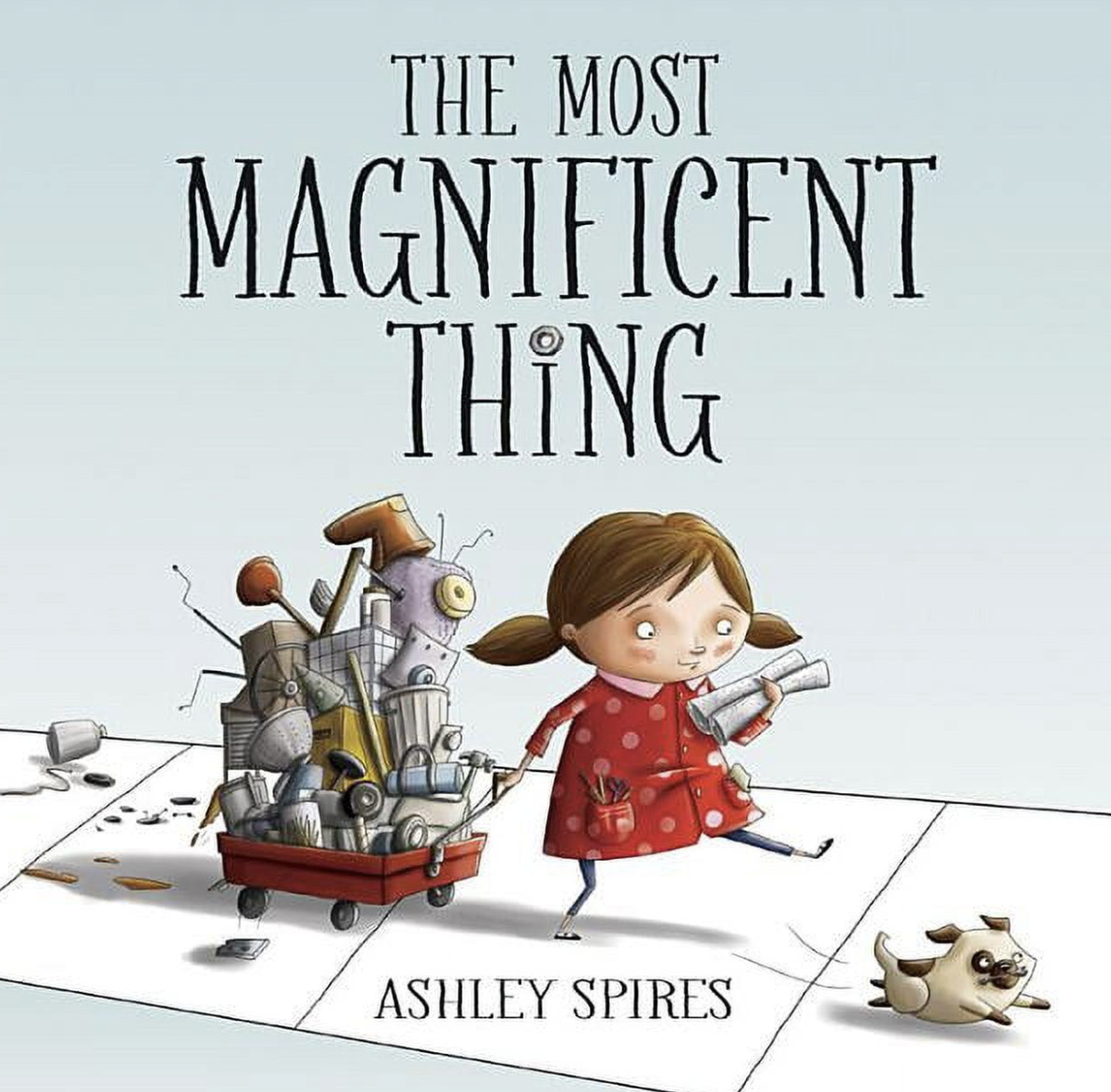
The Most Magnificent Thing – Ashley Spires — great for talking about encouraging someone when something is difficult, persistence and recognising effort, not just the final achievement.
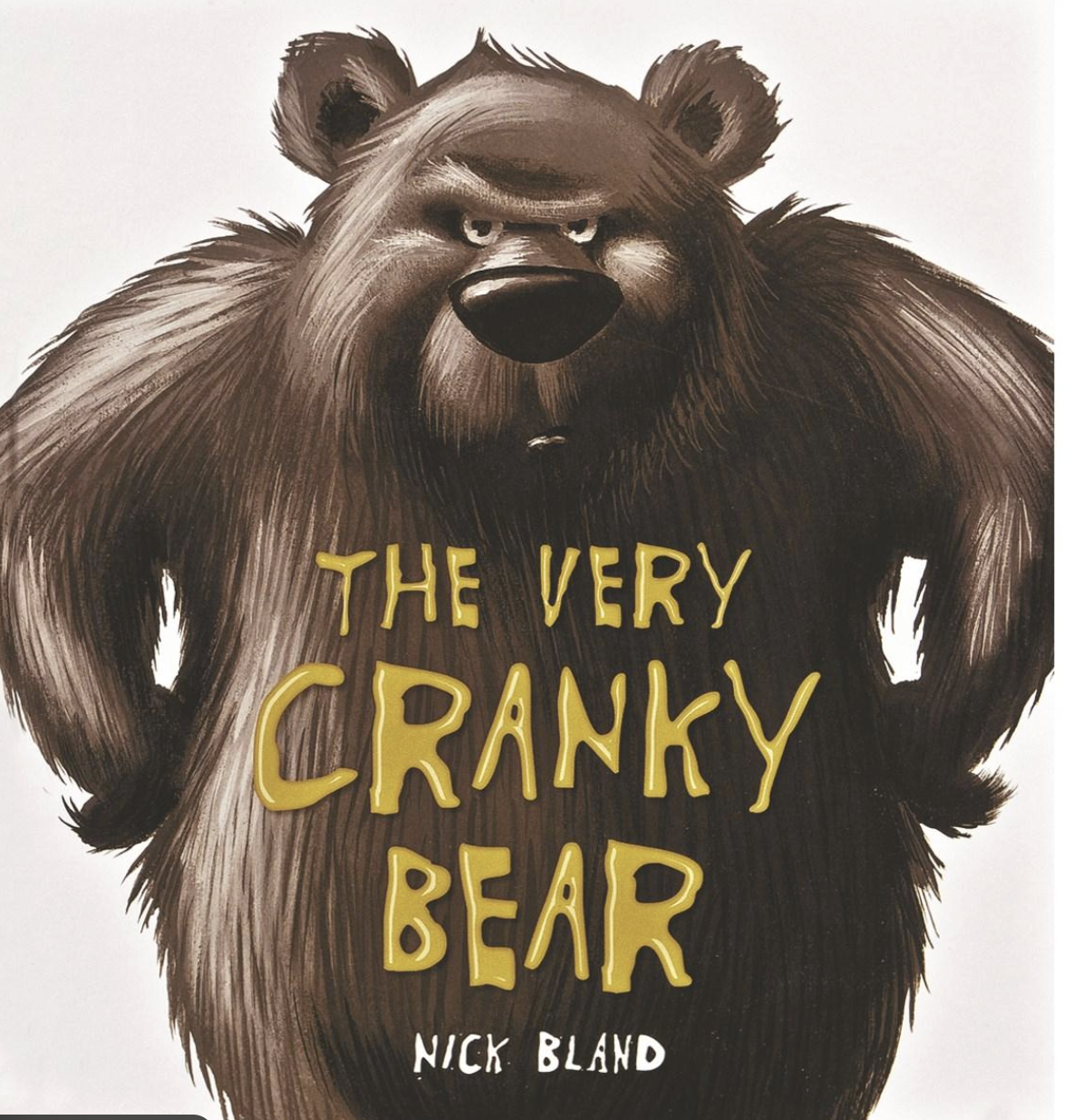
The Very Cranky Bear – Aaron Blabey — particularly good for younger students. It explores how we can genuinely support another person by thinking about what they need rather than what we think they need.
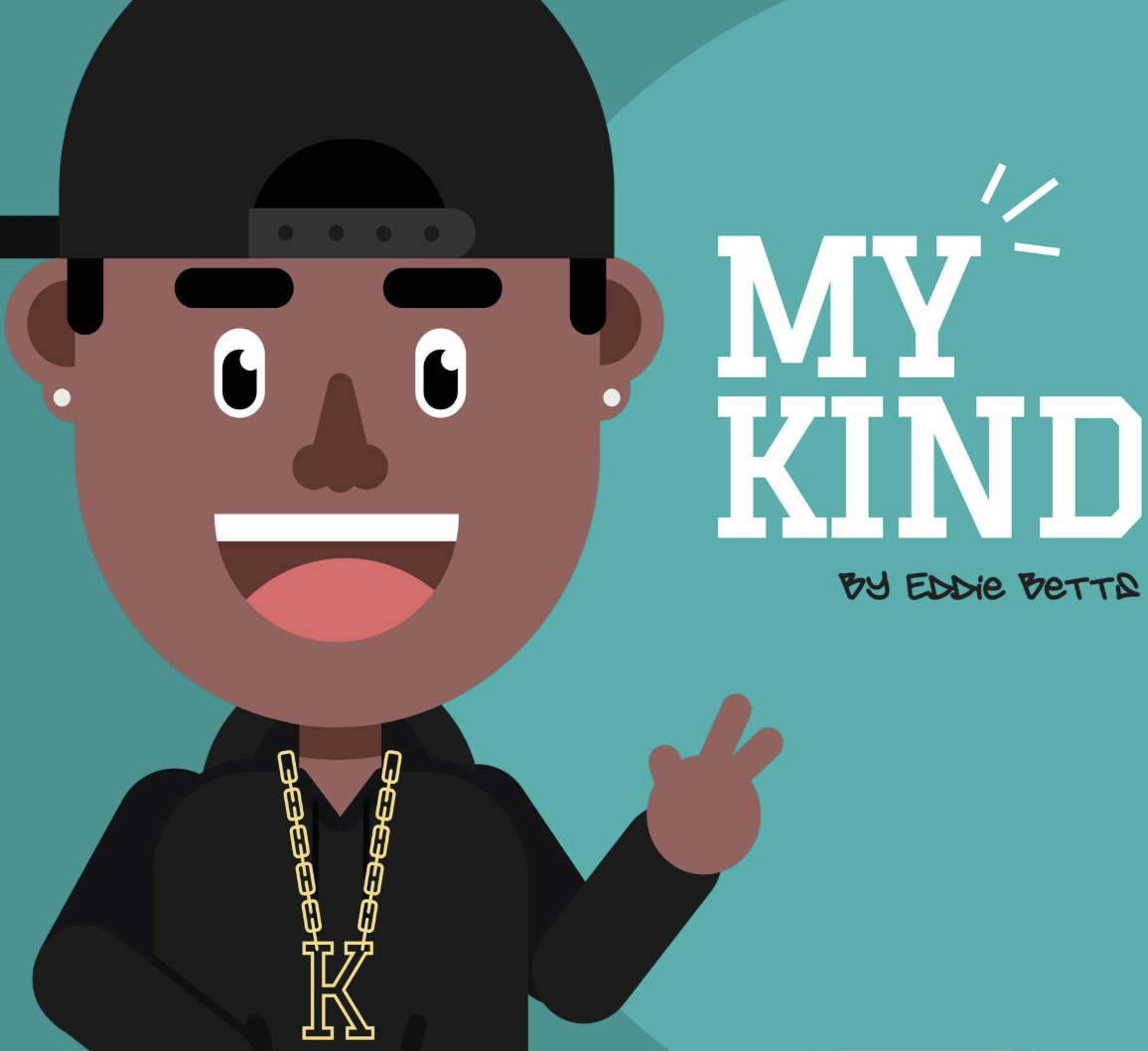
My Kind – Eddie Betts, illustrated by Jesse White — a great Australian choice, particularly for our lower primary students. It explicitly explores kindness, acceptance and inclusion and is designed to be engaging as a read-aloud
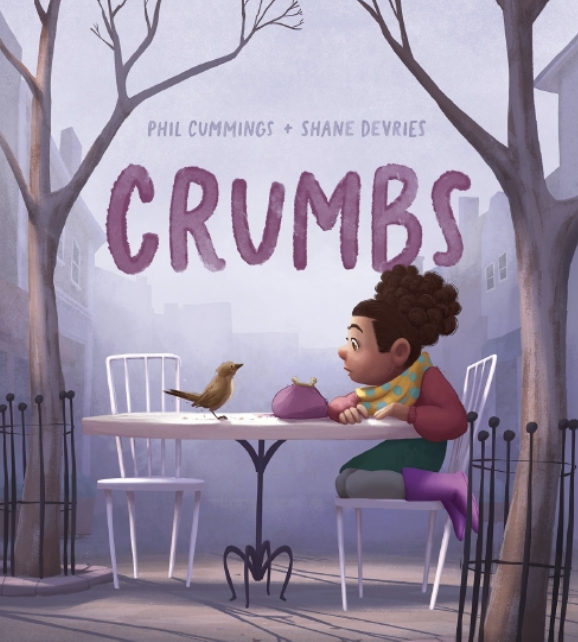
Crumbs – Phil Cummings & Shane Devries — Australian and useful for showing children that small acts towards others matter.