Year 5/6






| Dates to remember | Event |
|---|---|
| Monday 2nd November | Curriculum Day |
| Tuesday 8th December | Statewide Transition Day |
Maths
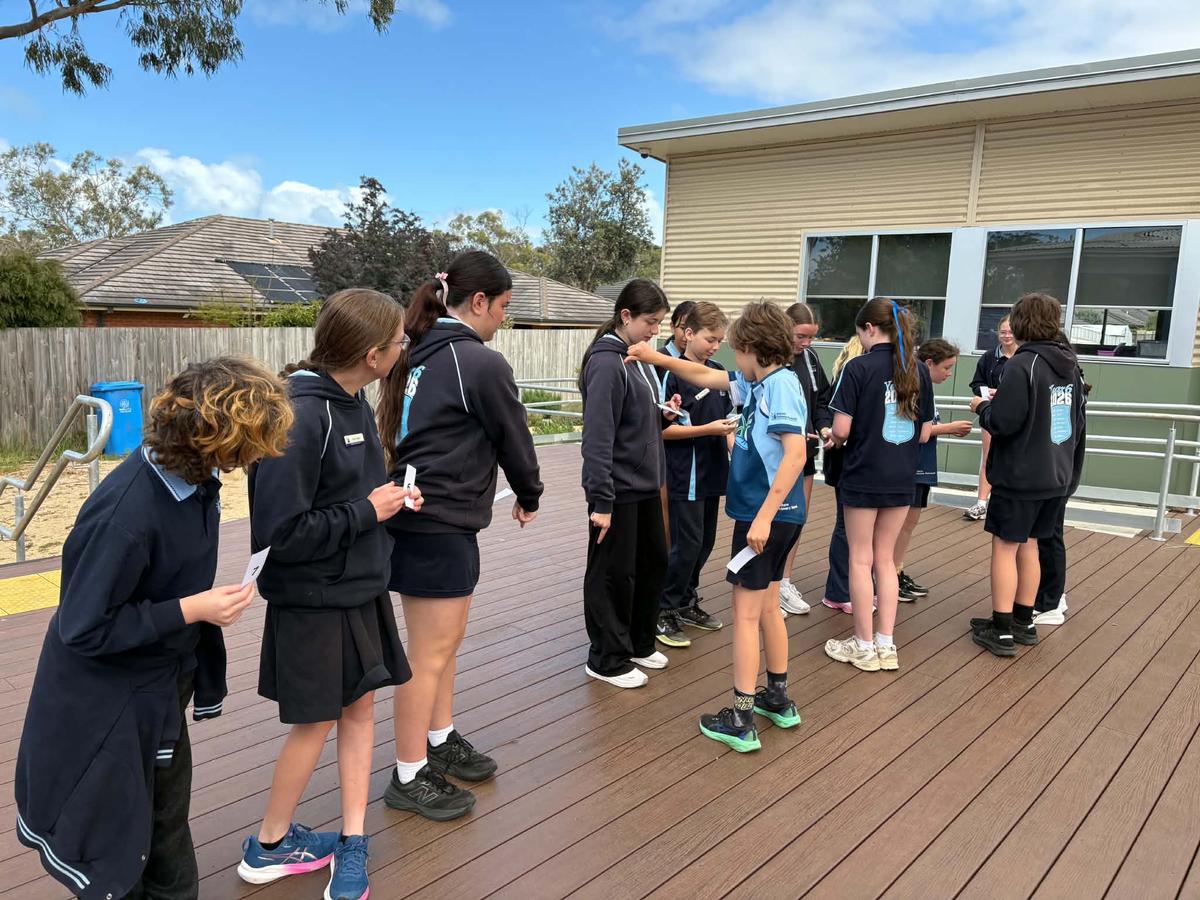
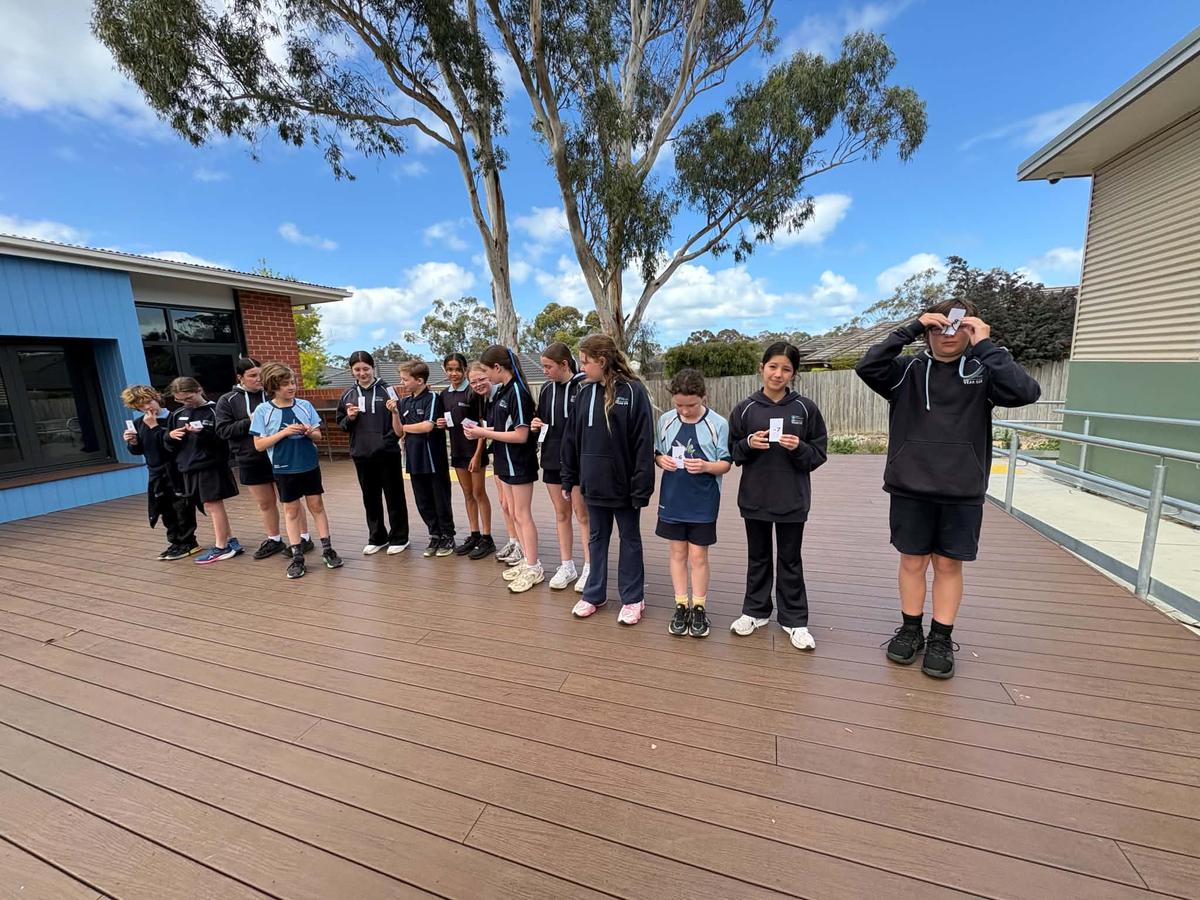
Exploring the World of Numbers and Maps. In math, we have been tackling some fantastic challenges that combine number skills with grid navigation! We are mastering multi-digit multiplication and breaking down large numbers using long division, learning that each step is just about sharing numbers into equal groups. We have also been exploring subtraction using various strategies, such as splitting numbers by their place value or adjusting them to the nearest ten to make mental math much faster and easier. Alongside these operations, we took our first dive into positive and negative integers, using real-world ideas like sea levels and temperatures to understand numbers that go below zero.
Navigating the Cartesian Plane. We have also put our navigation skills to the test by exploring location and coordinates on the Cartesian plane! The students are learning to map out specific spots on a four-quadrant grid using ordered pairs \((x, y)\). We always remember our golden rule: walk along the horizontal x-axis first, and then climb up or down the vertical y-axis. It has been wonderful to see the students use their combined knowledge of positive and negative numbers to plot points perfectly across the entire grid, turning abstract numbers into an exciting map-reading game!
English
We walked away inspired after reading about the fascinating life and career of award-winning Australian author Rebecca Fraser. Learning about her journey as a writer gave us a whole new perspective on creativity, persistence, and the power of observation.
By diving into her background, we discovered that great stories don't just appear out of nowhere, they are built from everyday moments. Fraser's experiences showed us how a simple walk on a Mornington Peninsula beach could transform into the novel Sea Glass, or how a random thought in the shower could spark Jonty’s Unicorn. This changed how we view our surroundings, inspiring us to look for hidden story ideas in their own daily lives.
We learned about a 'reading detective' mindset and the importace of reading widely to analyse how authors build characters and worlds. We talked about valuing the power of editing and how a story can be completely rewritten from a 10,000-word rhyming poem into prose and how editing and rewriting is a natural path to improvement. We connected landscapes to emotions and how personification can bring nature to life and how fantasy or adventure stories are safe, creative space to explore real-life challenges like fear, friendship, and family.
We are continuing to become expert readers by learning how to switch between the casual language we use with friends and the more formal language used in serious texts. We are discovering how to change the way we understand a story based on its tone and who it was written for. Alongside this, we are working hard on our reading smoothness by focusing closely on accuracy. By slowing down to read every word correctly and pacing ourselves, we are able to dig deeper and truly understand the hidden meanings behind what we read.
Polishing Our Writing Skills. As writers, we have been exploring explanation texts to learn how to break down big, complex topics so they make perfect sense to our readers. We are also making our descriptions much more exciting by choosing precise pronouns, using vivid metaphors, and adding extra layers of detail to our sentences using appositives. To make sure our final pieces look their best, we are using the CUPS strategy (Capital letters, Understanding/Sense, Punctuation, Spelling) to edit our work. This helps us double-check that our action words match our subjects, our tenses stay in the same time period, and every single sentence flows perfectly.
Buddies
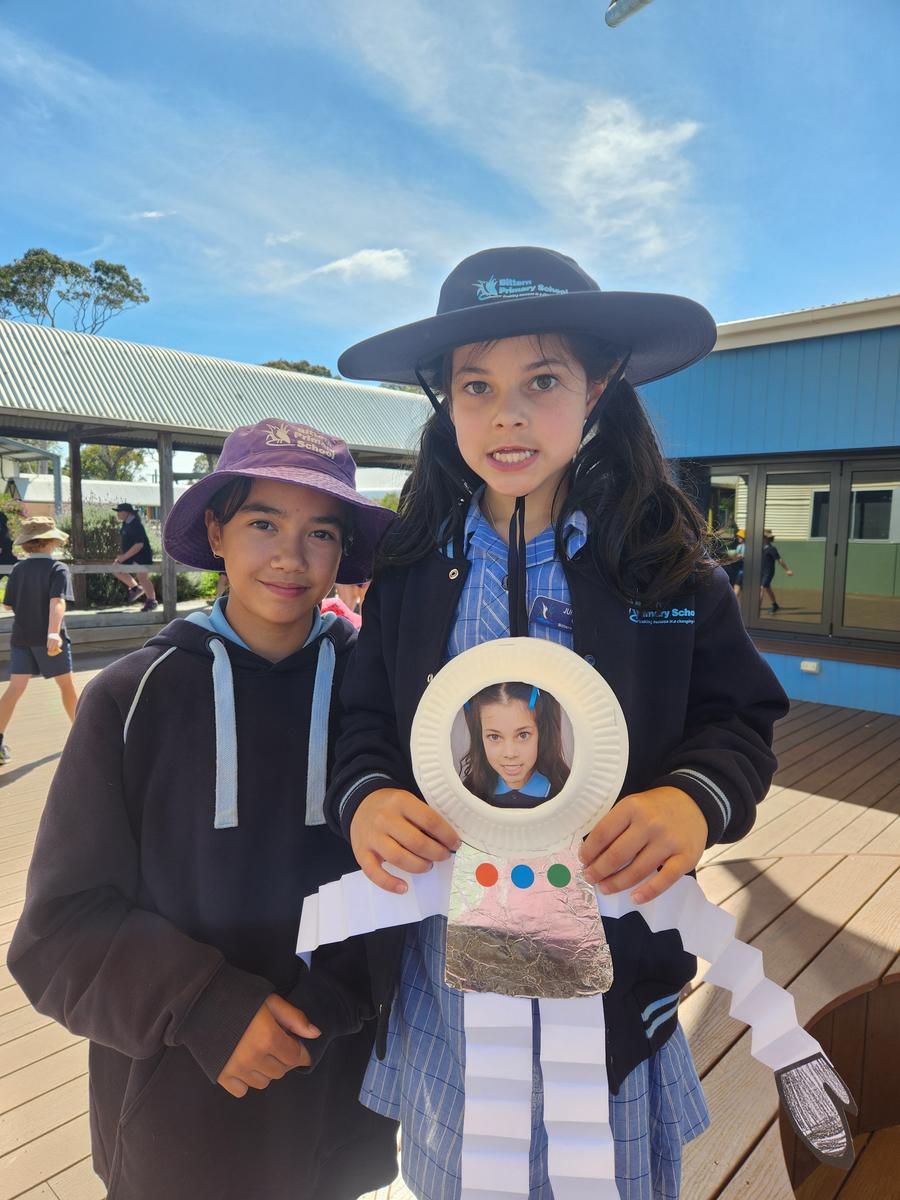
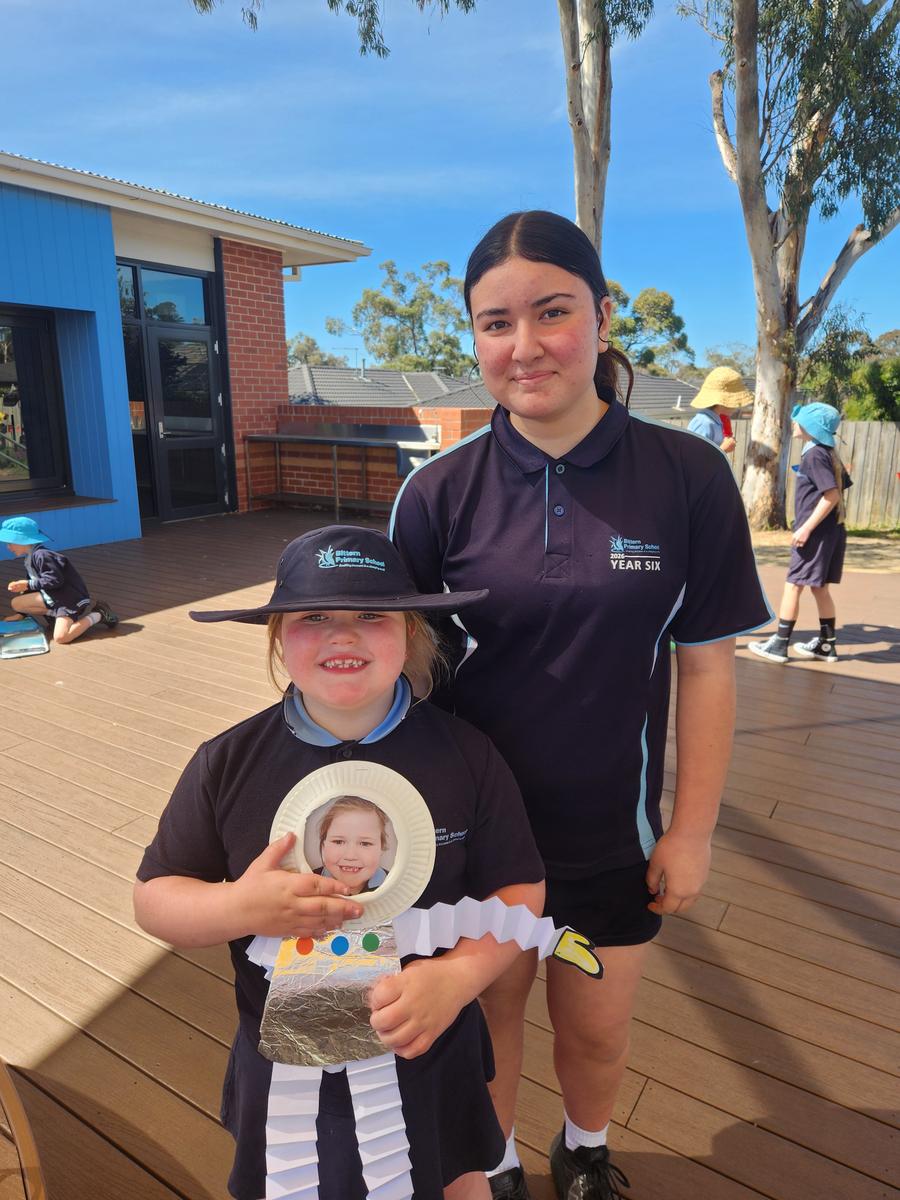
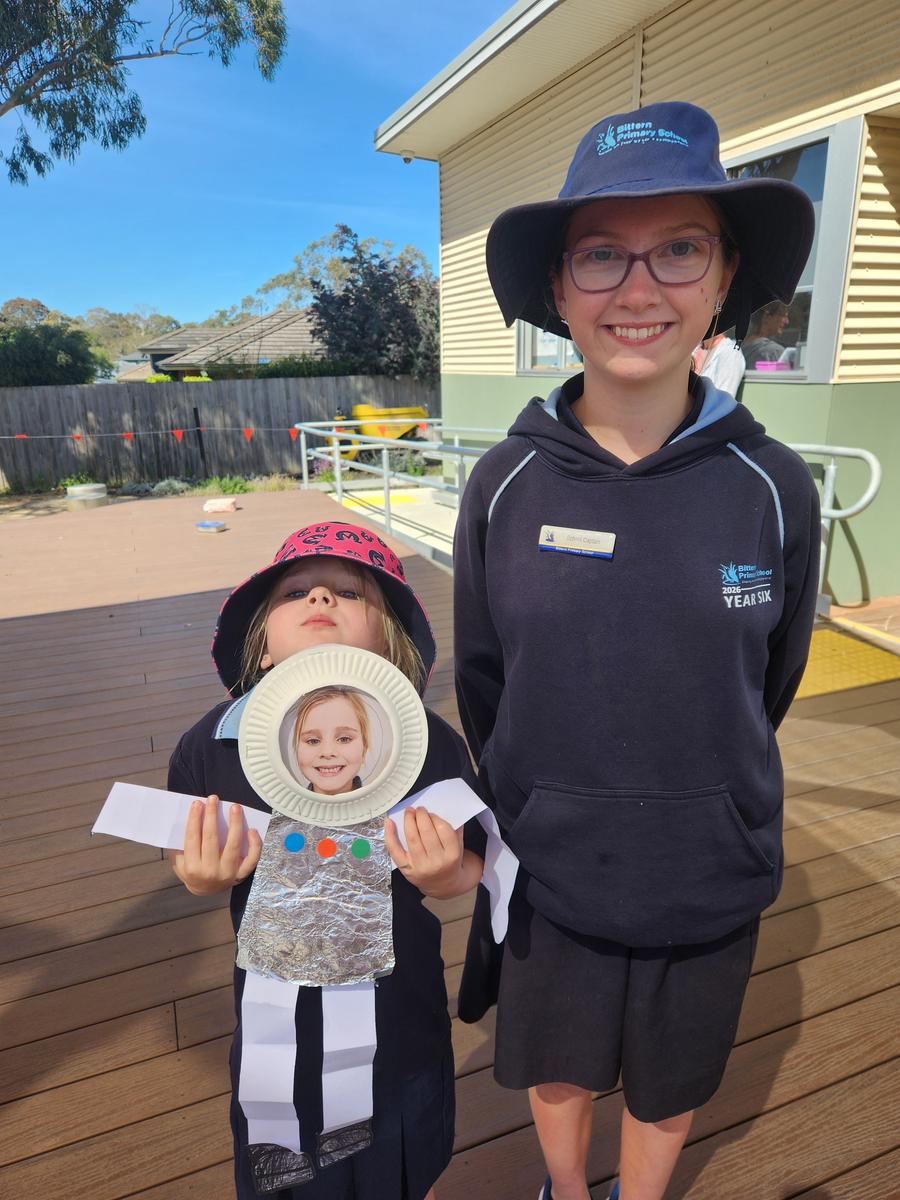
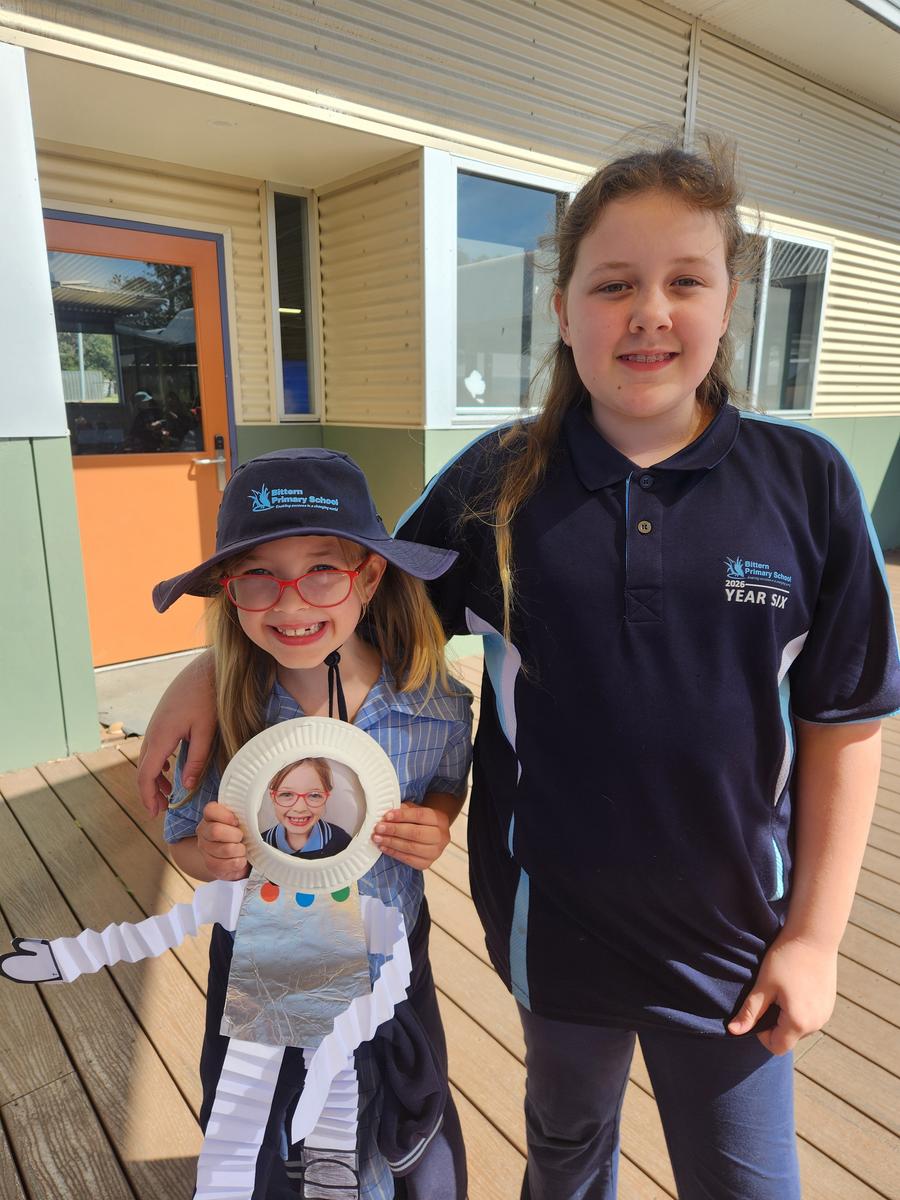
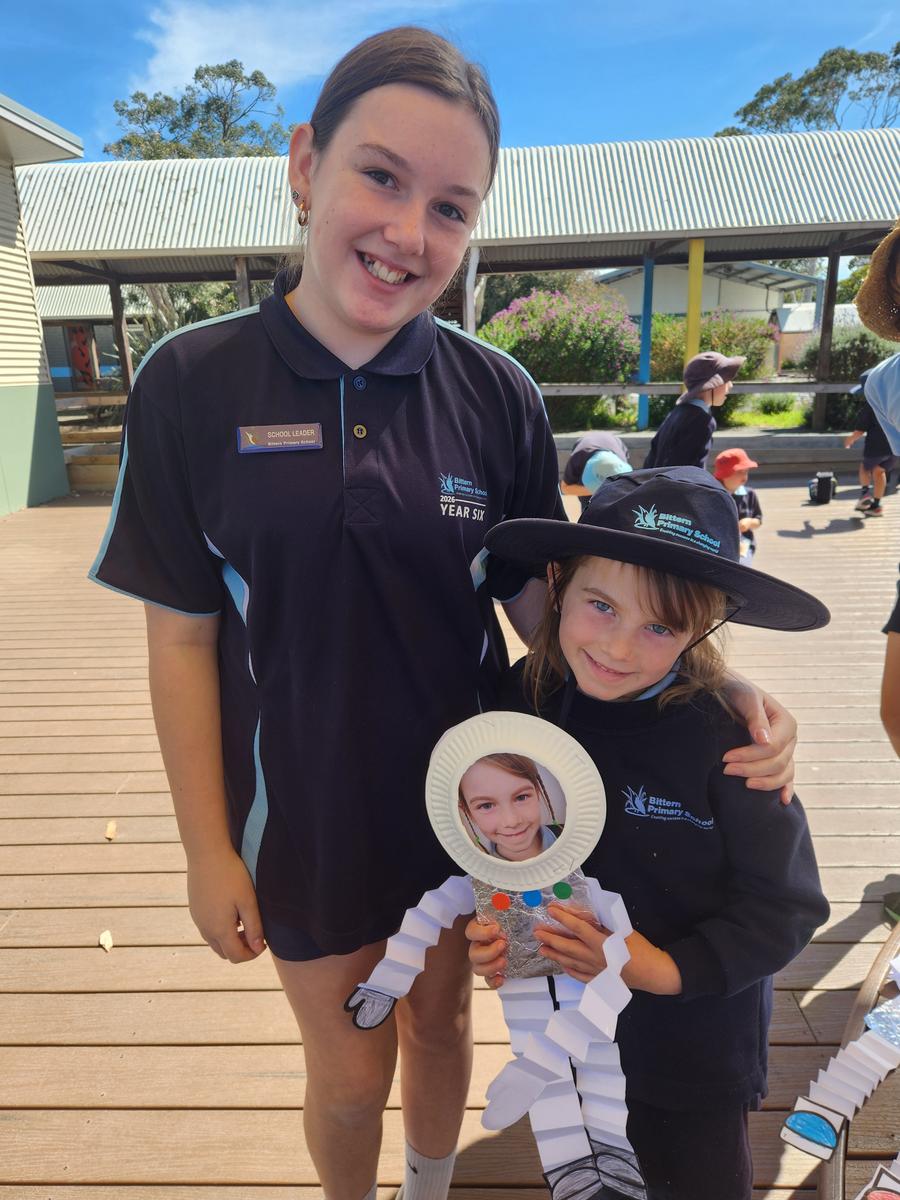
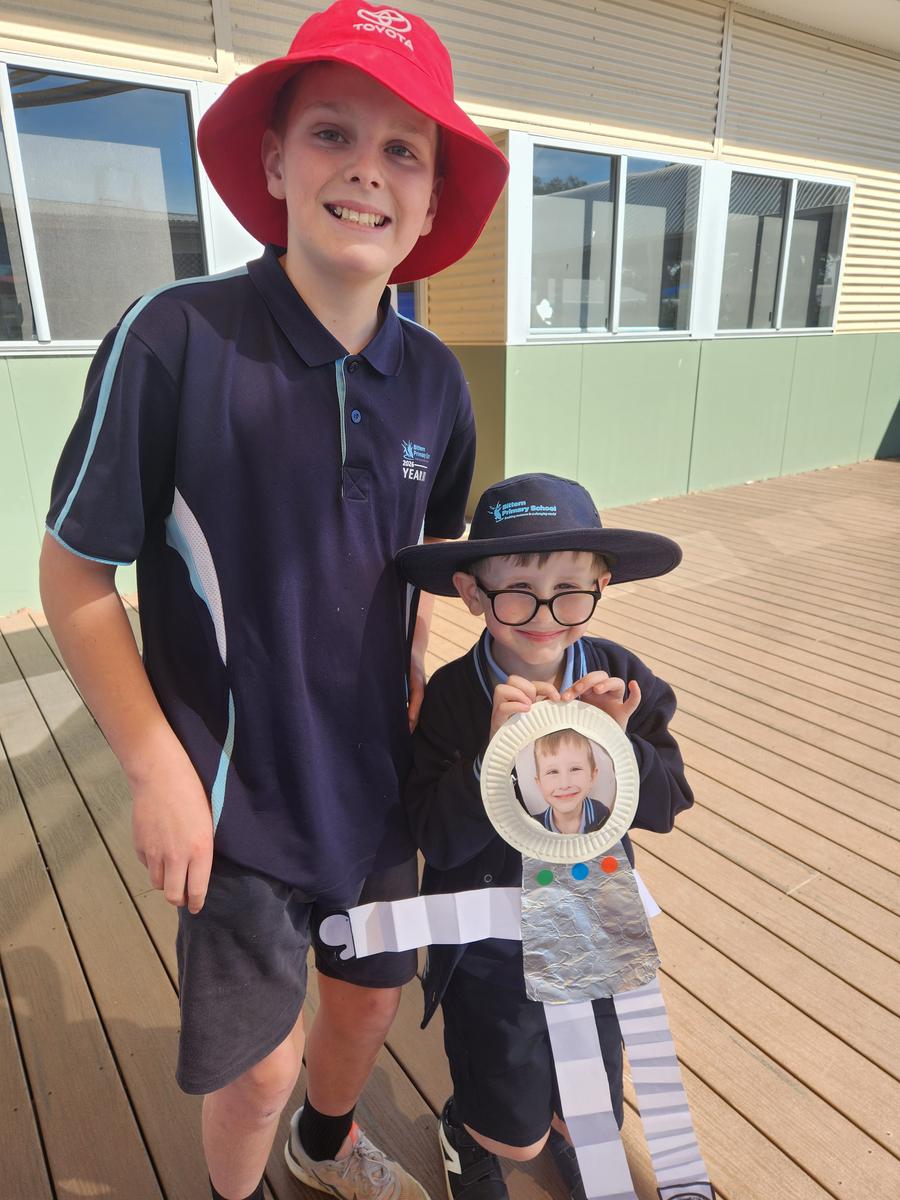
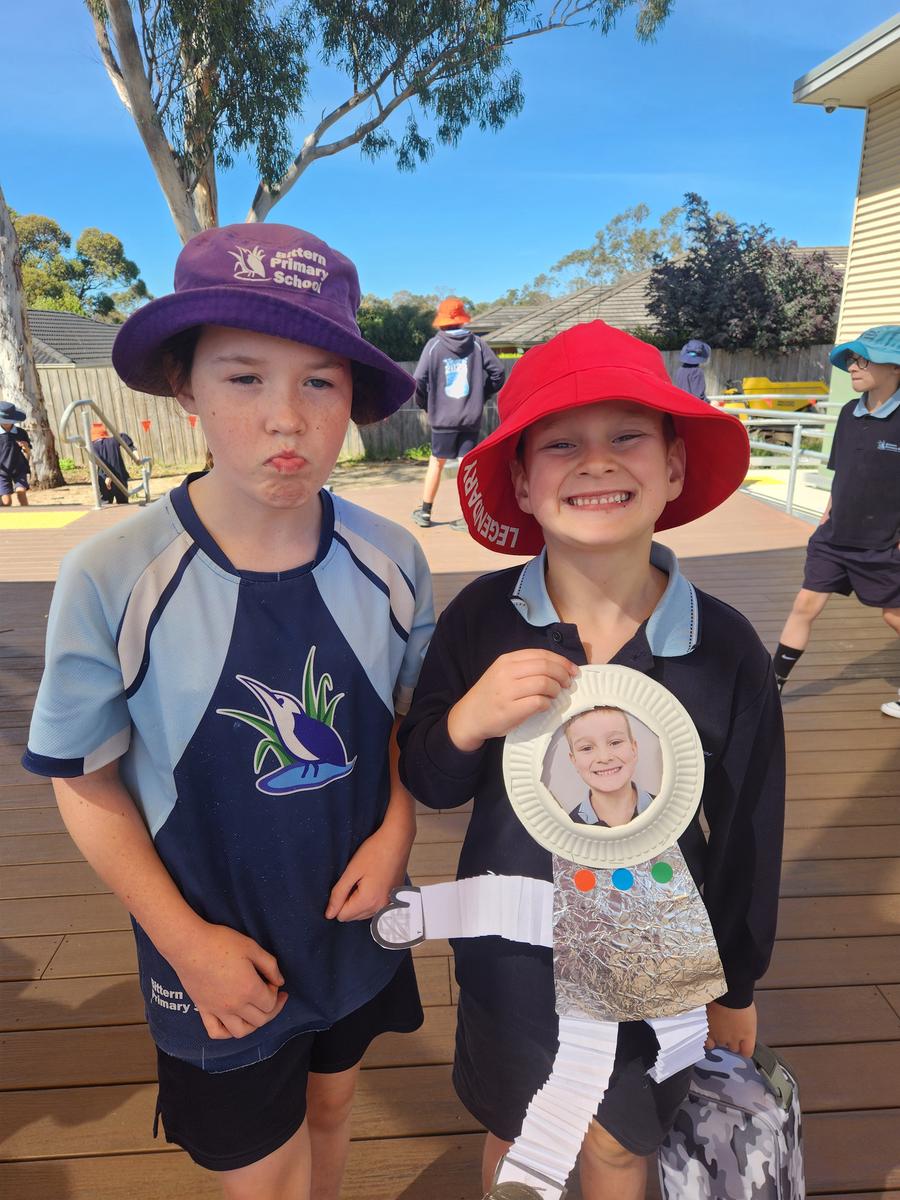
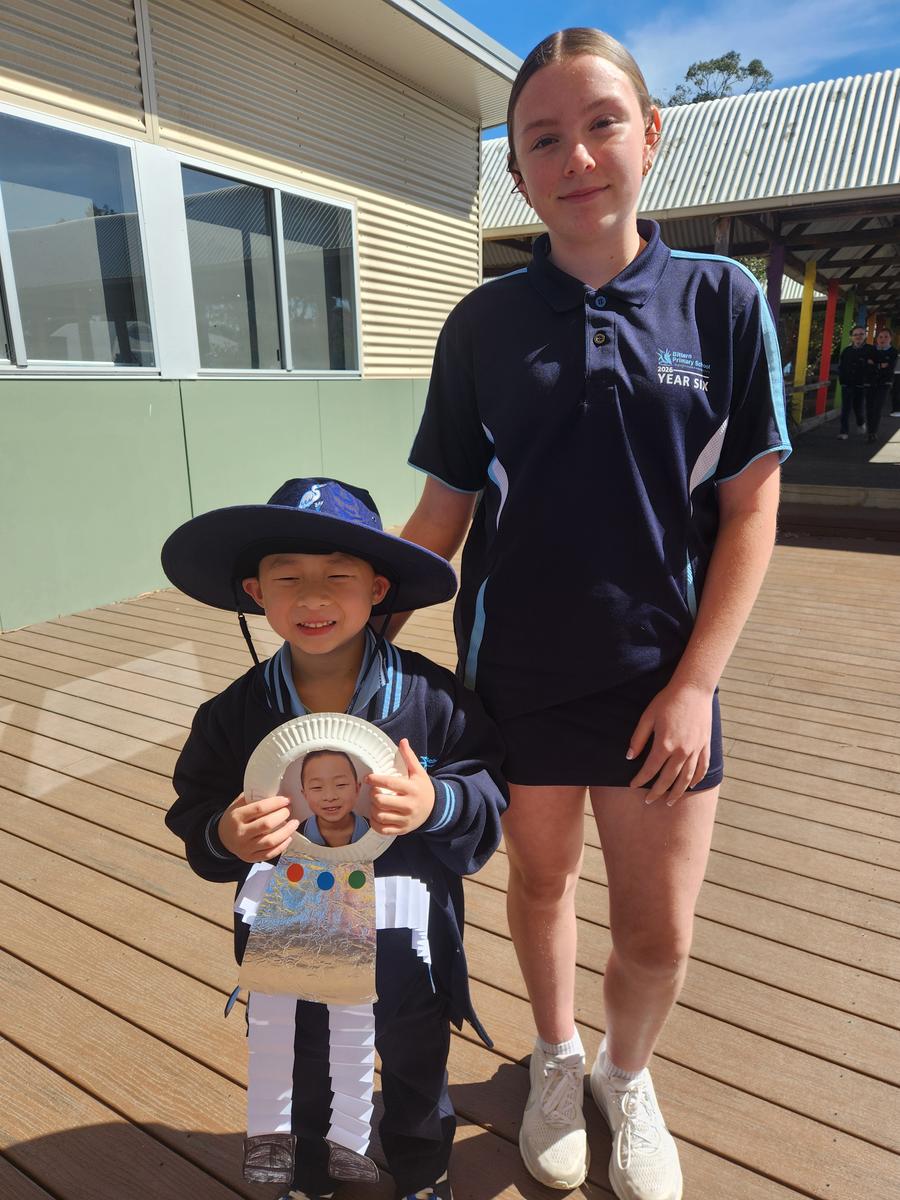
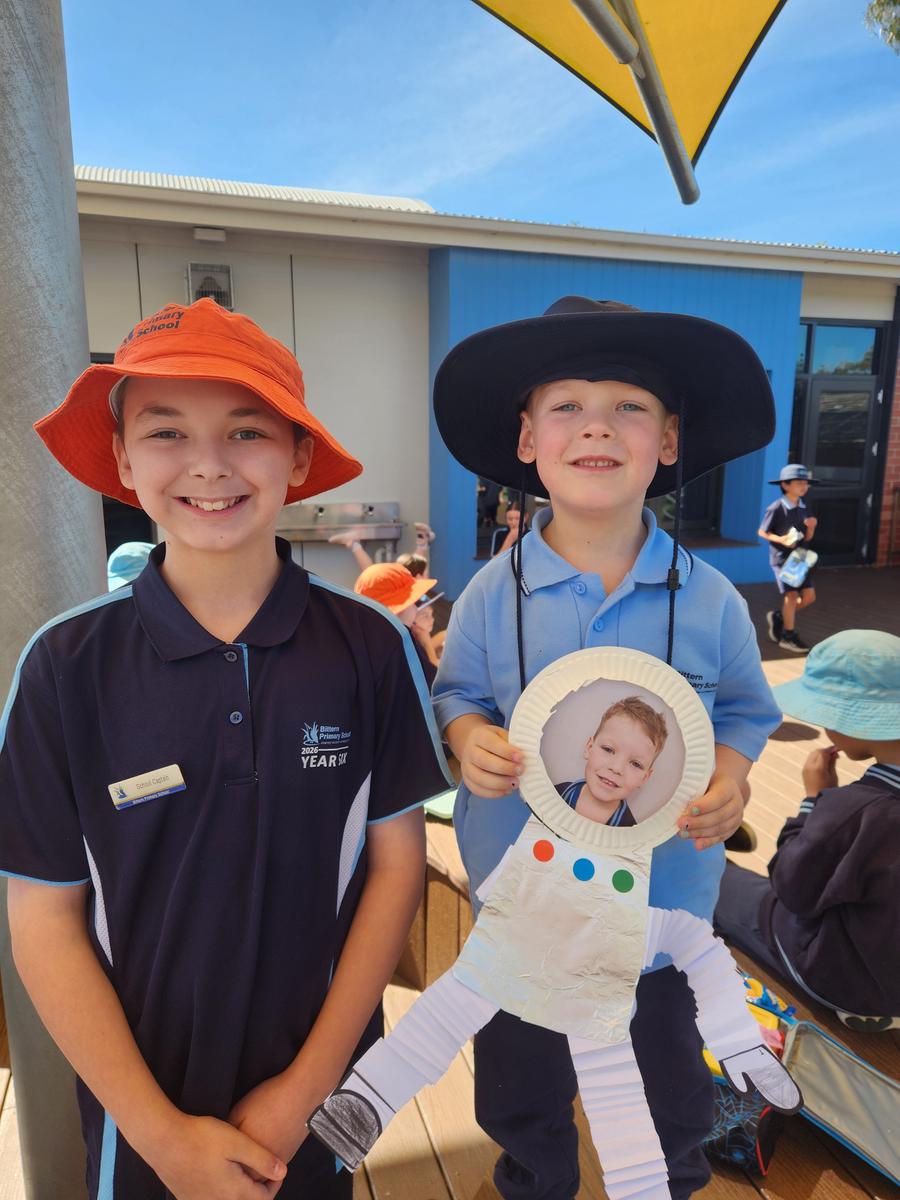
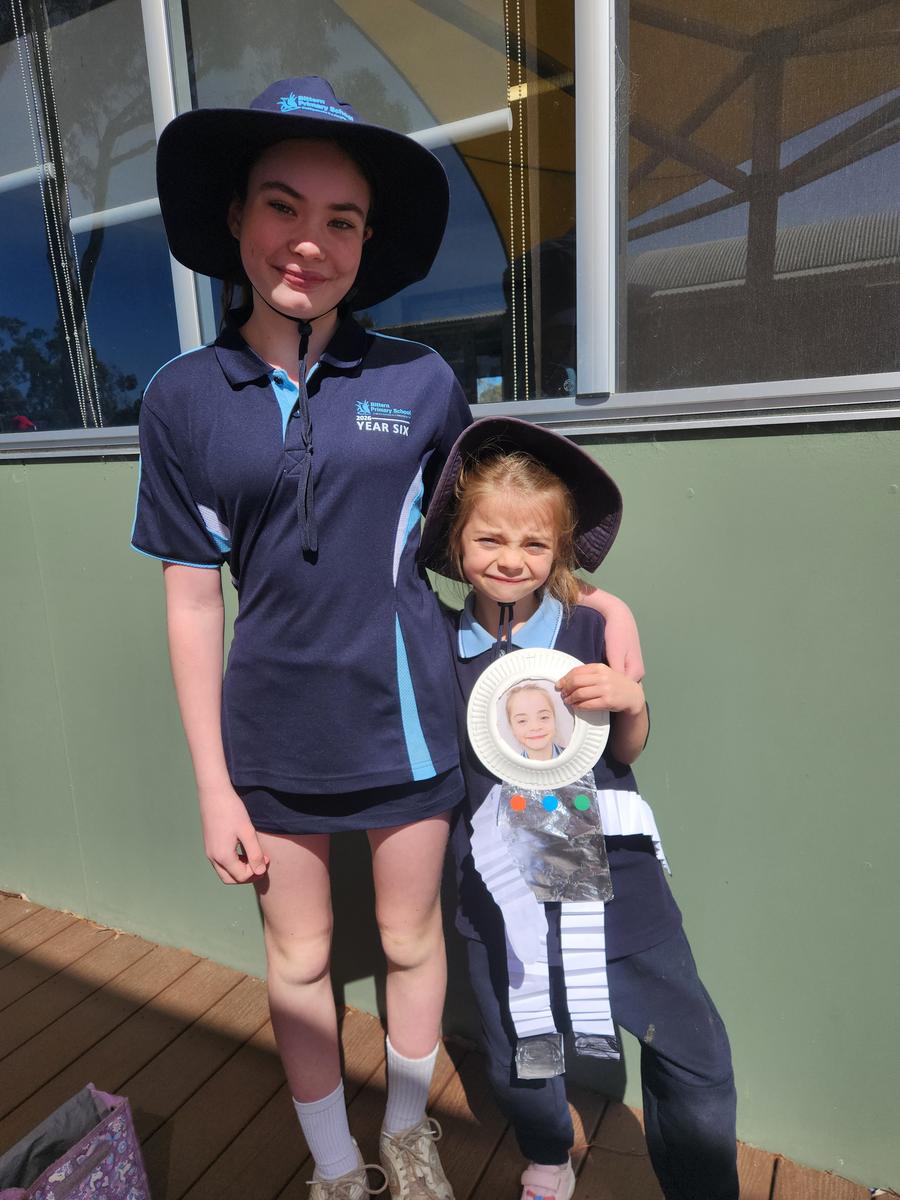
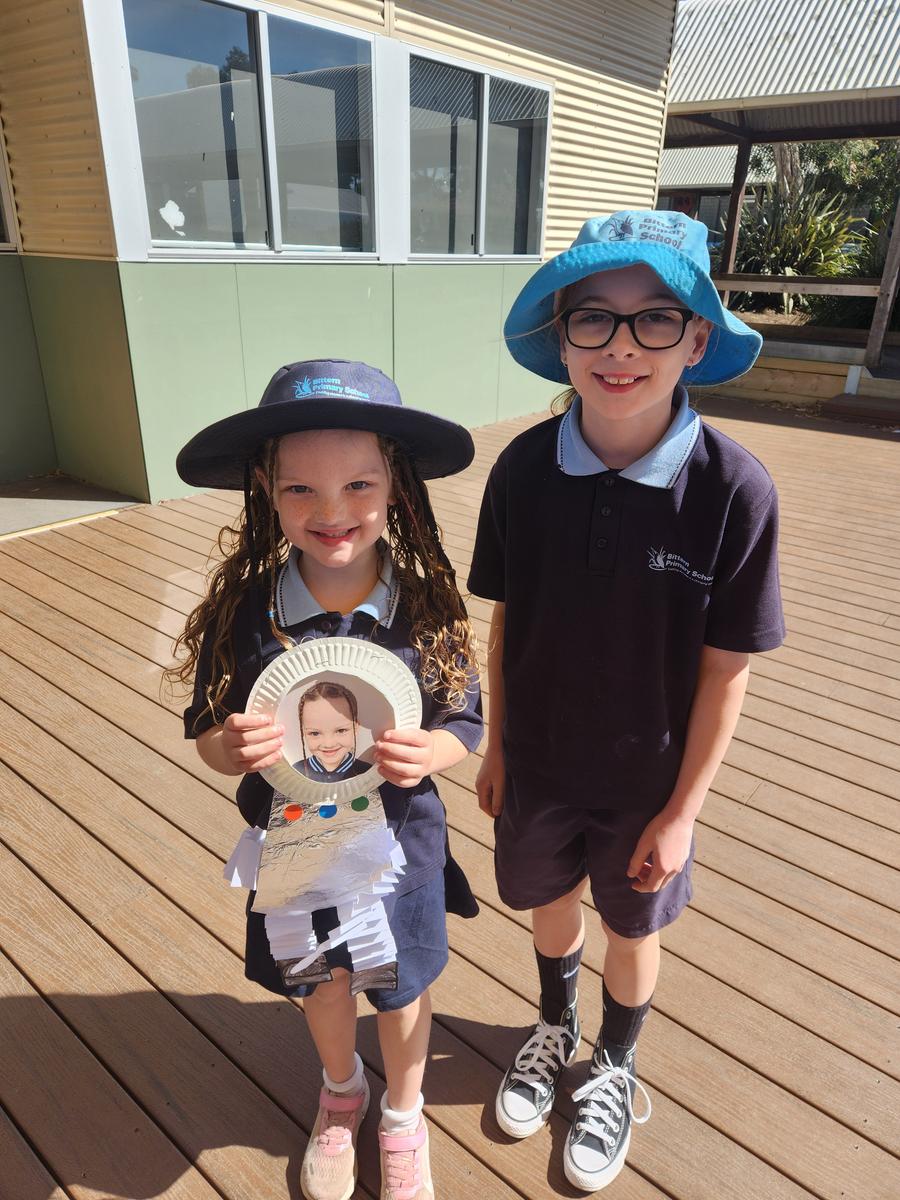
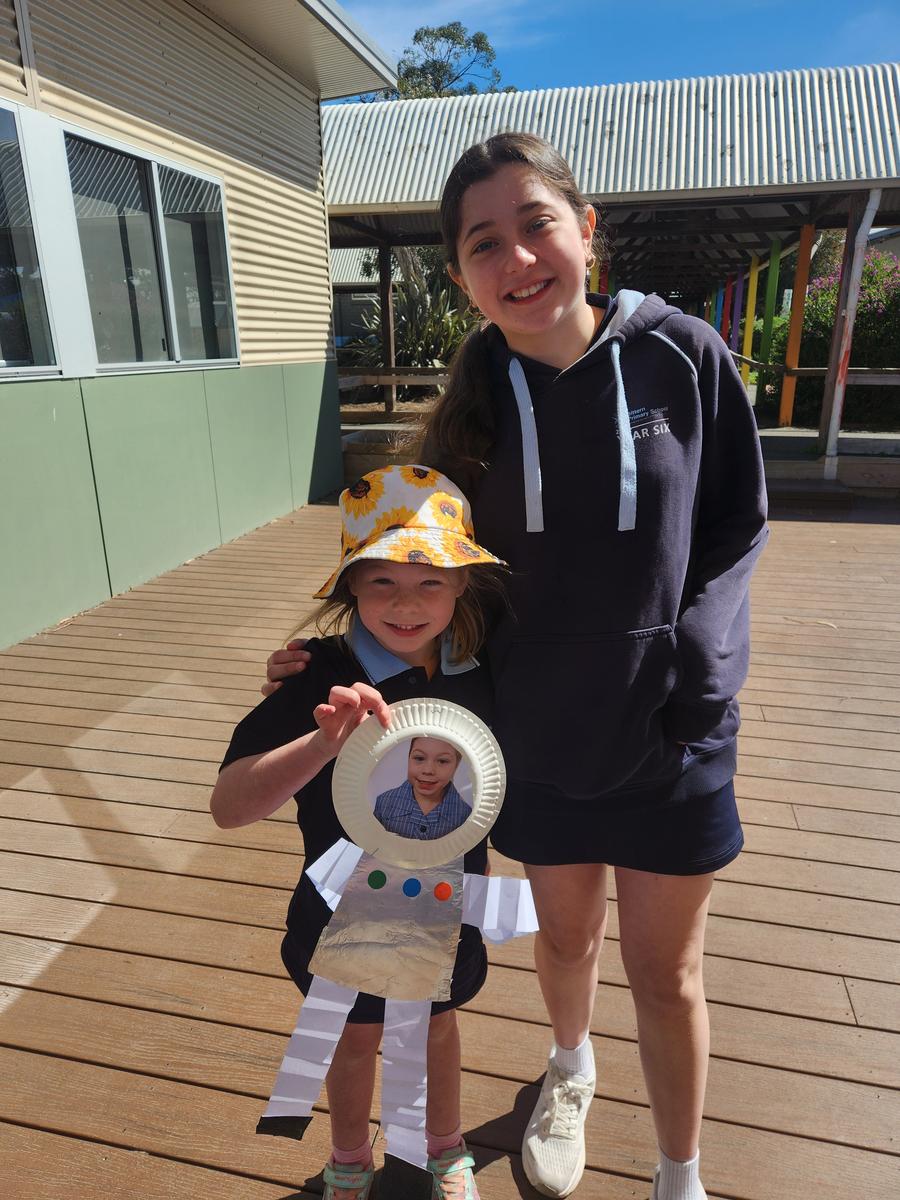
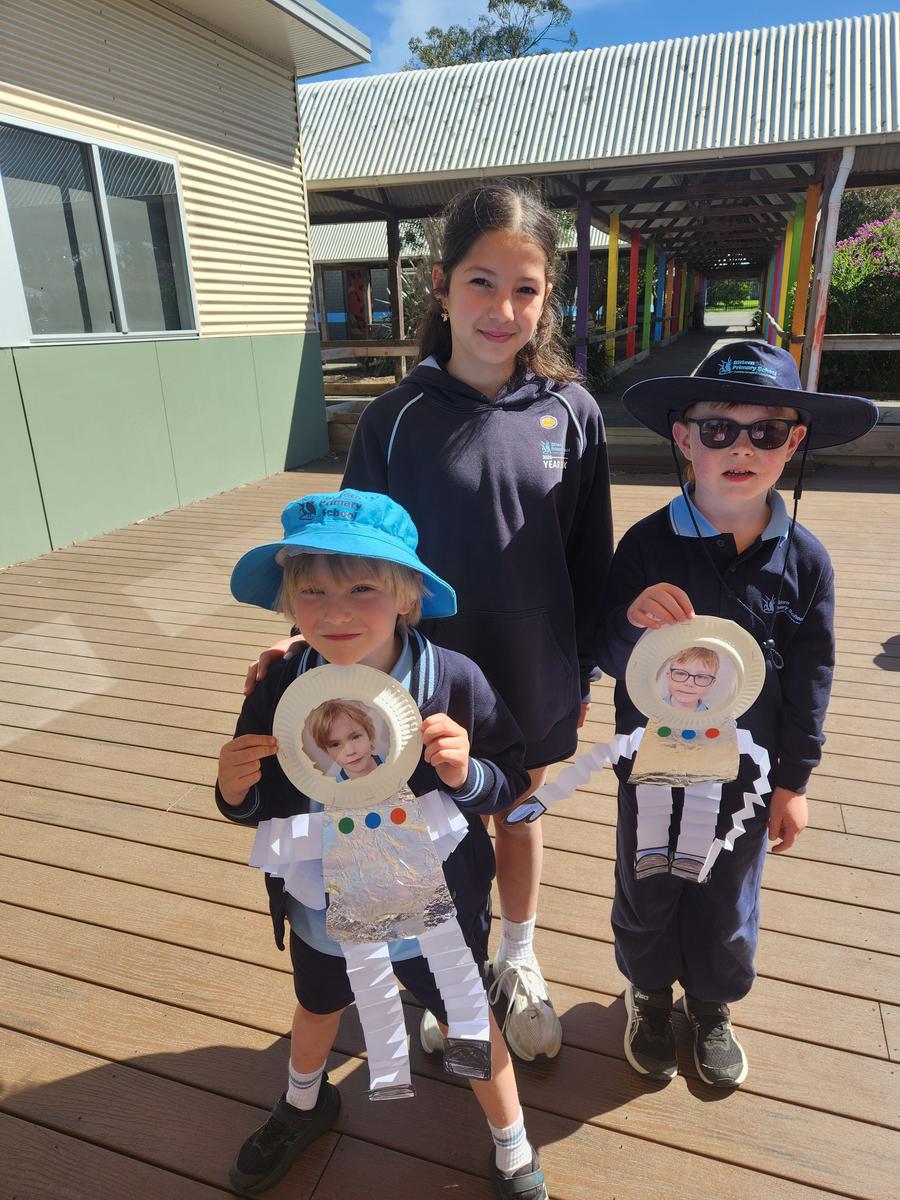
Our Year 5/6 students did a wonderful job working alongside their Prep/1 buddies to create their very own paper astronauts! 🚀 It was lovely to see our older students demonstrating patience, kindness and encouragement as they helped their younger buddies with each step of the craft. Activities like these are a great way to strengthen friendships, build connections across year levels and show our Bittern values of Respect, Inspire and Connect in action!
Business & Economics
Needs vs Wants
Drama
Our cast stepped onto the global stage as we dived into a vibrant journey of 'Telling Stories Differently and How Drama Communicates Across Cultures.' Through this exploration, we discovered how diverse societies share universal human experiences by examining world-renowned theatrical traditions inscribed on the UNESCO Intangible Cultural Heritage list.
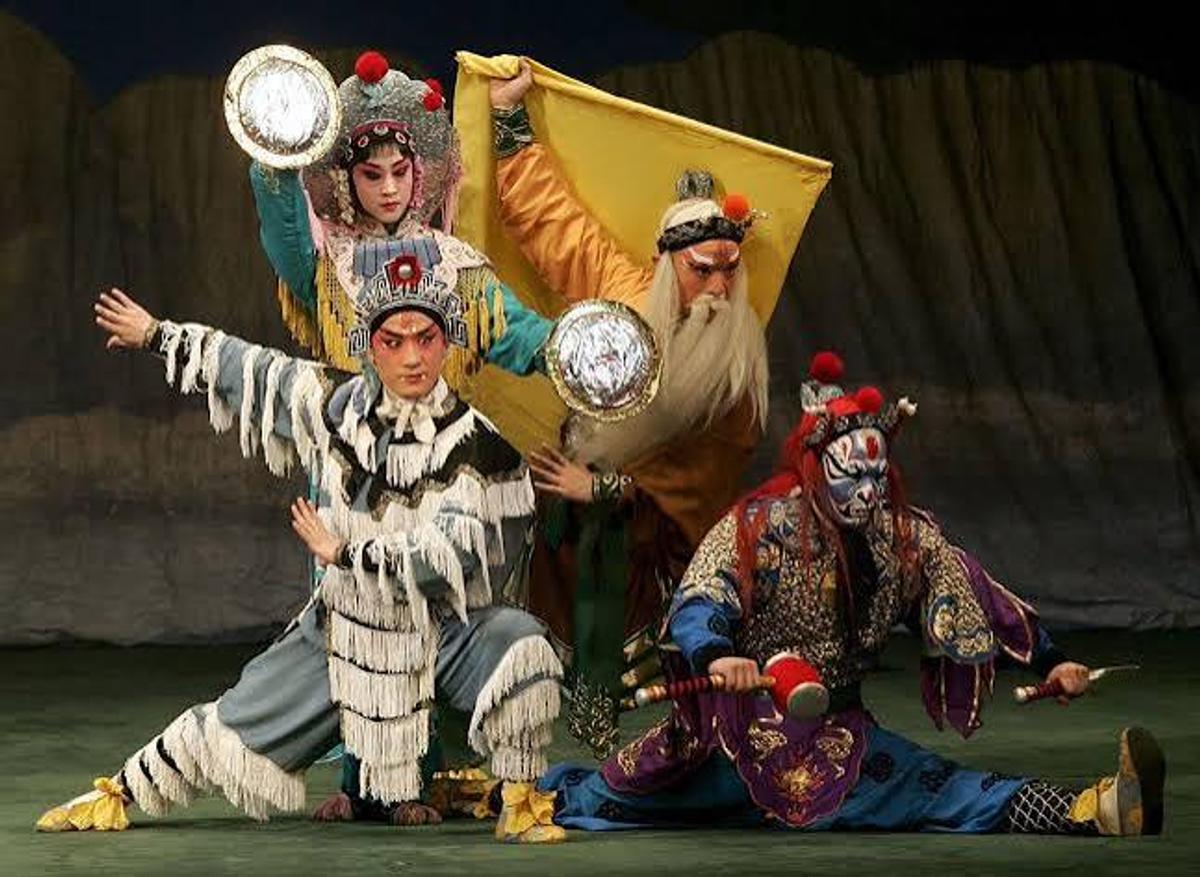
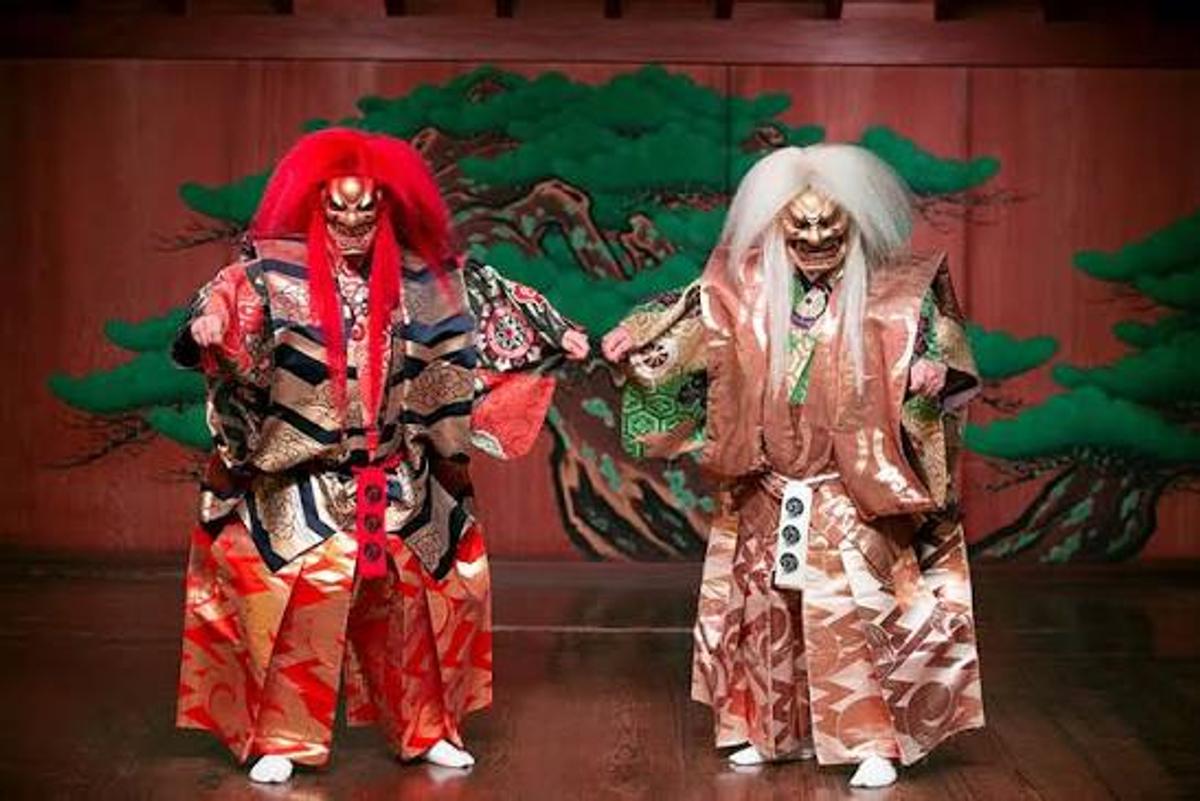
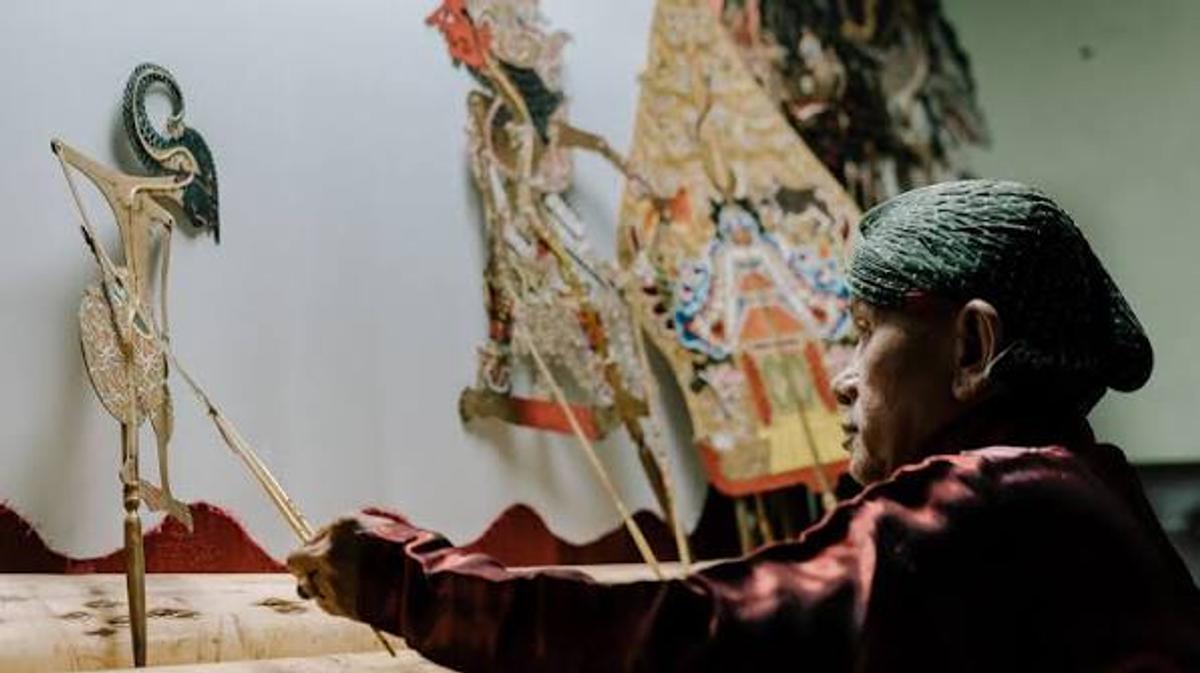
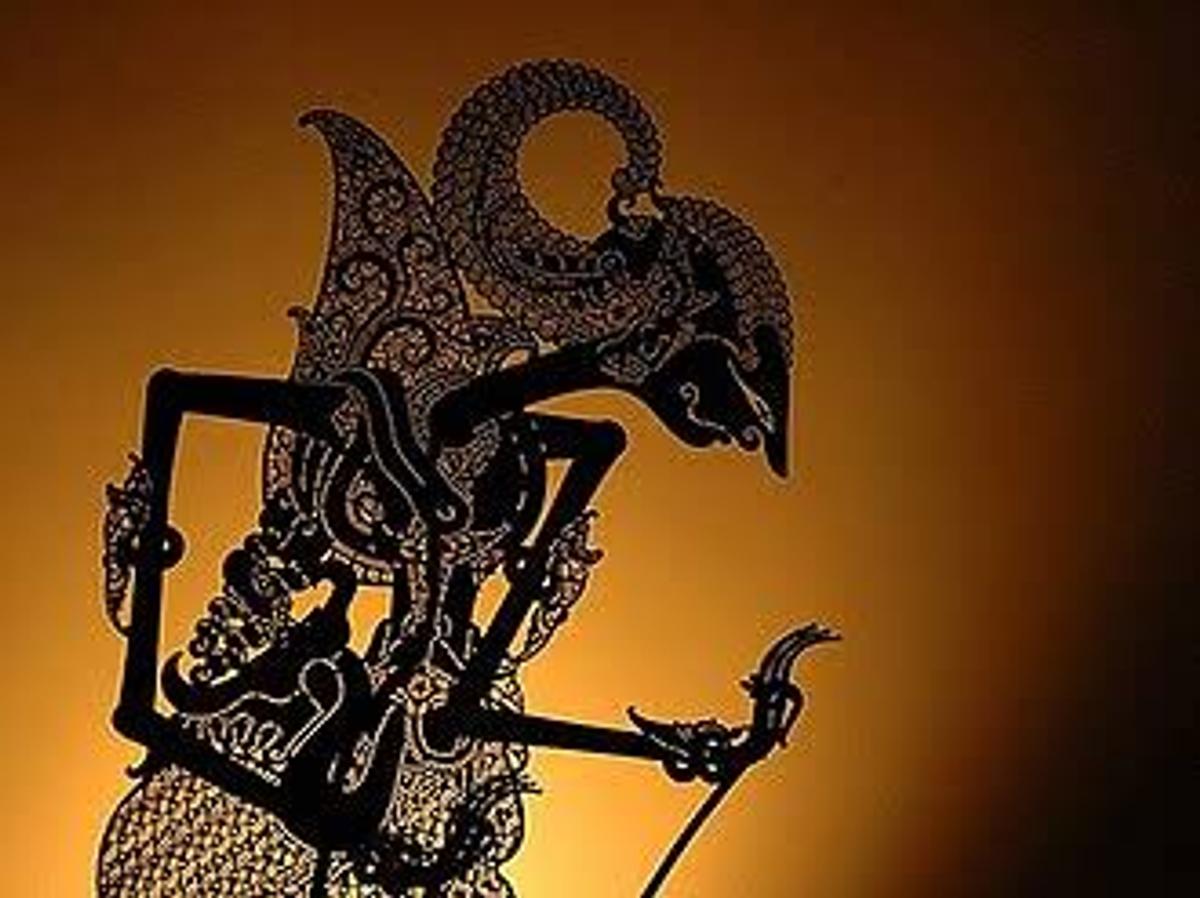
We explored traditional performances from around the globe, including Japan's Noh (Nōgaku) Theatre, which relied on masked actors, rhythmic chant, and classical stylized movement to convey deep emotion. We also dived into Indonesia's Wayang Kulit, a mesmerising form of intricate shadow puppetry that brought ancient, mythic narratives to life behind a glowing screen. We discovered China's Beijing Opera, a vibrant spectacle that seamlessly blended vocal mastery, high-energy stage acrobatics, and dramatic makeup to tell its iconic stories.
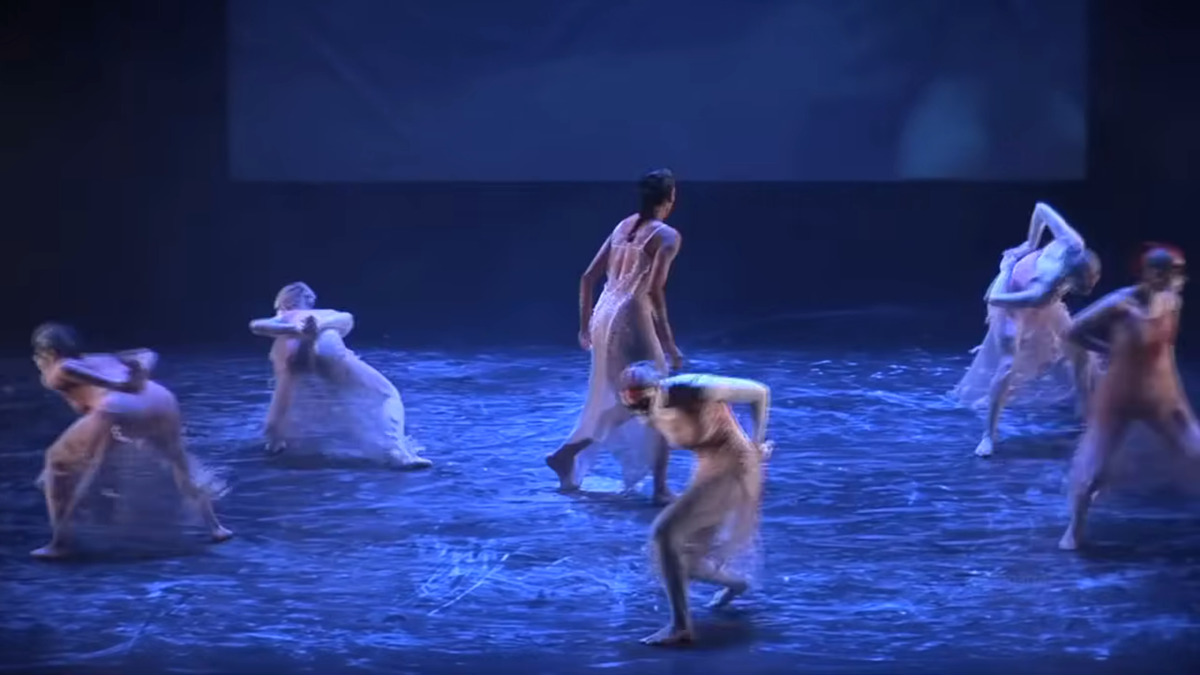
We looked closely at how Aboriginal and Torres Strait Islander Peoples use drama, dance, and storytelling to continue and revitalise their culture. Using renowned Australian productions like Bangarra Dance Theatre's SandSong and Corroboree as inspiration, we discovered how cultural knowledge and connections to Country are preserved and passed down through generations.
We explored the respectful creative processes involved in bringing these stories to the stage from consulting with regional Cultural knowledge holders to transforming stories into powerful studio movements, such as the animal-inspired choreography found in the dance Brolga. It was a fantastic session that combined expressive performance skills with a deeper, respectful understanding of Indigenous storytelling as a living history.
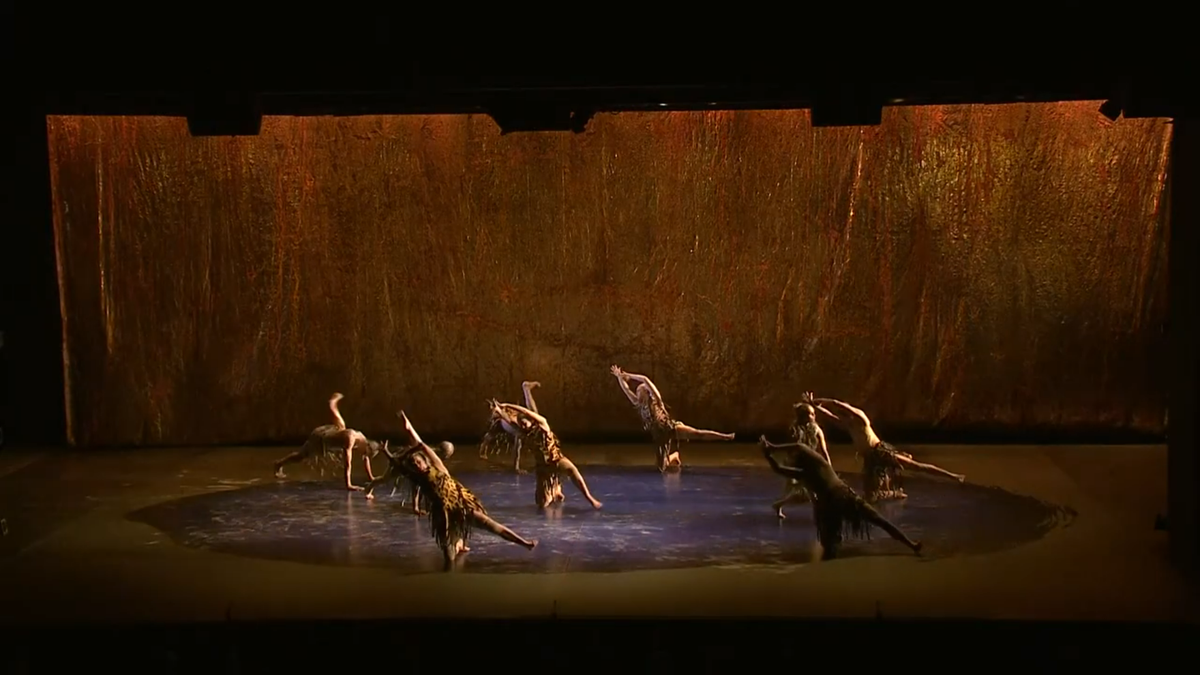
Throughout these sessions, we analysed these performances using five key dramatic elements. We began by identifying the cultural traditions and purpose behind the work, decoding why it was being shared to discover how it preserves vital history and values. Next, we focused on voice, analyzing what the performers' voices were doing and saying to convey deep emotional meaning. We then mapped out movement and space, observing how the actors and dancers physically moved through the performance area to bring the narrative to life. We also highlighted the use of symbols, tracking how objects, masks, and traditional costumes added layers of deeper meaning to the performance. Ultimately, we pieced all of these elements together to explain the overarching meaning communicated and the powerful cultural perspectives being told. It was a fantastic to see our class build both our performing arts vocabulary and our respect for Indigenous storytelling as a living history.