WELL BEING









The After-School Decompression Zone
Have you ever picked up your child from the school gate, only for them to burst into tears, start a massive argument over a snack, or completely shut down the moment they walk through the front door?
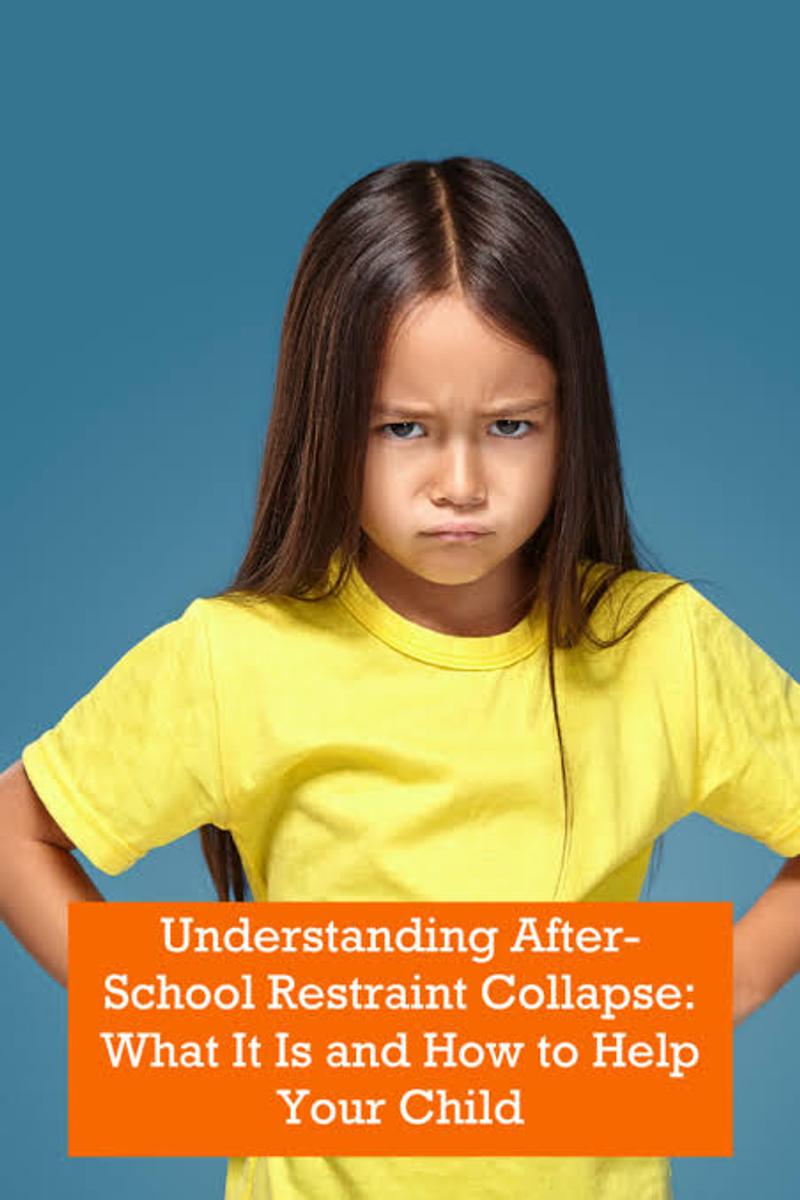
If this sounds familiar, you are not alone. Child psychologists call this "after-school restraint collapse."
Throughout the school day, your child works incredibly hard to follow rules, sit still, navigate peer relationships, and absorb new information. They hold their behavior together for six hours straight. When they finally see you, their ultimate safe space, they can finally let down their guard. The result? A flood of pent-up emotional and physical exhaustion.
The good news is that you can help your child navigate this transition smoothly by building a dedicated "After-School Decompression Zone." Here is a simple, stress-free checklist to try this week:
1. Practice the "No Questions" Rule

When children are mentally depleted, being asked "How was your day?" or "What did you learn?" can feel like an interrogation. Their brains simply don't have the energy to process the question and formulate an answer.
- Try this: Skip the questions for the first 30 minutes. Instead, greet them with a warm smile, a hug, and a simple observation: "It’s so good to see you. I’m glad you’re home." Let them initiate the conversation when they are ready.
2. Prioritize "Heavy" Snacks
Hunger is a massive trigger for after-school irritability. To help regulate an overstimulated nervous system, opt for foods that require active chewing or crunching. This physical action sends calming, grounding signals to a child's brain.
- Try this: Serve apple slices with peanut butter, carrot sticks with hummus, thick whole-grain toast, or a chewy muesli bar alongside a large bottle of water.


3. Schedule 15 Minutes of Unstructured Downtime
Before diving into homework, sports practice, or chores, allow your child to have fifteen minutes of completely self-directed, low-stimulation time.

- Try this: Let them lie on the couch and listen to an audiobook, draw quietly, play with Lego, or jump on the trampoline. Try to avoid television or tablets during this specific window, as digital screens can sometimes prolong the overstimulation rather than soothe it.
The Takeaway
An after-school meltdown isn't a sign of bad behavior; it is actually a sign that your child feels safe enough around you to release their big feelings. By giving them a little time, space, and a good snack, you can help them recharge their batteries for a peaceful evening ahead.



Support at Bittern Primary School
If your child is consistently experiencing severe anxiety, school refusal, or prolonged distress after school, our school support team is always here to help. You can confidentially reach out to our school for additional well-being resources and support.