VCE Seminar Day Recaps
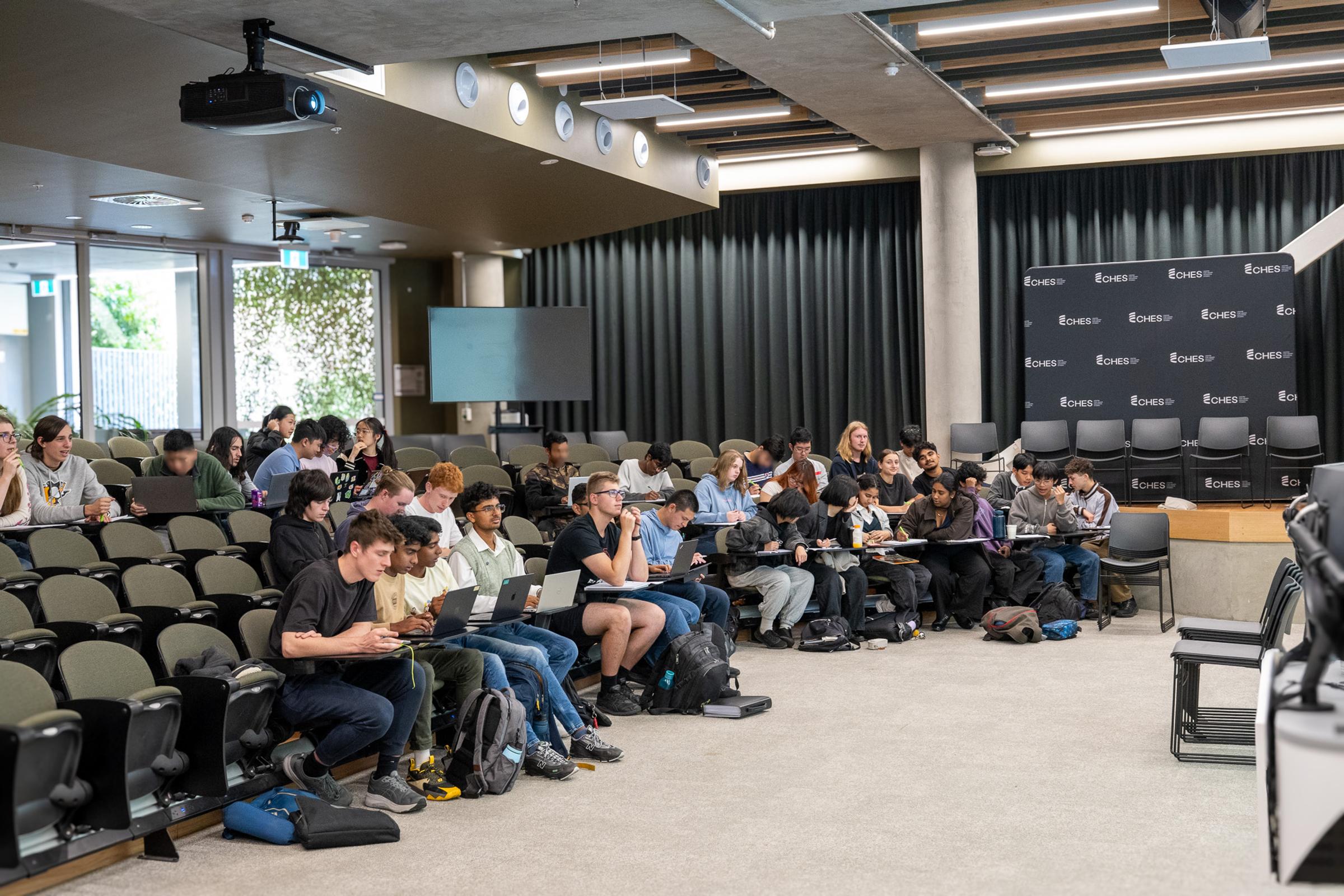
Seminar Day Highlights – Terms 1 & 2, 2026
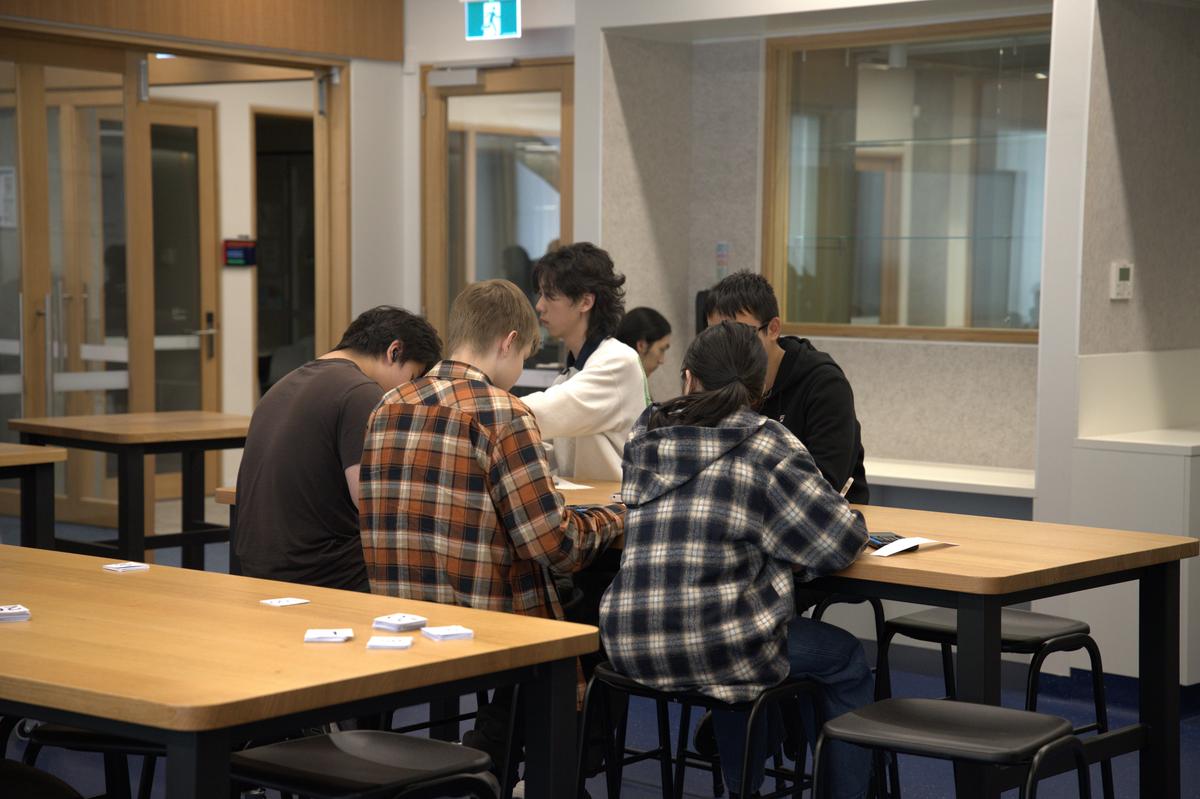
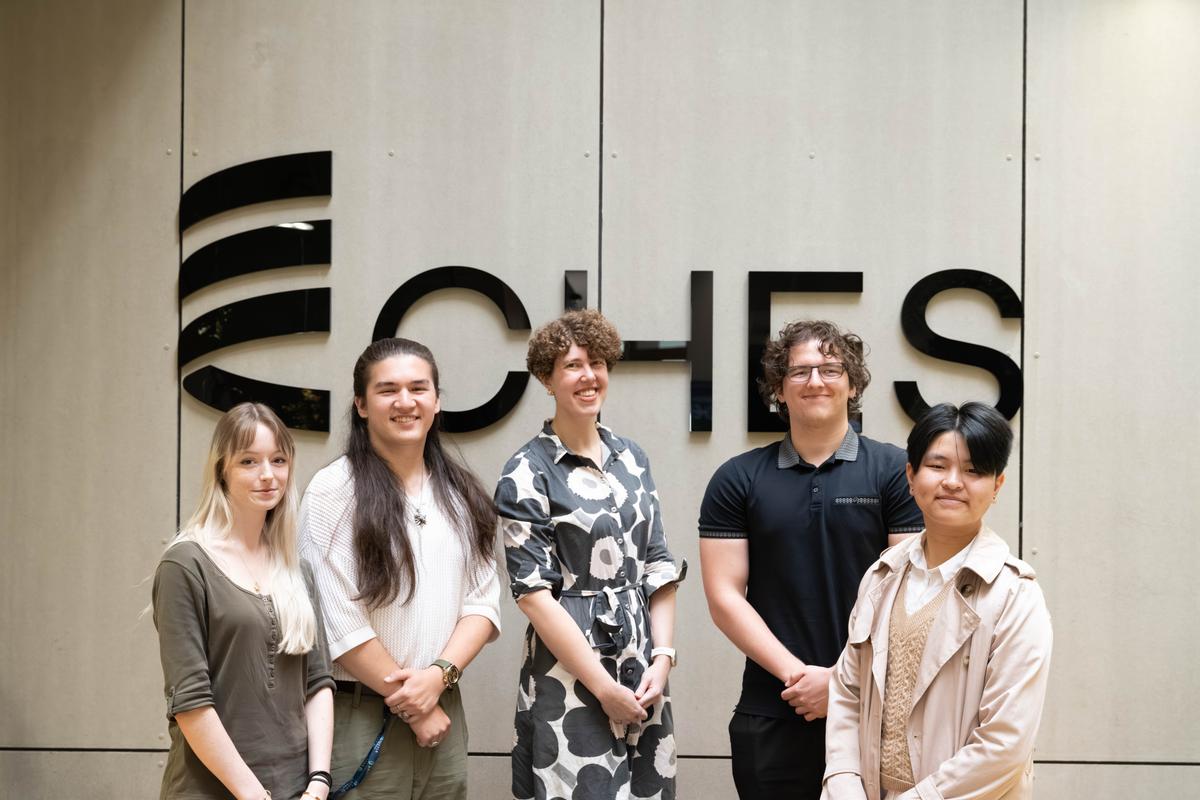
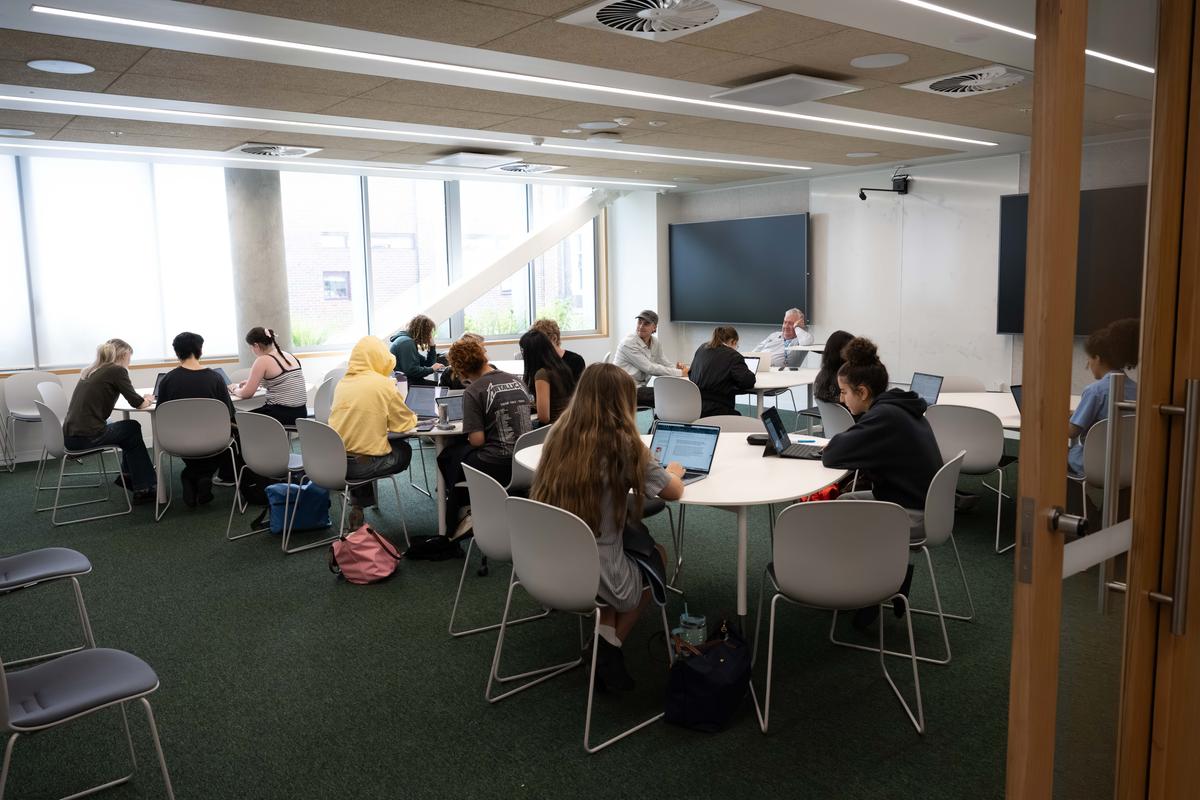
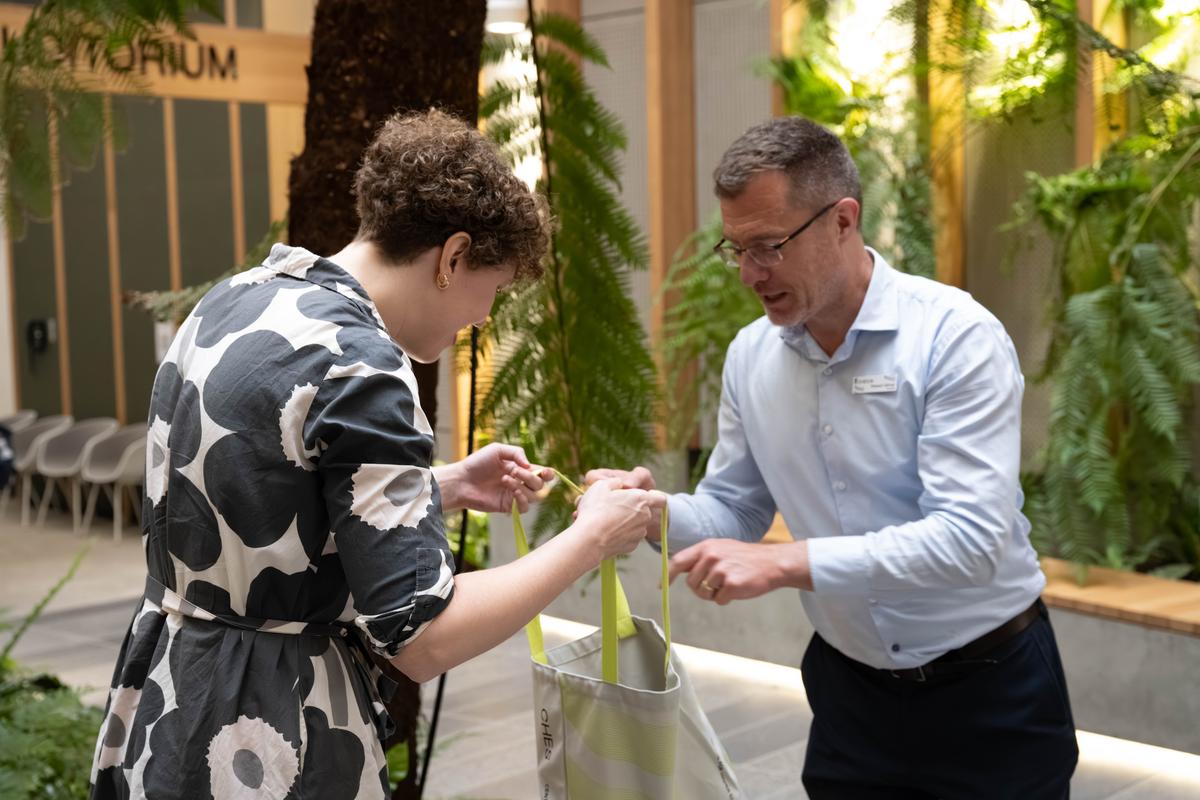
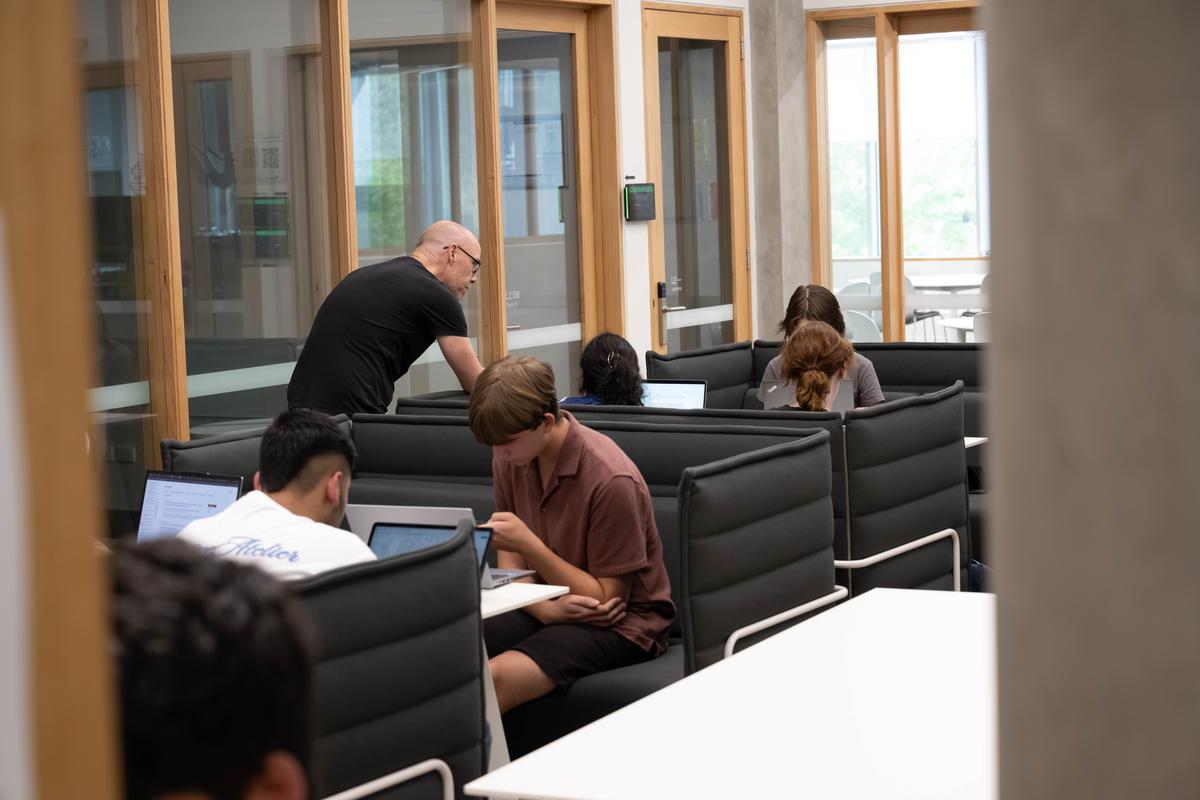
The semester 1 seminar days offered students from across Victoria excellent opportunities to deepen their learning and build connections beyond the online classroom. These days combined collaboration, assessment preparation, practical workshops, and masterclasses from leading academics and industry experts.
Algorithmics Units 3 & 4
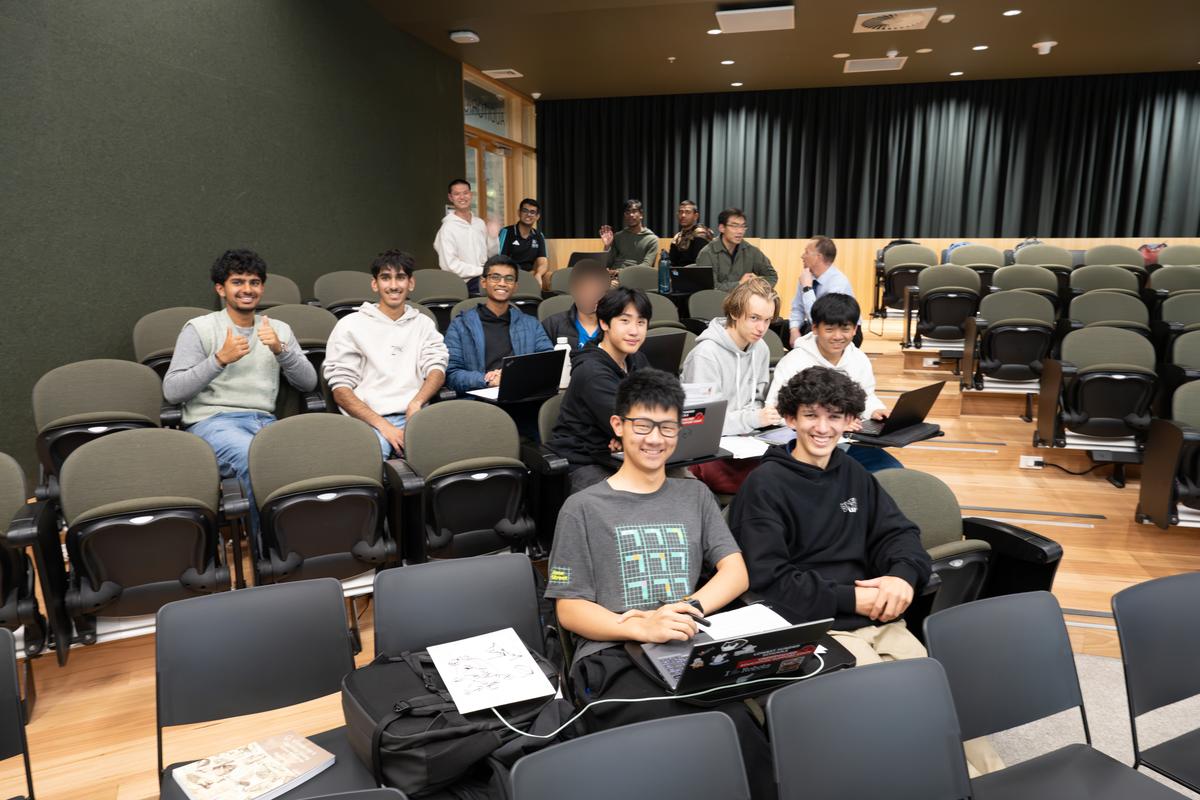
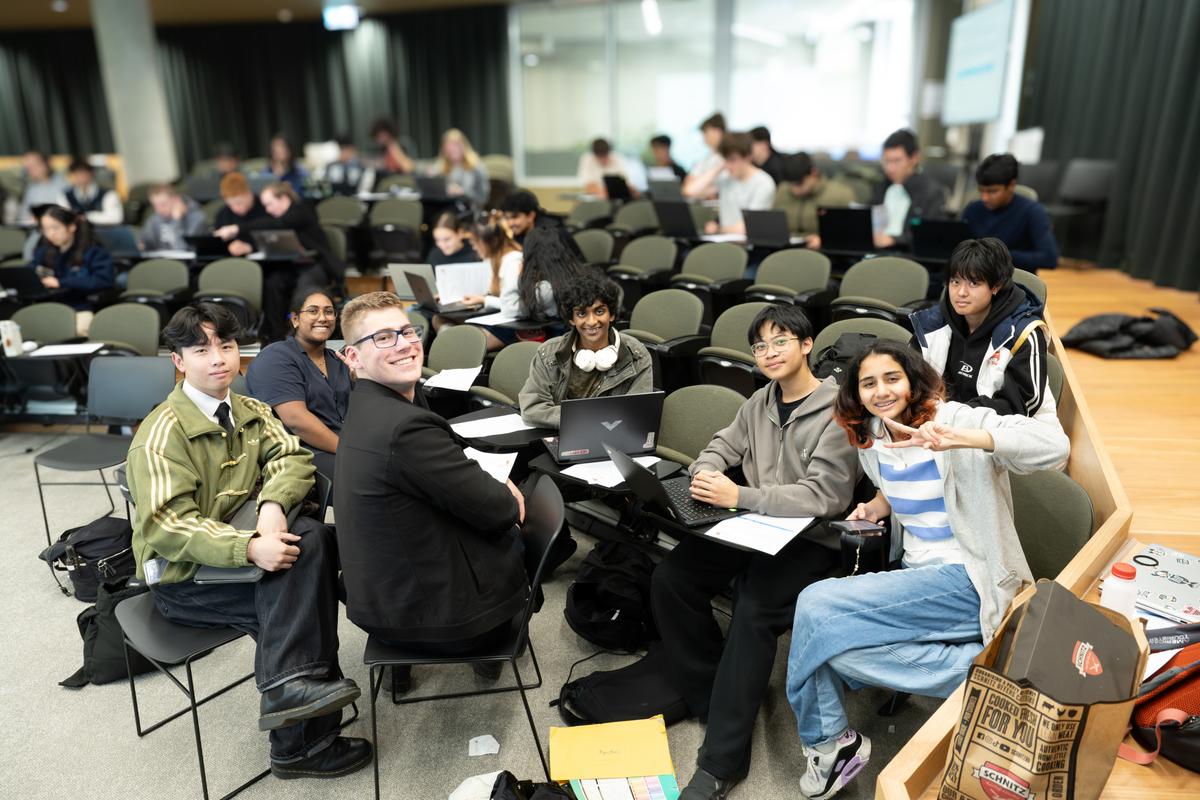
Students studying Algorithmics enjoyed two engaging Seminar Days that challenged them to think critically about computational thinking and the principles underpinning computer science. The year began with students reconnecting after orientation to collaborate on modelling and solving problems using Abstract Data Types, consolidating concepts explored in Live Lessons and testing their knowledge through competitive quizzes.
A highlight of the day was a masterclass delivered by Professor Sebastian Sardina (RMIT University) on the A* Algorithm, one of the most influential search algorithms in artificial intelligence. Students then completed a practice SAC in preparation for their first formal assessment. During the Term 2 Seminar Day, students explored advanced concepts in computational theory through a presentation by James Harland (RMIT University) on probabilistic primality testing and zero-knowledge proofs. The day also included a SAC, assessment feedback sessions, and collaborative SAT preparation.
As a Higher Education Scored Study equivalent to a first-year university subject, Algorithmics encourages students to tackle real-world problems through modelling, formal reasoning, algorithm design and evaluation, while exploring contemporary topics such as artificial intelligence, machine learning and AI ethics.
English Language Units 1 & 2
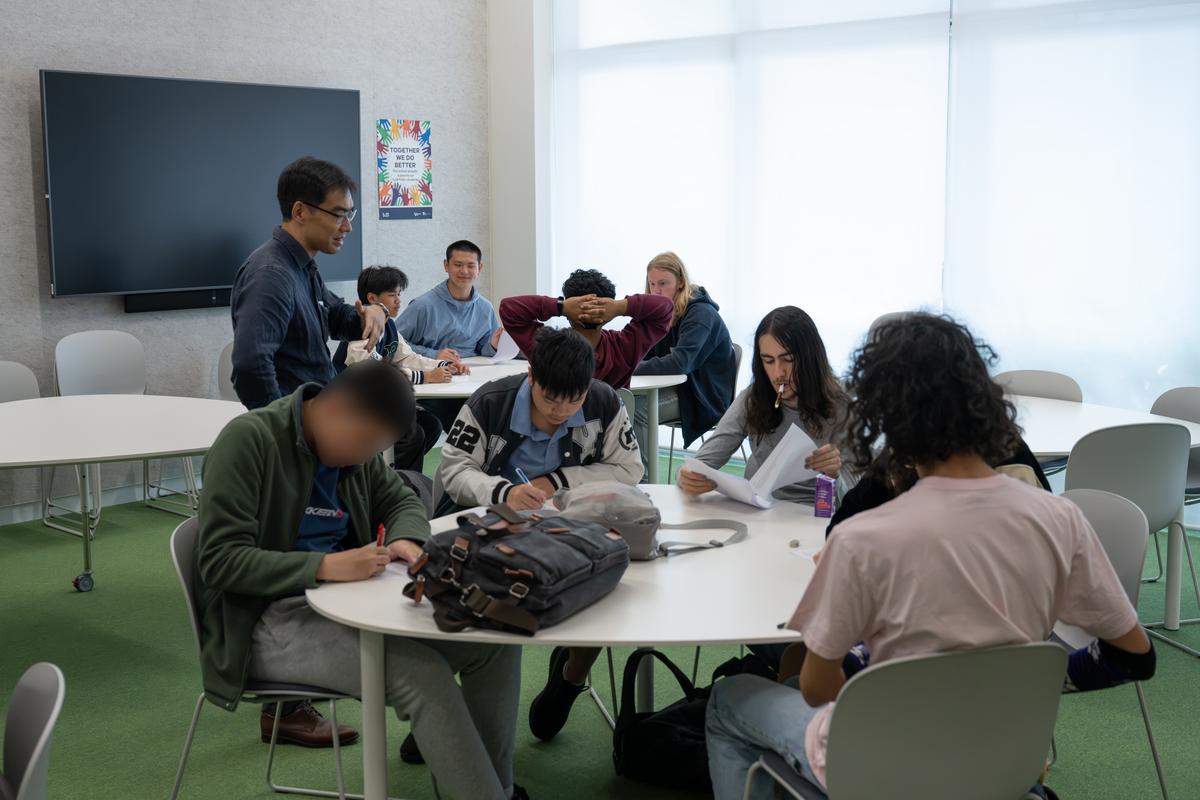
English Language Units 1 & 2 students participated in two Seminar Days that explored the foundations of language and communication while building key analytical skills. Across the semester, students developed their understanding of how language functions as a system of communication and how language is acquired and changes over time.
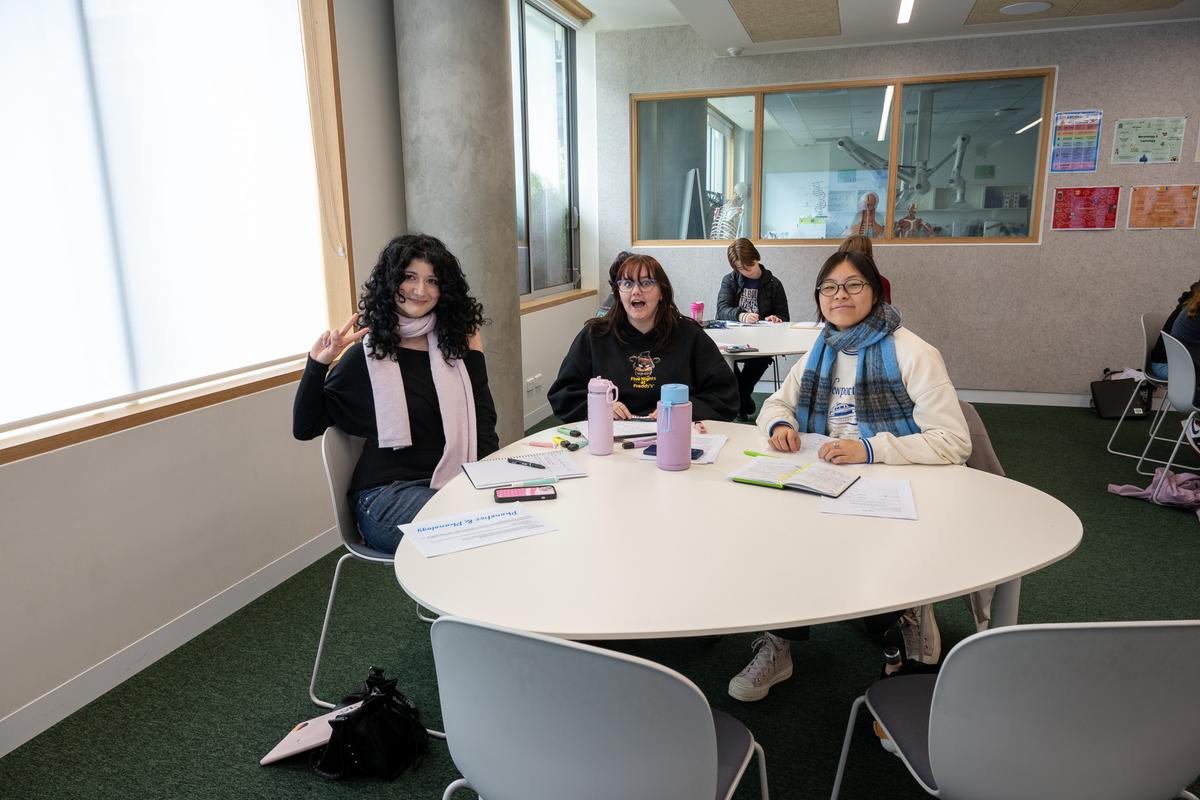
Seminar activities included collaborative review of assessment tasks, discussion of effective analytical responses, and an exploration of the new Area of Study, Language Acquisition, where students examined linguistic theories and how humans learn language. These activities complemented the Unit 1 focus on language and communication and the Unit 2 focus on language change.
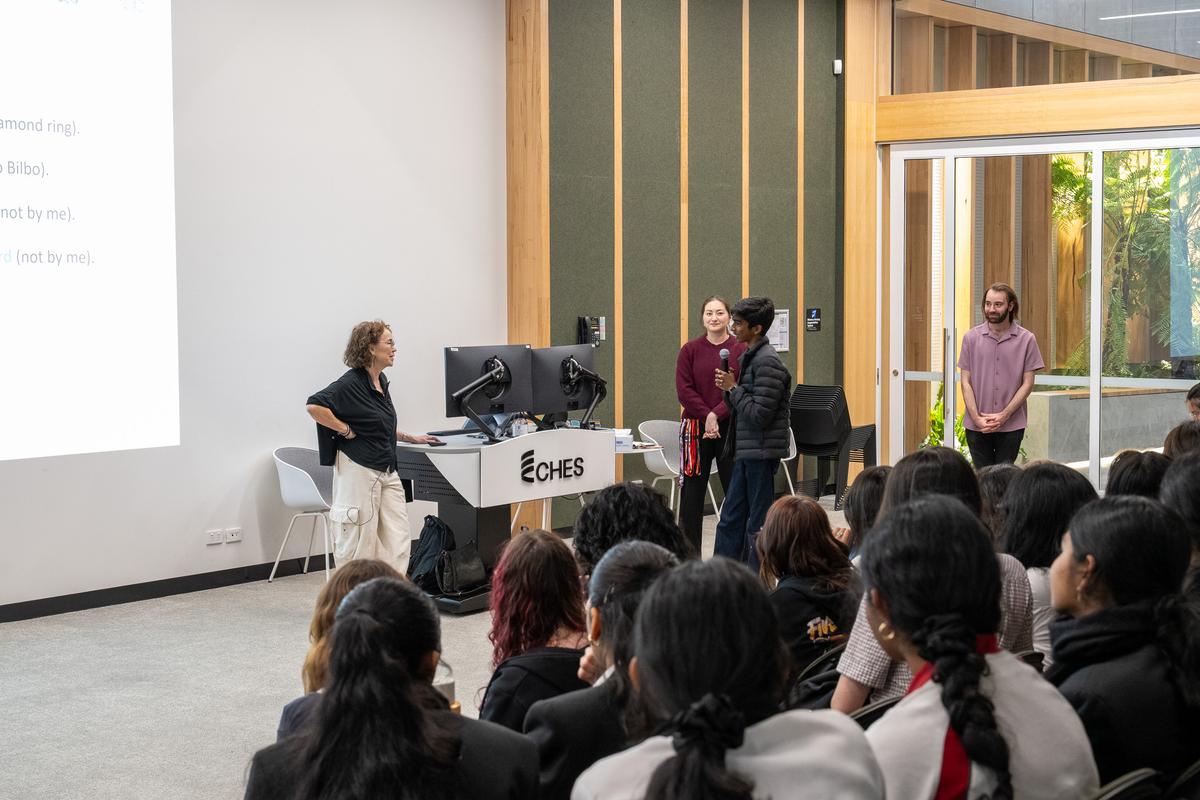
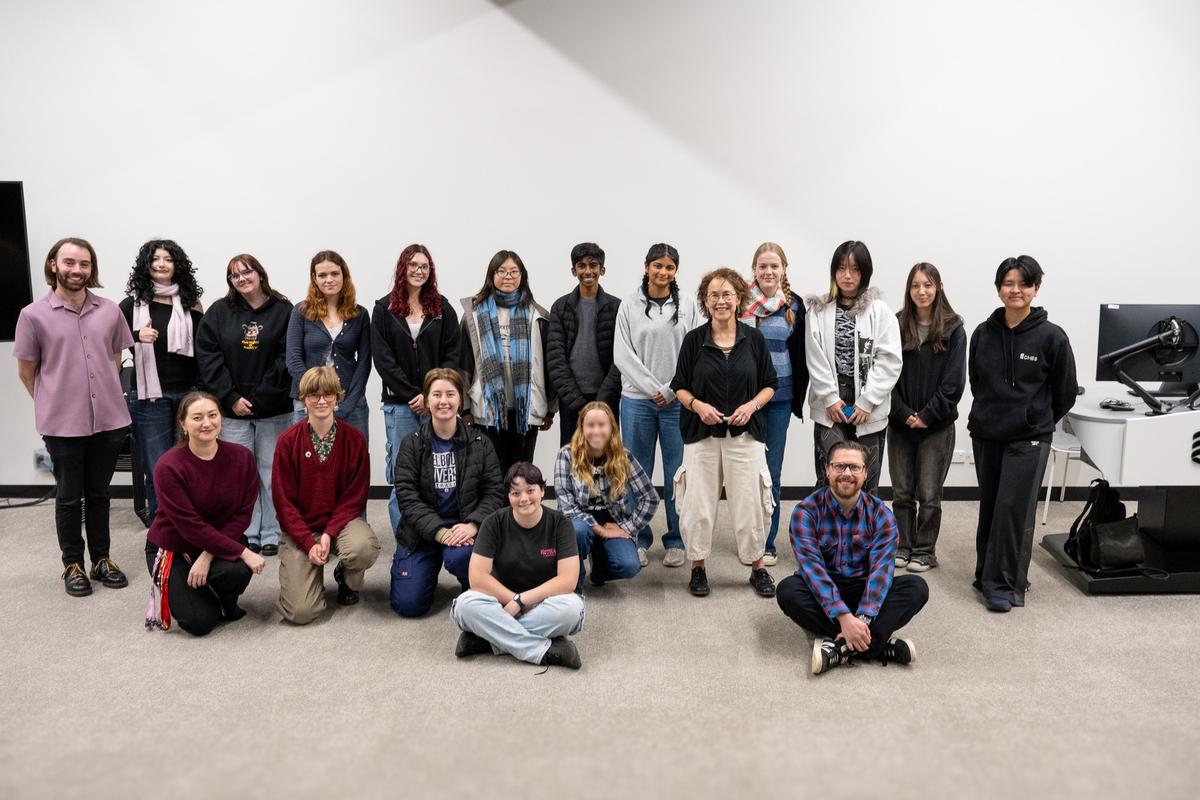
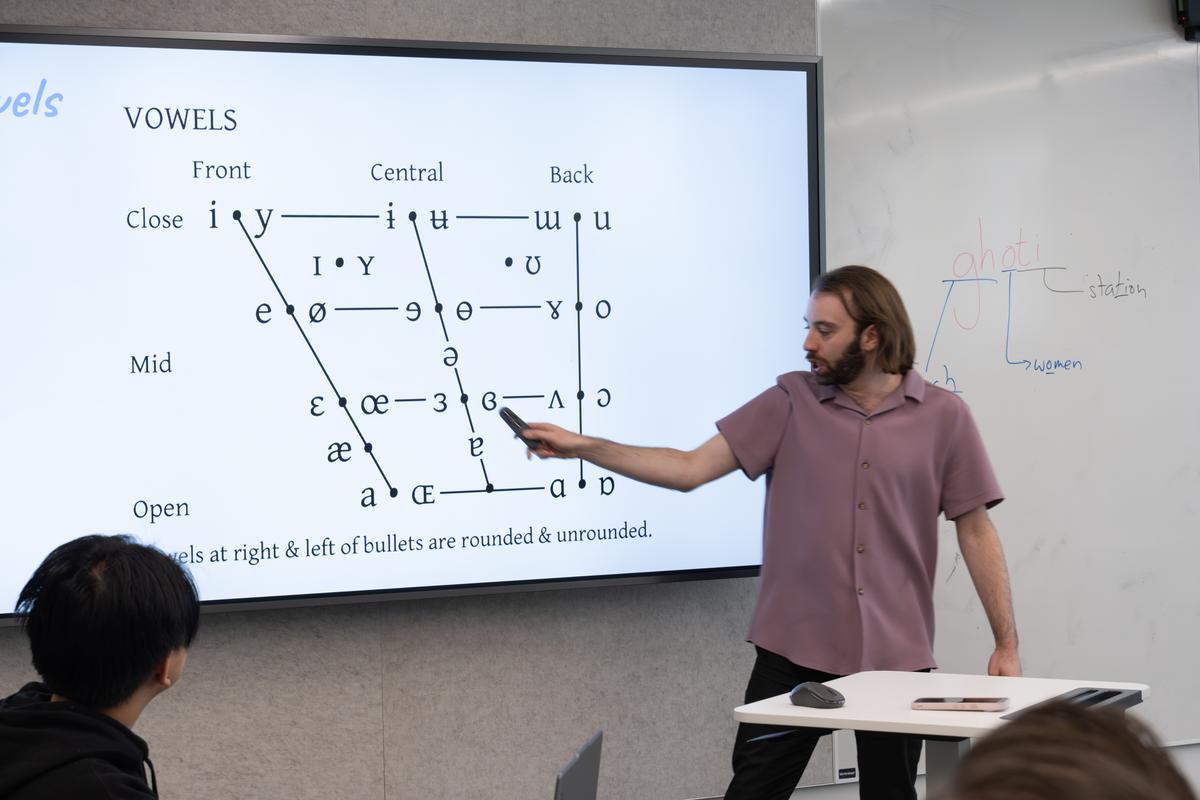
Students also enjoyed a hands-on introduction to Phonetics and Phonology, investigating how speech sounds are produced and represented using the International Phonetic Alphabet. A highlight of the Seminar Days was a masterclass from Professor Kate Burridge (Monash University), who used The Hobbit to explore how information flow operates within texts and how subtle linguistic choices contribute to meaning. The sessions encouraged students to view language through a new lens while strengthening skills that underpin effective communication and analysis.
English Language Units 3 & 4
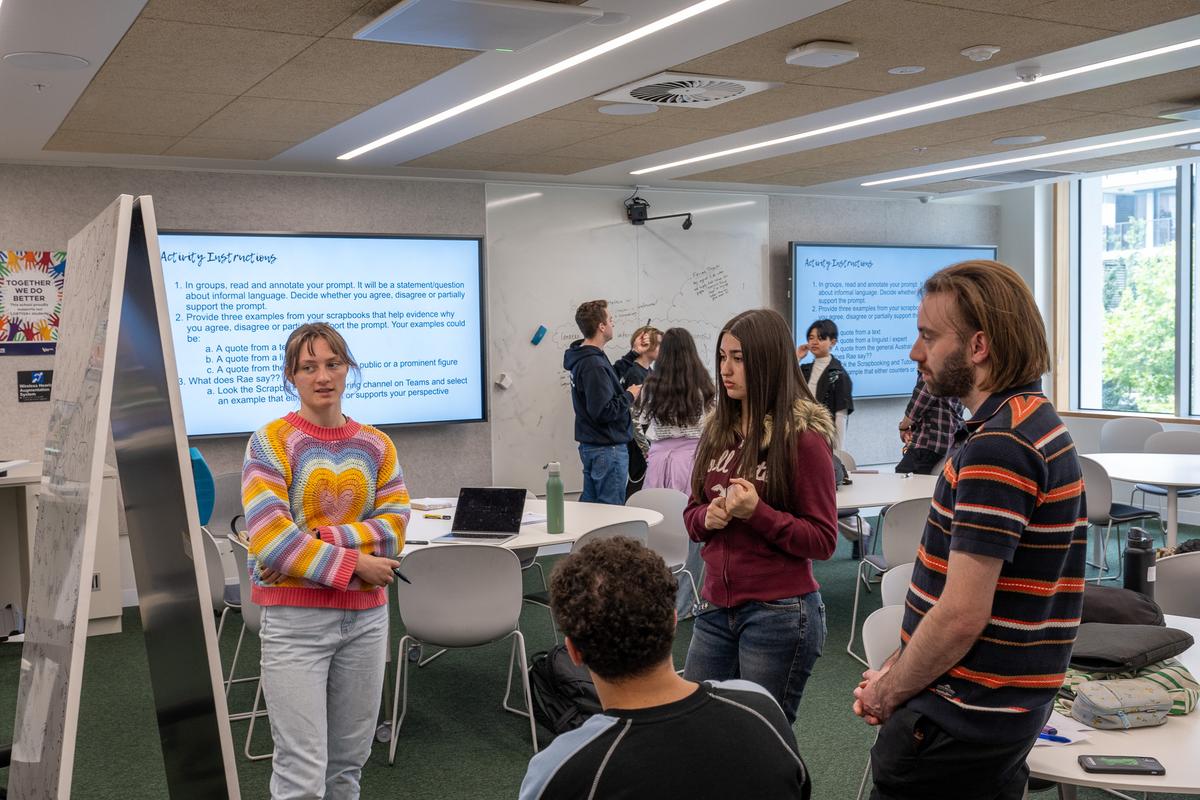
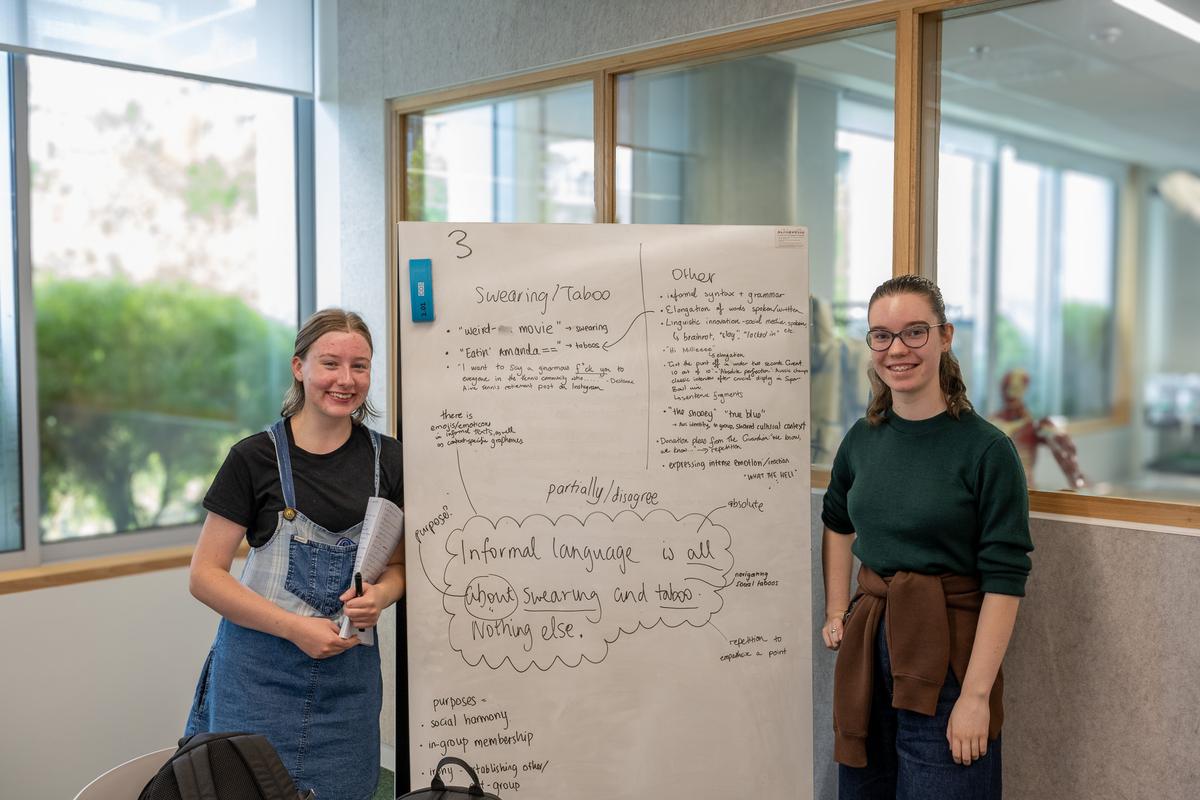
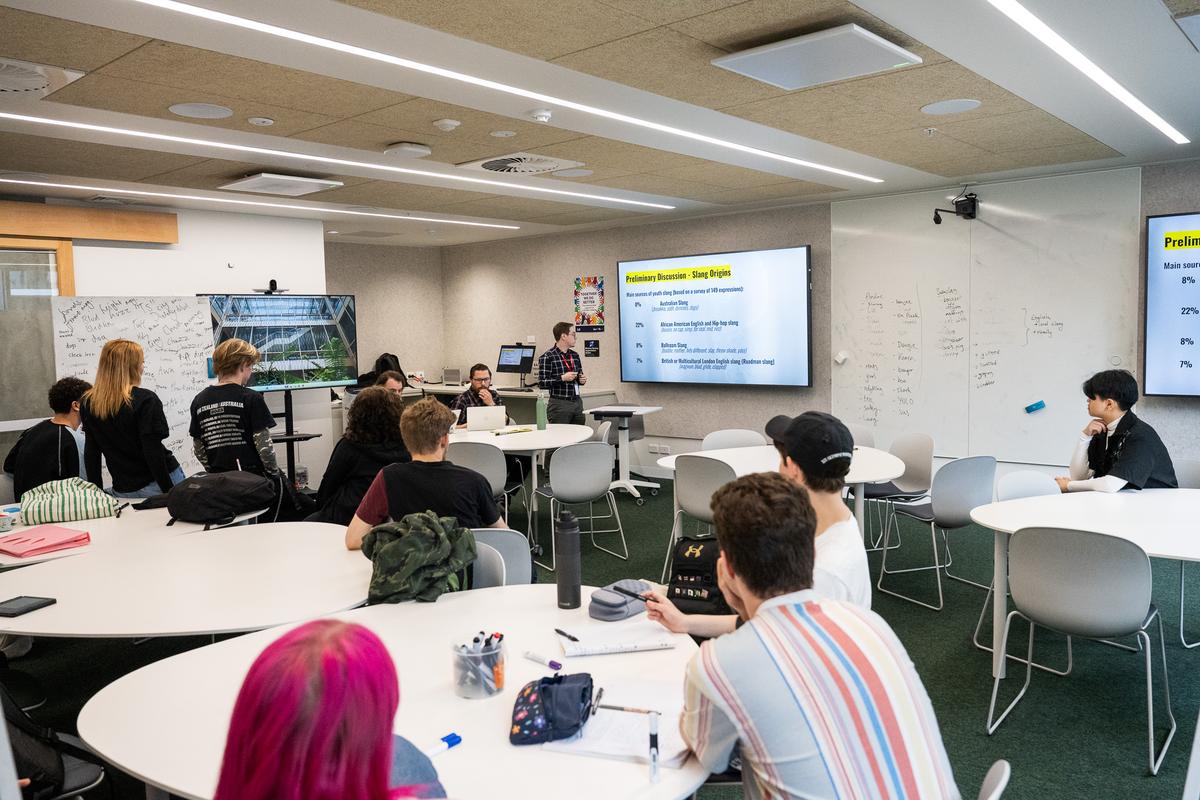
Students in English Language Units 3 & 4 continued to develop sophisticated analytical skills through two Seminar Days focused on language variation, purpose and identity.
Through collaborative workshops and assessment preparation activities, students refined their ability to identify, describe and analyse features of spoken and written English.
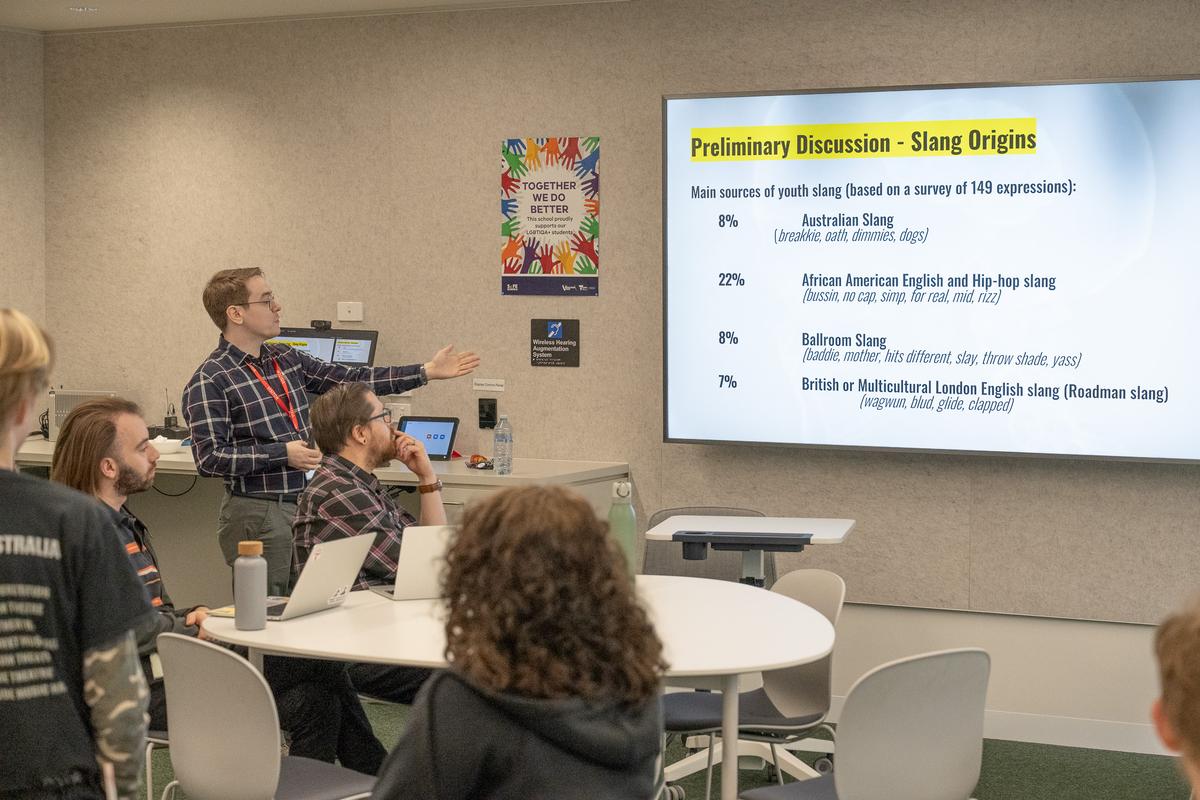
Seminar sessions encouraged students to investigate how language varies across contexts, audiences and purposes, and how language choices can reveal and construct identity. These activities supported the key areas of study in Units 3 and 4, including formal and informal language, varieties of Australian English, attitudes towards language, and the relationship between language and identity.
By bringing students together from across Victoria, the Seminar Days provided valuable opportunities to discuss linguistic ideas, compare interpretations and deepen understanding of the rich ways language reflects both individuals and society.
Extended Investigation Units 3 & 4
Extended Investigation students participated in Seminar Days that have provided support for every stage of the research process, from developing questions, refining investigative approaches, as well as acquiring strategies that enable them to present their work in oral and written formats.
Students worked collaboratively to strengthen and refine their research questions while participating in workshops focused on literature reviews, research design and methodology. These activities directly supported the aims of Extended Investigation, which empowers students to conduct rigorous independent research within an area of personal interest and develop the skills required of critical and reflective learners.
The visit of two guest speakers were particular highlights. Dr Emma Boehm, a nuclear physician, endocrinologist and researcher, shared insights into her academic journey and research into genomic biomarkers of neuroendocrine tumours, whilst Dr Esme Louise James was able to inspire students by her explanation of how it is possible to make "dry" subject matter come alive if looked at from a different perspective. Through these presentations, students have seen both the real-world impact of academic research and the diverse pathways available in higher education.
The Seminar Days also provided valuable opportunities for students to discuss their research ideas with peers and hear advice from CHES alumni who returned to share their experiences of the subject. Through a combination of all of these activities, students continued building the research, critical thinking, project management and presentation skills that sit at the heart of Extended Investigation.
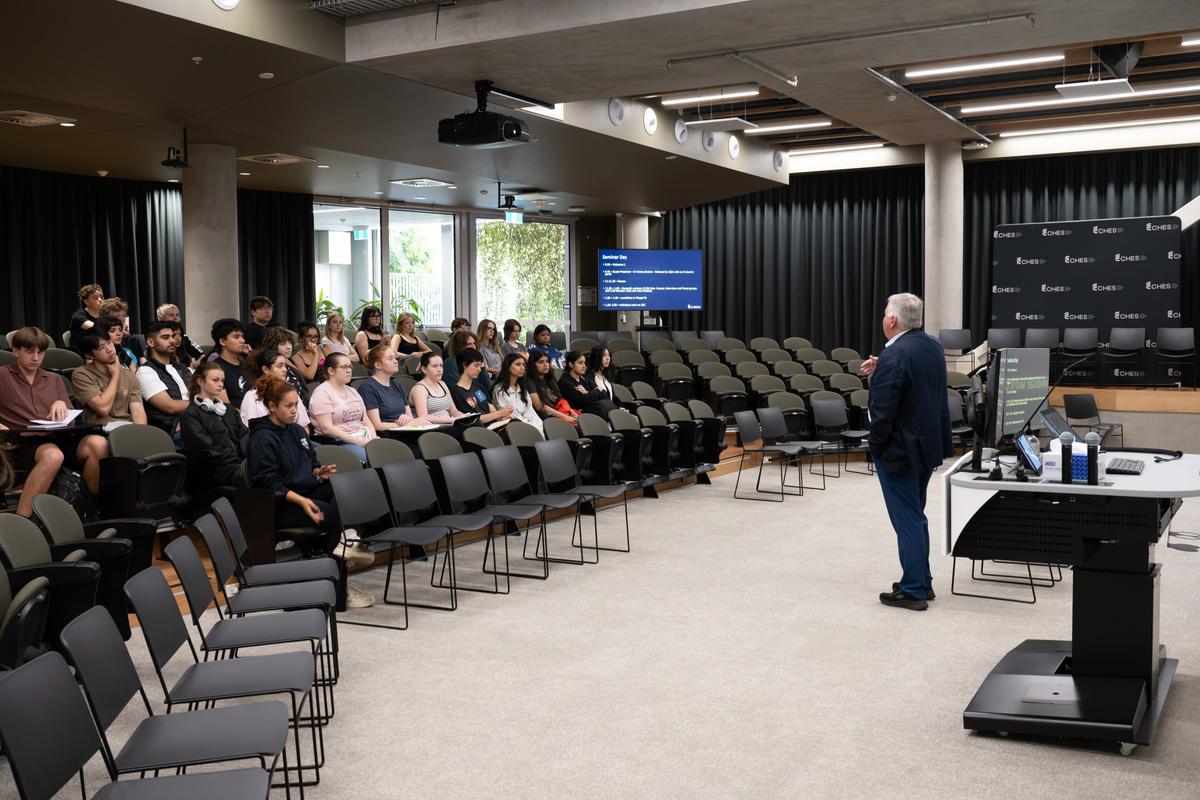
Specialist Mathematics Units 1 & 2
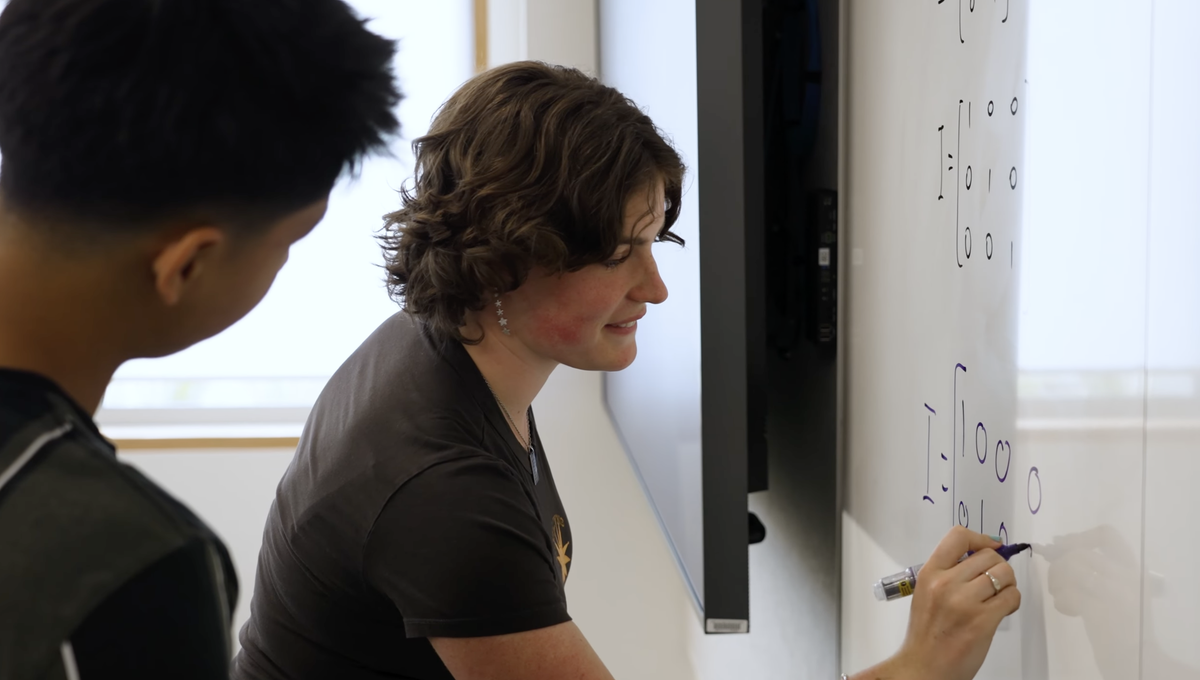
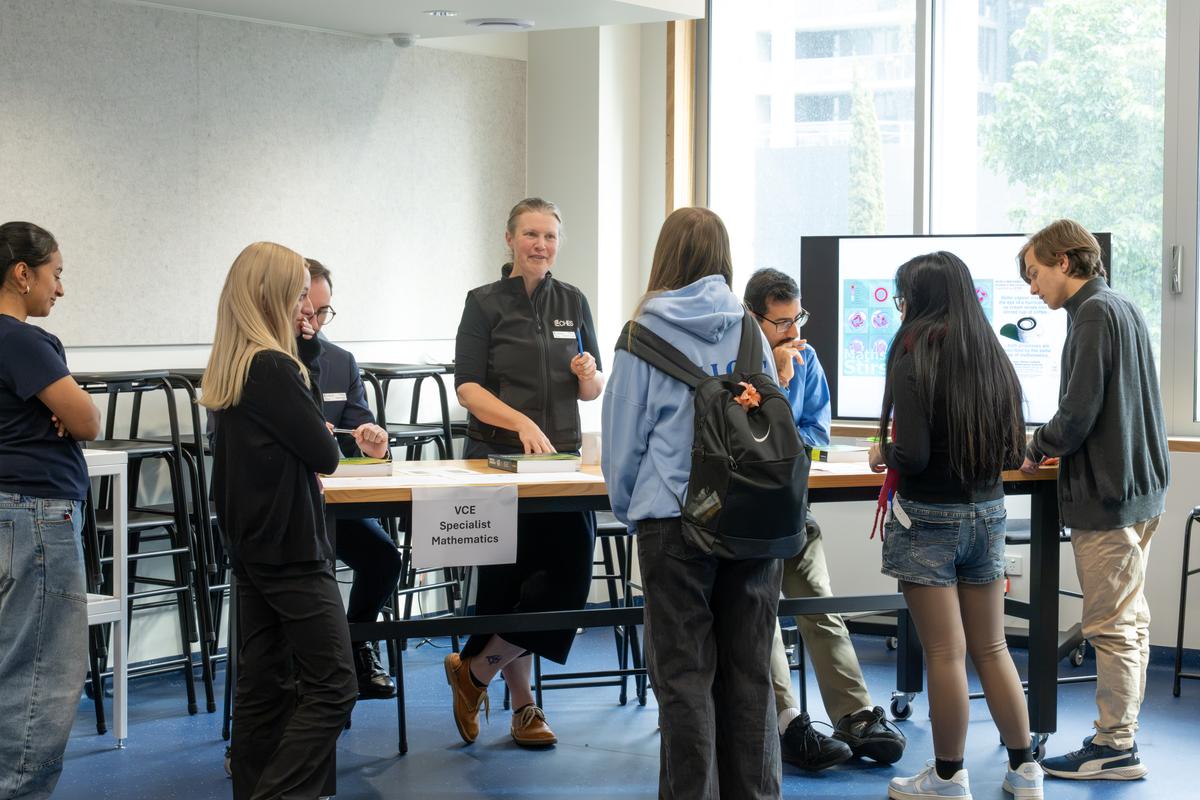
Specialist Mathematics Units 1 & 2 students embraced the opportunity to collaborate with peers from across Victoria, engaging with challenging mathematical concepts that extend beyond the standard curriculum. Seminar activities focused on developing mathematical reasoning, problem-solving and proof-writing skills while encouraging students to apply mathematical thinking in unfamiliar contexts.
Students explored topics from the Units 1 and 2 study design, including algebraic structures, discrete mathematics, probability, statistics and mathematical investigations. Working together on complex problems allowed students to build confidence in explaining their mathematical thinking, while strengthening the analytical habits that are essential for future success in advanced mathematics and STEM studies.
Specialist Mathematics Units 3 & 4
Students studying Specialist Mathematics Units 3 & 4 participated in Seminar Days that challenged them to extend their understanding through collaborative exploration of advanced mathematical ideas.
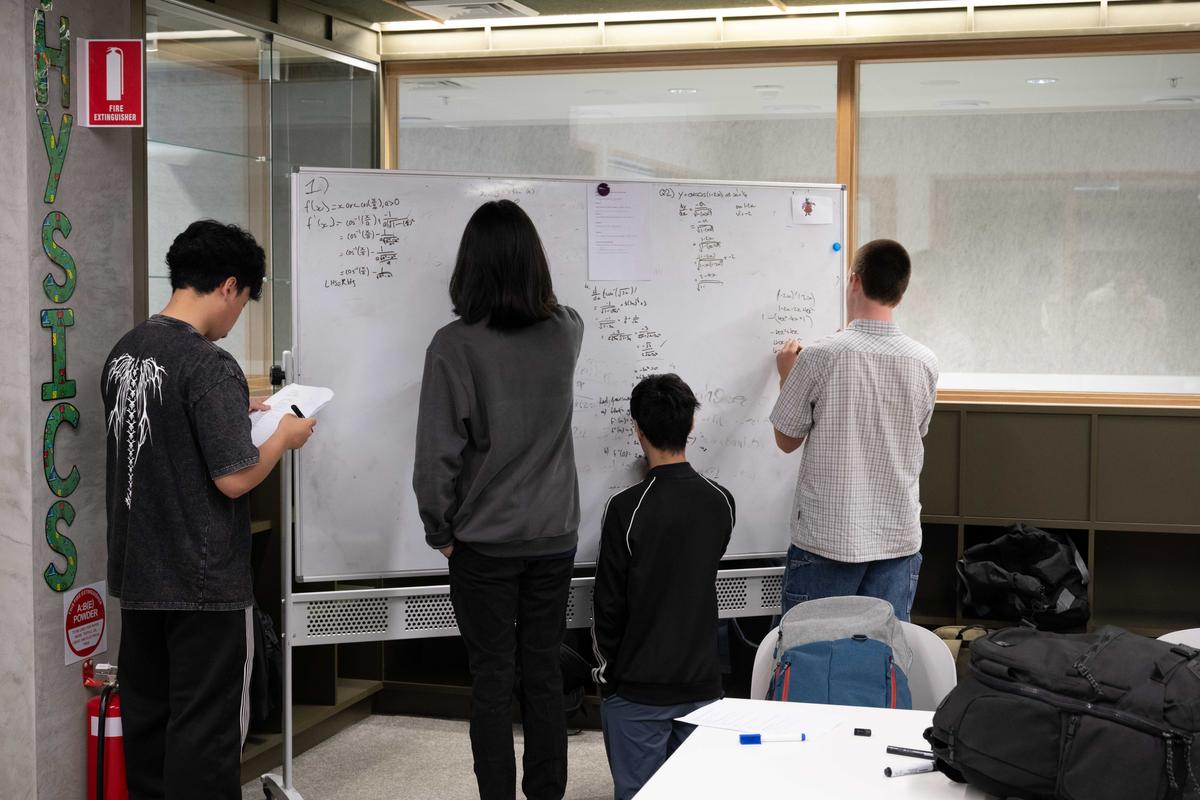
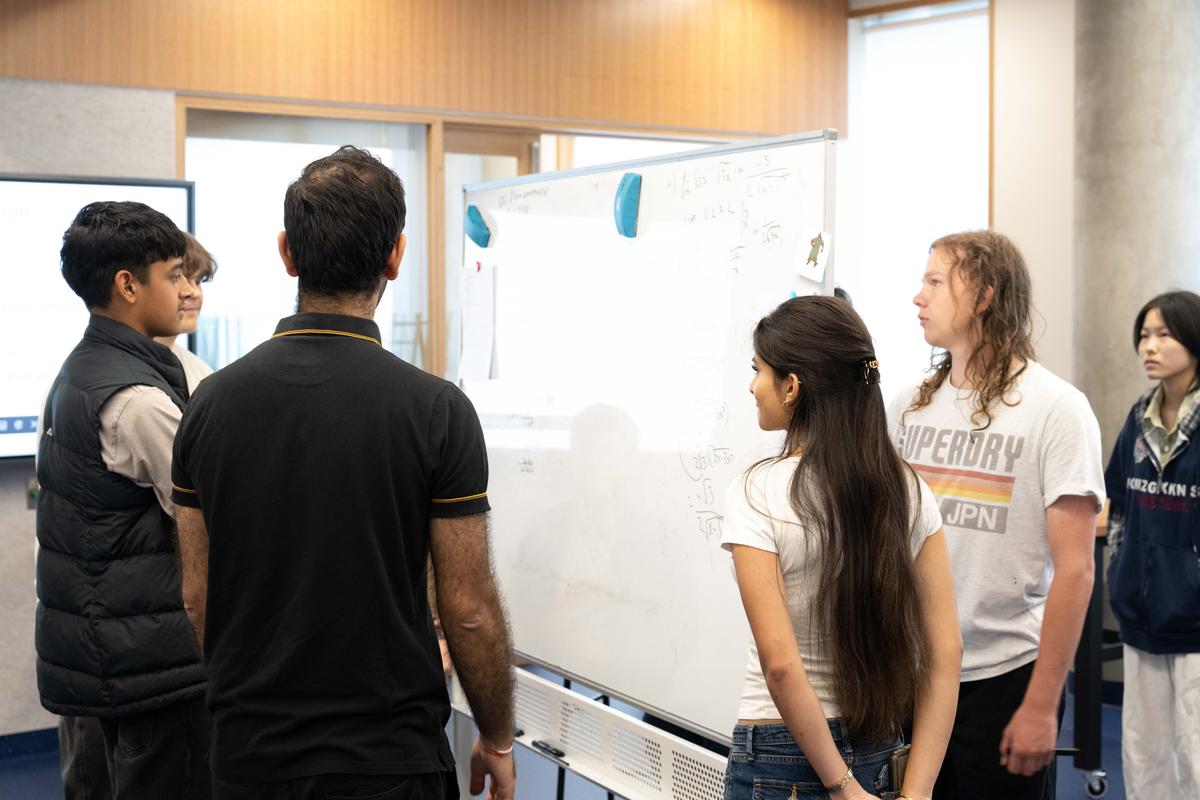
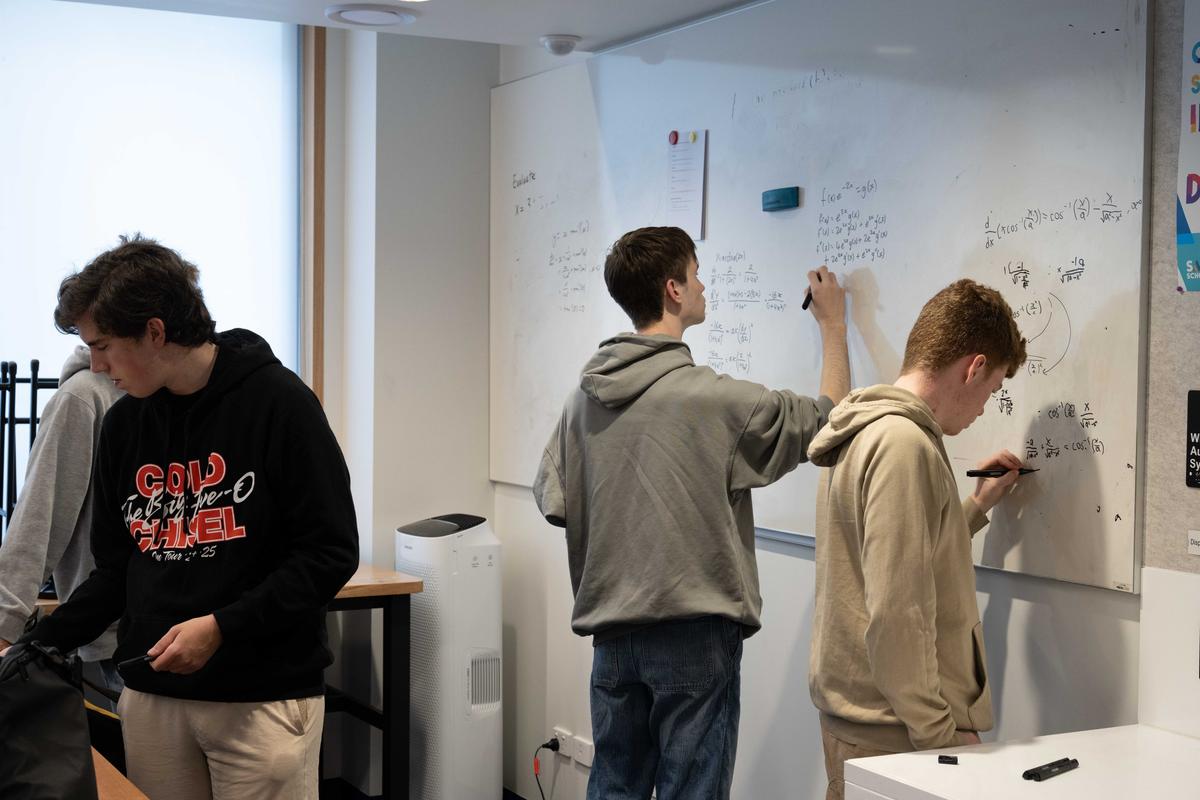
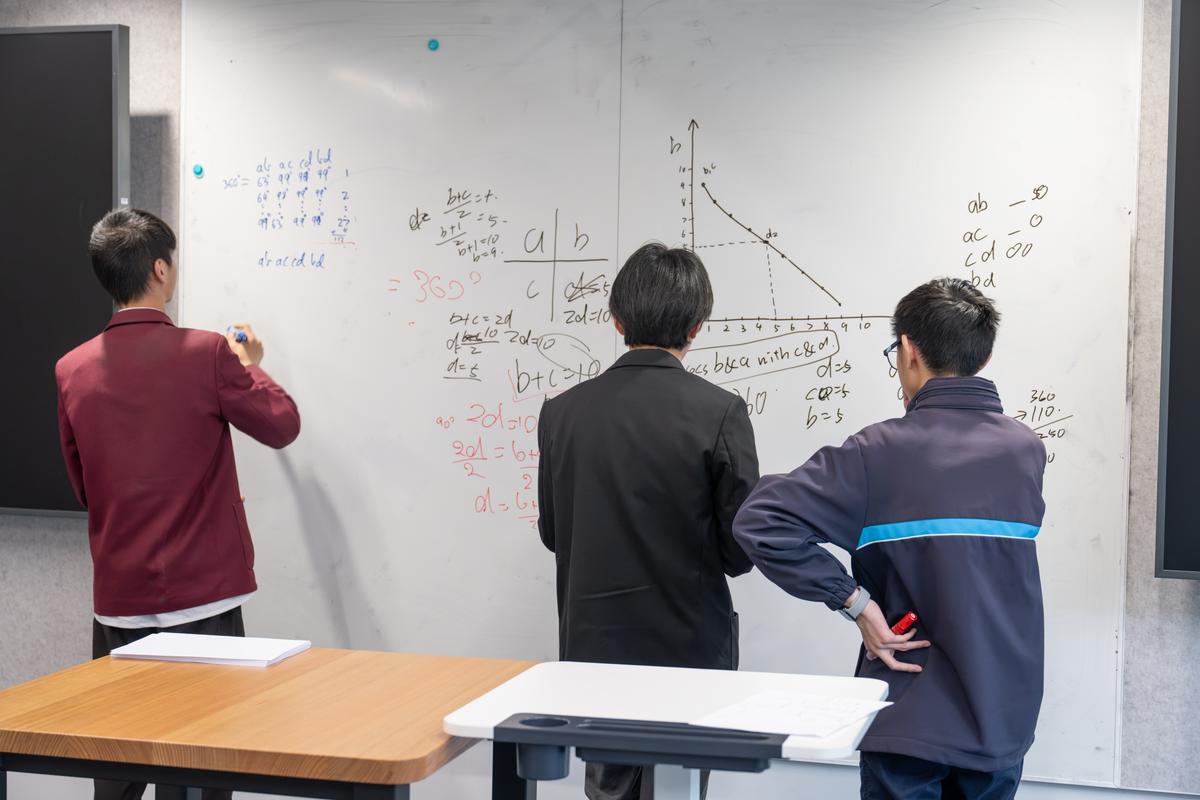
A highlight of the Term 1 Seminar Day was a full day of problem-solving centred on differentiation, partial fractions and proofs. Students from across the state worked together to tackle sophisticated problems while consolidating key concepts from their coursework. These activities supported the broader aims of Specialist Mathematics, which develops advanced skills in calculus, discrete mathematics, algebra, functions and statistical analysis.
Throughout the Seminar Days, students strengthened their ability to apply mathematical processes in non-routine contexts, justify solutions with rigorous reasoning, and use mathematical thinking to investigate complex problems. The enthusiasm and curiosity demonstrated by students highlighted the strong community of learners developing pathways into mathematics, engineering, science, technology and related fields.