Mathmatics
Patterns and Algebra: Following the Rules
We are becoming young "logic detectives" by looking at Patterns and Algebra. Instead of just seeing a sequence of shapes or numbers, students will learn to identify the "secret rule" that makes the pattern work. They will practice following and creating their own algorithms, which are just step-by-step instructions to predict what comes next. This is a fantastic way to build the kind of thinking used in coding and problem-solving!
Parts of a Whole: Fun with Fractions
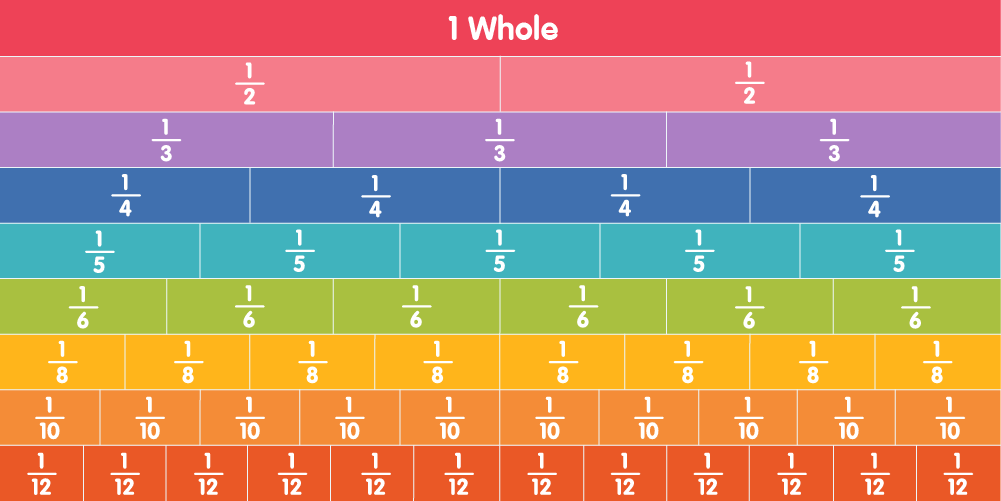
We are moving from whole numbers into the world of Fractions. Your child will learn to recognise "unit fractions" (one equal part of a whole, like 1/2 or 1/4) and how to count them. We will also be practicing how to put those pieces back together; for example, they’ll learn that if they have four quarters of a pizza, they have one whole pizza! We’ll be focusing on adding fractions with the same bottom number to see how they build toward a "1."
Measuring Our World: Length and Precision
We are getting hands-on with rulers and tapes to understand Length. While younger children might measure things using "hand-spans" or "paperclips," we are now moving to formal metric units like centimeters and meters. A big focus will be on estimating first by taking a 'smart guess' at how long something is before measuring it to help studetns develop a better "feel" for size and scale in the real world.
Number Power: Adding and Subtracting
We are building a diverse "toolbox" for solving math problems so students feel confident with larger numbers. This includes:
Rounding and Estimating: Learning how to find an "about" answer to check if their work makes sense.
Inverse Operations: Discovering the "undo" button of math—learning how addition and subtraction are opposites that can be used to check each other's answers.
The Splitting Strategy: Breaking tricky numbers apart (like turning 25 into 20 and 5) to make them easier to work with mentally.
Vertical Algorithm: Learning the traditional method of stacking numbers on top of each other to solve larger problems accurately on paper.