Class



 WACoA Cunderdin
Assessment dates:
General
| Subject | Date |
|---|---|
| Phys ed | Wednesday Week 6 (18 Nov) |
| Plant & Animal | Thursday Week 6 (19 Nov) |
| English | Thursday/Friday Week 6 (19/20 Nov) - project |
| Maths | Friday Week 6 (20 Nov) Period1or 2 |
ATAR exams
| Subject | Date |
|---|---|
| Agribusiness | Wednesday Week 5 (11 Nov) |
| English | Thursday Week 5 (12 Nov) |
| Math | Tuesday Week 6 (17 Nov) |
| Ag science | Thursday Week 6 (19 Nov) |
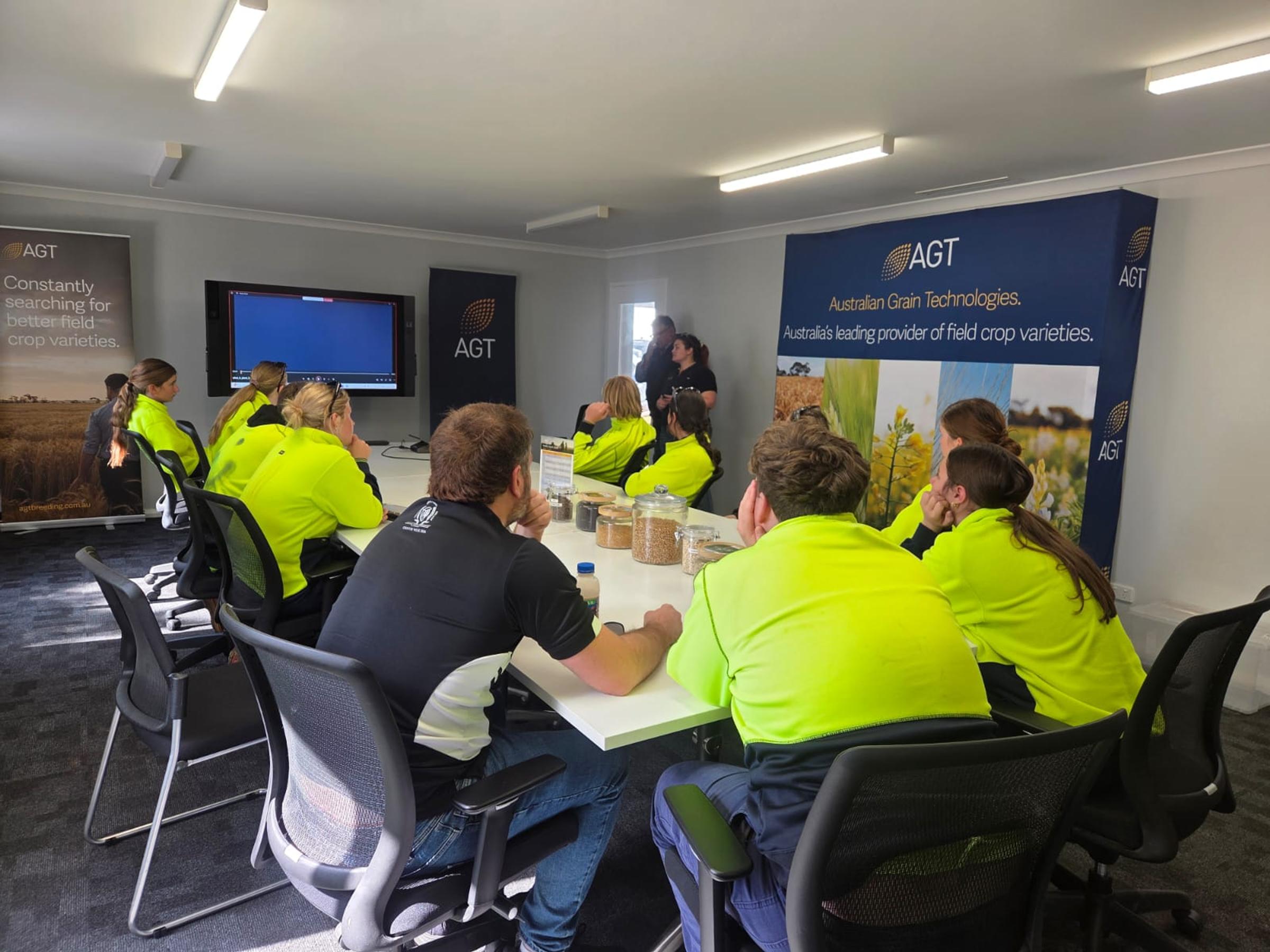
The Year 11 Animal Studies class has been undertaking an enterprise study task. This project requires students to select a farm enterprise (such as cattle, sheep, or pigs), and investigate its operational requirements, allowing them to consolidate the knowledge and skills developed throughout the year.
The Plant classes have been busy working through the economics, finance and markets unit. Students have been identifying the differences between intensive and extensive enterprises, analysing budgets and calculating gross margins.
The ATAR Ag Business class has been investigating innovations that add value to products and solve problems within the agricultural sector. These include new inventions like GM crops using CRISPR technology, as well as technologies adapted from other industries (such as Ceres smart ear tags) to increase production efficiency.
The English ATAR class have been working on creating compositions. This has included terrifying narratives with unreliable narrators, and war stories and lively persuasive texts on environmental and agricultural issues. We are finishing the term revising for the end of Semester 2 exams.
The past few weeks, Year 11 Mathematics Essential students have been working through the Time and Motion unit, building skills they’ll use every day. They began by using scales to find real distances from maps and plans. Then they learned to convert between units of time, read 24-hour time and work out how long events take. Next, they used these skills to read bus and train timetables and plan trips. They’re now calculating speed, distance and time, like how long a road train takes to reach Perth or how fast a header moves across a paddock. Well done to the students for their efforts this term!
Ms A Wells
Head of Curriculum
DO NOW Activities – A Positive Start to Learning!
With Mrs Packham’s Amazing Students
This term, as part of our focus on implementing effective instructional strategies, students have been participating in ‘Do Now’ activities at the beginning of each English lesson.
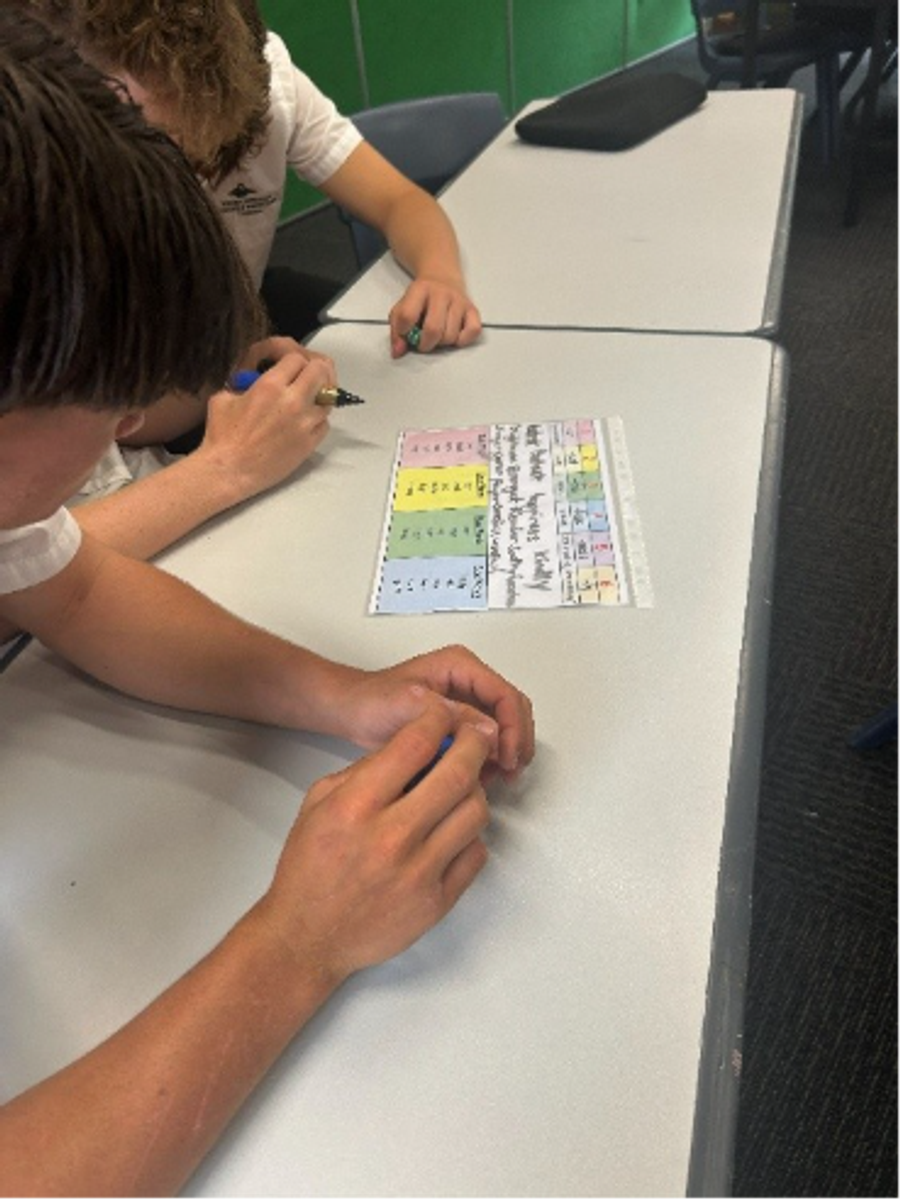
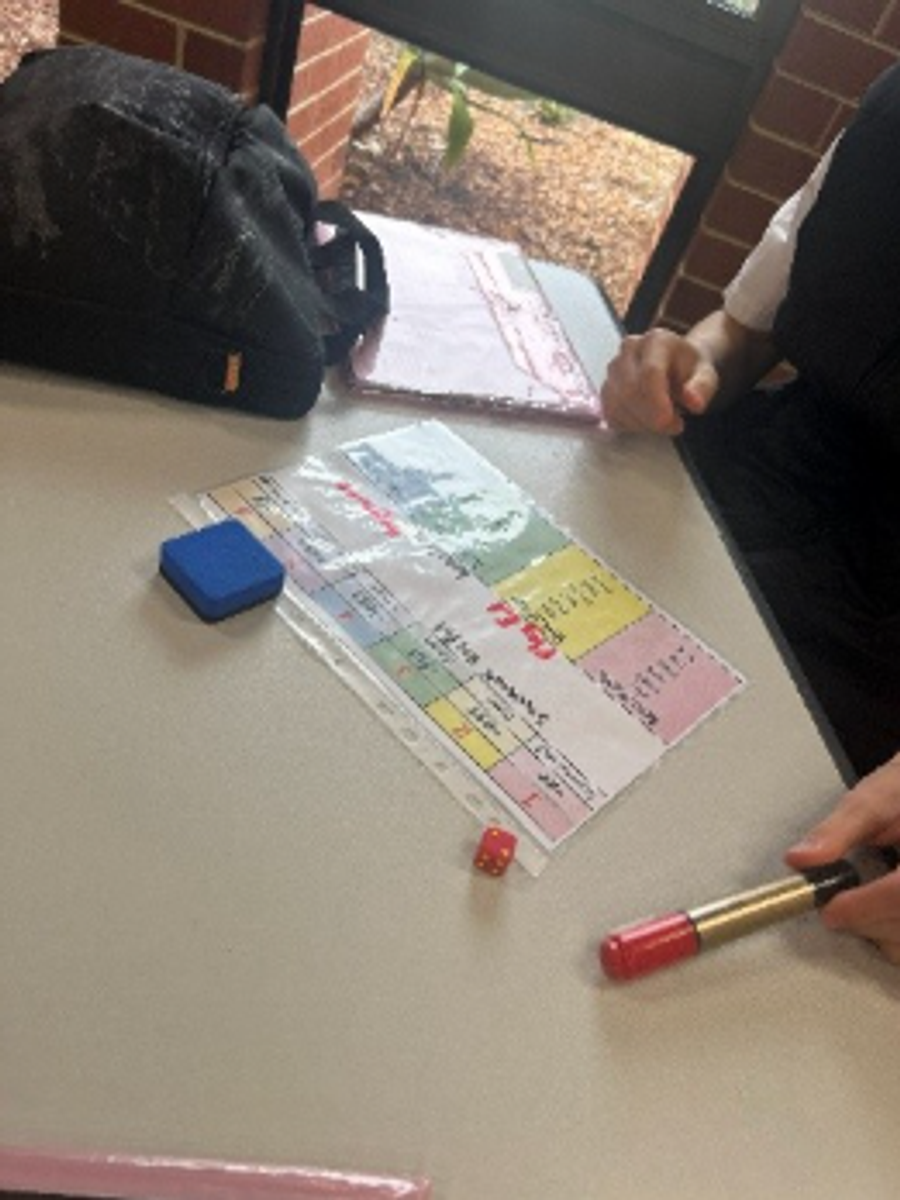
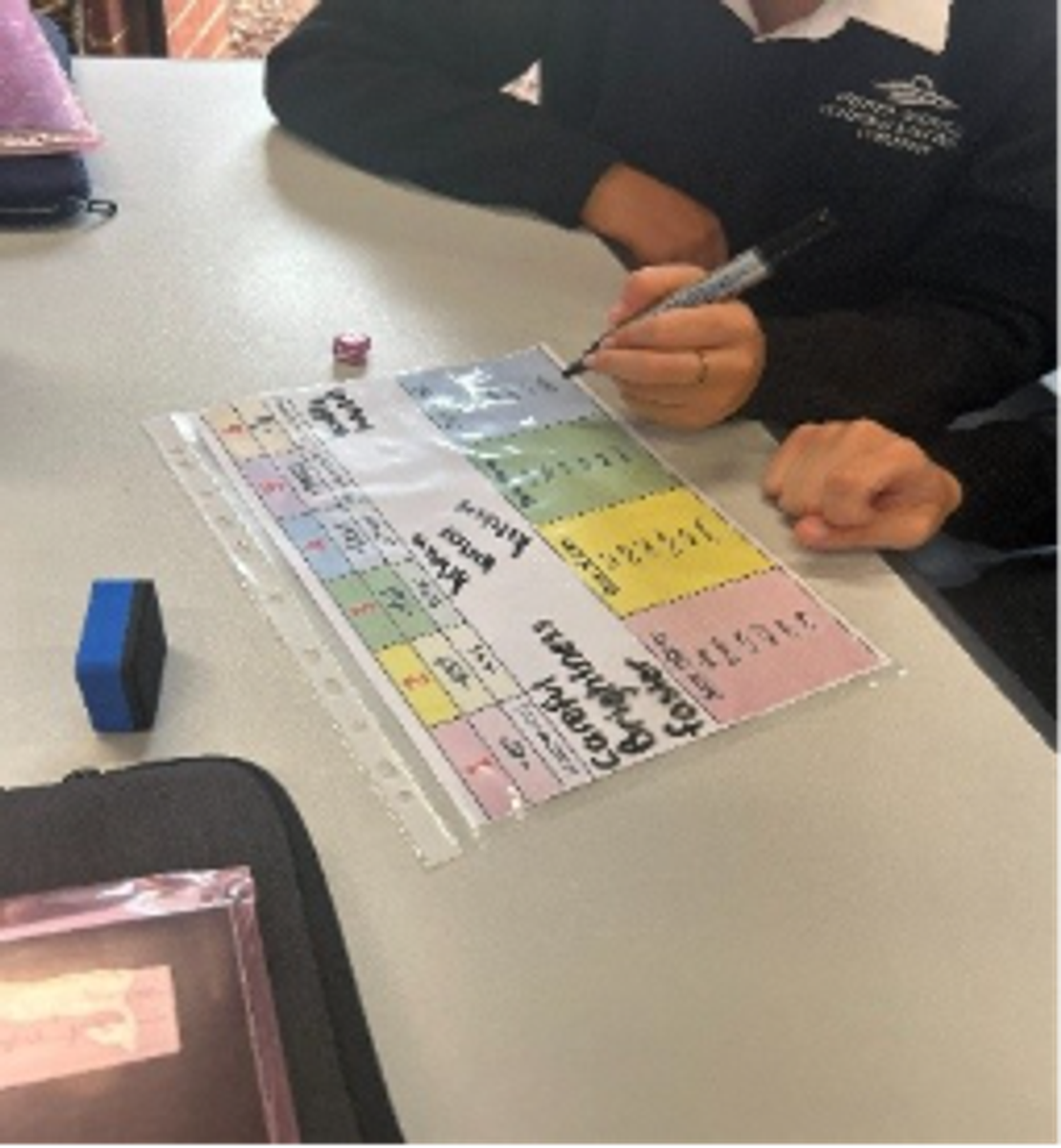
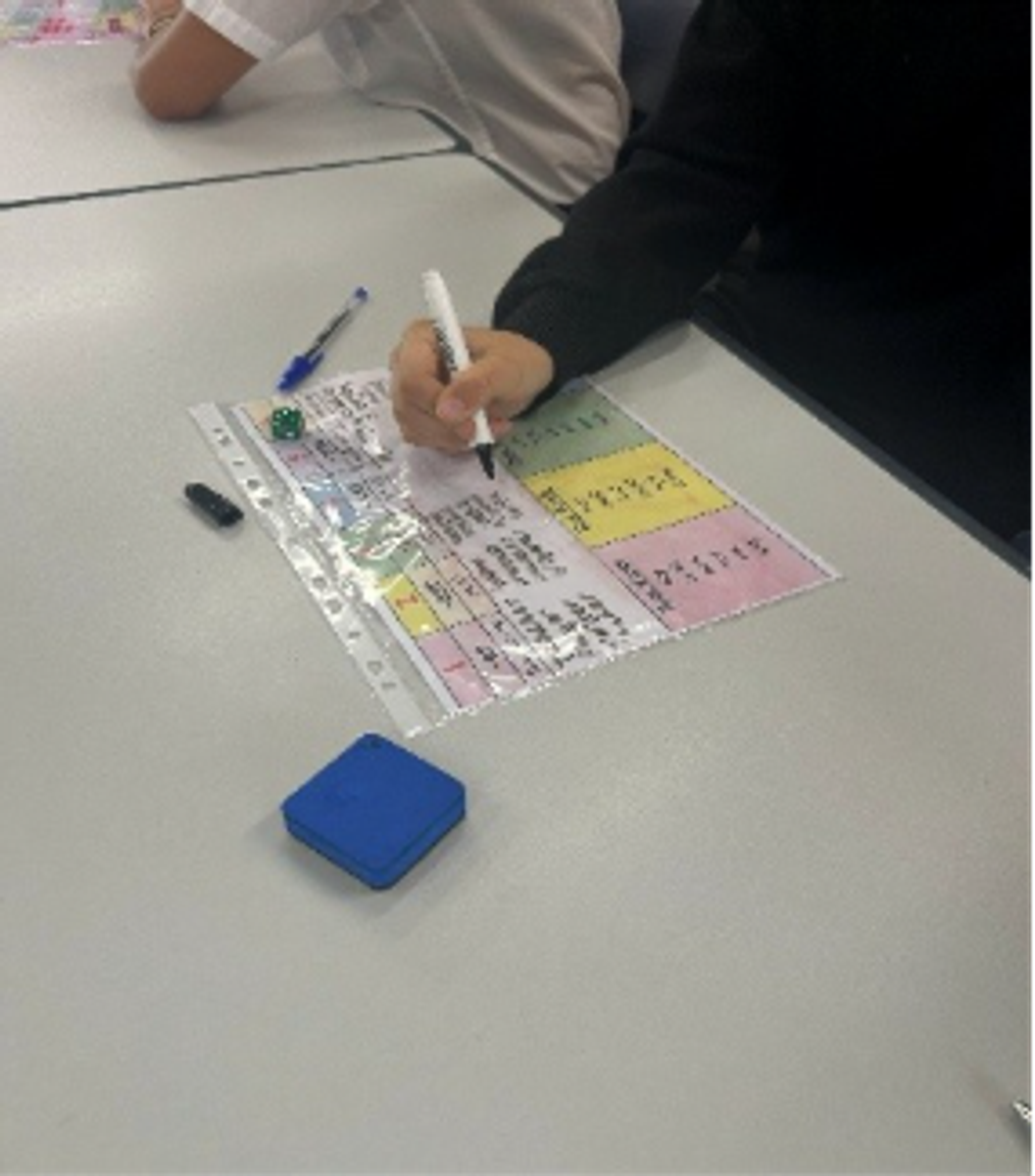
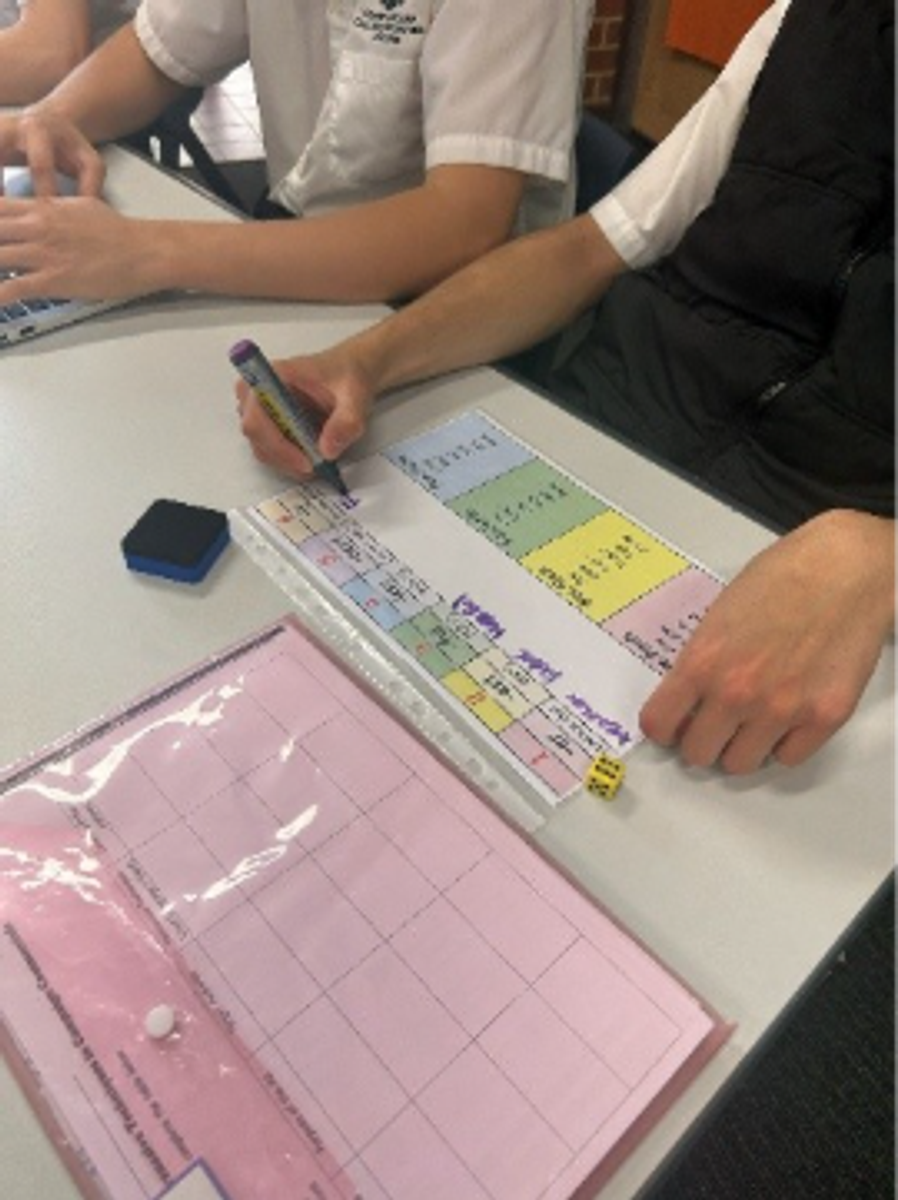
As soon as students enter the classroom, they independently collect their equipment from the front of the room and begin a fun, interactive literacy game focusing on prefixes and suffixes. These activities help students develop their vocabulary, spelling and understanding of how words are formed.
The purpose of our ‘Do Now’ activities is to establish positive classroom routines, encourage independence and ensure students are actively engaged in learning from the moment they enter the room.
These short, purposeful activities also provide opportunities to revisit previously taught concepts, strengthen literacy skills and build confidence.
It has been wonderful to see students embracing these routines, taking responsibility for their learning and getting straight into their English lessons with a positive attitude!