MHiPS





















 Jells Park Primary School

The Science Behind Boredom: Why Kids Need Down Time
By: Diya Jaiswal, B.Sc. Neuroscience
Taken from https://www.buildingbrains.ca/blog/the-science-behind-boredom-why-kids-need-down-time
In a world where everything is instant, on-demand, and always “on,” boredom has become a dreary word. For many families, a bored child feels like a crisis, something to fix with a screen, an activity, or another app. But what if we told you that boredom isn’t a problem to solve but a vital developmental tool?
Neuroscience and child psychology both point to the same truth: unstructured time is essential for developing creativity, resilience, emotional regulation, and problem-solving skills. It’s not just okay for kids to be bored; it’s good for them.
Boredom Fosters Creativity
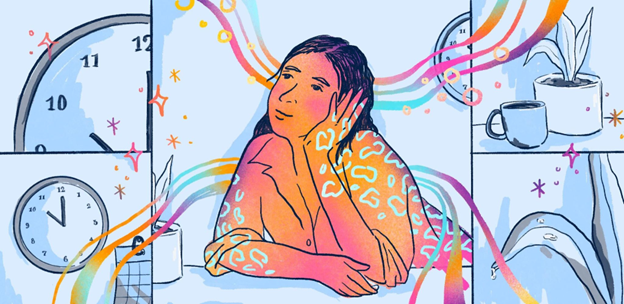
When a child says, “I’m bored,” what they’re really saying is, “My brain doesn’t know what to do next.” That’s actually a powerful starting point. Research shows that boredom activates the brain’s default mode network (DMN), the same system responsible for daydreaming, imagination, and reflection (Smallwood & Schooler, 2015). When this network is active, the brain starts making creative connections, reprocessing memories, and problem-solving in the background.
Downtime gives kids the chance to engage in internal exploration, imagining new games, inventing stories, or just lying on the floor thinking. This kind of “mental wandering” is essential for developing cognitive flexibility, which helps children adapt to new situations and think outside the box (Zabelina & Robinson, 2010).

Dopamine Overload: When Everything Is “Too Much”
Modern life is filled with high-reward stimulation: video games, TikTok, YouTube, and endless scrolling. These activities flood the brain’s reward system with dopamine, the neurotransmitter associated with pleasure, novelty, and motivation. The problem? When kids are constantly stimulated, their brains get used to a high baseline of dopamine. Suddenly, everyday activities like reading, drawing, or even playing outside feel “boring” by comparison (Volkow et al., 2011).
It’s not about punishment or digital shaming; rather, it’s about giving kids time to recalibrate and reconnect with simpler pleasures.
Unstructured Time Builds Executive Function Skills
When every moment of a child’s day is scheduled from school to soccer to piano to homework, they have little chance to practice independent thinking. Executive function is an umbrella term which encompasses three core skills including, working memory, cognitive flexibility and self control (Diamond, 2013).
Free play, quiet time, and even gentle boredom give kids the chance to:
● Decide what to do next
● Stick with something when it’s hard
● Manage frustration
● Follow through on their ideas
All of these are experiences which help shape core executive function skills emerge through exploration, trial-and-error and reflection.
Boredom Regulates Emotions and Builds Tolerance
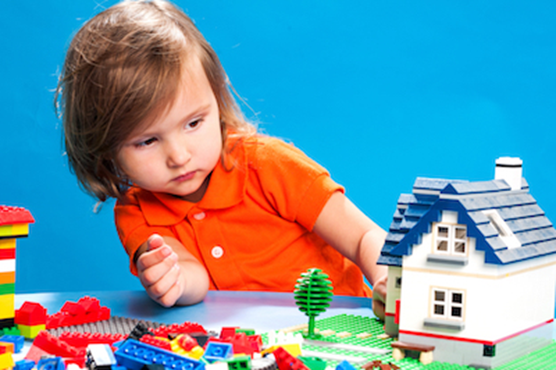
Boredom can feel uncomfortable, but that’s the point. Learning to sit with discomfort without panicking or numbing out is a skill that builds emotional resilience. Studies show that people who avoid boredom tend to have lower emotional regulation skills and are more prone to impulsivity (Eastwood et al., 2012). For children and teens, regularly tolerating the “bored” feeling helps them build frustration tolerance, patience, and coping skills, things that protect mental health in the long run.
Problem-Solving Happens in the Pause
We often think learning happens when kids are busy reading, solving math problems, or listening to lectures. But neuroscience shows that much of the brain’s learning happens during rest, when new information is integrated and new solutions are explored (Immordino-Yang et al., 2012). This is especially true for adolescents, whose brains are undergoing massive changes in emotional processing, social reasoning, and self-identity. Without quiet time to reflect and connect the dots, they may struggle to make sense of what they’re experiencing.
We live in a culture that celebrates doing, achieving, and staying busy. But for kids and teens, the most powerful growth often happens in the quiet spaces in between. Boredom isn’t a failure, it's a gateway to deeper thinking, creativity, and self-awareness. Instead of fearing boredom, let’s reclaim it as one of the most valuable developmental tools we have.
How to Encourage Healthy Boredom at Home
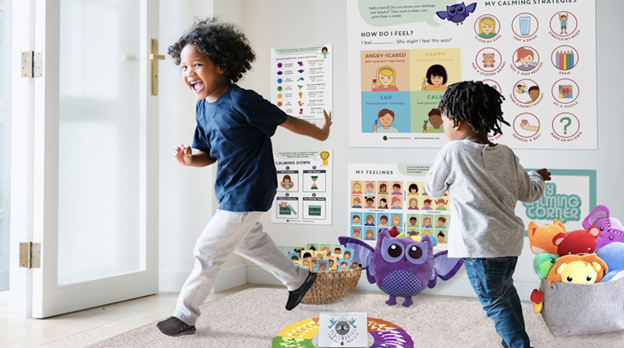
Here are a few ways families and caregivers can support this kind of downtime:
● Build in unstructured time each day. Even 30–60 minutes of open-ended time can be transformative.
● Create a “boredom list” with your child: activities they can do independently when they don’t know what to do (e.g., building, drawing, writing a comic, exploring outside).
● Model your own downtime: Let your kids see you resting, reflecting, or doing nothing productive without guilt.
● Limit constant stimulation: Encourage screen-free zones or mornings where the focus is on low-stimulation activities.
● Normalize boredom: Instead of rushing to fix it, say: “That’s okay. Let’s see what your brain comes up with next.”
Melissa McLeod
Mental Health & Wellbeing Leader