Prep
Information and Reminders
Hats On!
It’s almost spring! We are excited for the warmer weather to return, which also means it’s time for hats to come back to school. Please send your child’s school hat in this week. Hats will stay at school so they are ready for outdoor play each day, because 'hats on, play on!'
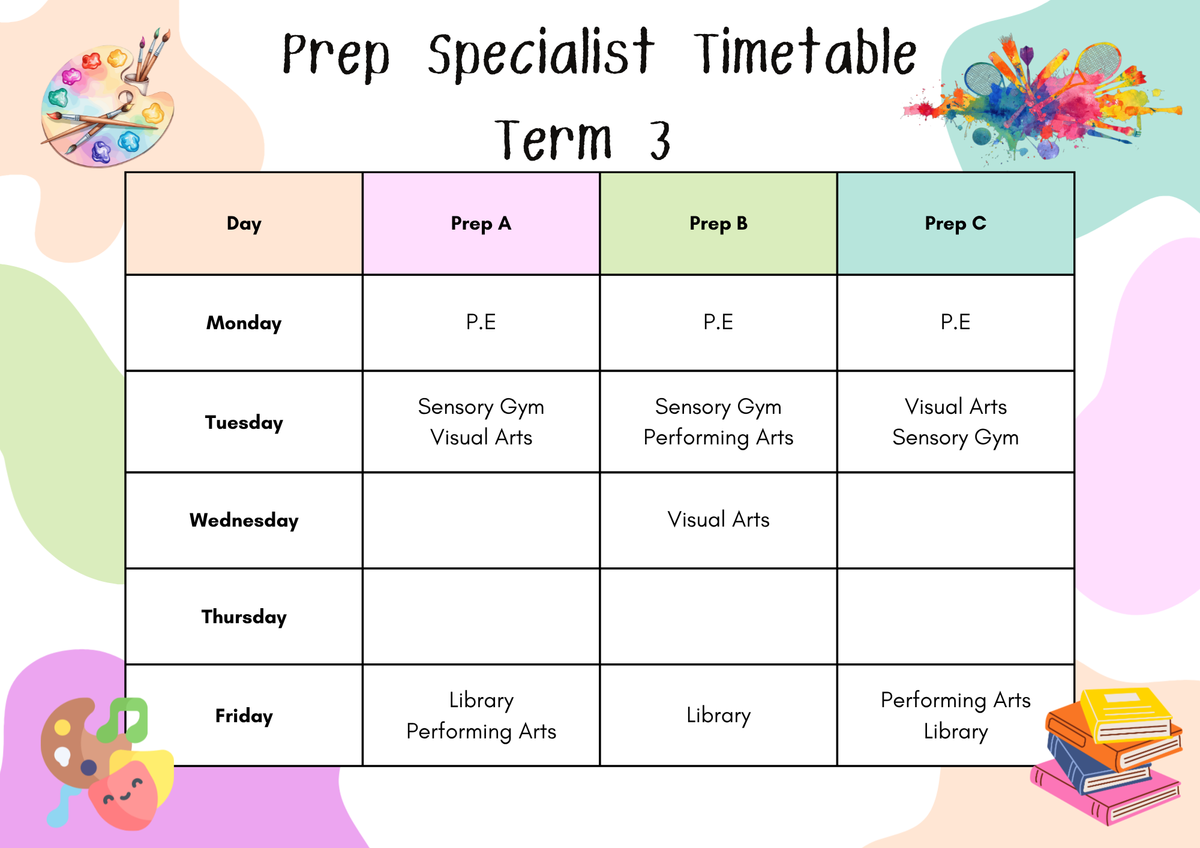
Term 3 Specialist Timetable
Curriculum
*Please remind your child to go to the toilet before they enter the classroom.
Phonics and reading
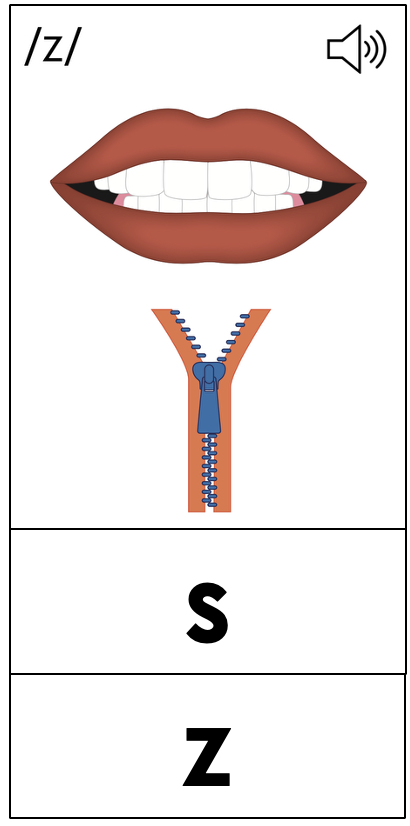
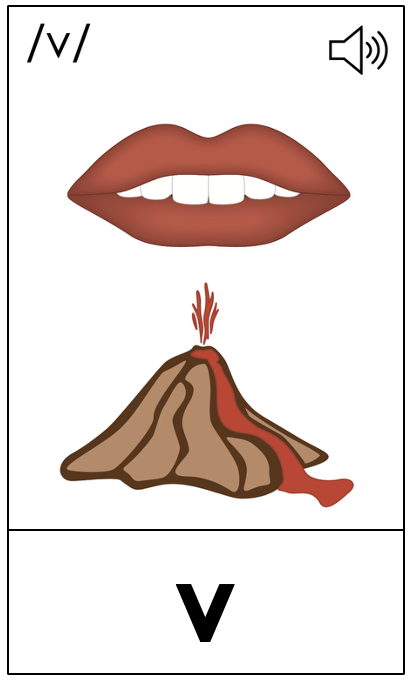
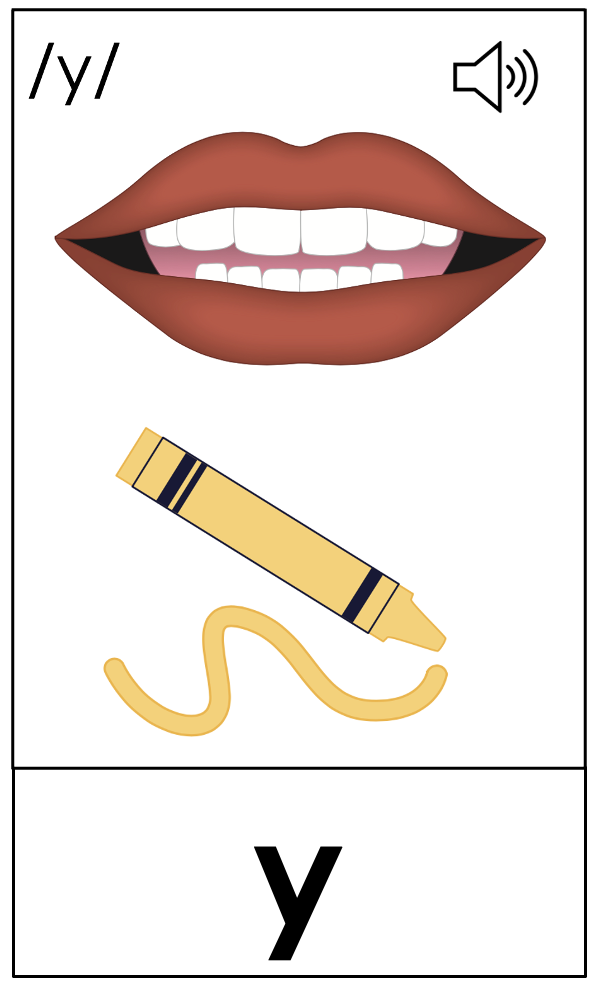
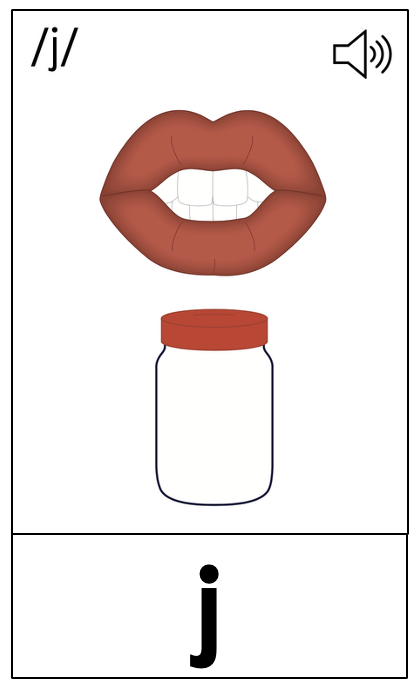
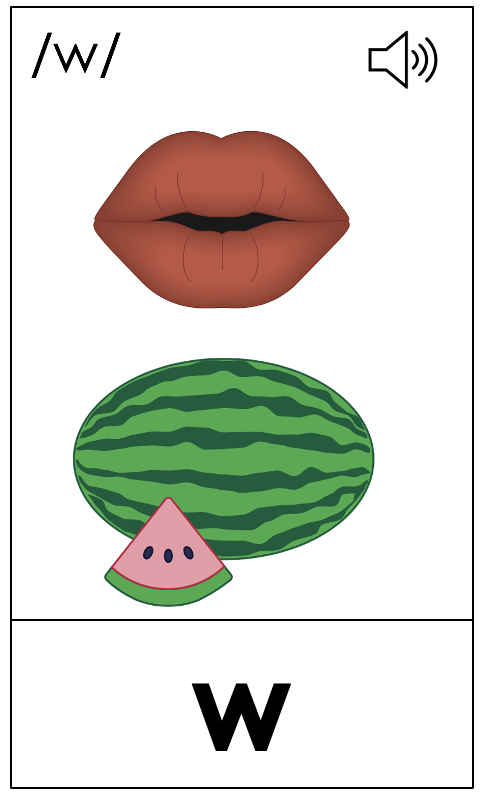
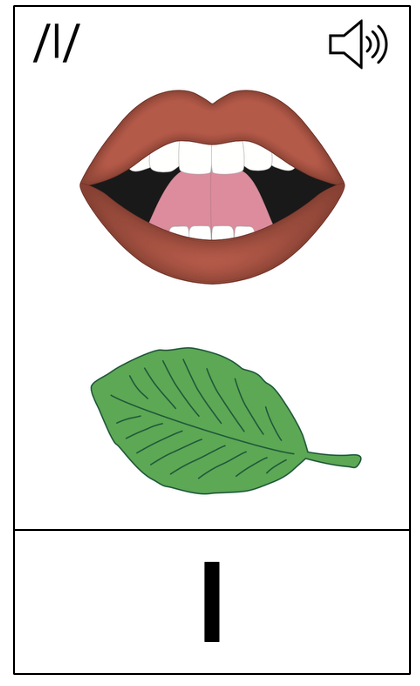
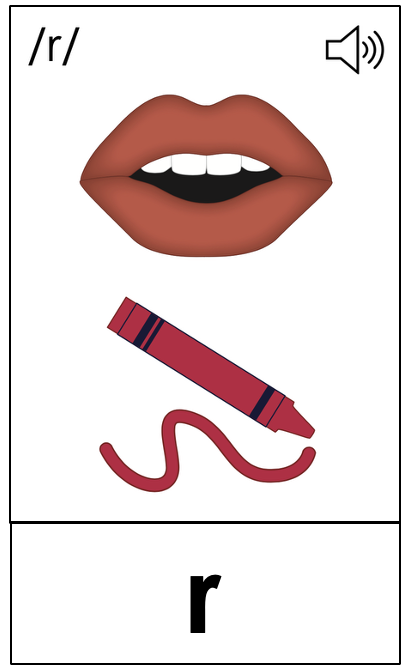
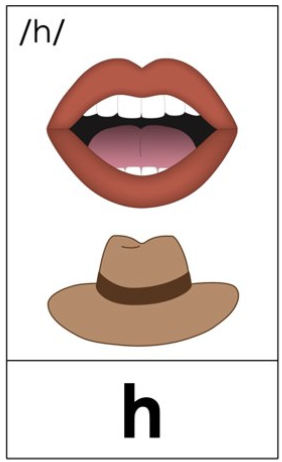
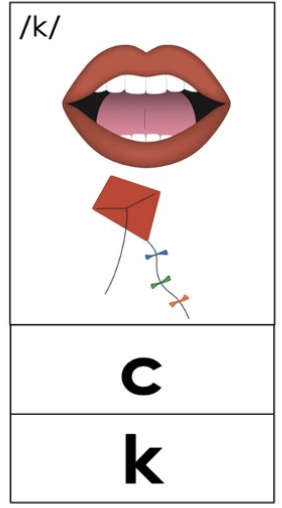
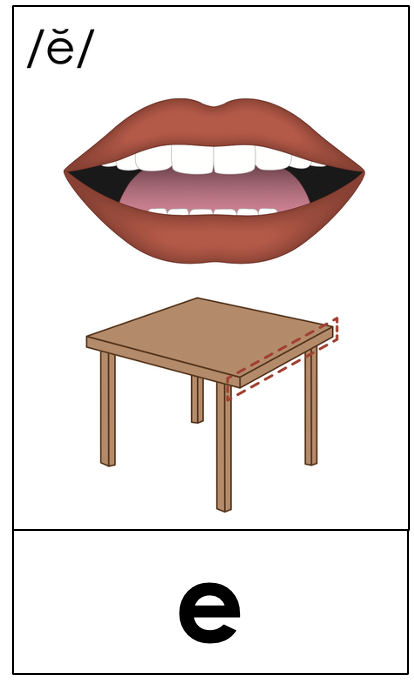
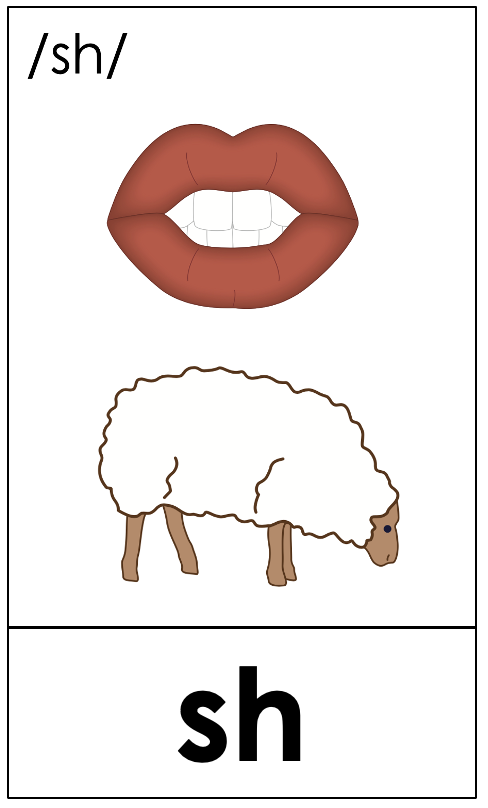
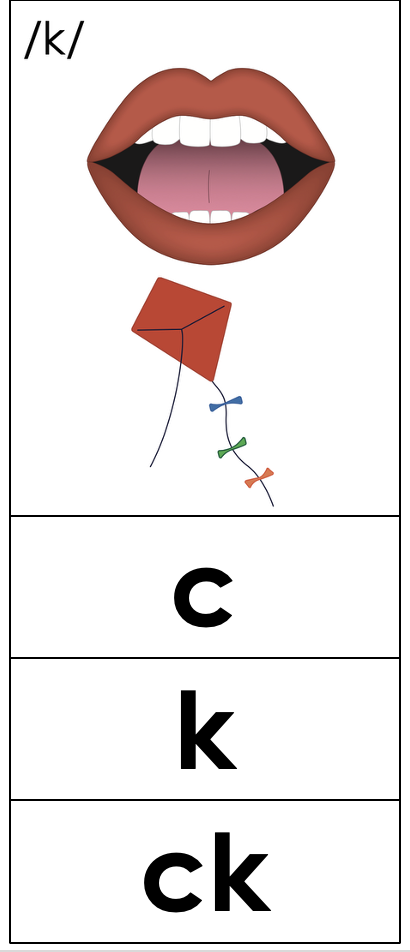
We are learning about the digraph CH, then we will be completing a review of the digraphs we have learnt so far. See the picture cards below for all the digraphs that we have learnt.
Our learning focus will include reading words and short texts, spelling words containing these patterns, and writing simple sentences using our new spelling knowledge.
What can you do at home?
• Support your child to read the decodable book and/or UFLI text in their Reading Pocket. Try and aim to read every day, if you can.
• The 'Roll and Read' page is a great way to practise sounding out and blending words, especially for students who find reading sentences a little challenging.
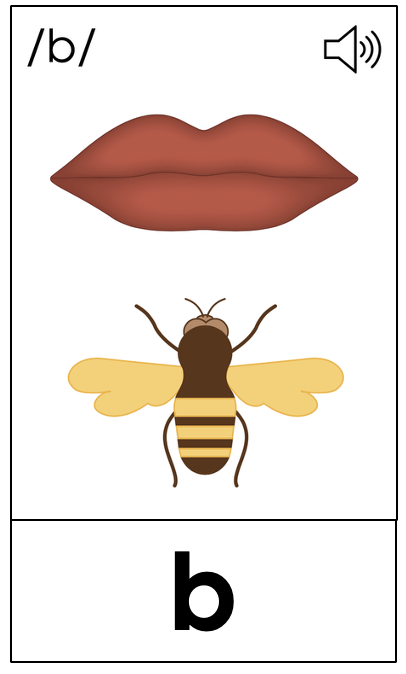
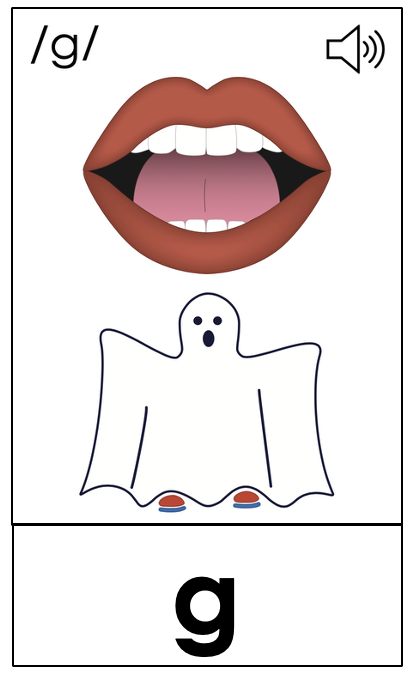
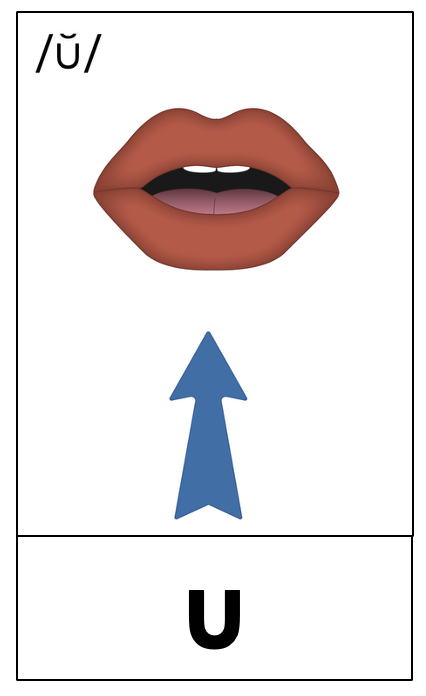
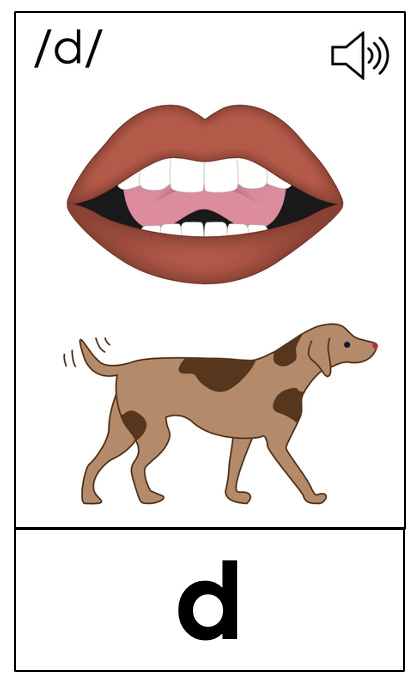
•Review the letter names and sounds for all letters of the alphabet. When practising, say them like this: “A spells /a/.” Ask your child if they can show you the cued articulation for the sounds.
•Learn the Heart Words (in red booklet).
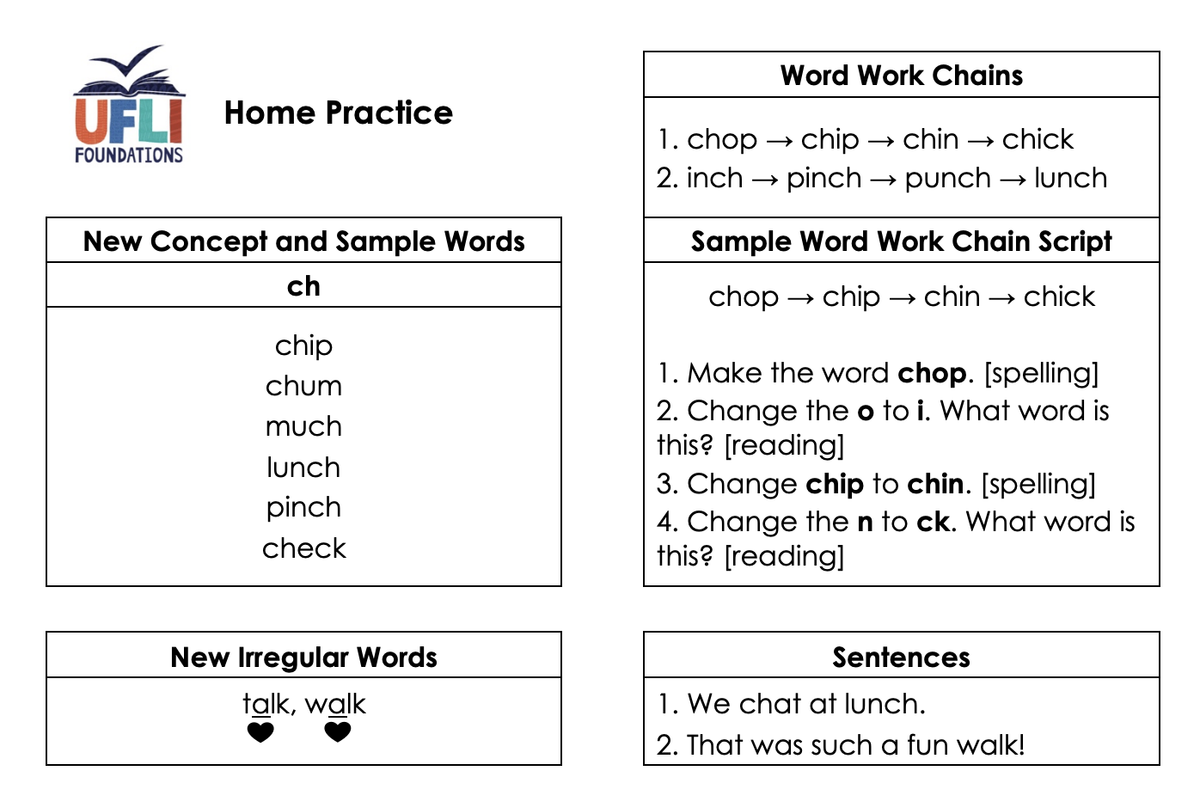
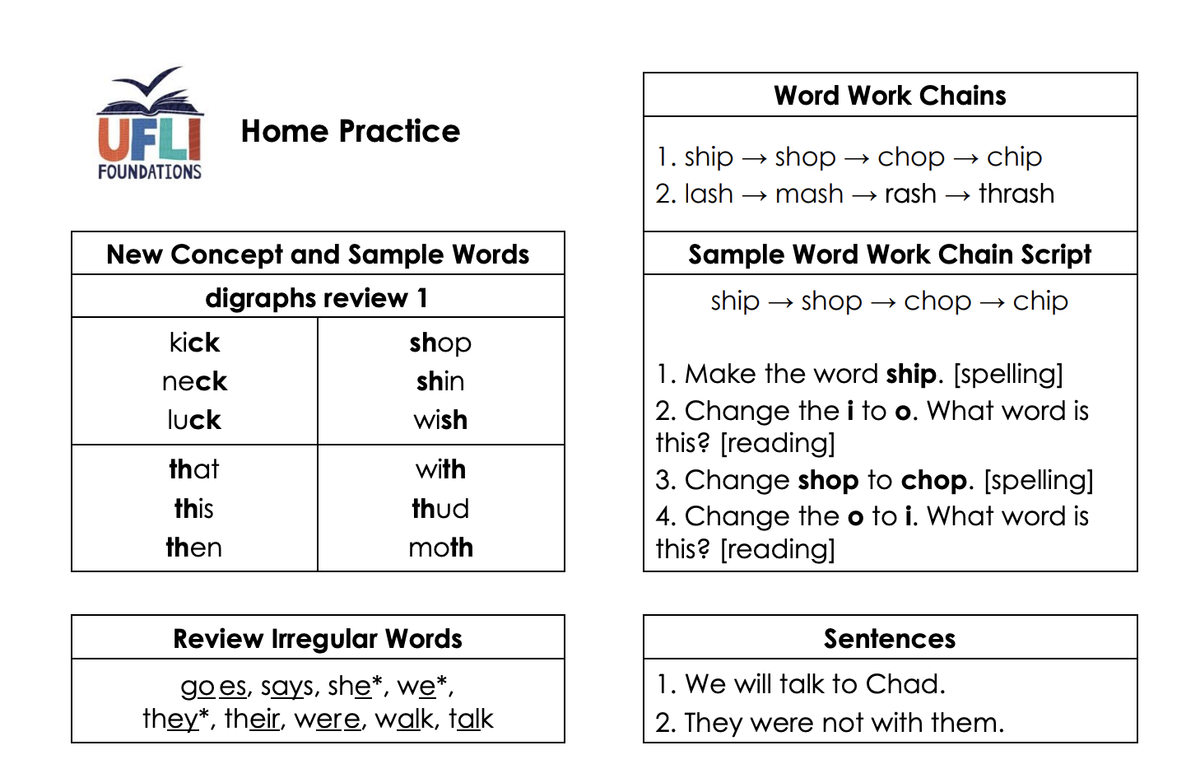
• Work through the optional UFLI pages.
Sound / Letter cards to review:
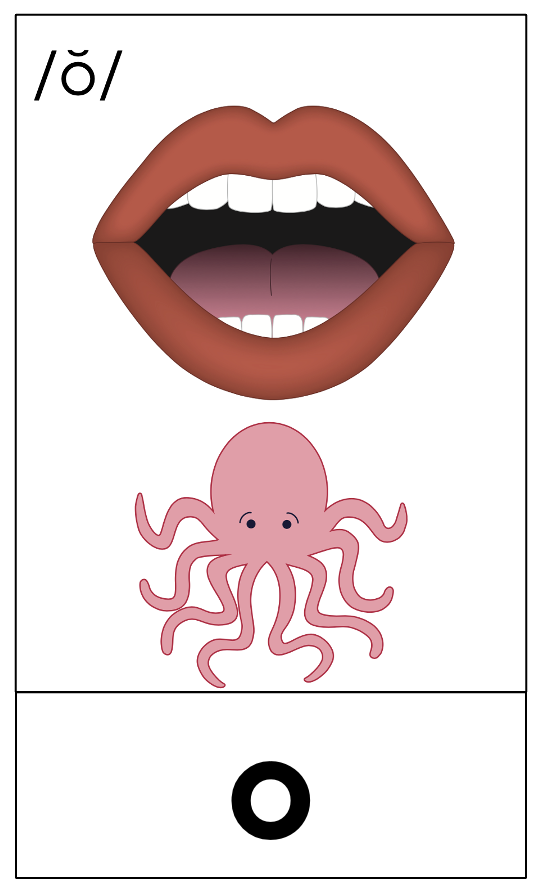
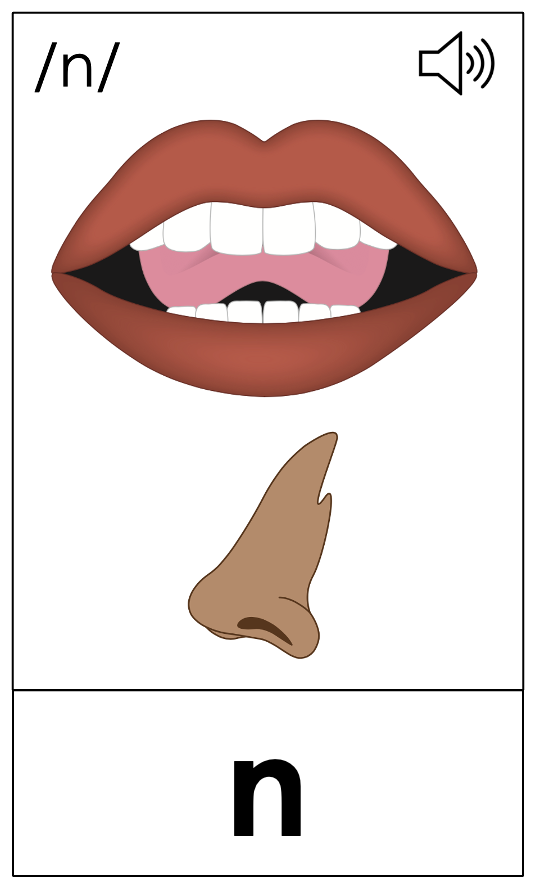
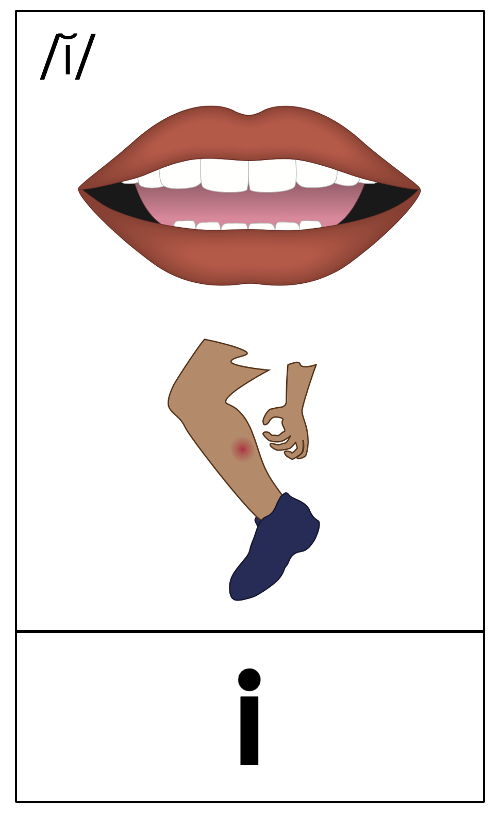
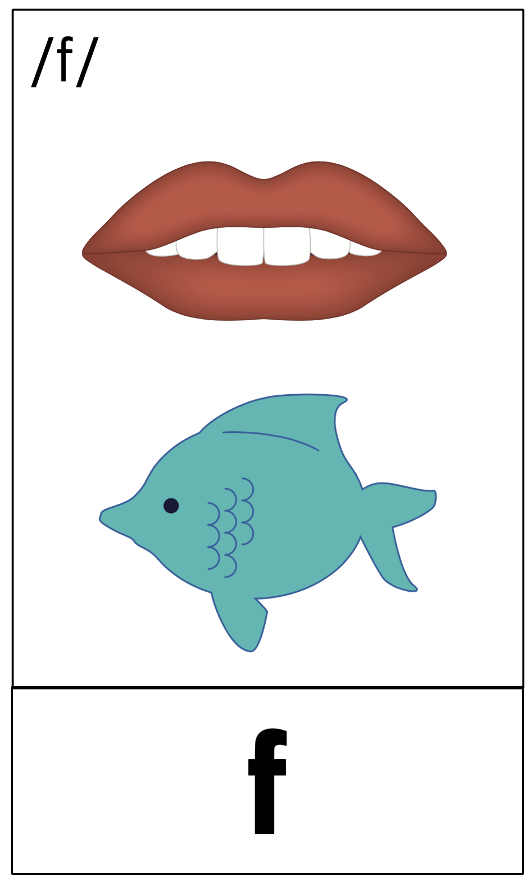
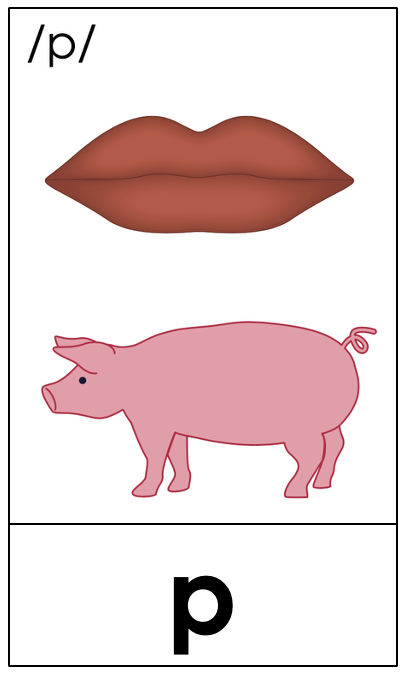
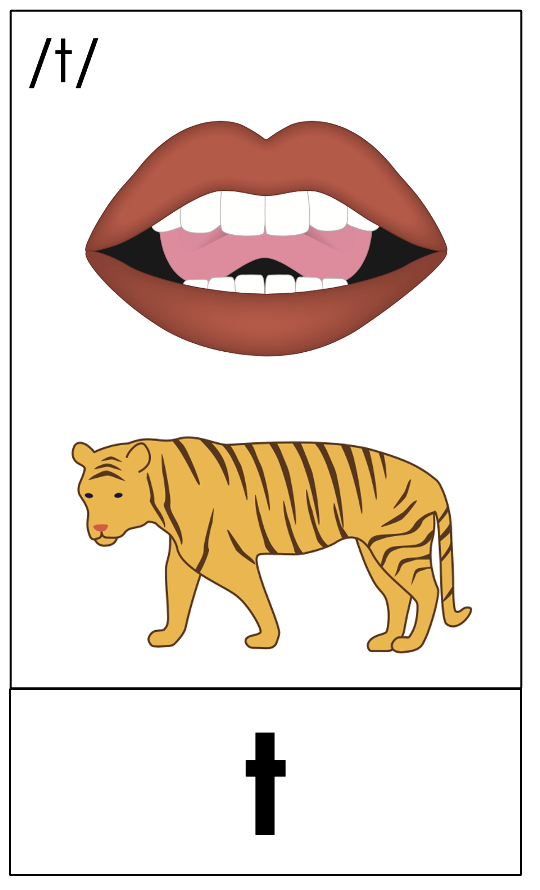
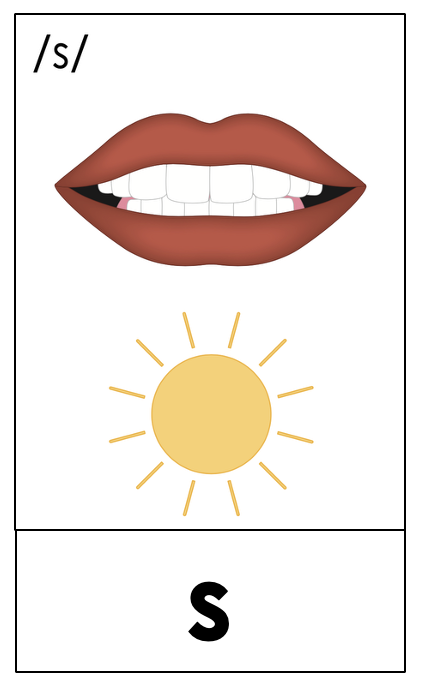
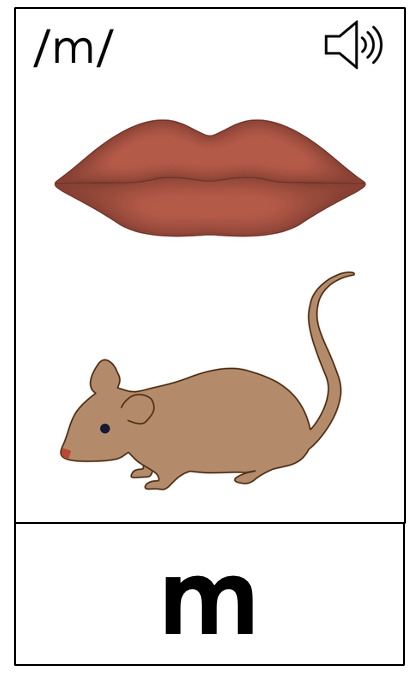
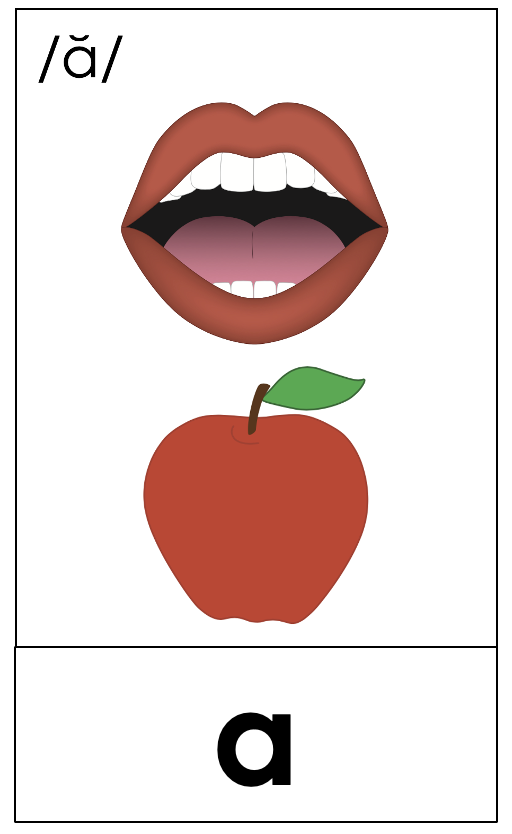
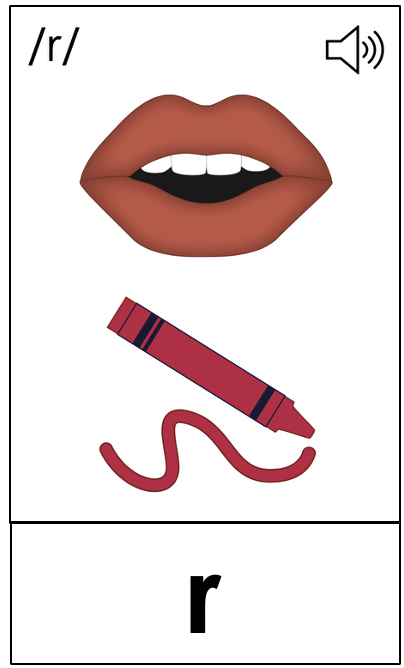
Digraphs to review:
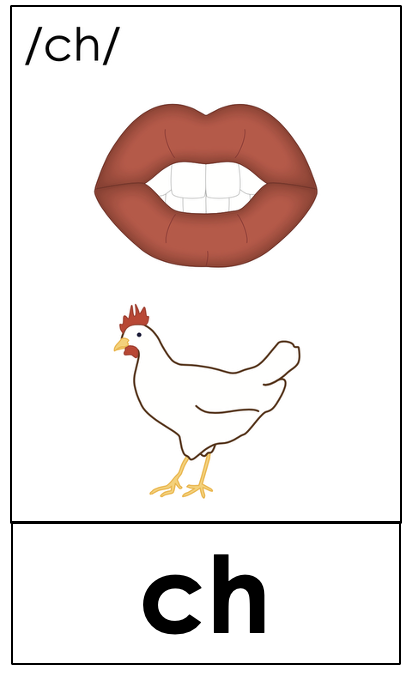
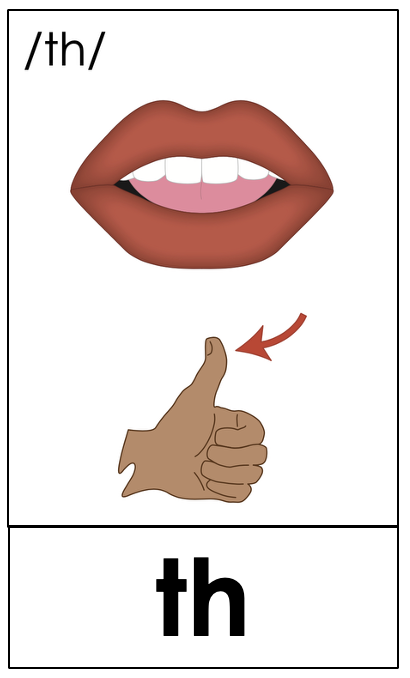
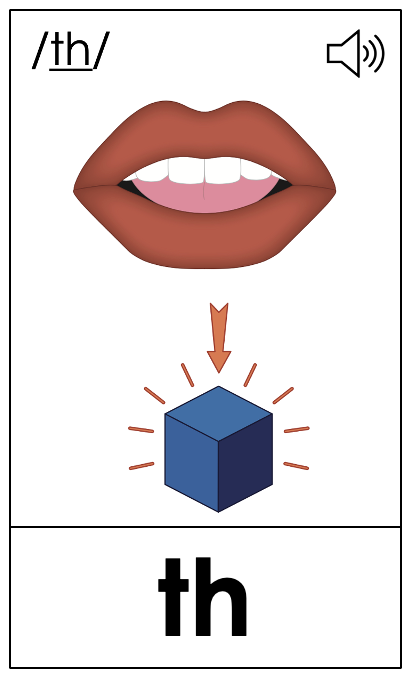
Voiced - 'this'
Voiced - 'this'
Optional UFLI Home Practice Pages:
Literature: reading responses and writing
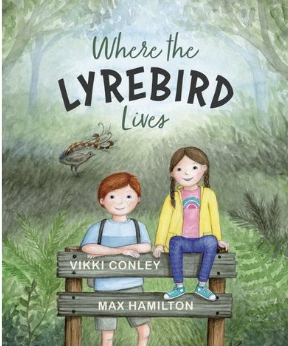
Our mentor text is Where the Lyrebird Lives. Before listening to the story, students will learn about lyrebirds through a non-fiction text, building their background knowledge about this fascinating bird. After listening to the story, students will map the plot by drawing a story map and labelling it with important moments from the book. They will also revisit their learning about adjectives, identifying adjectives used in the story and creating their own to describe the setting. To finish, students will create a lyrebird craft and label it using information they have learnt from the non-fiction text.
All of our mentor text sessions will incorporate writing, giving students opportunities to practise their writing skills while responding to and building on their learning from the text.
In Handwriting, students will review the correct formation of the ‘Lone Ranger’ letters – V, E, X and Z. ‘Lone Rangers’ are letters that don’t follow one of our familiar entry-point patterns. Students will use their Sky, Grass, Ground books to practise correct letter formation, size, placement, and entry and exit points.
What can you do at home?
•Encourage your child to write about things they are interested in - a picture, a favourite animal, something they did that day or a story they have imagined. Encourage them to sound out words using the sounds they know and have a go at spelling independently.
•Help your child practise writing their name with a capital letter at the beginning and lowercase letters for the rest of their name.
Maths
We are continuing our learning about Sharing and Grouping. Students will explore problems involving repeated equal groups, such as, “How many wheels are needed for 3 cars?” They will use hands-on materials to model the problem, draw a picture to show their thinking, and record their results using numbers.
What can you do at home?
•Practise sharing everyday objects equally - for example, share 6 grapes, toys or blocks between 2 people and ask, “Can we make sure we each get the same amount?” Then try sharing between 3 people.
•Explore 'leftovers' by using a small collection of objects and asking your child to share them equally. Talk about what happens when there is one left over and use words such as 'equal', 'same', 'share' and 'leftover'.
CBL
Students will listen to carefully selected texts and explore the different types of power they can identify. They will discuss how power is used in each text and consider the ways in which that power is shown through the characters, their actions and their choices.
Wellbeing
SWPBS
We are thinking about Be Kind – I can make things right when something goes wrong. We will talk about how we can take responsibility for our choices and actions, and think about ways we can repair friendships and make others feel better.
Respectful Relationships
In Respectful Relationships, students will explore “Who Am I?” and learn about the different things that make each person unique, including their interests, strengths, preferences and qualities. We will also begin to explore gender norms and stereotypes, helping students understand that people should be free to enjoy different activities, express themselves and make choices based on who they are, rather than what others might expect because of their gender.
Cyber Safety
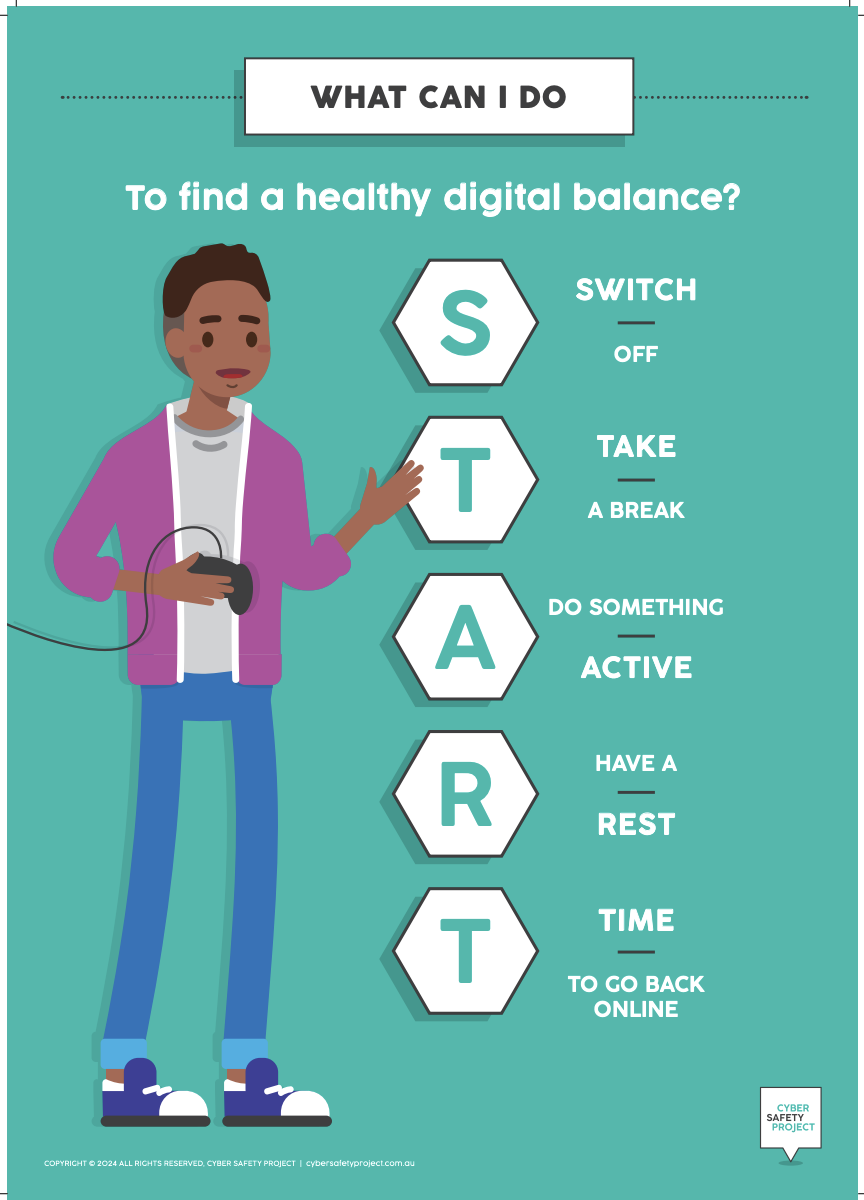
Students will be introduced to the S.T.A.R.T. strategy, which supports healthy and balanced digital habits. They will explore simple ways to make positive choices about when, why and how they use digital devices.
What can you do at home?
•SWPBS: Talk about a time when something went wrong with a friend or family member and ask, “What could we do to make things right?” Encourage your child to think about taking responsibility, saying sorry and helping to repair the relationship.
•Respectful Relationships: Talk about what makes your child unique and ask, “What are some things you love doing that make you, you?” Discuss how everyone can enjoy different activities and interests, regardless of whether they are a boy or a girl.
•Cyber Safety: When using a device together, ask, “Is this a good time to use technology? What are we using it for?” Talk about making healthy choices that balance screen time with other important activities such as playing, moving, talking and resting.