
Building Mathematical Fluency: Four Minutes a Day
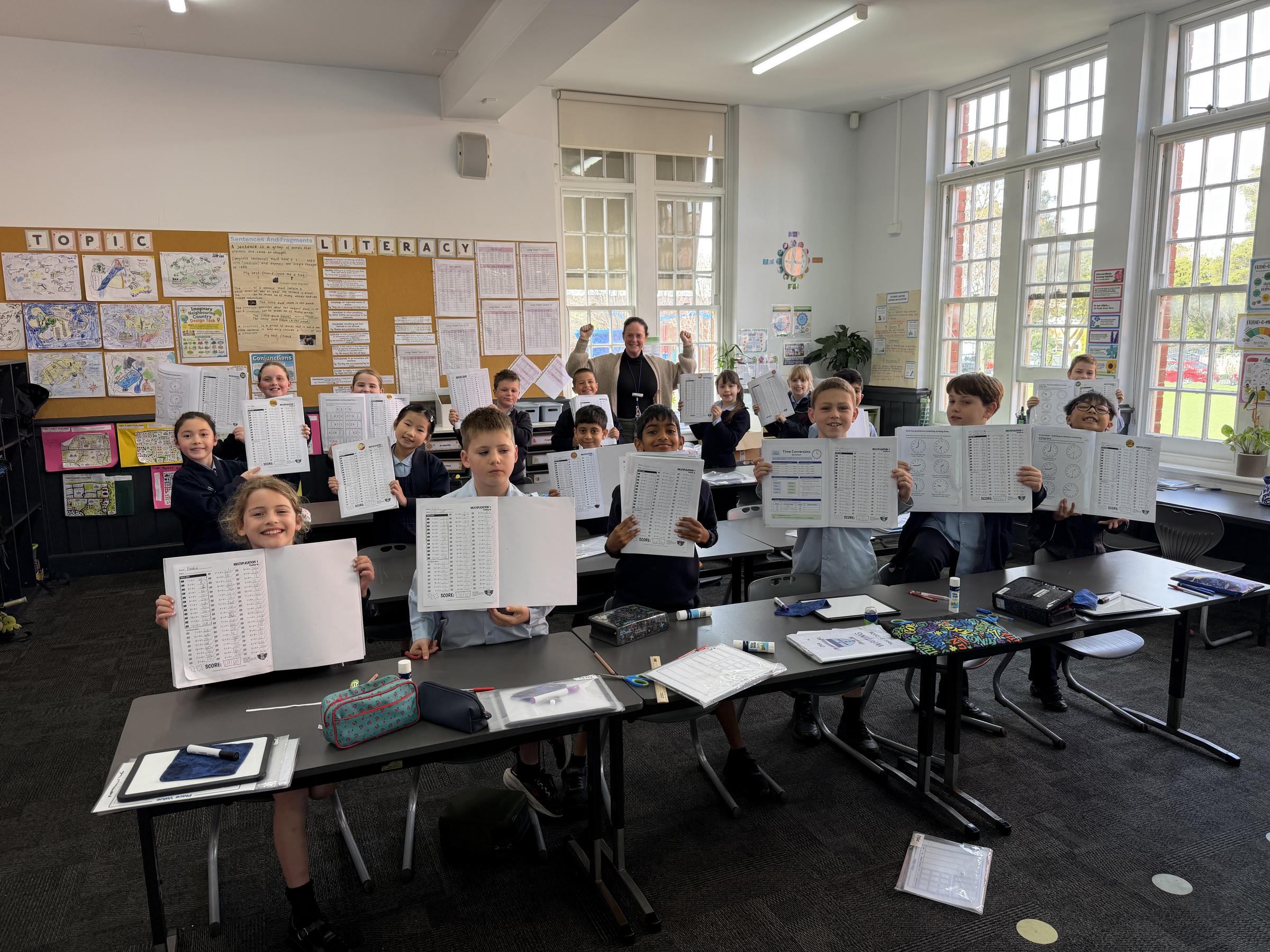
Across our middle and senior years, we have been placing a strong focus on developing students’ mathematical fluency. As part of this work, teachers prioritise four minutes each day for students to practise and strengthen their recall of important number facts.
While four minutes may not sound like a lot, when the practice is explicit, systematic and consistent the impact can be significant.
Our goal is for students to develop increasingly automatic recall of key number facts, including addition, subtraction, multiplication and division facts. Fluency is about building accurate, efficient recall so that students can access important mathematical knowledge without needing to work through each calculation from the beginning, reducing the impact on their working memory.
This becomes particularly important as the problems students encounter becomes more complex. Our working memory has a limited capacity. If a student needs to devote a large amount of their thinking to calculating a basic number fact, such as 6 × 3, there is less capacity available to think about the other demands of the problem.
When these facts can be recalled automatically, students can instead direct their attention to understanding what a question is asking, identifying relevant information, selecting an appropriate strategy and reasoning through the problem.
We are already seeing some wonderful results from this consistent approach. A special mention must go to the students and teachers in 3BD. I recently had the honour of being called over to their classroom, where the students were bursting with excitement to show me the progress they had made with their 3 times tables.
Over a three-week period, students had engaged in explicit teaching and carefully sequenced, consistent practice designed to strengthen their recall. At the beginning of this work, some students were able to answer approximately 6 multiplication facts in four minutes. Just three weeks later, those same students were completing 60 facts in four minutes.
That improvement is significant, but what stood out even more was the pride on the students’ faces. They could see their own progress and were celebrating this gain. They knew that something that had previously required considerable thought was becoming easier and more automatic and they could recognise that their consistent effort was paying off.
We are incredibly proud of the work taking place across Years 3 - 6 and of our teachers for their commitment to providing explicit, systematic and consistent opportunities for students to develop these important foundational skills.
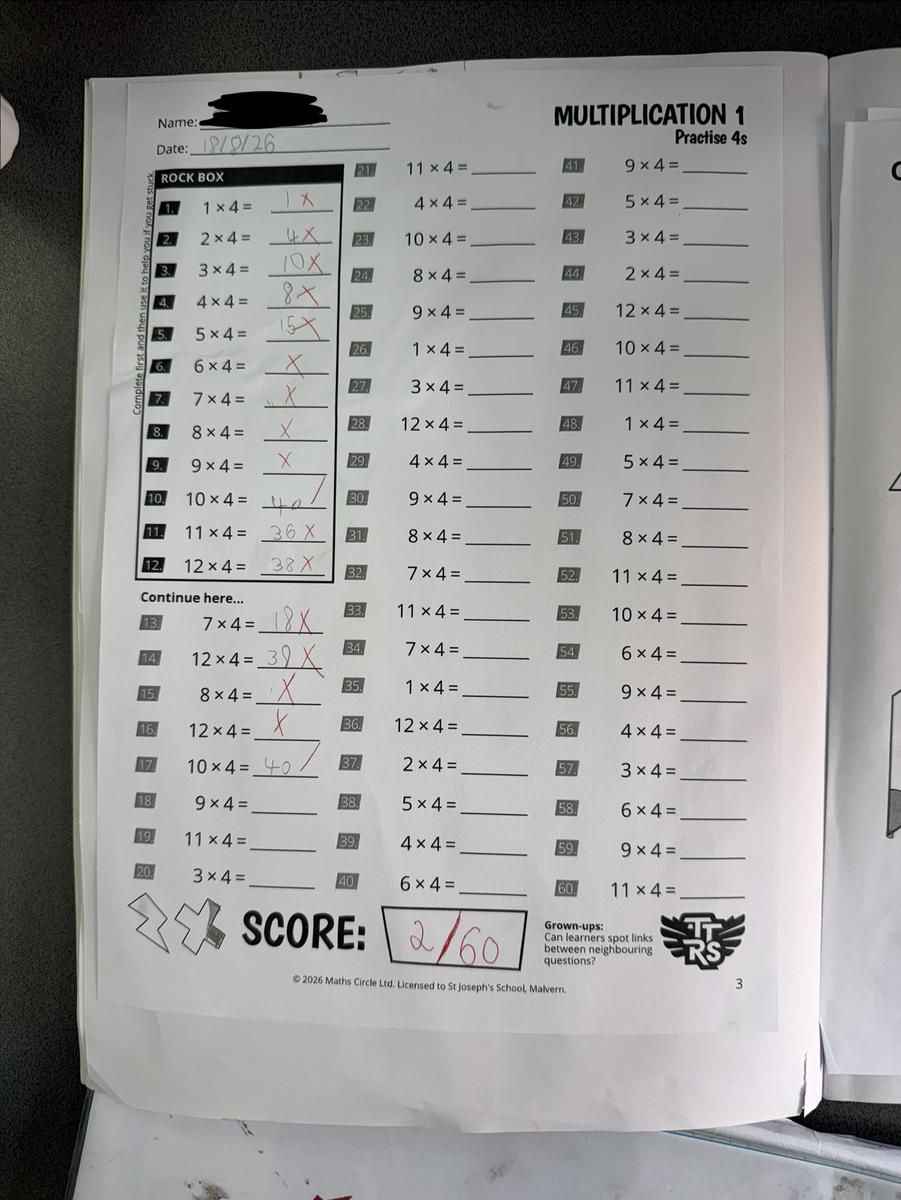
Pre assessment
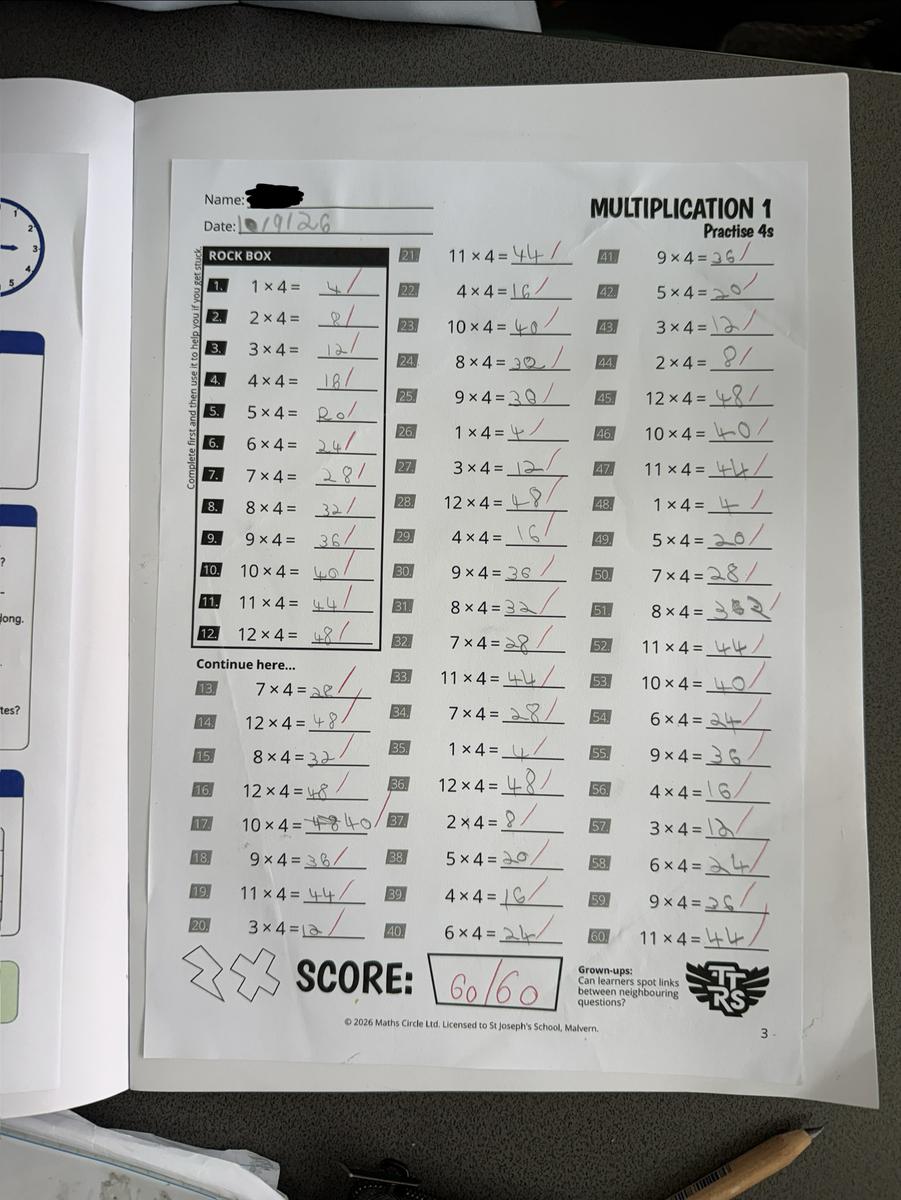
Post assessment
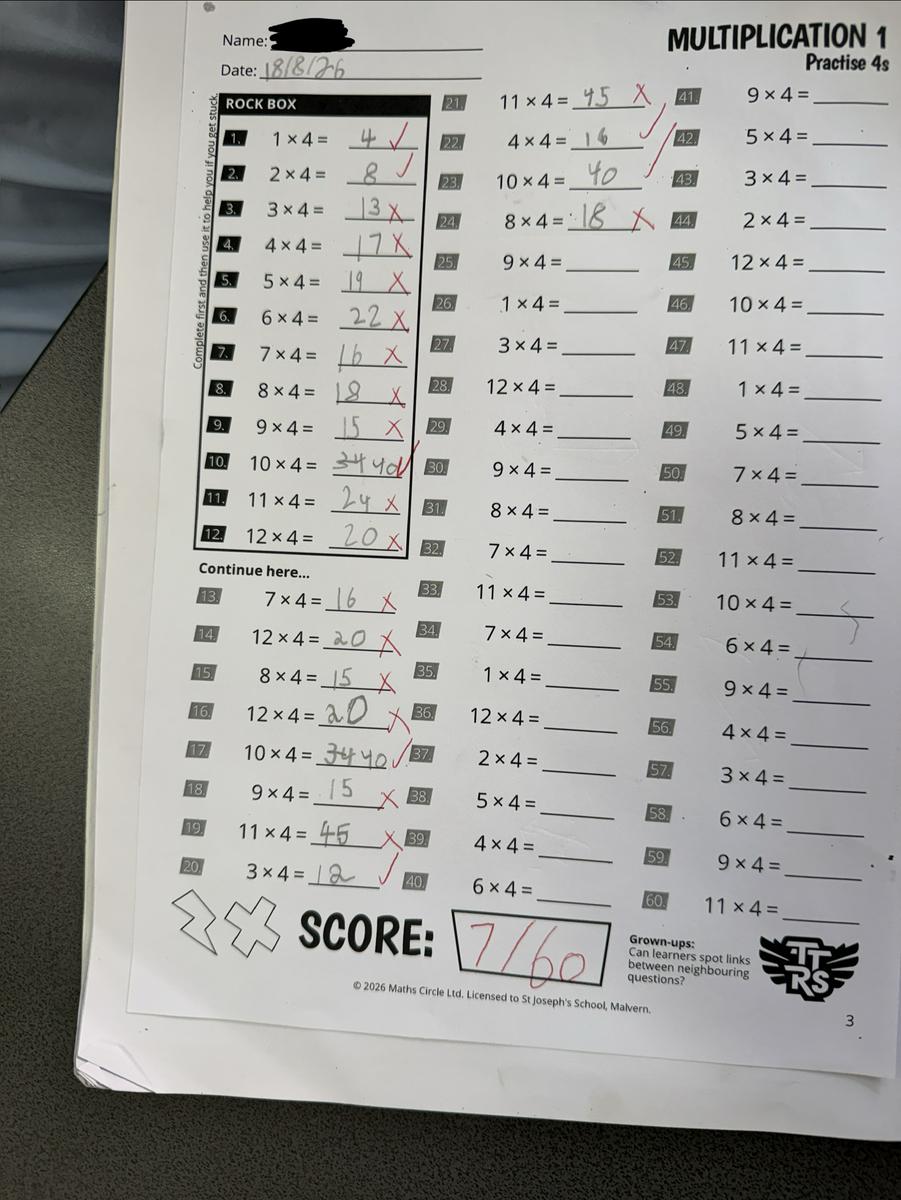
Pre assessment
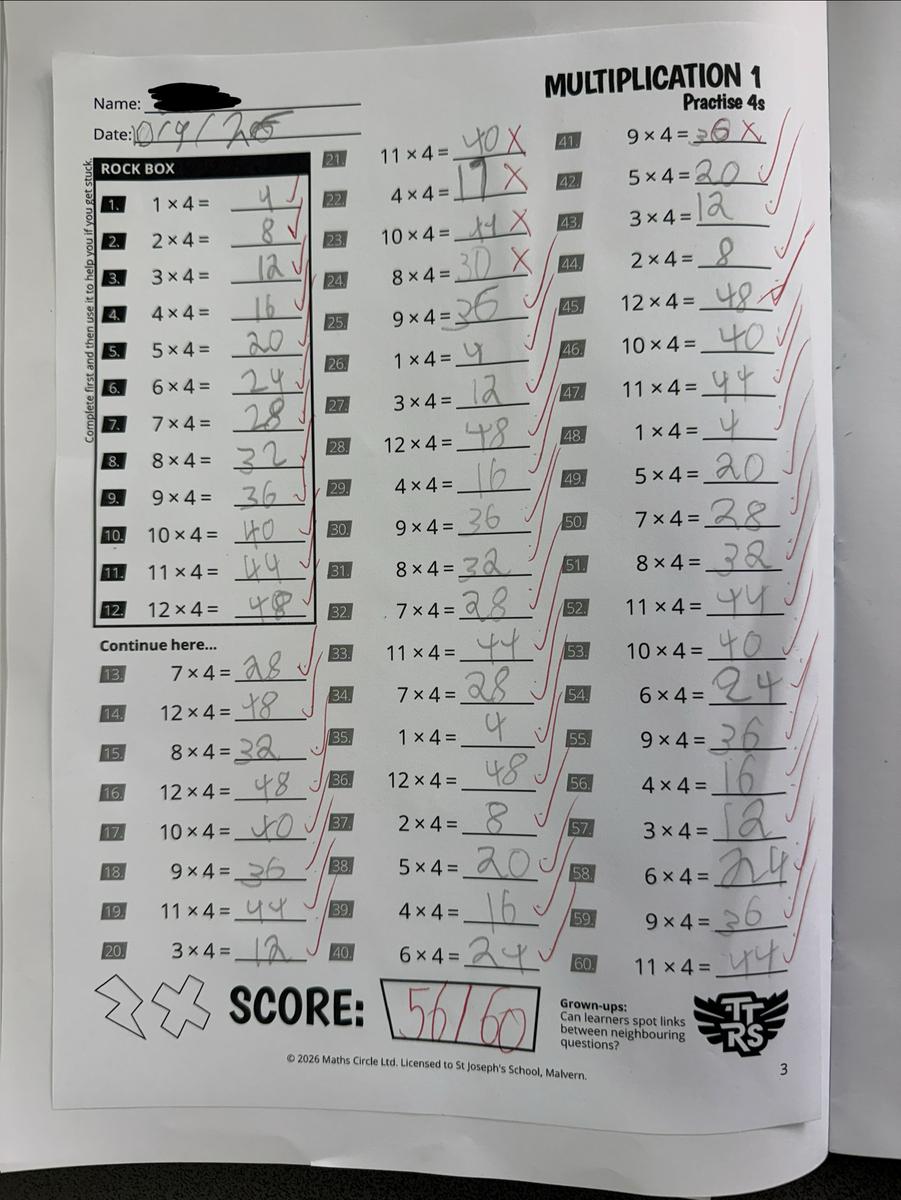
Post assessment
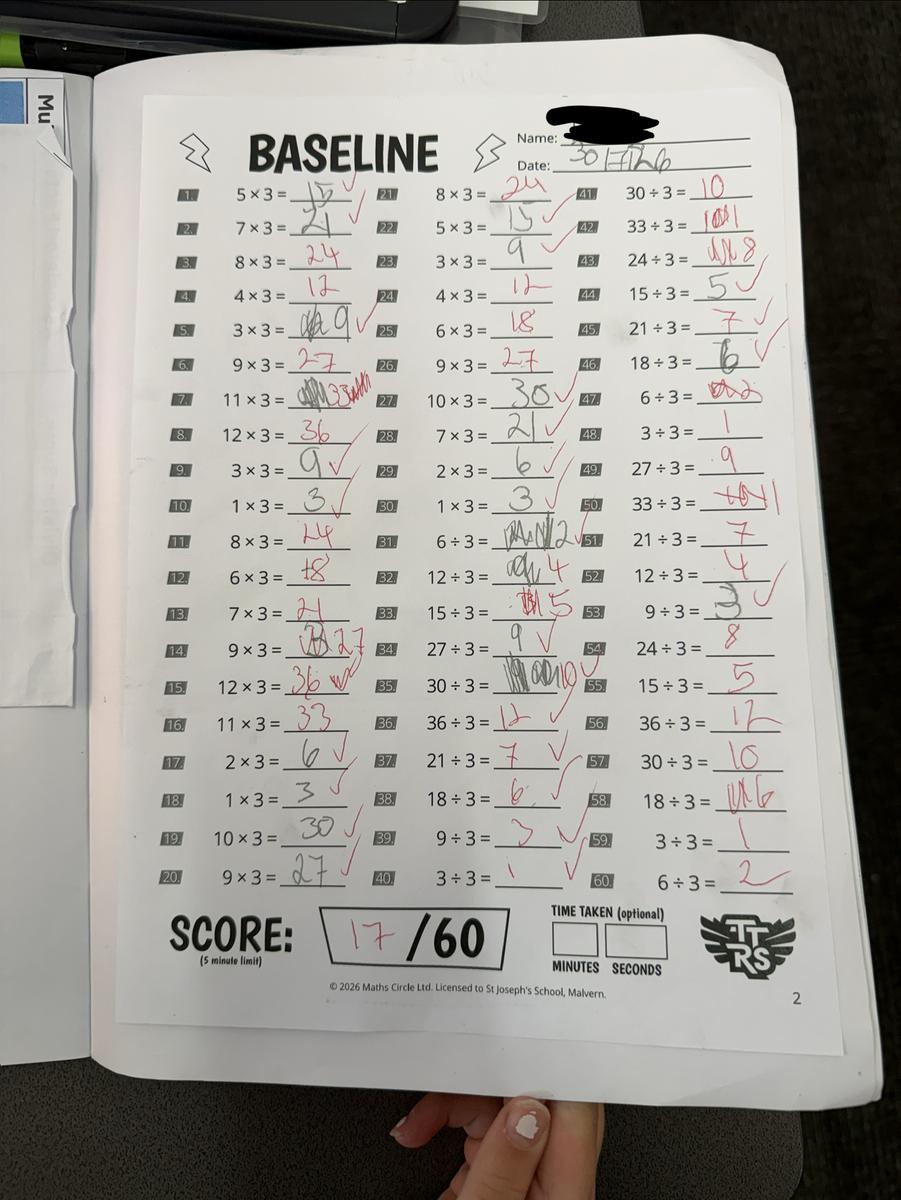
Pre assessment
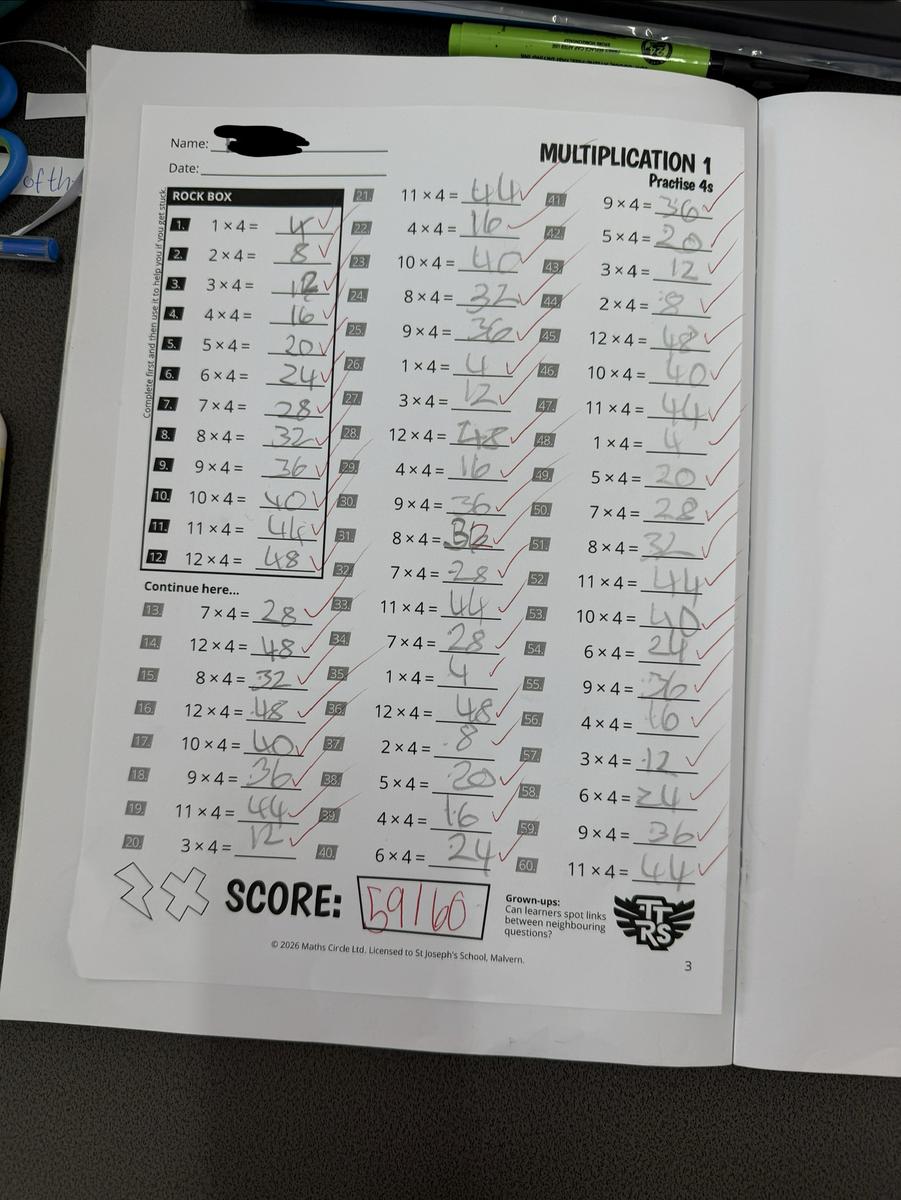
Post assessment
Pre assessment
Post assessment
Pre assessment
Post assessment
Pre assessment
Post assessment
How can families support at home?
Families can support this work by building short and regular opportunities for number fact practice into the week. This does not need to be long periods of additional homework. A few minutes of focused practice can make a real difference.
Ask your child which number facts they are currently working on at school and spend a few minutes practising these together. This might be through quick-fire questions in the car, flashcards, oral games around the dinner table or event just skip counting.
The focus should be on accuracy first, followed by increasing efficiency and automaticity as facts become more secure. Most importantly stick to one fact at a time and always celebrate progress.
Dean Butler
Mathematics Leader