
Learning and Teaching
Understanding Assessment and Student Growth
Dear Parents,
At St Joseph’s, assessment is an important part of our learning and teaching journey. It helps us understand what students know, what they can do and what they are ready to learn next.
How does assessment support learning?
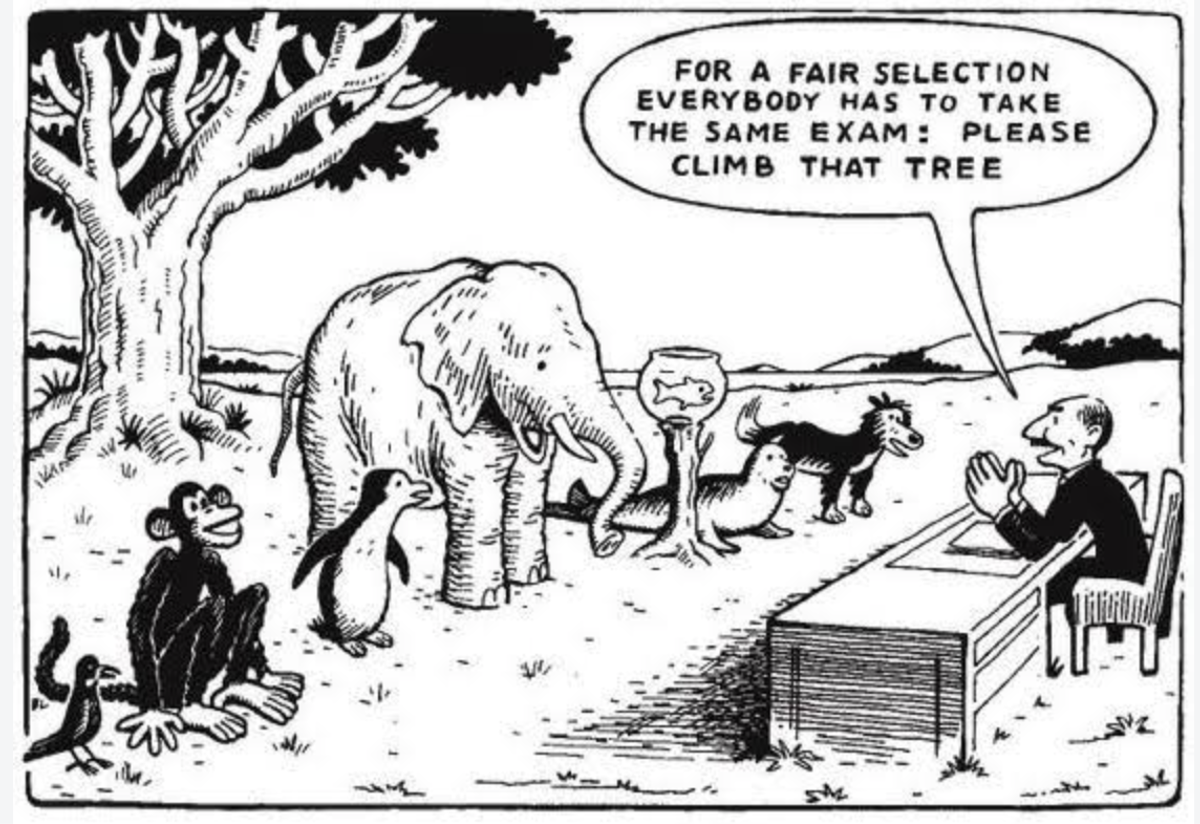
Assessment plays an important role in helping every student flourish. It allows us to celebrate individual strengths, identify areas for further development and provide meaningful feedback that guides improvement. By understanding their progress, students can take greater ownership of their learning, set achievable goals and recognise how far they have come.
Regular assessment also helps teachers identify when students need additional support, further challenge or a different approach to learning. This ensures that our teaching responds to the needs of each learner and provides opportunities for all students to experience success.
How do we collect and use assessment data?
At St Joseph’s, we gather information about student learning in a variety of ways, building a comprehensive picture of each student’s progress and development. These include:
- Assessment results: Diagnostic, formative and summative assessments help us understand students’ knowledge, skills and achievement across the curriculum.
- Student work samples: Collecting and reviewing work over time allows us to identify growth in areas such as writing, reading, mathematical reasoning and problem-solving.
- Teacher observations and anecdotal notes: Daily observations provide valuable insights into students’ engagement, participation, understanding and application of new skills.
- Student conversations and conferences: Talking with students about their learning helps teachers understand their thinking, identify misconceptions and support them to reflect on their progress.
Student wellbeing data: We also gather information about students’ wellbeing, sense of belonging, engagement and social and emotional development. This helps us better understand the factors that may influence learning and identify opportunities to strengthen the support we provide.
Turning data into action
Collecting assessment information is only the beginning. The most important step is using what we learn to improve teaching and support student growth.
Our teachers regularly analyse assessment results, work samples, observations and wellbeing information to identify patterns, celebrate progress and recognise areas that may require further attention. This collaborative process helps us understand how individual students and groups are progressing and whether our teaching approaches are achieving the intended outcomes.
This information then informs our planning. Teachers use assessment data to set meaningful learning goals, provide targeted instruction, plan small group learning experiences, offer additional support and extend students who are ready for further challenge. We continually reflect on the effectiveness of our teaching strategies and make adjustments to ensure learning remains responsive to student needs.
Digital assessment platforms also support this process by helping us organise information, monitor progress over time and identify areas for future focus.
Learning and wellbeing go hand in hand
We recognise that students learn best when they feel safe, connected, supported and ready to learn. By considering both academic achievement and student wellbeing, we develop a more complete understanding of each learner. This enables us to respond not only to what students need to learn next, but also to the support they may need to engage positively and confidently in their learning.
Kind regards
Megan Barber
mbarber@sjsorrento.catholic.edu.au