
Teaching and Learning
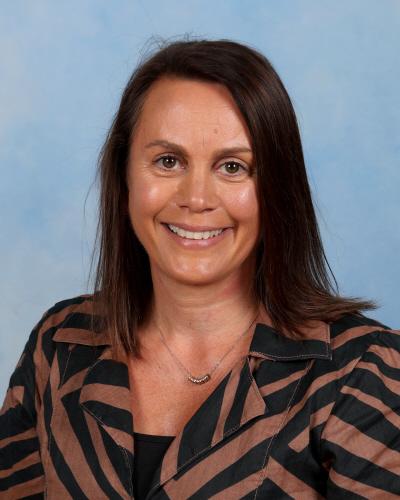
Mrs Peta Phillips - Assistant Principal
Teaching and Learning
Mrs Peta Phillips - Assistant Principal
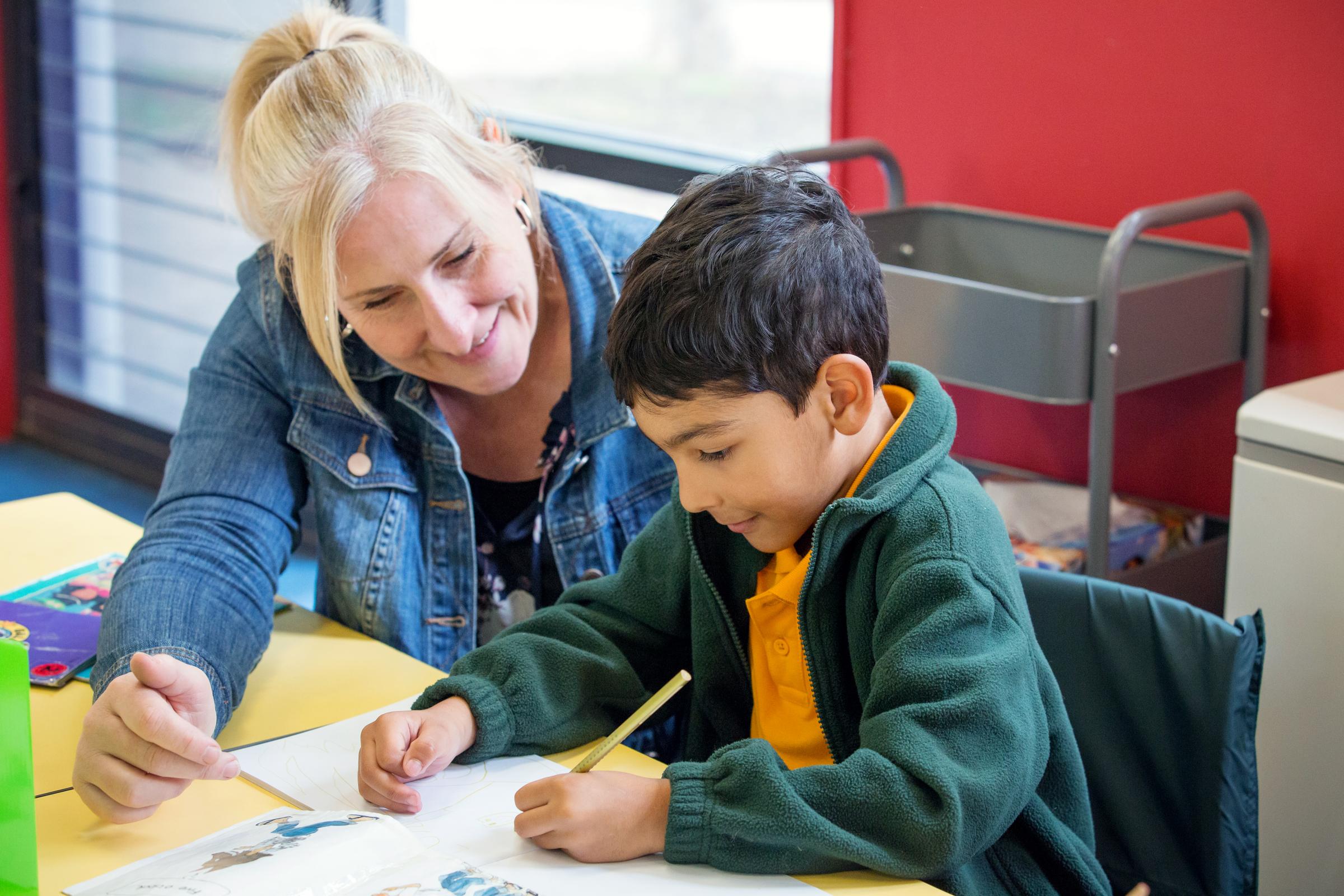
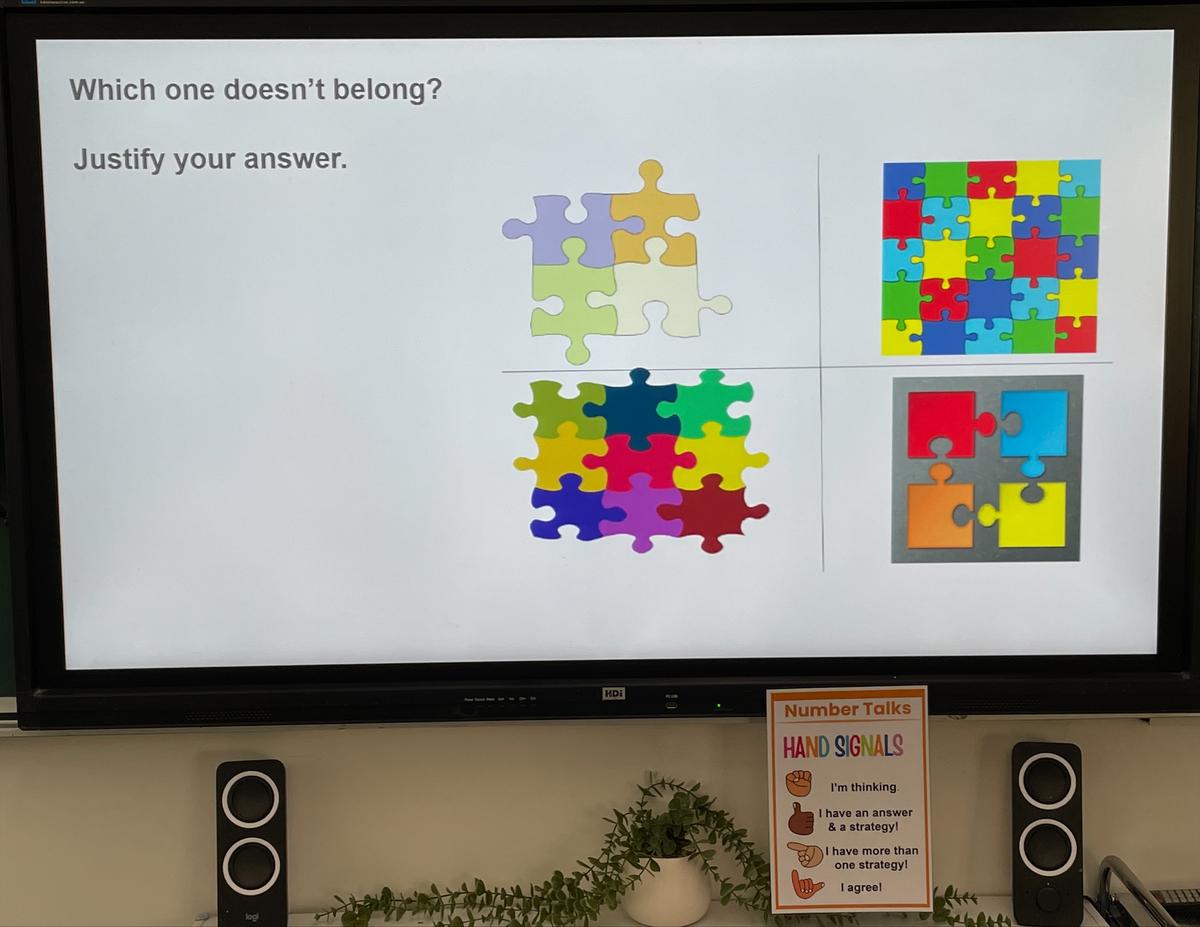
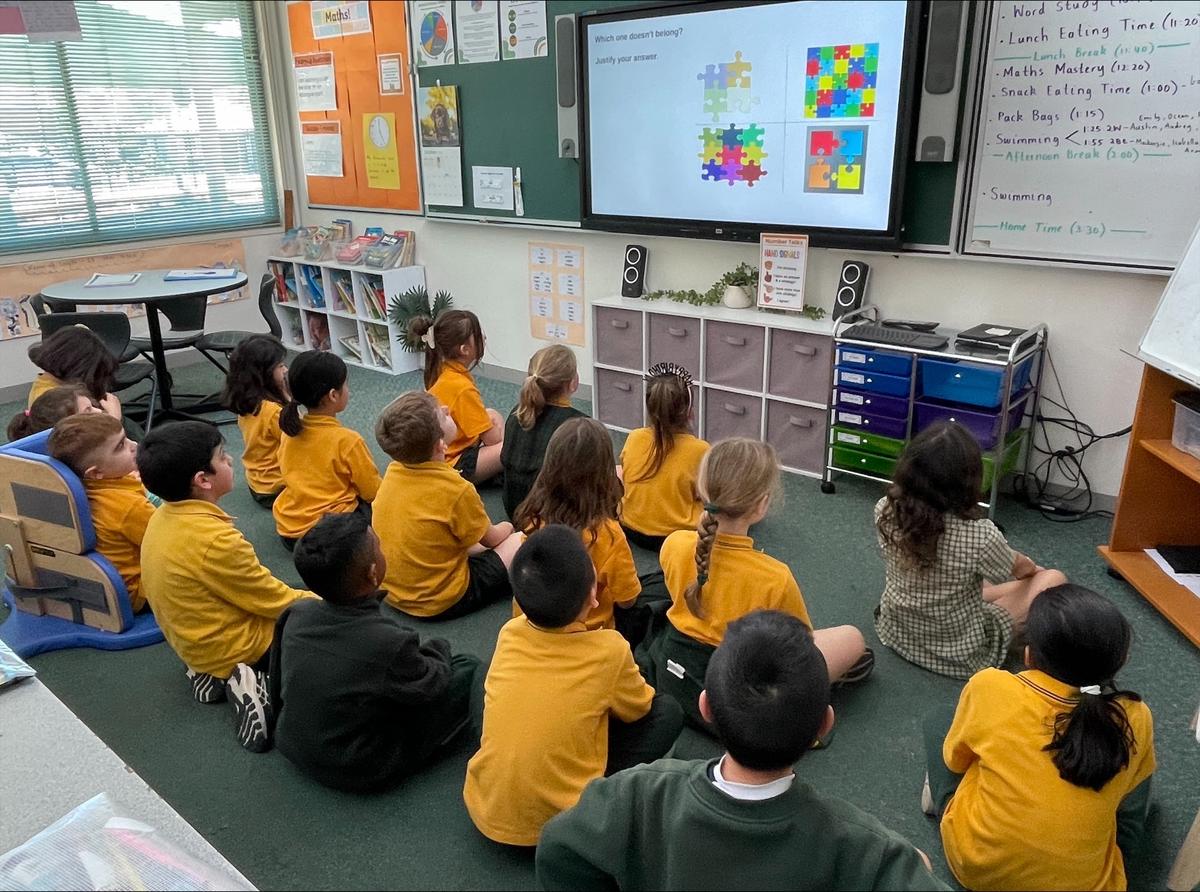
It has been fantastic to see the progression across Junior School Mathematics as students build increasing complexity, confidence and independence as mathematicians. Teachers begin each lesson with a daily review, revisiting previously taught concepts, mathematical vocabulary and key skills. These short, focused reviews provide students with opportunities to retrieve prior learning, make connections and strengthen their understanding before applying their knowledge to new learning.
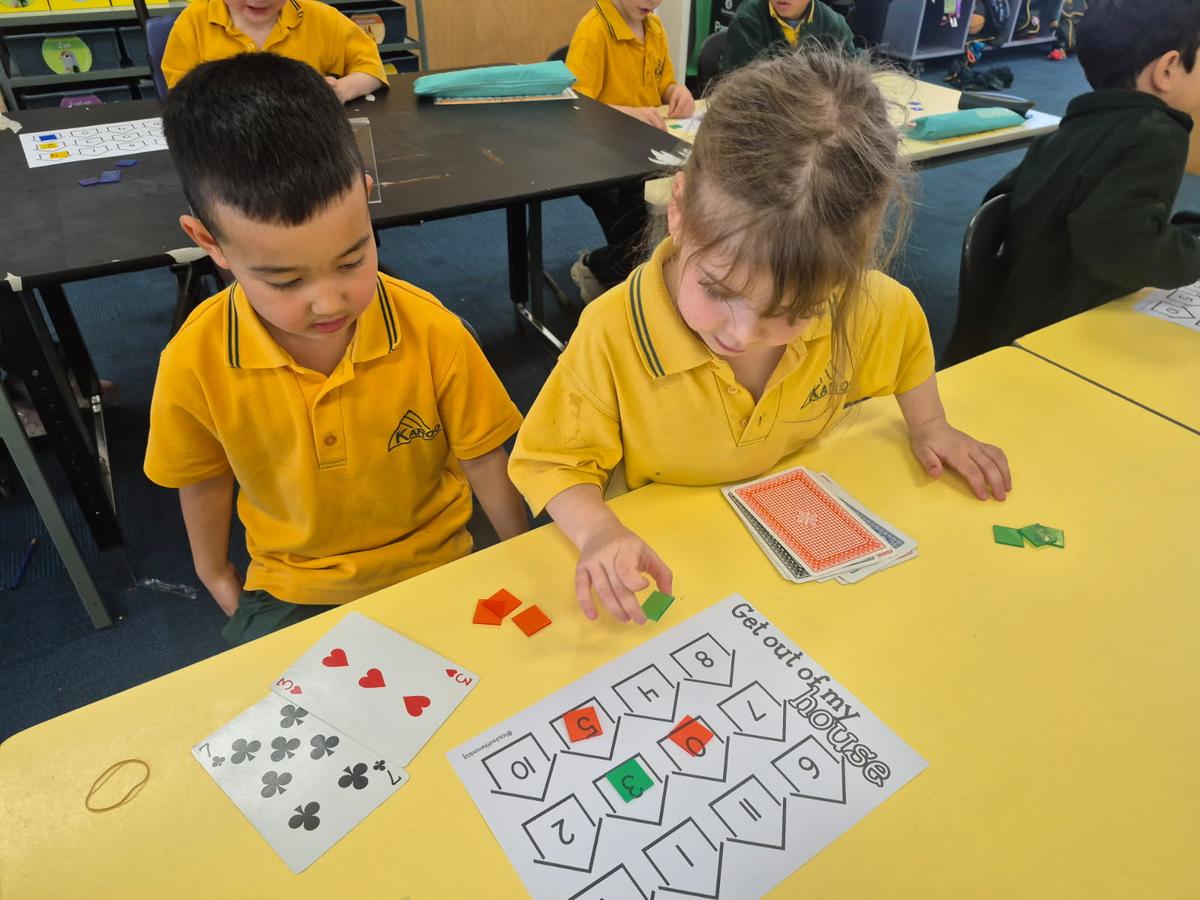
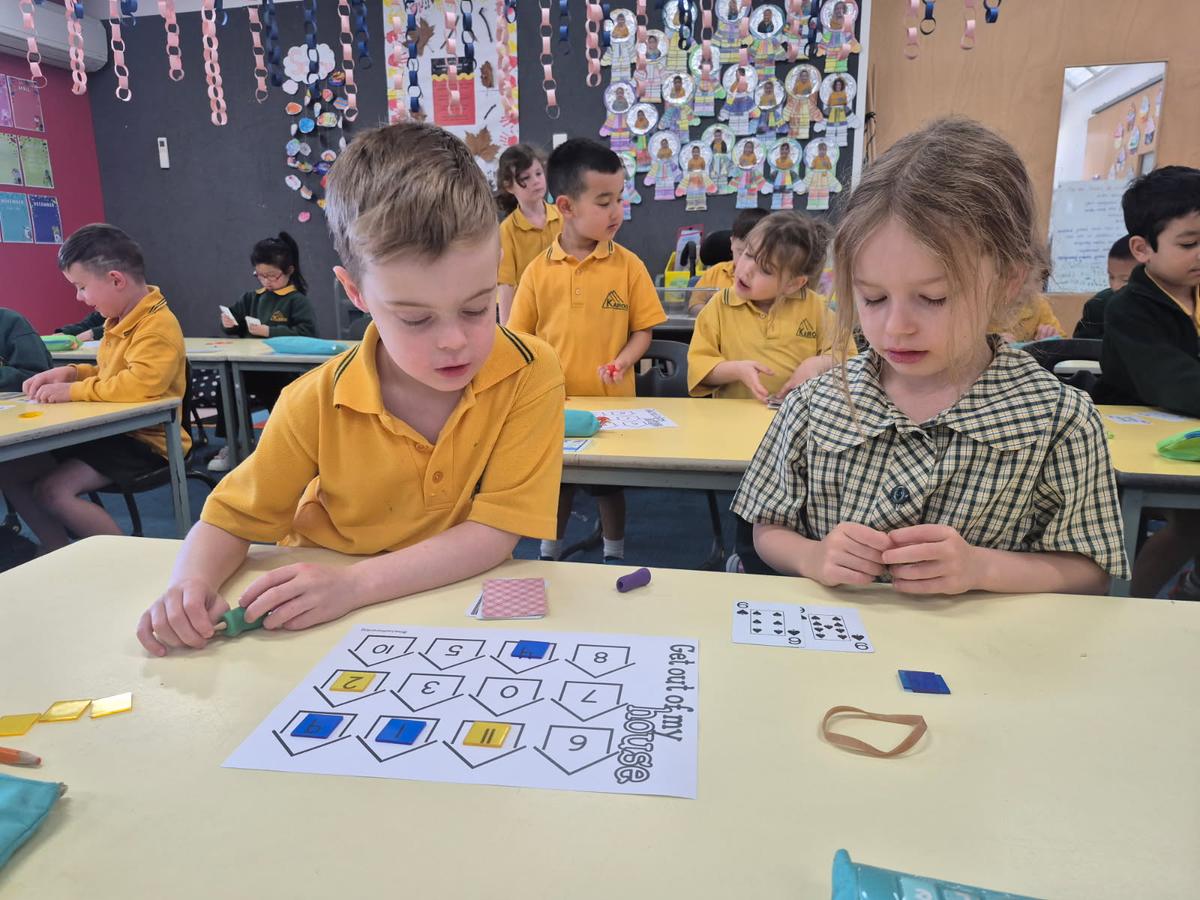
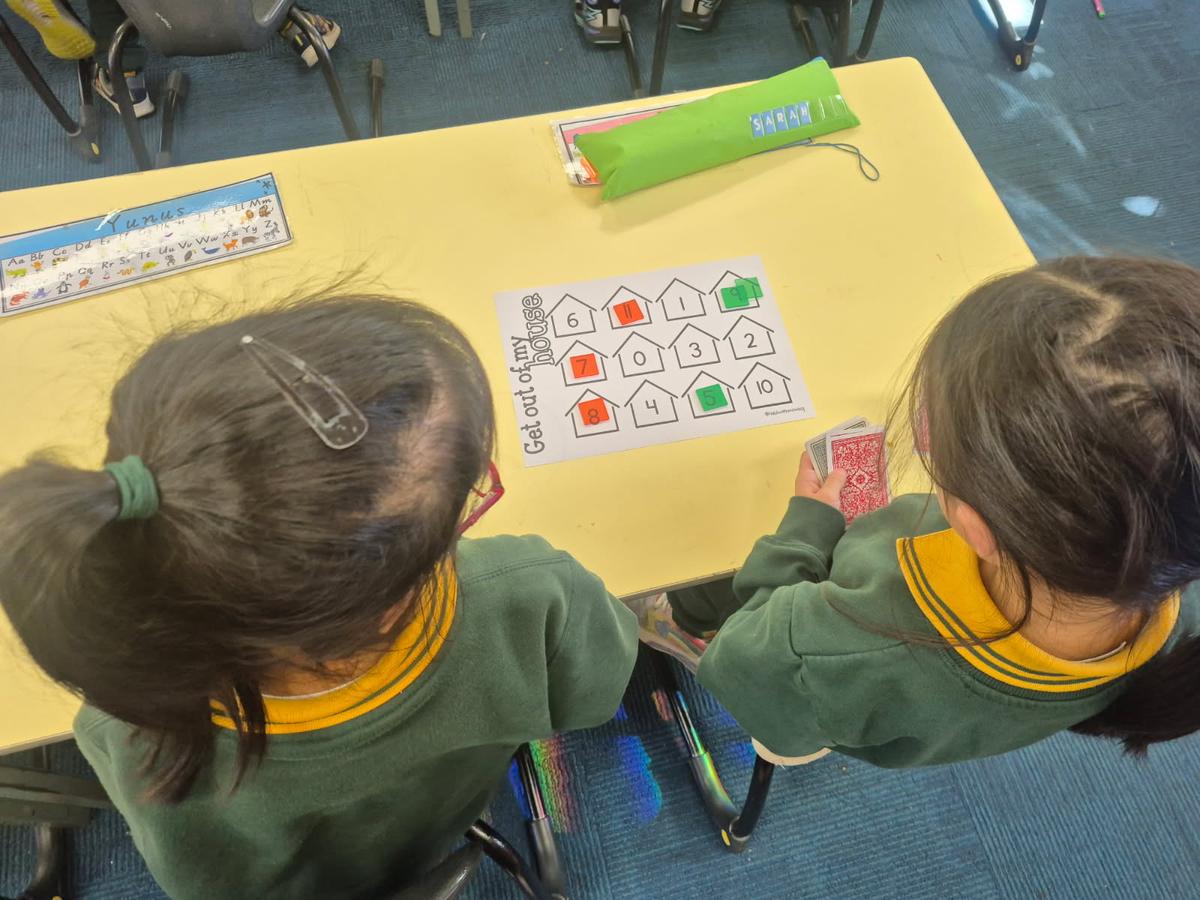
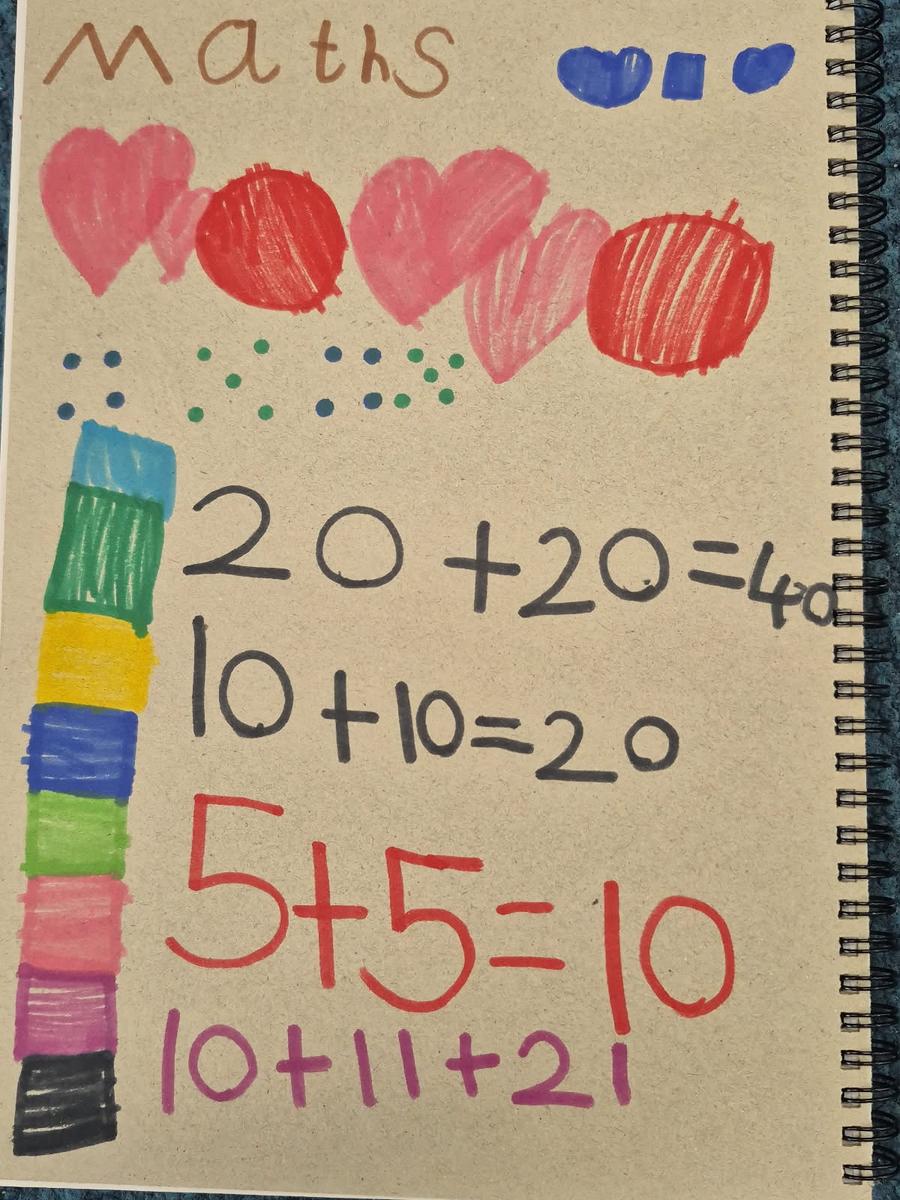
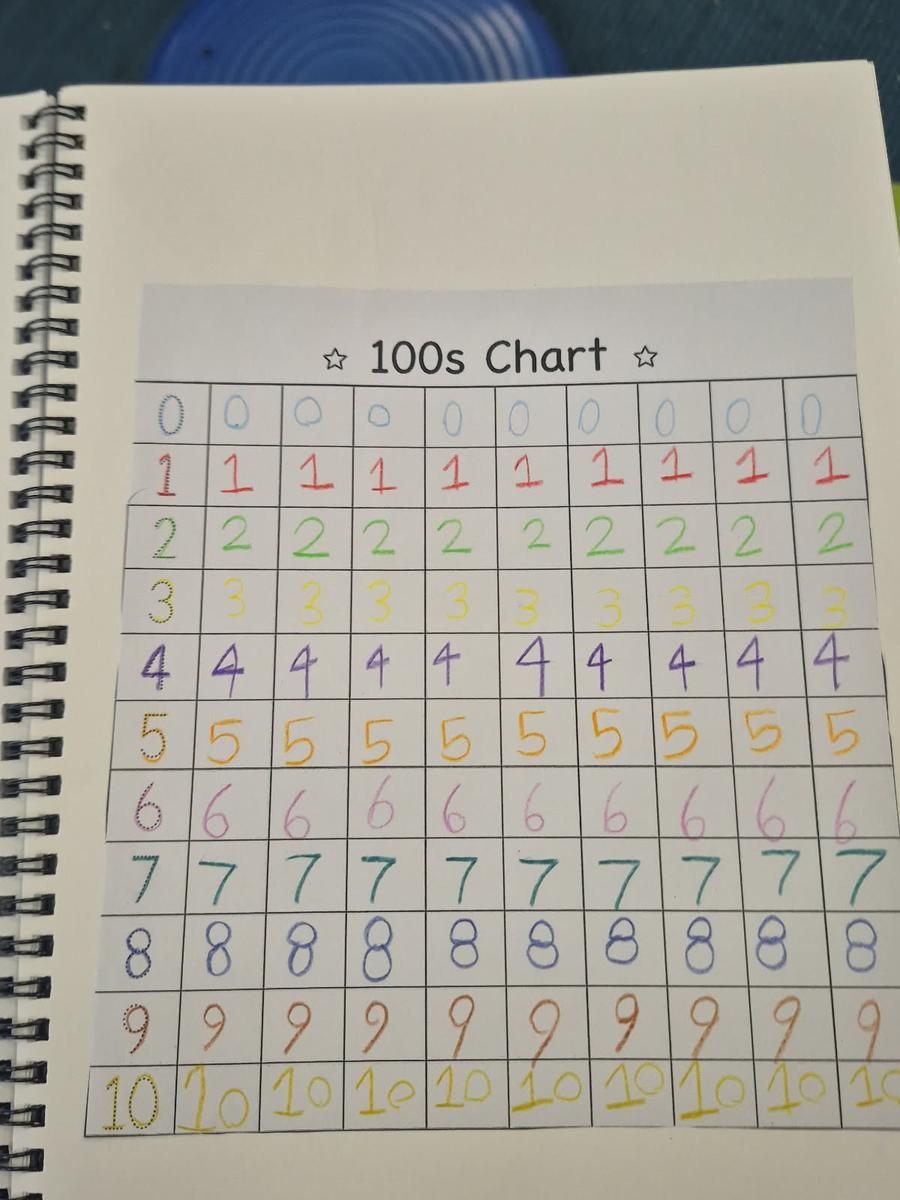
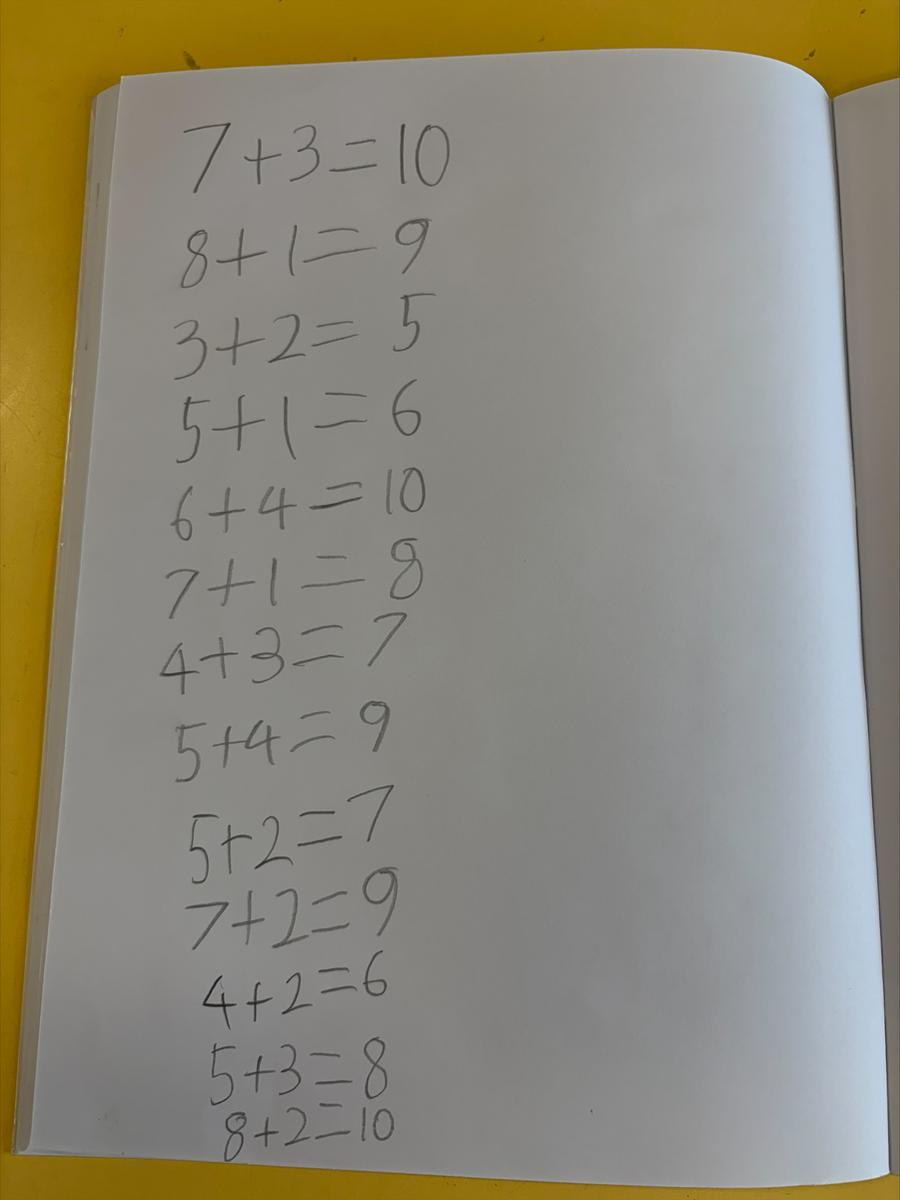
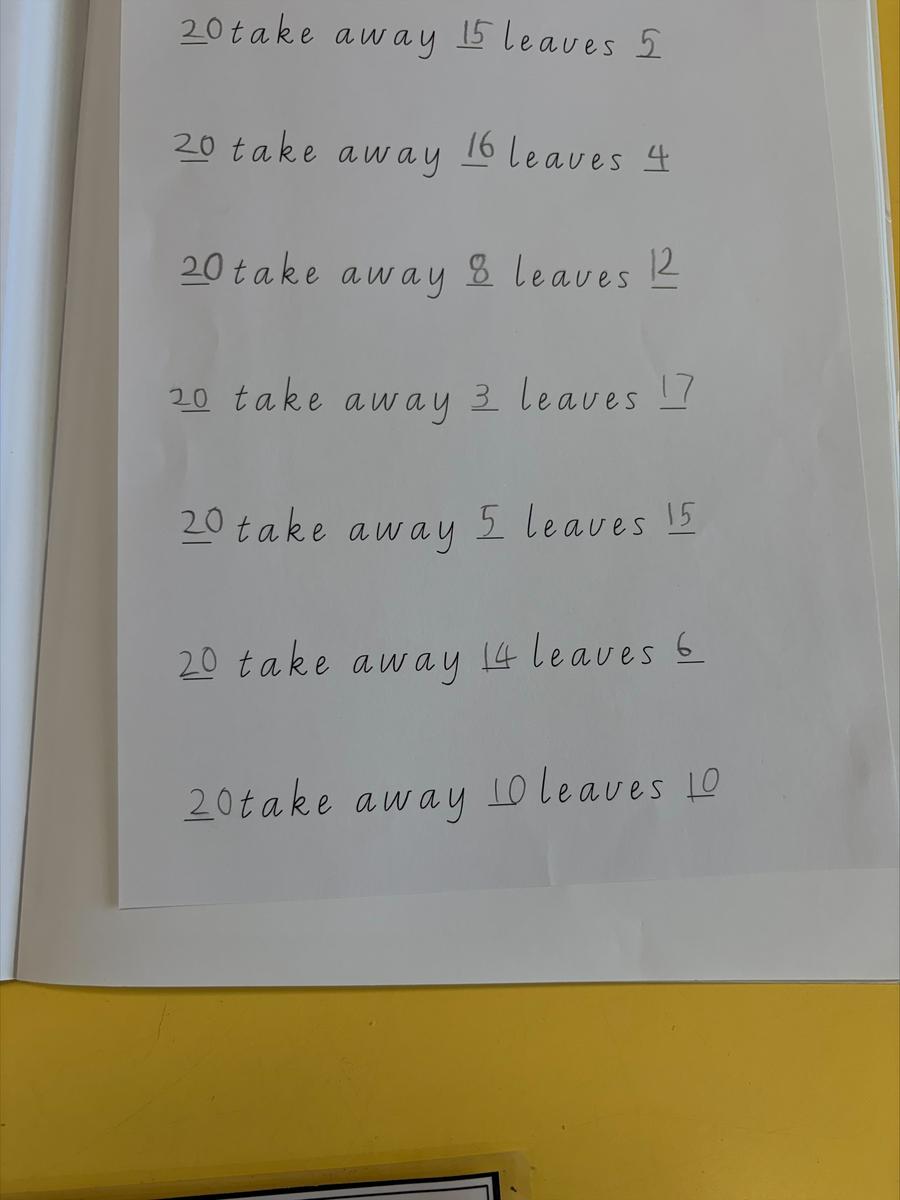
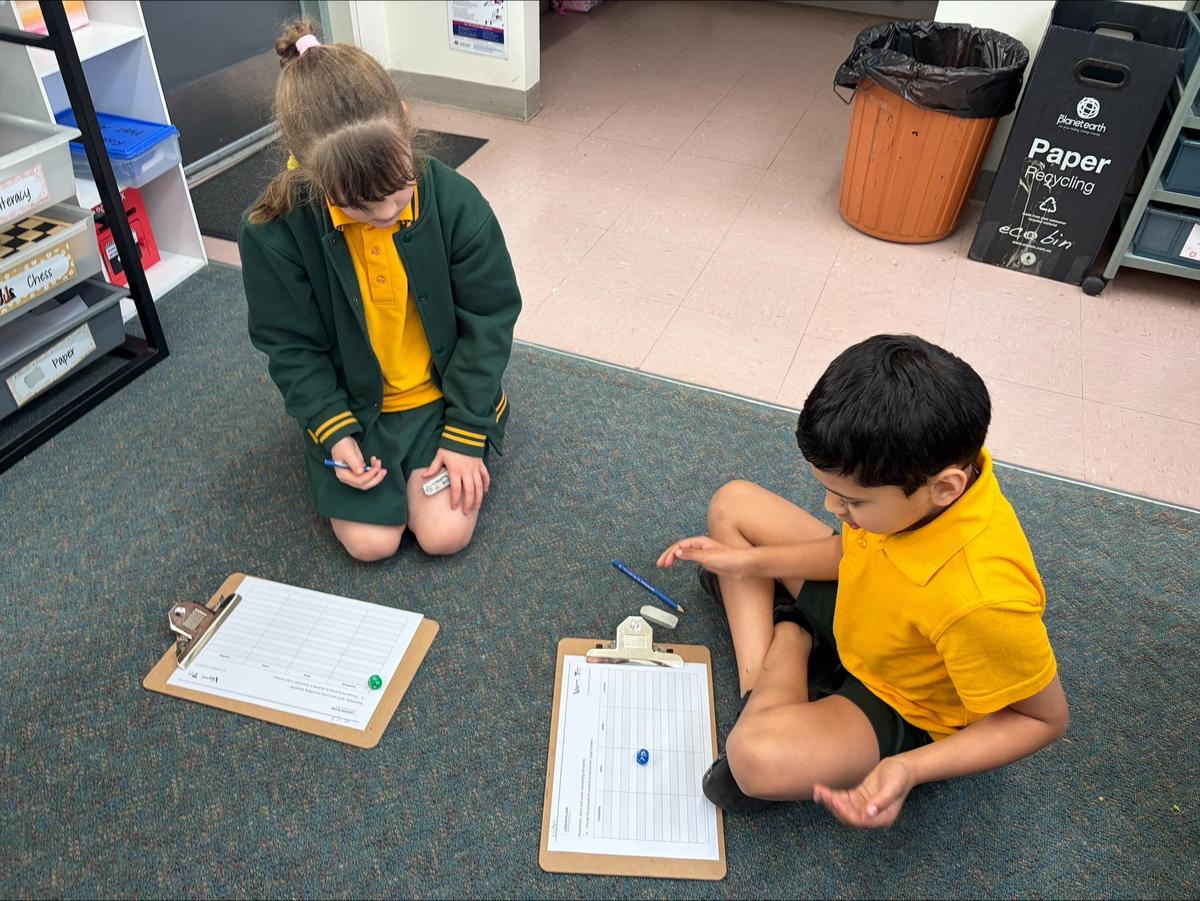
Foundation students are developing their understanding of addition and subtraction through practical, hands-on experiences using counters, tens frames, number lines, 100 charts, dice, cards and everyday objects. Teachers begin each lesson with a daily review to revisit counting, number facts and mathematical vocabulary, helping students build fluency and make connections to new learning. For example, in an addition game such as 'Get Out of My House', the teacher models how to use the cards and counters before students work with a partner to practice adding quantities. Students explain their thinking using mathematical language and then record their findings in their workbooks using drawings, numerals and simple number sentences. These experiences build students’ confidence, number sense and ability to represent and explain addition and subtraction.
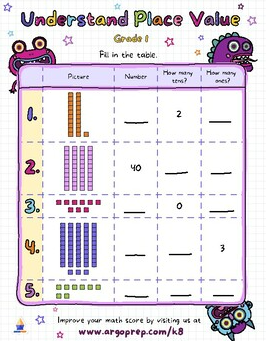
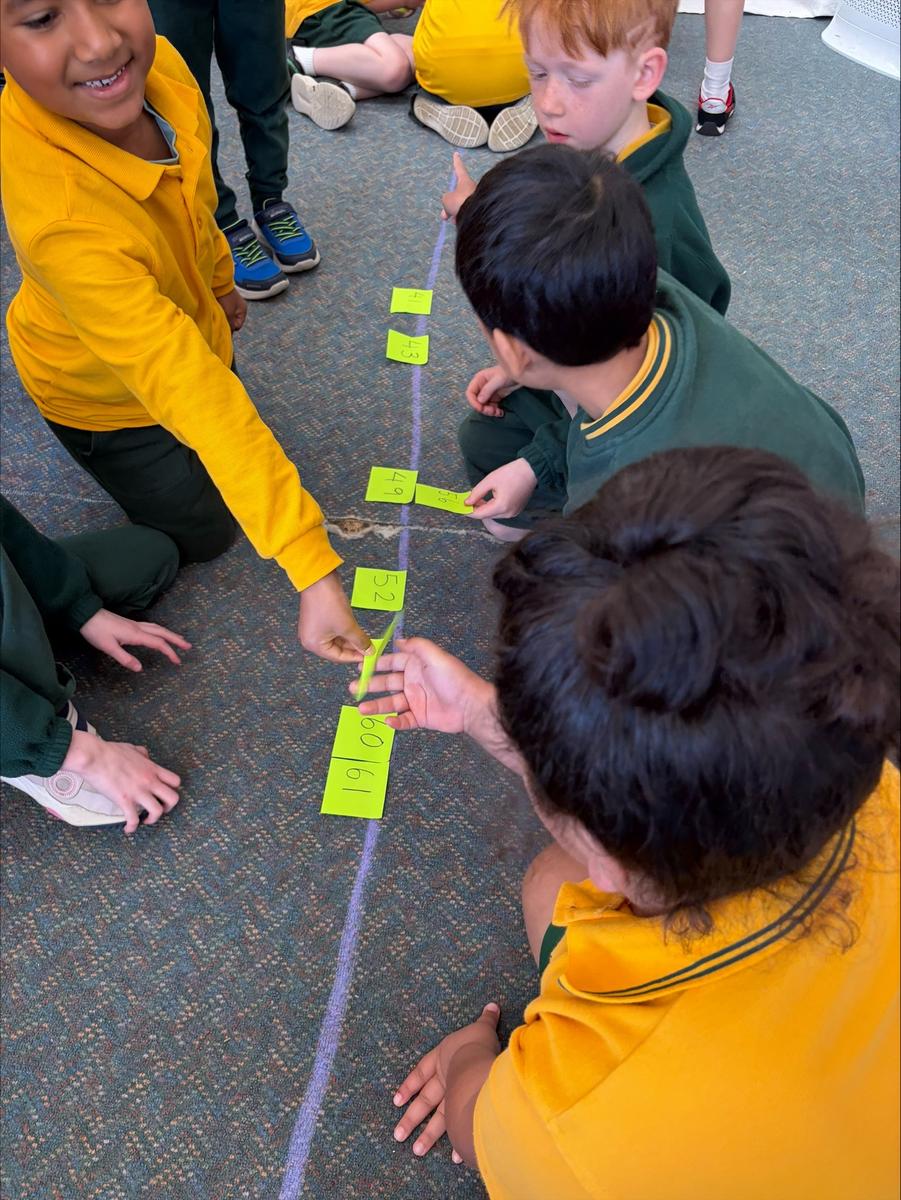
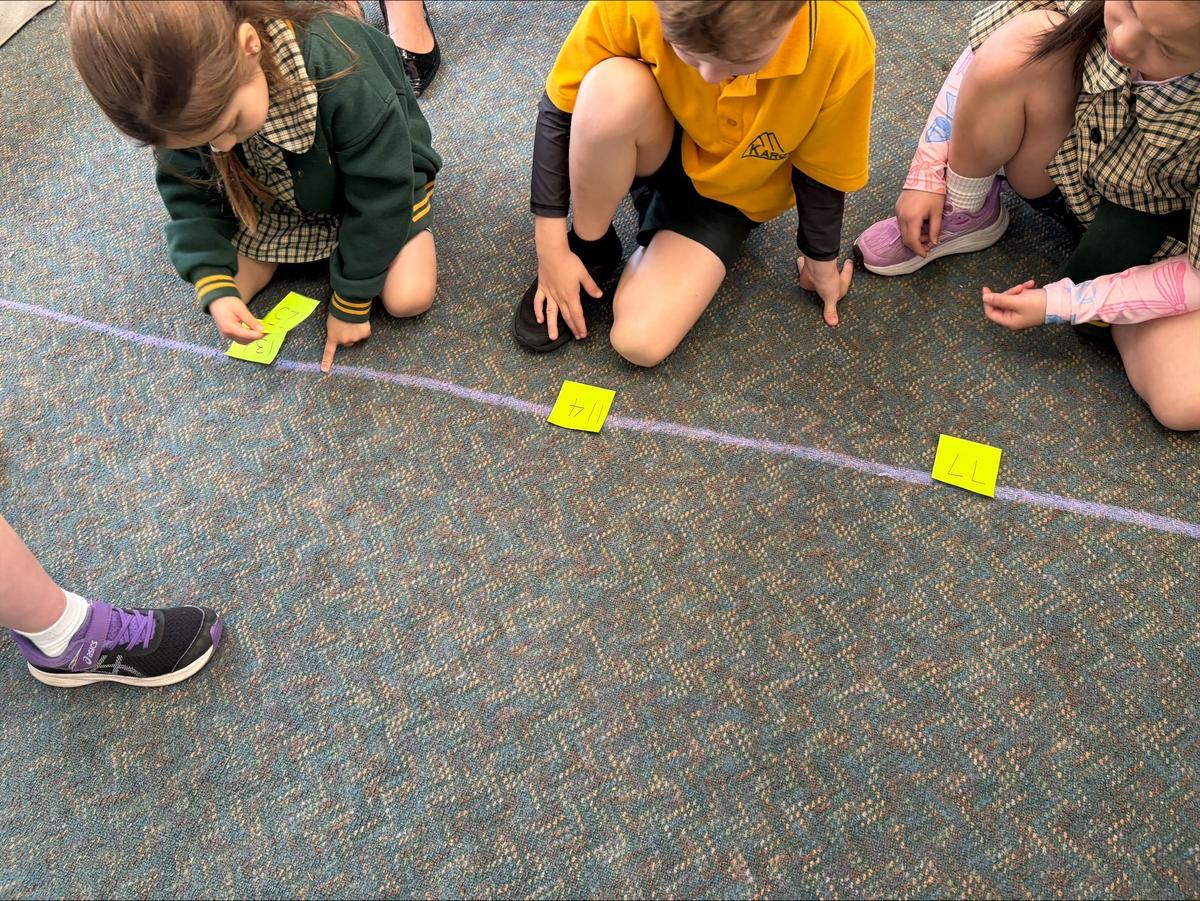
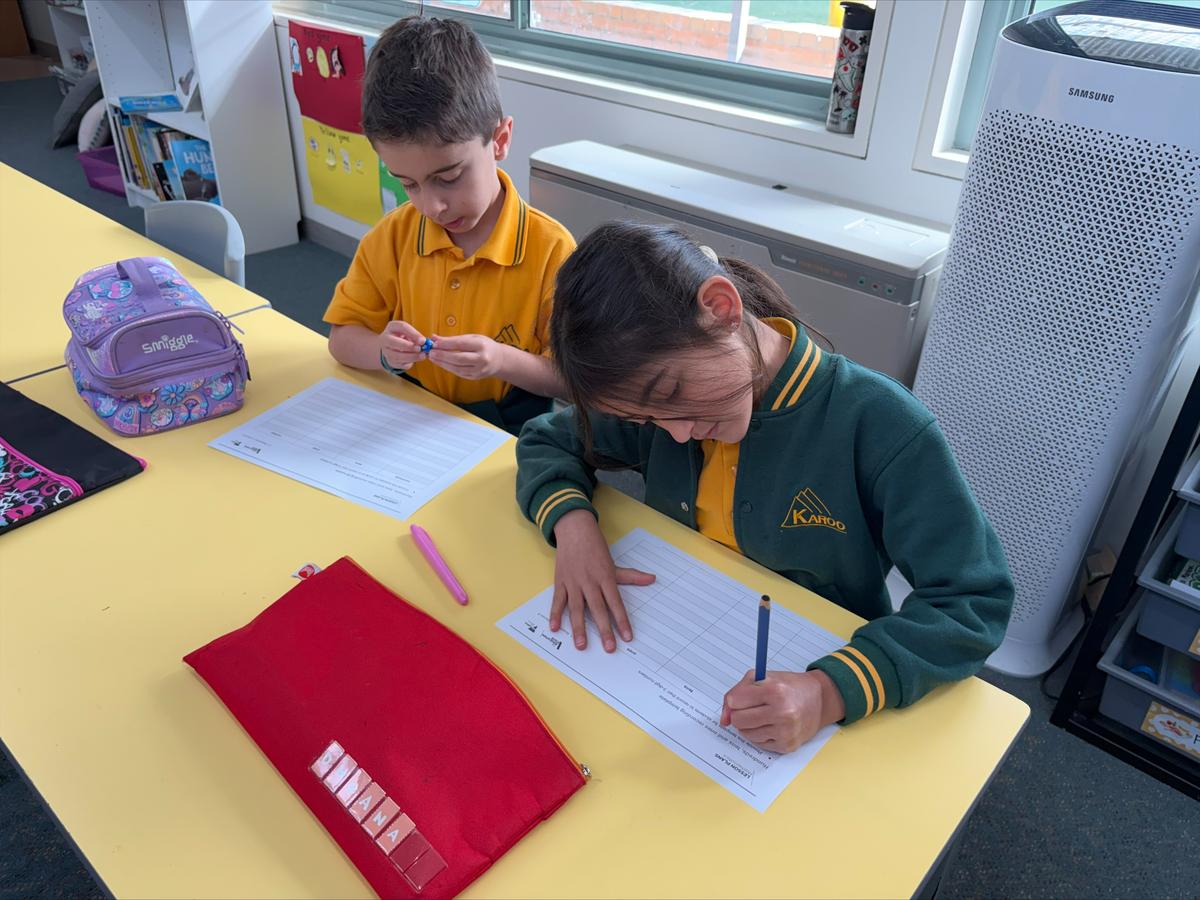
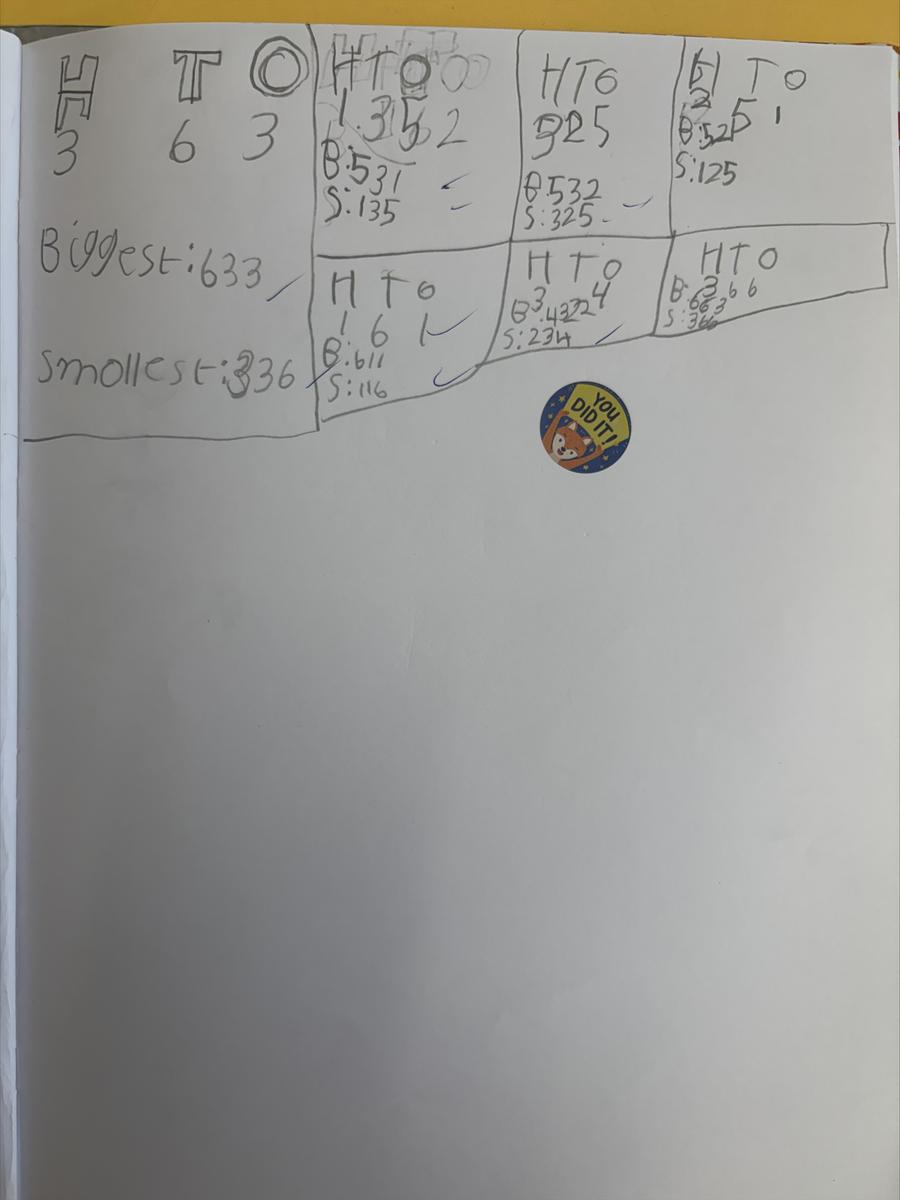
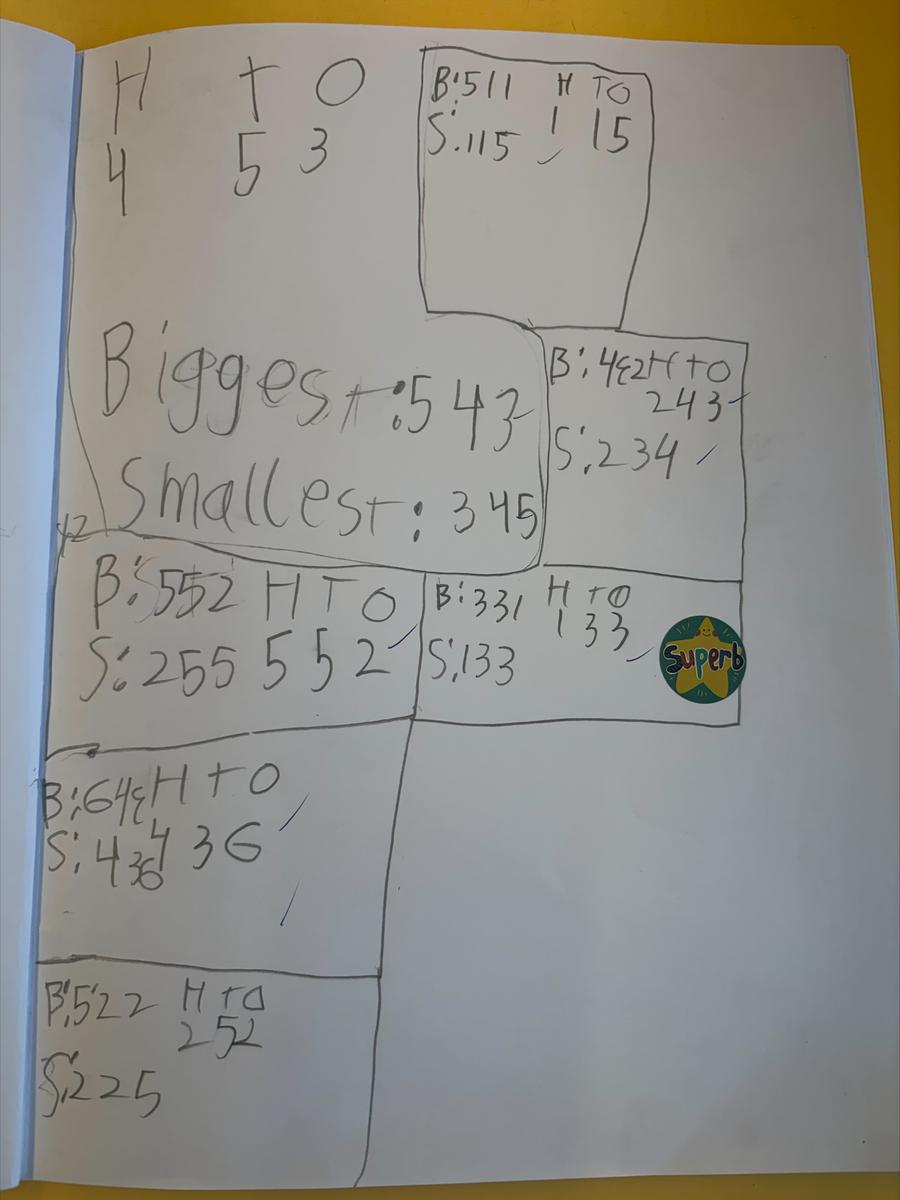
Year 1 students are learning to understand and identify the place value of numbers up to 120. They are developing their ability to identify the value of digits within a number, order numbers from smallest to largest, and partition numbers into hundreds, tens and ones.
Teachers begin each lesson with a daily review of previously taught place-value concepts, using questioning, number representations and mathematical vocabulary to activate prior knowledge. Students are developing their understanding of vocabulary such as smaller, larger, less and more, and are learning to use this language when comparing numbers.
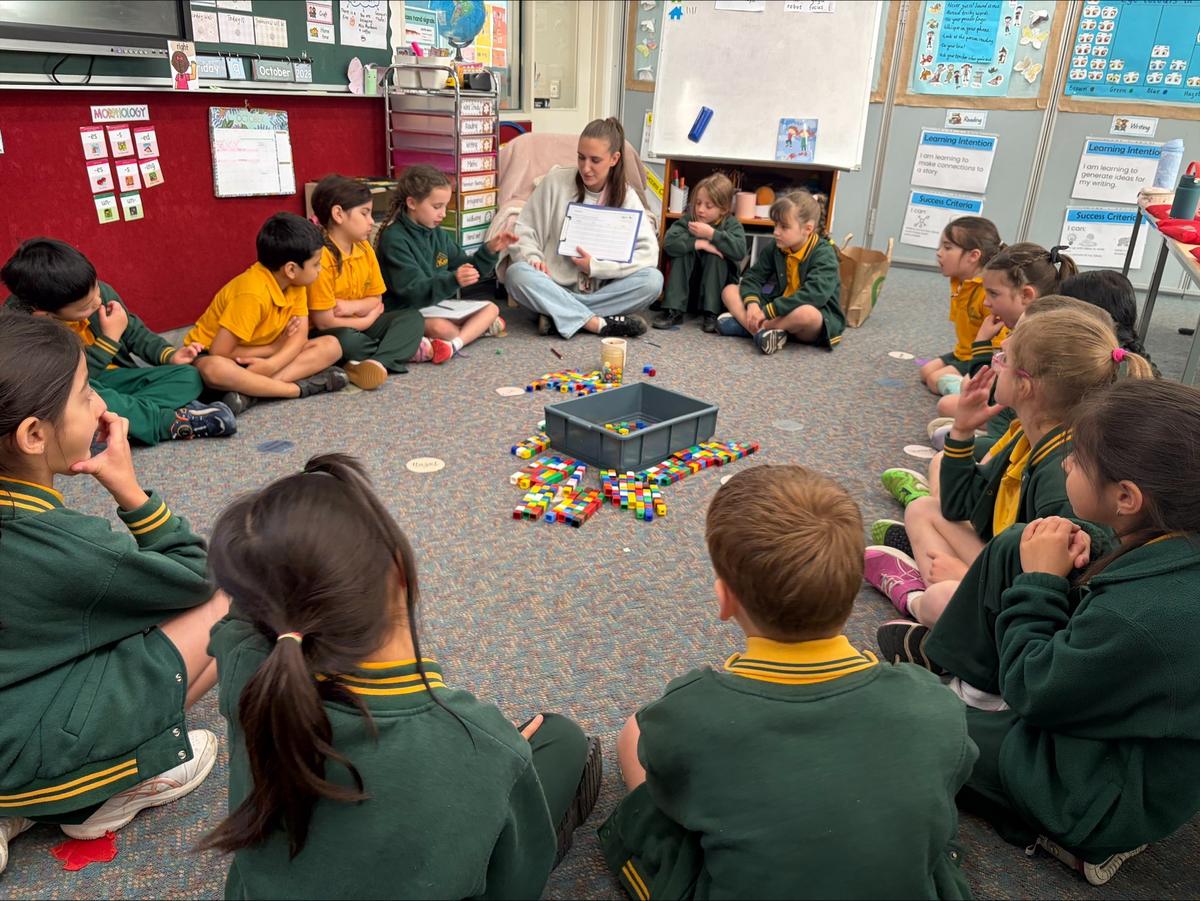
Students use concrete materials such as Unifix blocks, bundled pop sticks and Base 10 blocks, together with number charts, to represent, compare and order numbers. They are learning that the value of a digit depends on its position within a number, and that hundreds are greater than tens, while tens are greater than ones.
For example, students can explain why 121 is greater than 112 because it has more tens, and why 115 is greater than 97 because 115 has one hundred. Through these practical and purposeful experiences, students are developing confidence in representing, comparing, ordering and explaining their thinking about numbers to 120.
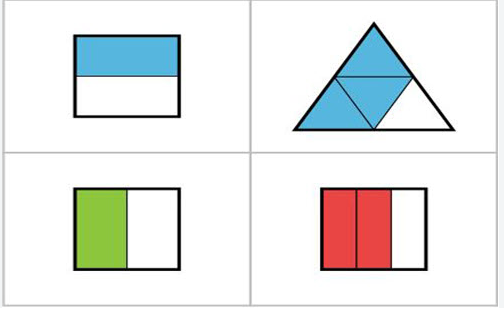
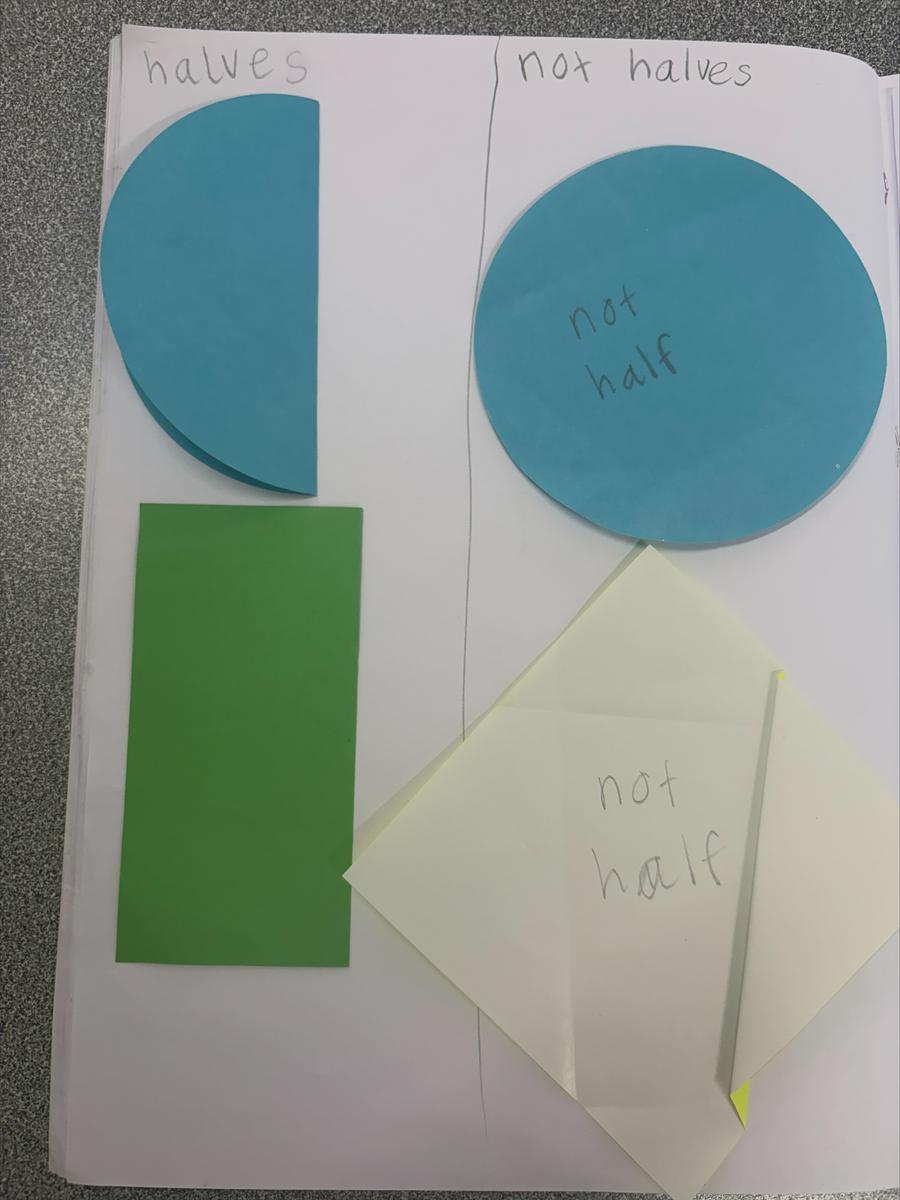
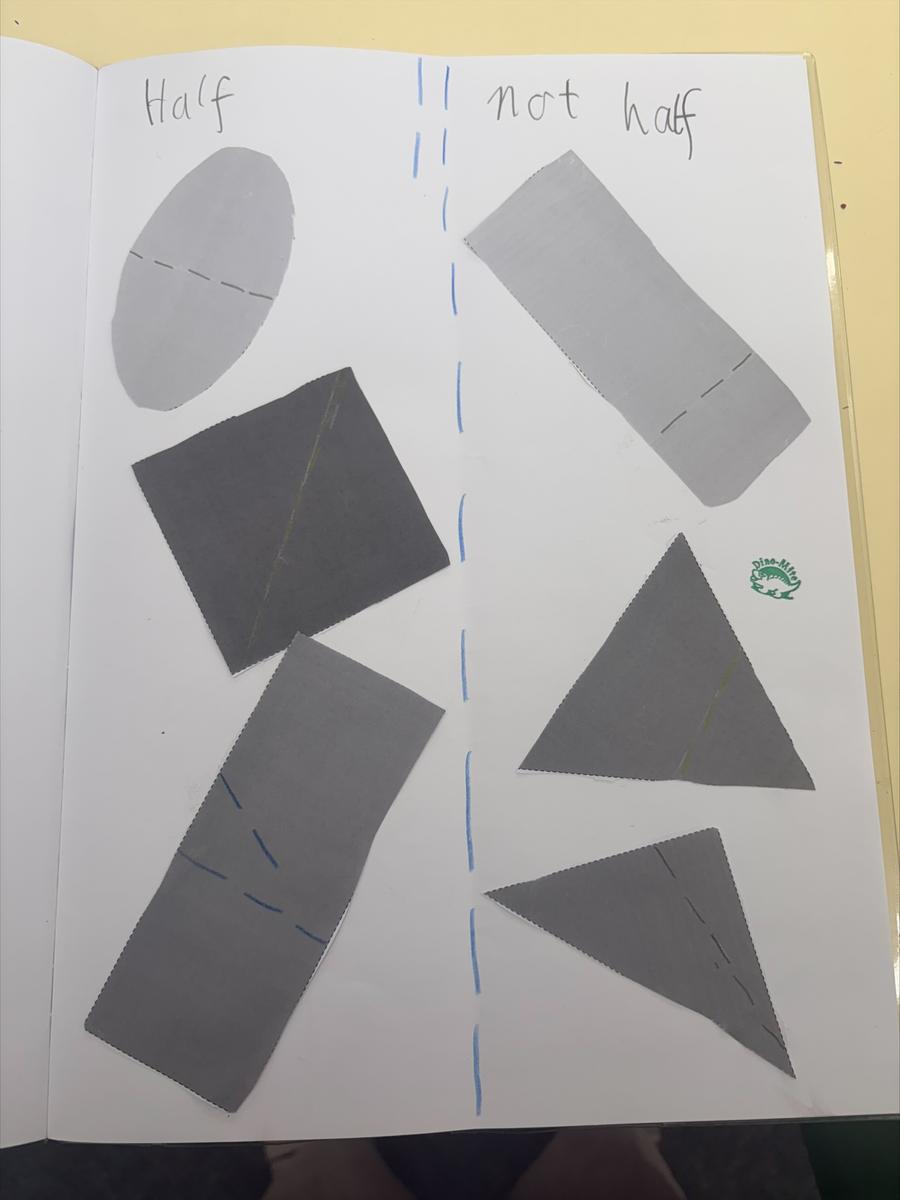
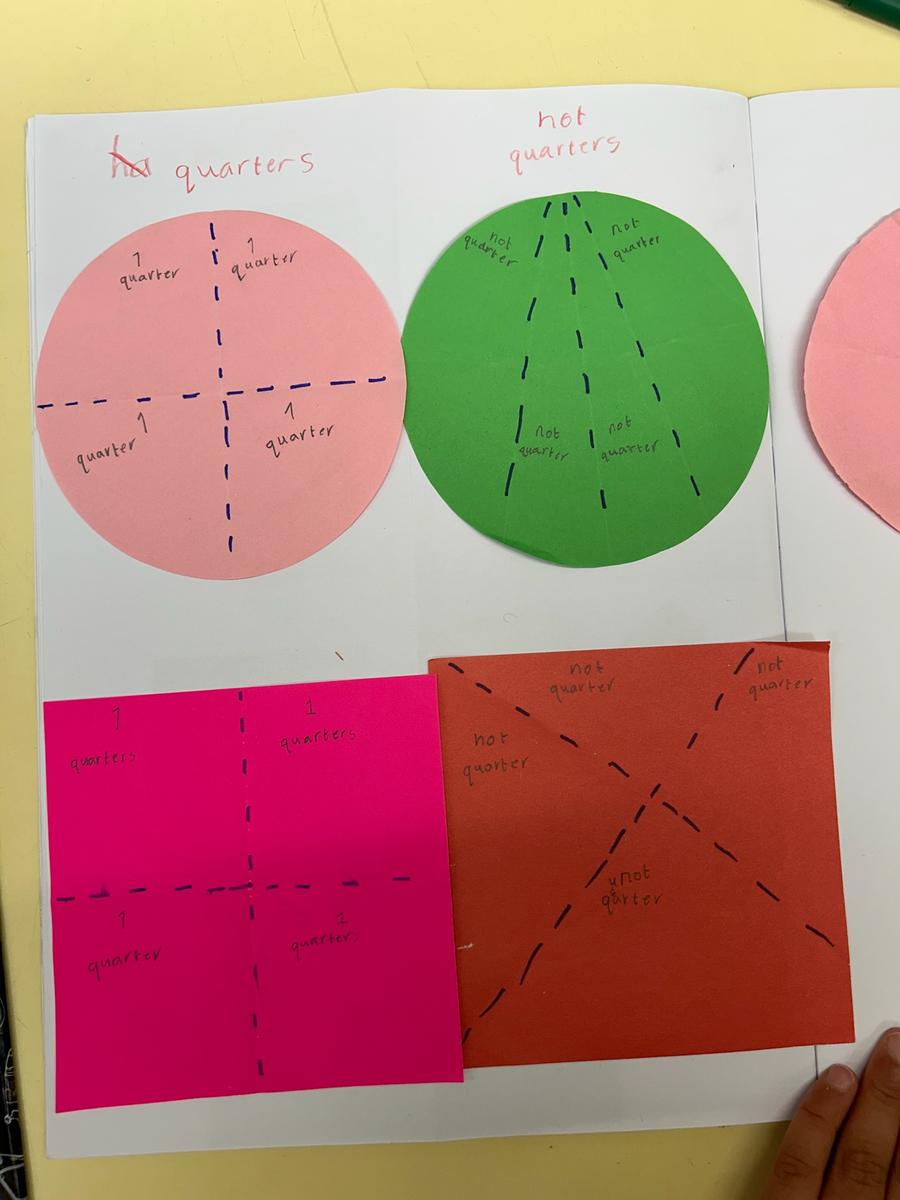
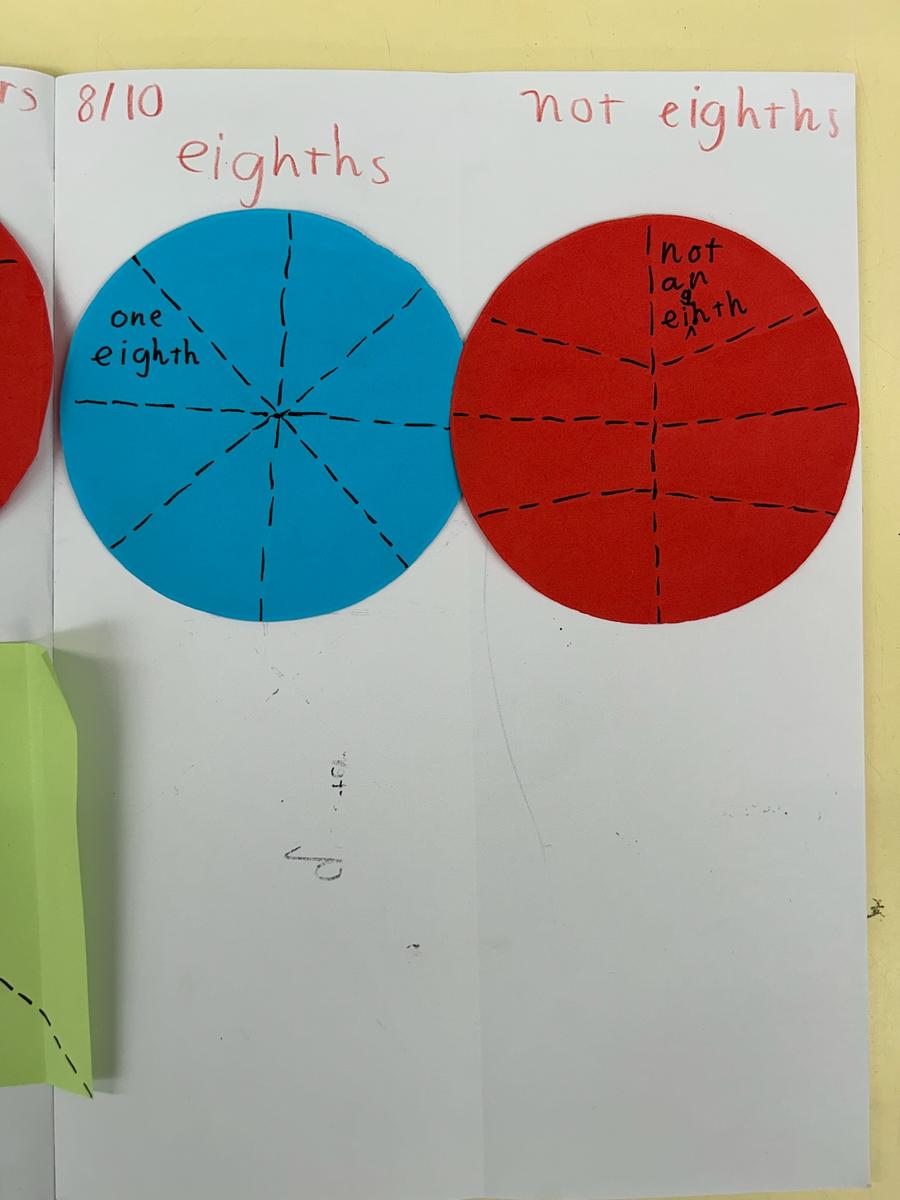
Students are learning to recognise and describe fractions as equal parts of a whole. They are developing an understanding that a whole can be divided into equal parts and using mathematical language such as whole, equal parts, halves, quarters and eighths to describe fractions.
Teachers begin each lesson with a daily review of key fraction concepts and vocabulary, allowing students to revisit previous learning and make connections to the new lesson. Through practical experiences, students are exploring the importance of sharing quantities equally and identifying whether parts are equal or unequal.
Students use concrete materials and hands-on activities, including counters, paper folding and familiar objects, to represent and create fractions. They are learning to recognise and create halves, quarters and eighths by folding shapes into equal parts and identifying the fraction represented by each part.
Students are developing their ability to explain their mathematical thinking and recognise that fractions are made up of equal parts that combine to make one whole. These experiences are helping students build both conceptual understanding and confidence when working with fractions.
We are incredibly proud of the outstanding achievements of all our students in Mathematics this year. Across the school, students have demonstrated excellent growth in their mathematical understanding and have developed greater confidence, resilience and a positive mindset towards Mathematics.
Students have embraced challenges, persevered when faced with unfamiliar problems, and become increasingly willing to explain their thinking, listen to different strategies and learn from mistakes. This positive growth was particularly evident through our students’ outstanding participation in MTQ, (Maths Talent Quest) where they enthusiastically engaged in rich mathematical challenges, demonstrated persistence and worked collaboratively to apply their skills and strategies.
Their participation showcased not only their developing mathematical knowledge, but also their growing belief that they are capable, confident and successful mathematicians. We are incredibly proud of the progress our students have made and look forward to continuing to nurture their curiosity, confidence and love of Mathematics.
I look forward to sharing and celebrating Senior school Mathematicians in the next newsletter!
Best wishes,
Assistant Principal
Peta Phillips