Assistant Principal's Report
Georgia Despotellis













Assistant Principal's Report
Georgia Despotellis

Term 4 has begun with great energy and excitement. We now look forward to a full and engaging term ahead, with excursions, incursions, graduations and more camps still to come.
I would like to extend my heartfelt gratitude to everyone in our school community, including parents, students and staff, for the warm and welcoming reception I received upon returning to school this term. Your kindness, support and genuine warmth meant so much to me. I truly felt the love and appreciation and I am sincerely grateful to be part of such a wonderful community.
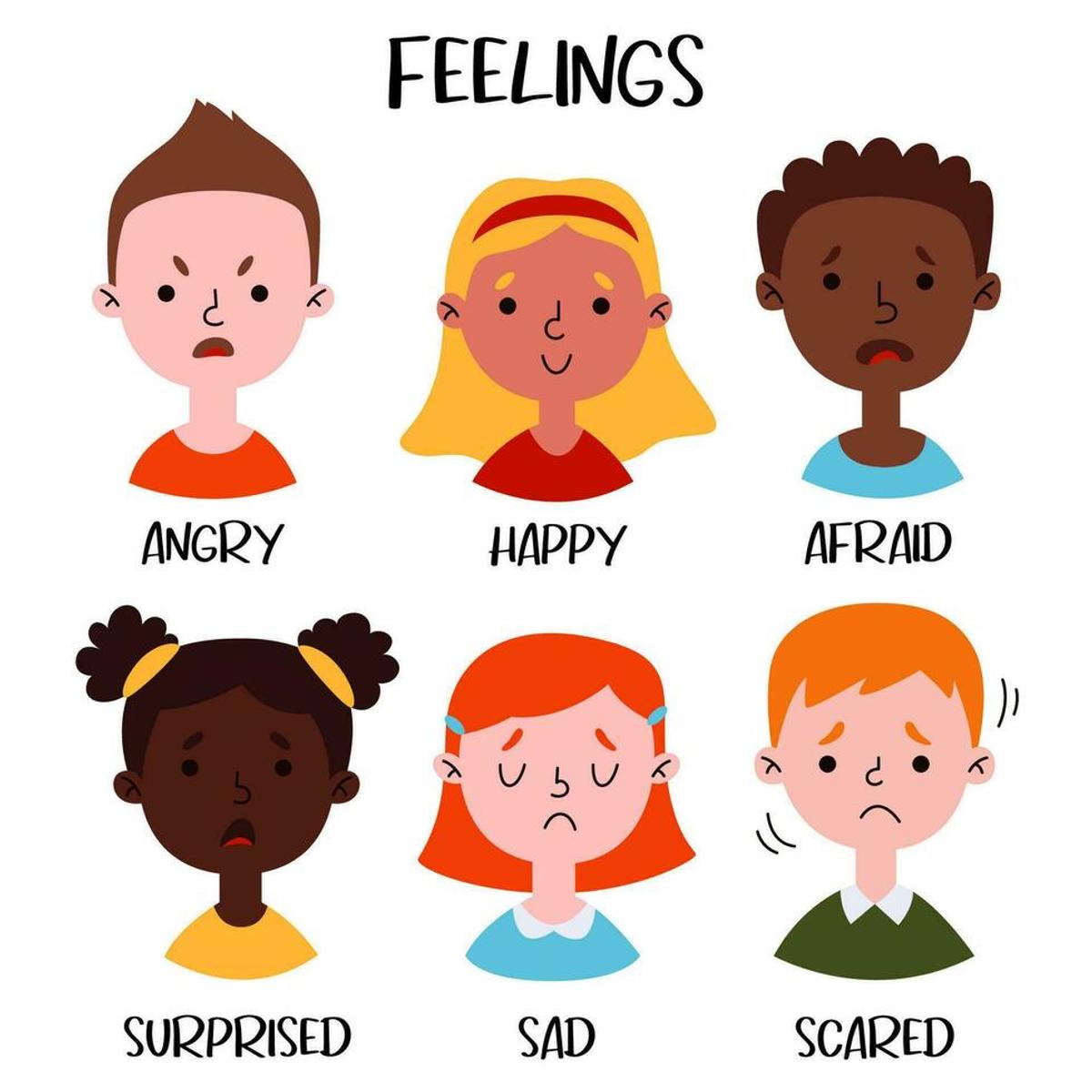
Emotional literacy is our ability to understand and express different emotions. This ensures that we are able to recognise our own feelings and our ability to manage them. When we have a strong foundation in emotional literacy we are able to cope with different life situations such as managing conflict, making friends, coping in difficult situations and being resilient when dealing with change. This needs to be explicitly taught.
A critical importance in a child’s emotional development is the building of vocabulary to describe feelings. The larger a child’s emotional vocabulary, the better they can communicate with others about their feelings.
Adults can play a major role in a child’s ability to identify, understand and express emotions in a healthy way. The following strategies are key in fostering emotional literacy in young children:
Express your own feelings – adults can model by talking out loud about their feelings as they experience them throughout the day.
Label Children’s Feelings – build a child’s vocabulary by labelling children’s feelings. Attending to a child’s emotional moment and labelling their feelings for them.
Play Games, Sing Songs and Read Stories with New Feeling Words – adapting songs such as ‘If you’re happy and you know it’ with ‘If you are frustrated and you know it, take a breath’ and playing games such as ‘feelings charades’ by acting out a feeling or emotion (use face and body language) and let others guess what that feeling/emotion is.
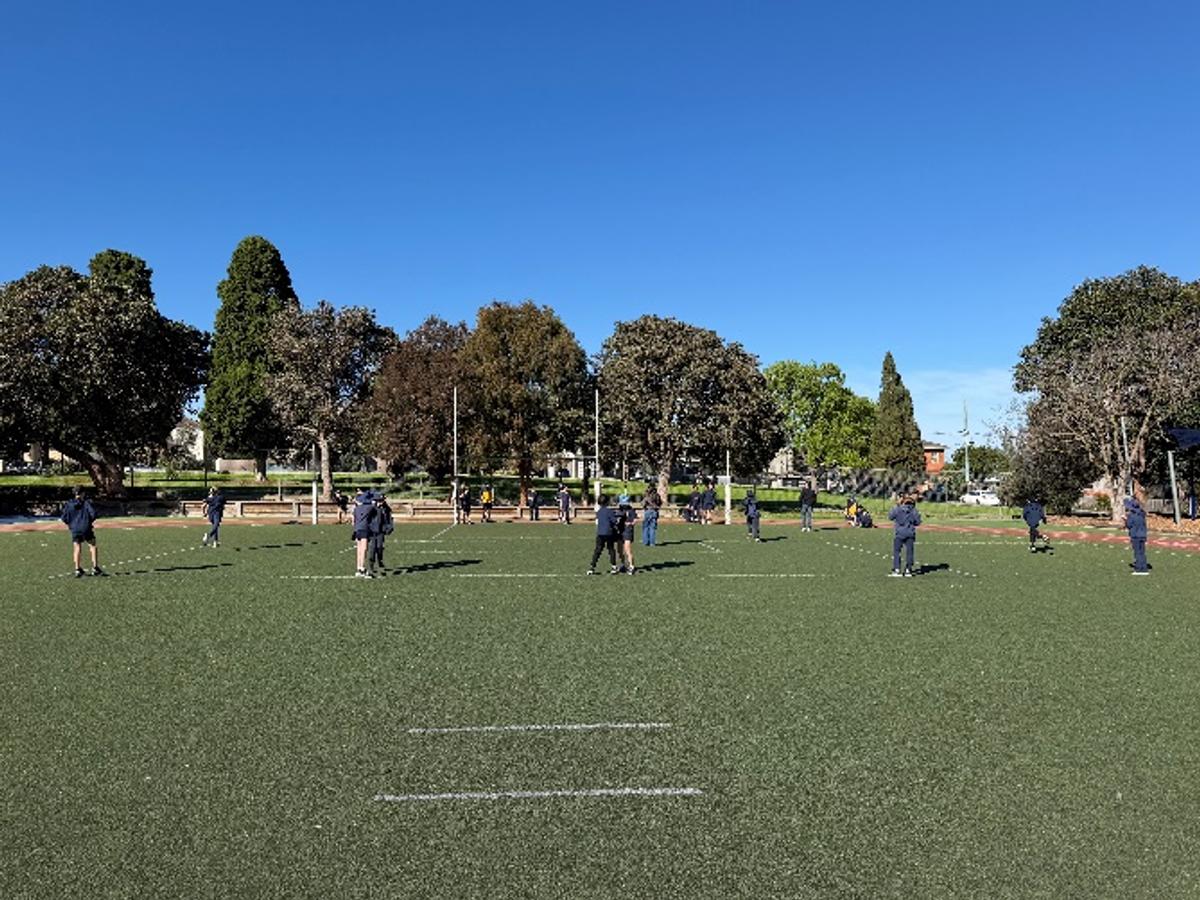
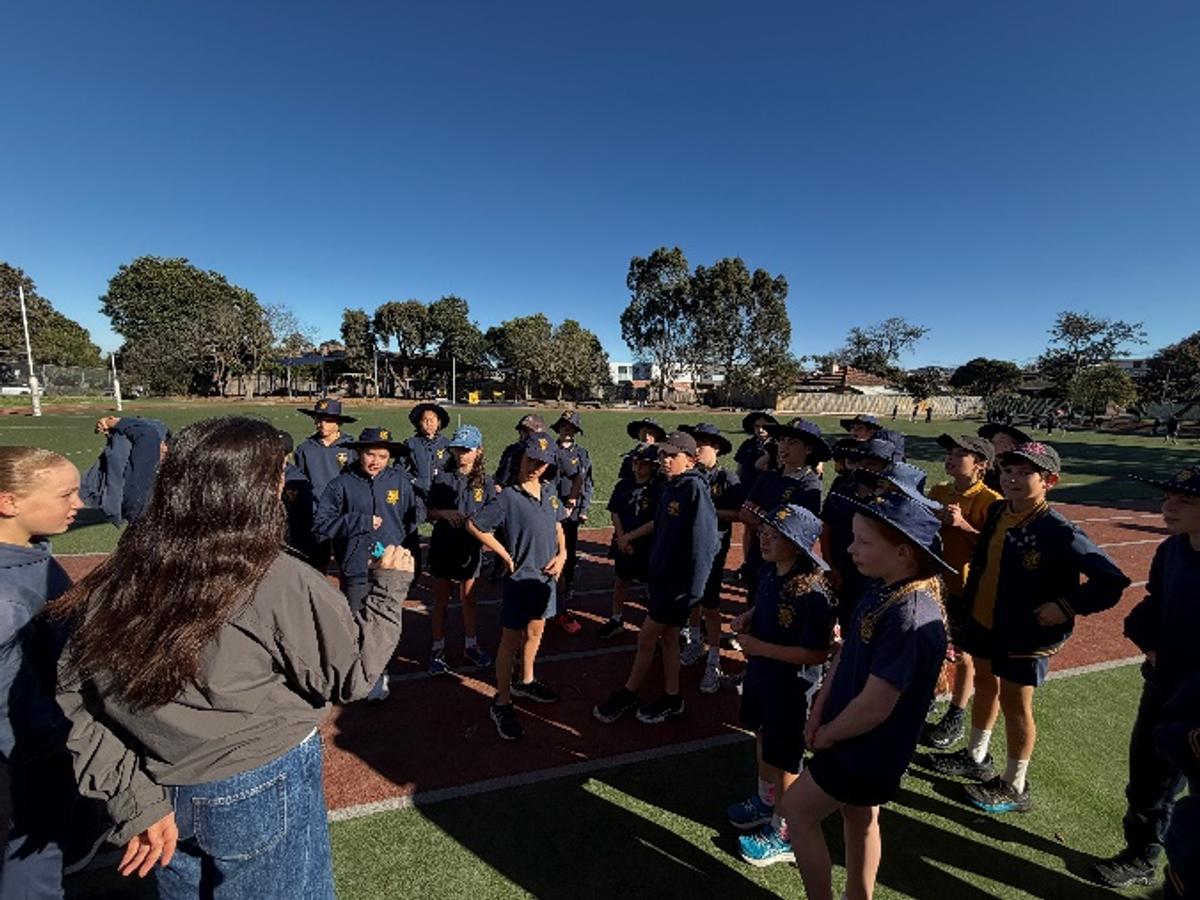
Morning Move for Mind (MM4M) is a fantastic program that we have implemented in Year 5 to increase physical activity and improve mental health in primary school kids. Put simply, kids learn a range of wellbeing strategies they can use in their everyday lives all while being active. MM4M includes weekly lessons across eight weeks and a range of practical resources.
Georgia Despotellis
Assistant Principal