Sports News
Water Safety – Keep Our Kids Safe Around Water
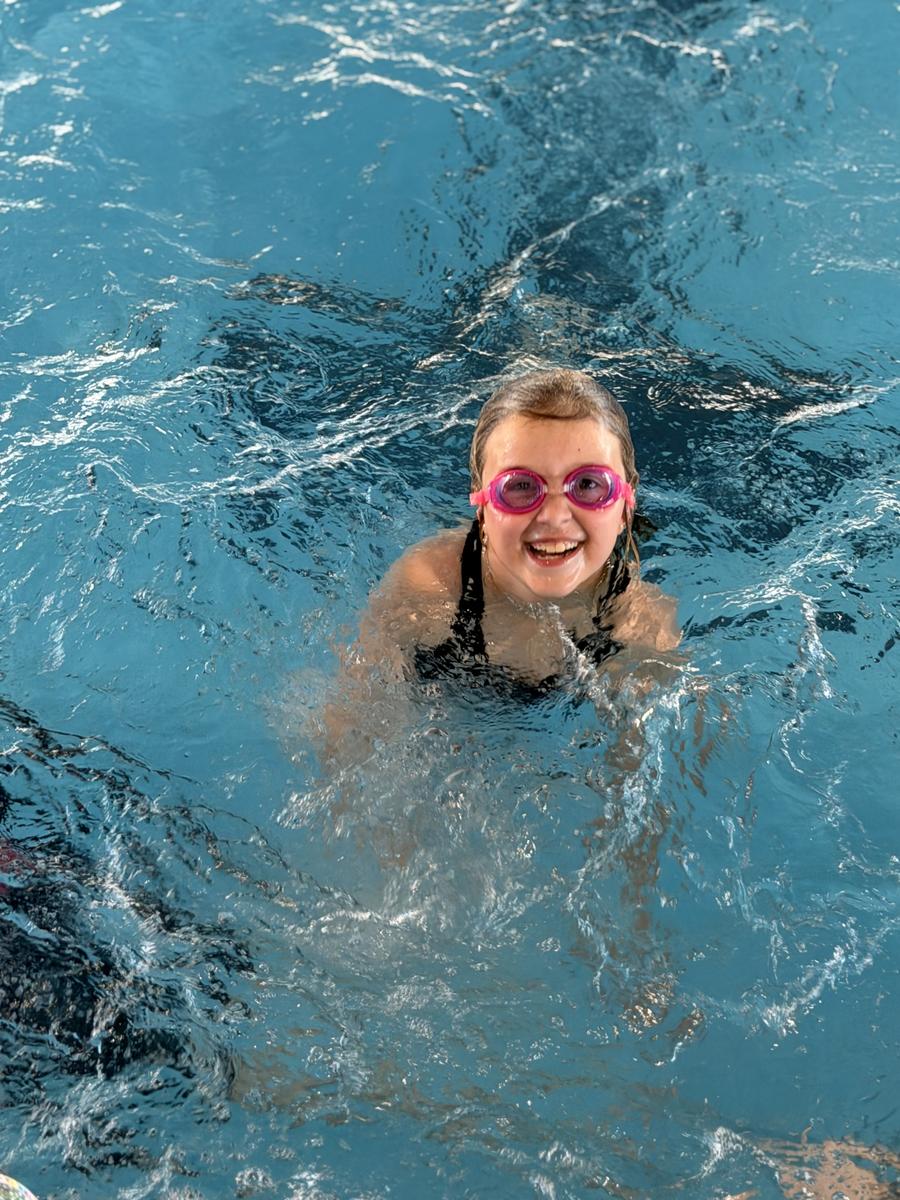
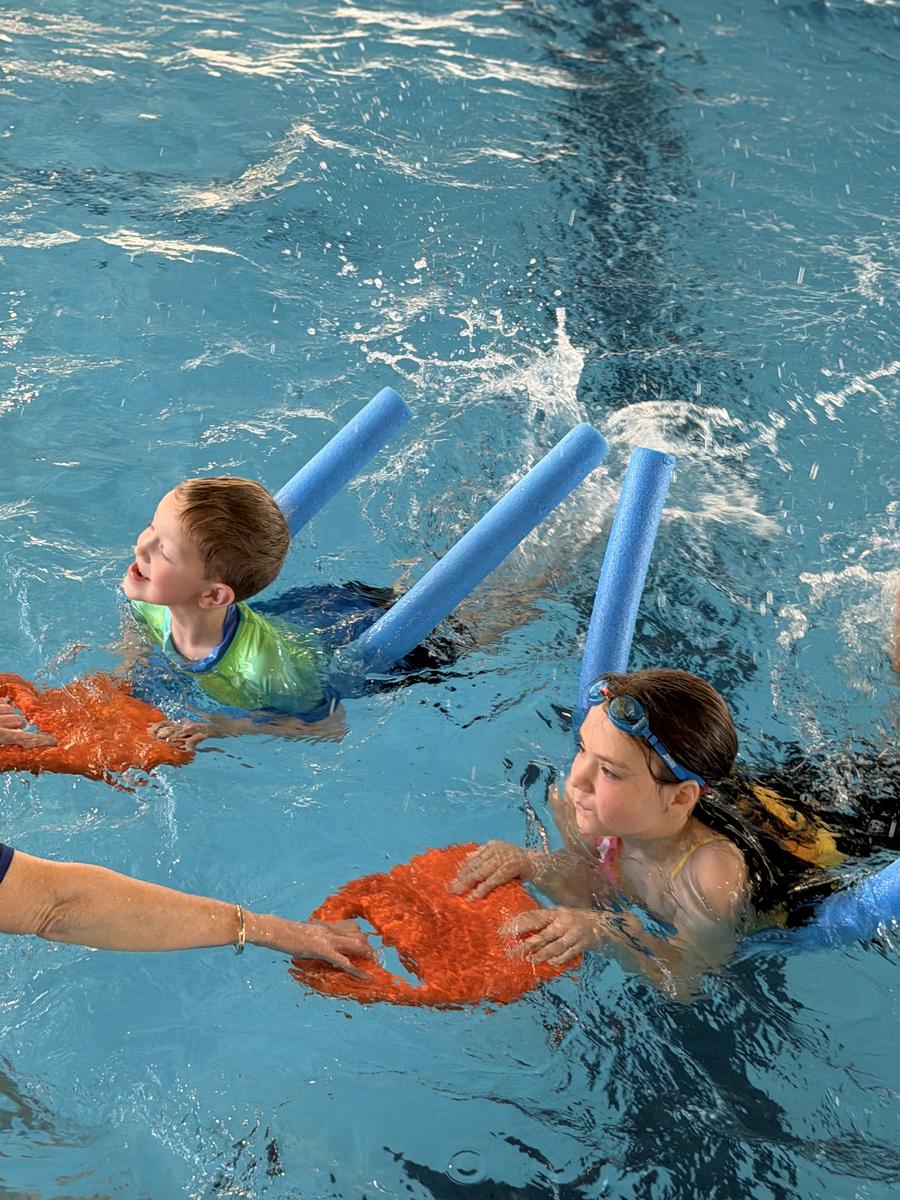
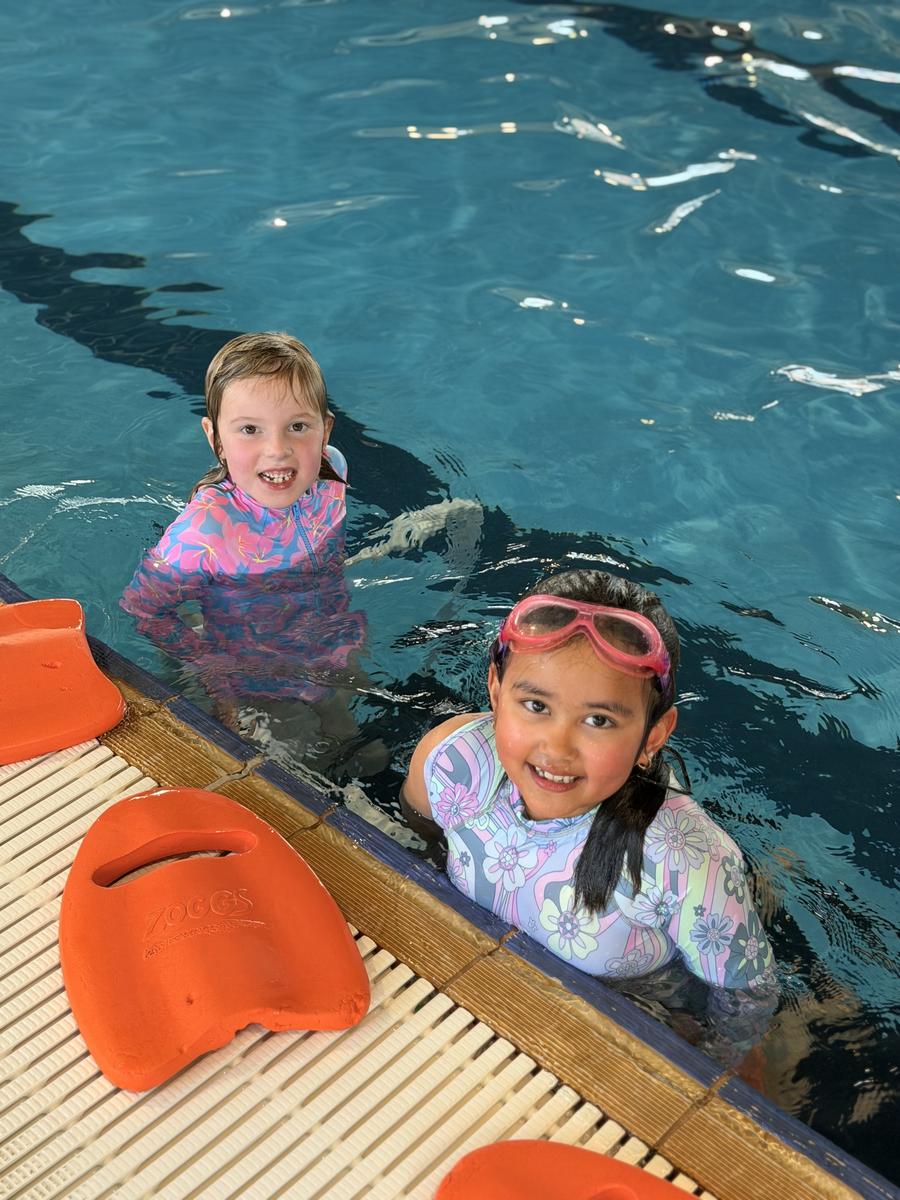
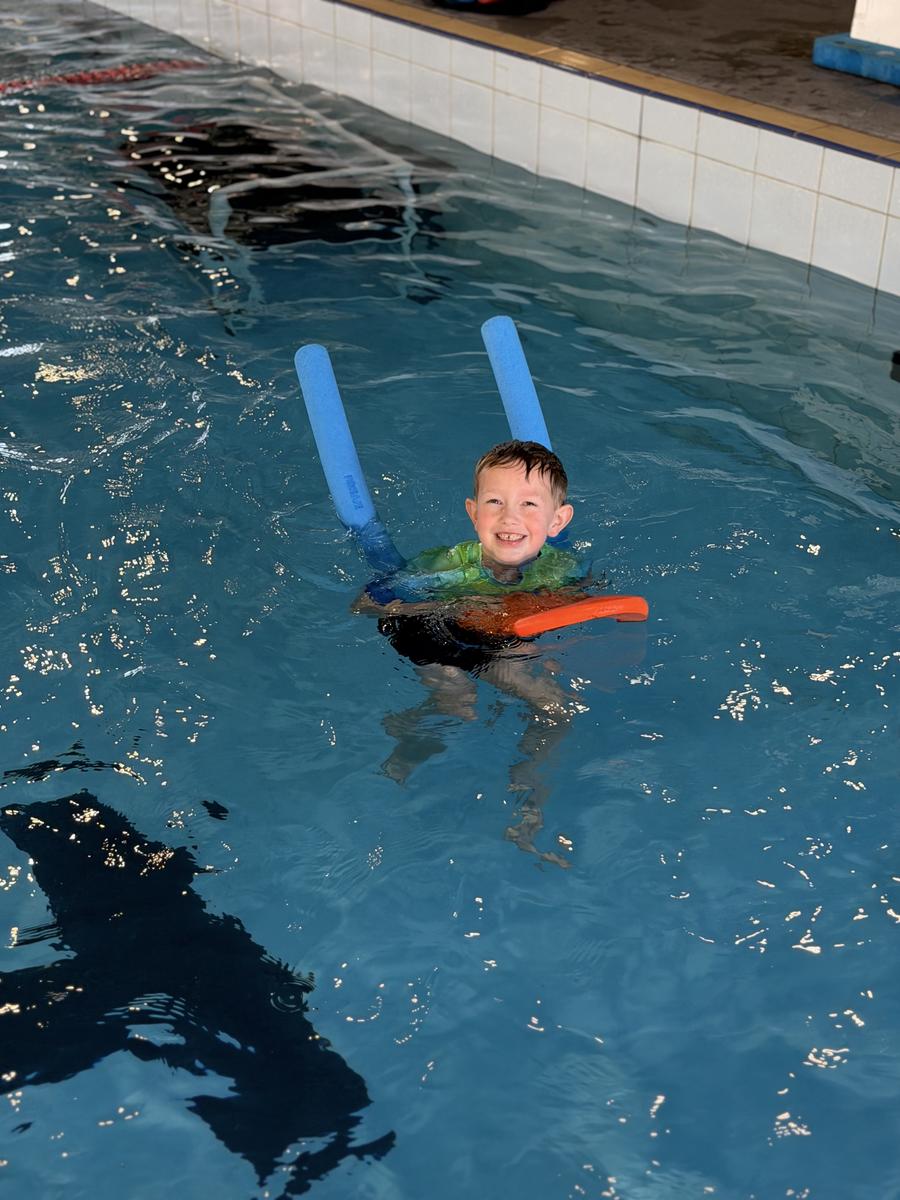
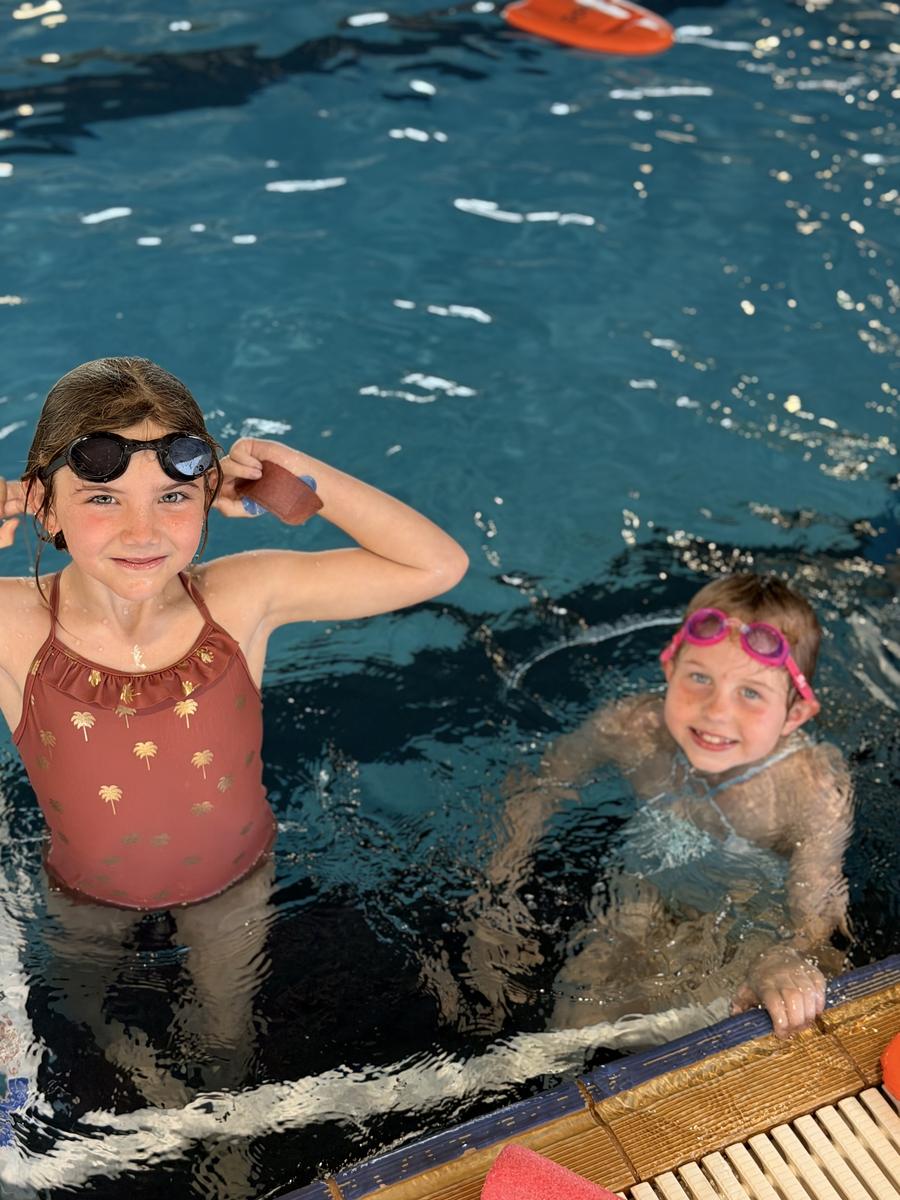
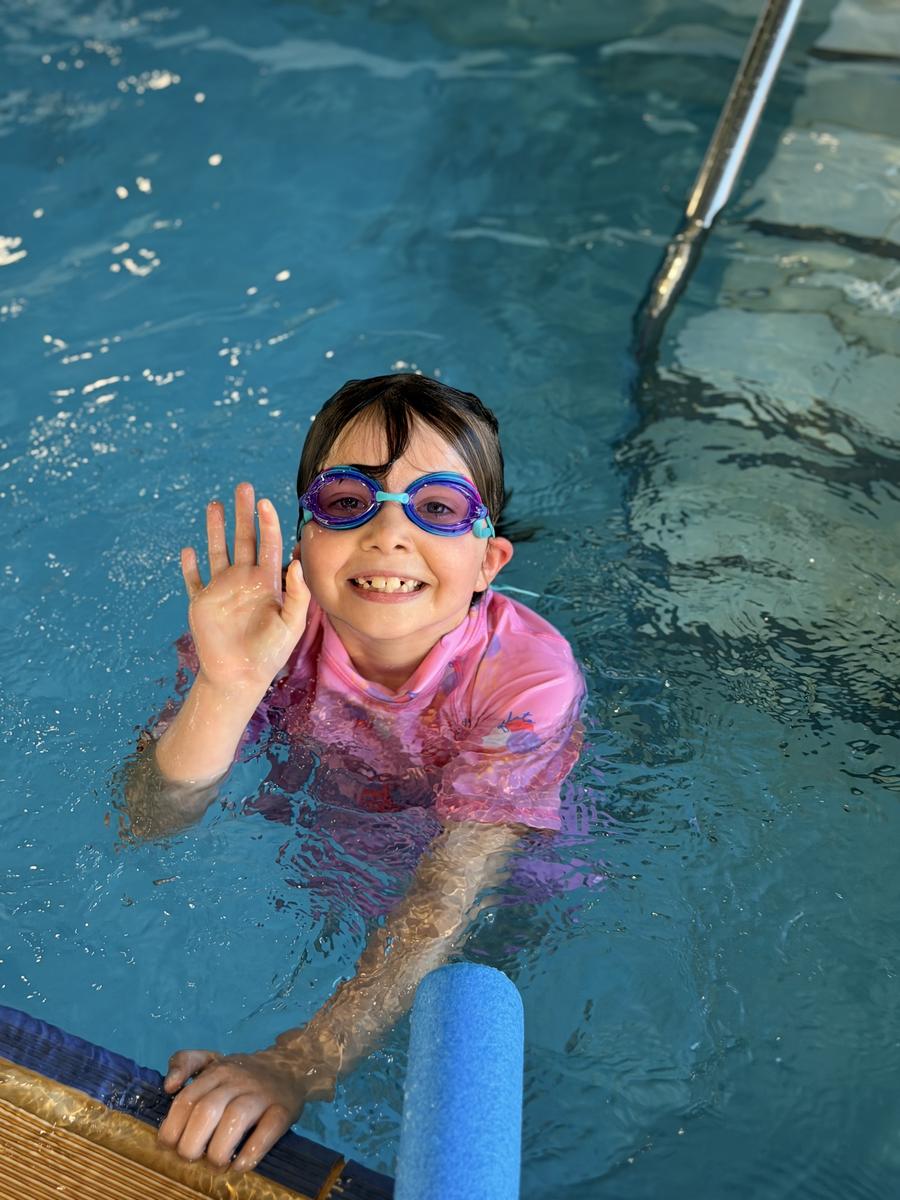
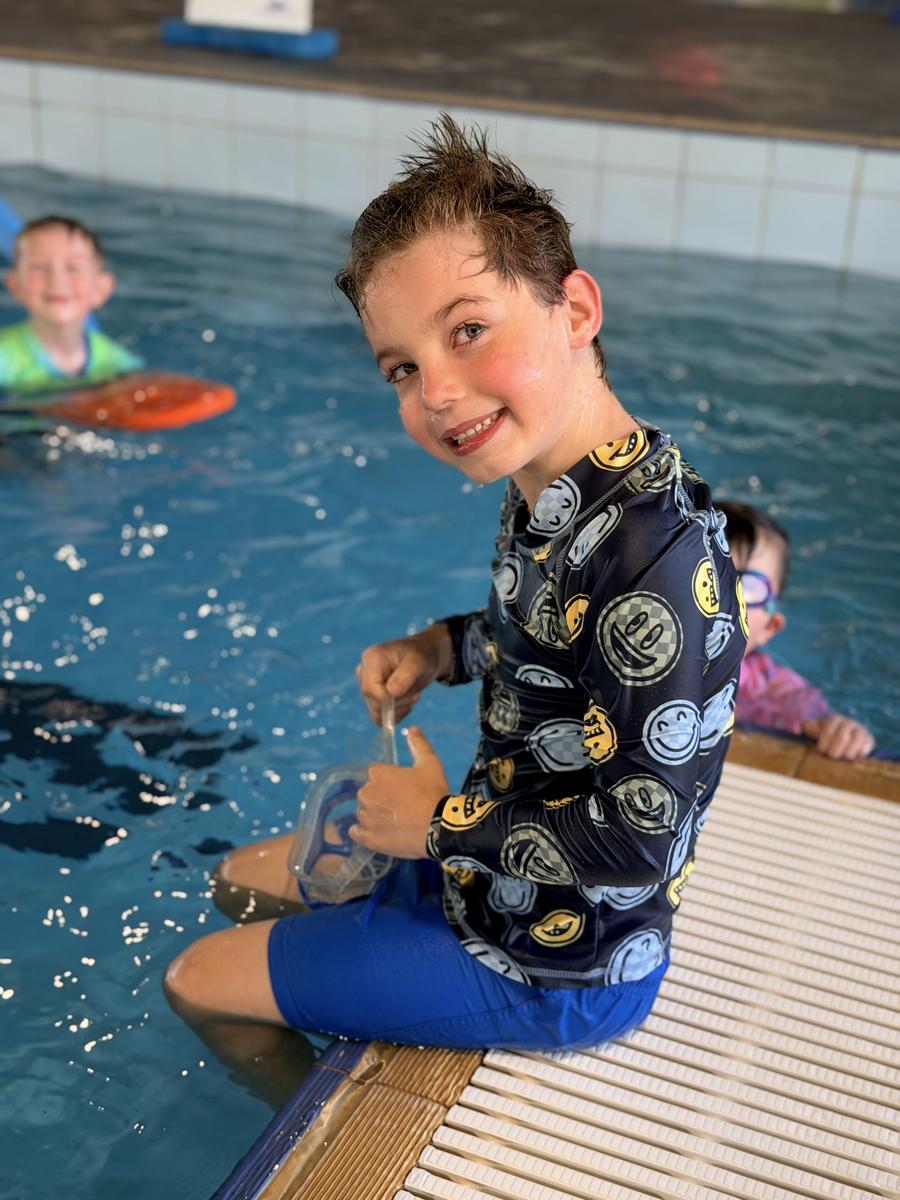
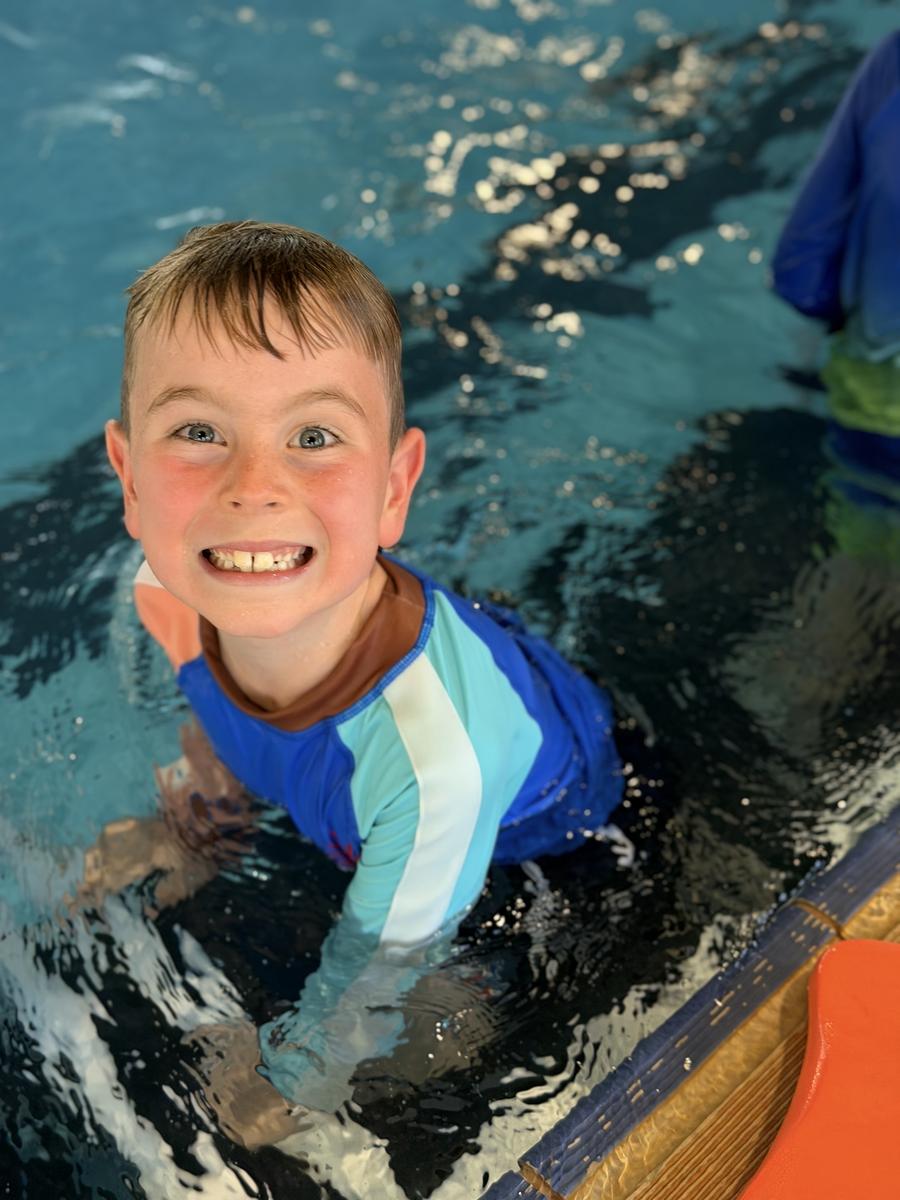
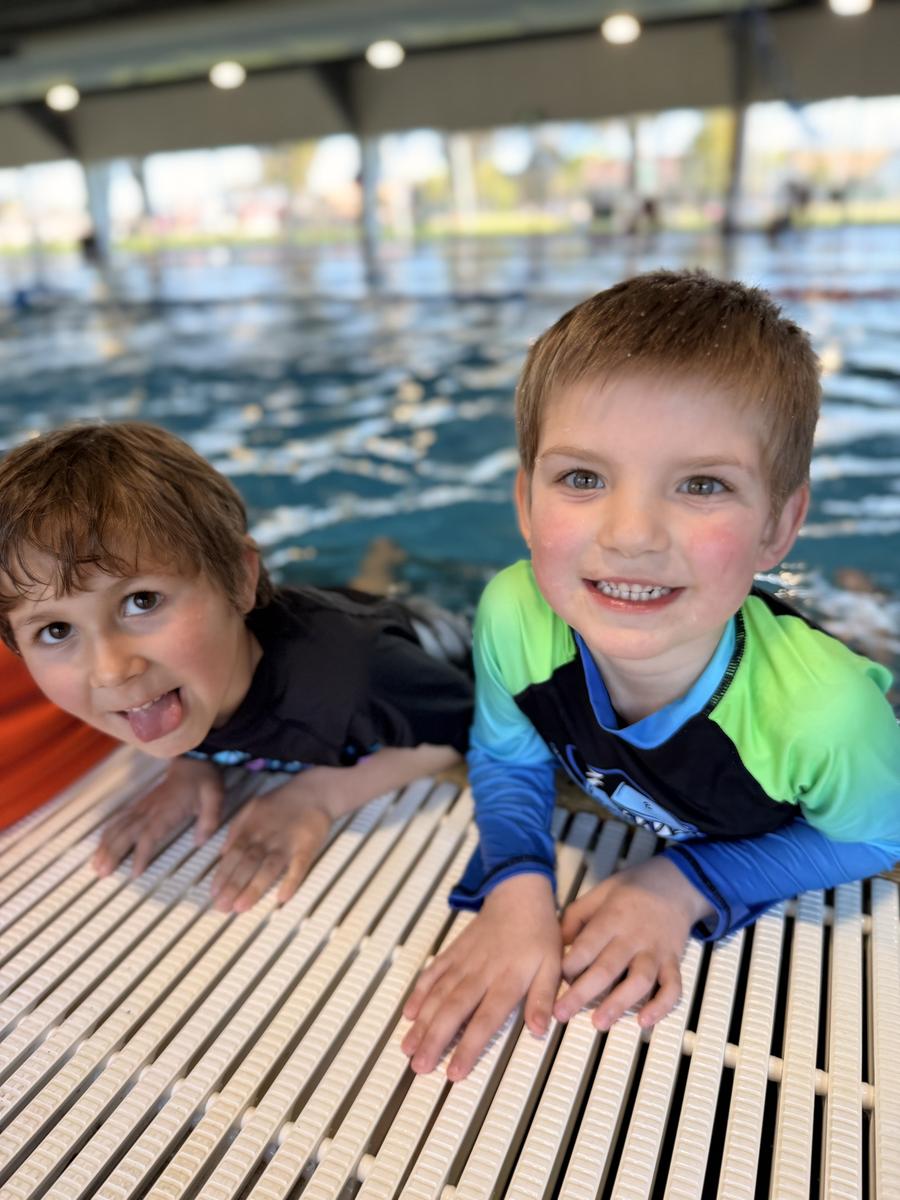
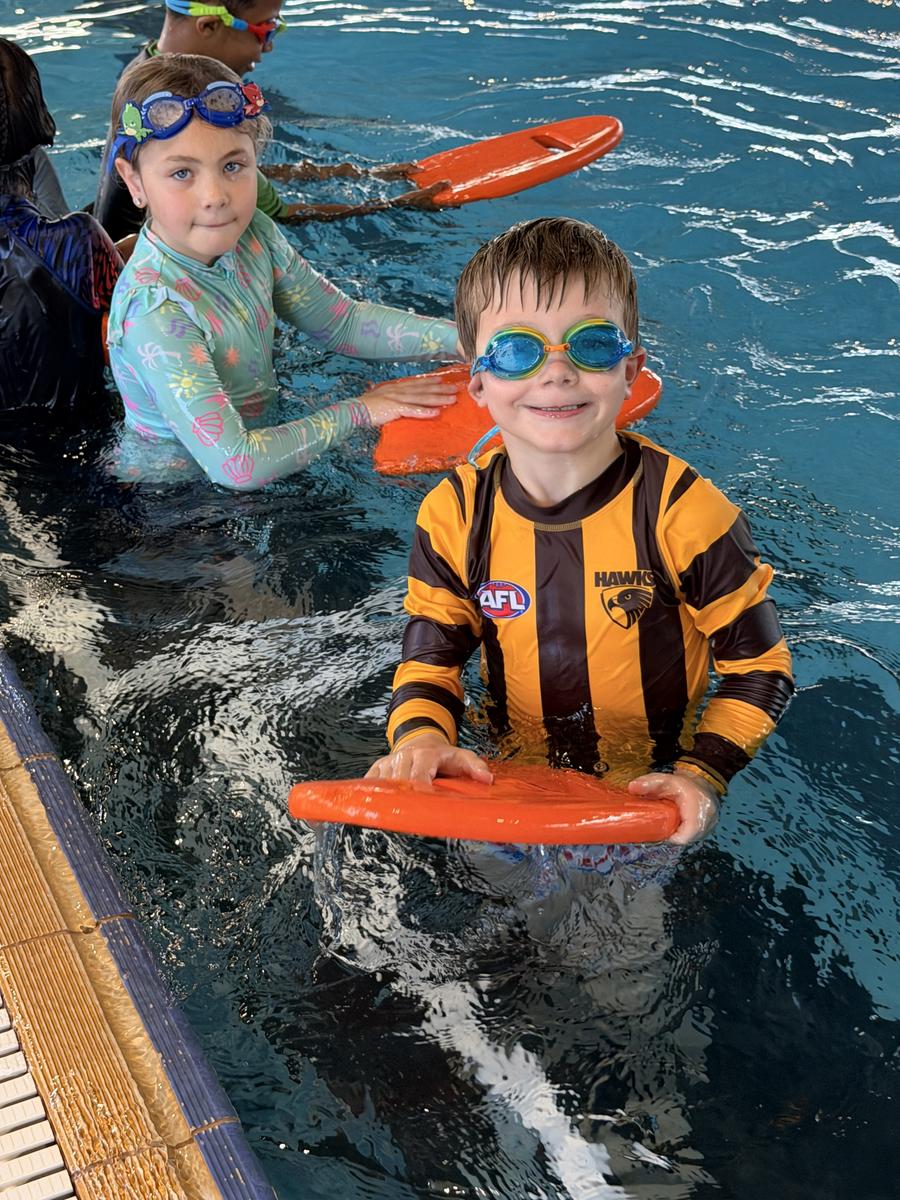
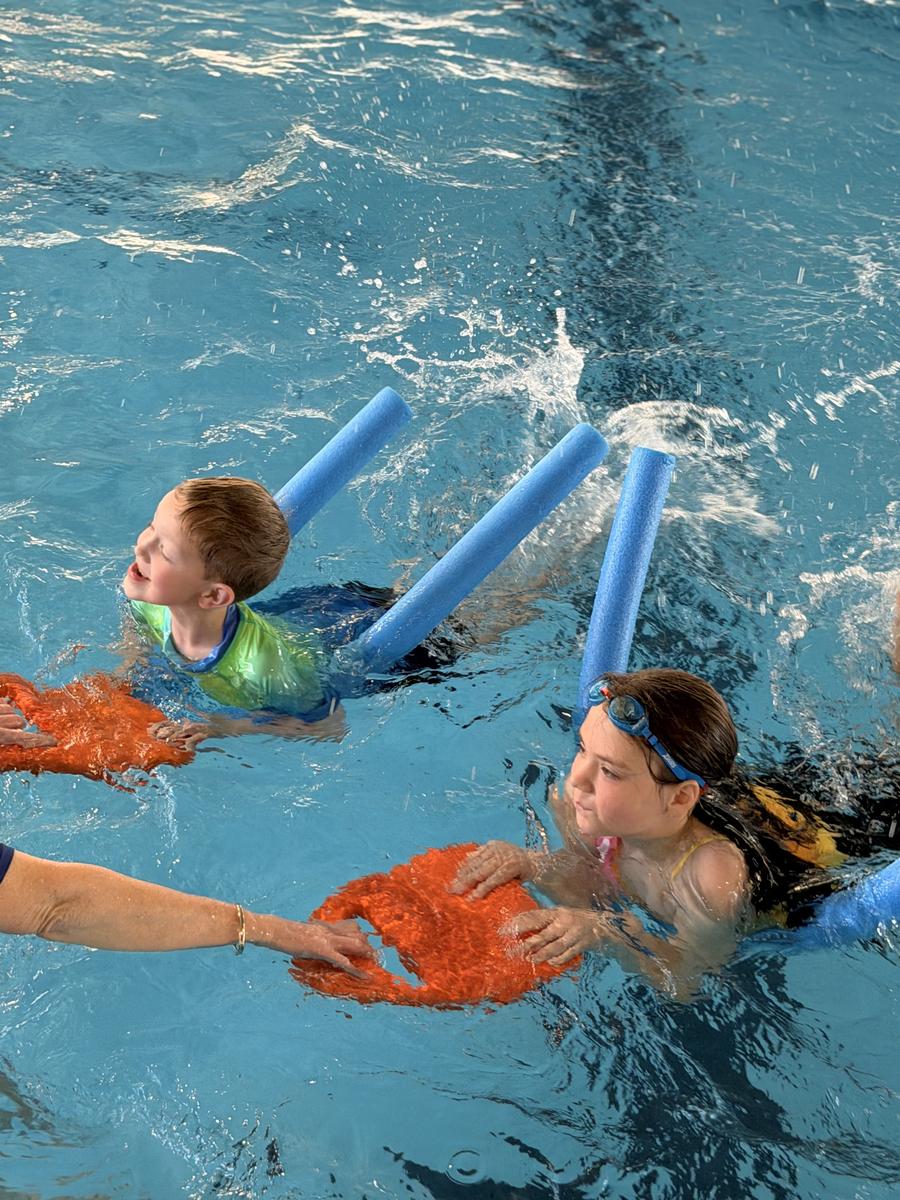
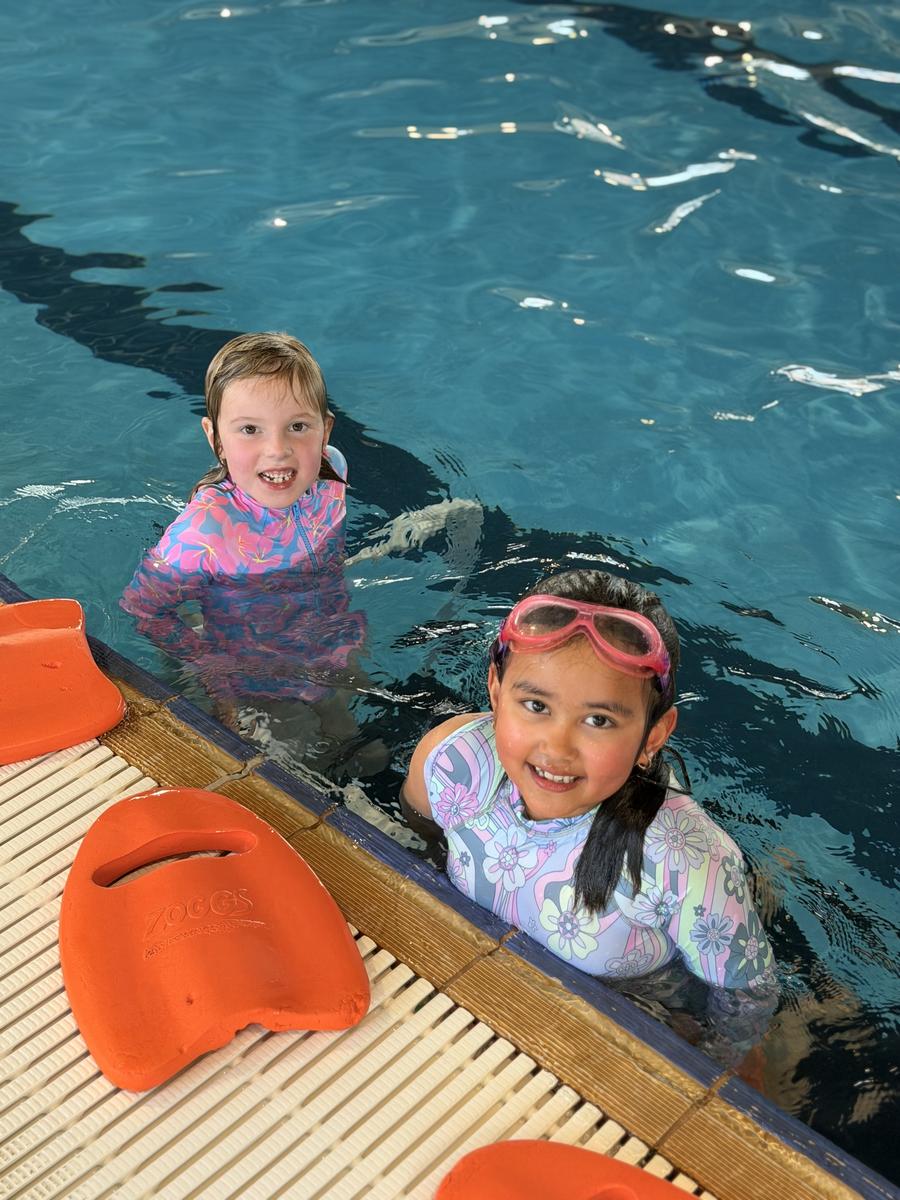
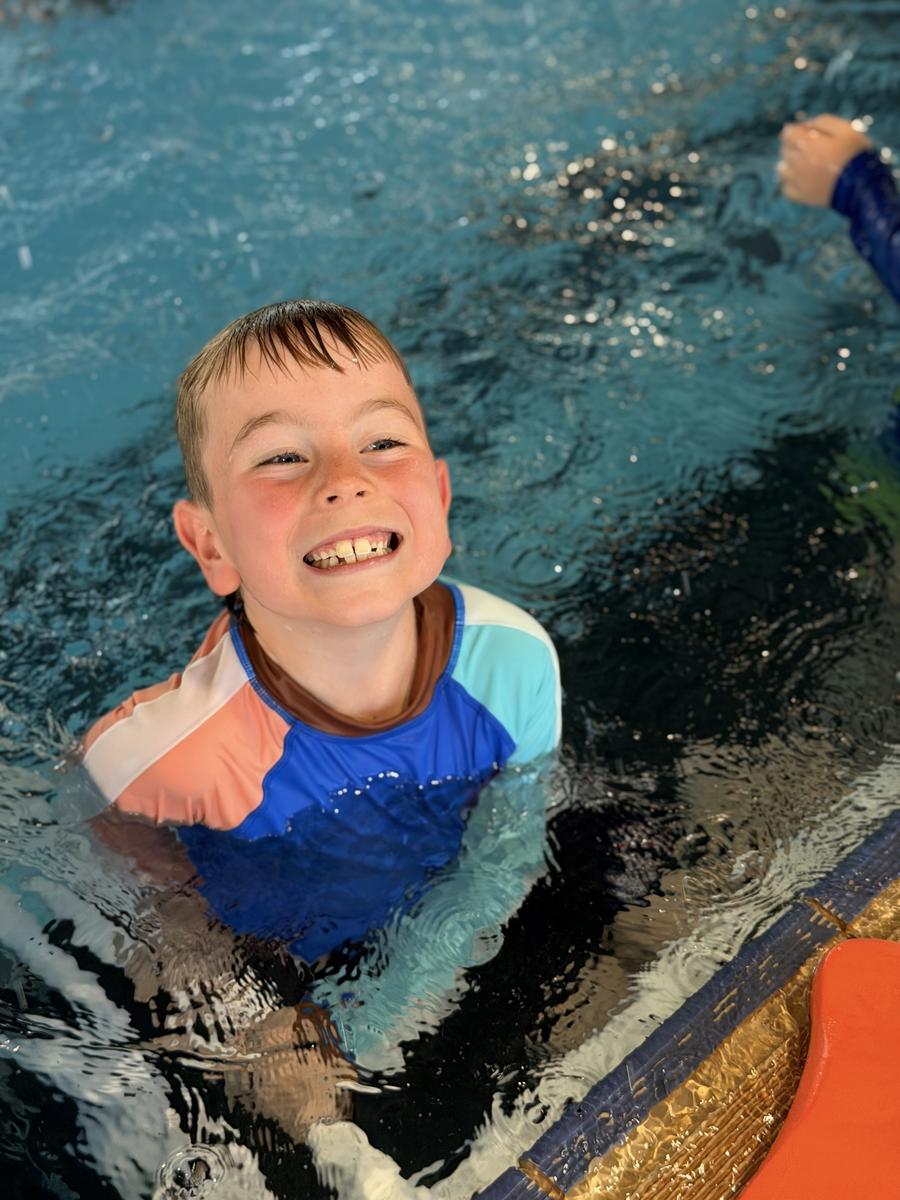
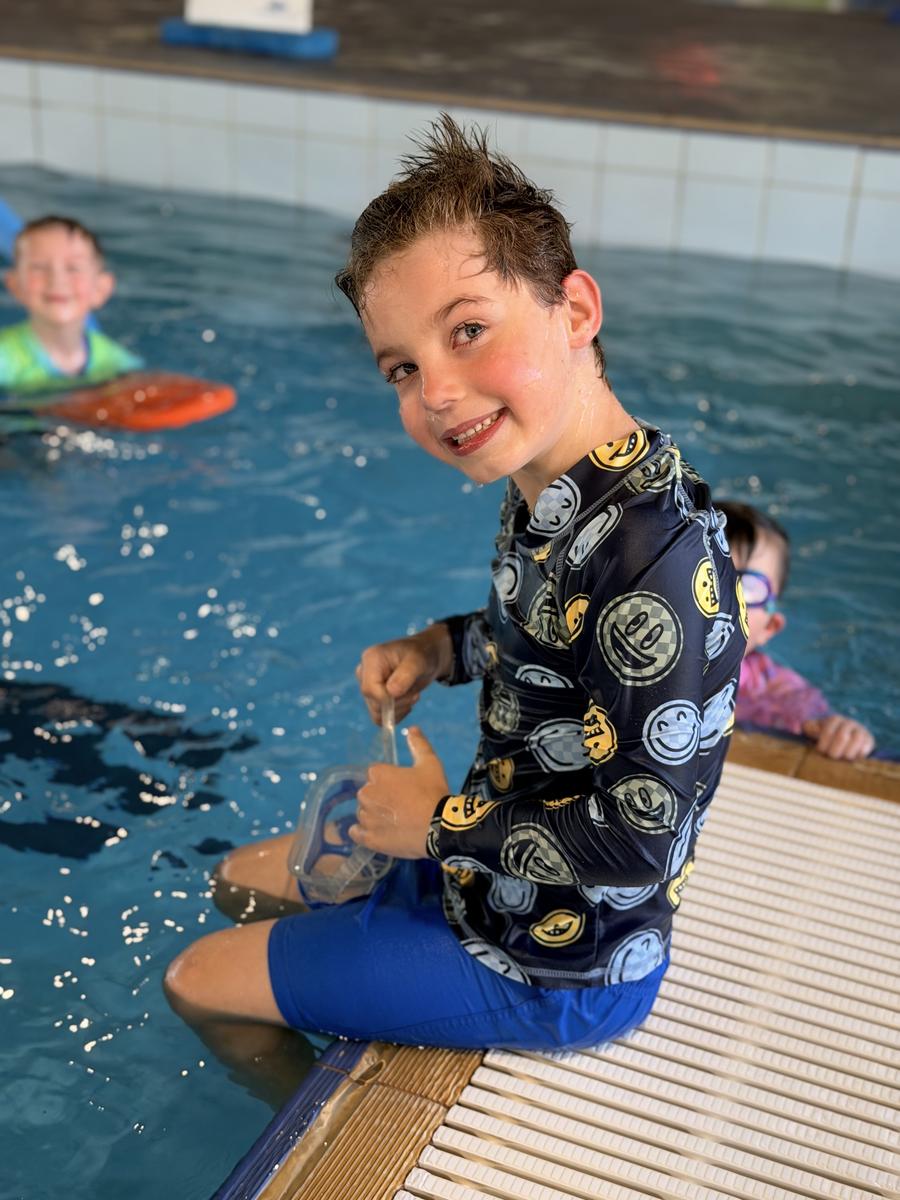
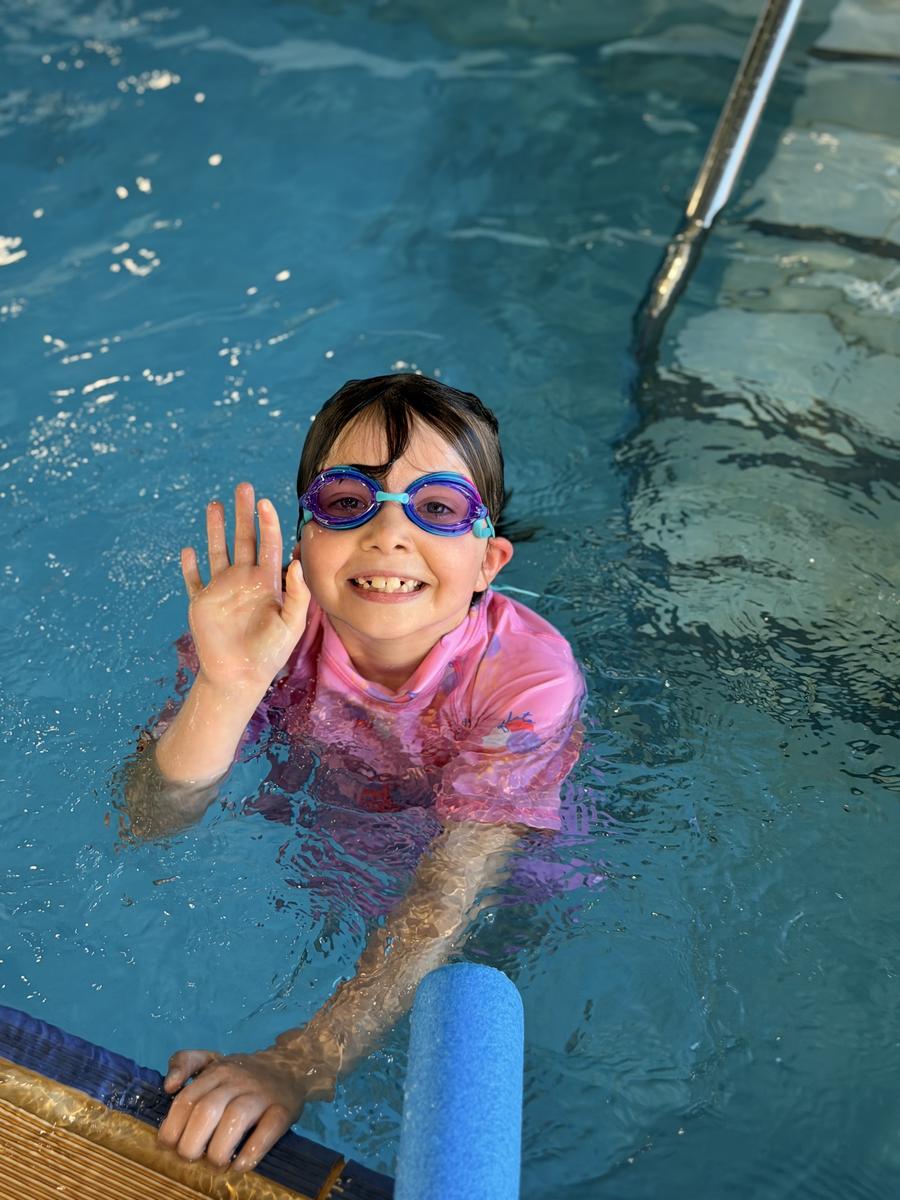
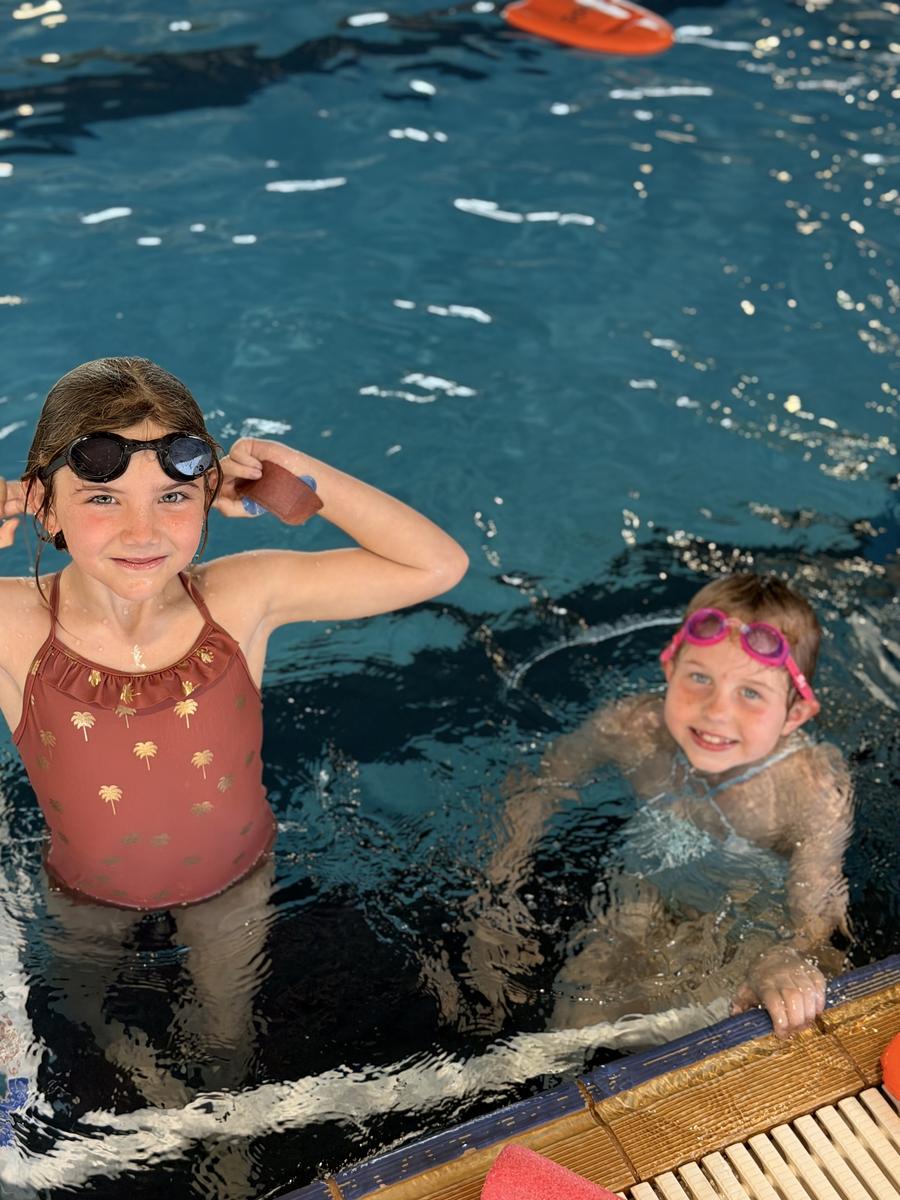
This week across the school our children are participating in swimming lessons. It is also important to continue this learning at home. As we head into the warmer months, it is a timely reminder that water safety is everyone’s responsibility. Living near our local river and channels means water can be a big part of our community, and many of our families also have swimming pools at home.
While water provides wonderful opportunities for swimming, playing and cooling off, it can also be dangerous. Children can get into trouble around water quickly and often without making a sound.
Here are some water safety messages:
Around rivers and channels
Our local waterways can look calm and inviting, but they can have hidden dangers, including:
- Deep or unpredictable water
- Strong currents
- Slippery or unstable banks
- Sudden changes in water levels
- Cold water, even on warm days
- Debris or submerged objects
- Limited or difficult access if someone gets into trouble
Children should never swim, play or explore around rivers and channels without close adult supervision. Areas that look safe may not be safe for swimming.
Talk with your children about staying well back from the water's edge and following signs and local waterway rules.
Backyard pool safety
For families with backyard pools, supervision is one of the most important ways to keep children safe.
Remember:
Keep watch – An adult should actively supervise children whenever they are in or around the pool. Avoid distractions such as phones, reading or household jobs.
Keep barriers secure – Pool gates and fences should be maintained, self-closing and self-latching, with gates kept closed.
No running – Encourage children to walk around the pool and follow your family's pool rules.
Know where your children are – Children should ask permission before going into the pool area, even if they are confident swimmers.
Be prepared – Adults should know what to do in an emergency and have appropriate safety equipment readily available.
Swimming skills are important – but they are not enough
Swimming lessons and water confidence are valuable skills, but being able to swim does not mean a child is safe around all types of water.
Children also need to learn how to recognise hazards, make safe decisions, follow rules and know what to do if they or someone else gets into difficulty.
At school, we will continue to reinforce these important water safety messages through our Health and Physical Education program.
We encourage families to regularly talk about the “Water Safety Rules”:
Stop. Look. Think. Stay Safe.
Ask your child:
- Where are the safe places for us to swim?
- Who should be with you when you are near water?
- What should you do if you see someone in trouble?
- What are the rules for our backyard pool?
- Why might a river or channel be unsafe, even when the water looks calm?
Most importantly, remind children that if someone gets into trouble in the water, they should never jump in to rescue them. They can throw them a flotation aid (bucket, pool noodle etc) and call for help.
Let's work together to make sure our children enjoy the warmer weather while developing the knowledge, skills and confidence they need to stay safe around water.
Athletics
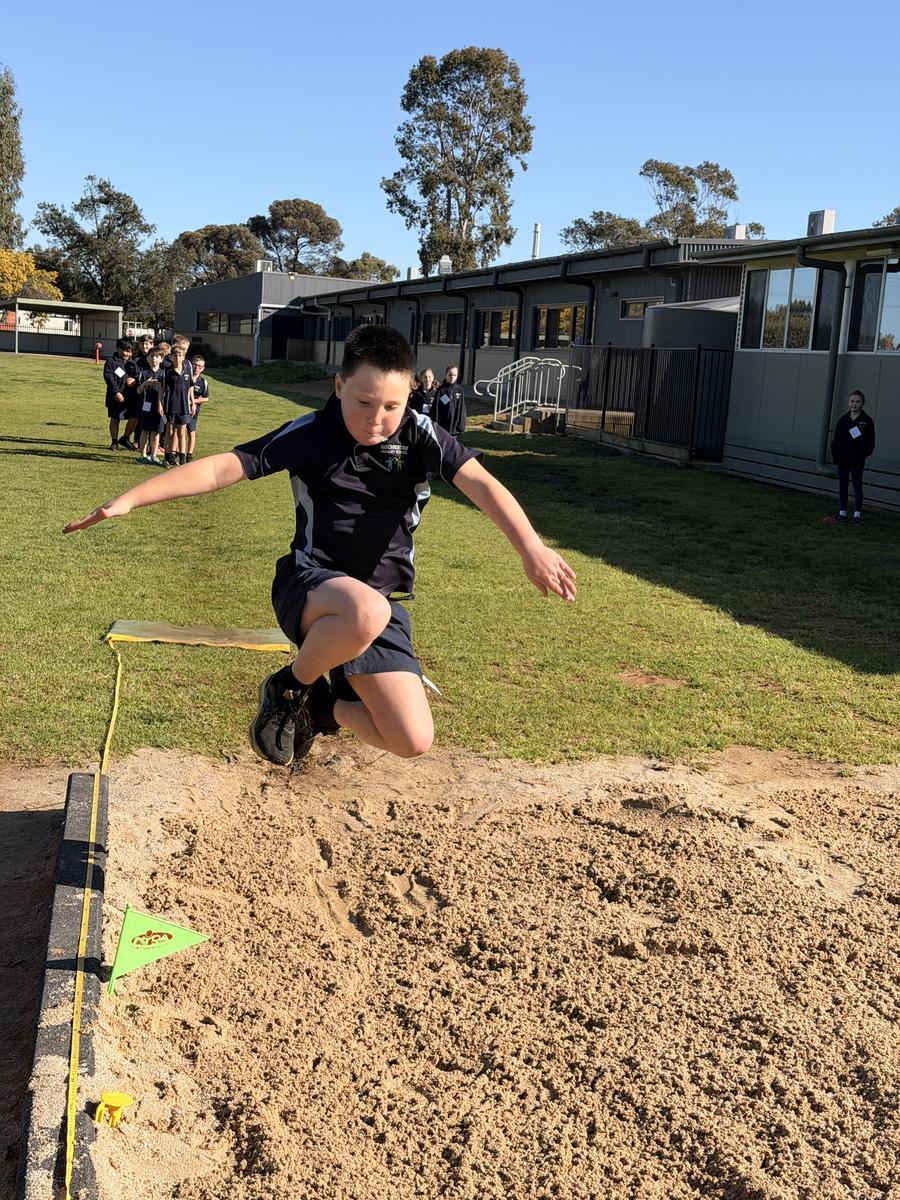
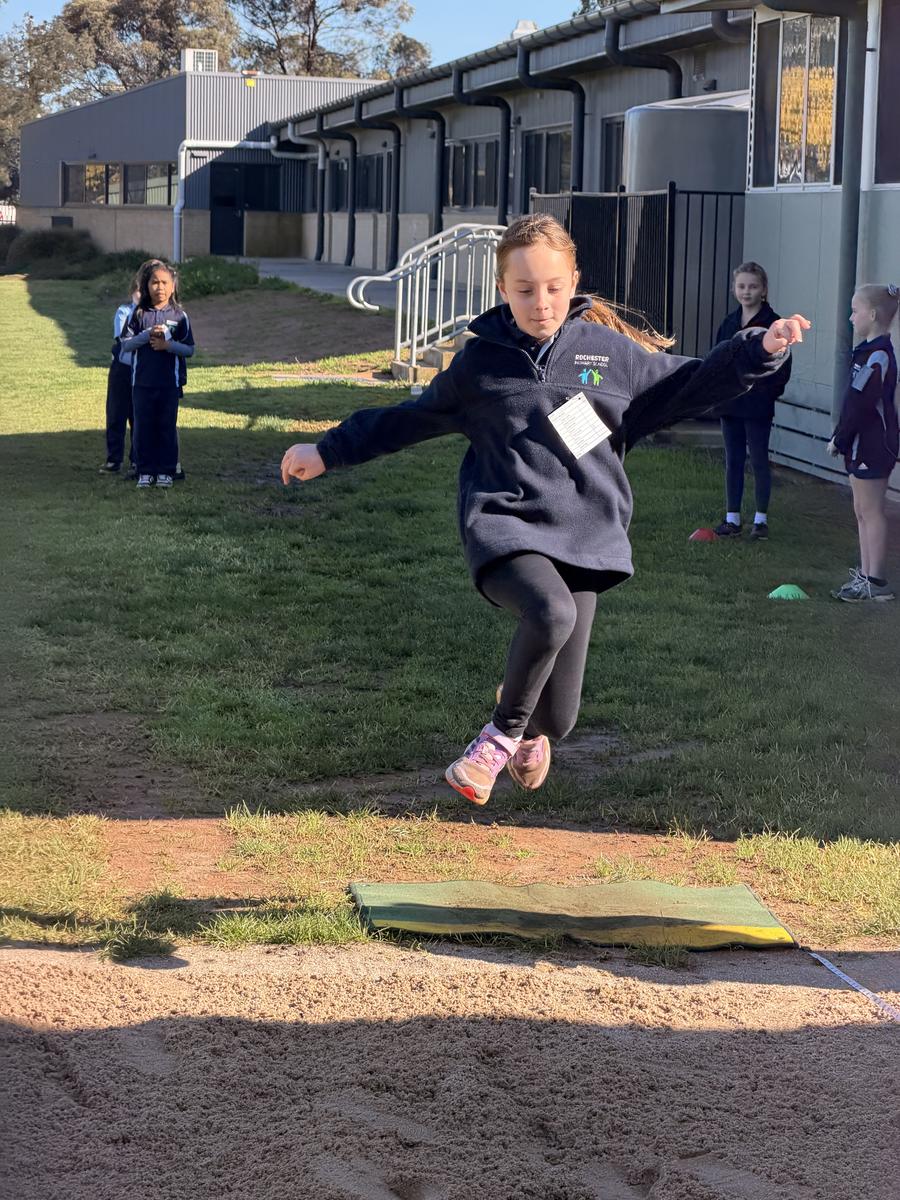
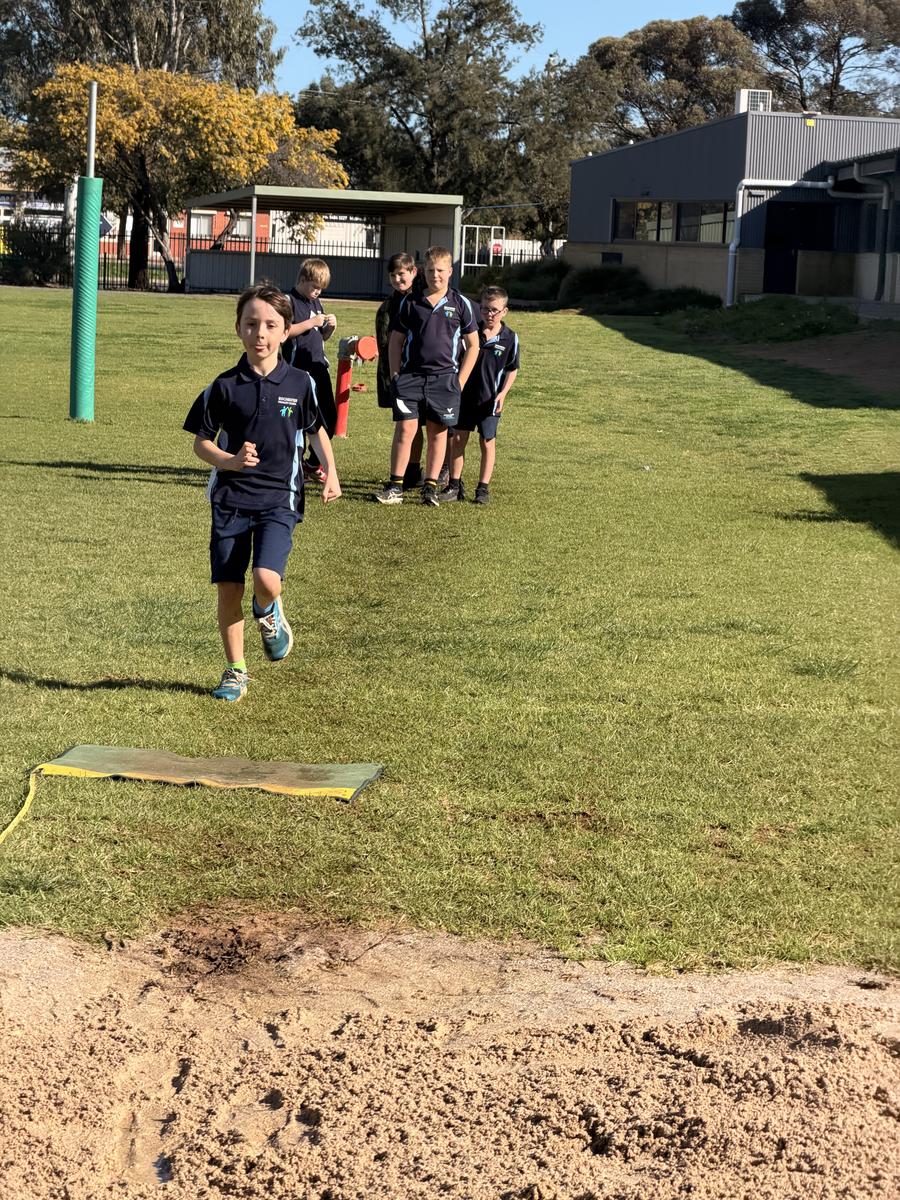
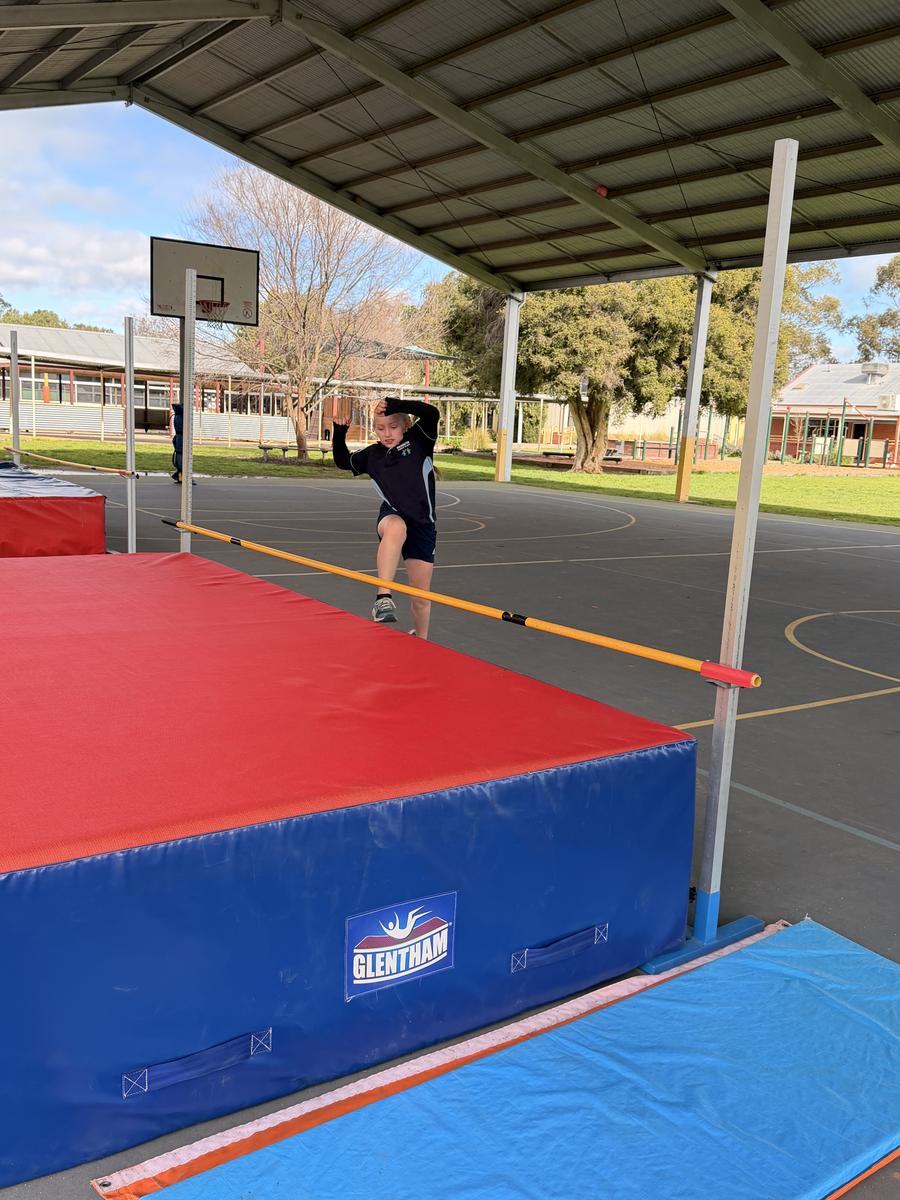
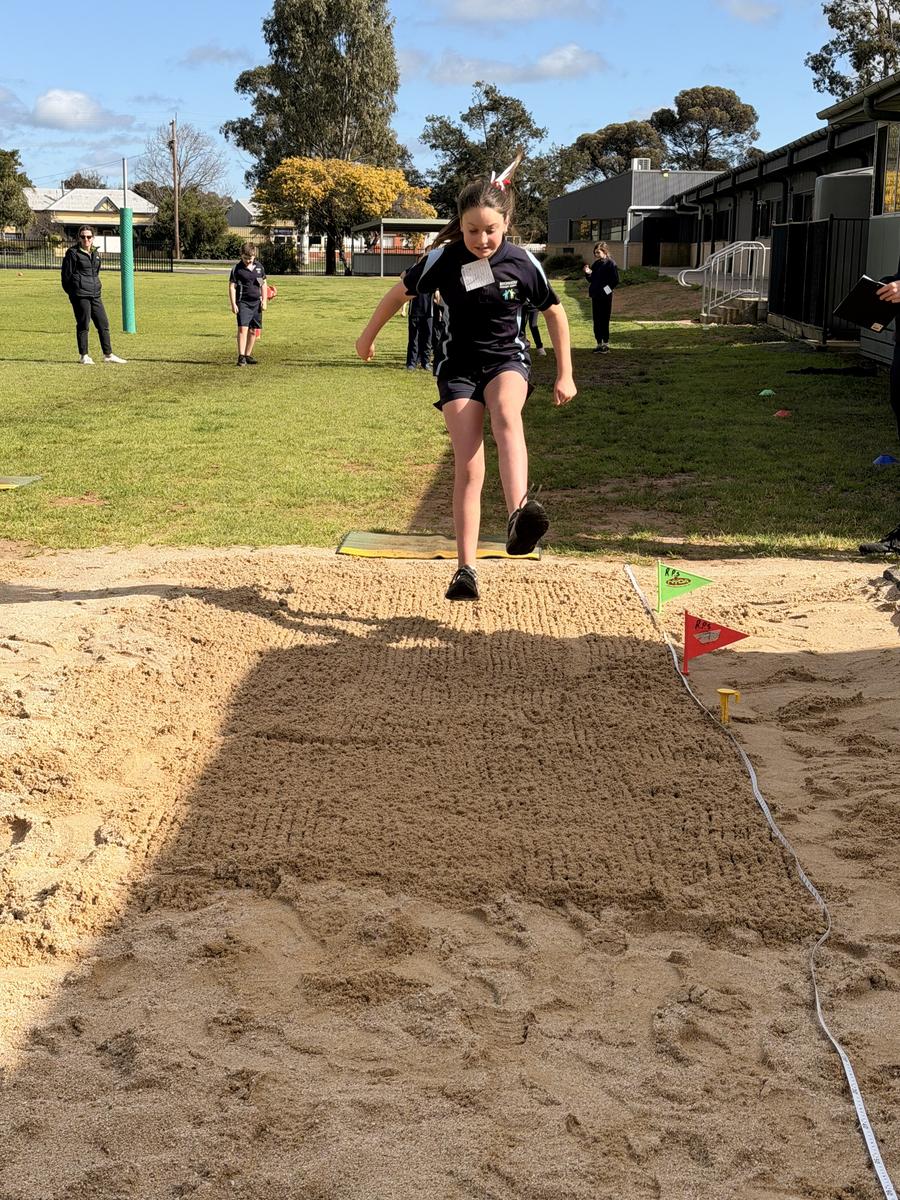
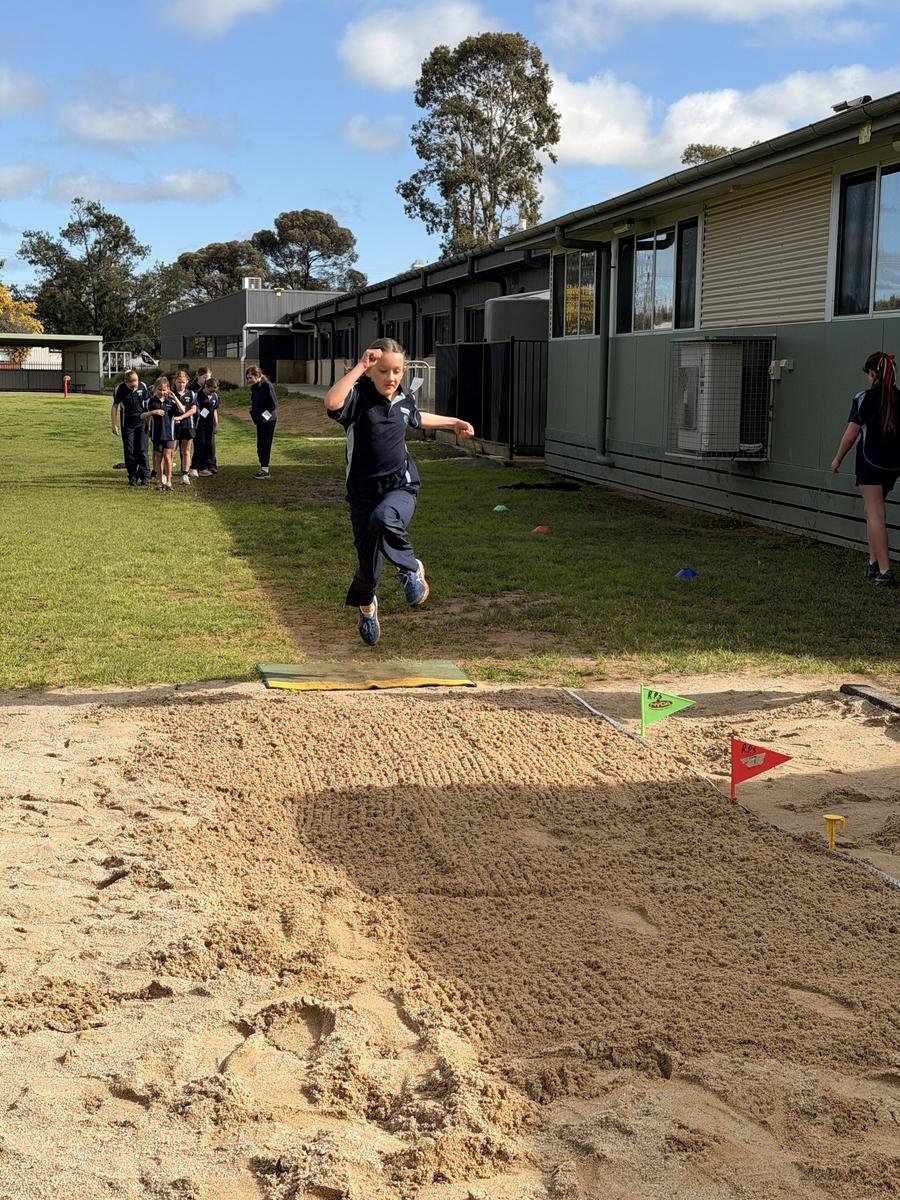
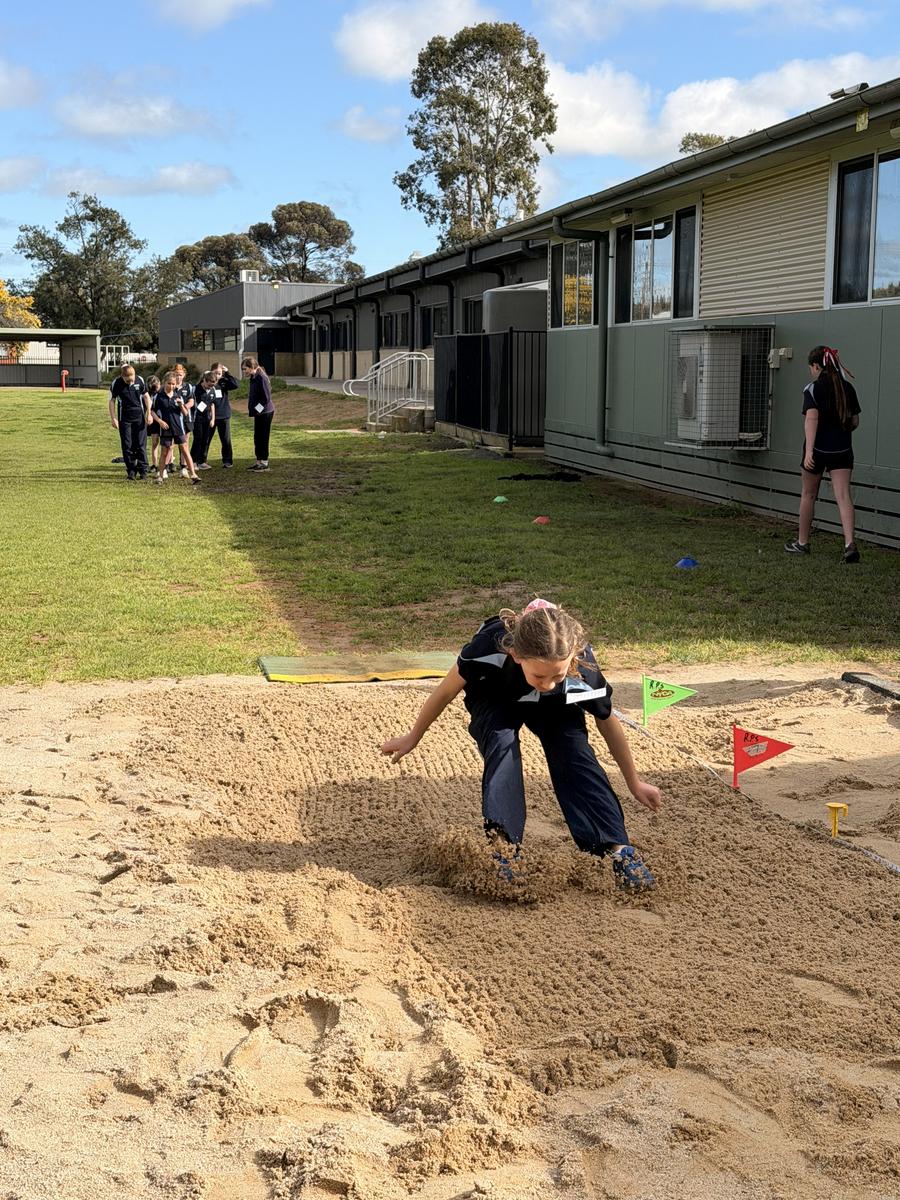
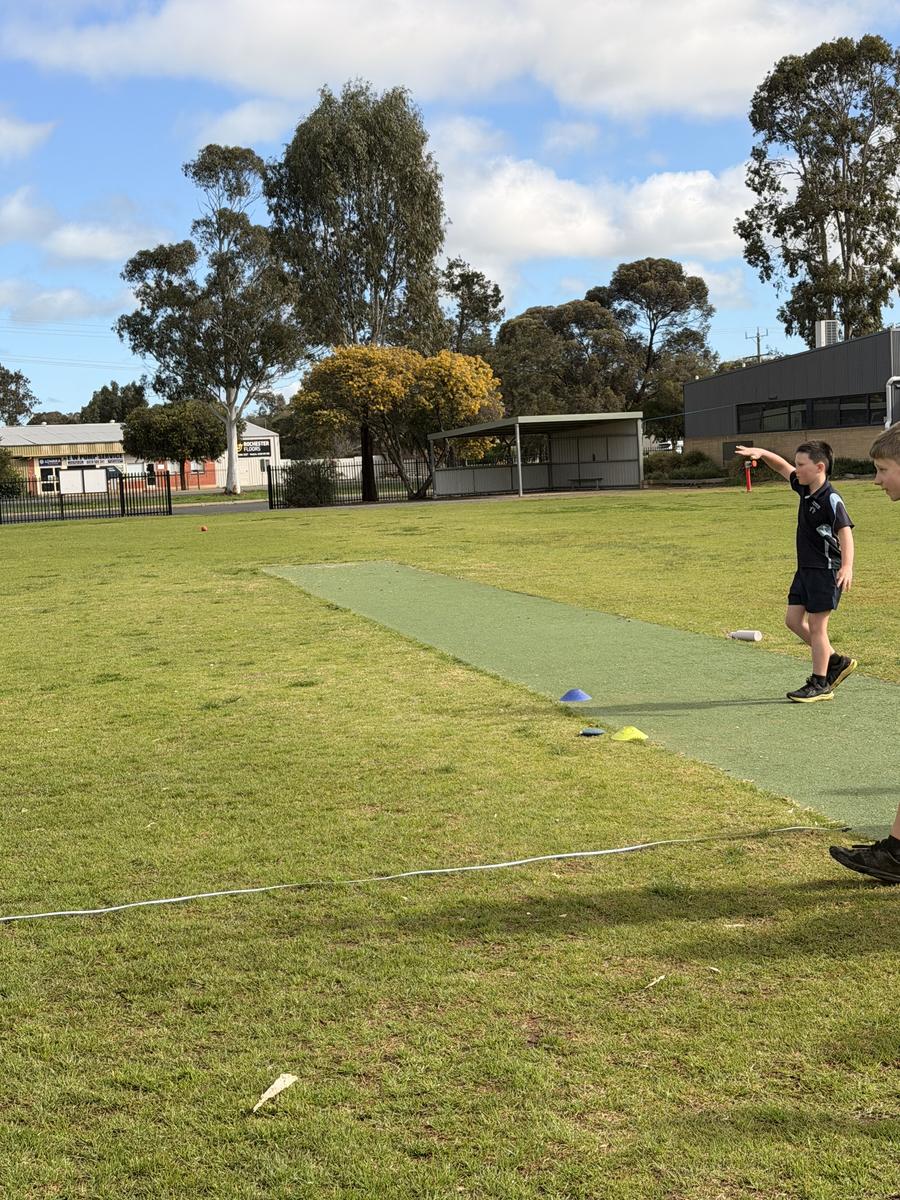
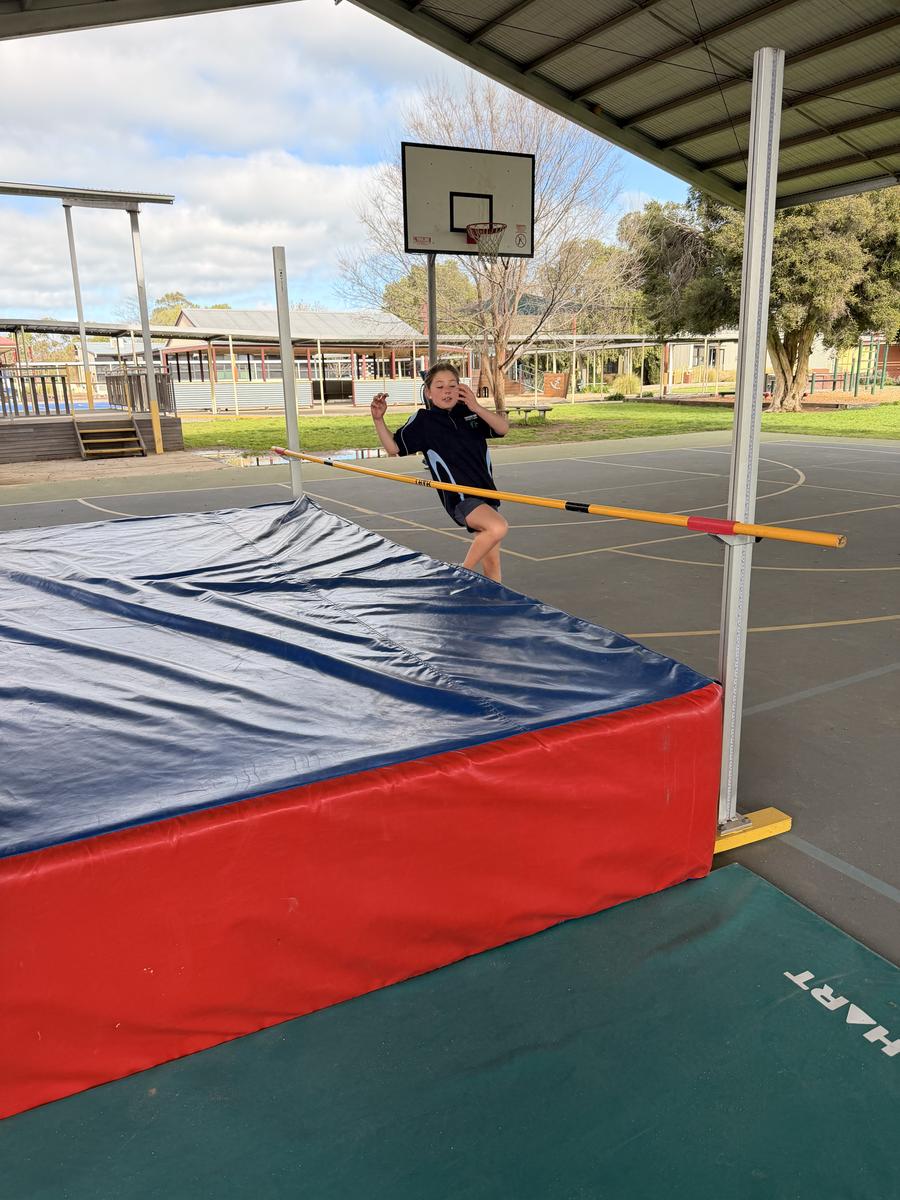
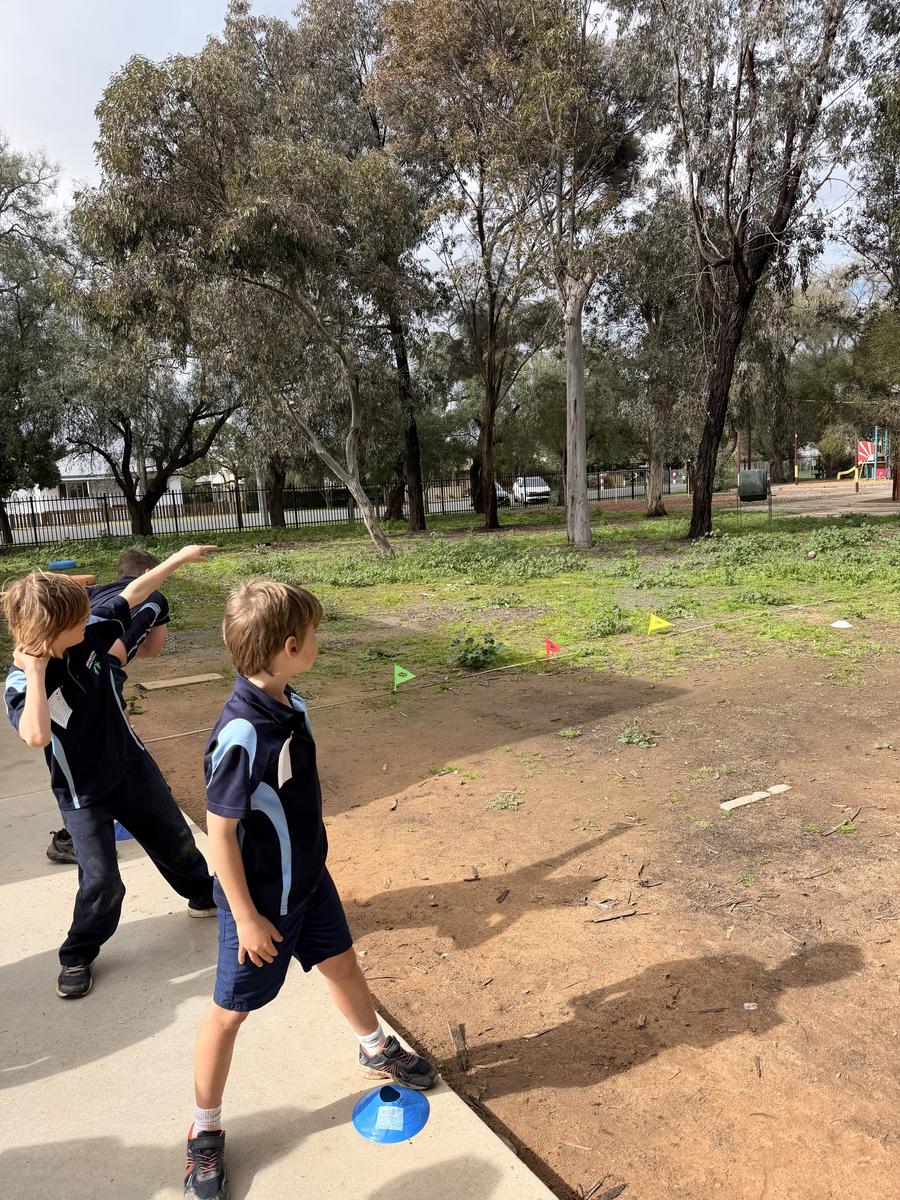
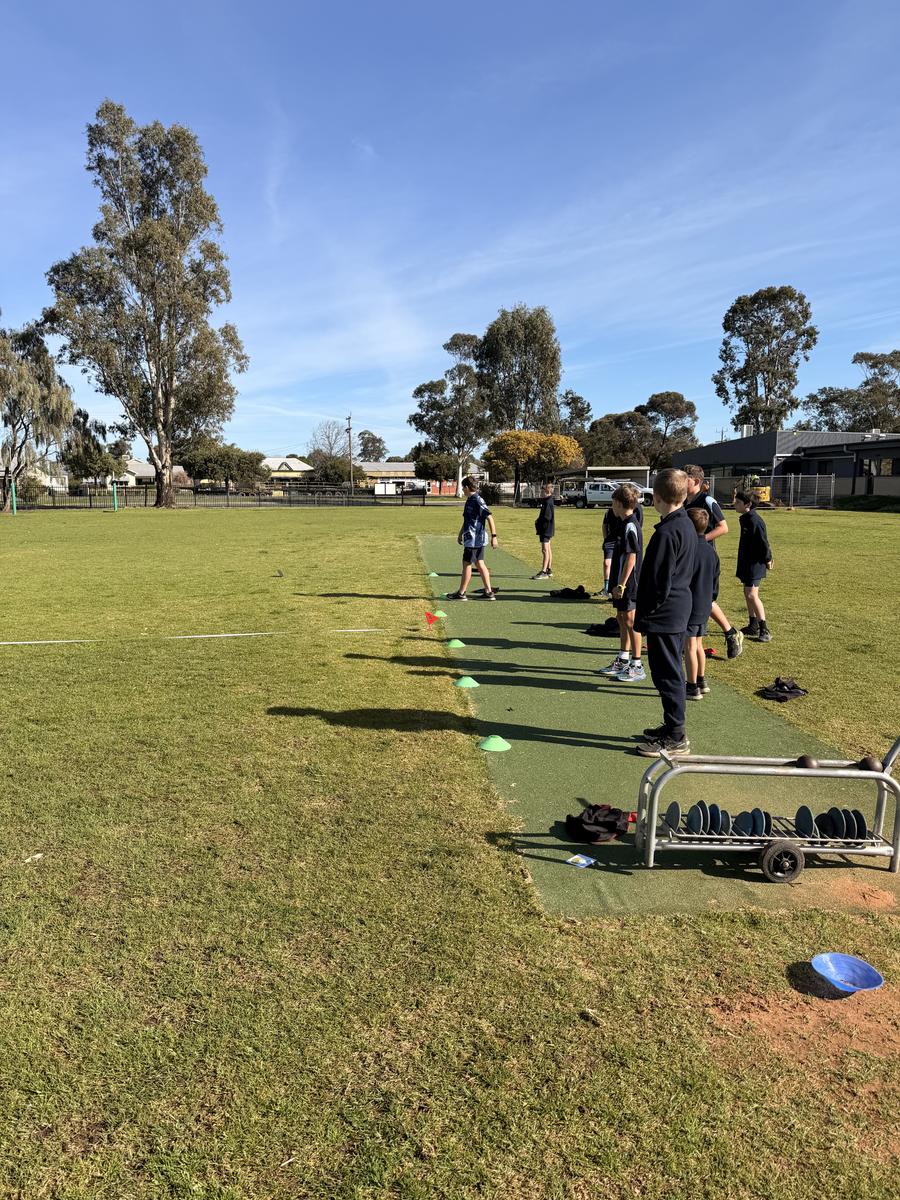
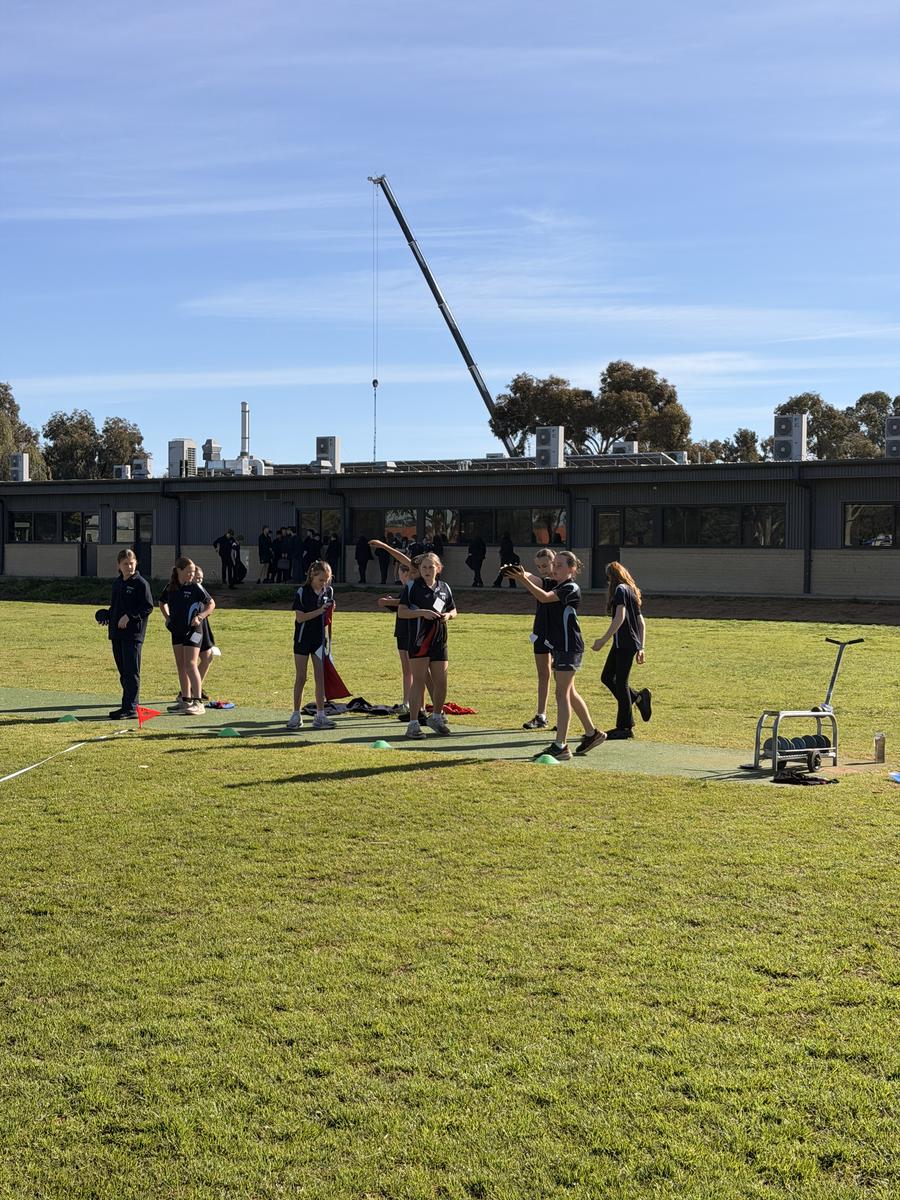
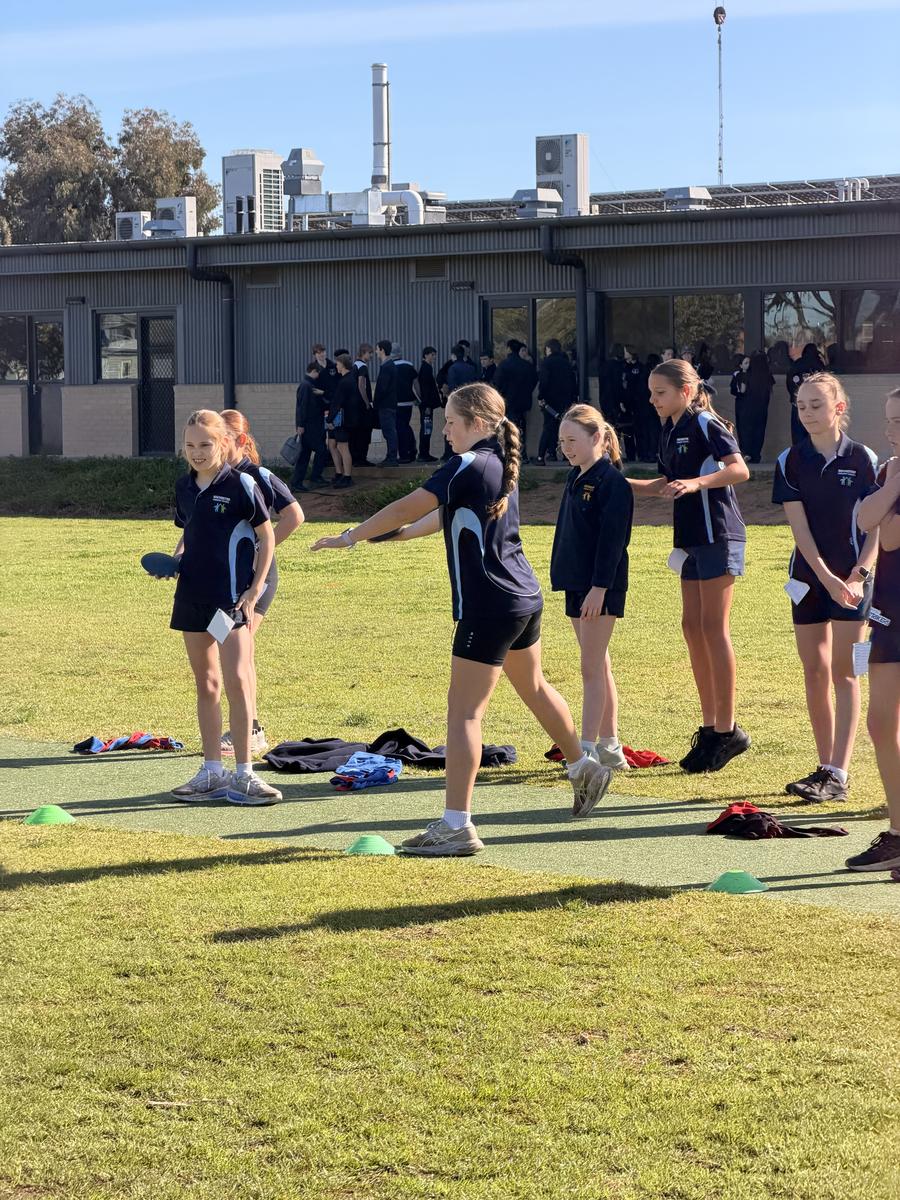
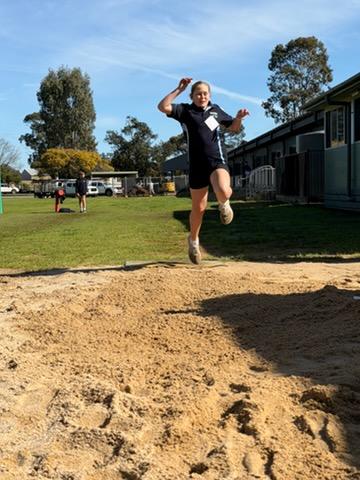
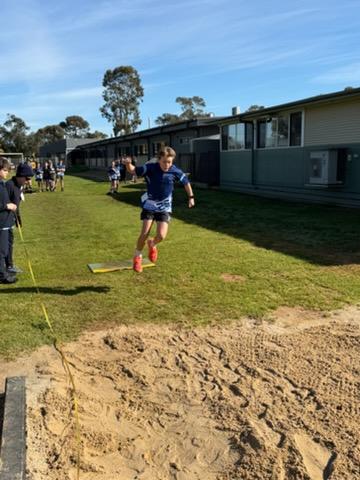
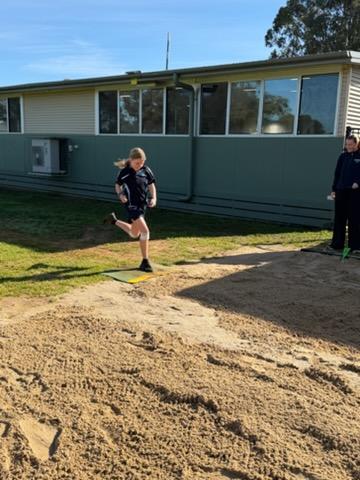
Due to poor weather we held our own 3-6 athletics at school and the Windridge. Select students will be eligible to compete in the Campaspe event in Bendigo on the 14th September.