Level 1: Connect
Nishtha Kapoor (1A), Lizzie Parmar (1B) and Robyn Hall (1C)















Level 1: Connect
Nishtha Kapoor (1A), Lizzie Parmar (1B) and Robyn Hall (1C)
Hello Level 1 families,
Welcome to another instalment of our SEPS newsletter.
We hope you're all well and have been enjoying the best of Melbourne's up and down weather.
Our Level 1 students have been as amazing as ever. We have started our Semester 2 assessments this week and we are confident that students will do amazingly well.
Last Thursday we had a fabulous excursion to the Melbourne Museum and the IMAX Theatre. It was such a great day exploring and discovering. We all learnt so much about Australian animals and places in 3D! We were so proud of the way the students behaved throughout the day.
Enjoy reading this this week's newsletter.
Have a brilliant fortnight,
Nishtha, Lizzie and Robyn
Level 1 Teachers
Take-home books will continue to be changed on Tuesdays and Fridays.
The latest homework was distributed last Friday. It will, as always, be attached to this newsletter.
Homework is of course optional, but it's so great to see most students completing homework activities to varying degrees. Keep up the fabulous work!
Please remember that broad rimmed school hats are now required for the remainder of the year.
Reading and Writing
Students have been demonstrating some wonderful creativity in their writing over the last few weeks. We have been enjoying reading their powerful verbs and body actions to show emotions.
Over the next fortnight, we will be focusing on reviewing our information report knowledge and non-fiction writing skills. Students will be reading a variety of non-fiction texts and practising skills such as writing in paragraphs, using subheadings and writing detailed factual descriptions. In reading lessons, they will continue to develop comprehension strategies such as questioning, summarising and retrieving information from texts. Students have been participating in daily sustained reading to increase reading stamina and using a good fit book to then practice a comprehension based skill.
Core Literacy
Students are involved in Core Literacy lessons every Monday, Tuesday, Wednesday and Friday.
During these lessons, students engage in many activities relating to spelling, phonics and morphology (how words are formed and how they relate to each other) such as dictation, editing, card deck and reading words.
Each week we have a sound/letter focus and a morphology focus.
During each of these sessions, students have a text that corresponds to their reading level that is read daily. These texts go home with the student every Friday for hopefully extra practise at home.
Here's what's happening in Core Literacy in the fortnight ahead:
Week 6 Heart Words- break, rough, double
Week 7 Heart Words- friend, thought, trouble
Week 6 Phoneme focus- tion If a word ends in "t" or "te," drop the "e" and add "-tion" to form a noun, such as migrate becomes migration. For words ending in other consonants, just add "-tion" to the end. For example, "invent" becomes "invention“.
Week 7 Phoneme focus- ie The long "i" sound: In one-syllable words ending in "ie," the letters make the long "i" sound as in pie.
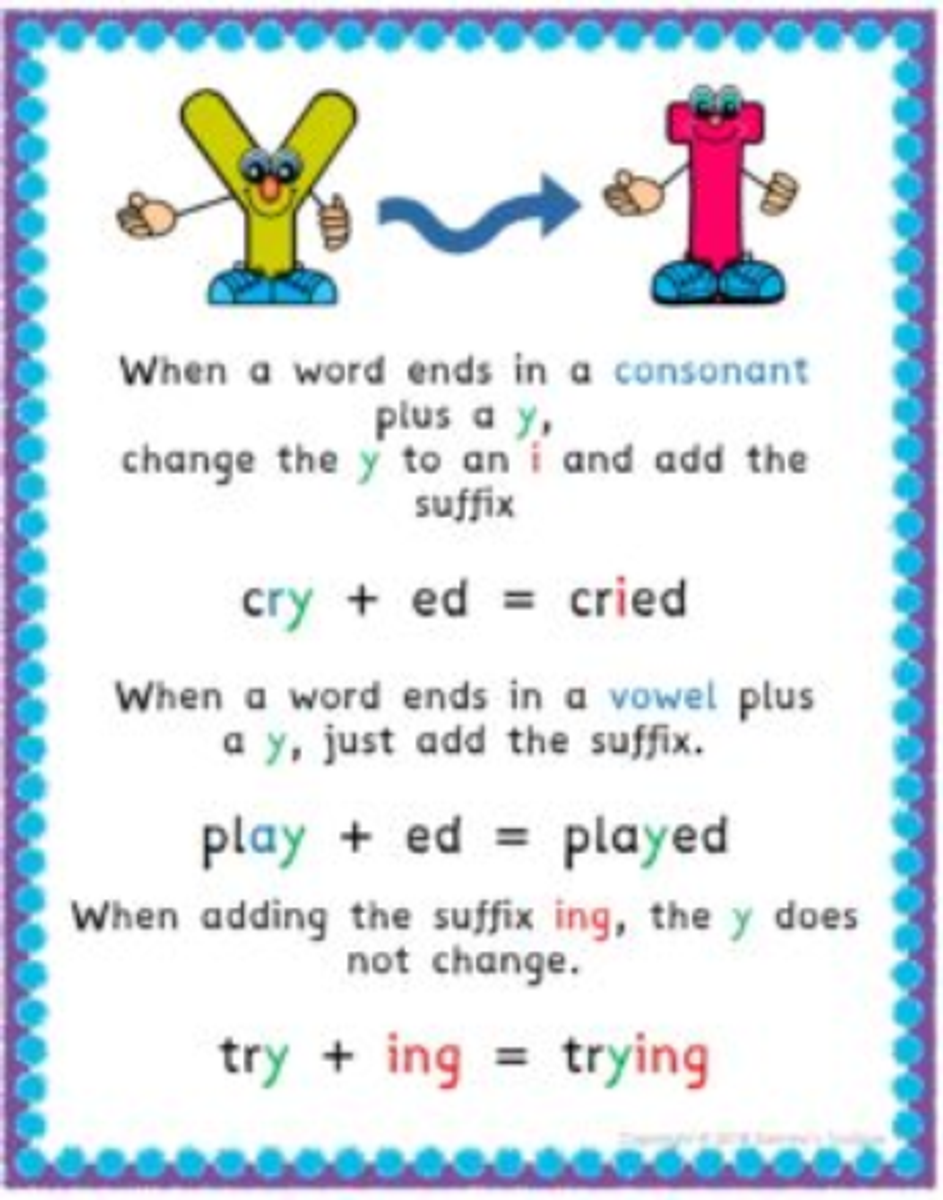
Morphology - Changing y to i
Over the coming fortnight, students will continue developing their mathematical understanding through Place Value and Measurement. In Place Value, students will practise partitioning three-digit numbers into hundreds, tens and ones and representing these numbers in standard expanded form. This will help strengthen their understanding of the value of each digit and how numbers can be broken apart in different ways.
In Measurement, students will explore how to measure length using informal units, such as blocks, pop sticks or paper clips. They will learn to select suitable units, measure the length of different objects and shapes, and compare measurements. Students will also investigate how measuring the same object with different informal units can produce different numerical results.
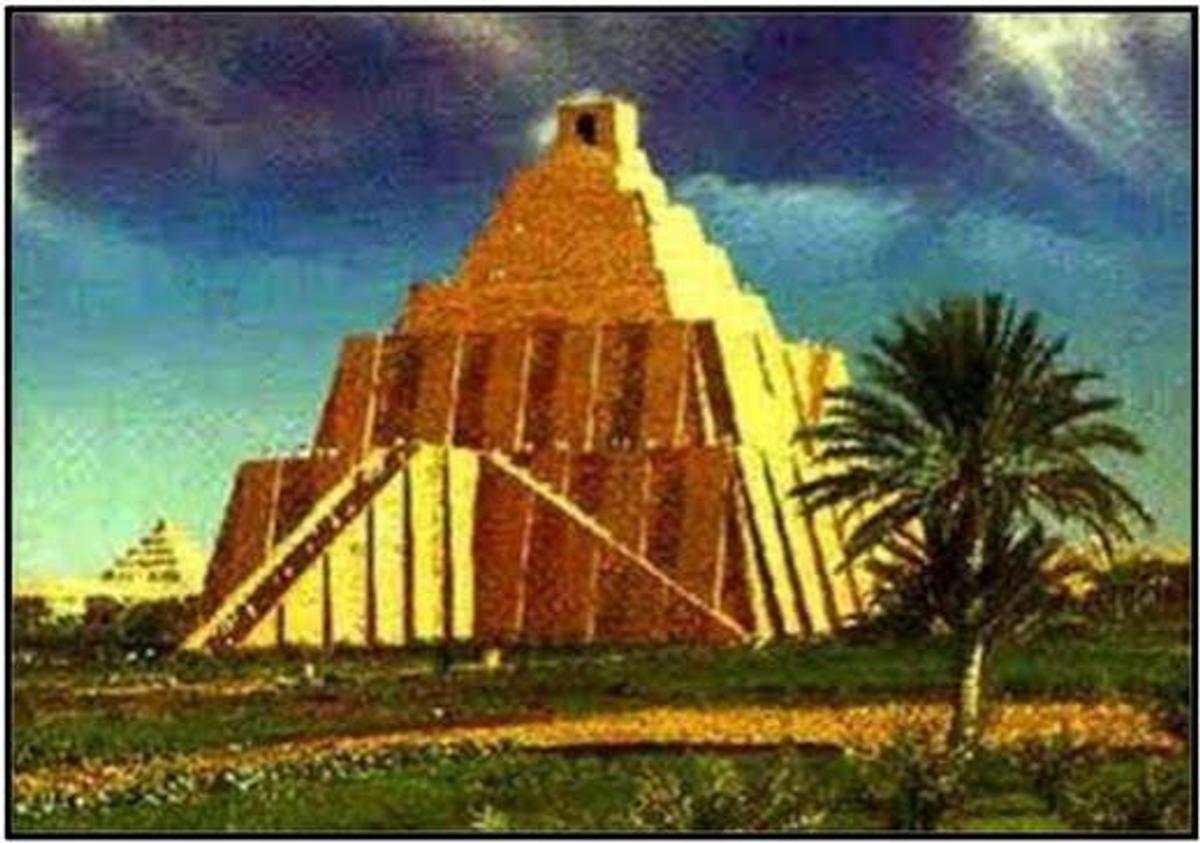
Our Term 4 Inquiry focus continues to be all about Mesopotamia, the first civilisation from 5000 years ago.
Students will learn about the following:
Long, long ago, what did people learn how to do that changed how they lived?
Why were the Tigris and Euphrates Rivers important to the Mesopotamians?
In ancient Mesopotamia, what was the system of writing called, and why was it important?
How might writing down King Hammurabi’s laws have helped the people of ancient Mesopotamia?
What did the people of Mesopotamia believe their gods and goddesses could do?
At the conclusion of learning all about Mesopotamia, students will showcase their understandings and skills via a project of their own choosing. Maybe a poster, a model, a diorama? We will hold an open afternoon in the last week of term whereby families and friends can pop in to see our students' wonderful creations. Details will be published in the next newsletter.