
NAIDOC Week
At St Mary's, we are proud to recognise and celebrate NAIDOC Week as an important opportunity to deepen our understanding of the rich histories, diverse cultures and remarkable achievements of Aboriginal and Torres Strait Islander peoples. NAIDOC Week invites all Australians to learn from and celebrate the world's oldest continuing cultures, while reflecting on the enduring connection of First Nations peoples to Country, community and culture.
Throughout last week week, our students have participated in a range of learning experiences designed to foster respect, curiosity and appreciation for Australia's First Peoples. On this page, we are delighted to share some of the wonderful learning that has taken place across our school as we continue our commitment to reconciliation and walking together with respect and understanding.
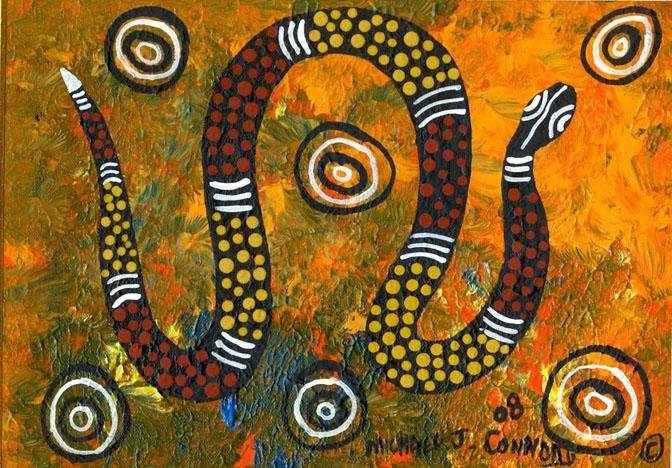
In Prep we learnt that The Rainbow Serpent is a story of creation.The Rainbow Serpent is the creator and protector of the land and the people. The people live together and look after the land given to them by the Rainbow Serpent.
During NAIDOC Week, Year One explored the text Family by Aunty Fay Muir and learned about the important role kin plays in many First Nations cultures. Students discovered that family extends beyond parents and siblings and can include Elders, Aunties, Uncles and other important people who help children learn and grow. Through the story, students were encouraged to think about how Aboriginal families teach values such as kindness, respect and caring for others, as well as the importance of caring for Country.
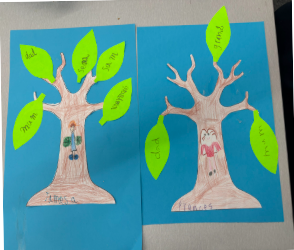
Students also learned how Elders share stories, traditions and knowledge with younger generations, helping children develop a strong sense of identity, belonging and connection. Students reflected on their learning by completing a Tree of Love, identifying the special people in their lives who care for them and help teach them important values and lessons.
Year Two students read the picture book Our Dreaming by Kirli Saunders and explored
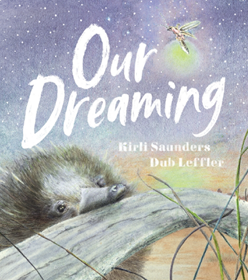
how First Nations peoples share stories to pass on culture, knowledge and traditions from one generation to the next. Students learnt that stories can be told in many ways, including through speaking, song, dance and artwork and discussed why these stories are important for preserving cultural identity. In a yarning circle, students shared a special story or memory from their own lives before creating a sequence of original symbols to represent the key parts of their story. Through this activity, students developed an appreciation of storytelling as a meaningful way to connect with others and preserve important memories and traditions.
In Year Three, we explored the picture story book Nedingar by Author Isobel Bevis and
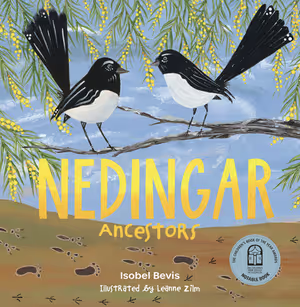
Illustrator Leanne Zilm. This dual-language book gives a wonderful explanation of First Nations Country and Ancestors through a conversation between a mother and her child. Nedingar is the story of a young child who wants to meet their Ancestors (Nedingar). The child wants to know them, learn from them and follow their ways. The child’s mother gently explains that their ancestors are everywhere, whenever they are walking on Country, observing animals, or listening to the wind in the leaves. You saw them yesterday, you saw them today, and you will see them tomorrow.
Students responded to the story by recreating the cover and drawing a picture to represent their own connection to ancestors using the words, “Nedingar” and “Ancestors”. This book highlights the deep connection to land, history and ancestral stories for Aboriginal Australians.
In learning about NAIDOC Week, Year Four plunged into Isaiah Firebrace’s inspiring book, Come Together: Things Every Aussie Kid Should Know About the First Peoples.
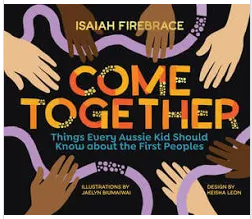
Our journey began by getting to know the author Isaiah Firebrace, uncovering his personal story and passion for sharing First Nations culture with young Australians. As we read, students stepped into the role of literary and art critics—analyzing how the illustrator and designer created visual harmony with dot and line motifs, while examining how Isaiah’s use of first-person pronouns (I, we, you) and persuasive phrasing ("it’s important," "we need to") builds an authentic, direct connection with the reader., Students then explored topics across the text to expand their understanding of First Nations history, culture, and ongoing connection to Country. We encourage all families to ask your Year 4 student about their favourite page from Come Together. Together, we can continue to listen, learn, and walk forward side by side.
In Years 5 and 6, we proudly celebrated NAIDOC Week by exploring the 2026 theme, Deadly. Students learned that deadly is a positive term in Aboriginal culture meaning excellent, strong, proud, or amazing and discussed how it celebrates the strength, resilience, achievements and rich cultures of Aboriginal and Torres Strait Islander peoples. Throughout the week, students explored the history and significance of NAIDOC Week, developing a deeper appreciation for the importance of recognising and celebrating First Nations cultures, histories, and contributions. They also created colourful artworks inspired by Aboriginal artistic styles and symbolism, using patterns and designs to express ideas of identity, connection, and community.
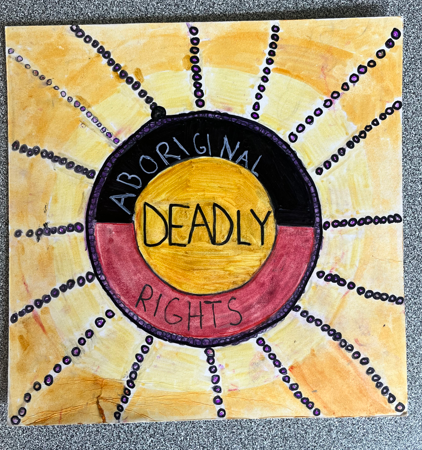
These learning experiences culminated in our NAIDOC Week assembly presentation, where students proudly shared their learning and artwork with the school community. Through their participation, students strengthened their understanding of the meaning and importance of NAIDOC Week and the value of celebrating and respecting the cultures and contributions of Aboriginal and Torres Strait Islander peoples.