
Wellbeing
Fiona Dandie & Robert Pain
Wellbeing
Fiona Dandie & Robert Pain
As the school term comes to an end, many children (and adults) are feeling tired. A busy term of learning, friendships, routines, activities and new experiences takes energy, and the colder months and increased illness have added another layer of challenge for many families. Just like adults, children need time to rest and recover so they can return to school feeling ready to learn and connect.
For some children, particularly neurodivergent children, the impact of a busy term can be even more noticeable. Managing sensory input, social interactions, communication, changes in routine and the expectations of school can require significant mental and emotional energy. A child may appear to have coped well at school but become more tired, emotional or overwhelmed once they are safely at home. This isn't necessarily a sign that something has gone wrong – it could be that their "energy tank" is running low.
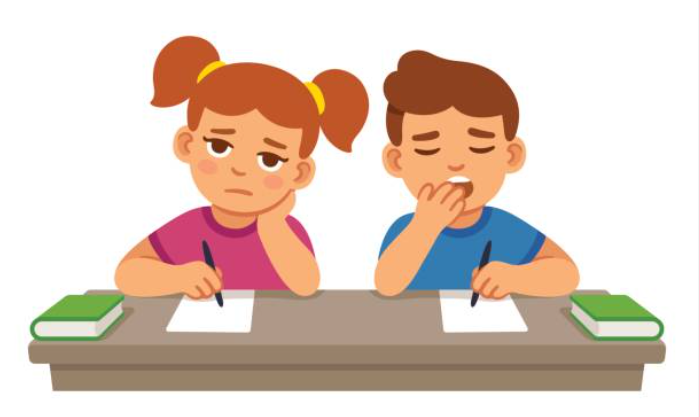
Rest doesn't always mean sleeping or doing nothing. Children recharge in different ways. Over the break, families can support recovery by:

For some neurodivergent children, recovery may require more intentional opportunities to regulate. They may need time away from busy environments, noise, crowds or lots of social interaction. A child who has spent the term working hard to manage sensory or emotional demands may need more downtime than their siblings or peers.
Look for your child's individual signs of fatigue. These might include increased irritability, tearfulness, difficulty making decisions, withdrawing from others, increased sensory sensitivities, difficulty sleeping, more frequent meltdowns, or simply saying, "I don't know" or "I don't want to."
When children are tired, it can help to reduce the number of decisions and expectations placed on them. Offering simple choices such as "Would you like some quiet time or a story?" can provide autonomy without adding to their cognitive load.
Perhaps most importantly, children don't need to earn rest. Rest, play, connection and recovery are essential parts of healthy development. After a demanding term, it is perfectly okay for children to have days where they do very little.
The holidays provide an opportunity to refill the tank – to sleep, play, connect, move, laugh, be quiet and simply be themselves. By allowing children time and space to recover, we can help them return to school ready for the next chapter of learning, friendships and growth.