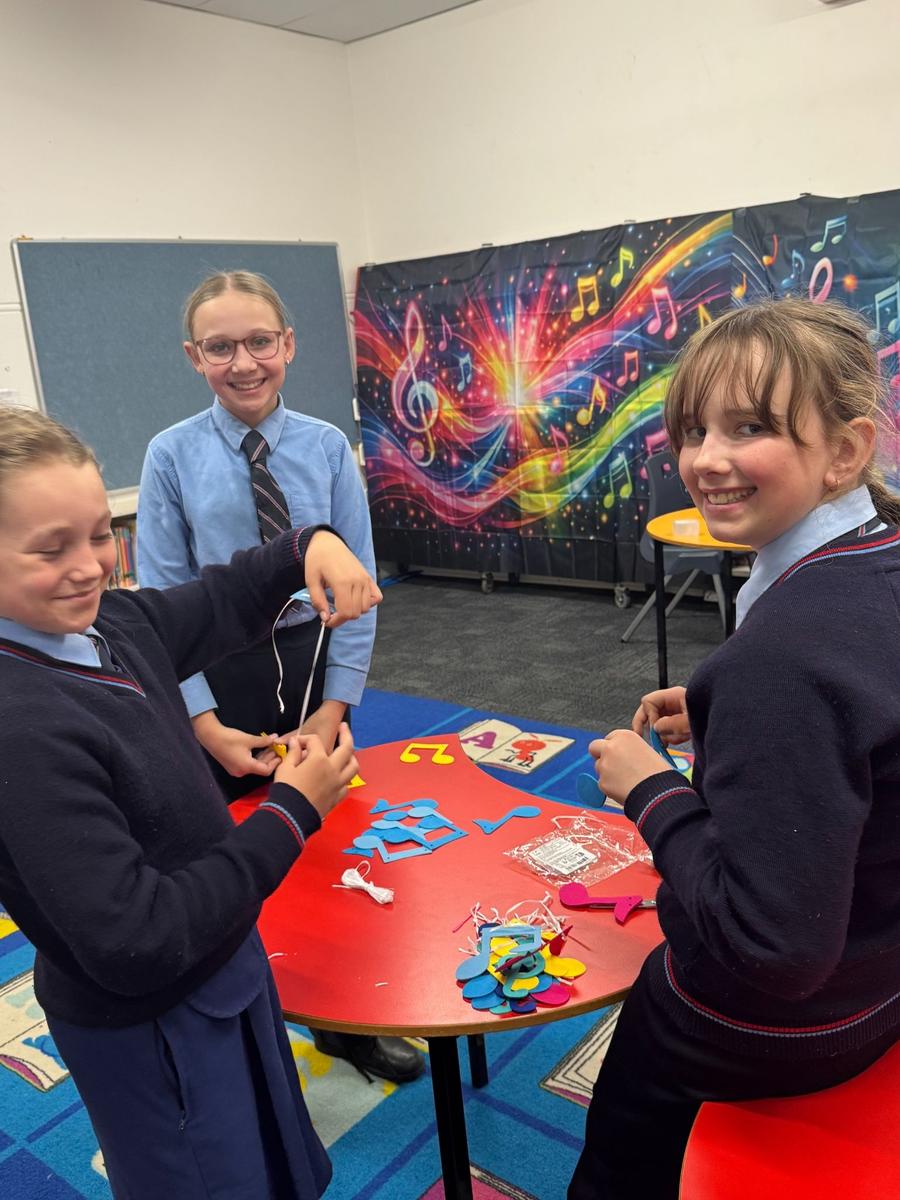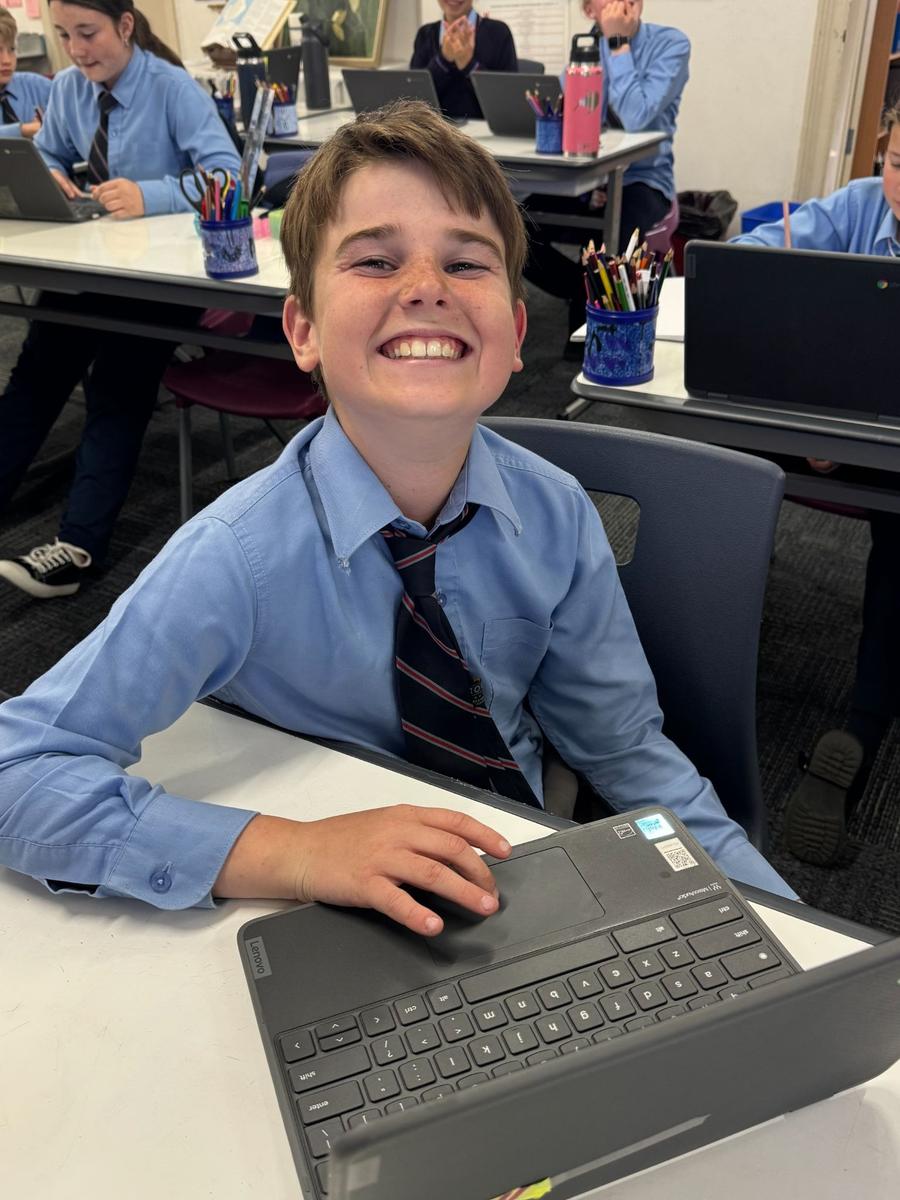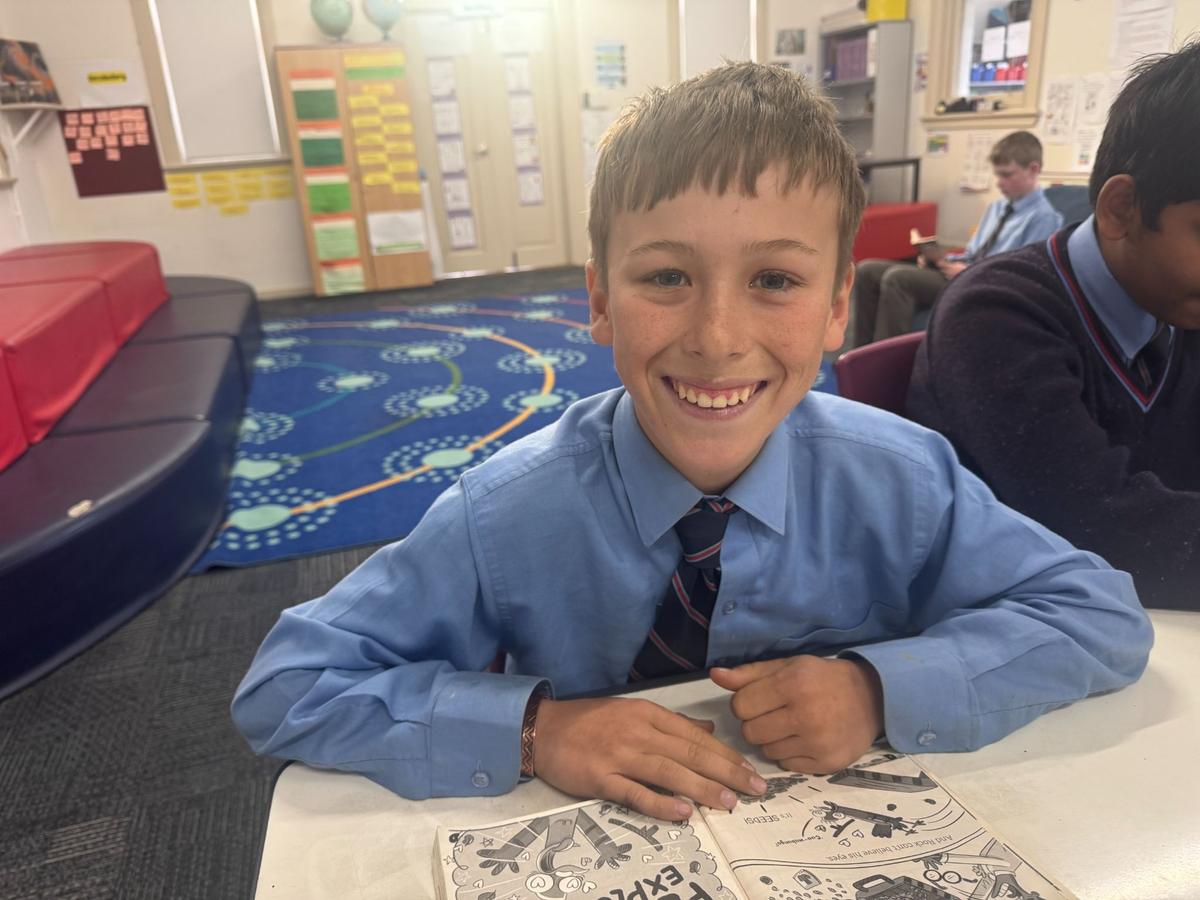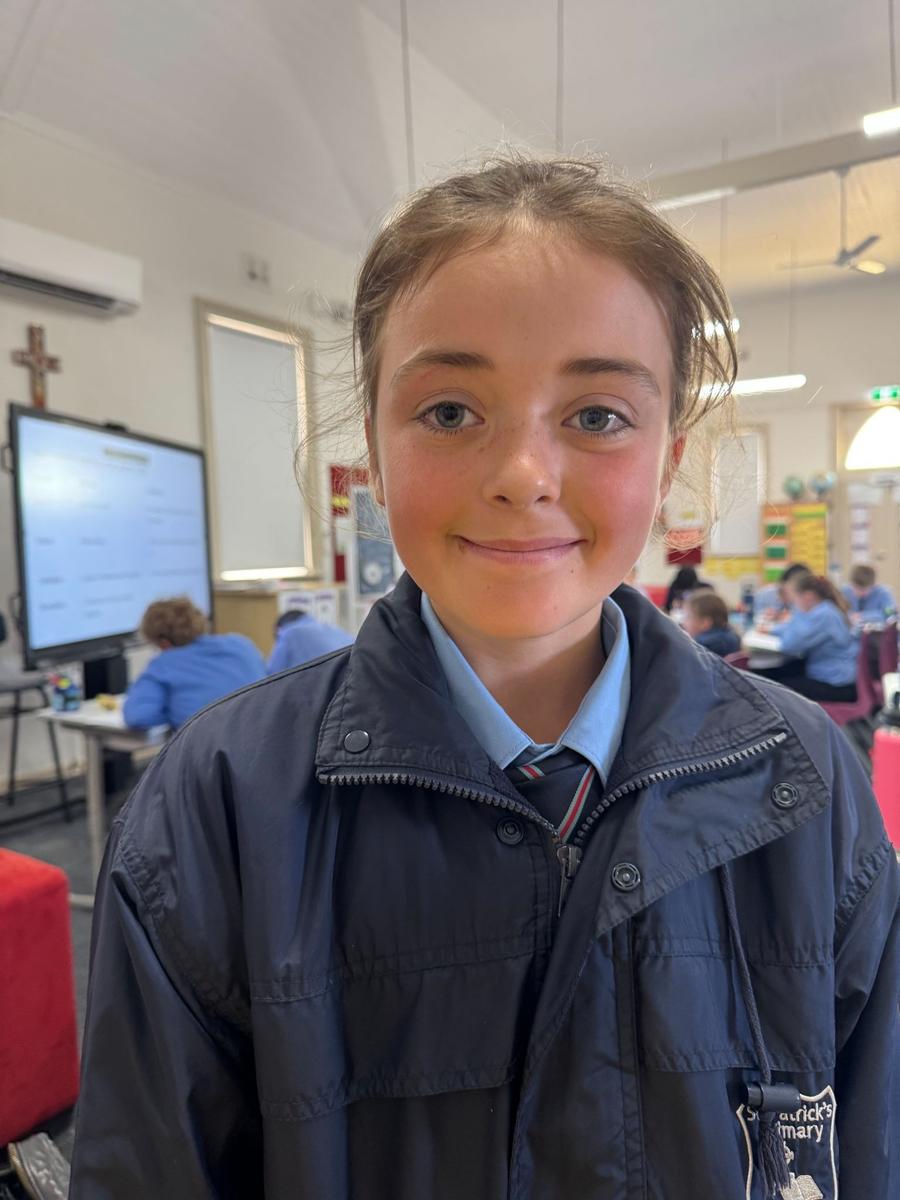
Classroom Gallery

Year 5/6 Newsletter – Term 3, Week 6
Year 5/6 continue to approach their learning with enthusiasm and maturity, while also enjoying the responsibilities and opportunities that come with being the senior students of our school. Our classroom has been a busy place, with students reading, writing, problem-solving, collaborating and challenging themselves across all areas of the curriculum.
English
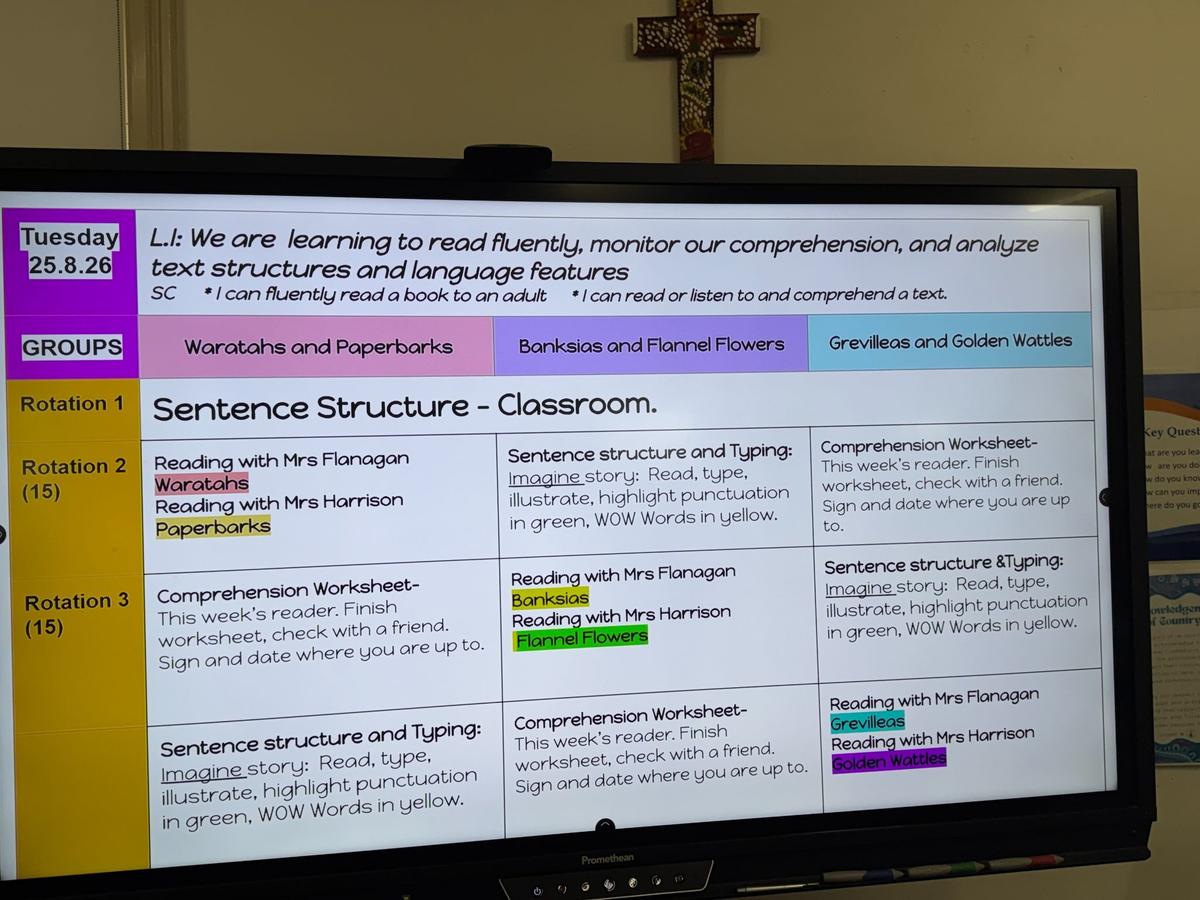
Reading
Our regular reading groups continue, with students focusing on developing fluency, expression and comprehension. We are working on reading aloud with appropriate pace, phrasing and expression, while also thinking more deeply about what we read. Students are encouraged to move beyond simply finding information in a text to making inferences, explaining their thinking and supporting their responses with evidence.
We are also enjoying our class novel study of Blueback by acclaimed Australian author Tim Winton. Set against the beautiful Western Australian coastline, Blueback tells the story of Abel Jackson and his connection with the ocean and a magnificent blue groper. The novel provides wonderful opportunities to explore themes of family, belonging, conservation, courage and our responsibility to care for the natural environment. Tim Winton's rich descriptive language is also providing us with excellent examples of how authors use imagery and carefully selected vocabulary to bring a setting to life.
Writing
Our current focus is narrative writing, with students learning that effective stories require much more than an interesting plot. We are examining how skilful writers construct sentences, select precise vocabulary and use literary devices to create imagery and engage their readers.
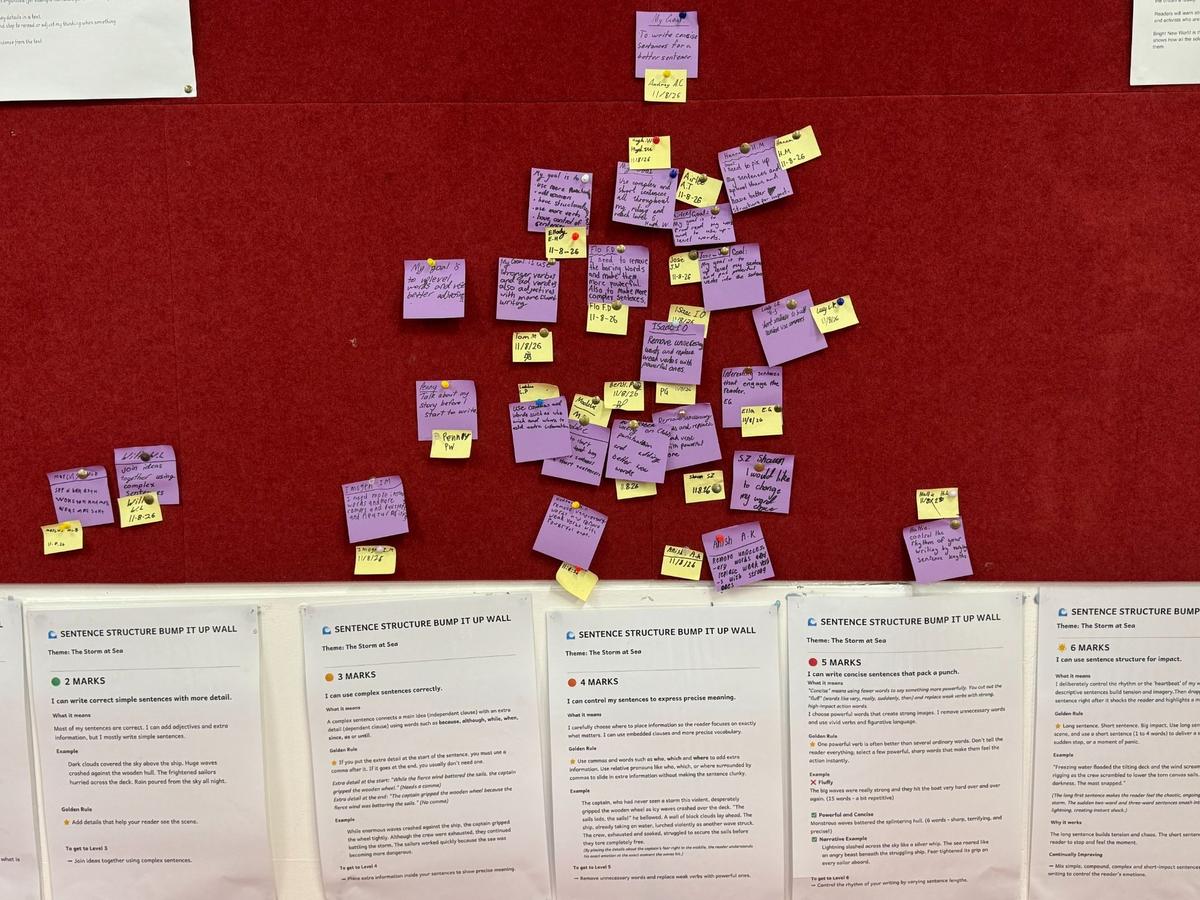
A particular focus has been developing sentence structure and construction. Students are learning to recognise and deliberately use simple, compound and complex sentences, rather than relying on the same sentence patterns throughout their writing. We are also experimenting with interesting sentence beginnings, expanded noun groups, strong verbs, adverbs, similes, metaphors and other techniques that can add detail and sophistication to a narrative.
An important part of becoming an independent writer is learning to recognise your own strengths and areas for improvement. Students are therefore learning to assess examples of their writing against specific criteria and use this information to develop an achievable personal writing goal. Rather than simply aiming to "make my writing better", students are learning to identify exactly what they can work on next.
Spelling and Word Work
Students continue to develop their spelling skills through proofreading and correcting errors, as well as revising sight words, commonly confused words and other tricky spelling patterns. Proofreading is an important skill, and we are encouraging students to slow down, reread carefully and take greater responsibility for identifying and correcting mistakes in their own work.
A favourite part of our daily routine continues to be solving our Wordle. Although it is great fun, Wordle also involves some very useful spelling and vocabulary thinking! Students are learning to look closely at letter patterns and combinations and, in particular, to recognise the extremely important role that vowels play in helping us unlock unfamiliar words.
Students have also been learning how to solve — and even create their own Kahoots. Creating questions requires students to think carefully about what they have learnt, distinguish between correct and incorrect responses and communicate information clearly. There is always plenty of healthy competition when it is time to test one another's creations!
Mathematics – Multiplicative Relations
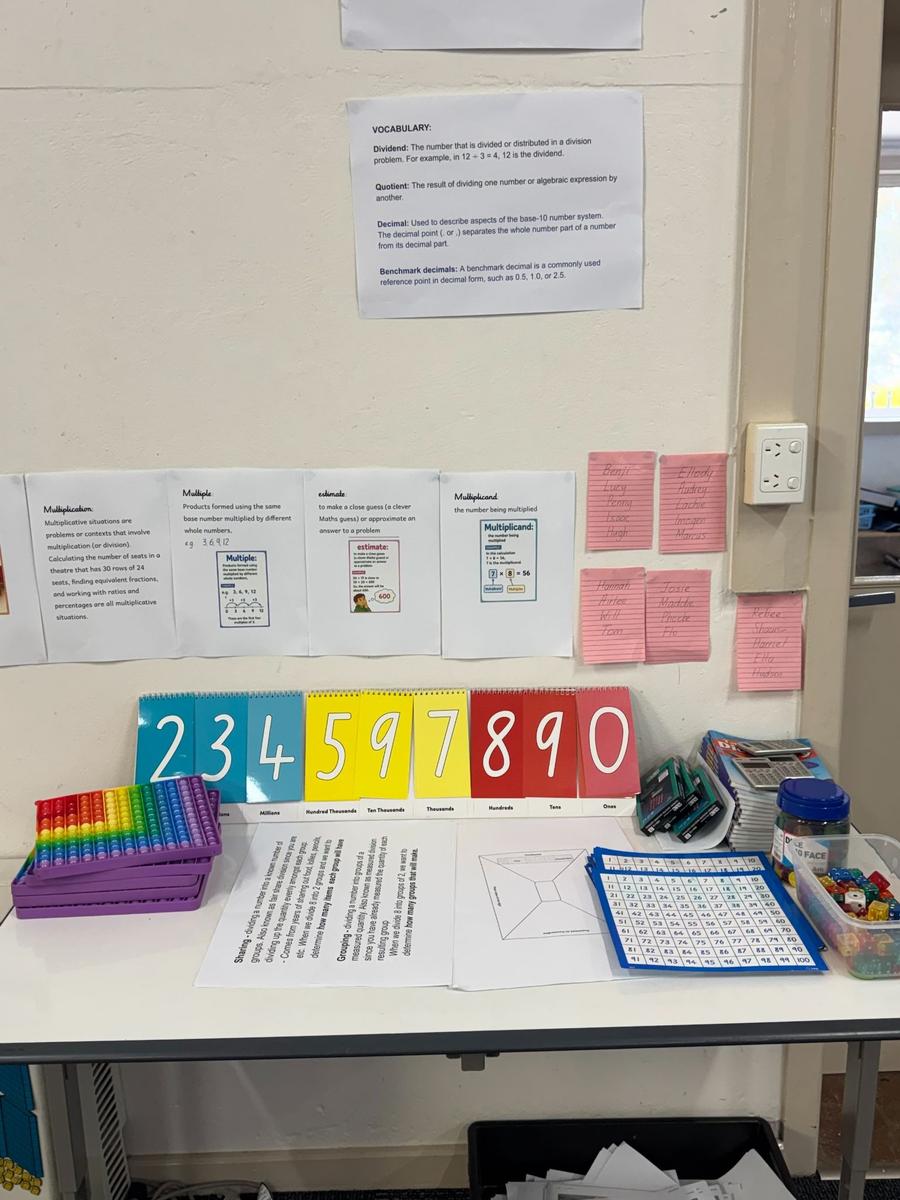
Our Mathematics focus is currently Multiplicative Relations, with particular attention being given to developing efficient strategies for division.
Students are learning that division is closely connected to multiplication and that strong knowledge of multiplication facts makes division significantly easier. We are using known fact families, multiples and a range of mental and written strategies to solve division problems. Students are also learning to estimate an answer before calculating, which helps them decide whether their final answer is reasonable.
We have been exploring division problems that result in remainders and, importantly, learning that a remainder needs to be interpreted according to the situation. For example, sometimes a remainder can simply be recorded, while in other situations we may need to round up, share the remainder or express it as part of a whole. Students are applying these skills to increasingly challenging word problems and explaining the strategies they have used.
We are also strengthening our understanding of the relationship between multiplication and division through inverse operations. For example, knowing that 7 × 8 = 56 helps us immediately recognise that 56 ÷ 7 = 8 and 56 ÷ 8 = 7. Developing this flexible number knowledge is an important step towards becoming an efficient and confident mathematician.
Supporting Mathematics at Home
One of the most helpful things students can do at home is continue to develop quick and accurate recall of their multiplication tables. Times tables are not simply something to memorise for a test — they are an essential tool for fractions, division, percentages, area and many other areas of Mathematics.
Some quick and easy ways to practise at home include:
- Learning times tables
- asking multiplication and related division facts together: 6 × 7 = ?, followed by 42 ÷ 6 = ?
- choosing one times table at a time and working towards quick, accurate recall
- skip-counting forwards and backwards by 3s, 4s, 6s, 7s, 8s or 9s
- asking practical division questions such as, "We have 24 biscuits to share equally between six people. How many does each person receive?"
- looking for multiplication and division in everyday situations involving money, cooking, shopping, sport or sharing
playing quick number games in the car or around the dinner table — even five minutes of regular practice can make a considerable difference.
The goal is not simply speed, but for students to develop confidence in seeing the connections between numbers. The stronger their multiplication facts become, the more confidently they can tackle increasingly complex division problems.
HSIE – Australia as a Nation
In History, we are investigating Australia as a nation, with a particular focus on the development of Federation and our system of government.
Students are exploring why the six separate Australian colonies eventually decided to unite as one nation, as well as investigating the key people, events and differing viewpoints involved in the Federation movement. We are learning that Federation did not simply happen overnight; it involved debate, negotiation and differing opinions about what a united Australia should look like.
Students will also explore the development of the Australian Constitution and investigate some of the historical influences on Australia's democratic system, including the Magna Carta and the Westminster and American political systems. Through the use of both primary and secondary sources, students are developing their ability to investigate the past, consider different perspectives and understand how historical events have helped shape the Australia in which we live today.
Religion – The Sacraments
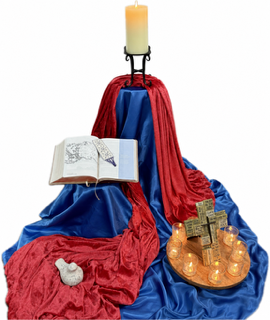
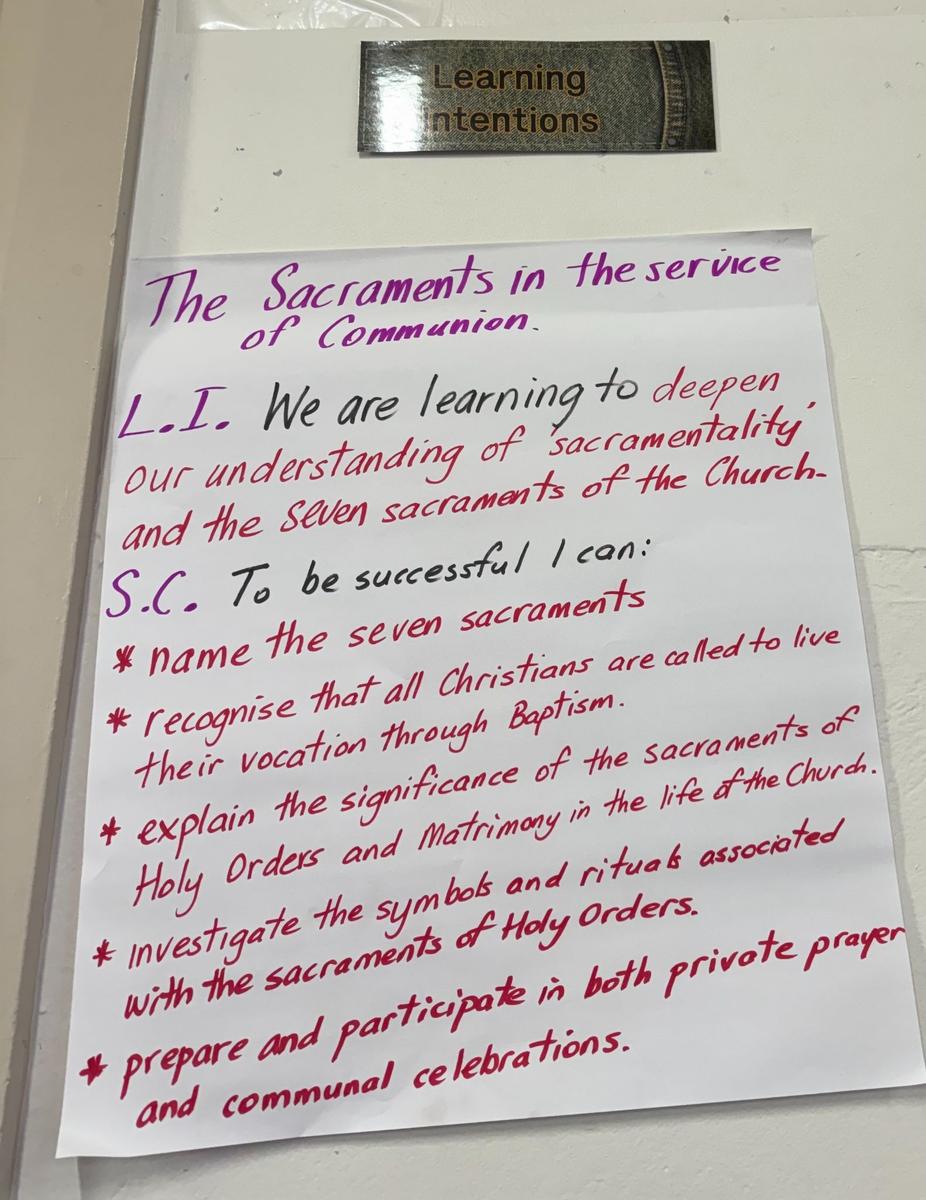
Our Religion unit focuses on The Sacraments. Throughout this unit, students will deepen their understanding of sacramentality and explore the meaning and significance of the seven Sacraments of the Catholic Church.
Students will consider how the Sacraments celebrate God's presence in our lives and mark significant moments within our journey of faith. We will explore the Sacraments of Initiation, Healing and Service and consider the symbols, rituals and traditions associated with each. Through Scripture, discussion, prayer and reflection, students will continue to develop their understanding of how faith is expressed and celebrated within the community.
Sport
There is plenty of excitement building as we look forward to our upcoming Netball and Soccer Gala Day in Inverell in a few weeks!
In preparation, students have been working with Mr Hyatt to develop and refine their soccer and netball skills. Training sessions have included ball control, passing, catching, movement, positioning and game strategies, with a strong emphasis on communication and teamwork.
These sessions provide much more than an opportunity to improve sporting skills. Students are learning to work cooperatively, encourage their teammates, respond positively to feedback and demonstrate good sportsmanship. It has been terrific to see the enthusiasm with which students are approaching their training and the way they are supporting one another as their skills develop.
We are certainly looking forward to travelling to Inverell and having the opportunity to put all of this practice into action on Gala Day!
Year 5/6 – Our Senior Students
Year 5/6 has settled beautifully into the second half of the year and continue to demonstrate a mature and positive approach to their learning. They are embracing their role as the senior students of our school and are increasingly showing responsibility, leadership and consideration for others.
Message from Mrs Flanagan:
I continue to be incredibly impressed by the way this wonderful group is growing into their role as school leaders and learners. Students have every reason to feel proud of themselves — and I certainly feel very fortunate to be their teacher.
-Anna Flanagan